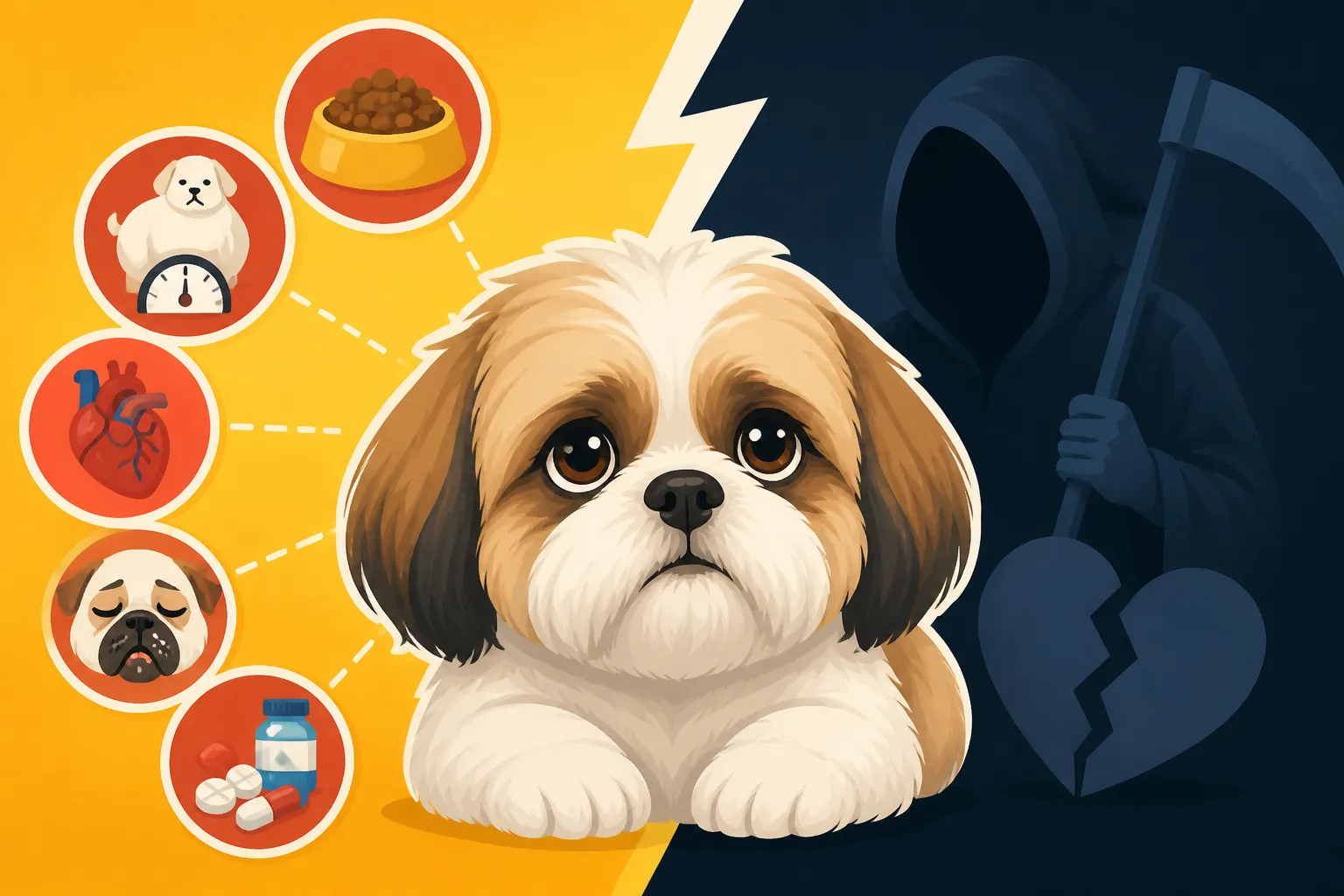
What Shortens a Shih Tzu’s Life Most
It's a heartbreaking reality to think about what might shorten our beloved Shih Tzu's time with us. These little lion dogs bring so much joy and companionship, and we all hope for them to live long, healthy lives, often pushing past their average thirteen years. But sadly, certain prevalent health challenges and everyday risks can significantly cut that precious time short, often without owners even realizing the danger until it's too late. This guide will delve into the most common factors that can shorten a Shih Tzu's life, from inherent breed traits and genetic predispositions to preventable mistakes, so you can be better prepared to protect your furry family member and give them the longest, happiest life possible.
Genetic Predispositions and Their Impact on Lifespan
Shih Tzus, like many purebred dogs, come with a genetic blueprint that makes them susceptible to certain health conditions. Some of these are direct consequences of their unique breed standards, while others are inherited diseases that, if not screened for or managed, can lead to a significantly reduced lifespan and diminished quality of life. Understanding these inherent vulnerabilities is the first step in proactive care.
Brachycephalic Syndrome Challenges
The adorable, flat face that defines the Shih Tzu breed is also their Achilles' heel when it comes to longevity. This distinctive facial structure leads to a cluster of anatomical abnormalities collectively known as brachycephalic syndrome. These issues include narrowed nostrils (stenotic nares), an elongated soft palate that can obstruct the airway, and a hypoplastic trachea (narrow windpipe). For our little furry friends, this means they often struggle to breathe efficiently, even at rest.
Imagine trying to breathe through a perpetually stuffy nose while someone is also holding a pillow over your mouth – that's often what it feels like for a severely affected Shih Tzu. This constant struggle means their respiratory system is under immense strain day in and day out. Over time, this chronic lack of efficient oxygen exchange puts incredible stress on their heart and lungs, potentially leading to secondary heart conditions or laryngeal collapse down the line. It also makes them incredibly susceptible to overheating, as panting is their primary way to cool down, and their compromised airways make this process difficult. A hot summer day, even a short walk, can turn deadly quickly. The implications of these breathing difficulties also extend to medical procedures; Shih Tzu Anesthesia Risk From a Flat Face is a serious concern, as their airways can swell or collapse under sedation, making routine surgeries much riskier. Addressing issues like The Elongated Soft Palate in a Shih Tzu or Shih Tzu Stenotic Nares and Noisy Breathing early can significantly improve their quality of life and potentially extend their years.
Inherited Organ Diseases
Beyond the structural issues, Shih Tzus can also be prone to inherited diseases that affect vital organs. One of the most devastating is Renal Dysplasia, a genetic kidney disease. This condition means the kidneys don't develop properly, leading to a progressive and often fatal decline in kidney function. While some dogs might show signs in puppyhood with symptoms like excessive thirst, frequent urination, and stunted growth – often described as Renal Dysplasia in a Shih Tzu Puppy That Will Not Grow – others might not exhibit severe symptoms until later in life, making early detection a challenge without specific screening.
The insidious nature of kidney disease means that by the time overt signs appear, a significant portion of kidney function might already be lost. Managing this condition involves specialized diets and supportive care, but it ultimately has a guarded to poor prognosis. Beyond kidneys, Shih Tzus can also inherit predispositions to certain heart conditions, such as mitral valve disease, particularly as they age. While not always a death sentence, severe Shih Tzu Heart Murmurs and Valve Disease can lead to congestive heart failure, dramatically shortening a dog's life and requiring intensive medical management. Responsible breeders will often perform health testing to try and mitigate these risks, but no dog is entirely immune to genetic predispositions.
Preventable Health Issues That Cut Lives Short
While some health challenges are inherent to the breed, many factors that significantly shorten a Shih Tzu's life are entirely preventable through diligent care and attentive ownership. Ignoring these aspects can lead to chronic suffering and premature death.
Dental Disease and Its Far-Reaching Consequences
It might seem benign, but chronic dental disease is one of the most common and dangerous health issues affecting Shih Tzus, and it's a huge factor in shortening their lifespan. Their adorable, compact mouths are simply not designed to accommodate all 42 adult teeth, leading to severe crowding. This crowding, combined with their beard hair often getting wet and holding food particles against their teeth, creates a perfect breeding ground for plaque and tartar. Left unchecked, this quickly escalates to periodontal disease, where bacteria thrive under the gum line.
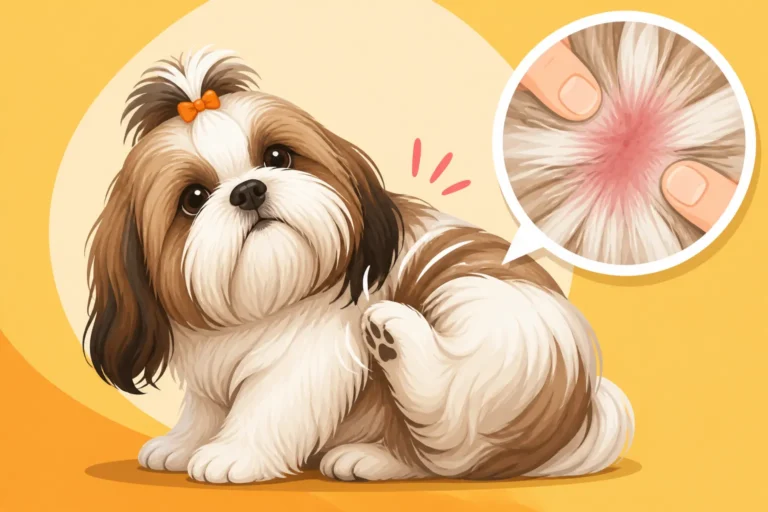
This isn't just about bad breath; it's a systemic health threat. The bacteria from infected gums don't stay in the mouth. They seep into the bloodstream, traveling to major organs like the heart, kidneys, and liver, causing damage and inflammation over time. This chronic infection can quietly undermine their health, leading to heart disease, kidney failure, or liver issues that will undeniably shorten their life. Many Shih Tzus face Shih Tzu Dental Disease at 13 Percent of the Breed, meaning a significant portion of the population is at risk. By the age of three, it's common to see substantial tartar buildup and gum recession. Regular veterinary dental cleanings are crucial, but daily home care, like brushing, is the absolute best defense against this silent killer. Neglecting your Shih Tzu's oral health is essentially opening the door to a host of other life-threatening conditions.
Obesity and Musculoskeletal Strain
The image of a fluffy, slightly plump Shih Tzu might seem cute, but obesity is a major contributor to a shortened lifespan and reduced quality of life. These little dogs are typically between 9 and 16 pounds, and even a few extra pounds can put immense strain on their small frames and internal organs. Carrying excess weight exacerbates many conditions that Shih Tzus are already prone to, particularly problems related to their spine and joints.
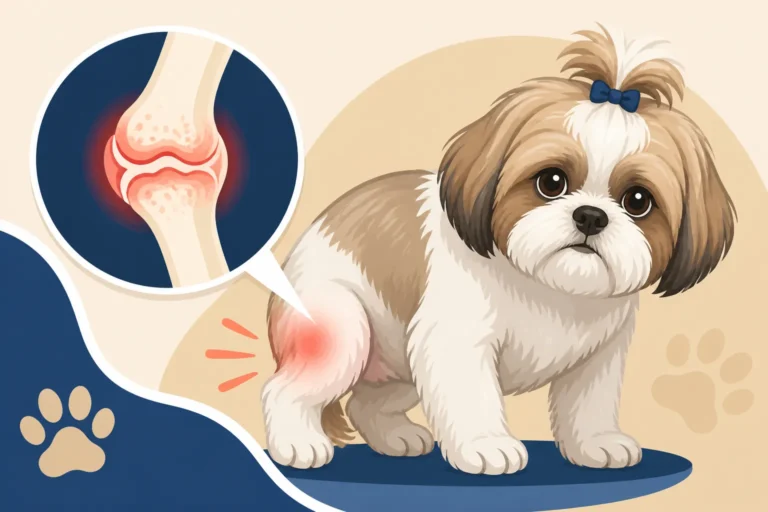
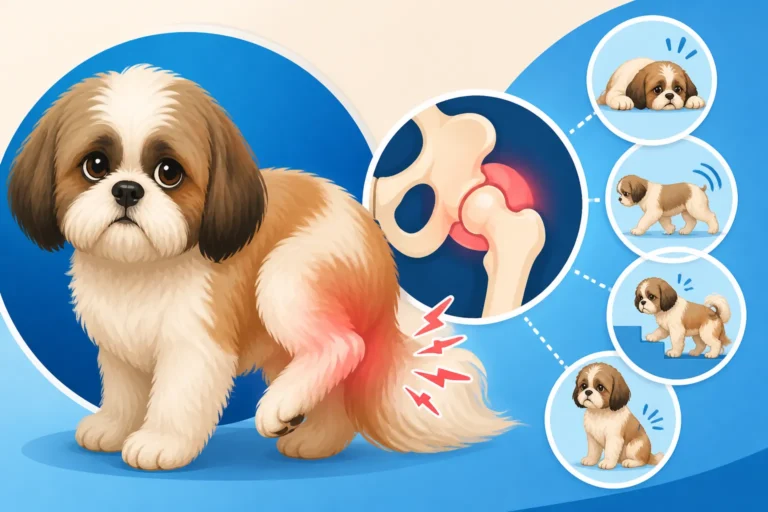
Their long backs, a defining feature, are already susceptible to disc problems and conditions like Intervertebral Disc Disease (IVDD). Shih Tzu Back Problems and Disc Disease are unfortunately common, and obesity significantly increases the risk and severity of these incidents. A heavier body means more pressure on those delicate discs, making a slipped disc more likely and recovery more challenging. Similarly, joint issues like Patellar Luxation in a Shih Tzu (a slipping kneecap) are worsened by excess weight, leading to increased pain, arthritis, and mobility issues. Beyond musculoskeletal problems, obesity contributes to a higher risk of diabetes, heart disease, respiratory issues (especially in brachycephalic breeds), and even certain types of cancer. It also makes them even more intolerant to heat. A lean body weight is essential for a Shih Tzu to remain agile and healthy throughout their life. Regularly checking their weight and adjusting food intake, even with pet insurance like Healthy Paws helping with potential treatment costs, is a crucial preventative measure.
Unmanaged Eye Conditions
Shih Tzus are renowned for their large, expressive eyes, but these very eyes are also extremely vulnerable and, if not properly managed, can significantly impact their quality of life and even indirectly shorten their life due to chronic pain, infection, or the need for difficult surgeries. Their shallow eye sockets and prominent eyeballs make them highly susceptible to injury and chronic conditions.
One of the most dramatic and terrifying emergencies a Shih Tzu owner can face is Shih Tzu Eye Proptosis, the Emergency Owners Miss, where the eyeball literally pops out of its socket. While prompt veterinary intervention can often save the eye, the risk of recurrence and potential for permanent vision loss or chronic pain can be high. Beyond acute emergencies, Shih Tzus are prone to chronic issues like dry eye (keratoconjunctivitis sicca), where tear production is insufficient, leading to painful, dry, irritated eyes and ultimately corneal ulcers. Shih Tzu Corneal Ulcers and Dry Eye require lifelong medication and diligent care. Pigmentary keratitis, where dark pigment migrates across the cornea, can also severely impair vision if not managed. While not directly fatal, chronic, unmanaged eye pain can lead to depression, aggression, and a severe reduction in quality of life, which can prompt difficult decisions for owners. Persistent infections or severe damage can also lead to eye removal, a last resort that significantly changes a dog's life. Prevention through regular cleaning, keeping facial hair trimmed, and prompt veterinary attention for any eye irritation is paramount.
Environmental and Lifestyle Factors
Beyond genetics and basic preventable health issues, certain aspects of a Shih Tzu's environment and daily life choices can tragically cut their time short. These are often things owners might not even consider until an accident happens, highlighting the need for constant vigilance and thoughtful preparation.
Accidental Injuries and Mishaps
Despite their robust appearance due to their thick fur, Shih Tzus are toy dogs with delicate frames. They are incredibly susceptible to accidental injuries, which can range from debilitating to fatal. A common scenario involves falls: a seemingly innocent jump off a sofa, bed, or even a human's lap can result in severe spinal injuries due to their elongated backs, such as a slipped disc. Why a Shih Tzu Spine Is Built to Slip makes them particularly vulnerable. One wrong landing can mean immediate paralysis, intense pain, and potentially life-altering surgery or even euthanasia if recovery isn't possible or too costly.
Rough play, especially with larger dogs or rambunctious children, can also be incredibly dangerous. Their prominent eyes are easily injured, or in the worst case, proptosed, from even a slight bump. Small children might accidentally drop them or play too roughly, leading to broken bones or internal injuries. Furthermore, Shih Tzus are often underfoot and can easily be stepped on or tripped over, causing serious harm. Leaving them unsupervised in areas with stairs or on elevated surfaces is a huge risk. Their size also makes them vulnerable to predators if left alone in a yard, or to being hit by cars if off-leash in an unsafe area. Being mindful of their surroundings and protecting them from everyday hazards is crucial. This is where pet insurance, such as Healthy Paws, can provide immense relief if an unexpected accident leads to emergency vet bills.
Lack of Consistent Veterinary Care
One of the most significant and entirely preventable factors contributing to a shortened Shih Tzu lifespan is inconsistent or inadequate veterinary care. Many health issues that become life-threatening begin as minor, manageable concerns. Regular preventative care, including annual check-ups, vaccinations, and parasite prevention, is the cornerstone of a long and healthy life. Skipping these appointments means missing early warning signs.
For example, a veterinarian can often detect subtle heart murmurs, early signs of dental disease, or changes in kidney values through routine bloodwork and physical exams long before your Shih Tzu shows obvious symptoms. Catching conditions like high blood pressure, developing Shih Tzu Bladder Stones and Urinary Problems, or even early kidney issues (like those related to Renal Dysplasia and the Shih Tzu Kidney) in their nascent stages allows for timely intervention, dietary changes, and medication that can significantly slow progression and extend their life. When signs of illness do appear, delaying a vet visit can turn a treatable condition into an emergency. For example, a minor eye irritation could escalate into a severe infection or ulcer if not addressed promptly, potentially leading to vision loss or eye removal. A simple cough could be nothing, or it could be a sign of early heart disease or even Tracheal Collapse and the Shih Tzu Honk, both of which benefit from early management. Having a trusted vet and maintaining a consistent health schedule, supported by a good pet insurance plan from a company like Healthy Paws, is a critical investment in your Shih Tzu's future.
Summary of Major Life-Shortening Factors
| Category | Specific Risk Factor | Direct Impact on Lifespan | Preventative Measures |
|---|---|---|---|
| Genetic/Breed | Brachycephalic Syndrome | Chronic respiratory distress, heatstroke, heart strain, anesthesia risk. | Avoid extreme heat, monitor exercise, consider corrective surgeries (e.g., Nostril Surgery on a Shih Tzu Puppy), consult vets about The Snoring That Means a Shih Tzu Airway Problem. |
| Inherited Organ Disease (e.g., Renal Dysplasia) | Kidney failure, stunted growth, progressive decline, early death. | Reputable breeder selection with health testing, early detection via vet screening (e.g., Testing a Shih Tzu for Kidney Disease), specialized diets. | |
| Preventable Health | Severe Dental Disease | Systemic infections, heart/kidney/liver damage, chronic pain. | Daily toothbrushing, professional dental cleanings, appropriate chew toys, dental water additives. |
| Obesity | Exacerbated spinal/joint issues, diabetes, heart disease, heat intolerance. | Portion control, appropriate diet, regular moderate exercise, avoiding excessive treats, regular weight checks. | |
| Unmanaged Eye Conditions | Pain, infection, vision loss, eye removal, proptosis. | Regular eye cleaning, keeping facial hair trimmed, prompt vet visits for irritation, protective measures against injury. | |
| Environmental/Lifestyle | Accidental Injury/Mishaps | Fractures, spinal trauma, internal injuries, proptosis, fatal accidents. | Supervise around children/larger dogs, prevent jumping from heights (use ramps), leash training, secure home environment, avoid leaving unattended in risky areas. |
| Inconsistent Vet Care | Missed early diagnoses, escalating treatable conditions, delayed essential interventions. | Annual vet check-ups, vaccinations, parasite prevention, prompt attention to new symptoms, regular bloodwork for older dogs (e.g., The Senior Panel a Shih Tzu Needs at Ten). |
Disclaimer
The information provided in this article is for general educational purposes only and is not a substitute for professional veterinary advice. Always consult with a qualified veterinarian for any health concerns or before making any decisions related to your Shih Tzu's medical care.