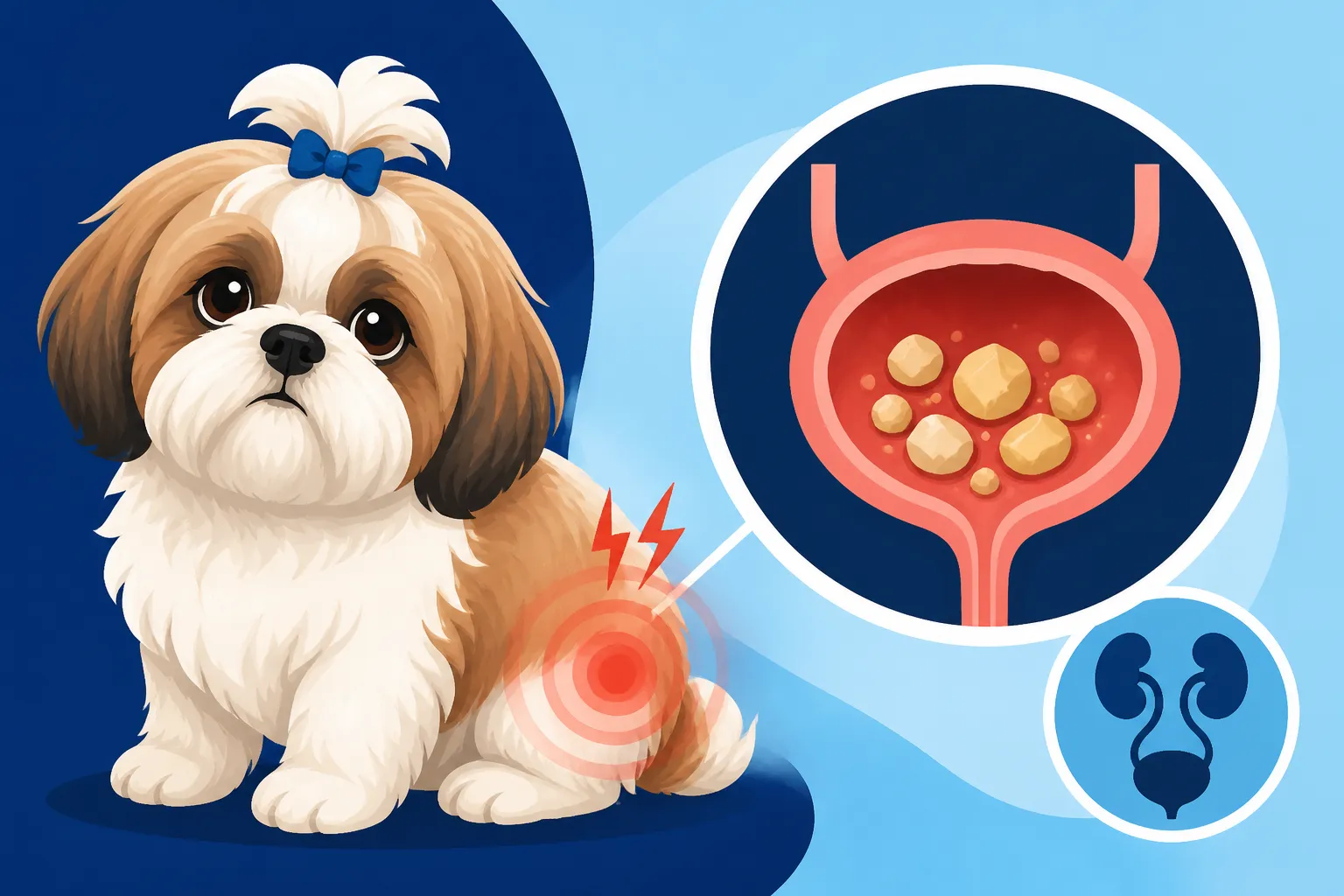
Shih Tzu Bladder Stones and Urinary Problems
It's incredibly distressing when your beloved Shih Tzu starts having trouble with their potty habits, especially if you notice straining, frequent urges, or even blood in their urine. These aren't just frustrating accidents; they're often clear signals that something significant is amiss within their urinary system, and for many Shih Tzus, that "something" turns out to be painful bladder stones. This comprehensive guide is here to walk you through everything you need to know about Shih Tzu bladder stones and other common urinary problems, from recognizing the subtle signs to understanding treatment options and, most importantly, how to prevent them.
Understanding Shih Tzu Bladder Stones: Types and Causes
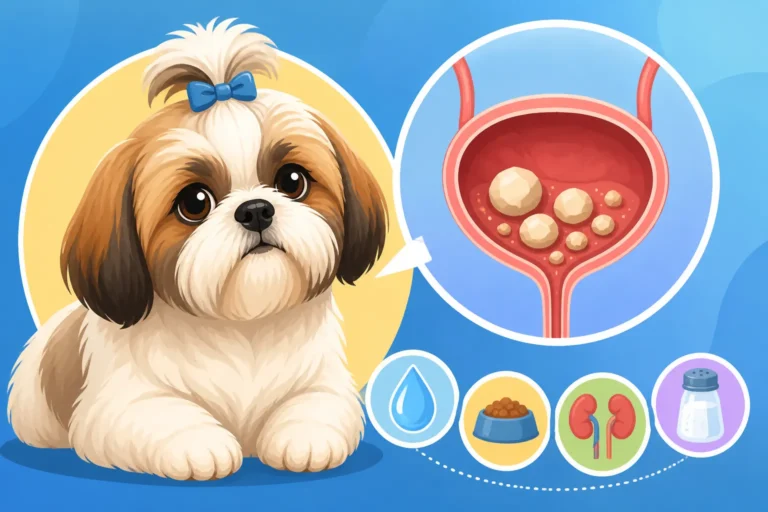
Bladder stones, also known as uroliths, are solid mineral formations that can develop in a dog's bladder. Imagine tiny pebbles forming and growing, irritating the bladder lining, and potentially blocking the urethra, which is the tube that carries urine out of the body. For our little Shih Tzus, with their compact anatomies, these stones can cause a disproportionately large amount of trouble and discomfort. They're not just a random occurrence; specific factors make our furry friends more susceptible.
Common Types of Stones in Shih Tzus
While many types of bladder stones can affect dogs, two, in particular, are commonly seen in Shih Tzus: struvite stones and calcium oxalate stones. Knowing the difference is crucial because their causes, prevention, and treatment strategies are vastly different.
Struvite stones are often the result of a urinary tract infection (UTI) involving specific bacteria that produce an enzyme called urease. This enzyme breaks down urea in the urine, leading to an increase in ammonia, which then raises the urine's pH (making it more alkaline). This alkaline environment, combined with the presence of magnesium, ammonium, and phosphate (the components of struvite), allows these crystals to form and clump together into stones. It’s like a perfect storm brewed right inside their bladder. The good news is that struvite stones can often be dissolved with a special prescription diet and antibiotics to clear the underlying infection, provided they aren't too large or causing an obstruction.
Calcium oxalate stones, on the other hand, are a different beast entirely. These stones tend to form in acidic or neutral urine and are not typically associated with bacterial infections. Instead, they are often linked to genetic predispositions, high levels of calcium or oxalate in the urine, and certain metabolic conditions. Shih Tzus, along with other small breeds like Lhasa Apsos and Miniature Schnauzers, have a higher genetic likelihood of developing these types of stones. Unlike struvite stones, calcium oxalate stones cannot be dissolved through diet alone once they're fully formed. They almost always require surgical removal or another interventional procedure to get rid of them.
Why Shih Tzus Are Predisposed
It’s heartbreaking to think our precious Shih Tzus might be more prone to such painful conditions, but several factors contribute to their increased risk. Their breed genetics play a significant role, particularly for calcium oxalate stones. It's simply "in their DNA" in many cases, a trait passed down through generations. This is why when you're considering a puppy, it's vital to research breeders who perform proper Health Testing a Shih Tzu Breeder Should Do.
Beyond genetics, their small size and specific anatomical features can also play a part. Their urinary tracts are delicate and can be more susceptible to issues. Diet is another huge factor. What we feed them directly impacts their urine's composition and pH. Certain minerals, protein levels, and even the moisture content in their food can either help prevent or inadvertently contribute to stone formation. If you're concerned about your Shih Tzu's weight, remember that Shih Tzu Obesity on a Sixteen Pound Frame can indirectly contribute to overall health problems, though less directly linked to bladder stones themselves.
The Role of Urine pH and Concentration
Understanding urine pH and concentration is key to grasping how bladder stones form. Think of urine pH like a delicate balance: too alkaline, and struvite stones might thrive; too acidic, and calcium oxalate stones might become a problem. Every dog's optimal urine pH can vary slightly, but generally, maintaining a balanced pH is crucial for preventing certain types of crystals from forming. Your vet might suggest specific diets or supplements to help regulate your Shih Tzu's urine pH.
Urine concentration refers to how dilute or concentrated your dog's urine is. If your Shih Tzu isn't drinking enough water, their urine becomes more concentrated, meaning there's a higher density of minerals and waste products. This concentrated environment makes it much easier for crystals to clump together and form stones. Imagine trying to mix a lot of sugar into a tiny amount of water – it'll crystallize much faster than if you had a generous amount of water. Ensuring your Shih Tzu stays well-hydrated is one of the simplest yet most effective preventative measures you can take. We'll delve into hydration strategies later, but suffice it to say, plenty of fresh water is non-negotiable.
Recognizing the Signs of Urinary Problems in Your Shih Tzu
One of the hardest parts of being a pet parent is that our furry companions can't tell us when they're not feeling well. It’s up to us to be vigilant and spot the subtle cues they give. With urinary problems, early detection can make a world of difference in your Shih Tzu's comfort and treatment outcome. Don't dismiss odd behaviors as mere "accidents" – they could be cries for help.
Subtle Changes in Potty Habits
The first signs of urinary issues often manifest as changes in your Shih Tzu's normal potty routine. You might notice they need to go out more frequently than usual. Perhaps they're asking to go outside every hour, even if they just went. This increased frequency, known as pollakiuria, can be a sign their bladder is irritated or only able to hold a small amount of urine at a time due to stones taking up space or inflammation.
Another common sign is sudden indoor accidents, even in a previously perfectly house-trained dog. This isn't usually an act of defiance but rather a loss of control or an overwhelming urge they simply can't hold. If your Shih Tzu is having Shih Tzu Urinary Accidents That Are Medical, it's a strong indicator that something is physically wrong, not a training issue. Sometimes, you might even notice them straining to urinate (tenesmus), but only producing a few drops, or nothing at all. This can be particularly alarming and requires immediate attention, as it could signal a partial or complete blockage.
Visible Symptoms and Discomfort
Beyond changes in frequency, there are more visible and often painful symptoms to watch for. One of the most obvious and concerning is blood in the urine, medically termed hematuria. This can range from a faint pink tinge to bright red, or even look like rust-colored urine. The presence of blood indicates irritation, inflammation, or damage to the urinary tract lining, often caused by stones scraping against the bladder wall.
Your Shih Tzu might also show overt signs of discomfort or pain during urination. They might whine, cry out, or adopt an unusual stance when trying to go. They might lick their genital area excessively, trying to soothe the irritation. Some dogs become restless, paces, or struggle to get comfortable. If you try to touch their belly, especially around the bladder area, they might flinch, growl, or show signs of pain, indicating tenderness or a distended, painful bladder.
Emergency Signs That Need Immediate Attention
While any urinary symptom warrants a vet visit, some signs indicate a medical emergency that cannot wait. The most critical emergency is a complete inability to urinate. If your Shih Tzu is straining, attempting to urinate repeatedly, but no urine is coming out, they could have a complete urethral obstruction. This is life-threatening. The bladder can become dangerously overfilled, leading to excruciating pain, kidney damage, and toxins building up in the bloodstream. If you suspect an obstruction, do not delay – get your Shih Tzu to an emergency vet immediately.
Other urgent signs include extreme lethargy, vomiting, loss of appetite, or severe abdominal pain accompanying urinary symptoms. These could indicate complications like a ruptured bladder, severe infection, or acute kidney injury. It's always better to err on the side of caution and seek veterinary care promptly if you're concerned. Waiting could have serious, irreversible consequences for your beloved companion.
Diagnosing and Treating Bladder Stones
Once you've noticed concerning symptoms, the next crucial step is getting an accurate diagnosis from your veterinarian. They have the tools and expertise to pinpoint the exact problem and formulate the best treatment plan for your Shih Tzu. Don't try to self-diagnose or wait it out; urinary issues in small breeds can escalate quickly.
Veterinary Examination and Initial Tests
Your vet will start with a thorough physical examination. They will gently palpate your Shih Tzu's abdomen, feeling for an enlarged or painful bladder. Sometimes, larger stones can even be felt during this process. They'll also ask you a lot of questions about your dog's history, diet, and the specific symptoms you've observed. This detailed history is invaluable in guiding their diagnostic approach.
The cornerstone of urinary diagnosis is a urinalysis. This involves collecting a urine sample, ideally through cystocentesis (a sterile needle inserted directly into the bladder) to avoid contamination. The urinalysis will check for several things:
- pH: To determine if the urine is acidic or alkaline, which helps identify the type of stone.
- Specific Gravity: Measures urine concentration, indicating hydration levels.
- Presence of Blood, Protein, Glucose: Abnormal levels can point to infection or damage.
- Crystals: Microscopic examination can reveal the presence and type of crystals, which are precursors to stones.
- Bacteria and White Blood Cells: Indicates an infection.
If an infection is suspected, a urine culture and sensitivity test will be performed. This identifies the specific bacteria present and determines which antibiotics will be most effective in treating it. This step is critical, especially for struvite stones, as the infection needs to be cleared for dissolution to be successful.
Imaging for Confirmation
While urinalysis provides strong clues, imaging is usually required to definitively diagnose bladder stones and assess their size, number, and location.
X-rays (radiographs) are often the first choice. Many types of bladder stones, particularly struvite and calcium oxalate, are "radiopaque," meaning they show up clearly on X-rays. Your vet might take several views to get a full picture. However, some stones (like urate or cystine) are "radiolucent" and won't be visible on a standard X-ray.
In cases where X-rays are inconclusive, or to get a more detailed view, an ultrasound will be performed. Ultrasound uses sound waves to create real-time images of the bladder and other abdominal organs. It can detect even very small stones, characterize their texture, and identify stones that are radiolucent on X-rays. It also allows the vet to assess the thickness of the bladder wall, check for tumors, or identify other abnormalities. For some dogs, especially those with suspected kidney issues, a full Shih Tzu Kidney Values on Routine Bloodwork panel might also be run to check overall kidney function.
Treatment Options: From Diet to Surgery
Once the type and severity of the stones are determined, your vet will discuss treatment options. This is where personalized care truly comes into play.
1. Dietary Dissolution: This is the preferred method for struvite stones, as these are often dissolvable. Your vet will prescribe a special therapeutic diet designed to lower urine pH and reduce the concentration of the minerals that form struvite. This diet is highly effective but must be the ONLY food your Shih Tzu eats – no treats, no table scraps, nothing else. Antibiotics will also be given to clear the underlying infection. The dissolution process can take several weeks to months, requiring regular vet checks and follow-up X-rays or ultrasounds to monitor progress.
2. Surgical Removal (Cystotomy): For calcium oxalate stones, which cannot be dissolved, or for struvite stones that are too large, too numerous, or causing an obstruction, surgical removal is necessary. This procedure, called a cystotomy, involves surgically opening the bladder to remove the stones. It’s a common and generally safe procedure, but it does involve anesthesia and recovery time. Afterwards, the stones will be sent to a lab for analysis to confirm their type and help guide future prevention. Surgical costs can be a significant concern for owners, so understanding Shih Tzu Surgery Costs From the Mouth to the Eye is helpful, and pet insurance like Healthy Paws can be a lifesaver in these situations.
3. Urohydropropulsion: For very small stones that haven't caused an obstruction, sometimes a non-surgical procedure called urohydropropulsion can be performed. Under sedation or light anesthesia, the bladder is filled with saline, and then the dog is positioned vertically to allow gravity to help pass the stones out of the urethra. This is only suitable for very small stones and isn't always successful.
4. Laser Lithotripsy: In some specialized veterinary hospitals, laser lithotripsy might be available. This minimally invasive procedure uses a laser to break down stones into smaller fragments that can then be passed or removed. It requires specialized equipment and expertise, so it's not available everywhere.
After treatment, regardless of the method, ongoing monitoring and management are crucial to prevent recurrence.
Preventative Measures for Shih Tzu Urinary Health
The best treatment is always prevention, and this holds especially true for bladder stones and urinary problems in Shih Tzus. Once your dog has experienced stones, the risk of recurrence can be quite high, making proactive steps incredibly important for their long-term health and comfort.
Dietary Management and Specific Formulas
Diet plays a colossal role in managing and preventing bladder stones. If your Shih Tzu has had struvite stones, a prescription diet designed to maintain an acidic urine pH and restrict magnesium, ammonium, and phosphate will be essential. Brands like Royal Canin Urinary SO or Hill's Prescription Diet s/d are commonly prescribed for dissolution and c/d for maintenance. These diets are carefully balanced and should be fed exclusively under veterinary guidance.
For Shih Tzus prone to calcium oxalate stones, the approach is different. The goal is to create more alkaline urine and reduce calcium and oxalate levels. Again, specific prescription diets such as Hill's Prescription Diet u/d or Royal Canin Urinary SO for calcium oxalate are formulated for this purpose. These diets are typically lower in protein, calcium, and oxalate, and often contain ingredients that help dilute the urine. Remember, these are not "one-size-fits-all" solutions; your vet will recommend the precise formula based on your dog's specific stone type and needs. For general kidney health, understanding Kidney Diets for a Shih Tzu can also provide useful insights.
It's also worth noting that feeding wet food or adding water to kibble can significantly increase a Shih Tzu's water intake, which helps dilute urine and makes it harder for crystals to form.
Hydration Strategies
Keeping your Shih Tzu well-hydrated is paramount. Dilute urine is less likely to form crystals and stones. But getting a small, sometimes finicky Shih Tzu to drink more can be a challenge. Here are some strategies:
- Multiple Water Sources: Place several water bowls around the house. Use ceramic, stainless steel, or glass bowls, as some dogs dislike plastic.
- Water Fountains: Many dogs prefer the fresh, circulating water from a pet fountain. It can entice them to drink more.
- Flavoring Water: A tiny splash of low-sodium chicken broth (ensure it has no onion or garlic), or a few drops of salmon juice can make water more appealing.
- Wet Food: As mentioned, incorporating wet food into their diet is an excellent way to increase hydration, as it contains a high percentage of water.
- Ice Cubes: Some Shih Tzus enjoy crunching on ice cubes, which can add a bit of extra water.
- Carry Water on Walks: Especially in warmer weather, always have fresh water available during walks. Remember that Why a Shih Tzu Overheats So Easily makes hydration even more crucial for them.
Monitoring your Shih Tzu's water intake and urine output is a good habit. If you notice Excessive Thirst as the First Kidney Sign, it's definitely time for a vet check-up.
Lifestyle Adjustments
Beyond diet and hydration, some lifestyle adjustments can support your Shih Tzu's urinary health:
- Frequent Potty Breaks: Don't make your Shih Tzu hold their urine for extended periods. The longer urine sits in the bladder, the more time crystals have to form. Regular, frequent potty breaks, especially after waking up and eating, are vital.
- Maintain Good Hygiene: Keep your Shih Tzu's genital area clean, especially if they have a long coat. This can help prevent bacterial infections that can lead to struvite stones. Regular grooming is important, but be gentle around sensitive areas.
- Regular Veterinary Check-ups: Consistent vet visits, including annual The Senior Panel a Shih Tzu Needs at Ten for older dogs, are crucial for early detection. Your vet can monitor urine, check kidney values, and catch potential issues before they become full-blown problems.
- Manage Stress: While not a direct cause, stress can impact a dog's overall health and immune system. A calm, consistent environment contributes to their well-being.
- Appropriate Exercise: While Shih Tzus don't need extensive exercise, regular, gentle activity supports overall health, including urinary function. Just be mindful of their Brachycephalic Breathing in a Shih Tzu and avoid overheating.
By combining these preventative measures, you significantly reduce the risk of your Shih Tzu developing painful bladder stones and help them live a happier, healthier life.
Managing Recurrence and Long-Term Care
For many Shih Tzus, dealing with bladder stones isn't a one-time event. Recurrence is a real concern, especially with calcium oxalate stones. Therefore, effective long-term management and vigilant monitoring are absolutely critical to prevent your furry friend from going through the pain and discomfort again.
Monitoring for Early Signs of Return
After your Shih Tzu has been treated for bladder stones, the journey shifts to proactive monitoring. This isn't just about waiting for symptoms to reappear; it's about actively looking for subtle changes and maintaining a regular health schedule. Your veterinarian will likely recommend periodic check-ups, which typically include:
- Urinalysis: Regular urinalysis (every 3-6 months, or as advised by your vet) is essential to monitor urine pH, specific gravity, and the presence of any new crystals or bacteria. This is often the earliest indicator of a potential problem brewing.
- Urine Culture: If crystals are seen or if your dog has a history of struvite stones, a urine culture may be performed to catch subclinical (asymptomatic) infections early.
- Imaging: Periodic X-rays or ultrasounds might be recommended, especially for dogs prone to calcium oxalate stones, as these can form without obvious clinical signs until they are quite large. The frequency will depend on your Shih Tzu's specific history and risk factors.
- Home Observation: You remain your Shih Tzu's best advocate. Continue to observe their potty habits closely. Are they drinking enough? Is their urine stream normal? Any straining or licking? Any new Shih Tzu Urinary Accidents That Are Medical after being successfully treated? Keep a close eye on any of the symptoms discussed earlier, no matter how minor they seem.
The Importance of Adherence to Diet and Medication
This cannot be stressed enough: strict adherence to the prescribed diet and any ongoing medications (like urinary acidifiers or alkalinizers, if needed) is paramount. If your vet has put your Shih Tzu on a therapeutic diet, it must be the only thing they eat. Even a small handful of regular kibble, a few human treats, or shared table scraps can completely negate the effects of the prescription diet, shifting the urine chemistry back to where stones can form again. This is tough, especially with those adorable, begging Shih Tzu eyes, but it's vital for their health.
If your Shih Tzu is on medication, ensure you administer it exactly as prescribed, without missing doses. It's a lifelong commitment for many dogs prone to stones. Discuss any difficulties you have with your vet – they may be able to suggest alternatives or strategies to make adherence easier. Remember, every little lapse can increase the risk of recurrence, leading to more vet visits, more discomfort, and potentially more invasive procedures for your furry friend.
When to Consult a Specialist
While your general practice veterinarian is fully capable of managing most bladder stone cases, there are times when consulting a veterinary specialist might be beneficial. If your Shih Tzu experiences recurrent stones despite strict adherence to the treatment plan, or if they have a very rare type of stone, a veterinary internal medicine specialist or a veterinary urologist might offer advanced diagnostic or treatment options.
These specialists have deeper expertise in complex urinary tract diseases and might suggest different diagnostic tests or treatment protocols, including more advanced surgical techniques or alternative therapies. They can also provide a fresh perspective if your dog's case is particularly challenging. Don't hesitate to ask your primary vet for a referral if you feel your Shih Tzu's condition isn't improving or if you're seeking further options. Ensuring your Shih Tzu receives the best possible care, especially as they get older and may require Senior Shih Tzu Care Past the Age of Ten, is always the top priority.
Related Urinary Tract Issues in Shih Tzus
While bladder stones are a significant concern, Shih Tzus can also experience other urinary tract problems. It's important to understand these as they can sometimes mimic stone symptoms or even contribute to their formation. A holistic view of their urinary health is always best.
Urinary Tract Infections (UTIs)
Urinary tract infections are incredibly common in dogs, and Shih Tzus are no exception. UTIs occur when bacteria enter the urinary tract, usually ascending from the outside, and multiply in the bladder. While a UTI can exist on its own, it’s a critical link to struvite stone formation. As discussed, certain bacteria produce an enzyme that raises urine pH, creating the perfect environment for struvite crystals and stones to develop. Conversely, bladder stones themselves can also predispose a dog to recurrent UTIs, as the rough surfaces of the stones can irritate the bladder lining and create niches for bacteria to hide.
Symptoms of a UTI often mirror those of bladder stones: increased frequency of urination, straining, accidents, and sometimes blood in the urine. Diagnosis is typically made with a urinalysis and urine culture. Treatment involves a course of appropriate antibiotics, and it's essential to complete the entire course, even if your dog seems better, to ensure the infection is fully cleared. Neglecting a UTI can lead to more serious issues, including kidney infections.
Incontinence in Older Shih Tzus
As our beloved Shih Tzus age, new challenges can arise, and urinary incontinence is one of them. Unlike bladder stones, where the dog has an urge but can't urinate normally, incontinence means an involuntary leakage of urine. This can be heartbreaking for owners and confusing for the dog, who suddenly can't control their bladder as they once did.
The most common cause of incontinence in older spayed female dogs, including Shih Tzus, is Urethral Sphincter Mechanism Incompetence (USMI). This condition occurs when the muscle that controls the release of urine weakens with age or hormonal changes. You might notice small puddles of urine where your dog was sleeping, especially at night, or a constant drip. Other causes of incontinence can include neurological problems, cognitive dysfunction (like canine dementia, which can be part of Cognitive Decline in a Shih Tzu Past Twelve), kidney disease, or even conditions like diabetes. Diagnosis involves a thorough vet exam, urinalysis, and sometimes blood work or imaging to rule out other causes. Management often involves daily medication (like PPA or Estriol) to strengthen the urethral sphincter, and sometimes absorbent doggy diapers. It’s important to distinguish incontinence from house-training accidents caused by medical conditions like bladder stones.
Congenital Abnormalities
While less common than stones or UTIs, some Shih Tzus can be born with congenital abnormalities of the urinary tract. These are structural defects present from birth that can affect how the urinary system functions. Examples include:
- Ectopic Ureters: This is when one or both ureters (the tubes that carry urine from the kidneys to the bladder) don't properly connect to the bladder, instead emptying into another location like the urethra, vagina, or uterus. This usually results in continuous dribbling of urine from a very young age.
- Renal Dysplasia: While primarily affecting the kidneys, severe cases of Renal Dysplasia in a Shih Tzu Puppy That Will Not Grow can lead to chronic kidney failure and related urinary issues.
- Bladder Diverticula: These are small pouches or out-pouchings of the bladder wall that can retain urine and bacteria, predisposing the dog to UTIs and potentially stone formation.
Diagnosing congenital abnormalities often requires specialized imaging techniques like contrast radiography (e.g., intravenous pyelogram or positive contrast urethrocystography) or advanced ultrasound. Treatment usually involves surgical correction, depending on the specific defect. While these conditions are rarer, it’s good to be aware that not all urinary problems stem from the more common causes, and a thorough investigation by your vet is always warranted for persistent or unusual symptoms.
| Stone Type | Common in Shih Tzus | Typical Cause | Urine pH Preference | Dissolvable by Diet? | Common Treatment | Prevention Strategy |
|---|---|---|---|---|---|---|
| Struvite | Yes | Urinary Tract Infection (UTI) with specific bacteria | Alkaline | Yes | Prescription dissolution diet + antibiotics; Surgery if obstructed | Monitor for UTIs, appropriate diet to acidify urine; good hydration |
| Calcium Oxalate | Yes | Genetic predisposition, metabolic factors, high calcium/oxalate levels | Acidic to Neutral | No | Surgical removal; Urohydropropulsion for small stones | Prescription diet to alkalinize urine; increase water intake; avoid high-oxalate foods |
| Urate | Less Common | Genetic defect (e.g., Dalmatians), liver disease (PSS) | Acidic | Yes (sometimes) | Prescription dissolution diet; Surgery | Low-purine diet; medications to reduce uric acid; hydration |
| Cystine | Rare | Genetic metabolic defect | Acidic | Yes (sometimes) | Prescription dissolution diet; Surgery | Low-protein diet; medications to prevent cystine excretion; hydration |
Bladder stones and other urinary problems can be incredibly painful and frightening for both you and your Shih Tzu. But with careful observation, prompt veterinary care, and diligent long-term management, these conditions can often be successfully treated and prevented. Staying informed, working closely with your vet, and consistently implementing preventative measures are the keys to ensuring your furry companion enjoys a long, healthy life free from urinary distress.
Disclaimer
This article is intended for informational purposes only and does not constitute medical advice. Always consult with a qualified veterinarian for any health concerns or before making any decisions about your pet's health or treatment plan.