The Heart Valve That Leaks in an Old Shih Tzu
It’s truly heartbreaking to watch our beloved Shih Tzus slow down as they age, and sometimes, the little cough or newfound tiredness we attribute to "just getting old" can be a sign of something much more serious brewing beneath the surface. Many Shih Tzu owners grapple with the fear that their dog's aging heart might give out, and often, it's a specific condition – a leaky heart valve – that becomes a major concern. This guide will walk you through understanding, recognizing, and managing the realities of degenerative mitral valve disease, a common heart condition in our cherished companions.
Understanding Mitral Valve Disease in Shih Tzus
When you hear the phrase "leaky heart valve," it can sound incredibly frightening, but understanding what’s happening inside your Shih Tzu’s tiny chest can empower you to provide the best care. This isn't just a random occurrence; it's a progressive condition that many small breeds, including our little lions, are prone to developing as they get older.
What is Mitral Valve Disease?
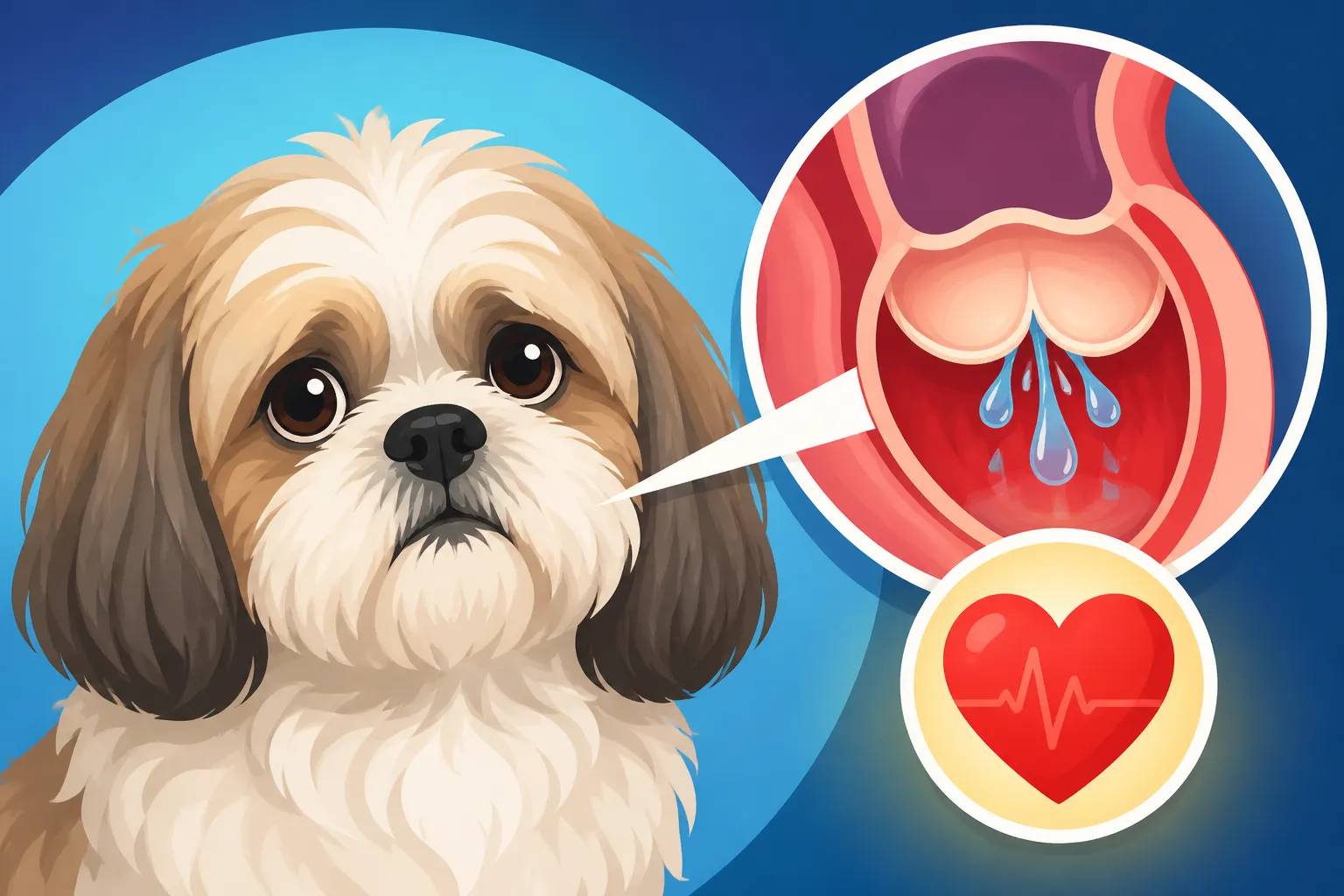
Imagine your Shih Tzu's heart as a beautifully designed pump, working tirelessly day in and day out to circulate blood throughout their body. This pump has four chambers and four valves that act like one-way doors, ensuring blood flows in the right direction without any detours. The mitral valve, in particular, is one of these crucial one-way doors, situated between the left atrium and the left ventricle – the two chambers on the left side of the heart. Its job is simple yet vital: to open and allow oxygen-rich blood to flow from the atrium into the ventricle, then snap shut tightly to prevent that blood from flowing backward when the ventricle contracts to pump it out to the rest of the body.
In the case of Myxomatous Mitral Valve Disease (MMVD), or more simply, degenerative valve disease, this perfectly functioning valve starts to thicken and degenerate over time. Instead of remaining smooth and supple, it becomes lumpy, bumpy, and often shrinks slightly. This change means it can no longer close completely, creating a small gap. When the left ventricle contracts, some blood, instead of being propelled forward into the body, leaks backward into the left atrium. This backward flow is called regurgitation, and the sound it makes as it escapes past the faulty valve is what your veterinarian hears as a "heart murmur." It’s like a faulty faucet that just won’t turn off completely, constantly dripping.
Over time, this constant backflow of blood makes the heart work much harder. The left atrium and ventricle have to pump more forcefully and often enlarge to compensate for the inefficiency. This constant strain on the heart muscle, combined with the gradual fluid buildup that can result, is what ultimately leads to the signs of heart failure that we, as owners, eventually notice in our beloved Shih Tzus. It’s a slow, insidious process that can often go unnoticed until it reaches a more advanced stage.
Why Senior Shih Tzus Are Especially Vulnerable
It’s an unfortunate reality that our smaller dog breeds, and Shih Tzus in particular, are genetically predisposed to developing MMVD, making it one of the most common cardiac conditions seen in these dogs. While it can occur at any age, it is overwhelmingly a disease of older dogs. As our Shih Tzus gracefully enter their senior years, typically around ages 8 to 10 and beyond, the likelihood of this valve degeneration dramatically increases. It's often simply a consequence of aging, much like how our own joints might start to ache or our eyesight might dim.
The Shih Tzu's relatively long lifespan, often reaching and even exceeding the Shih Tzu Lifespan and the Thirteen Year Average, means that they have more years for this degenerative process to take hold. While a tiny puppy might be diagnosed with a congenital heart defect, MMVD usually develops insidiously over many years, with a soft murmur first appearing, perhaps at a routine check-up when your Shih Tzu is around seven or eight. This murmur might not cause any problems for quite some time, but it’s a red flag that the valve is no longer perfect. The disease then progresses at varying rates, with some dogs remaining asymptomatic for years, while others may progress more rapidly to symptomatic heart failure.
This vulnerability is part of why understanding Senior Shih Tzu Care Past the Age of Ten is so critical. Regular vet check-ups become even more important as your Shih Tzu ages, not just for general health, but specifically for monitoring heart sounds and looking for any changes that might indicate the progression of MMVD. Early detection, even before symptoms appear, allows for careful monitoring and, crucially, the initiation of treatments that can significantly extend a comfortable quality of life when the time is right.
Recognizing the Early Warning Signs of a Leaky Valve
One of the most frustrating aspects of heart disease in dogs is that the early signs can be incredibly subtle, easily mistaken for general aging or other minor ailments. As owners, we often beat ourselves up for not noticing sooner, but it’s a common pitfall. Being attuned to specific changes in your senior Shih Tzu's behavior and breathing can make all the difference.
The Persistent Cough and Other Respiratory Clues
Perhaps the most common and often missed early symptom of a leaky mitral valve progressing to heart failure is a persistent cough. How many times have you heard another owner or even casually thought to yourself, "Oh, Fluffy just has a little old-dog cough" or "Maybe it's just allergies"? It’s incredibly easy to dismiss, especially since Shih Tzus, with their brachycephalic (flat) faces, already tend to have interesting breathing noises, snorts, and occasional reverse sneezes. However, a consistent, dry, hacking cough, particularly one that seems worse at night, after waking up, or following any kind of exertion (even just a bit of excited play), should raise a significant red flag.
This cough isn’t like a "kennel cough" that might come with a runny nose; it’s usually dry, sounding almost like your dog is trying to clear something from their throat. The reason for this cough is directly linked to the leaky valve: as blood backs up in the left atrium, pressure builds, and fluid can start to seep out into the lungs, a condition known as pulmonary edema. This fluid irritates the airways, triggering the cough. Additionally, the enlarged heart can sometimes press against the trachea, the windpipe, causing mechanical irritation that also results in coughing, a particular concern for a breed like the Shih Tzu already prone to Tracheal Collapse and the Shih Tzu Honk.
Beyond the cough, keep a keen eye on your Shih Tzu’s breathing pattern. Is their breathing rate faster than usual, even when they’re completely at rest or asleep? A normal resting respiratory rate for a dog is typically between 15-30 breaths per minute. If you notice your dog consistently breathing faster than 35-40 breaths per minute while calm and sleeping, it's a strong indicator of an issue. Also, pay attention to the effort involved. Are their chest and abdomen working harder to breathe? Is there any flaring of the nostrils? These are critical signs that your Shih Tzu might be A Shih Tzu Coughing From Heart Failure and needs immediate veterinary attention. Don't wait; even a slight change in breathing can escalate quickly.
Changes in Energy, Appetite, and Behavior
Beyond the more overt respiratory signs, the subtle shifts in your Shih Tzu's daily energy levels and behavior can often be the first real indication that something is amiss with their heart. You might notice they aren't as enthusiastic about their usual walk around the block, or they're reluctant to engage in play sessions that they once adored. Perhaps they used to greet you at the door with exuberant jumps, and now they just offer a gentle tail wag from their bed. This decreased exercise tolerance and general lethargy are significant indicators, as a heart working harder to compensate for a leaky valve simply can't supply enough oxygenated blood to the muscles to maintain their previous energy levels.
You might also observe changes in their willingness to perform certain physical actions. Are they hesitating to jump onto the sofa or the bed, even though they used to leap up with ease? This could be a sign that the increased effort of jumping is too much for their compromised cardiovascular system. In some cases, you might even notice mild weakness in their hind legs or a general reluctance to move, which can unfortunately be misinterpreted as Shih Tzu Mobility Decline in Old Age when, in fact, it stems from the heart.
Another important symptom to watch for is a change in appetite or unexplained weight loss. Dogs with advanced heart disease might feel nauseous or generally unwell, leading them to pick at their food or lose interest in meals altogether. While weight loss can be a sign of many illnesses, when combined with other heart-related symptoms, it certainly contributes to the overall picture. In more severe cases, fainting spells (syncope) can occur. This is a terrifying experience for any owner, where your Shih Tzu might suddenly collapse, lose consciousness briefly, and then recover. This happens when the heart isn't effectively pumping enough blood to the brain, and it's an emergency requiring immediate veterinary consultation. Subtle behavioral changes, like becoming more withdrawn, restless at night, or seeking more solitude, can also be manifestations of discomfort or anxiety related to their declining health.
Diagnosis and Staging of Mitral Valve Disease
Once you suspect a leaky heart valve, or your vet detects a murmur during a routine check-up, the next step is a comprehensive diagnostic workup. This isn't just about confirming a diagnosis; it's about understanding the severity and progression of the disease, which directly impacts the treatment plan.
The Vet Visit: What to Expect
When you bring your Shih Tzu to the vet with concerns about heart disease, it's incredibly important to be prepared to share every detail, no matter how insignificant it might seem. Write down all the symptoms you’ve observed, including when they started, how often they occur, and what seems to make them better or worse. Did the cough start only at night? Is your dog suddenly collapsing? The more information you can provide, the better your vet can connect the dots.
The diagnostic process typically begins with a thorough physical examination. Your vet will carefully listen to your Shih Tzu's heart with a stethoscope, not just for a murmur, but also to assess its location, intensity (how loud it is, typically graded on a scale of 1 to 6), and rhythm. The presence, location, and character of a heart murmur are key clues in diagnosing MMVD. They’ll also listen to the lungs for any abnormal sounds, like crackles, which can indicate fluid buildup. During this exam, the vet will also check your dog's pulse, gum color, and overall body condition. This is often when a Shih Tzu Heart Murmurs Found on Exam is first noted, sometimes even before any outward symptoms begin to appear.
Following the physical exam, your vet will likely recommend several diagnostic tests. Chest X-rays are crucial; they allow the vet to visualize the size and shape of the heart and check for any fluid accumulation in or around the lungs. An enlarged heart or fluid in the lungs (pulmonary edema) are tell-tale signs of congestive heart failure. Blood tests, including a complete blood count and a biochemistry panel, will assess overall organ function, especially kidney values, which are vital as many heart medications are processed by the kidneys. Some vets might also recommend a proBNP blood test, which can indicate cardiac stretch and stress.
However, the definitive diagnostic tool for MMVD is an echocardiogram, which is essentially an ultrasound of the heart. This non-invasive test allows a veterinary cardiologist to visualize the heart's chambers, valves, and blood flow in real-time. They can see the thickened mitral valve, quantify the degree of leakage, measure heart chamber sizes, and assess the heart's pumping efficiency. This information is critical for accurately staging the disease and tailoring a precise treatment plan. While not always available at every general practice, your vet may recommend a referral to a specialist for this procedure.
Staging MMVD and Treatment Approaches
Once MMVD is diagnosed, veterinary cardiologists use a widely accepted staging system developed by the American College of Veterinary Internal Medicine (ACVIM) to classify the disease's severity. This system, which includes Stages A, B1, B2, C, and D, is essential for guiding treatment decisions and predicting prognosis.
- Stage A: These are Shih Tzus that are predisposed to MMVD due to their breed, but currently show no structural heart disease or murmur. There’s no treatment needed at this stage, but awareness and proactive monitoring are key.
- Stage B1: Dogs in this stage have a heart murmur consistent with MMVD but no evidence of heart enlargement on X-rays or echocardiogram, and no clinical signs of heart failure. At this point, no medication is typically prescribed, but regular monitoring (usually every 6-12 months) is recommended to watch for progression.
- Stage B2: This is a crucial stage. Dogs here have a heart murmur and definite evidence of heart enlargement (cardiomegaly) on X-rays or echocardiogram, but still no clinical signs of heart failure (no coughing, no difficulty breathing, no lethargy directly attributable to the heart). This is often the point where medication, most commonly pimobendan (often known by the brand name Vetmedin), is recommended to delay the onset of clinical signs and prolong life.
- Stage C: Shih Tzus in Stage C are experiencing active clinical signs of heart failure, such as persistent coughing, difficulty breathing, exercise intolerance, or fluid in the lungs. At this stage, a multi-drug regimen is initiated, often including diuretics like furosemide to remove fluid from the lungs, ACE inhibitors like enalapril to help relax blood vessels, and pimobendan. The goal is to manage symptoms, improve quality of life, and slow further progression. This is often when the comprehensive annual The Senior Panel a Shih Tzu Needs at Ten bloodwork becomes even more vital, especially to monitor kidney function, which can be affected by diuretic use.
- Stage D: This is the most advanced and refractory stage of heart failure. Dogs in Stage D have clinical signs that are resistant to standard treatment protocols. They often require hospitalization for intensive therapy, higher doses of medication, and additional drugs to manage their symptoms. At this point, the focus shifts even more heavily towards palliative care and maintaining the best possible quality of life for the remaining time.
For owners facing the reality of ongoing medications and frequent vet visits, exploring pet insurance options can be a lifesaver. Companies like Healthy Paws can significantly alleviate the financial burden of managing chronic conditions like MMVD, covering a substantial portion of diagnostic tests, medications, and specialist consultations. This allows you to focus on your Shih Tzu’s care without the added stress of overwhelming vet bills.
Living with MMVD and Supporting Your Shih Tzu
Receiving a diagnosis of mitral valve disease can feel overwhelming, but with proper management, many Shih Tzus can continue to live comfortable, happy lives for years. Your role as their dedicated owner becomes even more important in monitoring their health and adapting their lifestyle.
Managing Medication and Monitoring at Home
Once your Shih Tzu is diagnosed with MMVD and your veterinarian prescribes medication, consistency is absolutely paramount. Heart medications, unlike antibiotics, are not a short-term fix; they are usually lifelong treatments that need to be administered precisely as directed. Never skip a dose, alter the dosage, or stop medication without first consulting your veterinarian. Missing doses can lead to setbacks, fluid buildup, and a rapid decline in your Shih Tzu's condition. If you have trouble administering pills, discuss options with your vet, such as compounding pharmacies that can create flavored liquids or tiny chewable treats.
Beyond medication, one of the most powerful tools you have as an owner is home monitoring, specifically tracking your Shih Tzu's resting respiratory rate (RRR). This involves counting how many breaths your dog takes in one minute while they are completely asleep or very calmly resting. A normal RRR for a dog is typically between 15 and 30 breaths per minute, rarely exceeding 35. You can do this by watching their chest rise and fall, or placing your hand gently on their side. Do this regularly – perhaps once a day or every few days – and keep a log. If you notice a consistent increase in their RRR (e.g., consistently above 35 breaths per minute), it can be an early indicator of fluid building up in the lungs, signaling worsening heart failure. This knowledge allows you to contact your vet promptly, potentially preventing a crisis.
You'll also need to be vigilant for other worsening signs: an increase in coughing, more pronounced lethargy, reduced appetite, or any episodes of weakness or fainting. Keeping a journal of these observations can be incredibly helpful for your vet during follow-up appointments. In terms of diet, your vet might recommend a specific prescription cardiac diet, which is typically low in sodium. Reducing sodium intake helps prevent fluid retention, easing the burden on the heart. If a prescription diet isn't necessary yet, be mindful of high-sodium treats and table scraps. Regular follow-up appointments with your vet, typically every 3-6 months once on medication, are essential for monitoring progress, adjusting medication as needed, and performing routine bloodwork to check kidney function, which can be impacted by diuretic use.
Lifestyle Adjustments and Quality of Life
Living with MMVD means making thoughtful adjustments to your Shih Tzu's daily routine to support their heart health and ensure their comfort. Exercise, for instance, needs to be moderated. Instead of one long, strenuous walk, consider shorter, more frequent outings. Avoid intense play sessions, long hikes, or anything that causes heavy panting or exhaustion. The goal is gentle activity that keeps them moving without overworking their heart. You'll likely notice a decrease in their overall stamina, and it's important to respect their limits without pushing them.
Maintaining a calm and stable home environment is also crucial. Stress can elevate heart rate and blood pressure, placing extra strain on an already compromised heart. Try to keep routines consistent and minimize sudden loud noises or chaotic situations. Given that many Shih Tzus already struggle with Why a Shih Tzu Cannot Cool Itself Well due to their brachycephalic airway, avoiding extreme temperatures is even more critical for a dog with heart disease. Hot, humid weather can be particularly dangerous, so walk them during the coolest parts of the day and ensure they always have access to fresh water and a cool, comfortable resting spot.
Weight management is another cornerstone of care. An overweight Shih Tzu places extra strain on all their organs, including the heart. Keeping them at a lean, healthy weight can significantly improve their comfort and potentially slow disease progression. It can be hard to judge weight under a full Shih Tzu coat, but regular body condition scoring by your vet or yourself will help avoid issues like Shih Tzu Obesity and the Load on Its Back. For their comfort, consider elevated food and water bowls, which can make eating and drinking easier, especially if they have an enlarged heart or are struggling with breathing. Soft, orthopedic beds can also provide support for aching joints that often accompany old age.
Making these adjustments helps improve their daily comfort, but it’s also important to regularly assess their overall quality of life. This is a deeply personal journey, and conversations with your veterinarian about their comfort, happiness, and continued ability to enjoy life are vital. These considerations become even more poignant as you approach the complex decisions discussed in articles like Deciding for a Shih Tzu at Fifteen and contemplating their Quality of Life in a Shih Tzu's Last Year. Many pet owners find that having pet insurance, such as a policy from Healthy Paws, allows them to pursue every possible treatment option, from specialized diagnostics to ongoing medications, without financial constraints dictating their dog's care. This can be a huge comfort during an already stressful time.
The Emotional Journey for Owners
Living with a Shih Tzu diagnosed with a progressive heart condition like MMVD is an emotional rollercoaster. There will be good days and bad days, moments of hope and moments of profound worry. It’s absolutely normal to feel a range of emotions, from sadness and anxiety to frustration and even guilt. Many owners struggle with the "what ifs" or the feeling that they should have noticed symptoms sooner. It’s important to remember that MMVD is often an insidious disease, and you are doing your best now that you have the information and tools to help your beloved companion.
This journey often requires difficult conversations with your veterinarian about the disease's progression, potential complications, and ultimately, your Shih Tzu’s prognosis. Understanding that you are making decisions in their best interest, guided by veterinary expertise and your own deep love for your dog, is paramount. Focus on maximizing their comfort and happiness each day. This might mean adjusting your expectations, appreciating the smaller moments, and providing extra cuddles and quiet companionship.
Cherish the time you have, make every day count, and lean on your support system – your family, friends, and your veterinary team. They are there to help you navigate the challenges and celebrate the joys, ensuring your Shih Tzu feels loved and comfortable every step of the way.
Understanding MMVD Stages and Management
Here's a simplified overview of the ACVIM staging for Myxomatous Mitral Valve Disease and the typical management strategies:
| ACVIM Stage | Description | Key Characteristics | Management Approach |
|---|---|---|---|
| A | At high risk of MMVD but no current structural heart changes or murmur. | Breed predisposition (e.g., Shih Tzu). | No medication. Focus on awareness, regular vet check-ups, and monitoring for a murmur. |
| B1 | Heart murmur present but no evidence of heart enlargement. | Murmur detected on exam. Normal heart size on X-ray/echo. No clinical signs. | No medication. Regular vet check-ups (6-12 months) to monitor for progression. |
| B2 | Heart murmur present with evidence of heart enlargement. | Murmur detected. Enlarged heart on X-ray/echo. No clinical signs of heart failure. | Medication often started: Pimobendan (Vetmedin) is commonly used to delay onset of congestive heart failure. Regular monitoring. |
| C | Current or previous clinical signs of congestive heart failure. | Coughing, difficulty breathing, exercise intolerance, fluid in lungs. | Multi-drug therapy: Diuretics (Furosemide), ACE inhibitors (Enalapril), Pimobendan, Spironolactone. Diet modification (low sodium). Frequent vet visits. Home monitoring of resting respiratory rate. |
| D | End-stage heart failure refractory (resistant) to standard treatment. | Severe clinical signs that don't respond well to conventional doses/medications. | Advanced and intensive medical management, often requiring hospitalization, higher medication doses, and additional drugs. Focus on maximizing comfort and quality of life. |
Disclaimer
The information provided in this guide is intended for educational purposes only and should not be considered a substitute for professional veterinary advice, diagnosis, or treatment. Always seek the advice of your veterinarian or other qualified animal health provider with any questions you may have regarding a medical condition or the health and welfare of your Shih Tzu. Never disregard professional veterinary advice or delay in seeking it because of something you have read here.