Why a Shih Tzu Overheats So Easily
It’s a heartbreaking reality that our beloved Shih Tzus, with their adorable squishy faces and flowing coats, are incredibly susceptible to overheating. As a Shih Tzu parent, few things are scarier than seeing your little companion panting excessively, struggling for breath, or worse, collapsing in the heat. This guide is dedicated to helping you understand why your Shih Tzu overheats so easily and, more importantly, equipping you with the knowledge to keep them safe and cool, especially during warmer months.
The Unique Anatomy That Makes Shih Tzus Prone to Overheating
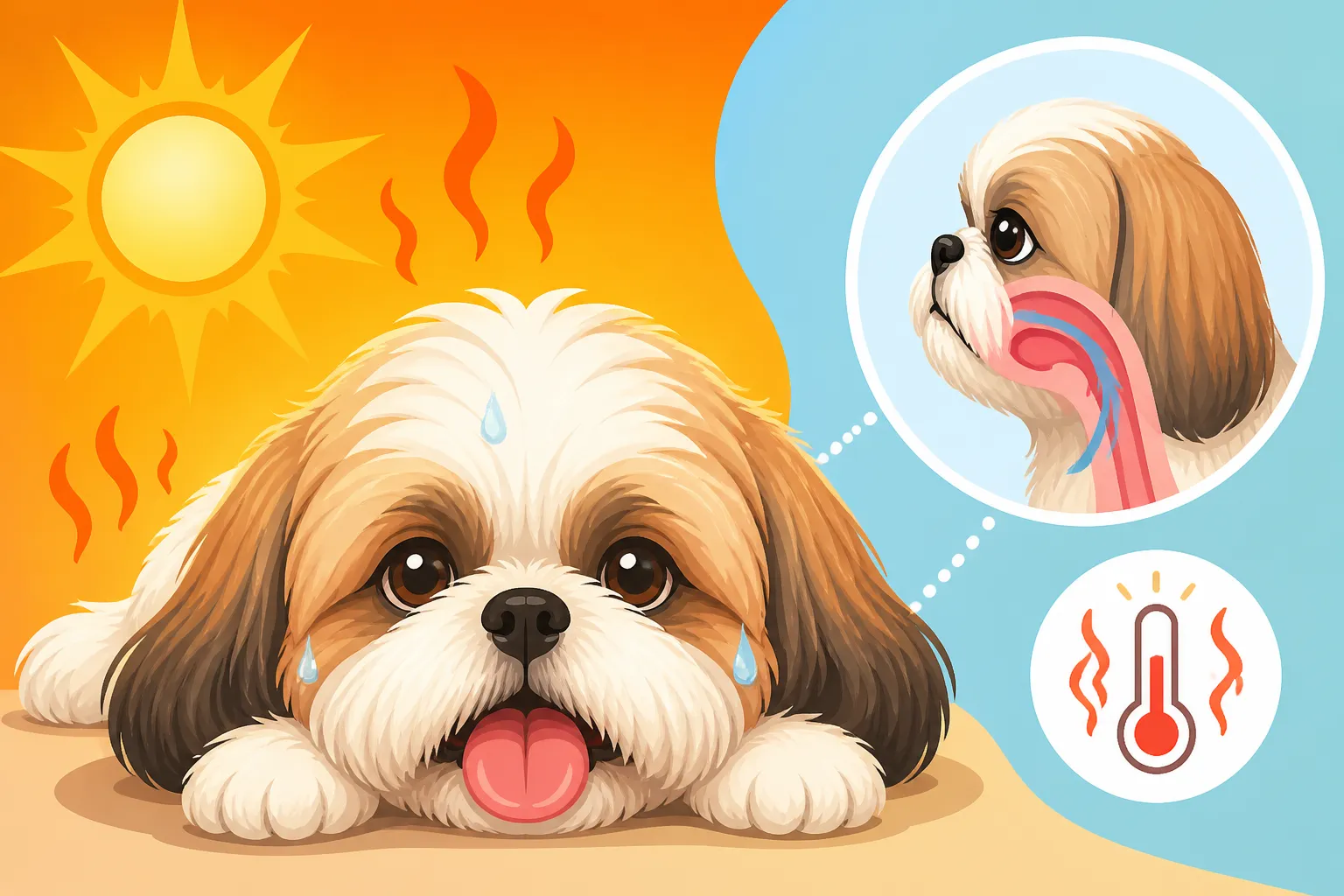
The primary reason Shih Tzus struggle in the heat is directly linked to their distinctive flat-faced, or "brachycephalic," anatomy. While this gives them their charming, smushed-in appearance, it severely impacts their ability to cool themselves efficiently. Unlike dogs with longer muzzles, Shih Tzus have a compressed respiratory system that simply isn't designed for effective heat exchange.
Imagine trying to breathe through a very short, narrow straw while also wearing a heavy coat in a hot room; that's a bit like what a Shih Tzu experiences. Their short nasal passages mean there’s less surface area for air to cool down before it reaches their lungs. They also often suffer from conditions like Shih Tzu Stenotic Nares and Noisy Breathing, where their nostrils are unusually narrow, making it even harder to inhale sufficient air. This already limited airflow is then compounded by other brachycephalic issues.
Many Shih Tzus also have an The Elongated Soft Palate in a Shih Tzu, where the soft tissue at the back of their mouth extends too far, potentially blocking their airway, especially when swollen from heat and panting. This creates a vicious cycle: the dog struggles to breathe, tries harder, which further inflames the tissue, exacerbating the problem. You might hear them making snorting, gurgling, or snoring sounds, which are all indicators of restricted airflow. When they pant, which is their primary way of cooling down, this anatomical challenge makes it incredibly inefficient. They might pant vigorously, but if the air isn't circulating properly and evaporating moisture from their tongue and respiratory tract, the cooling effect is minimal. This is a huge factor in Brachycephalic Breathing in a Shih Tzu, which makes heat management a constant concern.
This anatomical predisposition means that even in moderately warm temperatures or during mild exercise, a Shih Tzu can quickly go from comfortable to critically overheated. Their bodies have to work much harder just to perform basic cooling functions that come naturally to other breeds, placing them at a significant disadvantage when the mercury rises.
The Double Coat: A Blessing and a Challenge in Warm Weather
Beyond their unique facial structure, a Shih Tzu’s luxurious double coat plays a complex role in their temperature regulation. This breed was originally bred in the harsh, cold climates of Tibet and China, and their thick, flowing coats are perfectly designed to provide insulation. In cold weather, this is fantastic, trapping a layer of warm air close to their body. However, in warm weather, that same insulating quality can become a serious liability, trapping heat against their skin rather than allowing it to dissipate.
The outer coat is long and silky, while the undercoat is softer and denser. Together, they create a protective barrier. When kept clean, brushed, and free of mats, this coat can actually offer some protection from the sun's direct rays and help regulate body temperature to a degree. However, if the coat becomes matted, it creates a thick, impenetrable blanket that completely prevents air circulation. Mats are notorious for trapping moisture and heat close to the skin, which can lead to skin irritation, hot spots, and, most dangerously, prevent the dog from cooling down. Many owners, understandably, love the look of a full, flowing Shih Tzu coat, but maintaining it requires diligent daily brushing to prevent matting, especially in warmer months.
Some owners opt for a "puppy cut" or a shorter trim during summer, which can be a great way to help air circulate closer to the skin. However, it's a common misconception that shaving a Shih Tzu down to the skin is the best solution. A very short shave can expose their delicate skin to sunburn and actually remove some of the natural insulation that helps protect them from both heat and cold. It’s a fine balance. The ideal approach is usually a practical, shorter cut that still leaves enough hair to offer some protection while facilitating better airflow. You'll need to discuss the optimal length with your groomer to ensure your Shih Tzu is both comfortable and protected. Remember, the goal isn't just to remove hair, but to manage how the remaining hair functions in terms of insulation and protection.
Environmental Factors and Exercise: Managing Heat Risks Day-to-Day
Understanding a Shih Tzu's anatomical and coat-related predispositions is only half the battle; the other half is recognizing and mitigating environmental risks. These little dogs are highly sensitive to their surroundings, and what might seem like a perfectly pleasant day to us can quickly become life-threatening for them.
One of the biggest culprits of overheating is hot pavement. Asphalt and concrete can heat up incredibly fast in direct sunlight, reaching temperatures that can literally burn your Shih Tzu's paw pads in a matter of seconds. We're talking about temperatures over 120°F (49°C) on a 85°F (29°C) day! Walking on such surfaces forces their body temperature up, and their short stature means they're closer to the radiating heat from the ground. Always check the pavement with the back of your hand; if you can't hold it there for five seconds, it's too hot for your pup. This is why understanding Pavement Heat Under a Shih Tzu Foot is so crucial for preventing burns and overheating.
Timing of exercise is another critical factor. Forget those midday walks during summer. Shih Tzu Exercise Intolerance in Summer means that even a short stroll in the sun can be dangerous. Instead, aim for early morning or late evening walks when the sun is less intense and temperatures are cooler. Even then, keep walks brief and pay close attention to your dog's breathing and energy levels. Indoor play is always a safer bet during peak heat. Also, be mindful of The Outdoor Temperature Limit for a Shih Tzu—generally, anything above 75-80°F (24-27°C) with high humidity is pushing the danger zone for these dogs, even if they're just lounging outside.
Vehicle safety cannot be stressed enough. Never, ever leave a Shih Tzu in a parked car, not even "for a few minutes" with the windows cracked. The temperature inside a car can skyrocket in minutes, even on a mild day. Studies have shown that on an 80°F (27°C) day, the interior of a car can reach 100°F (38°C) in just 10 minutes, and 120°F (49°C) in 30 minutes. This creates a death trap for a brachycephalic dog who cannot cool down. This also extends to travel; avoid having your Shih Tzu fly in cargo, as the conditions can be unpredictable and dangerous for their respiratory system. It's truly a matter of life and death, so be mindful of Whether a Shih Tzu Should Ride in a Hot Car.
To combat these risks, indoor cooling strategies are paramount. Air conditioning is your best friend, but if that's not an option, fans, cooling mats, and even damp towels can help. Always ensure fresh, cool water is available. There's a lot of specialized Cooling Gear That Suits a Shih Tzu on the market now, from cooling vests to elevated beds, all designed to help them stay comfortable. Remember that older Shih Tzus or those with underlying health conditions, like heart issues, are even more vulnerable to heat. Incorporating these considerations into Senior Shih Tzu Care Past the Age of Ten is vital, as their ability to regulate temperature declines with age. Even with the best precautions, accidents can happen, and having pet insurance like Healthy Paws can provide immense peace of mind should an unexpected heat-related emergency arise.
Recognizing the Danger Signs and Taking Immediate Action
The ability to quickly spot the signs of overheating or heatstroke in your Shih Tzu is critical, as prompt action can be the difference between a full recovery and a tragic outcome. These symptoms can escalate rapidly, so vigilance is key.
Initially, you might notice your Shih Tzu panting much more heavily than usual, perhaps with a louder, more labored sound, accompanied by bright red gums and a very rapid heartbeat. Their tongue might appear darker red or even purplish. They may become restless, pacing, and desperately seeking a cool spot. They might drool excessively, and their eyes could seem glassy or wide. These are early warning signs, and at this point, you need to intervene immediately. Ignoring these could lead to the situation worsening, potentially leading to more severe conditions like Tracheal Collapse and the Shih Tzu Honk if the airway tissues become too inflamed.
As heatstroke progresses, the symptoms become far more alarming. Your Shih Tzu might start to stumble, stagger, or appear disoriented. Vomiting and diarrhea, sometimes bloody, can occur. Their body temperature will rise dramatically, often exceeding 104°F (40°C). In the most severe cases, they may collapse, experience seizures, or lose consciousness. These are all critical indicators you need to look out for, as detailed in guides like Spotting Heat Trouble in a Shih Tzu.
If you suspect your Shih Tzu is overheating, here's what you need to do immediately:
- Move them to a cooler environment: Get them into an air-conditioned room, a shady spot, or in front of a fan.
- Apply cool (not ice cold) water: Soak towels in cool water and apply them to their armpits, groin area, paw pads, and neck. Avoid using ice-cold water or completely submerging them in cold water, as this can cause blood vessels to constrict, hindering cooling, and potentially leading to shock.
- Offer small amounts of water: Let them drink small sips of cool water if they are conscious and willing. Do not force water down their throat.
- Contact your veterinarian immediately: Even if your dog seems to be recovering, heatstroke can cause internal organ damage that isn't immediately apparent. Call ahead to let them know you're coming so they can be prepared.
Time is of the essence in these situations. Rapid, effective cooling and immediate veterinary attention are paramount. Understanding these signs can be the difference between life and death, and prompt veterinary care can be costly. This is where a robust pet insurance policy, perhaps from a provider like Healthy Paws, really comes into its own, helping cover those unexpected emergency vet bills. Proactive prevention and swift action are the best tools an owner has to protect their beloved Shih Tzu from the dangers of heat.
Here's a quick comparison of effective cooling methods:
| Cooling Method | Description | When to Use It | Pros | Cons |
|---|---|---|---|---|
| Air Conditioning | Keeping your home's internal temperature cool. | Always on during hot weather, especially when home. | Most effective and safest long-term solution. | Can be costly to run; not always available outdoors. |
| Fans | Circulating air, mimicking a breeze. | Indoors when AC isn't enough, or for mild outdoor conditions. | Aids evaporation from respiratory tract and skin. | Not effective in high humidity; doesn't cool body directly. |
| Cooling Mats/Beds | Gel-filled or water-activated mats that absorb body heat. | For resting, indoors, during hot weather. | Comfortable, non-toxic, reusable. | Can be punctured; some dogs don't like them. |
| Damp Towels (Cool, not cold) | Placing cool, wet towels on pulse points (armpits, groin, neck, paws). | Emergency cooling during suspected overheating. | Rapid localized cooling; easy to administer. | Must monitor temperature to avoid over-cooling; needs re-wetting. |
| Shade & Hydration | Limiting sun exposure and providing constant access to fresh water. | Everyday prevention, anytime your Shih Tzu is outdoors. | Simple, fundamental prevention. | Insufficient for active cooling in extreme heat. |
| Cooling Vests/Bandanas | Garments that hold ice packs or stay cool when wet. | During walks in moderate heat, or short outdoor excursions. | Provides portable cooling. | Can add bulk to coat; requires regular re-wetting/re-freezing. |
Disclaimer
The information provided in this article is for educational purposes only and is not a substitute for professional veterinary advice. Always consult with a qualified veterinarian for any health concerns or before making any decisions about your pet's health or treatment.