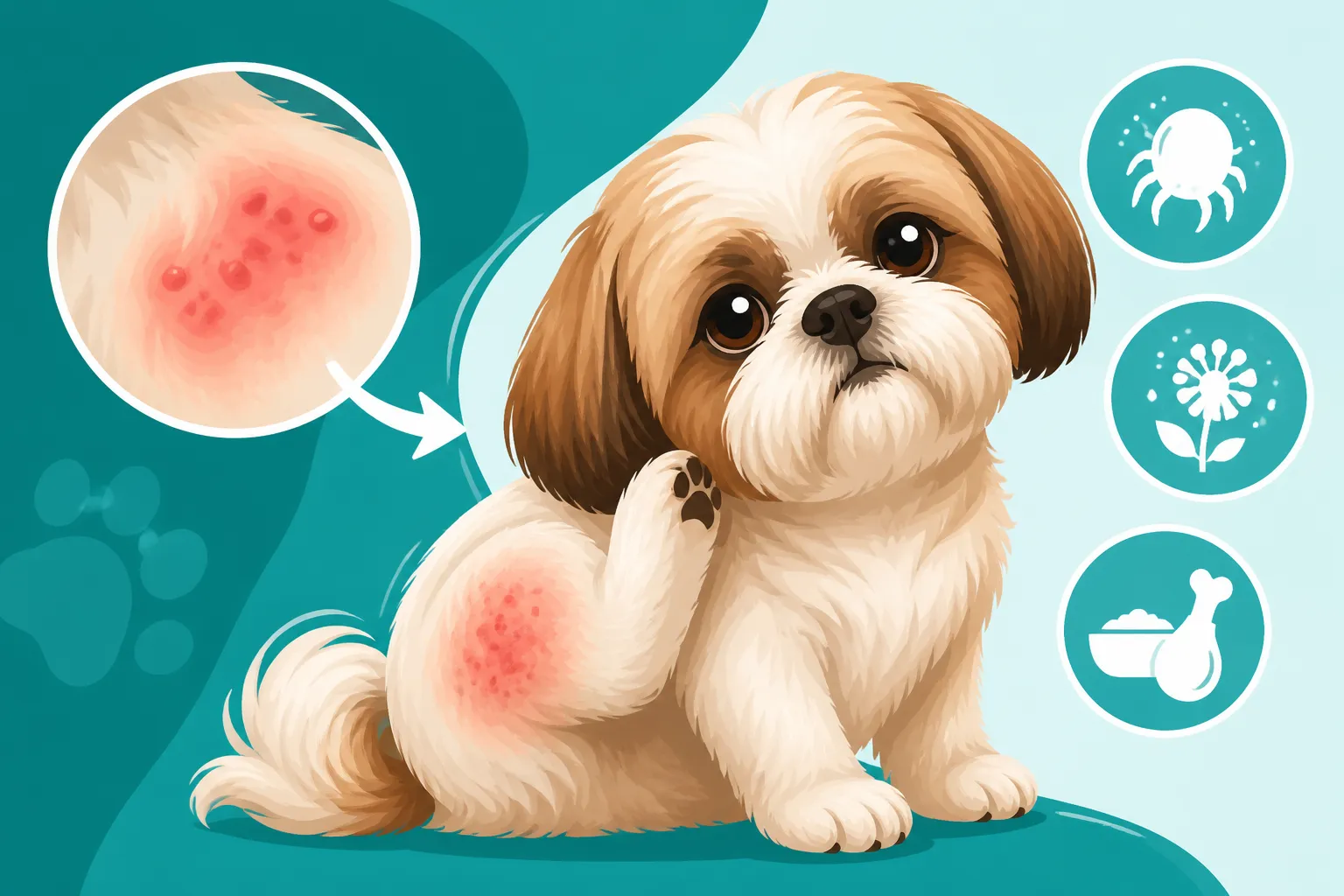
Shih Tzu Skin Allergies and Hot Spots
It's absolutely heartbreaking to see your beloved Shih Tzu constantly scratching, chewing at their paws, or developing angry red patches on their skin. You feel so helpless, watching them suffer through the incessant itch, and it can be incredibly frustrating trying to pinpoint the exact cause of their discomfort. This comprehensive guide is here to walk you through the complex world of Shih Tzu skin allergies and those dreaded hot spots, offering practical advice and a deeper understanding of how to manage these common, yet distressing, conditions for your furry companion.
The Unique Vulnerability of Shih Tzu Skin and Coat
Shih Tzus are undeniably adorable with their flowing double coats, but this very feature, along with their brachycephalic (flat-faced) characteristics, makes them particularly susceptible to a range of skin issues. It's not just a coincidence; there's a biological reason these little "lion dogs" often find themselves battling the itch.
The Dense Double Coat as a Trap for Irritants
Imagine wearing a thick, multi-layered sweater all the time, especially in warm or humid weather. That's essentially what your Shih Tzu's double coat is like. It consists of a soft, woolly undercoat and a longer, silky topcoat. While beautiful, this dense combination acts like a magnet for environmental allergens such as pollen, dust mites, and mold spores. These tiny particles get trapped deep within the fur, sitting directly against the skin for extended periods, causing irritation and triggering allergic reactions.
Furthermore, a thick coat can also reduce air circulation to the skin, creating a warm, moist environment that's perfect for bacteria and yeast to flourish. When a Shih Tzu starts scratching due to an initial allergen, the skin barrier is compromised, making it even easier for these opportunistic microorganisms to take hold and exacerbate the problem. It’s a vicious cycle that starts with a simple itch and can quickly escalate. This is why daily grooming is so crucial; it's not just about looking good, but about maintaining healthy skin beneath all that fluff. For more on this, check out our guide on Brushing a Shih Tzu Double Coat Every Day.
Breed-Specific Sensitivities to Allergens
Shih Tzus, like many purebred dogs, have genetic predispositions that make them more prone to certain health conditions, and allergies are high on that list. They are frequently affected by atopic dermatitis, which is essentially environmental allergies. This means their immune system overreacts to otherwise harmless substances in their surroundings. It could be seasonal pollen from trees, grasses, or weeds, or year-round culprits like dust mites, storage mites in food, or even components of human dander.
Their immune systems are just built differently, often leading to an exaggerated inflammatory response when exposed to these common allergens. This isn't a sign of a weak immune system, but rather an overactive one, mistakenly identifying harmless substances as threats. This chronic inflammation manifests as intense itching, redness, and irritation, often concentrating on their paws, belly, ears, and around their eyes and muzzle. Sometimes, it feels like you're playing detective, trying to figure out which invisible enemy is attacking your precious pup.
How Brachycephalic Features Impact Skin Health
The endearing flat face of a Shih Tzu, while contributing to their unique charm, also brings its own set of dermatological challenges. Their adorable wrinkles and skin folds around the nose and mouth can trap moisture, food particles, and debris. This damp, warm, and dark environment is a prime breeding ground for bacteria and yeast, leading to conditions like skin fold dermatitis. You might notice a reddish-brown discoloration, a foul odor, or even raw, inflamed skin in these areas.
Additionally, their prominent eyes, which are a characteristic of the breed, can sometimes lead to excessive tearing, contributing to tear staining and moist skin around the eyes. This constant moisture can irritate the skin and also create an ideal environment for yeast growth, further complicating any underlying allergies. It highlights why consistent cleaning and attention to these specific facial features are paramount for preventing discomfort and infection. Don't forget, managing these facial areas can be part of the regular Washing a Shih Tzu Face After Every Meal routine.
Unmasking Shih Tzu Skin Allergies
Identifying skin allergies in your Shih Tzu can feel like a game of whack-a-mole; as soon as you address one symptom, another seems to pop up. It's a common struggle for Shih Tzu owners, given how easily their skin can react to various triggers. Knowing what to look for, and understanding the common culprits, is the first step in providing relief.
Recognizing the Subtle Cues of Allergic Dermatitis
Allergic dermatitis in Shih Tzus doesn't always scream for attention. Sometimes, the initial signs are subtle, making them easy to miss until the problem has really taken root. You might first notice your pup scratching more than usual, but perhaps not intensely. They might start licking their paws, especially after coming in from outside, or rubbing their face against furniture or your legs. Many owners report seeing A Shih Tzu Licking Its Paws Raw as an early indicator.
As the irritation progresses, you'll likely see more obvious signs. Look for redness or a rash on their belly, inner thighs, armpits, and around their ears. Their skin might feel warm to the touch, and you might detect a yeasty odor, particularly in their ears or paw pads. Chronic scratching and licking can lead to secondary issues like hair loss, thickening of the skin (known as lichenification), and hyperpigmentation (darkening of the skin). In severe cases, they might develop painful open sores, which can quickly turn into hot spots. It's a progression that can be slow and insidious, so keeping a close eye on any changes, no matter how small, is vital.
Common Allergen Culprits: From Pollen to Protein
The world is full of potential allergens for a sensitive Shih Tzu, and identifying the specific trigger can be a lengthy process. Generally, skin allergies fall into a few main categories:
- Environmental Allergies (Atopy): These are by far the most common, often caused by pollen from trees, grasses, and weeds, as well as dust mites, mold spores, and even human dander. These can be seasonal, flaring up during specific times of the year, or perennial, causing discomfort year-round if the allergen is always present (like dust mites in your home). Your Shih Tzu might absorb these allergens through their skin, not just by inhaling them.
- Food Allergies: While less common than environmental allergies, food allergies can cause intense itching and skin inflammation. The most frequent culprits are proteins like chicken, beef, dairy, wheat, and soy. Unlike food sensitivities (which cause digestive upset), food allergies trigger an immune response that manifests on the skin. It’s not necessarily about the quality of the food, but a specific protein the dog's immune system identifies as a threat. Knowing The Everyday Foods That Harm a Shih Tzu can be a good starting point to rule out obvious dangers, but specific allergens require more detective work.
- Contact Dermatitis: This occurs when your Shih Tzu's skin directly touches something irritating, such as certain cleaning products, fertilizers, flea collars, or even specific types of bedding material. The reaction is usually localized to the area of contact.
- Flea Allergy Dermatitis (FAD): Even a single flea bite can trigger an extreme allergic reaction in a sensitive Shih Tzu, leading to intense itching, redness, and scabs, often concentrated at the base of the tail, hind legs, and inner thighs. This is why rigorous flea prevention is non-negotiable, even if you don't see visible fleas.
Understanding these categories helps narrow down the search, though often a combination of factors is at play.
The Difference Between Allergic Reactions and Other Itches
It's easy to assume every scratch means an allergy, but sometimes, other conditions can mimic allergic symptoms. Differentiating between them is crucial for effective treatment. For instance, dry skin, especially during winter months or in arid climates, can cause itching and flakiness. Similarly, parasitic infestations beyond fleas, like mites (sarcoptic or demodectic mange), can lead to intense itching, hair loss, and skin irritation. These conditions require very different treatments than allergies.
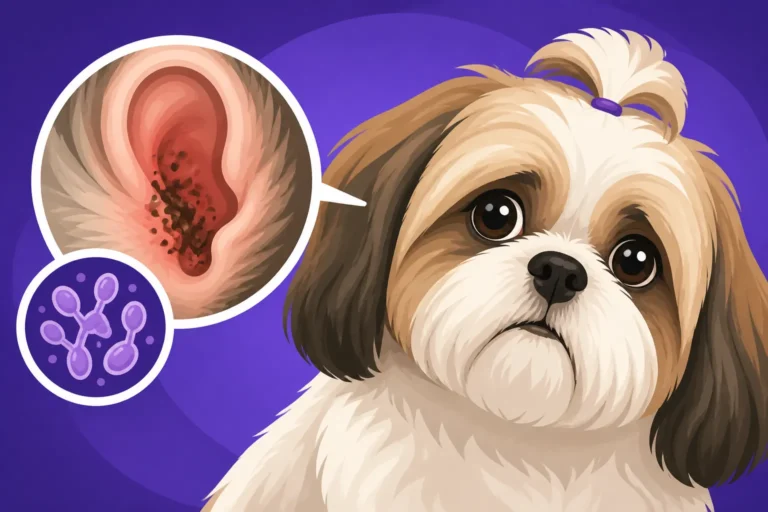
Bacterial or yeast infections are also common culprits that cause itching, redness, and odor. Often, these infections are secondary to an underlying allergy, meaning the allergy compromises the skin barrier, allowing bacteria or yeast to overgrow. However, sometimes they can be primary issues. For example, a Shih Tzu might develop Shih Tzu Ear and Skin Infections Under the Coat from yeast alone, without a primary allergic trigger. Your vet will need to perform specific tests, like skin scrapes or cytology, to confirm the presence of these infections and rule out other causes before assuming allergies are the sole problem. This diagnostic process is key to getting your Shih Tzu on the path to lasting comfort.
When Skin Allergies Escalate to Hot Spots
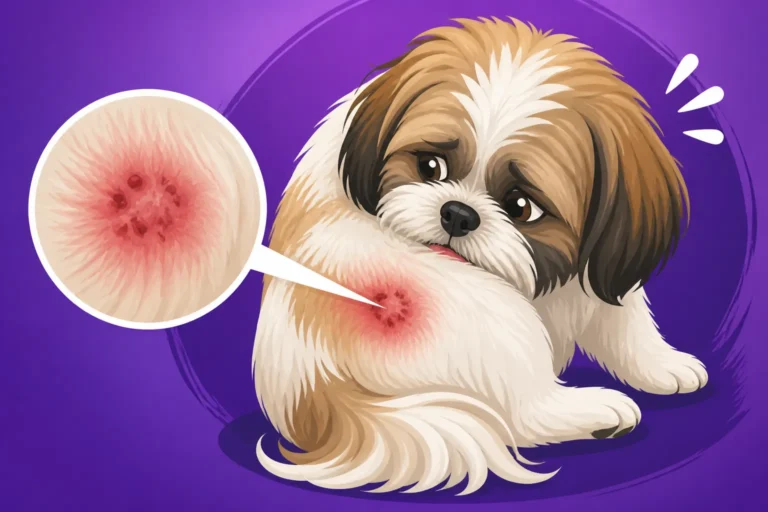
You wake up one morning, and where there was just a bit of licking yesterday, there's now an angry, oozing, painful red lesion on your Shih Tzu. This is the classic, terrifying appearance of a hot spot. These aren't just minor irritations; they're acute, rapidly spreading skin infections that can cause immense distress for both your dog and you.
The Rapid Onset and Progression of Pyotraumatic Dermatitis
Hot spots, medically known as acute moist dermatitis or pyotraumatic dermatitis, are an owner's nightmare because of how quickly they appear and worsen. One moment, your Shih Tzu might just be scratching a particular spot a little more than usual. The next, often within hours, that small irritated area has become a large, inflamed, painful, and often oozing lesion. This rapid progression is due to a combination of factors. The initial itch, often triggered by an allergy, causes the dog to intensely lick, chew, or scratch the area. This trauma to the skin breaks down its natural barrier, introducing bacteria from the dog's mouth and environment.
The constant licking and moisture create a perfect, warm, damp breeding ground for these bacteria, leading to a superficial bacterial skin infection. The more itches, the more they lick, the more bacteria proliferate, and the larger the hot spot grows. It’s an incredibly frustrating cycle because the dog cannot stop licking, even though it makes the problem worse. This is why an immediate, decisive intervention is so crucial. Ignoring a small irritated patch, even for a few hours, can result in a much larger, more painful problem by the end of the day.
Triggers That Turn an Itch into a Raw Sore
The underlying cause of a hot spot is almost always something that initiates an itch. For Shih Tzus, given their predispositions, this often points back to allergies.
- Allergies: Environmental allergies (pollen, dust mites) or food allergies are prime culprits. A localized allergic reaction causes an itch, which then starts the licking-chewing cycle.
- Flea Bites: A single flea bite can be enough to trigger intense scratching in a flea-allergic Shih Tzu, quickly leading to a hot spot. Even if you don't see fleas, don't rule this out.
- Ear Infections: An untreated Shih Tzu Ear Infections That Keep Returning can cause intense itchiness around the ear, leading to a Shih Tzu scratching so vigorously that they create a hot spot on their cheek, neck, or behind the ear.
- Matted Hair: Mats can pull on the skin, causing irritation. They also trap moisture and debris, creating an ideal environment for skin irritation and subsequent hot spot development. Shih Tzu Hot Spots Hidden Under a Long Coat are unfortunately common because the matting often obscures the early signs.
- Parasites (other than fleas): Mites, like those causing sarcoptic mange, can cause severe, generalized itching that can lead to hot spots anywhere on the body.
- Moisture Trapping: Prolonged dampness, perhaps from a bath that wasn't thoroughly dried, or even constant drooling in certain areas, can soften the skin and make it more vulnerable to bacterial overgrowth and hot spot formation.
Essentially, anything that makes your Shih Tzu intensely itchy in a specific area can lead to a hot spot if not addressed promptly.
Crucial Immediate Steps for Hot Spot Care
When you discover a hot spot, time is of the essence. Swift action can prevent it from spreading further and minimize your dog's pain.
- Gently Clean and Trim: The first, and often hardest, step is to carefully trim the hair around the hot spot. This might require some assistance, as the area will be painful. Use blunt-nosed scissors or electric clippers with caution to create a clean margin of healthy skin around the lesion. Removing the hair allows air to reach the wound, helps it dry out, and lets you properly clean and treat the area.
- Clean the Area: Gently wash the hot spot with a mild antiseptic solution, like diluted chlorhexidine or povidone-iodine (Betadine, diluted to a weak tea color). Pat dry thoroughly.
- Apply Topical Treatment: Your vet will likely prescribe a topical antibiotic/corticosteroid spray or cream to reduce inflammation, kill bacteria, and alleviate itching. Follow their instructions carefully. If you don't have a prescribed treatment yet, a mild astringent like witch hazel can help dry out the oozing.
- Prevent Licking: This is non-negotiable. An Elizabethan collar (e-collar or "cone of shame") is essential to prevent your Shih Tzu from continuing to traumatize the area and further spreading the infection. Without it, topical treatments are useless, and the hot spot will not heal.
- Seek Veterinary Attention: While these first aid steps are crucial, a hot spot always warrants a vet visit. Your veterinarian will properly diagnose the extent of the infection, rule out underlying causes, and likely prescribe oral antibiotics and anti-inflammatory medications, especially if the hot spot is large or deep. This ensures the infection is cleared from the inside out and provides relief from the pain and itch.
Remember, hot spots are painful, and your Shih Tzu might be more irritable than usual. Approach them calmly and gently. You may want to call your vet for advice on how to best handle your pup before attempting to trim hair.
Navigating the Veterinary Road to Diagnosis and Treatment
When your Shih Tzu is suffering from persistent skin issues, it’s not just uncomfortable for them; it’s agonizing for you to watch. The constant scratching, the redness, the worry – it all takes a toll. That’s why a strong partnership with your veterinarian is your best defense in unraveling the mystery of your Shih Tzu’s skin allergies and getting them the lasting relief they deserve.
Partnering with Your Vet for a Precise Diagnosis
Trying to diagnose your Shih Tzu’s skin problems at home is incredibly difficult, if not impossible, due to the myriad of potential causes. Your veterinarian is your most valuable ally in this journey. When you bring your Shih Tzu in, be prepared to provide a detailed history. This includes:
- Onset and Progression: When did you first notice the symptoms? Have they gotten worse, better, or stayed the same? Are they seasonal or year-round?
- Location of Itch: Where exactly does your Shih Tzu scratch, lick, or chew? Paws, ears, belly, tail base? This helps narrow down potential allergens.
- Dietary History: What do they eat? Any recent changes? What treats do they get?
- Environment: Where do they spend most of their time (indoors/outdoors)? Are there new plants, cleaning products, or changes in your home?
- Parasite Prevention: What products do you use for fleas, ticks, and heartworms, and how consistently are they applied?
- Previous Treatments: What home remedies or over-the-counter products have you tried, and did they offer any relief?
Your vet will conduct a thorough physical examination, looking at the skin, coat, ears, and paws. They’ll be looking for clues like redness, scaling, pustules, hair loss, and any secondary infections. This detailed approach is critical because, as we discussed, what looks like an allergy might actually be an infection or another skin condition. Sometimes, a vet might even suggest checking for Shih Tzu Hypothyroidism and Coat Loss, as hormonal imbalances can also manifest as skin issues.
Advanced Testing Options for Persistent Allergies
Once the initial physical exam and basic tests (like skin scrapes for mites or cytology for yeast/bacteria) have been performed, and especially if the problem is chronic or recurring, your vet might suggest more advanced diagnostic steps. This can feel like a lot, but it’s often necessary to get to the root cause.
- Elimination Diet Trial: If food allergies are suspected, your vet will recommend a strict elimination diet. This involves feeding your Shih Tzu a novel protein (one they’ve never eaten before, like duck, venison, or rabbit) and a novel carbohydrate (like potato or peas), or a hydrolyzed protein diet (where proteins are broken down so small the immune system doesn't recognize them). This diet must be fed exclusively for 8-12 weeks, with no other treats, table scraps, or flavored medications. It’s tough, requiring immense discipline, but it’s the only way to definitively diagnose a food allergy.
- Allergy Testing: For environmental allergies (atopy), your vet might refer you to a veterinary dermatologist for allergy testing. There are two main types:
- Intradermal Skin Testing: This involves injecting small amounts of various allergens just under the skin and observing for reactions, similar to human allergy testing.
- Serum IgE Blood Testing: A blood sample is taken and sent to a lab to measure specific antibodies (IgE) against a panel of common environmental allergens.
While these tests can identify what your Shih Tzu is allergic to, they don't always directly correlate with clinical signs, and results need to be interpreted carefully by an experienced vet.
- Biopsies: In very rare or unusual cases, a skin biopsy might be taken to examine tissue under a microscope, especially if autoimmune diseases or certain types of skin cancers are suspected.
These tests can be an investment, but for long-term comfort, they can be invaluable. It's also worth looking into pet insurance options like Healthy Paws, which can help cover a significant portion of these diagnostic and treatment costs, especially for chronic conditions.
Comprehensive Medical Approaches to Alleviating Symptoms
Once a diagnosis is made, or even while trying to pinpoint the exact cause, your vet will focus on both immediate relief and long-term management.
- Addressing Secondary Infections: Almost every chronic skin allergy comes with secondary bacterial or yeast infections. Your vet will prescribe oral antibiotics (e.g., cephalexin, clindamycin) or antifungals (e.g., ketoconazole, fluconazole), as well as medicated shampoos (e.g., chlorhexidine, miconazole) to clear these up. It's crucial to complete the full course of medication, even if your Shih Tzu seems better.
- Anti-Inflammatory Medications: To break the itch-scratch cycle and provide immediate comfort, corticosteroids (like prednisone) might be prescribed. These are highly effective but come with potential side effects, so they are usually used short-term or at the lowest effective dose. Newer medications, such as Apoquel (oclacitinib) and Cytopoint (lokivetmab), are often preferred as they specifically target the itch pathway with fewer side effects than steroids, offering a safer long-term solution for managing allergic itching.
- Immunotherapy (Allergy Shots/Drops): For diagnosed environmental allergies, immunotherapy is often the gold standard. Based on the results of allergy testing, a custom vaccine is formulated to desensitize your Shih Tzu to the specific allergens. This can be given as injections at home or as oral drops. It takes time to see results (often 6-12 months) and is a lifelong commitment, but it's the only treatment that can actually change the immune response, rather than just suppress symptoms.
- Antihistamines and Fatty Acids: Over-the-counter antihistamines (like Zyrtec or Benadryl) can be tried, but their effectiveness in dogs varies widely. Omega-3 fatty acid supplements can also help support skin barrier health and reduce inflammation, and are often used as an adjunct to other treatments.
Remember, managing chronic skin allergies is a marathon, not a sprint. It often involves a multi-modal approach and continuous communication with your vet to adjust the treatment plan as needed. For potential future Shih Tzu Emergency Vet Costs Owners Should Expect, having a good pet insurance plan from a provider like Healthy Paws can truly alleviate some of the financial burden.
Proactive Management and Lifetime Prevention Strategies
Once you’ve identified the culprits behind your Shih Tzu’s skin allergies and hot spots, the real work begins: proactive, consistent management. This isn't just about reacting to flare-ups; it's about building a fortress of defense for their delicate skin, day in and day out. This long-term commitment is what truly makes a difference in your Shih Tzu's comfort and quality of life.
The Indispensable Role of Meticulous Grooming
For a Shih Tzu, grooming is not a luxury; it's a critical component of skin health, particularly when allergies are a factor. Their luxurious double coat, if not properly maintained, can quickly become a breeding ground for problems.
- Daily Brushing: This is non-negotiable. Daily brushing with a good quality pin brush and comb helps remove loose hair, prevents mats, and, most importantly, removes trapped allergens like pollen, dust, and dander from the coat before they have a chance to irritate the skin. It also stimulates blood flow to the skin and distributes natural oils. For a deeper dive into this routine, see our guide on Brushing a Shih Tzu Double Coat Every Day.
- Regular Bathing with Medicated Shampoos: Frequent bathing (often once or twice a week during allergy season, or as directed by your vet) can be incredibly effective. Medicated shampoos, such as those containing chlorhexidine for bacterial infections or miconazole for yeast, can help treat and prevent secondary infections. Even hypoallergenic, oatmeal-based shampoos can rinse away surface allergens and soothe irritated skin. Ensure you rinse thoroughly to avoid leaving any residue, and dry their coat completely down to the skin to prevent moisture-related issues.
- Face and Paw Care: The flat face of a Shih Tzu means their facial folds and areas around their eyes are prone to trapping moisture and debris. Regular cleaning of these areas, especially after meals and whenever you notice tear staining, is vital. Similarly, keeping the hair between their paw pads trimmed short is crucial. This prevents allergens from being tracked into the house and also reduces moisture retention that can lead to paw licking and secondary infections like yeast. If your Shih Tzu is constantly A Shih Tzu Licking Its Paws Raw, check those paw pads first.
Professional grooming every 4-6 weeks is often necessary, especially if you opt for a full coat. However, many owners choose a shorter "puppy cut" for easier maintenance and better air circulation to the skin. Our article on Choosing Between a Full Coat and a Puppy Cut might offer some useful insights here.
Dietary Adjustments and Supplements
What goes into your Shih Tzu's body can significantly impact their skin health. Nutrition plays a vital role in supporting a strong skin barrier and reducing inflammation.
- Hypoallergenic Diets: If a food allergy has been diagnosed or is suspected, switching to a prescription hydrolyzed protein diet or a novel protein diet is essential. These diets minimize the chances of an allergic reaction by using ingredients unlikely to trigger an immune response. Stick to the prescribed diet strictly; even small amounts of an offending protein can cause a flare-up.
- Omega-3 Fatty Acid Supplements: These are powerhouses for skin health. Omega-3s, particularly EPA and DHA found in fish oil, have natural anti-inflammatory properties that can help reduce itching and improve the overall quality of your Shih Tzu's skin and coat. Look for high-quality supplements specifically formulated for dogs, ensuring proper dosage based on your dog's weight.
- Probiotics: A healthy gut microbiome can influence overall immune function, including skin health. Some anecdotal evidence suggests that probiotics might help some dogs with allergies by improving gut health and modulating the immune response. Discuss this with your vet to see if a probiotic supplement is suitable for your Shih Tzu.
- Limited Ingredient Diets (LID): For dogs with sensitivities but not full-blown allergies, a limited ingredient diet can sometimes help. These diets typically contain fewer ingredients, making it easier to identify and avoid potential irritants. Always consult with your vet before making significant dietary changes, especially if your dog has other health conditions or is on medication. Our guide on Feeding a Shih Tzu at Nine to Sixteen Pounds offers general dietary advice that can be tailored with vet input.
Environmental Control and Home Care
Reducing your Shih Tzu's exposure to environmental allergens at home is a continuous effort, but it's one of the most impactful strategies for managing their allergies.
- Regular Cleaning: Vacuum frequently with a HEPA-filter vacuum cleaner to remove dust mites and allergens from carpets and upholstery. Wash your dog's bedding weekly in hot water. Consider using allergen-proof covers for their bed and yours, especially if your Shih Tzu sleeps with you.
- Air Purification: Using a HEPA air purifier in the rooms where your Shih Tzu spends the most time can help reduce airborne allergens like pollen and dust.
- Wipe Downs After Outdoors: After walks or outdoor play, wipe your Shih Tzu down with a damp cloth or hypoallergenic wipe, paying special attention to their paws and belly. This physically removes pollen and other outdoor allergens before they can be tracked inside and settle on the skin.
- Protect from Fleas: Even if your Shih Tzu isn't flea-allergic, rigorous flea prevention is critical. A monthly prescription preventive is usually recommended to ensure no flea bites trigger a cascade of itching and hot spots.
- Manage Humidity: If your climate is humid, a dehumidifier can help reduce mold growth and overall moisture in the air, which can exacerbate yeast issues on the skin. Conversely, in dry climates, a humidifier might help prevent dry, flaky skin.
Creating a low-allergen environment is a marathon, not a sprint, but it's a commitment that pays dividends in your Shih Tzu's comfort.
Empowering Owners to Thrive with an Allergic Shih Tzu
Living with a Shih Tzu prone to skin allergies and hot spots can sometimes feel overwhelming, a constant battle against the itch. But with the right mindset, consistent effort, and a supportive veterinary team, you absolutely can help your furry friend live a comfortable and happy life. It’s about building a robust routine and understanding the journey you’re on together.
Establishing a Routine for Ongoing Skin Surveillance
The key to managing chronic skin issues is vigilance. You need to become an expert in your own Shih Tzu's skin, recognizing the earliest signs of trouble before a full-blown flare-up or hot spot develops.
- Daily "Pat Down" Checks: Incorporate a quick daily check into your routine. While you're petting them, gently feel their skin all over – especially under their armpits, on their belly, between their toes, and behind their ears. Feel for any bumps, scabs, excessive warmth, or moisture. This allows you to catch any redness or irritation when it's just beginning, giving you a chance to intervene quickly with a topical wipe or a medicated bath before it escalates.
- Monitor Grooming Behavior: Pay attention to increased licking, chewing, or scratching. Does it happen at a particular time of day, or after they've been outside? Is it focused on one area, or are they generally itchy? Keep a journal if necessary to track these observations, as this information is invaluable to your vet.
- Regular Ear Checks: Shih Tzus are prone to Shih Tzu Ear Infections Under Heavy Ear Leather, often linked to underlying allergies. Make it a habit to lift their ear leather and gently check the ear canal for redness, discharge, or odor a few times a week. Early detection means faster treatment and less discomfort.
- Consistent Preventative Grooming: As discussed, daily brushing, regular bathing with appropriate shampoos, and meticulous face and paw care are your first lines of defense. This consistent effort isn't just about aesthetics; it's about actively managing their skin health every single day.
By making these checks a routine, you empower yourself to be proactive rather than reactive, often catching issues when they are small and easier to manage.
Understanding the Financial and Emotional Commitment
Managing chronic allergies in a Shih Tzu is not only a time commitment but also a significant financial and emotional one. It's important to be realistic about this.
- Financial Investment: Diagnostics like allergy testing, prescription foods, long-term medications (like Apoquel or Cytopoint), medicated shampoos, and regular vet visits can add up. It’s not uncommon for owners to spend hundreds, if not thousands, of dollars annually on managing severe allergies. This is where pet insurance, such as Healthy Paws, can be a game-changer. Policies often cover diagnostics, specialist visits, and prescribed medications for chronic conditions, significantly easing the burden on your wallet. Planning for these costs, or considering insurance early, can make a huge difference in your ability to provide consistent care.
- Emotional Toll: Watching your Shih Tzu suffer from constant itching, seeing them uncomfortable, and dealing with frequent vet visits can be emotionally draining. It's easy to feel guilty or frustrated when you can't completely cure the problem. Remember, you are doing everything you can, and consistency is key. Don't hesitate to reach out to your vet for support or to other owners who understand the journey.
- Patience and Persistence: There's no quick fix for allergies. It's a journey of trial and error, requiring immense patience and persistence. Some treatments work better for some dogs than others, and what works one year might need adjustment the next. Celebrate the small victories, like a week without a hot spot or a reduction in scratching.
Embrace the process, knowing that your dedication is improving your Shih Tzu's quality of life.
When to Seek Specialist Veterinary Dermatology Care
While your primary veterinarian can handle many aspects of allergy management, there are times when seeking the expertise of a board-certified veterinary dermatologist is highly recommended. These specialists have advanced training and equipment to tackle the most challenging skin cases.
You should consider a referral to a veterinary dermatologist if:
- Diagnosis is Elusive: If your vet has tried multiple approaches and the exact cause of your Shih Tzu's skin issues remains a mystery.
- Treatment is Ineffective: If your Shih Tzu isn't responding well to standard treatments, or if flare-ups are still frequent and severe despite consistent care.
- Complex Cases: For very unusual or severe skin conditions, or if multiple skin problems are occurring simultaneously.
- Advanced Testing: Dermatologists often perform intradermal allergy testing, which requires specialized training, and can offer more nuanced interpretations of results.
- Immunotherapy Management: If you are pursuing immunotherapy, a dermatologist can help tailor and manage the specific allergen injections or drops.
A specialist can provide a fresh perspective, access to advanced diagnostics, and potentially different treatment options that might not be available at a general practice. They work closely with your primary vet, ensuring a cohesive and comprehensive care plan for your Shih Tzu. Investing in this specialized care, particularly for challenging cases, can lead to more effective long-term management and a much happier, itch-free Shih Tzu.
Disclaimer
This article is for general informational purposes only and does not constitute professional advice. Laws, prices and regulations vary by location and change over time. Consult a qualified professional for guidance on your specific situation.