Shih Tzu Ear Infections Under Heavy Ear Leather
If you're a Shih Tzu parent, you've probably experienced the frustration of those adorable, floppy ears turning into a breeding ground for discomfort. It’s a common heartache to see your sweet pup shaking their head, scratching relentlessly, or giving you that sad look that clearly says, "My ears hurt!" This guide is here to shed light on why Shih Tzus are so prone to ear infections, how to spot the signs, and most importantly, how to keep those beautiful, heavy ear leathers healthy and happy.
Understanding Why Shih Tzus Are Prone to Ear Infections
It's not just bad luck that our beloved Shih Tzus often battle ear infections. Their unique physiology, which gives them their charming look, also sets them up for some specific health challenges. Those long, flowing ears and fluffy interiors, while undeniably cute, create an environment that bacteria and yeast absolutely adore.
The Anatomy of a Shih Tzu Ear
Think about your own ear canal – it's relatively short and open to the air, right? Now, imagine your Shih Tzu’s ear. Their ear canal isn't straight; it takes a sharp turn, forming an L-shape. This bend makes it incredibly difficult for air to circulate deep inside and for moisture or debris to escape naturally. It’s like a winding, dark cave, perfect for microscopic organisms to set up shop. This unique structure, combined with other factors, makes them prime candidates for problems, often leading to recurring issues. For a broader look at common health issues, consider reading about Shih Tzu Ear and Skin Infections Under the Coat.
How Heavy Ear Leather Creates a Problem
The most striking feature contributing to ear infections in Shih Tzus is their heavy, pendulous ear leather. These long, velvety flaps, often covered in thick fur, hang down, effectively sealing off the ear canal from the outside world. This creates a warm, dark, and humid microclimate deep within the ear. It's the perfect incubator for pathogens. Think of it like this: if you wore a heavy blanket over your ears all day, every day, imagine how stuffy and moist it would get underneath! This lack of airflow prevents natural drying and allows any moisture from bathing, playing, or even just humidity in the air, to linger. That constant dampness is a paradise for yeast and bacteria, allowing them to multiply rapidly and cause inflammation and infection.
The Role of Hair in the Ear Canal
Beyond the heavy ear flaps, Shih Tzus also have significant hair growth inside their ear canals. This might seem harmless, but it actually exacerbates the problem. This dense hair traps wax, dirt, and moisture even further, forming a dense barrier that blocks airflow and creates more nooks and crannies for microorganisms to hide in. Imagine trying to clean a drain that’s constantly clogged with hair – it’s a similar battle for your Shih Tzu's ears. This trapped debris becomes a feast for bacteria and yeast, leading to that tell-tale foul odor and intense itching. Many owners wonder Whether Ear Hair Causes Shih Tzu Infections, and the answer is a resounding yes, it's a major contributing factor.
Recognizing the Signs of an Ear Infection
It can be heartbreaking to see your usually vibrant Shih Tzu become withdrawn or restless due to discomfort. Early detection of an ear infection is key to preventing it from becoming more severe and painful. While they can't tell us in words, our observant eyes and noses can pick up on subtle cues.
Behavioral Clues Your Shih Tzu May Exhibit
One of the first things you might notice is a change in your Shih Tzu's behavior. They might start shaking their head much more frequently than usual, sometimes violently, as if trying to dislodge something annoying. You might also catch them scratching or pawing at their ears repeatedly, sometimes to the point of redness or even breaking the skin around the ear canal or on the ear flap itself. This itching can be intense, disrupting their sleep or making them irritable during playtime. Some Shih Tzus might even rub their ears on furniture or the carpet, desperate for relief. You might also notice them tilting their head to one side consistently, favoring the unaffected ear, or becoming sensitive when you try to touch their head or ears. Sometimes, you'll even see them exhibiting general signs of discomfort, like a reluctance to play or a decrease in appetite. If you see them scratching a lot in general, it might be worth investigating A Shih Tzu Scratching Under a Full Coat.
Visual and Olfactory Indicators to Watch For
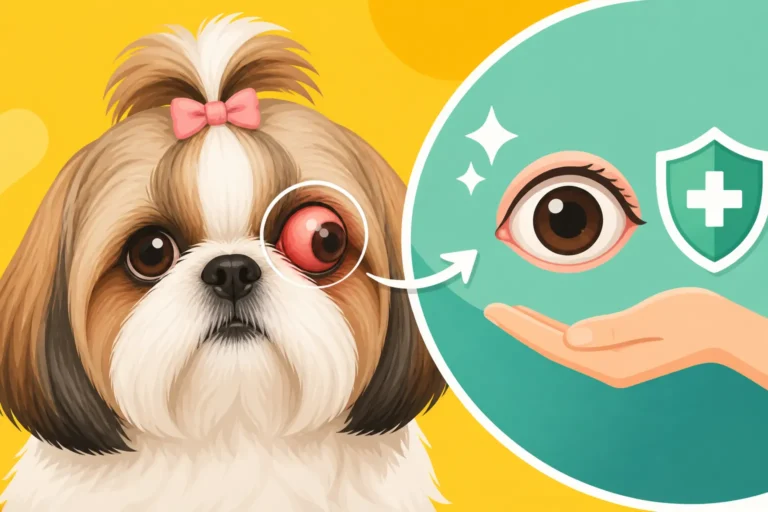
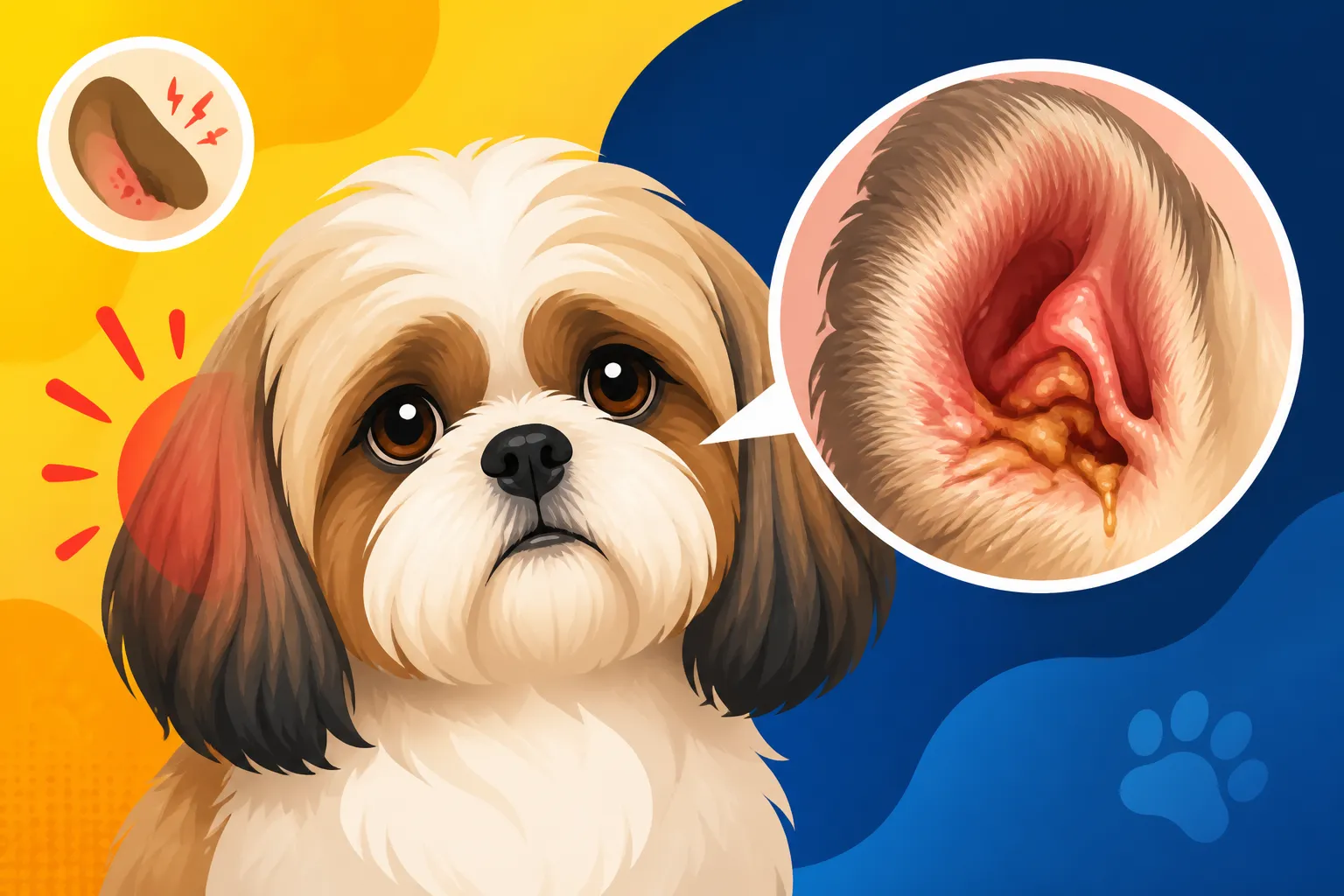
Beyond behavior, there are clear physical signs that scream "ear infection." Take a moment to gently lift your Shih Tzu's ear flap and peek inside. A healthy ear canal should be pale pink and clean, with minimal wax. With an infection, you might see redness and swelling, especially around the opening of the canal. There's often a discharge – it could be dark brown and waxy, black and crumbly (like coffee grounds), or yellowish and pus-like. A particularly strong, unpleasant odor emanating from the ear is another huge red flag. It's often described as yeasty or sickeningly sweet, or sometimes simply a foul, rotten smell. If the discharge is very dark and crumbly, it could indicate ear mites, though bacterial or yeast infections are more common in adult Shih Tzus. Be sure to look for these signs, as they often accompany Yeast Infections in a Shih Tzu Ear.
Differentiating Between Minor Irritation and Full-Blown Infection
It's not always easy to tell if it's just a bit of normal ear wax or the start of a serious problem. A small amount of pale yellow-brown wax is normal and healthy. However, if that wax suddenly becomes excessive, darker in color, or changes consistency to become sticky or crumbly, it's time to pay closer attention. Mild redness after a vigorous scratch might not be an infection, but if the redness is persistent, accompanied by swelling, discharge, or that tell-tale odor, then it’s likely an infection. Trust your instincts; if something seems "off" with your Shih Tzu's ears, it's always best to err on the side of caution. An untreated infection can become very painful, spread deeper into the ear, and even lead to hearing damage in severe cases.
Preventative Measures for Healthy Shih Tzu Ears
As Shih Tzu parents, we know an ounce of prevention is worth a pound of cure, especially when it comes to those delicate ears. Consistent care can dramatically reduce the chances of your furry friend suffering from painful and recurring infections. It's about creating a proactive routine that targets their unique vulnerabilities.
The Importance of Regular Ear Cleaning
Regular ear cleaning is arguably the most crucial preventative measure for Shih Tzus. Because their ear canals are so prone to trapping moisture and debris, a routine cleaning helps flush out any accumulating wax, dirt, and potential pathogens before they can cause trouble. Aim to clean your Shih Tzu's ears weekly, or every other week, depending on how quickly they get dirty. Use a veterinary-approved ear cleaner specifically designed for dogs – never use alcohol or hydrogen peroxide, as these can be irritating and drying.
To clean, gently lift the ear flap and squirt the cleaner directly into the ear canal until it's full. Then, massage the base of the ear for about 30 seconds. You'll hear a squishy sound, which means the cleaner is breaking up debris. Let your Shih Tzu shake their head – this helps dislodge everything. Finally, use a cotton ball or soft cloth to wipe away any visible dirt or cleaner from the outer ear and the entrance to the canal. Never use cotton swabs deep inside the ear, as you could damage the eardrum or push debris further in. This routine can prevent many of the issues that lead to Shih Tzu Ear Infections That Keep Returning.
Strategic Ear Hair Management
Those fluffy hairs inside the ear canal that we talked about? They need to go! This might sound daunting, but it's a vital step in keeping the ear canal open and airy. You have a few options:
- Plucking: Many groomers and vets will pluck the hair from the ear canal. This sounds painful, but typically, the hair in the ear canal is "dead" and comes out easily, causing minimal discomfort. It's best left to professionals, especially initially, to ensure it's done correctly and gently.
- Trimming: For some Shih Tzus, especially those prone to irritation from plucking, a vet or groomer might opt to carefully trim the hair short at the entrance of the canal, rather than plucking it. This still helps with airflow.
- Powders: Some grooming powders are designed to help grip ear hair for easier plucking and can also keep the area dry.
Discuss the best approach for your individual Shih Tzu with your vet or groomer. Properly managing ear hair, especially under those heavy ear leathers, creates better airflow and reduces debris accumulation.
Dietary Considerations and Allergy Management
It might surprise you, but what goes into your Shih Tzu's bowl can have a significant impact on their ear health. Many chronic ear infections, especially those that keep coming back despite diligent cleaning, are actually symptoms of underlying allergies – often food or environmental. Just like people, dogs can develop sensitivities to common ingredients like chicken, beef, dairy, wheat, or corn.
If your Shih Tzu suffers from recurrent ear infections, talk to your vet about investigating potential allergies. This might involve a special hypoallergenic diet trial or allergy testing. Managing allergies means addressing the inflammation throughout their body, which in turn can reduce ear canal inflammation and susceptibility to infection. Furthermore, a balanced, high-quality diet supports a strong immune system, making your Shih Tzu better equipped to fight off opportunistic infections. Brands like Healthy Paws, while not a food brand, highlight the importance of covering vet costs for chronic conditions, underscoring that managing allergies can be a long-term commitment. Signs like A Shih Tzu Licking Its Paws Raw can also be indicators of underlying allergies, which often manifest in ear issues.
Diagnosing and Treating Shih Tzu Ear Infections
When prevention isn't quite enough, or an infection sneaks up despite your best efforts, prompt and proper veterinary care is essential. Ignoring an ear infection in a Shih Tzu can lead to deeper, more serious problems, so don't delay in seeking help.
What to Expect at the Vet Visit
When you bring your Shih Tzu in for an ear infection, your veterinarian will start with a thorough examination. They'll ask about your dog's symptoms, how long they've been occurring, and any previous history of ear problems. Next, they'll gently examine the outer ear and the ear canal using an otoscope – a special instrument with a light and magnifying lens. This allows them to visualize the eardrum and check for foreign objects, excessive wax, swelling, discharge, or other abnormalities.
The most crucial step in diagnosing a Shih Tzu ear infection is usually a cytology. Your vet will take a swab of the discharge from deep within the ear and examine it under a microscope. This simple test allows them to identify whether the infection is caused by bacteria, yeast, or a combination of both, and often even which specific types. This information is critical because different pathogens require different medications. Sometimes, if the infection is particularly severe or recurrent, or if the vet suspects a resistant bacteria, they might recommend a culture and sensitivity test. This sends a sample to a lab to grow the bacteria and determine which antibiotics will be most effective. Understanding this diagnostic process is part of good preventative care, starting from The Puppy Check a Shih Tzu Needs at Eight Weeks.
Common Treatments and Medications
Once the type of infection is identified, your vet will prescribe the appropriate treatment. This almost always involves ear drops or ointments that contain antifungal, antibacterial, or anti-inflammatory medications, sometimes a combination of these. It's incredibly important to follow your vet's instructions precisely regarding dosage and duration, even if the ear seems to improve quickly. Stopping treatment too soon is a common reason for recurrence.
Your vet may also thoroughly clean your Shih Tzu's ears in the clinic, especially if there's a lot of debris or hardened wax, to ensure the medications can reach the affected areas effectively. In some cases, if the inflammation is severe or the dog is very uncomfortable, oral anti-inflammatory medications or even systemic antibiotics might be prescribed in addition to topical treatments. If your Shih Tzu has severe pain, a vet might even prescribe pain relief. Keep in mind that treatments can sometimes be costly, and this is where a good pet insurance plan from a provider like Healthy Paws can truly be a lifesaver, helping cover unexpected vet bills.
Managing Chronic or Recurrent Infections
For some Shih Tzus, ear infections become a persistent nightmare. If your dog is experiencing recurrent infections (e.g., three or more within a year), it’s a sign that there’s an underlying issue that needs to be addressed. Simply treating each infection as it arises isn't a long-term solution. In these cases, your vet will likely want to delve deeper to find the root cause.
This might involve extensive allergy testing (as discussed earlier), evaluating for hormonal imbalances such as Testing a Shih Tzu Thyroid, or checking for structural abnormalities in the ear canal that make it more prone to problems. Sometimes, lifestyle factors like exposure to specific allergens or even the way your Shih Tzu is groomed can contribute. It’s a journey of investigation and often requires a dedicated partnership between you and your vet to uncover and manage the underlying factors leading to these frustrating Shih Tzu Ear Infections That Keep Returning. Be prepared for ongoing management, which might include long-term preventative ear cleaning solutions or dietary changes.
Dealing with Persistent or Severe Ear Problems
Sometimes, despite consistent care and even initial treatments, a Shih Tzu's ear problems can become stubbornly persistent or alarmingly severe. This can be incredibly disheartening for owners who just want their furry companion to be comfortable. In these situations, it's time to explore more advanced options.
When to Consult a Veterinary Dermatologist
If your general practice veterinarian has tried several different treatment protocols without lasting success, or if your Shih Tzu's ear infections are chronic, painful, and significantly impacting their quality of life, a referral to a veterinary dermatologist might be the next crucial step. A board-certified veterinary dermatologist specializes in skin and ear conditions, offering a deeper level of expertise and access to specialized diagnostic tools and treatments. They can help identify elusive underlying causes, such as specific and complex allergies, immune-mediated diseases, or even rare bacterial or fungal infections that require very specific approaches. They are also adept at managing complicated cases, particularly when multiple factors are at play, or if there’s resistance to standard medications. Don't hesitate to ask your primary vet for a referral if you feel like you're hitting a wall; early intervention by a specialist can make a huge difference in breaking the cycle of chronic ear infections.
Advanced Diagnostic Tools and Procedures
A veterinary dermatologist or a specialist clinic has a broader arsenal of diagnostic tools than a general practice. For example, they might perform video otoscopy, where a tiny camera is inserted into the ear canal to provide a highly magnified, detailed view on a screen. This allows them to see deep into the ear canal and inspect the eardrum with incredible clarity, identifying issues like polyps, tumors, or severe scarring that might be missed with a standard otoscope. They can also use this tool to perform deep ear flushes under sedation, remove foreign bodies, or take precise biopsies of abnormal tissue.
Beyond visual inspection, advanced microbiology tests can be conducted, including specialized cultures for anaerobic bacteria (which thrive in oxygen-deprived environments like a deep, infected ear canal) or fungi. These advanced diagnostics are vital for pinpointing the exact cause of persistent issues and guiding the most effective treatment strategy. If your dog is heavier, say closer to Shih Tzu Obesity on a Sixteen Pound Frame, it can sometimes make certain diagnostic procedures or even routine examinations more challenging for the vet and more uncomfortable for your dog, emphasizing the importance of weight management.
Surgical Options for Chronic Cases
In the most severe and chronic cases, when medical management has failed, and the ear canal is irreparably damaged or severely stenosed (narrowed) due to repeated inflammation and scarring, surgical intervention might be the only way to provide lasting relief for your Shih Tzu. One common surgical procedure for chronic ear disease is a Total Ear Canal Ablation (TECA). This involves surgically removing the entire ear canal, essentially closing off the problem area permanently. While it sounds drastic, it can be a life-changing procedure for dogs suffering from constant pain and infection, offering a complete cure to their chronic ear woes. Of course, this is a major surgery with a significant recovery period and is typically only considered as a last resort after all other options have been exhausted. Your veterinary dermatologist or surgeon will discuss all risks, benefits, and expected outcomes thoroughly if TECA is recommended for your Shih Tzu. A good pet insurance plan like Healthy Paws would be invaluable for such a significant procedure, helping you manage the financial aspect of ensuring your Shih Tzu's long-term comfort.
Common Ear Infection Types in Shih Tzus
Understanding the different culprits behind ear infections can help you better communicate with your vet and grasp the logic behind their chosen treatment plan. While the symptoms can often look similar, the underlying cause determines the best course of action.
| Infection Type | Common Causes | Characteristics of Discharge | Odor | Itch Level |
|---|---|---|---|---|
| Yeast (Malassezia) | Allergies, humidity, moisture, underlying skin issues, broad-spectrum antibiotic use | Brownish, waxy, greasy, sometimes tar-like | Sweet, distinctly "yeasty" | Moderate to Severe |
| Bacterial | Trapped moisture, allergies, foreign bodies, overgrowth of normal flora | Yellowish, pus-like, thick, green-tinged | Foul, often pungent | Moderate to Severe |
| Ear Mites | Contagious parasites, especially in puppies | Dark, dry, crumbly, resembling coffee grounds | Minimal to slightly sour | Intense, severe |
| Mixed Infection | Combination of yeast and bacteria | Varies, often thick, waxy, and pus-like | Very foul, complex | Severe |
Yeast Infections in Shih Tzu Ears
Yeast infections, primarily caused by the Malassezia pachydermatis fungus, are incredibly common in Shih Tzus. This yeast is normally present on a dog's skin and in their ears in small numbers. However, when the ear environment becomes warm, moist, and lacks proper airflow – a perfect description of a Shih Tzu's ear canal under heavy leather – the yeast can overgrow. Allergies are a huge predisposing factor for yeast infections, as they cause inflammation and changes in the ear's microenvironment. You might notice a distinctive sweet or "yeasty" smell, along with a brownish, waxy, or greasy discharge. The itching can be quite intense, making your Shih Tzu miserable. Treatment typically involves topical antifungal ear drops and sometimes ear cleaning solutions that help acidify the ear canal, creating an inhospitable environment for yeast.
Bacterial Infections and Their Culprits
Bacterial ear infections in Shih Tzus often occur as a primary issue or secondary to other problems like yeast overgrowth or allergies. Common culprits include Staphylococcus and Pseudomonas bacteria. These bacteria thrive in the same warm, moist, and poorly ventilated conditions that yeast loves. They can also take advantage of an ear canal that is already irritated or inflamed by allergies.
The discharge from a bacterial infection is often yellowish, pus-like, or even greenish, and it usually carries a very foul odor. Depending on the specific bacteria, the infection can be very painful, leading to significant head shaking, pawing, and sensitivity around the ears. Treatment for bacterial infections typically involves topical antibiotic ear drops, sometimes combined with steroids to reduce inflammation and pain. In severe or resistant cases, oral antibiotics might be necessary. It's crucial for your vet to identify the specific bacteria if it's recurrent, as some bacteria require specific antibiotics to be effective.
Daily Care Routines for Maintaining Ear Health
Consistency is truly the name of the game when it comes to preventing and managing ear issues in Shih Tzus. Establishing a regular daily and weekly routine can make all the difference in keeping those adorable, yet problematic, ears in tip-top shape.
Establishing a Regular Cleaning Schedule
As discussed, regular cleaning is paramount. Beyond the weekly deep clean with a solution, a quick daily check and wipe can prevent many problems from escalating. Each day, gently lift your Shih Tzu's ear flap and take a quick peek. Look for any new redness, discharge, or an unusual odor. Use a soft, dry cotton ball or a special pet ear wipe (non-medicated) to gently clean the visible parts of the outer ear and the entrance of the ear canal. This helps remove surface dirt, excess wax, and any moisture that might have accumulated. It’s also a great opportunity to get your Shih Tzu accustomed to having their ears handled, making future grooming or vet visits less stressful. This small daily habit can catch minor irritations before they turn into full-blown infections and is a cornerstone of good Senior Shih Tzu Care Past the Age of Ten as well, as older dogs might have reduced immunity.
Grooming Practices to Support Ear Health
Your Shih Tzu's luxurious coat, especially around the ears, requires careful attention to support ear health. Regular grooming appointments, usually every 4-6 weeks, are essential. During these sessions, your groomer should be clipping or trimming the hair around the ear canal opening and underside of the ear flap. This helps improve airflow and prevents mats from forming in the heavy ear leather itself, which can further trap moisture.
For those of you who groom at home, make sure you're regularly combing and brushing the fur on the ear flaps to prevent matting. Mats are not just uncomfortable; they can also pull on the sensitive skin of the ear, leading to irritation and further trapping moisture against the ear. Keeping the hair on the ear flaps relatively short, especially in warmer months, can also increase air circulation. Discuss with your groomer about a suitable ear trim that balances aesthetics with practicality for your Shih Tzu's ear health.
Addressing Environmental Factors
Your Shih Tzu's environment can also play a role in their ear health. Pay attention to humidity levels in your home; high humidity can contribute to moist ears. If you live in a particularly humid climate, consider using a dehumidifier. After baths, swimming, or even walks in the rain, it is absolutely critical to thoroughly dry your Shih Tzu's ears. Gently blot the outer ear and use a cotton ball to absorb any visible moisture from the ear canal entrance. Some owners even use a low-heat hairdryer (held at a safe distance) to gently dry the ear flaps and the hair around the ear canal. Remember, moisture is the enemy!
Additionally, consider any potential allergens in your home or yard that might be contributing to ear inflammation. Dust mites, pollen, and even certain cleaning products can trigger allergic reactions that manifest as ear irritation. While you might not be able to eliminate all allergens, reducing exposure where possible can help. For example, regularly washing your Shih Tzu's bedding and using HEPA filters in your home can make a difference. These environmental considerations tie into broader issues like Shih Tzu Skin Allergies and Hot Spots, which often go hand-in-hand with ear troubles.
Disclaimer
The information provided in this article is for general informational purposes only and is not a substitute for professional veterinary advice. Always consult with a qualified veterinarian for any health concerns or before making any decisions related to your pet's health and treatment.