Shih Tzu Ear Infections That Keep Returning
There's nothing quite as disheartening as thinking you've finally beaten that pesky Shih Tzu ear infection, only for the tell-tale head shake or constant scratching to start up again just a few weeks later. It's a frustrating, often painful cycle for our little lion dogs, leaving both them and us feeling worn out. This guide is here to help you understand why these recurring ear issues happen and, more importantly, how you can work to break that cycle for good.
Understanding Why Shih Tzus Are So Prone to Ear Infections
Shih Tzus, with their adorable floppy ears and luxurious coats, are unfortunately predisposed to ear infections. It’s not just bad luck; their unique anatomy creates the perfect storm for bacteria and yeast to thrive. Owners often feel like they’re constantly battling these infections, and it’s easy to wonder if you’re doing something wrong. Rest assured, it’s a common challenge for our beloved breed.
The Anatomy of a Shih Tzu Ear
Let’s talk about those beautiful, heavy ears. Unlike breeds with upright ears, a Shih Tzu’s ears hang down, covering the ear canal. This acts like a little blanket, trapping warmth and moisture inside – an ideal environment for microorganisms. But it’s not just the floppy nature; the ear canals themselves can be narrower than in other breeds, further restricting airflow. Add to that the copious hair that grows deep within the ear canal, characteristic of the breed’s double coat, and you’ve got a recipe for trouble. This hair can trap debris, wax, and moisture, making it incredibly difficult for the ear to “breathe” and stay dry, which is essential for healthy ear flora. Many owners wonder if they should be routinely pulling hair from a Shih Tzu ear, and it’s a valid question given the challenges.
Common Culprits: Yeast, Bacteria, and Allergies
The most frequent offenders in Shih Tzu ear infections are yeast (usually Malassezia pachydermatis) and bacteria (often Staphylococcus or Pseudomonas species). These organisms are normally present in small numbers in a healthy ear, but when conditions become favorable, they multiply rapidly, leading to infection.
What often triggers these imbalances? Allergies are a massive component. Many Shih Tzus suffer from environmental allergies (atopy) or food allergies, which manifest not just as skin itchiness and hot spots under the coat but also as inflammation in the ears. This inflammation changes the ear canal's environment, making it more susceptible to overgrowth of yeast or bacteria. Sometimes, even though you’ve treated the active infection, if the underlying allergy isn't managed, the inflammation will return, paving the way for the next infection. This is a common reason for what seems like a never-ending battle with yeast infections in a Shih Tzu ear.
When you are faced with a Shih Tzu scratching under a full coat, it’s not always obvious that the ears are also affected, but they very often are. Chronic inflammation due to allergies can make the ears itchy and ripe for secondary infections.
Here’s a quick overview of common ear infection types and their usual presentation:
| Type of Infection | Primary Organism | Common Symptoms |
|---|---|---|
| Yeast Infection | Malassezia | Brown, waxy discharge; distinct sweet/musty odor; intense itching; head shaking; redness. |
| Bacterial Infection | Staphylococcus, Pseudomonas | Yellow, green, or dark discharge; strong foul odor; pain, swelling, and redness; can be extremely painful. |
| Allergic Otitis | (Underlying Allergies) | Red, inflamed ears; itching even without active infection; recurring yeast/bacterial infections. |
Recognizing the Early Signs of a Recurring Ear Infection
Catching an ear infection early is key to preventing it from becoming a full-blown, painful ordeal. But with Shih Tzus, whose long ear leather can hide a lot, and who are often masters of stoicism until discomfort becomes severe, it can be tricky to spot the subtle clues.
Subtle Behavioral Changes
Your Shih Tzu’s behavior is often the first indicator that something is amiss. You might notice them shaking their head more frequently than usual, even if it’s just a quick twitch of the ear. They might start scratching at their ears, either directly with a paw or by rubbing their head against furniture or the carpet. This isn’t just routine grooming; it’s a frantic, persistent effort to relieve an itch or discomfort.
You may also observe increased irritability, especially when you try to touch their head or ears. A dog that usually loves a good ear rub might suddenly flinch or pull away. Some Shih Tzus might even become a bit lethargic or withdrawn if the pain is significant. If you're seeing any of these subtle shifts, it's time for a closer look at those ears. Early intervention can save a lot of pain and prevent the infection from taking a stronger hold.
Visual and Olfactory Cues
Once you’ve noticed behavioral changes, a visual and olfactory inspection is your next step. Gently lift your Shih Tzu’s ear flap. What do you see? Healthy ear canals should be a pale pink color, relatively clean, and free of strong odor.
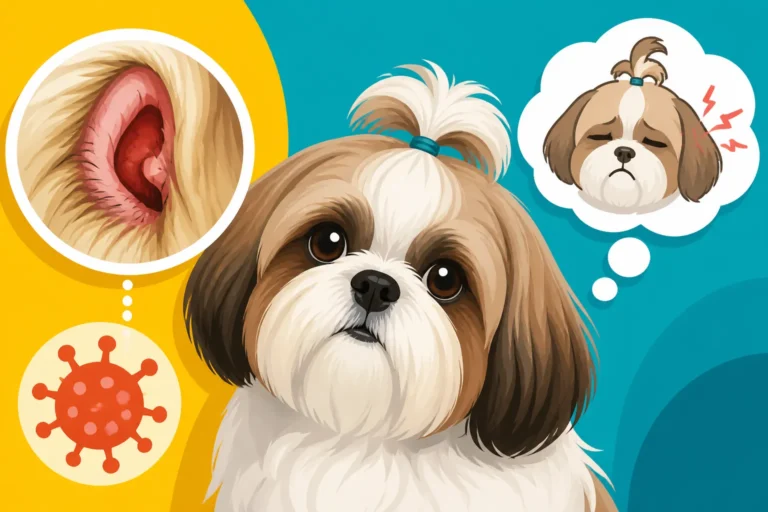
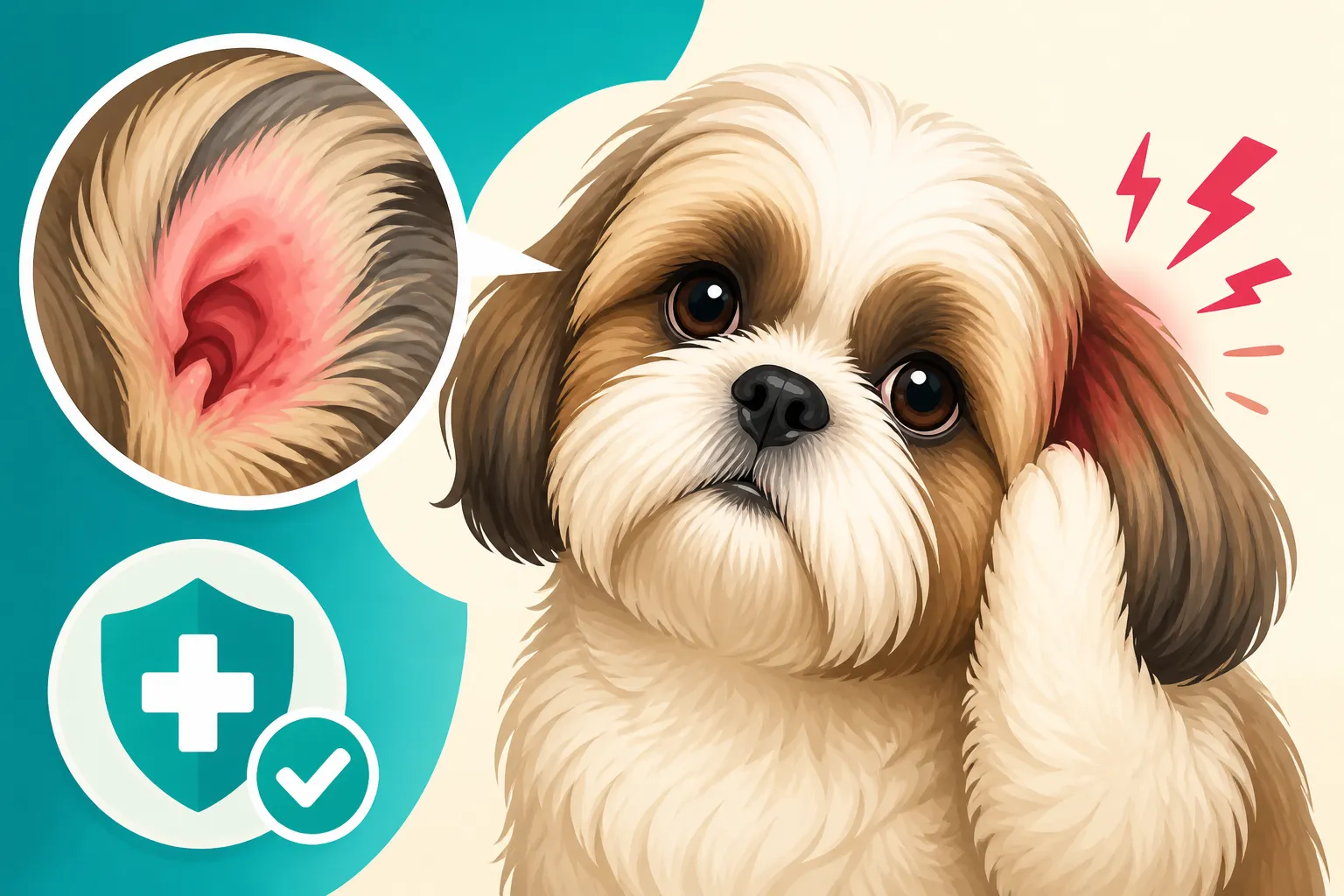
With an infection, you might see redness and swelling, especially around the opening of the canal. There might be discharge, which can vary in color and consistency. Yeast infections often produce a dark brown, waxy, sometimes gritty discharge that can resemble coffee grounds. Bacterial infections can result in yellow, green, or pus-like discharge. And then there's the smell – oh, the smell! Infected ears often have a distinct, unpleasant odor, ranging from musty and yeasty to foul and putrid, depending on the type of infection. Don't ignore these signs, as they point to an active problem that needs attention. Regular grooming a Shih Tzu every four to six weeks can help you stay on top of ear health, as your groomer will also be checking these areas.
The Frustration of Recurring Infections and Why They Don’t Go Away
It’s incredibly frustrating when you’ve gone through the whole routine – vet visit, medication, careful cleaning – only for the ear infection to rear its ugly head again a few weeks or months later. It feels like you’re constantly fighting a losing battle, and it’s easy to get discouraged. Many owners find themselves asking, “Why does this keep happening?”
Incomplete Treatment and Resistance
One of the most common reasons ear infections return is incomplete treatment. It’s a common scenario: your vet prescribes ear drops for 7 to 10 days, and by day 4 or 5, your Shih Tzu’s ears look and smell much better. Naturally, you might be tempted to stop the medication, thinking the problem is resolved. However, the surface signs often clear up before the deeper infection is fully eradicated. Stopping treatment prematurely allows the remaining bacteria or yeast to rebound, often stronger and more resistant. This is especially true for bacterial infections, where incomplete antibiotic courses can lead to antibiotic resistance, making future treatments even harder. Always finish the full course of medication, even if the ears appear perfectly healthy.
Another aspect of incomplete treatment can be misdiagnosis or not knowing the exact pathogen. Your vet might prescribe a broad-spectrum ear medication, which works for many common infections. But if your Shih Tzu has a specific type of resistant bacteria, or a fungal infection that doesn't respond to the initial treatment, the problem will persist. This highlights the importance of proper diagnostic testing, which we'll discuss further. For financial protection against repeated vet visits and expensive diagnostics, many pet owners consider investing in pet insurance. Companies like Healthy Paws can offer significant relief when managing chronic health issues.
Identifying and Managing Underlying Causes
Often, a recurring ear infection isn’t just an infection; it’s a symptom of a larger, underlying problem. If you’re not addressing the root cause, the infections will keep coming back, no matter how diligently you treat the immediate symptoms.
The biggest culprit, as mentioned, is often allergies. Whether your Shih Tzu is reacting to something in their food, pollen in the air, or dust mites in your home, these allergies can cause chronic inflammation in the ear canals, making them constantly irritated and vulnerable to secondary infections. Without a plan to manage these allergies, the cycle will continue. This might involve special diets, allergy testing, or long-term medication to control inflammation.
Beyond allergies, other predisposing factors can contribute:
- Ear Polyps or Tumors: Growths within the ear canal can block airflow and create a haven for infection.
- Foreign Bodies: A tiny grass seed or piece of debris can get lodged deep in the ear, causing irritation and infection.
- Excessive Moisture: Allowing water to get into the ears during baths or swimming and not drying them thoroughly can set the stage for infection.
- Systemic Illnesses: Less commonly, conditions like hypothyroidism or autoimmune diseases can impact skin and ear health.
Understanding these deeper issues is crucial. If your vet isn't thoroughly investigating these possibilities, it might be worth seeking a second opinion, perhaps from a veterinary dermatologist, especially if you're stuck in a frustrating loop of recurring infections. Diagnostic tests like a Shih Tzu thyroid panel might be considered in such cases.
The Importance of Consistent Preventative Care
Even with a resolved infection and a managed underlying cause, consistent preventative care is paramount for Shih Tzus. Their ear anatomy means they need ongoing support to keep those ear canals healthy. This isn’t just about cleaning when there’s an infection; it’s about a regular maintenance routine.
This includes routine ear cleaning with an appropriate veterinary-approved ear cleaner, especially after baths or any activity where water might enter the ears. It also means gently plucking or trimming excessive hair from the ear canal opening if your vet recommends it, to improve airflow. Ignoring these daily or weekly habits can quickly lead back to the cycle of infection, underscoring that for a Shih Tzu, ear care is a lifelong commitment, not just an "as-needed" task.
Strategies for Breaking the Cycle of Chronic Ear Problems
When you’re dealing with recurring ear infections in your Shih Tzu, it can feel like you’re caught in an endless loop. But there are proactive steps you can take to break this cycle and give your furry friend lasting relief. It often requires a multi-faceted approach, combining diligent veterinary care with consistent home maintenance.
Working Closely with Your Veterinarian
This is, without a doubt, the most critical step. If your Shih Tzu’s ear infections keep coming back, you need to have a serious conversation with your vet about a more in-depth approach. Generic ear drops might clear up the symptoms temporarily, but they won’t solve a chronic problem.
Your vet should recommend diagnostic tests to pinpoint the exact cause of the recurring issues. These might include:
- Ear Cytology: This involves taking a swab from the ear canal and examining it under a microscope to identify whether yeast, bacteria, or both are present, and to what degree. This guides the choice of medication.
- Culture & Sensitivity: If bacteria are present, especially if they are resistant to initial treatments, a culture can identify the specific type of bacteria and determine which antibiotics will be most effective against it. This helps avoid using ineffective medications that could worsen resistance.
- Ear Otoscopy: Using a special instrument (an otoscope), your vet can look deep into the ear canal to check for foreign bodies, polyps, tumors, or severe swelling that might be blocking the canal. Sometimes, sedation is required for a thorough examination, especially if the ear is painful.
- Allergy Testing: If allergies are suspected, your vet might recommend either a food elimination diet trial or environmental allergy testing (blood tests or intradermal skin tests) to identify specific allergens.
Don't hesitate to ask your vet about these tests if they haven't been suggested for recurring problems. They are vital for creating a targeted, effective treatment plan. While these diagnostic tests and subsequent treatments can add up, organizations like Healthy Paws can assist with unexpected veterinary costs, ensuring your Shih Tzu gets the best care without undue financial stress.
Establishing a Proactive Ear Care Routine
Once the acute infection is under control, maintaining a consistent preventative ear care routine at home is paramount for your Shih Tzu. This isn’t a one-and-done task; it’s an ongoing commitment due to their ear anatomy.
Here’s a practical breakdown:
- Regular Cleaning: Talk to your vet about the best ear cleaner for your Shih Tzu. Often, they’ll recommend a gentle, drying, or antiseptic solution. Aim to clean your Shih Tzu's ears at least once a week, or more frequently if advised by your vet. Gently lift the ear flap, apply the cleaner into the canal (don't worry, you can't go too deep to hurt them), and massage the base of the ear for 20-30 seconds to help break up debris. Let your dog shake their head, then use a soft cotton ball or gauze to wipe away any excess cleaner and debris from the visible parts of the ear. Never use cotton swabs deep inside the ear, as this can push debris further in or damage the eardrum.
- Thorough Drying: After every bath, swim, or even just a particularly damp walk, ensure your Shih Tzu's ears are completely dry. Use a soft towel to gently blot the ear flap and the opening of the ear canal. You can also use a few drops of a veterinarian-approved ear drying solution. Trapped moisture is a huge contributor to recurring infections.
- Hair Maintenance: Discuss with your vet or professional groomer whether the hair inside your Shih Tzu’s ear canals should be periodically plucked or trimmed. While some debate the necessity, for many Shih Tzus with dense ear hair, carefully removing it can significantly improve airflow and reduce moisture retention, thereby preventing the environment that promotes infections. This is a topic often discussed, and whether ear hair causes Shih Tzu infections is a valid point of concern for many owners.
- Daily Inspection: Make it a habit to quickly inspect your Shih Tzu’s ears daily or every other day. Just a quick lift of the ear flap to check for redness, discharge, or any unusual odors. This vigilance allows you to catch any problems at their earliest stages, making them much easier to treat before they become severe.
Addressing Allergies and Other Predisposing Factors
If diagnostic tests point to allergies or other underlying conditions, actively managing these is the true key to breaking the cycle of recurring ear infections. This means working with your vet on a long-term strategy.
For allergies, this could involve:
- Dietary Changes: If food allergies are suspected, your vet may recommend a strict elimination diet using a novel protein or hydrolyzed protein diet for several weeks to identify the trigger. This is not a task to undertake lightly, and precise adherence is critical for success.
- Environmental Management: For airborne allergens like pollen, dust mites, or molds, strategies might include frequent vacuuming, using air purifiers, wiping down your dog's paws after outdoor excursions, and timing walks to avoid peak pollen times.
- Medication: Depending on the severity of allergies, your vet might prescribe anti-inflammatory medications, antihistamines, immune suppressants, or newer targeted therapies to control the allergic response. These might be given long-term to manage chronic inflammation.
For other predisposing factors, management could involve:
- Surgical Intervention: If polyps, tumors, or severely narrowed canals are causing chronic issues, surgery might be recommended to remove growths or widen the canal to improve ventilation.
- Weight Management: Keeping your Shih Tzu at a healthy weight can reduce overall inflammation in the body and contribute to better general health, including ear health. Many owners don't realize that Shih Tzu obesity on a sixteen pound frame puts extra strain on many body systems.
- Regular Check-ups: Ensure your Shih Tzu gets regular veterinary check-ups, especially as they get older. A senior Shih Tzu care plan often includes more frequent visits to catch health issues early, as other conditions can sometimes manifest as recurring ear problems.
By diligently addressing these underlying causes in partnership with your veterinarian, you can finally move past the endless cycle of ear infections and help your Shih Tzu enjoy comfortable, healthy ears for years to come. Remember, consistency and patience are your best friends in this journey.
Disclaimer
_The information provided in this article is for general informational purposes only and is not a substitute for professional veterinary advice. Always consult with a qualified veterinarian for any health concerns or before making any decisions related to your pet’s care._