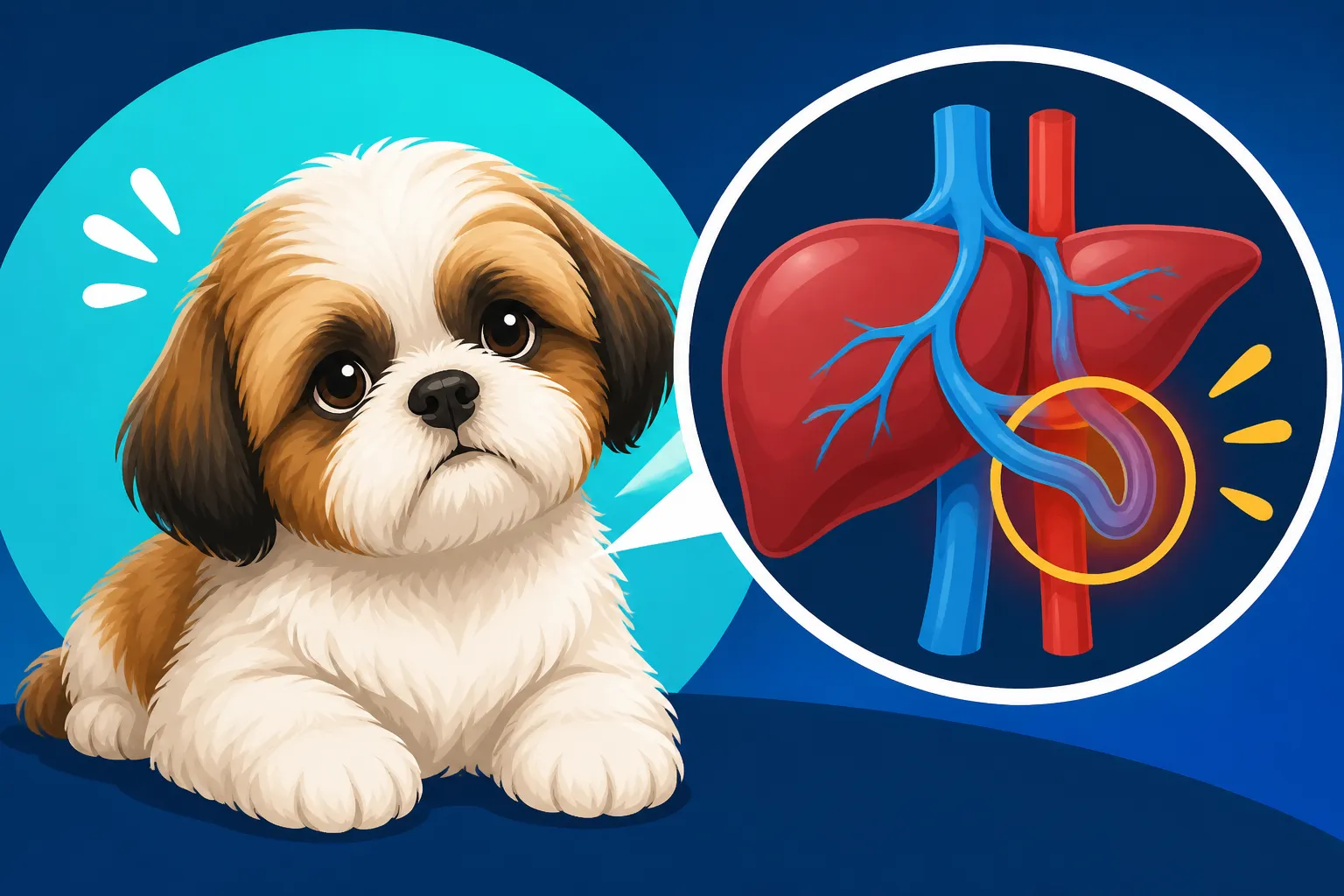
Portosystemic Shunt Signs in a Shih Tzu Puppy
It's incredibly distressing when you bring home a bouncy, adorable Shih Tzu puppy, only to find they're not thriving like their littermates, or worse, start displaying strange neurological symptoms. This often leaves owners feeling confused, anxious, and desperate for answers. This guide aims to shed light on Portosystemic Shunts (PSS) in Shih Tzu puppies, a serious but treatable condition, helping you understand the signs, the diagnostic process, and the available treatment options so you can advocate effectively for your furry family member.
Understanding Portosystemic Shunts in Shih Tzus
Discovering your precious Shih Tzu puppy might have a congenital health issue like a portosystemic shunt can feel overwhelming. Many owners have never even heard of the condition until it's staring them in the face. It’s a complex medical problem, but understanding the basics can empower you to work with your vet to get your puppy the best possible care.
What Exactly Is a Portosystemic Shunt?
To truly grasp what a portosystemic shunt, or PSS, is, it helps to understand how a normal liver functions in a dog. Essentially, all the blood from a dog's intestines, stomach, and pancreas — rich with nutrients but also containing toxins absorbed from digestion — should flow directly into the liver via the portal vein. The liver acts as a vital filtration system, detoxifying this blood before it circulates to the rest of the body. It processes nutrients, removes waste products like ammonia, and generally keeps the body's internal environment healthy and balanced.
A portosystemic shunt, simply put, is an abnormal blood vessel that allows blood from the intestines to bypass the liver and flow directly into the general circulation. Imagine a detour on a highway: instead of all traffic (blood) going through the main city (liver) for processing, a significant portion of it takes an exit ramp and bypasses the city entirely. This means toxins, especially ammonia, which is a byproduct of protein digestion, accumulate in the bloodstream and travel to the brain and other organs. When these toxins reach the brain, they cause a range of neurological symptoms, which are often the most noticeable and alarming signs of a shunt.
Why Shih Tzus Are Prone to PSS
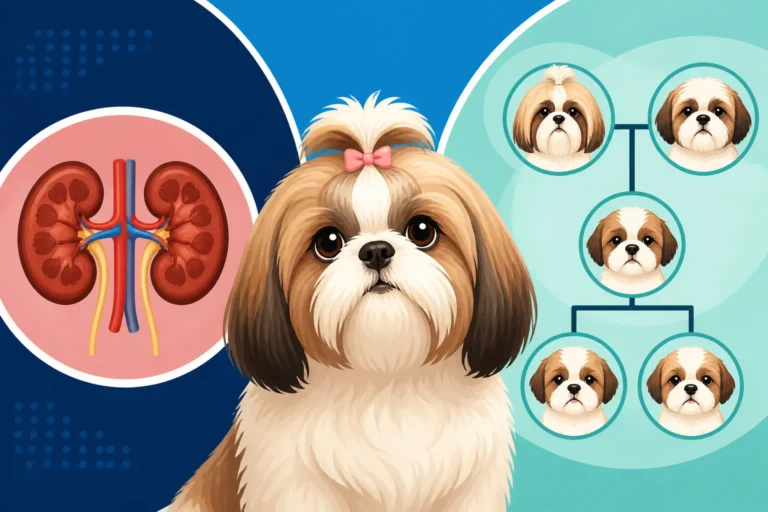
While portosystemic shunts can occur in any dog breed, and even in some cats, certain breeds have a known genetic predisposition, and our beloved Shih Tzus are unfortunately among them. These shunts are typically congenital, meaning the puppy is born with them. This happens because the fetal vessel that normally shunts blood around the undeveloped liver during gestation fails to close properly after birth. In a healthy puppy, this vessel (the ductus venosus) should close shortly after the puppy starts breathing and feeding independently. When it doesn't, or when other aberrant vessels form, a shunt is present.
Breeders who are dedicated to the health of their lines strive to understand and test for genetic conditions. It’s worth noting that while some breeds, like Yorkshire Terriers and Irish Wolfhounds, are well-documented for their PSS susceptibility, Shih Tzus also show a higher incidence compared to the general dog population. This makes it crucial for Shih Tzu owners and prospective owners to be aware of the signs. Reputable breeders will often mention the health clearances of the parent dogs, and while there isn't a simple "PSS gene" test for all types of shunts, careful breeding practices and early veterinary checks can help identify issues. This is why asking a breeder about their Why a Health-Tested Shih Tzu Litter Costs More is always a good idea.
Recognising the Subtle Signs of PSS in a Puppy
Spotting the signs of a portosystemic shunt can be challenging because the symptoms are often vague and can mimic other common puppy ailments. This is especially true in a busy household where a new puppy might just be dismissed as "picky" or "sleepy." However, with a Shih Tzu, it's vital to be vigilant, as early detection can make a huge difference in prognosis.
Failure to Thrive and Gastrointestinal Clues
One of the most heartbreaking signs of a PSS in a puppy is a general "failure to thrive." You might notice that your Shih Tzu puppy is significantly smaller than its littermates, even at several weeks or months old. They may appear stunted in growth, or their coat quality might be poor, lacking the lushness you'd expect from a healthy Shih Tzu. This isn't just about aesthetics; it's a direct reflection of their body not properly processing nutrients and being constantly exposed to toxins.
Beyond their size, gastrointestinal symptoms are frequently observed. This can manifest as intermittent vomiting, which might come and go, making it hard to pinpoint. Diarrhea, or even just soft, inconsistent stools, can also be a recurring problem. What’s often most frustrating for owners is a fluctuating appetite – one day they eat well, the next they refuse food or are extremely picky. This inconsistency makes it difficult to ensure your puppy is getting proper nutrition, and you might find yourself constantly worrying about Feeding a Shih Tzu Puppy Through Its Growth. Another subtle but important sign can be excessive thirst and urination, symptoms that can sometimes overlap with other conditions like Excessive Thirst as the First Kidney Sign. However, in the context of other PSS signs, these should certainly raise a red flag.
Neurological Symptoms That Raise Alarms
This is where things can become truly alarming for pet parents. When toxins, particularly ammonia, build up in the bloodstream and reach the brain, they can cause a condition called hepatic encephalopathy, leading to a host of neurological symptoms. These signs can be quite varied and might even be mistaken for behavioral issues at first glance.
You might observe your puppy acting disoriented, seeming confused, or staring blankly into space. Circling, especially in one direction, or pressing their head against a wall or furniture (head-pressing) are classic indicators of neurological distress. Perhaps the most terrifying symptom for any owner is the onset of seizures. These can range from mild tremors or muscle twitching to full-blown grand mal seizures. If your Shih Tzu puppy experiences Seizures in a Shih Tzu and What Triggers Them, it's an immediate emergency and needs urgent veterinary attention. Other signs could include temporary blindness, a general clumsiness, or an unusual lethargy alternating with periods of hyperactivity and restlessness. In very severe, untreated cases, a puppy might even slip into a coma. These signs often become more pronounced after a meal, especially one high in protein, as more ammonia is produced and bypasses the liver.
Other Physical Indicators and Behavioral Changes
Beyond the more prominent growth and neurological issues, there are other physical and behavioral cues that can point towards a portosystemic shunt. One common sign is ptyalism, or excessive drooling. While some Shih Tzus can drool a bit, persistent and heavy drooling, especially when not anticipating food, can be a symptom of PSS. Another tell-tale sign, though less common, is copper-colored urine. This unusual hue can be due to bilirubin abnormalities and should prompt an immediate vet visit.
Behaviorally, your normally sweet puppy might suddenly become unusually aggressive or, conversely, exceptionally dull and unresponsive. They might seem to have less interest in play or engagement. Furthermore, if your puppy has had any procedures requiring sedation or anesthesia, you might notice a prolonged or abnormal recovery. This is because their liver isn't effectively metabolizing the drugs, keeping them in their system longer. While Shih Tzu Anesthesia Risk From a Flat Face primarily refers to breathing issues, prolonged drug metabolism is another concern. All these subtle changes, when taken together, paint a clearer picture and warrant a thorough investigation.
Diagnosis and Initial Steps When You Suspect PSS
When you suspect your Shih Tzu puppy might have a portosystemic shunt, the diagnostic journey begins with your veterinarian. This can be a multi-step process, but each stage is crucial for confirming the diagnosis and mapping out the best course of action. It can feel like a lot of tests, but remember, they are all working towards getting your puppy well.
What Your Vet Will Look For
During your initial vet visit, your veterinarian will perform a thorough physical examination. They’ll assess your puppy's overall condition, checking for signs like stunted growth, poor muscle development, and dull coat quality. They might also carefully palpate your puppy's abdomen, though shunts are rarely directly palpable. They will take a detailed history, asking about diet, appetite, energy levels, and any observed behavioral or neurological changes. This is where your detailed observations become incredibly important.
Blood tests are the next critical step. The most common and telling blood test for PSS is a pre- and post-prandial bile acid test. This involves taking a blood sample after a 12-hour fast (pre-prandial), feeding a small meal, and then taking another sample a couple of hours later (post-prandial). In a healthy dog, bile acid levels rise after a meal as the liver processes them. With a shunt, these levels remain abnormally high because the bile acids bypass the liver. Elevated ammonia levels in the blood are also a strong indicator, as the liver isn't detoxifying this waste product. Other bloodwork may reveal low blood urea nitrogen (BUN) and albumin, which are produced by a healthy liver. A urinalysis might also be performed, looking for specific crystals called ammonium biurate, which form when ammonia and uric acid levels are high. These findings, especially in combination with the clinical signs, strongly point towards PSS.
Imaging and Definitive Diagnosis
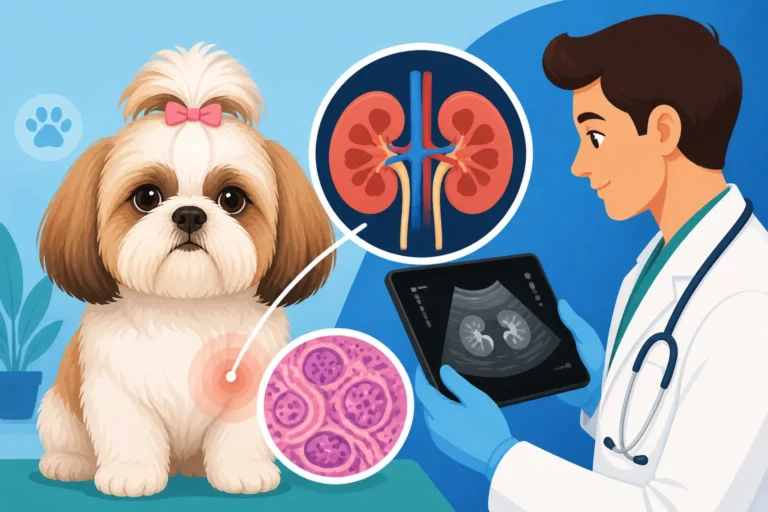
While blood tests provide strong evidence, imaging is essential for a definitive diagnosis and to locate the shunt. An abdominal ultrasound is often the first imaging modality used. A skilled ultrasonographer can often visualize the abnormal vessel, estimate its size, and assess the liver itself. However, ultrasounds can sometimes be challenging depending on the puppy's size, bowel gas, and the specific location of the shunt.
For a precise and definitive diagnosis, especially if surgery is being considered, a CT angiography (computed tomography angiography) is often recommended. This advanced imaging technique involves injecting a contrast dye into the bloodstream and taking detailed 3D images. This allows the veterinary specialist to map the exact location, size, and number of shunting vessels with incredible accuracy. This information is invaluable for surgical planning. Often, your primary vet will refer you to a veterinary internal medicine specialist or a specialized surgeon for these advanced diagnostics and treatment planning. This is where having pet insurance, like a policy from Healthy Paws, can be a real game-changer, helping to cover the costs of these specialized tests and consultations which can quickly add up. Understanding Shih Tzu Pet Insurance for a Flat-Faced Toy before you need it is always wise.
Immediate Management for a Puppy with Suspected PSS
Once PSS is suspected, immediate medical management is crucial to stabilize your puppy and reduce the toxin buildup, particularly ammonia. This doesn't cure the shunt but manages the symptoms and can improve the puppy's quality of life until a more definitive treatment, often surgery, can be performed.
The cornerstone of immediate management is dietary modification. A low-protein diet is prescribed to reduce the amount of ammonia produced during digestion. Your vet will recommend specific prescription diets formulated for liver disease. Alongside diet, medications play a vital role. Lactulose, a synthetic sugar, is commonly given orally. It works by altering the pH in the colon, trapping ammonia so it can be excreted in the stool, and also acts as a mild laxative to speed up transit time. Antibiotics like metronidazole are often used to reduce the number of ammonia-producing bacteria in the gut. These medications help to control the neurological signs and prevent further deterioration while you and your vet determine the long-term plan. Remember, managing a sick puppy can be incredibly demanding, and the financial stress can be significant; knowing about Shih Tzu Emergency Vet Costs Owners Should Expect and having a plan in place is key.
Treatment Options and Prognosis
Learning about a Portosystemic Shunt in your Shih Tzu puppy is tough, but the good news is that there are effective treatment options available. The path forward usually involves either surgical correction or dedicated medical management, each with its own set of considerations and expected outcomes.
Surgical Correction of a Portosystemic Shunt
For most congenital portosystemic shunts, especially those that are single and extrahepatic (outside the liver), surgical correction is generally considered the best treatment option and offers the best long-term prognosis. The goal of surgery is to close or significantly narrow the abnormal vessel, forcing the blood to flow through the liver as it should. This allows the liver to regain its normal function, detoxifying the blood and processing nutrients effectively.
There are a couple of main surgical techniques used. One involves direct ligation, where the abnormal vessel is carefully tied off. However, completely closing the shunt in one go can sometimes lead to a sudden increase in pressure in the portal vein, which can be dangerous. To mitigate this, many surgeons prefer to use devices like an ameroid constrictor or cellophane banding. An ameroid constrictor is a small, ring-shaped device placed around the shunt vessel. It contains a casein protein that slowly absorbs fluid, causing the device to swell and gradually constrict the vessel over several weeks. This slow closure allows the liver to adapt to the increased blood flow over time, minimizing complications. Cellophane banding works similarly, where a piece of cellophane wrapped around the vessel induces inflammation and fibrosis, leading to gradual closure. These procedures require the expertise of a board-certified veterinary surgeon. The recovery period involves careful monitoring, pain management, and often continued medical and dietary management for a period, which can involve significant Shih Tzu Surgery Costs From the Mouth to the Eye.
Long-Term Medical Management
While surgery offers the best chance for a full recovery, it's not always an option. In some cases, a puppy might have multiple shunts (acquired shunts), or the shunt might be intrahepatic (within the liver itself), making surgical correction much more complex or impossible. Some puppies might also be too unstable for surgery, or the owner might not be able to pursue a surgical path due to financial or other constraints.
In these situations, long-term medical management becomes the primary treatment. This involves a lifelong commitment to the specialized low-protein diet, along with continuous administration of medications like lactulose and specific antibiotics. Regular veterinary check-ups and blood tests are essential to monitor the liver function and toxin levels, adjusting medications as needed. While medical management can successfully control the clinical signs and improve the quality of life for many Shih Tzus, it usually doesn't eliminate the underlying problem, and complications can still arise. It requires a dedicated and vigilant owner to ensure adherence to the strict regimen.
What to Expect Post-Diagnosis and Beyond
The prognosis for Shih Tzu puppies with a portosystemic shunt varies significantly depending on the type of shunt, whether surgery is performed, and the presence of any secondary complications. For puppies who undergo successful surgical correction of a single extrahepatic shunt, the prognosis is generally very good, with many going on to live normal, healthy lives. Their liver often regenerates and regains full function. These pups will still require careful monitoring and potentially a gradual reintroduction to a normal diet.
However, even with surgery, some puppies may have residual neurological signs or develop other liver-related issues later in life. For those managed medically, the prognosis is more guarded. While they can live comfortable lives, they are at a higher risk for recurrent episodes of hepatic encephalopathy or other complications related to chronic liver stress. Regardless of the treatment path, a PSS diagnosis is a marathon, not a sprint. It demands ongoing communication with your vet, careful observation of your puppy, and often a significant financial and emotional investment. Having pet insurance, like a comprehensive plan from Healthy Paws, can certainly alleviate some of the financial burden associated with long-term care, specialized diagnostics, and potential surgeries for conditions like PSS. Regular wellness checks, including The Puppy Check a Shih Tzu Needs at Eight Weeks, are essential for early detection of such serious conditions.
Here's a quick overview of PSS signs and diagnostic steps:
| Category | Potential PSS Signs in Shih Tzu Puppy | Typical Diagnostic Steps |
|---|---|---|
| Growth/Physical | Stunted growth, smaller than littermates | Physical Exam: Weight, size, body condition |
| Poor coat quality | ||
| Gastrointestinal | Intermittent vomiting/diarrhea | Blood Tests: Pre/post-prandial bile acids, ammonia levels, BUN |
| Fluctuating/poor appetite | Urinalysis: Ammonium biurate crystals | |
| Excessive thirst and urination | ||
| Neurological | Disorientation, head-pressing, circling | Ultrasound: Initial screening for abnormal vessel |
| Seizures, clumsiness, temporary blindness | CT Angiography: Definitive mapping of shunt for surgery | |
| Lethargy, hyperactivity | ||
| Other | Excessive drooling, copper-colored urine | |
| Prolonged anesthesia recovery |
Disclaimer
The information provided in this article is for educational purposes only and is not intended to be a substitute for professional veterinary advice, diagnosis, or treatment. Always seek the advice of your veterinarian or other qualified health provider with any questions you may have regarding a medical condition.