Why Some Shih Tzus Reach Eighteen
It's heartbreaking to realize that while many Shih Tzus live a respectable 13 to 14 years, some struggle with health issues that shorten their time with us. But then you hear those incredible stories – a Shih Tzu reaching 16, 17, or even 18 years old, and you can't help but wonder what their owners did right. This guide aims to unpack the key factors that contribute to these remarkable lifespans, offering insights into how you might give your furry companion the best chance at a truly long and vibrant life.
The Genetic Lottery: Why Good Genes Matter More Than You Think
When we talk about exceptional longevity in Shih Tzus, or any breed for that matter, we have to start with genetics. You can do everything perfectly as an owner – the best food, consistent vet care, endless love – but if your dog carries a heavy genetic burden for serious illnesses, their potential lifespan can be significantly impacted. It’s like being born with a predisposition; while lifestyle can mitigate some risks, the blueprint is already there. For a Shih Tzu to truly defy the "average" and push into those golden late teens, a strong genetic foundation is often the unsung hero.
The Importance of Health Testing in Breeding
This is where responsible breeding truly shines. A reputable breeder isn't just focused on pretty faces or "rare" colors; they are deeply invested in the health and future of their puppies. They meticulously research pedigrees, understand common breed health concerns, and, crucially, perform extensive health testing on their breeding dogs. For Shih Tzus, this means screening for conditions prevalent in the breed, like certain eye conditions such as retinal atrophy, kidney issues like Renal Dysplasia and the Shih Tzu Kidney, and orthopedic problems. Without these tests, you're essentially gambling on the health of your future puppy.
Imagine a scenario where a breeder skips health testing because it's expensive or they believe their dogs "look healthy." You might get a cute puppy at a lower initial price, but later in life, you could face devastating diagnoses like juvenile renal dysplasia, which could lead to kidney failure at a young age, or severe luxating patellas requiring costly surgeries. These conditions, often inherited, can drastically shorten a dog's life and significantly reduce their quality of life, not to mention the emotional and financial toll on the owner. A puppy from a line where parents have clear health clearances simply has a better starting point. It’s not a guarantee against all illness, of course, but it significantly stacks the deck in their favor. This diligent approach is part of Health Testing a Shih Tzu Breeder Should Do to ensure the healthiest possible lineage.
Avoiding Genetic Predispositions to Common Shih Tzu Ailments
Shih Tzus, with their unique flat faces and long coats, are unfortunately prone to several breed-specific health challenges. These include brachycephalic airway syndrome (which affects breathing), various eye issues (like dry eye and corneal ulcers), and dental problems due to their crowded mouths. While some of these can be managed, those who live to 18 often come from lines where these issues are less pronounced, or where the dogs exhibit less extreme physical characteristics that exacerbate these conditions.
Consider the severe brachycephalic airway syndrome. A Shih Tzu with excessively narrow nostrils, an elongated soft palate, and a hypoplastic trachea will struggle to breathe throughout its life, especially in warm weather or during exercise. This constant strain can impact their heart and overall well-being, leading to a reduced lifespan. Conversely, a Shih Tzu from a line with slightly more open nostrils and a less exaggerated soft palate will breathe more freely, placing less stress on their system. Similarly, while Shih Tzu Dental Disease at 13 Percent of the Breed is common, some lines are less prone to severe tooth crowding, which can make daily dental hygiene easier and reduce the risk of systemic infections originating in the mouth. When selecting a puppy, understanding these predispositions and choosing a breeder who actively works to minimize them through selective breeding can make a tangible difference in your dog's long-term health and, ultimately, their journey towards becoming one of those amazing 18-year-old Shih Tzus.
Proactive Veterinary Care: Staying Ahead of Illness
Even with the best genetics, a long and healthy life is rarely achieved without consistent, high-quality veterinary care. For Shih Tzus who reach an advanced age, their owners almost invariably have a strong, proactive relationship with their veterinarian. They don't just react to problems; they anticipate them, focusing on prevention and early detection. This means more than just annual shots; it's a comprehensive approach to health management that evolves as the dog ages.
The Role of Routine Check-ups and Screenings
Regular veterinary check-ups are the bedrock of preventive care. For a Shih Tzu aiming for those senior years, these appointments become increasingly critical, even if your dog seems perfectly healthy. During these visits, your vet can identify subtle changes that might be missed at home, such as a new heart murmur, the early signs of kidney disease, or dental issues brewing beneath the gumline. Early detection of conditions like Shih Tzu Heart Murmurs and Valve Disease can mean starting medications sooner, slowing disease progression, and extending quality of life.
Beyond a physical exam, routine screenings like blood work and urinalysis, especially as your Shih Tzu enters their senior years, can provide invaluable insights. For instance, a senior blood panel might reveal elevated kidney enzymes long before your dog shows obvious symptoms of kidney failure, allowing for dietary changes or other interventions. This proactive monitoring is key, often facilitated by pet insurance providers like Healthy Paws, which can help cover the costs of these essential diagnostic tests, ensuring that financial concerns don't prevent early detection. A thorough The Senior Panel a Shih Tzu Needs at Ten can catch many issues before they become emergencies.
Managing Chronic Conditions Early
Many Shih Tzus, particularly as they age, will develop at least one chronic condition. Whether it's arthritis, mild heart disease, or early-stage kidney issues, the key to maximizing their lifespan and quality of life is diligent, early management. Owners of exceptionally long-lived Shih Tzus are often those who work closely with their vet to establish a management plan as soon as a condition is diagnosed, rather than waiting for symptoms to become severe.
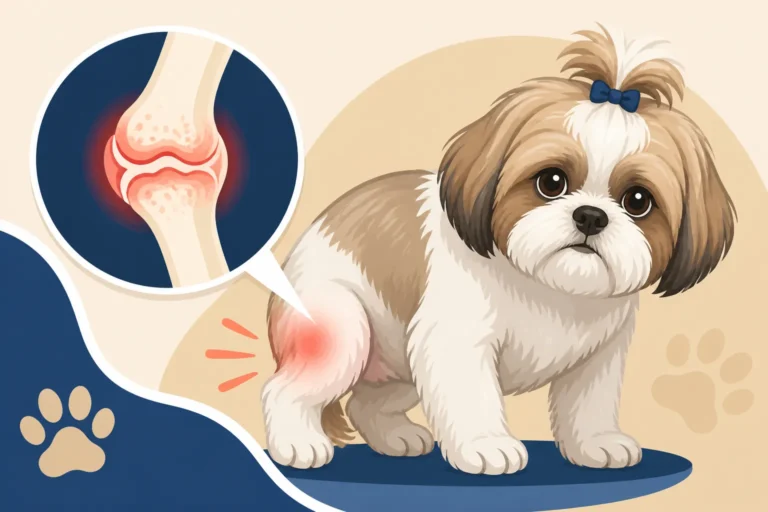
Take arthritis, for example. A Shih Tzu might show subtle signs of stiffness or reluctance to jump long before they're visibly limping. An attentive owner, guided by their vet, might start joint supplements, anti-inflammatory medications, or even physical therapy early on. This can significantly slow the progression of joint damage, reduce pain, and keep the dog mobile and comfortable for many more years, preventing the discomfort that can diminish quality of life in Shih Tzu Mobility Decline in Old Age. Similarly, for a Shih Tzu diagnosed with early-stage Renal Dysplasia and the Shih Tzu Kidney, a vet might recommend a prescription kidney diet and increased water intake. These early interventions can drastically slow the progression of the disease, buying precious extra years of healthy life. Having a reliable pet insurance plan like those offered by Healthy Paws can be a lifesaver here, covering a significant portion of the ongoing medication, special diets, and vet visits required to manage these long-term conditions.
Prioritizing Dental Health for Overall Well-being
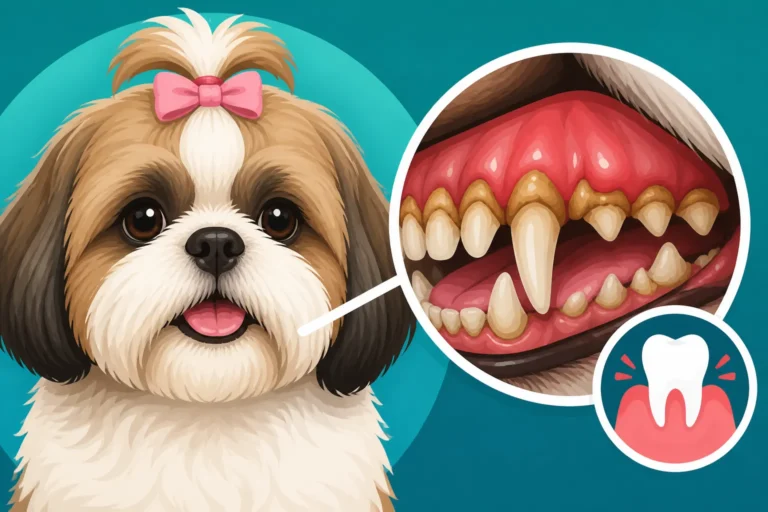
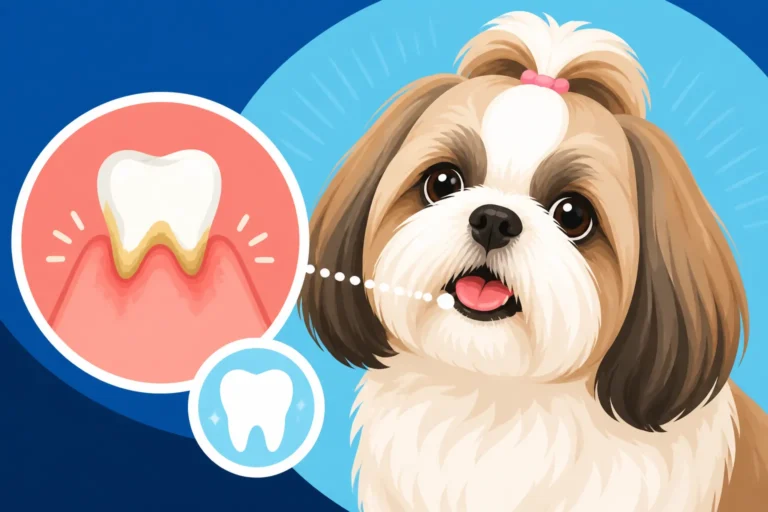
It might seem small, but exceptional dental care is a cornerstone of longevity, especially for a breed like the Shih Tzu with its characteristically crowded mouth. Shih Tzu Tooth Crowding in a Tiny Jaw creates perfect traps for food particles and bacteria, leading to plaque, tartar, and eventually, periodontal disease. This isn't just about bad breath; severe dental disease can lead to painful infections, tooth loss, and, critically, can allow bacteria to enter the bloodstream, impacting vital organs like the heart, kidneys, and liver.
Shih Tzus that reach 18 years old almost certainly have owners who are vigilant about their oral hygiene. This usually involves a combination of daily toothbrushing at home, dental chews, and regular professional dental cleanings under anesthesia at the vet. Many owners are apprehensive about anesthesia, especially with a flat-faced breed, but the long-term health benefits of a clean mouth far outweigh the risks when proper pre-anesthetic testing is done. Skipping professional cleanings to avoid anesthesia can lead to far more serious health complications down the line. Preventative measures, even in puppyhood, are vital, and understanding Anesthesia on a Flat-Faced Shih Tzu is crucial for preparing for dental procedures.
Nutrition and Weight Management: Fueling Longevity
What you put into your Shih Tzu's body directly impacts how long and how well that body functions. For the Shih Tzus who live to an impressive 18 years, their diet isn't just an afterthought; it's a carefully considered component of their overall health plan. This involves selecting high-quality food, precise portion control, and a relentless commitment to maintaining an ideal body weight throughout their lives.
The Impact of a High-Quality Diet
Just like with humans, a diet rich in high-quality, easily digestible ingredients provides the essential nutrients your Shih Tzu needs to thrive. This means choosing a dog food that lists real meat as the first ingredient, avoids excessive fillers, and contains a balanced profile of fats, proteins, vitamins, and minerals. Cheap, low-quality foods, often packed with corn, soy, and by-products, can lead to a host of issues, from digestive upset and dull coats to nutrient deficiencies that can compromise the immune system and overall vitality over time.
For a Shih Tzu, especially one with a sensitive stomach or allergies, a premium diet can make a huge difference. Owners of long-lived Shih Tzus often invest in brands known for their quality and transparency, or even work with their vet to select specific therapeutic diets if their dog has underlying health conditions. As your Shih Tzu ages, their nutritional needs may change, requiring a shift to a senior formula that supports joint health, cognitive function, and kidney health. This adaptive approach to feeding ensures their body gets the right fuel at every stage of life.
Preventing Obesity and Its Health Risks
This is arguably one of the most critical factors for longevity, and unfortunately, it's an area where many well-meaning owners struggle. A Shih Tzu, being a small breed, doesn't need much food, and even an extra pound or two can be significant. Shih Tzu Obesity on a Sixteen Pound Frame is a serious concern. Imagine a human carrying around 20-30 extra pounds; it puts strain on every system. For a tiny Shih Tzu, an equivalent percentage of excess weight can lead to a multitude of health problems that shorten life.
Obesity in Shih Tzus can exacerbate joint problems like luxating patellas and Shih Tzu Hip Dysplasia at Toy Size, contribute to breathing difficulties (especially with their brachycephalic structure), increase the risk of diabetes, and place added strain on the heart and other internal organs. Owners of truly old Shih Tzus are typically those who are extremely diligent about portion control, measuring out food precisely and being very mindful of treats. They understand that those pleading eyes shouldn't dictate feeding habits. Regular weight checks at the vet and adjusting caloric intake as needed are part of their routine, ensuring their little companion maintains a lean, healthy body condition that minimizes stress on their delicate systems.
Tailoring Diet to Age and Activity Level
Just as a growing puppy has different needs than an adult dog, a senior Shih Tzu needs a diet tailored to their changing metabolism and activity levels. Puppies need more calories and specific nutrients for growth, while an active adult might need a slightly different balance. However, as a Shih Tzu enters their golden years (typically around 8-10 years old), their metabolism slows, and their activity often decreases. Continuing to feed them the same amount of food they ate as a spry five-year-old can quickly lead to weight gain.
Successful long-term owners recognize this shift and adjust accordingly. They transition their Shih Tzu to a senior-specific food, which often has fewer calories, lower phosphorus (to support aging kidneys), and added joint-supporting supplements like glucosamine and chondroitin. They also consider their dog's individual activity level; a Shih Tzu who still enjoys daily walks might need slightly more than one who prefers napping all day. This personalized approach to nutrition, often guided by veterinary advice, ensures the dog is receiving optimal nourishment without excess, providing a stable foundation for a long and healthy life.
Daily Care and Environment: A Safe and Stimulating Home
Beyond genetics and vet visits, the everyday life of a Shih Tzu plays a monumental role in their longevity. A consistent routine of attentive daily care, combined with a safe, stimulating, and low-stress home environment, contributes significantly to a dog's physical and mental well-being, which directly impacts their lifespan.
The Significance of Consistent Grooming
A Shih Tzu's long, flowing double coat is undeniably beautiful, but it requires significant upkeep. Owners of exceptionally long-lived Shih Tzus understand that grooming isn't just about aesthetics; it's a vital part of preventative health. Without regular and thorough brushing, their luxurious hair quickly mats, especially behind the ears, under the legs, and where a harness sits. These mats aren't just uncomfortable; they pull on the skin, causing pain, irritation, and creating a breeding ground for skin infections and parasites.
Consistent grooming, including daily Brushing a Shih Tzu Double Coat Every Day, prevents painful mats, allows owners to check for lumps, bumps, skin irritations, and parasites, and keeps the skin healthy. This also includes keeping the hair trimmed around their eyes to prevent irritation and corneal ulcers, and cleaning their facial folds to prevent dermatitis. Beyond the coat, regular ear cleaning helps prevent ear infections, and nail trims prevent painful overgrown nails that can affect their gait and posture. A well-groomed Shih Tzu is a comfortable Shih Tzu, and comfort contributes directly to quality of life.
Safe and Appropriate Exercise Routines
Shih Tzus are not marathon runners; they are companion dogs bred for laps, not long hikes. Owners of long-lived Shih Tzus understand this inherent characteristic and provide exercise that is appropriate for their breed and individual dog. Over-exertion, especially in warm weather, can be dangerous for a brachycephalic breed prone to overheating. Similarly, excessive jumping and rough play can put strain on their delicate spines and joints, which are susceptible to problems like Shih Tzu Back Problems and Disc Disease and Patellar Luxation in a Shih Tzu.
Instead of intense activity, the best exercise for a Shih Tzu involves short, gentle walks on a harness (never a collar, due to their delicate throats and eyes), indoor playtime, and mental stimulation. Two to three short walks a day, lasting 15-20 minutes each, are usually sufficient. Engaging them with puzzle toys, gentle tug-of-war, or hide-and-seek keeps their minds active and bodies moving without putting undue stress on their system. Creating a safe indoor environment with ramps or steps to access furniture they love, rather than letting them jump, can also protect their back from injury, ensuring they remain mobile and happy well into their senior years. This is part of understanding Why a Shih Tzu Overheats So Easily and adapting their routine.
Creating a Low-Stress, Stimulating Environment
A long life isn't just about physical health; mental and emotional well-being are equally important. A stressful, chaotic environment can take a toll on a dog, leading to anxiety, behavioral issues, and potentially suppressing their immune system. Conversely, a stable, loving, and stimulating home environment helps a Shih Tzu thrive.
Owners of Shih Tzus who reach 18 typically provide a predictable routine, plenty of positive interaction, and opportunities for appropriate mental enrichment. This means comfortable beds, a designated safe space (like a crate or quiet corner), and consistent boundaries. While Shih Tzus love being near their humans, excessive alone time or lack of interaction can lead to boredom and stress. Providing rotating toys, gentle training sessions, and opportunities for safe socialization (without exposing them to overly boisterous dogs that might injure them) keeps their minds sharp and their spirits high. A happy, low-stress dog is often a healthier dog, better equipped to cope with the challenges of aging.
Owner Dedication and Observation: The Human Element
Ultimately, a Shih Tzu reaching an extraordinary age like 18 is a testament to the profound dedication and attentive observation of their human companions. It's not just about providing the basics; it's about a deep understanding of their individual dog, an unwavering commitment to their well-being, and a willingness to adapt care as their needs change over time.
Recognizing Subtle Changes in Behavior and Health
One of the most powerful tools an owner has is their ability to observe their dog closely and recognize subtle changes that might signal an underlying health issue. Shih Tzus are masters at hiding pain or discomfort, so a keen eye is essential. A dog who reaches 18 typically has an owner who notices when their dog is slightly less enthusiastic about their walk, a little slower to get up, or perhaps turning their head away from food they usually adore. These aren't just "getting old" signs; they can be early indicators of pain, dental problems, kidney issues, or other conditions.
This level of attentiveness means knowing your dog's normal patterns – their usual appetite, thirst, bathroom habits, energy levels, and even their sleeping positions. Any deviation, no matter how small, becomes a cue to investigate further, perhaps with a call to the vet. For instance, an increase in water consumption could be an early sign of kidney disease or diabetes. A new cough might indicate a heart problem or Tracheal Collapse and the Shih Tzu Honk. Owners of long-lived Shih Tzus don't brush these changes aside; they act on them, facilitating early diagnosis and intervention that can prevent minor issues from becoming major, life-threatening crises.
The Power of a Strong Human-Animal Bond
The bond between a Shih Tzu and their owner is incredibly special. For those dogs who achieve exceptional longevity, this bond often extends beyond simple companionship; it becomes a supportive, protective relationship where the dog feels secure, loved, and understood. This emotional connection contributes to their overall resilience and willingness to fight through health challenges.
A loving, consistent home environment, where the Shih Tzu feels like a cherished member of the family, reduces stress and anxiety, which can have tangible positive effects on physical health. Owners who are deeply bonded with their dogs are more likely to spend quality time with them, engaging in play, cuddling, and gentle grooming, all of which strengthen the dog's sense of well-being. This deep connection also motivates owners to go the extra mile for their senior Shih Tzu, whether it's managing complex medication schedules, preparing special diets, or providing extra comfort in their later years. It's a two-way street: the dog thrives on the love, and the owner is driven by that love to provide the best possible care, leading to incredible stories of longevity like those found in Why Some Shih Tzus Reach Eighteen.
Factors for a Long and Healthy Shih Tzu Life
To summarize the key components we've discussed, here's a comparison of typical versus exceptional care practices that contribute to a long Shih Tzu life.
| Factor | Typical Care | Exceptional Longevity Care |
|---|---|---|
| Genetics/Breeding | Unknown lineage, basic vet check for puppy | Health-tested parents, responsible breeder, minimized predispositions |
| Veterinary Care | Annual vaccinations, reactive to illness | Proactive check-ups, early screenings, diligent chronic disease management |
| Dental Health | Occasional brushing, professional cleanings when severe | Daily brushing, regular professional cleanings, preventative focus |
| Nutrition | Standard kibble, occasional treats | High-quality, balanced diet, age-appropriate, tailored to individual needs |
| Weight Management | "Chunky" is cute | Strict portion control, lean body condition maintained lifelong |
| Exercise | Unstructured play, occasional walks | Appropriate, consistent, low-impact exercise, spinal protection |
| Grooming | As needed, professional groomer | Daily owner brushing, regular professional grooming, skin/coat health checks |
| Environment | Basic home | Safe, low-stress, mentally stimulating, adapted for aging needs |
| Owner Observation | Reacts to obvious symptoms | Observes subtle changes, communicates with vet proactively |
| Emotional Well-being | Affectionate | Deep bond, consistent positive interaction, secure attachment |
Planning for the Golden Years: Senior Shih Tzu Care
Once your Shih Tzu sails past the average lifespan and enters their double-digit years, a truly exceptional commitment to senior care becomes paramount. These are the years where all the preventative measures and careful management really pay off. Owners whose Shih Tzus reach 18 are experts in providing tailored care for their aging companions.
Adapting to Changing Needs
Just like humans, senior Shih Tzus experience age-related changes. Their senses might decline – vision might dim with cataracts, or hearing loss may occur. Their energy levels naturally decrease, and they might sleep more. Mobility might become an issue with arthritis or Shih Tzu Joint Problems in a Toy Frame. The key is not to view these changes as deficits, but as new needs to be addressed. Owners of very old Shih Tzus will adapt their homes and routines accordingly. This might mean adding nightlights for a dog with failing eyesight, using raised food bowls to ease neck strain, or adding soft bedding and ramps to help them navigate.
It also means being extra patient. An older Shih Tzu might take longer to go potty, or might have an accident if they can't get outside fast enough. Understanding these changes and accommodating them with frequent potty breaks or indoor potty solutions is part of compassionate senior care. For more detailed insights into this stage, consider reading Senior Shih Tzu Care Past the Age of Ten.
Prioritizing Comfort and Quality of Life
When a Shih Tzu reaches 16, 17, or 18, the focus shifts even more heavily towards maintaining their comfort and quality of life. This means working closely with your veterinarian to manage any chronic pain effectively. This could involve daily pain medication, joint supplements, physical therapy, or even alternative therapies like acupuncture. Pet insurance, such as a plan from Healthy Paws, can be incredibly beneficial during these years, as the costs associated with senior care, including specialized medications, diagnostic tests, and frequent vet visits, can really add up.
A high quality of life also means ensuring they still experience joy. This might be in the form of gentle cuddles, short walks on sunny days, or favorite soft treats. It’s about meeting them where they are and cherishing every moment. The owners of these exceptionally long-lived Shih Tzus are often those who are unflinchingly dedicated to their pet’s comfort, ensuring that their final years are as peaceful and happy as possible, and understanding What Actually Ends a Shih Tzu's Thirteen Years can help them make informed decisions for their pet's twilight years.
Disclaimer
This article is intended for informational purposes only and is not a substitute for professional veterinary advice. Always consult with a qualified veterinarian for any health concerns or before making any decisions about your Shih Tzu's care.