Senior Shih Tzu Care Past the Age of Ten
It’s a heartbreaking reality for any dog owner: watching our energetic, playful Shih Tzus slowly, inevitably, begin to show the signs of age. One day they're bouncing around, the next they're a little slower to rise, their eyes a bit cloudier, their once boundless energy replaced by a preference for naps in sunbeams. This guide is here to walk you through everything you need to know about caring for your senior Shih Tzu past the age of ten, addressing the specific challenges and offering practical, empathetic advice to ensure their golden years are as comfortable and joyful as possible.
The Reality of Aging for Your Beloved Shih Tzu
As our cherished Shih Tzus reach their double digits, the changes in their bodies and minds become more apparent. It's a natural progression, of course, but that doesn't make it any easier to witness. Understanding what to expect can help you proactively support your furry friend through this new chapter.
When Your Shih Tzu Crosses the Senior Threshold
For many smaller breeds like the Shih Tzu, the "senior" designation often begins around seven to eight years of age. However, some sources might say a Shih Tzu becomes an old dog closer to ten, given their relatively long Shih Tzu Lifespan and the Thirteen Year Average. By the time they hit ten, your Shih Tzu is undeniably a senior, and their needs will have subtly, or sometimes not so subtly, shifted. You might notice they sleep more deeply and for longer periods, their walks might become shorter and less enthusiastic, and their once vibrant coat might start to thin or show gray around the muzzle. It's not a sudden cliff, but a gradual slope into their golden years, and recognizing these initial shifts is key to adapting their care.
This transition period is often marked by a decrease in activity levels and a slight stiffening after rest. What was once an easy jump onto the sofa might now require a little boost or a ramp. They may not greet you with the same frantic energy, preferring a gentle wag and a cozy cuddle. These are all normal indicators that your Shih Tzu is maturing, and it's a good time to reflect on what changes you've observed. Think about their behavior even just a year ago versus today. Are they asking to go out as frequently? Are they still interested in their favorite toys? These observations will be invaluable when you discuss their health with your veterinarian.
What Natural Aging Looks Like for This Breed
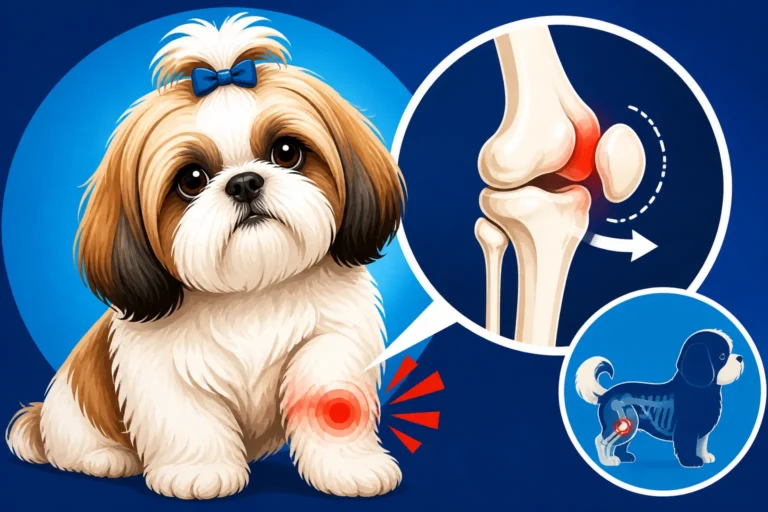
Beyond the general slowing down, Shih Tzus, like all breeds, experience specific age-related physical and cognitive changes. Physically, you might notice an increased susceptibility to Shih Tzu Joint Problems in a Toy Frame, such as arthritis, making stairs or even getting up from a prone position more challenging. Their vision and hearing can decline, leading to them being startled more easily or navigating familiar spaces with more caution. Internally, organ function might start to reduce, affecting kidneys, liver, or heart. It's why regular veterinary check-ups become paramount to catch these issues early.
Cognitively, some Shih Tzus might begin to show signs of what's often referred to as Canine Cognitive Dysfunction, similar to Alzheimer's in humans. This could manifest as disorientation, altered sleep-wake cycles, changes in interaction with family members, or even house-training accidents. While these changes can be distressing for owners, understanding that they are part of the natural aging process allows us to approach them with patience and adapt our care routines. Providing a consistent schedule and familiar environment can help ease some of this confusion.
The Specific Brachycephalic Challenges of Seniority
The Shih Tzu's distinctive flat face, while adorable, presents unique challenges that can become more pronounced in their senior years. Brachycephalic breeds are already prone to Brachycephalic Breathing in a Shih Tzu due to their shortened airways, and as they age, this can worsen. Muscles and tissues in the throat can lose elasticity, potentially leading to increased snoring, more pronounced reverse sneezing, or a higher risk of overheating, especially in warm weather. Their eyes, already prominent, might be more susceptible to dryness, ulcers, or even conditions like Shih Tzu Eye Proptosis, the Emergency Owners Miss if underlying eye issues are not meticulously managed.
Moreover, the combination of a flat face and often dental issues can make eating uncomfortable, impacting their overall nutrition. You might see them struggle to pick up kibble or show less interest in meals. Their deep facial folds can also become more prone to skin infections if not kept meticulously clean. These breed-specific considerations mean that senior Shih Tzu care isn't just about general aging; it requires a specialized awareness of their inherent vulnerabilities. It’s a good idea to discuss these specific concerns with your vet to tailor preventive strategies and early detection protocols.
Optimizing Nutrition to Support Longevity
As your Shih Tzu transitions into their golden years, their dietary needs will change significantly. What worked for them as a spry five-year-old might not be ideal for a ten-year-old taking life at a slower pace. Adjusting their nutrition is one of the most impactful ways you can support their health and comfort.
Adjusting Caloric Intake and Food Choices
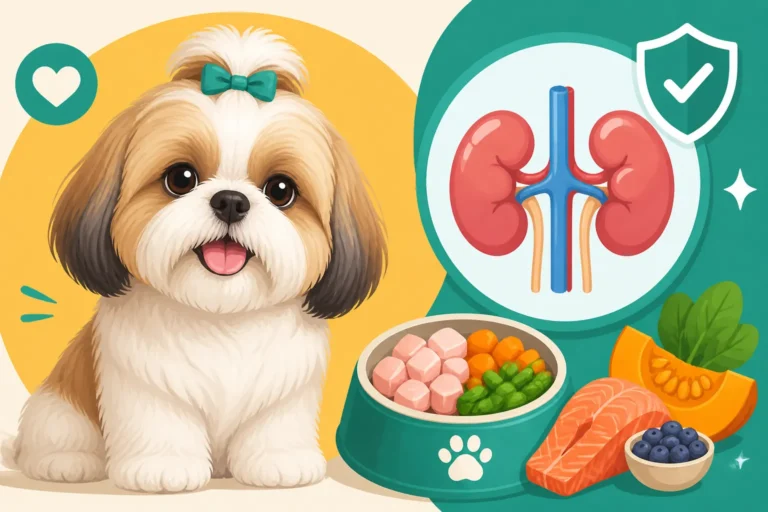
Senior Shih Tzus generally require fewer calories than their younger counterparts because their metabolism slows down, and their activity levels decrease. Continuing to feed them the same amount of food can quickly lead to Shih Tzu Obesity on a Sixteen Pound Frame, which puts undue stress on their joints, heart, and other organs, significantly impacting their quality of life. The first step is often transitioning to a high-quality senior dog food. These formulas are typically lower in calories but still provide essential nutrients.
Beyond calorie count, consider the macronutrient balance. Senior dogs benefit from easily digestible proteins to help maintain muscle mass, even with reduced activity. Look for foods with moderate fat content and fiber to support digestive health. Some seniors might struggle with larger kibble sizes due to dental issues or a less efficient bite; switching to a smaller kibble or even adding some warm water to soften it can make mealtime much more comfortable. It’s also crucial to monitor their weight closely, as a full coat can often hide weight gain. A quick feel along their ribs can give you a better indication than just looking.
The Role of Supplements in Senior Health
While a balanced senior diet is the cornerstone, specific supplements can provide targeted support for common age-related issues. Joint supplements containing glucosamine, chondroitin, and MSM are highly beneficial for supporting cartilage health and reducing inflammation associated with arthritis. Omega-3 fatty acids, found in fish oil, can further aid joint health, promote a healthy coat, and support cognitive function. For Shih Tzus with cognitive decline, supplements containing antioxidants, B vitamins, and medium-chain triglycerides (MCTs) can sometimes help slow progression and improve mental clarity.
However, it's vital to consult your veterinarian before adding any supplements to your senior Shih Tzu's diet. They can help you choose the right products and dosages based on your dog's specific health needs and any existing medical conditions. For instance, if your Shih Tzu is already on medication for a heart condition or kidney disease, certain supplements might interact negatively. Your vet can provide guidance, ensuring that you're truly helping and not inadvertently causing harm. Many pet insurance providers, like Healthy Paws, offer coverage that includes prescribed medications and supplements, which can ease the financial burden of these ongoing needs.
Keeping Hydration and Oral Health a Priority
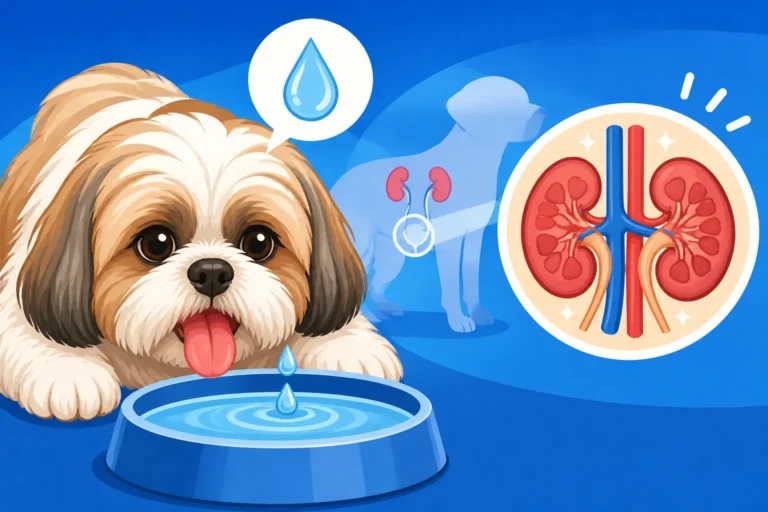
Hydration becomes even more critical for senior Shih Tzus, especially given their predisposition to kidney issues. Ensuring constant access to fresh water is non-negotiable. Some older dogs might not drink enough on their own, so consider offering water from multiple bowls around the house, using a pet drinking fountain to entice them, or adding water to their food. If your vet has prescribed Kidney Diets for a Shih Tzu, adequate water intake is even more essential to support kidney function.
Oral health is another area that can drastically impact a senior Shih Tzu's quality of life. Years of plaque and tartar buildup often lead to Shih Tzu Dental Disease at 13 Percent of the Breed, causing pain, infection, and even contributing to systemic health problems like heart and kidney disease. Daily toothbrushing, while challenging, remains the gold standard. If your senior Shih Tzu has significant dental disease, your vet might recommend a professional dental cleaning under anesthesia. While anesthesia always carries some risk for flat-faced breeds, the benefits of alleviating pain and infection often outweigh the risks, especially when proper pre-anesthetic screening is performed. Dental chews and water additives can help, but they are not a substitute for regular brushing and professional cleanings.
Maintaining Mobility and Preventing Pain
Watching your once sprightly Shih Tzu struggle with stairs or hesitate before jumping onto their favorite spot can be heartbreaking. Mobility issues and chronic pain are common in senior dogs, particularly those with long backs and delicate joints like the Shih Tzu. Proactive measures can make a significant difference in their comfort and continued enjoyment of life.
Tailoring Exercise to Your Senior's Capabilities
While your senior Shih Tzu won't be running marathons, regular, gentle exercise is still vital for maintaining muscle mass, joint flexibility, and mental stimulation. The key is adaptation. Replace long, strenuous walks with several shorter, slower strolls throughout the day. A fifteen-minute walk in the morning and another in the evening might be perfect. Pay attention to their cues: if they lag behind, want to sit down, or seem stiff afterwards, you might be pushing them too hard. Consider walking on softer surfaces like grass or carpet, which are less impactful on joints than pavement.
Indoor playtime can also be adjusted. Instead of high-impact games, engage them with puzzle toys that dispense treats slowly, or gentle games of hide-and-seek that encourage movement without excessive jumping or running. The goal is consistent, low-impact activity that keeps their body moving and their mind engaged, without causing undue stress or pain. This gentle engagement is crucial for preventing Shih Tzu Mobility Decline in Old Age and keeping their spirits high.
Protecting Joints and the Vulnerable Shih Tzu Spine
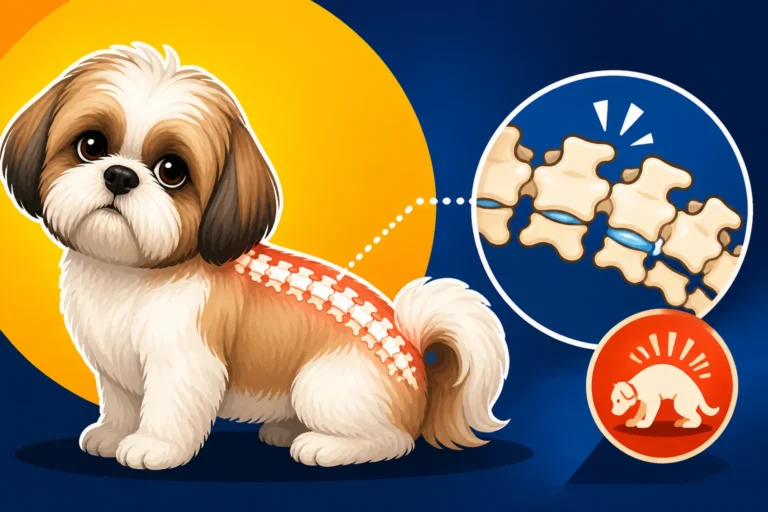
Shih Tzus are unfortunately prone to Shih Tzu Back Problems and Disc Disease due to their chondrodystrophic (long-backed, short-legged) structure. This risk increases with age. To protect their spine and joints, eliminate opportunities for jumping on and off furniture or stairs. Ramps or pet stairs are invaluable tools, allowing them safe access to their favorite spots, like the sofa or your bed, without risky impact. Even if they've always jumped without issue, one bad landing can lead to a serious injury, especially as their ligaments weaken with age.
Comfortable bedding is also crucial. Orthopedic beds provide better support for aging joints and can alleviate pressure points. Ensure their sleeping areas are warm and draft-free, as cold can exacerbate joint stiffness. For dogs with significant arthritis, your vet might recommend anti-inflammatory medications or physical therapy. Even gentle massage can help improve circulation and reduce muscle tension. Remember, preventing pain is always better than treating it, so make these adjustments early.
Creating a Safe, Accessible Environment
Beyond protecting their spine, consider their overall accessibility within the home. As eyesight or hearing diminishes, familiar layouts become even more important. Avoid frequently rearranging furniture, and ensure pathways are clear of clutter. Non-slip rugs on hard floors (wood, tile, laminate) can provide much-needed traction for unsteady paws, preventing slips and falls that could lead to injury. Consider adding gates to block off stairs or areas where they might get lost or stumble.
If your Shih Tzu struggles with stairs, carrying them is always an option, but be mindful of their comfort and your own back. Ramps are generally a better long-term solution. Easy access to food and water bowls, perhaps raised to a comfortable height, also prevents them from having to bend down excessively. Every small modification you make contributes to their safety and independence, allowing them to navigate their world with dignity and less risk of harm.
Essential Veterinary Care in the Golden Years
Proactive veterinary care shifts from preventive to maintenance and management as your Shih Tzu ages. Regular check-ups, early detection, and open communication with your vet become the cornerstones of ensuring a good quality of life during their senior years.
The Critical Nature of Regular Senior Exams
Once your Shih Tzu is considered a senior, typically around ten years old, annual vet visits might not be enough. Many veterinarians recommend Vet Visit Frequency for a Shih Tzu Past Ten that involves twice-yearly check-ups. These appointments are not just for vaccinations; they are comprehensive health assessments designed to catch age-related issues early, when they are often most treatable. During these visits, your vet will perform a thorough physical exam, checking their eyes, ears, teeth, heart, lungs, and palpating their abdomen and joints.
These regular exams allow your vet to establish a baseline of your Shih Tzu's health, making it easier to spot subtle changes over time. They can assess weight, muscle mass, and gait, looking for early signs of arthritis or neurological problems. It's also an excellent opportunity for you to discuss any changes you've observed at home, no matter how minor they seem. Your observations combined with your vet's clinical findings form the most comprehensive picture of your senior Shih Tzu's well-being.
Addressing Common Ailments Proactively
Senior Shih Tzus are susceptible to a range of age-related health conditions. Beyond dental and joint disease, kidney and liver function can decline, requiring bloodwork to monitor. Heart conditions, particularly mitral valve disease, are common in small breeds and can manifest as a A Shih Tzu That Coughs Only at Night or reduced stamina. Regular screening with a The Senior Panel a Shih Tzu Needs at Ten blood test and urinalysis can detect these issues before they become severe.
Thyroid disease, though less common, can also affect senior dogs, leading to changes in metabolism and coat quality. Vision issues like cataracts or glaucoma, and hearing loss, are also frequently encountered. While some conditions are not curable, many are manageable with medication, diet changes, or supportive therapies, significantly improving your Shih Tzu's comfort and extending their good years. Early diagnosis means earlier intervention, often leading to better outcomes. Organizations like Healthy Paws are invaluable resources as pet insurance can cover a significant portion of the costs for managing chronic conditions that often arise in senior pets.
Understanding Financial Realities of Senior Vet Bills
Let's be realistic: senior pet care can become expensive. From increased frequency of vet visits to ongoing medications, specialized diets, and potential surgeries, the costs can add up quickly. This is where foresight and financial planning become incredibly important. Pet insurance, especially if acquired earlier in your Shih Tzu's life, can be a lifesaver. Providers like Healthy Paws offer various plans that can help offset the costs of diagnostics, treatments, and even some therapies for chronic conditions.
However, if your Shih Tzu is already a senior and developing pre-existing conditions, finding comprehensive insurance might be more challenging. In such cases, consider setting aside a dedicated savings fund for their care. Discuss potential costs with your vet and inquire about payment plans or veterinary credit options if unexpected emergencies arise. Being prepared for the financial aspect of senior care allows you to focus on what truly matters: providing the best possible care for your beloved companion without the added stress of financial strain.
Maintaining Grooming and Hygiene for Comfort
Grooming, a hallmark of Shih Tzu ownership, becomes even more vital for seniors. What was once a routine task now takes on added importance for comfort, health, and dignity, often requiring a gentler touch and more frequent attention.
Adapting Grooming Routines to Sensitive Skin and Coats
As Shih Tzus age, their skin can become thinner, drier, and more sensitive. Their double coat might also change texture, becoming finer or more prone to matting as they spend more time lying down. Daily gentle brushing is still essential to prevent painful mats, which can pull on their delicate skin and hide infections. Use a soft slicker brush and a metal comb, working in small sections and being extra careful around bony areas and pressure points. If mats do form, resist the urge to pull or cut them yourself; a professional groomer can safely address them.
Bathing frequency might need adjustment too. Too frequent bathing can dry out sensitive skin, while too little can lead to skin issues if they're having accidents or dribbling. Use a gentle, moisturizing shampoo and conditioner formulated for sensitive skin. Ensure they are thoroughly dried, especially in colder weather, to prevent chilling and skin problems. This detailed care not only keeps them looking tidy but prevents discomfort and health issues.
Diligent Eye, Ear, and Paw Maintenance
The prominent eyes of a Shih Tzu require constant attention throughout their lives, but even more so as seniors. Decreased tear production can lead to chronic dry eye, and hair growing into the eyes can cause irritation and ulcers. Daily wiping with a soft, damp cloth and checking for redness, discharge, or squinting is crucial. If your Shih Tzu is on lifelong eye drops for conditions like dry eye, ensure they are administered consistently. Trimming the hair around their eyes to prevent irritation is also important, or keeping a The Shih Tzu Topknot and Keeping Hair Out of the Eyes can help if they still tolerate it.
Their heavy, floppy ears can be breeding grounds for infections, especially if wax buildup or hair growth increases with age. Weekly ear cleaning with a vet-approved solution can prevent painful ear infections. Additionally, their paw pads can become dry and cracked, and nails can grow long and curl, making walking uncomfortable. Regular nail trims are essential, and remember to clear hair from between their paw pads to improve traction and prevent matting there.
Managing Incontinence and Keeping Clean
One of the most common and frustrating challenges with senior Shih Tzus is the onset of incontinence. This could range from dribbling urine while sleeping to full-blown accidents around the house. It can be a sign of various medical conditions, such as urinary tract infections, kidney disease, or even cognitive decline, so always consult your vet first to rule out treatable causes.
If incontinence becomes a permanent reality, managing hygiene is key to preventing skin irritation and maintaining their comfort. Pet diapers or belly bands can be helpful, but they must be changed frequently to prevent urine scald. Regular cleaning of their rear end with pet wipes or a quick rinse will keep their skin healthy. Keeping their hindquarters trimmed short (a "sanitary trim") can also help with cleanliness. While accidents can be disheartening, remember that your Shih Tzu isn't doing it on purpose. Patience, understanding, and meticulous hygiene are essential to keeping them happy and healthy.
Nurturing Your Senior Shih Tzu's Mind and Spirit
Aging isn't just a physical process; it profoundly affects a Shih Tzu's cognitive and emotional landscape. Just as we adapt to their physical needs, we must also tenderly support their mental well-being to ensure their golden years are rich with comfort, security, and joy.
Recognizing and Managing Cognitive Changes
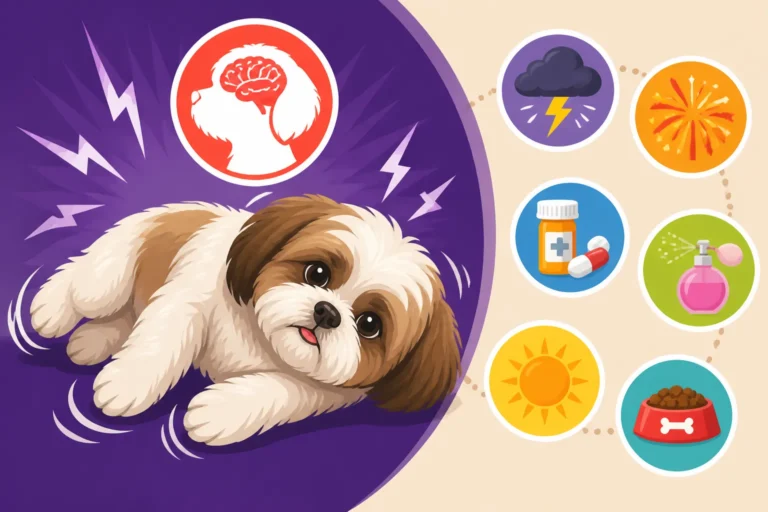
As mentioned, some senior Shih Tzus may experience Cognitive Decline in a Shih Tzu Past Twelve. The signs can be subtle at first: maybe they seem to "forget" commands they once knew perfectly, stare blankly at walls, or wander aimlessly. Disorientation (getting stuck in corners, difficulty navigating familiar rooms), changes in sleep-wake cycles (pacing at night, sleeping all day), altered interactions (less responsive, more irritable, or clingy), and house-soiling are all potential indicators. It's important to document these observations and share them with your vet, as some symptoms can also indicate other medical issues.
While there's no cure for canine cognitive dysfunction, strategies can help manage it. Maintaining a consistent daily routine for feeding, walks, and bedtime can provide a sense of security and reduce confusion. Keep their environment stable – avoid moving furniture or changing their sleeping area unnecessarily. Gentle enrichment, such as short, simple training sessions or puzzle toys, can stimulate their minds without overwhelming them. Medications and supplements prescribed by your vet can also sometimes help slow the progression of cognitive decline and improve their quality of life.
Keeping Them Engaged and Emotionally Secure
Even with cognitive changes, senior Shih Tzus still crave connection and mental stimulation. Tailor activities to their declining abilities. Instead of complex new tricks, reinforce simple commands they still remember, rewarding them with praise and small, soft treats. Gentle massage and petting sessions are wonderful for both physical comfort and emotional bonding. Just a few minutes of focused attention can reassure them and strengthen your bond.
For those whose senses are diminishing, direct interaction becomes even more important. Speak to them gently and clearly. If their sight is fading, let them sniff your hand before you pet them to avoid startling. Maintain their social circle with familiar family members and calm, known pets, but avoid overwhelming them with new situations or boisterous strangers. Their emotional security hinges on consistency, predictability, and your unwavering affection.
Supporting Those Adapting to Sensory Loss
Vision and hearing loss are common in senior Shih Tzus and can be particularly disorienting. If their eyesight is fading, avoid moving furniture, keep paths clear, and consider scent cues like essential oils (vet-approved and diluted) or textured mats to mark important areas like their food bowl or potty spot. Verbal cues should be clear and consistent. For those with significant vision loss, a halo harness can help them navigate without bumping into objects.
For hearing loss, rely more on visual cues and hand signals. A gentle tap on the floor or a light vibration can get their attention. Since they might not hear you approach, avoid sudden movements that could startle them. Always approach them from the front where they can see you. Patience is paramount during this time. Remember, their world is changing, and they rely on you to be their guide and protector. Creating a quiet, predictable environment helps them feel safe and loved, even as their senses dim.
Thoughtful Home Modifications for Ease and Safety
As your Shih Tzu gracefully ages, their once effortless navigation of your home might become a genuine struggle. Thoughtful modifications to their living space aren't about babying them; they're about empowering them to live comfortably, safely, and independently for as long as possible.
Creating a Senior-Friendly Living Space
The first step in home modification is to look at your home through your Shih Tzu's eyes. Are there high jumps they still attempt? Are slick floors causing them to slip? Invest in pet ramps or stairs for easy access to sofas, beds, or even for getting in and out of the car. These small additions can prevent serious injuries, especially to their vulnerable Shih Tzu Back Problems and Disc Disease. Place non-slip rugs or runners on hard floors in high-traffic areas to provide better traction and reduce the risk of falls.
Ensure their sleeping area is easily accessible and free from drafts. An orthopedic dog bed with supportive foam can significantly reduce pressure on aging joints and provide unparalleled comfort. Consider moving their food and water bowls closer to their main resting area to minimize unnecessary trips, especially if they have mobility issues. For Shih Tzus with vision impairment, keeping furniture in consistent locations is crucial to prevent disorientation and bumping into objects.
Temperature Control and Comfortable Resting Spots
Senior dogs, particularly brachycephalic breeds like the Shih Tzu, have a harder time regulating their body temperature. They can overheat easily in warm weather and get chilled quickly in cooler temperatures. During warmer months, ensure they have access to cool, shaded areas, and consider cooling mats or vests. Never leave them in a hot car, even for a few minutes. Conversely, in winter, provide warm blankets, cozy sweaters, and ensure their sleeping areas are insulated and away from cold drafts.
Having multiple comfortable resting spots throughout the house allows your Shih Tzu to choose where they feel most at ease. These could be soft beds, fluffy blankets, or even a designated quiet corner with their favorite toys. These spots offer refuge, especially if there's a busy household or younger, more energetic pets. A sense of security and comfort in their environment contributes significantly to their overall well-being.
Strategizing for Potty Breaks and Accidents
As a Shih Tzu ages, their bladder control might weaken, or they may simply forget their house training due to cognitive decline. Increased frequency of urination can also be a sign of kidney disease or a urinary tract infection, so always consult your vet first. If accidents become a norm, establish a more frequent potty schedule. Take them out every few hours, first thing in the morning, last thing at night, and after every nap, meal, or play session.
For indoor solutions, consider pee pads or an indoor litter box specifically designed for dogs. While not ideal for all, these can provide a comfortable, low-stress option for seniors who struggle to make it outside in time, particularly during bad weather or if they have limited mobility. Doggy diapers or belly bands can also prevent messes, but they require frequent changing to avoid skin irritation. Always clean up accidents thoroughly with an enzymatic cleaner to eliminate odors that might encourage repeat marking. Your patience and understanding during this time are invaluable.
Making Compassionate Decisions in the Final Chapter
This is perhaps the most challenging aspect of senior Shih Tzu care. As much as we wish our beloved companions could live forever, the reality is that their time with us is finite. Navigating end-of-life decisions requires immense courage, selflessness, and a deep understanding of what constitutes a good quality of life for them.
Objectively Assessing Quality of Life
The concept of "quality of life" is central to making end-of-life decisions. It's not about prolonging life at all costs, but about ensuring that the remaining time is filled with comfort, joy, and dignity. This assessment is deeply personal and often fluctuates. It’s helpful to objectively evaluate a few key areas:
- Pain: Is your Shih Tzu in chronic pain that cannot be managed effectively with medication?
- Appetite and Hydration: Are they still eating and drinking enough? A consistent lack of interest in food can be a significant indicator.
- Hygiene: Can they still manage basic bodily functions without severe discomfort or constant accidents?
- Happiness/Engagement: Do they still show interest in activities they once loved? Do they respond to your presence? Are they having more good days than bad?
- Mobility: Can they move around, get up, and adjust their position without extreme struggle?
A "quality of life scale," often provided by veterinarians, can be a valuable tool to help you track these factors over time and make a more objective assessment. This often involves scoring various aspects of their daily life. While heartbreaking, this objective evaluation helps to step back from our own desires and focus on what is truly best for our furry family member. Organizations like Healthy Paws, while primarily focused on insurance, can sometimes offer resources or guidance on navigating these difficult conversations with your vet.
Planning Ahead and Communicating with Your Vet
Thinking about your Shih Tzu's final days is incredibly painful, but planning ahead can alleviate some stress during an emotionally charged time. Discuss your wishes and concerns openly with your veterinarian long before a crisis hits. Talk about what options are available for pain management, palliative care, and ultimately, euthanasia. Understanding the process can provide some comfort. Your vet can offer an informed perspective on your Shih Tzu's condition and help you identify the right time.
Consider whether you prefer home euthanasia, which can provide a peaceful and familiar setting for their final moments. Discuss memorial options, like cremation or burial, beforehand. This pre-planning allows you to focus entirely on your Shih Tzu in their last days, rather than being overwhelmed by logistical decisions. This is also a good time to review how costs are managed, as some pet insurance policies, or even a specific vet credit line, might offer some assistance with end-of-life care.
Coping with Loss and Cherishing Memories
The grief associated with losing a pet is profound and deeply personal. It's important to acknowledge and validate these feelings. Give yourself permission to mourn. There is no right or wrong way to grieve, and the bond with a pet is as strong as any human relationship. Lean on friends and family who understand, or seek out pet bereavement support groups if you feel isolated in your grief.
Focus on the countless wonderful memories you shared. Your Shih Tzu brought so much joy, companionship, and unconditional love into your life. Cherish the photos, videos, and stories. The pain of loss is a testament to the depth of your love. While the ache of their absence will always be there, it will soften over time, leaving behind a treasure trove of happy memories. Your senior Shih Tzu may have crossed the rainbow bridge, but their paw prints will remain etched on your heart forever.
Disclaimer
This article is for general informational purposes only and does not constitute professional advice. Laws, prices and regulations vary by location and change over time. Consult a qualified professional for guidance on your specific situation.