Why a Shih Tzu Spine Is Built to Slip
One of the most heart-wrenching realities of owning a beloved Shih Tzu is the constant worry about their delicate backs. That sudden yelp when they jump off the sofa, the hesitant steps, or even a complete loss of movement in their hind legs can send any devoted owner into a panic. It’s not just bad luck; our little lion dogs are genuinely predisposed to spinal issues. This guide will delve deep into the anatomical reasons why a Shih Tzu spine is built to slip, what this means for their health, and how we can best protect them from the pain and complications of disc disease.
The Anatomy of a Shih Tzu Spine: A Unique Challenge
Shih Tzus are undeniably adorable with their long bodies, short legs, and compact stature, but these very characteristics, which are part of their breed standard, contribute significantly to their spinal vulnerability. It’s a design flaw, in a way, that has been inadvertently selected for over generations, making them more prone to certain conditions, particularly Intervertebral Disc Disease (IVDD). Understanding this foundational anatomy is the first step in preventative care.
The Long Body and Short Legs Paradox
Imagine a long, flexible bridge supported by short, sturdy pillars. That's a good mental image for a Shih Tzu's spine. Their elongated body, typical of chondrodystrophic breeds (a fancy term for breeds with dwarfism-like characteristics leading to short limbs), places immense stress on the vertebral column. The discs between the vertebrae act as shock absorbers, cushioning the impact of movement and supporting the spine. However, in breeds like the Shih Tzu, these discs are genetically prone to premature degeneration, a condition known as chondrodystrophy.
Unlike other dogs where discs might slowly degenerate with age, a Shih Tzu often starts life with discs that are already weaker and more prone to hardening and calcification. This means they lose their jelly-like shock-absorbing quality much earlier, sometimes even in their puppyhood. When these discs harden, they can't handle the strain placed on them by the long back and short legs. A simple jump, a twist, or even an awkward landing can cause a hardened disc to rupture or bulge, pressing on the delicate spinal cord. The result can range from mild pain and discomfort to severe neurological deficits, including paralysis. This is the fundamental reason behind Why a Shih Tzu Spine Is Built to Slip and why vigilance is so crucial.
How Brachycephaly Influences Spinal Health
While their long backs are the most obvious culprit, the Shih Tzu's brachycephalic (flat-faced) skull structure also indirectly plays a role in their overall musculoskeletal health, including their spine. Brachycephalic breeds often have broader, more compact bodies, which can affect their gait and how they carry their weight. This altered biomechanics can place additional, uneven stress on the spine over time.
Think about it: a dog's entire body works as a kinetic chain. Issues in one area can impact others. A Shih Tzu might have a slightly different way of moving, compensating for their structure, which could lead to subtle misalignments or increased strain on certain parts of the spine. While not a direct cause of IVDD, it's another layer to the complex puzzle of their physical vulnerabilities. Furthermore, brachycephalic dogs are generally less tolerant of strenuous exercise due to their breathing challenges, which might mean they get less of the controlled, low-impact exercise that could help strengthen core muscles supporting the spine. It’s a holistic view that shows how interconnected all aspects of their unique physiology are.
Understanding Intervertebral Disc Disease (IVDD) in Shih Tzus
Intervertebral Disc Disease (IVDD) is the primary concern for Shih Tzu owners when it comes to spinal health. It’s not a single event but rather a degenerative process that can manifest acutely. Knowing what it is, how it progresses, and what to look for is paramount for early intervention and better outcomes. This condition, sadly, is all too common in our beloved breed.
The Role of the Discs and Why They Degenerate
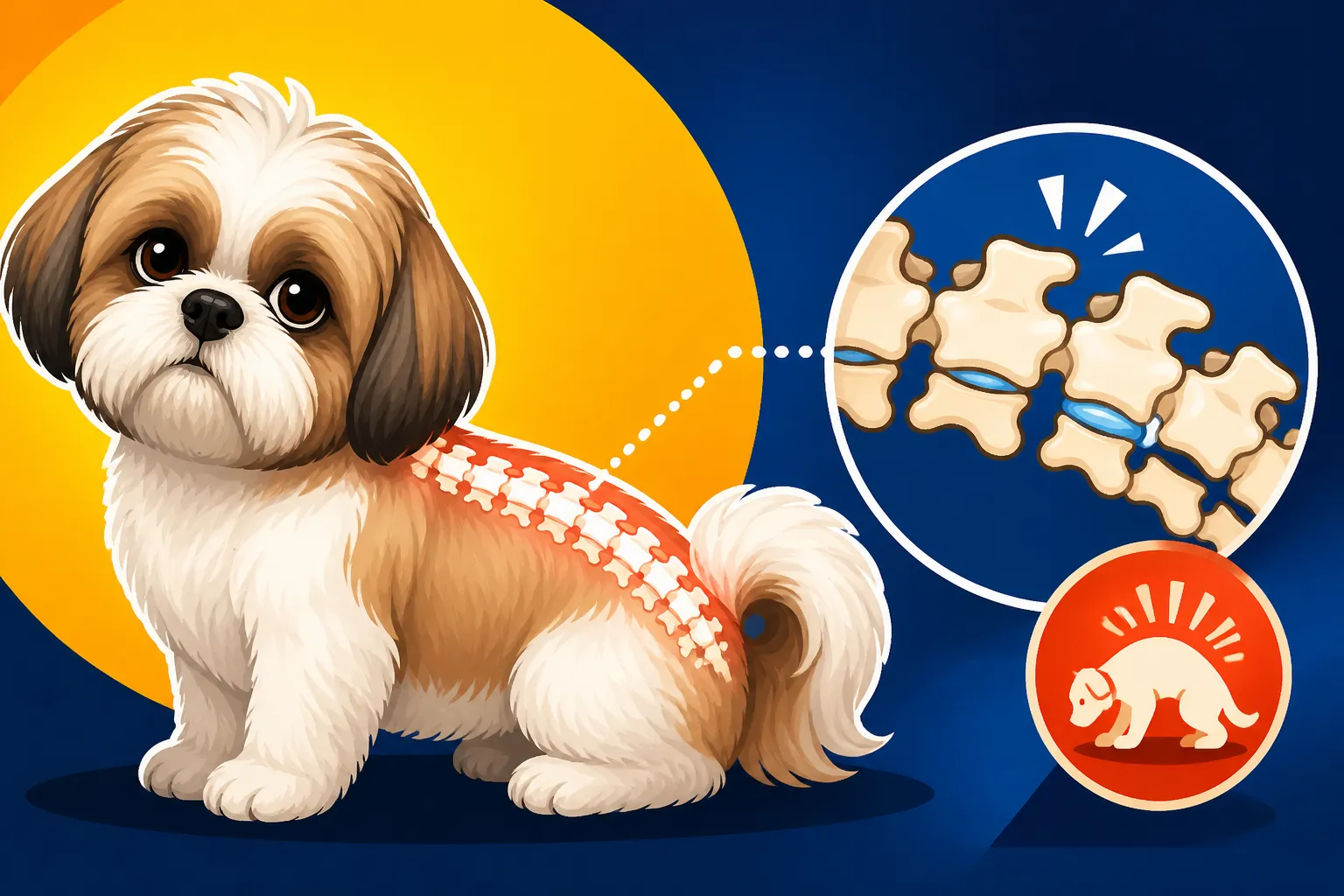
To truly grasp IVDD, it helps to understand the intervertebral discs themselves. These arenut-shaped cushions located between each vertebra in the spine, filled with a gelatinous center (nucleus pulposus) surrounded by a fibrous outer ring (annulus fibrosus). Their job is crucial: they allow for flexibility, absorb shock, and protect the spinal cord from impact.
In a normal, healthy dog, these discs are supple and resilient. In a Shih Tzu, however, due to their chondrodystrophic genetics, these discs undergo a process called Hansen Type I degeneration. This means the gelatinous center starts to harden and calcify much earlier in life, often before the dog even reaches its first birthday. As the center hardens, it becomes less elastic and more brittle. The outer fibrous ring also weakens. This makes the disc highly susceptible to bulging or rupturing. When a disc bulges, it presses on the spinal cord, causing pain and neurological signs. If it ruptures, the hardened material can explode into the spinal canal, causing severe compression and potentially paralysis. This is why a simple fall or jump can have such devastating consequences – the discs are already compromised and waiting for the wrong movement to fail.
Recognizing the Early Signs of Disc Trouble
One of the hardest parts of IVDD is that the early signs can be subtle and easily missed, especially with a dog as stoic as some Shih Tzus can be. However, being acutely aware of changes in behavior or movement is your best defense. Don't dismiss a slight hesitation or a refusal to do something they once loved. These could be crucial indicators of Early Shih Tzu Back Pain Signs.
Here are some things to watch for:
- Reluctance to Jump: Your Shih Tzu might hesitate before jumping on or off the sofa, or outright refuse to do so. This is a very common early sign. You might notice your A Shih Tzu That Will Not Jump on the Sofa anymore.
- Pain Signals: This can manifest as yelping when picked up, touched in certain areas, or making certain movements. They might also shiver, tremble, or pant excessively, even when not hot or stressed.
- Changes in Posture: A hunched back, a stiff neck, or holding their head low can all be signs of discomfort.
- Altered Gait: They might walk with a stiff, unnatural gait, drag their paws, or exhibit weakness in one or both hind legs. Their coordination might seem off.
- Lethargy and Appetite Changes: Pain can make any dog withdrawn and uninterested in food or play.
- Urinary or Fecal Incontinence: In more severe cases, disc compression can affect nerve control over bladder and bowel functions. This is an emergency.
If you observe any of these signs, even mild ones, it's essential to contact your veterinarian immediately. Early diagnosis and intervention can make a significant difference in the outcome and potentially prevent more severe damage. Don’t wait for it to get worse, as time can be critical when the spinal cord is involved.
Everyday Risks: How Our Homes Impact Their Spines
As loving owners, we want our Shih Tzus to be comfortable and enjoy their lives to the fullest. However, many common household activities and elements, while seemingly harmless, can pose significant risks to their vulnerable spines. Understanding these everyday dangers is crucial for creating a safe environment and minimizing the chances of a painful IVDD flare-up.
The Danger of Jumping On and Off Furniture
This is arguably one of the biggest culprits when it comes to acute spinal injuries in Shih Tzus. Their short legs and long backs make jumping an inherently risky activity. When a Shih Tzu jumps up onto a sofa, bed, or chair, the impact on landing, and especially the jarring motion of landing down from a height, can put immense strain on their already compromised intervertebral discs.
Imagine the sudden compression and twist that happens when they leap. For discs that are already calcified or bulging, this can be the final straw, causing them to rupture. Even if a single jump doesn't cause a major injury, repeated jumping over months and years contributes to cumulative wear and tear, accelerating disc degeneration. It's a bit like continuously bending a brittle stick – eventually, it's going to snap.
To protect your Shih Tzu, it's vital to break this habit. Invest in dog ramps or steps for all furniture they access regularly. Teach them to use these instead of jumping. This might take patience and positive reinforcement, but it's a small effort for a lifetime of comfort and reduced risk. Ensuring your home is safe for your furry friend can save them from immense pain and you from significant vet bills. If you're considering pet insurance, a plan from a provider like Healthy Paws can be a lifesaver for unexpected spinal surgeries.
The Impact of Stairs and Rough Play
Beyond furniture, stairs and certain types of play also present considerable risks to a Shih Tzu's spine. Navigating stairs, both up and down, involves a complex series of movements that can twist and compress the spine. Going down stairs often causes more impact and jarring, while going up can involve more twisting and strenuous muscle engagement. For a breed with a predisposed spinal weakness, these repetitive motions can be detrimental over time. This is precisely Why Stairs Are Hard on a Shih Tzu Spine and should be avoided whenever possible.
Consider using baby gates to block off stair access or carrying your Shih Tzu up and down. If carrying is not feasible or your home has many stairs, consider installing a ramp system if possible, though this is often more practical for a few steps rather than a full flight.
Rough play, especially with larger dogs or boisterous children, also poses a significant threat. Quick twists, sudden stops, tumbles, or being accidentally landed on can all result in spinal trauma. While play is essential for a dog's well-being, it needs to be carefully supervised and appropriate for a Shih Tzu's delicate build. Encourage gentle games, retrieve instead of wrestling, and always ensure playmates understand how fragile a Shih Tzu's back can be. Even a playful nip from a larger dog could cause a sudden twist that leads to injury. Prioritizing their safety during playtime is just as important as preventing jumps from furniture.
Proactive Care: Protecting Your Shih Tzu's Back
Given the inherent vulnerability of a Shih Tzu's spine, proactive care isn't just a good idea – it's absolutely essential. While we can't change their genetics, we can significantly mitigate risks and support their spinal health through smart choices in their daily lives. From managing their weight to adjusting their environment, every step counts in keeping their back as healthy as possible.
Weight Management and Its Spinal Benefits
Maintaining a healthy weight is one of the most impactful things you can do for your Shih Tzu's spinal health. Every extra pound places additional strain on their discs and vertebrae, accelerating degeneration and increasing the likelihood of injury. Imagine carrying a backpack that's constantly too heavy; eventually, your own back would suffer. It's no different for our furry friends.
A lean Shih Tzu will experience less pressure on their spinal column, allowing their discs to function more efficiently and reducing the overall wear and tear. Obesity can also lead to a less active lifestyle, weakening core muscles that otherwise help support the spine. Regularly check your Shih Tzu's body condition score, not just their weight, as their fluffy coats can hide excess pounds. You should be able to feel their ribs easily without seeing them, and they should have a discernible waist when viewed from above.
If your Shih Tzu is carrying a few extra pounds, talk to your vet about a safe weight loss plan. This usually involves reducing caloric intake and increasing controlled, low-impact exercise. Remember, gradual weight loss is key to their overall health. For an in-depth look at how vital this is, check out information on Shih Tzu Obesity on a Sixteen Pound Frame.
Harnesses Over Collars for Neck and Back Support
This is a simple but critical change that can make a world of difference for a Shih Tzu's long-term spinal health. Using a harness instead of a collar for walks and any kind of leash attachment is non-negotiable for breeds prone to back and neck issues. A collar, especially if the dog pulls, puts direct pressure on the trachea and, more importantly, the delicate cervical spine (neck region).
A sudden jerk on a collar can cause significant strain or even acute injury to the neck discs, which are an extension of the same vulnerable spinal column. A harness, on the other hand, distributes any pressure across the chest and shoulders, away from the neck and spine. This ensures that any pulling or sudden movements during walks do not impact the sensitive areas of their back.
When choosing a harness, opt for one that fits well, doesn't chafe, and has a comfortable design. There are many options available, some specifically designed for small breeds, and you can even find ones that won't mat their glorious coats, as discussed in Harnesses That Do Not Mat a Shih Tzu Coat. Make the switch to a harness early in your Shih Tzu's life, and it will become second nature, offering vital protection every time you venture out.
Environmental Modifications for Safety
Making small changes to your home environment can significantly reduce the risk of spinal injury for your Shih Tzu. These modifications are often simple to implement but can offer immense peace of mind and protection.
First and foremost, address access to furniture. As discussed, jumping is a major risk factor. Place dog ramps or sturdy steps next to sofas, beds, and any other elevated surfaces your Shih Tzu frequents. Teach them to use these from a young age with treats and praise. Consistency is key here. For example, if your furry friend enjoys cuddling with you on the sofa, a ramp will enable them to do so safely.
Secondly, consider your flooring. Slick surfaces like hardwood, tile, or laminate can be challenging for dogs, especially those with long backs. Their paws might slip, leading to awkward landings, splits, or falls that can jar the spine. Place rugs or runners in high-traffic areas to provide better traction. This is particularly important around steps or ramps.
Finally, think about your daily routine. If your Shih Tzu is prone to zooming around or playing rough indoors, designate safer play zones or provide soft, cushioned areas for their activities. Regular, gentle exercise is beneficial for muscle strength and flexibility, but avoid high-impact activities or games that involve sudden twisting or excessive jumping. Activities like short, controlled walks or gentle indoor games with soft toys are ideal for Shih Tzu Exercise for a Low-Energy Toy.
For added protection against the unexpected, considering pet insurance from a reliable provider like Healthy Paws can cover a significant portion of the costs associated with IVDD diagnosis and treatment, which can be substantial.
When the Worst Happens: Managing a Spinal Injury
Despite our best efforts, sometimes accidents happen, or degeneration progresses to the point of acute injury. When a Shih Tzu suffers a spinal injury, it can be a terrifying experience for both dog and owner. Knowing what steps to take immediately and understanding the available treatment and long-term care options is crucial for ensuring the best possible outcome.
Immediate Steps After Suspecting a Back Injury
The moments immediately following a suspected spinal injury are critical. Panicking is natural, but try to remain calm and act swiftly and carefully. Your primary goal is to minimize further damage and get veterinary attention as quickly as possible.
- Restrict Movement Immediately: The absolute first thing to do is prevent your Shih Tzu from moving. Do not let them walk, run, or jump. Gently place them in a small, secure, soft-sided carrier or a padded box. If you don't have one, carefully lay them on a flat, firm surface like a board or a baking sheet, ensuring their spine remains as straight and supported as possible.
- Handle with Extreme Care: When moving them, support their entire body, especially the head and hindquarters, to keep the spine aligned. Avoid twisting or bending their back. It's often best for two people to lift them if possible, one supporting the front and the other the back.
- Contact Your Veterinarian: Call your vet or an emergency animal hospital immediately. Describe the situation, the symptoms you're seeing (pain, weakness, paralysis), and how you are transporting your dog. This allows them to prepare for your arrival.
- Observe, But Don't Medicate: Note down any symptoms you observe, such as yelping, dragging limbs, changes in pupil size, or incontinence. This information will be vital for the vet. Do not administer any human pain medication, as these can be toxic or interfere with veterinary diagnostics and treatments.
- Keep Them Warm and Quiet: Maintain a comfortable temperature and keep your Shih Tzu calm and quiet during transport to the clinic.
Timely and careful action can significantly influence the prognosis, especially in cases of Shih Tzu Disc Disease and Sudden Back Pain. Remember, the faster they receive professional care, the better their chances for recovery. Many owners have found that having pet insurance, such as a plan from Healthy Paws, alleviates financial stress during these emergency situations, allowing them to focus entirely on their pet's care.
Treatment Options: From Conservative to Surgical
Once you're at the vet, they will perform a thorough neurological exam to assess the severity and location of the spinal cord compression. Diagnostics, often including X-rays and potentially an MRI or CT scan (which provides much more detail of the soft tissues and discs), will be crucial for confirming the diagnosis and guiding treatment.
Treatment for IVDD generally falls into two categories:
- Conservative Management: This is typically recommended for milder cases (Grade 1-2, where there is pain but no or minimal neurological deficits). It involves strict crate rest, anti-inflammatory medications (steroids or NSAIDs), muscle relaxants, and pain medication. The goal of Crate Rest for a Shih Tzu With a Slipped Disc is to allow the inflamed spinal cord to heal and the disc material to stabilize, preventing further compression. This can last for several weeks, and strict adherence is vital for success. During this time, constant monitoring for any worsening symptoms is required.
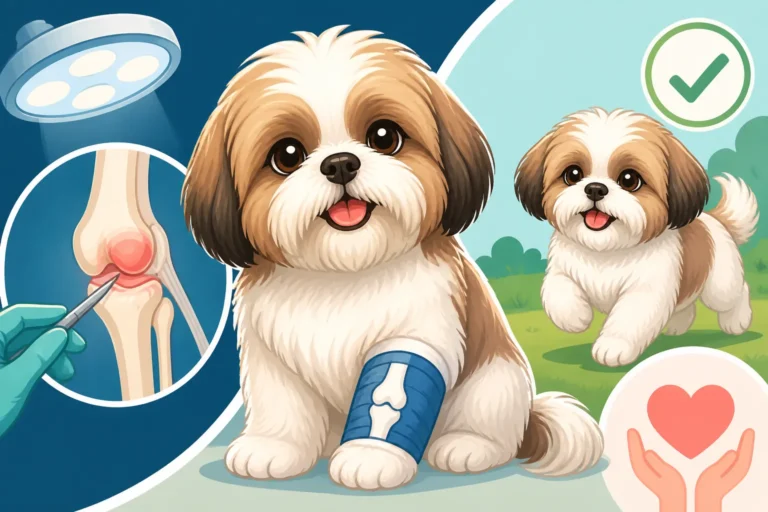
- Surgical Intervention: For more severe cases (Grades 3-5, involving significant weakness, paralysis, or loss of bladder/bowel control), surgery is often the best, and sometimes only, option. A veterinary neurologist or surgeon will perform a procedure (like a hemilaminectomy) to remove the compressing disc material from the spinal cord. This decompresses the nerves and allows for recovery. Surgery carries risks, but it can be life-changing for dogs who would otherwise remain paralyzed. The cost of such procedures can be quite high, making comprehensive pet insurance from a provider like Healthy Paws incredibly valuable. Post-surgery, intensive aftercare and physical therapy are crucial for recovery.
The decision between conservative and surgical management will depend on the severity of the injury, the dog's overall health, and the owner's commitment to the intensive recovery process.
Rehabilitation and Long-Term Care
Regardless of whether your Shih Tzu undergoes conservative or surgical treatment, the journey doesn't end when the acute phase passes. Rehabilitation and long-term care are essential for optimizing recovery, preventing recurrence, and ensuring your dog maintains the best possible quality of life.
Rehabilitation often includes:
- Physical Therapy: This can start early in recovery and involve gentle range-of-motion exercises, passive stretches, therapeutic exercises to build muscle strength, and modalities like laser therapy or therapeutic ultrasound.
- Hydrotherapy: Underwater treadmill sessions can be incredibly beneficial. The buoyancy of the water reduces weight-bearing stress on the spine while allowing the dog to move their limbs and rebuild strength and coordination.
- Massage: Gentle massage can improve circulation, reduce muscle spasms, and promote relaxation.
- Acupuncture: Some owners find acupuncture helpful for pain management and neurological recovery.
Long-term care strategies are equally important:
- Continued Environmental Modifications: Maintain ramps, avoid stairs, and ensure non-slip flooring.
- Strict Weight Management: Keep your Shih Tzu at an ideal weight to reduce spinal stress.
- Harness Use: Always use a harness, never a collar.
- Controlled Exercise: Stick to low-impact activities and avoid rough play or high-impact jumping. Consider Joint Support for a Shih Tzu Back and Knees as they age, even if they haven't had a disc event.
- Regular Vet Check-ups: Consistent monitoring can catch any new issues early.
- Lifelong Medication (if needed): Some dogs may require ongoing pain management or anti-inflammatory medications, especially as they get older and experience Shih Tzu Mobility Decline in Old Age.
Managing a Shih Tzu with a history of spinal problems requires dedication, but with proper care and vigilance, many dogs can go on to live happy, comfortable lives. It truly is a testament to the bond we share with these resilient little companions.
| Activity Category | Specific Activity | Spinal Risk Level | Prevention/Mitigation Strategy |
|---|---|---|---|
| High Risk | Jumping on/off high furniture | High | Provide ramps/steps; teach use with positive reinforcement. |
| Climbing/descending stairs frequently | High | Block access with gates; carry dog; use ramps for few steps. | |
| Rough play with larger dogs | High | Supervise closely; limit play to gentle interactions; avoid wrestling. | |
| Moderate Risk | Playing vigorously indoors (sudden stops/twists) | Medium | Encourage calmer play; ensure non-slip flooring; use soft toys. |
| Slipping on slick floors | Medium | Place rugs/runners in high-traffic areas. | |
| Being picked up incorrectly | Medium | Support entire body, especially hindquarters, keeping spine straight. | |
| Low Risk | Short, controlled leash walks (on harness) | Low | Use a well-fitting harness; avoid sudden jerks on leash. |
| Gentle indoor playtime (fetch with soft toys) | Low | Play on carpeted areas; avoid high jumps or quick pivots. | |
| Resting in orthopedic bed | Very Low | Provide supportive bedding to ease pressure on joints and spine. |
Disclaimer
The information provided in this article is for general informational purposes only and is not a substitute for professional veterinary advice. Always consult with a qualified veterinarian regarding any health concerns or before making any decisions about your Shih Tzu's medical care.