Shih Tzu Kneecap Surgery and Recovery
It’s incredibly distressing to watch your beloved Shih Tzu suddenly skip, hold a back leg up, or hesitate before jumping onto their favorite spot on the sofa. This "skipping" or sudden lameness often points to an issue with their kneecap, a common problem known as patellar luxation in toy breeds like ours. This guide will walk you through everything you need to know about Shih Tzu kneecap surgery and the often-challenging recovery period that follows, helping you feel prepared and supported through the process.
Understanding Patellar Luxation in Shih Tzus
When you picture your Shih Tzu, you probably think of their beautiful flowing coat and their charming, playful demeanor. What you might not realize is that beneath all that fluff, they carry a predisposition to certain orthopedic issues, with patellar luxation being a prime concern. This condition, which means "dislocated kneecap," occurs when the patella (kneecap) slips out of its normal groove on the femur (thigh bone). It can be a sudden, alarming event or a chronic, nagging problem that worsens over time.
Why Shih Tzus Are Prone to Kneecap Issues
Shih Tzus, like many small and toy breeds, are unfortunately predisposed to patellar luxation due to their genetics and anatomical structure. Think of the kneecap as a small bone that slides up and down a specific groove, called the trochlear groove, at the end of the femur. This movement is crucial for the normal function of the knee joint. In Shih Tzus, several factors can contribute to this kneecap slipping out of place:
- Shallow Trochlear Groove: Many Shih Tzus are born with a trochlear groove that isn't deep enough to hold the kneecap securely. It's like a train track that's too flat for the wheels to stay on.
- Ligament Laxity or Misalignment: The ligaments that support the kneecap might be too loose or the quadriceps muscle, which connects to the kneecap, might pull at an incorrect angle, causing the kneecap to shift.
- Bone Deformities: Sometimes, the tibia (shin bone) or femur can be slightly twisted or bowed, altering the alignment of the entire leg and putting abnormal stress on the kneecap.
- Trauma: While less common than genetic predisposition, an injury can also cause the kneecap to luxate, especially if there's already underlying anatomical weakness.
Because these issues are often inherited, it's one of the reasons why reputable breeders will often perform health testing a Shih Tzu breeder should do, including patella examinations, on their breeding stock. You might also want to read more about Patellar Luxation in a Shih Tzu to deepen your understanding of the condition itself.
Recognizing the Signs and Symptoms
Catching patellar luxation early can make a big difference in management. The symptoms can range from subtle to quite dramatic, depending on the severity of the luxation and how frequently it occurs.
One of the most classic signs you’ll notice is the "skipping" gait. Your Shih Tzu might be walking along normally, then suddenly lift one back leg for a few steps, perhaps shaking it out, before putting it back down and continuing as if nothing happened. This happens when the kneecap pops out and then, sometimes, pops back in on its own. It can look almost comical, but it's a clear indicator of a problem.
Other symptoms might include:
- Intermittent Lameness: Your dog might limp occasionally, especially after exercise, but not consistently.
- Reluctance to Jump or Use Stairs: They might hesitate before jumping onto furniture, or you might notice they struggle with or avoid stairs altogether. This reluctance to put weight or stress on the joint can also be a sign of Shih Tzu Back Problems and Disc Disease, so it’s important to distinguish between knee and back pain.
- Pain or Yips: In more severe cases, or when the kneecap becomes acutely luxated and doesn't return to place, your dog might cry out, yelp, or show obvious signs of pain when you touch their knee or when they try to move.
- Stiffness or "Bow-legged" Stance: Over time, if the condition is chronic, some dogs might develop a more bow-legged appearance or a stiff-legged walk as their body tries to compensate for the instability.
- Swelling: While less common, sometimes inflammation around the joint can cause mild swelling.
It's crucial to pay attention to these subtle cues, especially if your Shih Tzu is typically active. Even a low-energy toy breed like the Shih Tzu needs to be able to move comfortably.
When Surgery Becomes Necessary for Your Shih Tzu
Discovering your beloved Shih Tzu has patellar luxation can be frightening, and the idea of surgery even more so. However, understanding when and why surgery is recommended can help you make an informed decision alongside your veterinarian. Not every case of patellar luxation requires surgical intervention, but for many Shih Tzus, it offers the best chance at a pain-free, active life.
Diagnosing Patellar Luxation and Grading Severity
Your veterinarian will typically diagnose patellar luxation through a physical examination. During the exam, they will manually manipulate your Shih Tzu's knee joint to see if the kneecap can be moved out of its groove. They will also assess your dog's gait and observe any lameness or skipping.
To determine the severity of the luxation, vets use a grading system from 1 to 4:
| Grade | Description | Symptoms | Typical Treatment Approach |
|---|---|---|---|
| Grade 1 | The kneecap can be manually luxated (moved out of position) but immediately returns to its normal groove once released. | Often asymptomatic or very mild, intermittent skipping. May not be noticed by owners. | Conservative management (weight control, joint supplements, physical therapy) often sufficient. Regular monitoring. |
| Grade 2 | The kneecap luxates spontaneously or can be manually luxated and remains out of position for a short period, requiring manual replacement or a specific movement from the dog to return to the groove. | More frequent skipping, lameness, and reluctance to use the affected leg. Owners notice these signs. Risk of developing arthritis over time. | Surgery is often recommended, especially if symptoms impact quality of life. Conservative management may be tried if symptoms are mild. |
| Grade 3 | The kneecap is luxated most of the time but can be manually returned to the groove. However, it quickly reluxates (slips out again) once pressure is released. | Persistent lameness, abnormal crouched or bow-legged gait. Significant discomfort. Increased risk of severe arthritis and other joint damage. | Surgery is strongly recommended. Long-term quality of life is significantly affected without intervention. |
| Grade 4 | The kneecap is permanently luxated and cannot be manually returned to its normal groove. The trochlear groove is often absent or very shallow. | Severe, constant lameness, often unable to bear weight on the leg. Marked deformity of the limb. Muscle atrophy. Very painful. | Surgery is always recommended and often more complex due to severe anatomical changes. Prognosis for full function can be guarded. |
X-rays are also commonly taken. While X-rays don't directly show the kneecap luxating (it's cartilage and soft tissue), they provide crucial information about the alignment of the bones in the leg, the depth of the trochlear groove, and any signs of arthritis. This helps your vet plan the most effective surgical approach.
Making the Decision for Surgery
Deciding whether to proceed with surgery is a significant consideration. For Grade 1 luxations, surgery is typically not necessary. Conservative management, including careful weight management, joint supplements (you can learn more about Joint Support for a Shih Tzu Back and Knees), and controlled exercise, is often enough to keep your Shih Tzu comfortable.
However, for Grade 2, 3, and especially Grade 4 luxations, surgical correction is usually the best course of action to alleviate pain, restore normal function, and prevent further joint degeneration, such as Shih Tzu Arthritis After the Age of Nine. Your vet will consider several factors when recommending surgery:
- Severity of Luxation: As per the grading system, higher grades almost always warrant surgery.
- Frequency and Duration of Lameness: If your Shih Tzu is frequently skipping or holding their leg up for extended periods, it indicates significant discomfort and functional impairment.
- Presence of Pain: If your dog shows clear signs of pain, surgery is often recommended to improve their quality of life.
- Age and Overall Health: Younger dogs often have a better prognosis for full recovery, but older dogs can also benefit from surgery, especially if their overall health permits. It's important to discuss the unique considerations for Senior Shih Tzu Care Past the Age of Ten with your vet if your dog is older.
- Impact on Quality of Life: If the luxation is preventing your Shih Tzu from enjoying their normal activities, like playing, walking, or even just getting around the house comfortably, surgery becomes a strong option.
It's natural to worry about the costs involved, but the benefits of alleviating chronic pain and improving your Shih Tzu's mobility are often well worth it. Many owners find that having pet insurance, such as a policy from Healthy Paws, helps immensely in managing these unexpected surgical expenses, especially if the policy was in place before the condition was diagnosed.
The Surgical Procedure for Patellar Luxation
Once you and your veterinarian decide that surgery is the best path forward for your Shih Tzu, understanding what the procedure entails can help ease some of your concerns. Patellar luxation surgery isn't a single "fix-all" operation; rather, it's a combination of techniques tailored to correct the specific anatomical abnormalities contributing to your dog's condition.
Preparing Your Shih Tzu for Surgery
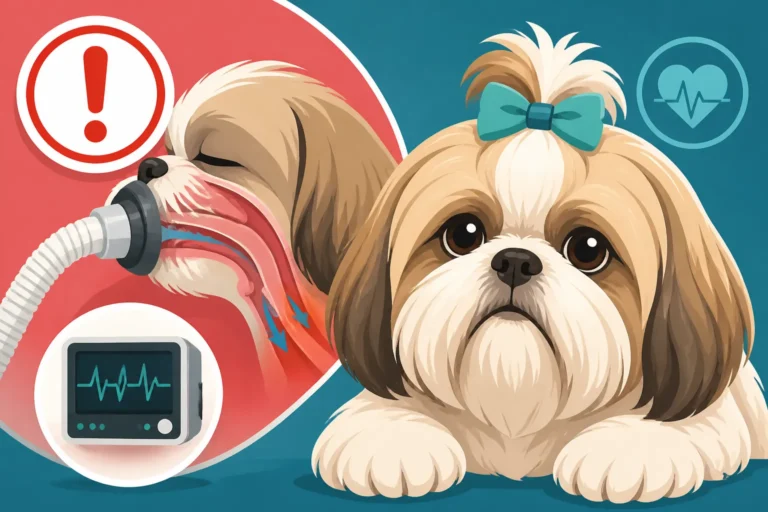
Before the surgery day, your Shih Tzu will undergo a thorough pre-anesthetic workup. This typically includes blood tests to ensure their organs are functioning properly and that they can safely metabolize anesthetic drugs. Because Shih Tzus are a brachycephalic (flat-faced) breed, they have a higher risk for Anesthesia on a Flat-Faced Shih Tzu, so your vet will take extra precautions. They'll also perform a physical exam and potentially more X-rays.
It’s crucial to follow your vet’s instructions regarding food and water restrictions before surgery, usually meaning no food after midnight the night before. This helps prevent aspiration during anesthesia. Your vet will also discuss the potential risks and benefits, ensuring you're fully informed before proceeding.
Common Surgical Techniques Explained
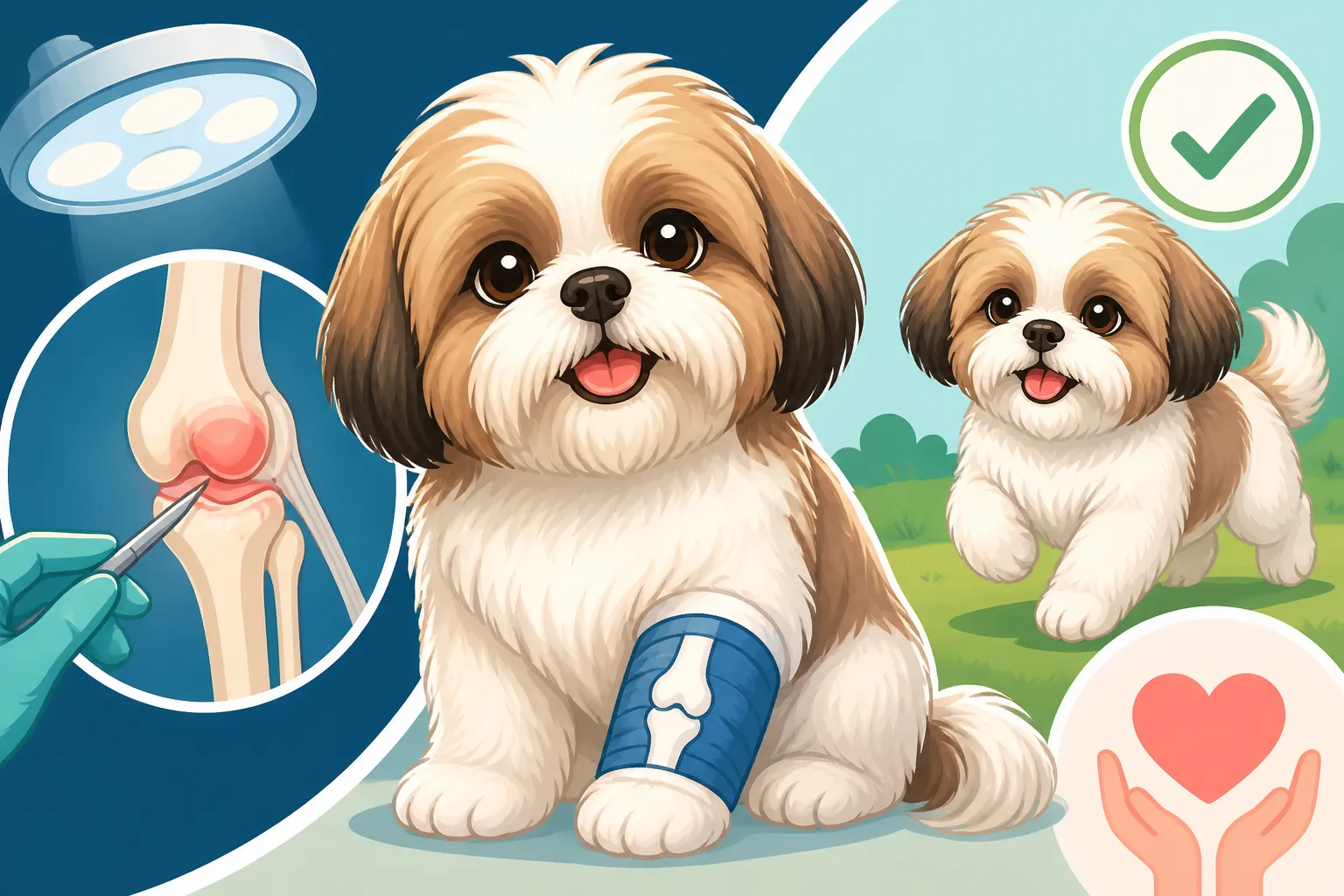
The goal of patellar luxation surgery is to realign the kneecap and stabilize it within the trochlear groove, allowing it to glide smoothly once more. A board-certified veterinary orthopedic surgeon will typically perform these procedures, often combining several techniques:
-
Trochleoplasty (Deepening the Groove): This is one of the most common techniques. If the trochlear groove (the channel in the femur where the kneecap sits) is too shallow, the surgeon will deepen it. There are a couple of ways to do this:
- Wedge Resection: A wedge of bone and cartilage is carefully removed from the trochlear groove, the underlying bone is deepened, and then the wedge is replaced, effectively deepening the groove without damaging the cartilage surface.
- Block Resection: Similar to a wedge, but a rectangular block is removed, the channel deepened, and the block replaced.
- Chondroplasty: For very young puppies with soft cartilage, the groove can be reshaped directly.
-
Tibial Crest Transposition: The tibial crest is a bony prominence on the top of the tibia (shin bone) where the patellar ligament attaches. If the ligament pulls the kneecap out of alignment (either inward or outward), the surgeon will cut the tibial crest, move it to the correct position, and reattach it with pins. This repositions the entire quadriceps mechanism, ensuring the kneecap tracks correctly. This is often necessary because the malalignment is not just at the knee, but higher up in the leg's structure.
-
Medial or Lateral Retinacular Imbrication/Release: The retinaculum refers to the soft tissues (joint capsule and fascia) surrounding the kneecap.
- Imbrication: If the tissues on one side of the kneecap are stretched and loose (allowing it to slip out), the surgeon will tighten them by folding and suturing them, effectively creating more tension to hold the kneecap in place.
- Release: Conversely, if the tissues on the opposite side are too tight (pulling the kneecap out), the surgeon will carefully cut or release them to reduce tension.
-
Osteotomy (Bone Reshaping): In more severe cases, especially in Grade 4 luxations or when there are significant deformities in the femur or tibia, the surgeon might need to cut and realign these bones. This is a more complex procedure but can be crucial for achieving long-term stability. The bones are then stabilized with plates and screws.
The exact combination of techniques will depend entirely on your Shih Tzu's individual anatomy and the specific nature of their luxation. Your veterinary surgeon will discuss the proposed plan with you in detail, ensuring you understand the steps involved.
Shih Tzu Kneecap Surgery Recovery: What to Expect
The surgical procedure is only half the battle; the recovery period for Shih Tzu kneecap surgery is just as crucial, if not more so, for a successful outcome. It requires patience, diligence, and a commitment to following your vet's post-operative instructions to the letter. This phase is critical to prevent complications and ensure your furry friend regains full function of their knee.
Immediate Post-Operative Care
When your Shih Tzu comes home from surgery, they'll likely be groggy from the anesthesia and pain medication. The first few days are about managing pain and preventing movement that could disrupt the healing surgical site.
- Pain Management: Your vet will prescribe pain medications, typically a combination of anti-inflammatory drugs and possibly stronger pain relievers, for several days or weeks. Administering these exactly as directed is paramount to your dog's comfort and willingness to rest.
- Crate Rest: This is non-negotiable and often the most challenging part for owners. Your Shih Tzu will need strict crate rest for several weeks, often 6 to 8 weeks, with only short, controlled leash walks for potty breaks. This means no jumping, no running, no playing with other pets, and no accessing stairs. This restriction helps the bones and soft tissues heal properly. Remember, even short bursts of activity can jeopardize the delicate repair. Using a comfortable, appropriately sized crate is essential.
- Wound Care: You'll need to monitor the incision site daily for any signs of redness, swelling, discharge, or separation. Keep it clean and dry. An Elizabethan collar (e-collar or "cone of shame") will be necessary to prevent your Shih Tzu from licking or chewing at the incision, which can lead to infection or reopening of the wound.
- Ice Packs: Your vet might recommend applying ice packs to the surgical area for the first few days to help reduce swelling and discomfort. Follow their specific instructions on how long and how often to apply.
It's common for dogs to be a little subdued and possibly reluctant to eat much in the first 24-48 hours. Offer bland food if necessary, but contact your vet if they refuse to eat or drink for an extended period, or if they seem excessively lethargic.
Rehabilitation and Physical Therapy
Once the initial healing phase is over, typically around 2-4 weeks post-surgery, your vet will likely recommend starting a rehabilitation program. This is where the real work of strengthening the leg and restoring full range of motion begins.
- Controlled Exercise: Gradually increasing controlled exercise is key. This usually starts with short, slow leash walks on flat surfaces. The goal is to encourage natural weight-bearing without excessive strain. As your Shih Tzu progresses, the duration and intensity of walks will increase.
- Passive Range of Motion (PROM) Exercises: Your vet or a certified canine rehabilitation therapist may teach you how to gently flex and extend your dog’s knee joint. These exercises help prevent stiffness, improve circulation, and maintain joint flexibility.
- Therapeutic Exercises: As strength returns, specific exercises like gentle uphill walking, balancing on unstable surfaces, or specific core strengthening exercises might be introduced. These are often best guided by a professional.
- Hydrotherapy: Underwater treadmill therapy can be incredibly beneficial. The buoyancy of the water reduces weight on the joint, allowing for earlier and less painful exercise, while the resistance helps build muscle strength.
A comprehensive rehab program can significantly improve the speed and quality of recovery. While your Shih Tzu might be a low-energy toy, getting them moving properly again after surgery is vital for their long-term Shih Tzu Mobility Decline in Old Age.
Potential Complications and Long-Term Outlook
While patellar luxation surgery has a very high success rate (often over 90%), complications can sometimes arise. These might include:
- Infection: Though uncommon, infection at the surgical site can occur.
- Reluxation: In a small percentage of cases, the kneecap can reluxate again. This is more common in higher-grade luxations or if post-operative restrictions aren't strictly followed.
- Implant Issues: If pins or screws were used, they could rarely loosen or cause irritation, sometimes requiring removal once the bone has healed.
- Arthritis: Even with successful surgery, some degree of arthritis may develop in the joint over time, especially if it was present before surgery. This might require ongoing management with joint supplements and occasional anti-inflammatory medication.
The long-term outlook for Shih Tzus who undergo successful patellar luxation surgery is generally excellent. Most dogs regain full or near-full function of their leg and live comfortable, pain-free lives. Continuing to manage their weight (you can find more information about Shih Tzu Obesity on a Sixteen Pound Frame) and providing appropriate, consistent exercise will further support their joint health. Consider discussing with your vet how services covered by pet insurance, like physical therapy from Healthy Paws, can contribute to a smoother and more complete recovery for your Shih Tzu.
Finally, remember that your ongoing vigilance is key. Continue to monitor your Shih Tzu for any signs of discomfort or changes in gait, especially as they age. Early detection of any new issues, whether related to the knee or other common Shih Tzu joint problems in a toy frame, will always lead to better outcomes.
Disclaimer
This article is intended for informational purposes only and is not a substitute for professional veterinary advice, diagnosis, or treatment. Always seek the advice of your veterinarian or other qualified health provider with any questions you may have regarding a medical condition. Never disregard professional veterinary advice or delay in seeking it because of something you have read in this article.