Shih Tzu Hot Spots Hidden Under a Long Coat
It’s a uniquely frustrating experience to know something is bothering your beloved Shih Tzu, but you can’t quite pinpoint it. Their glorious, flowing coats, while undeniably beautiful, are also masters of disguise, hiding all sorts of skin issues until they’ve become really uncomfortable. Hot spots, those nasty, angry red lesions, are one of the stealthiest culprits, often festering out of sight. This guide is here to walk you through understanding these hidden skin flare-ups, how to find them even under the densest hair, and what steps you can take to bring your furry friend relief.
Understanding What a Hot Spot Is and Why Shih Tzus Get Them
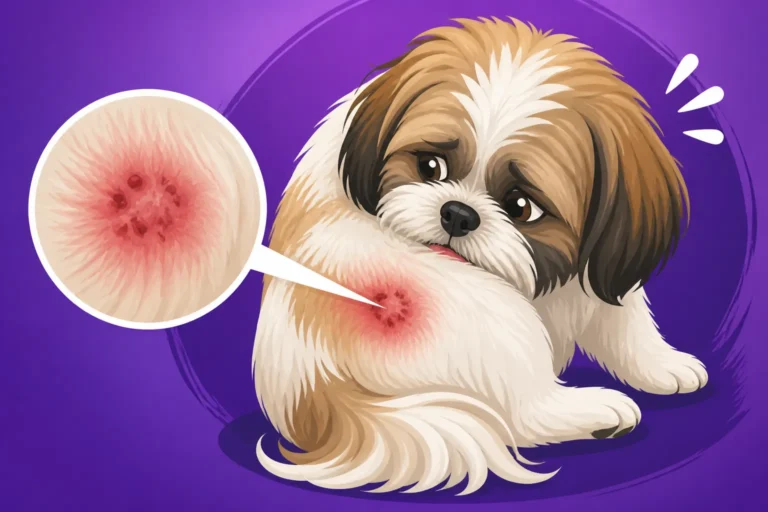
When we talk about "hot spots," we're really talking about something veterinarians call acute moist dermatitis or pyotraumatic dermatitis. In plain terms, it's an area of skin that becomes inflamed, red, raw, and often oozy, usually because your dog has been aggressively licking, chewing, or scratching it. It starts small, perhaps just a tiny itch, but the more they irritate it, the worse it gets, and the faster it spreads. It’s a vicious cycle where the itching leads to self-trauma, which in turn leads to more inflammation and even bacterial infection, making it even itchier.
Shih Tzus, with their luxurious double coats, are unfortunately prime candidates for developing these irritating lesions. That dense undercoat and long topcoat, especially if not meticulously maintained, can easily trap moisture, warmth, and irritants close to the skin. Imagine a little microclimate under all that hair, perfect for bacteria and yeast to thrive once the skin barrier is compromised. Things like minor insect bites, a stray burr from a walk, or even just a small mat pulling on the skin can be enough to start the itch.
Beyond their magnificent coats, Shih Tzus also have other predispositions. Many suffer from allergies, both environmental and food-related, which manifest as skin irritation. If your dog is constantly scratching or licking, but you can't see anything, it might be due to a hidden allergy simmering beneath the surface. This continuous, low-level irritation can easily escalate into a full-blown hot spot when given the right trigger. It’s important to remember that pet insurance providers like Healthy Paws often cover diagnostic tests and treatments for allergies, which can be a real lifeline when trying to get to the bottom of these persistent skin issues.
The Challenge of Spotting Hot Spots in a Full Shih Tzu Coat
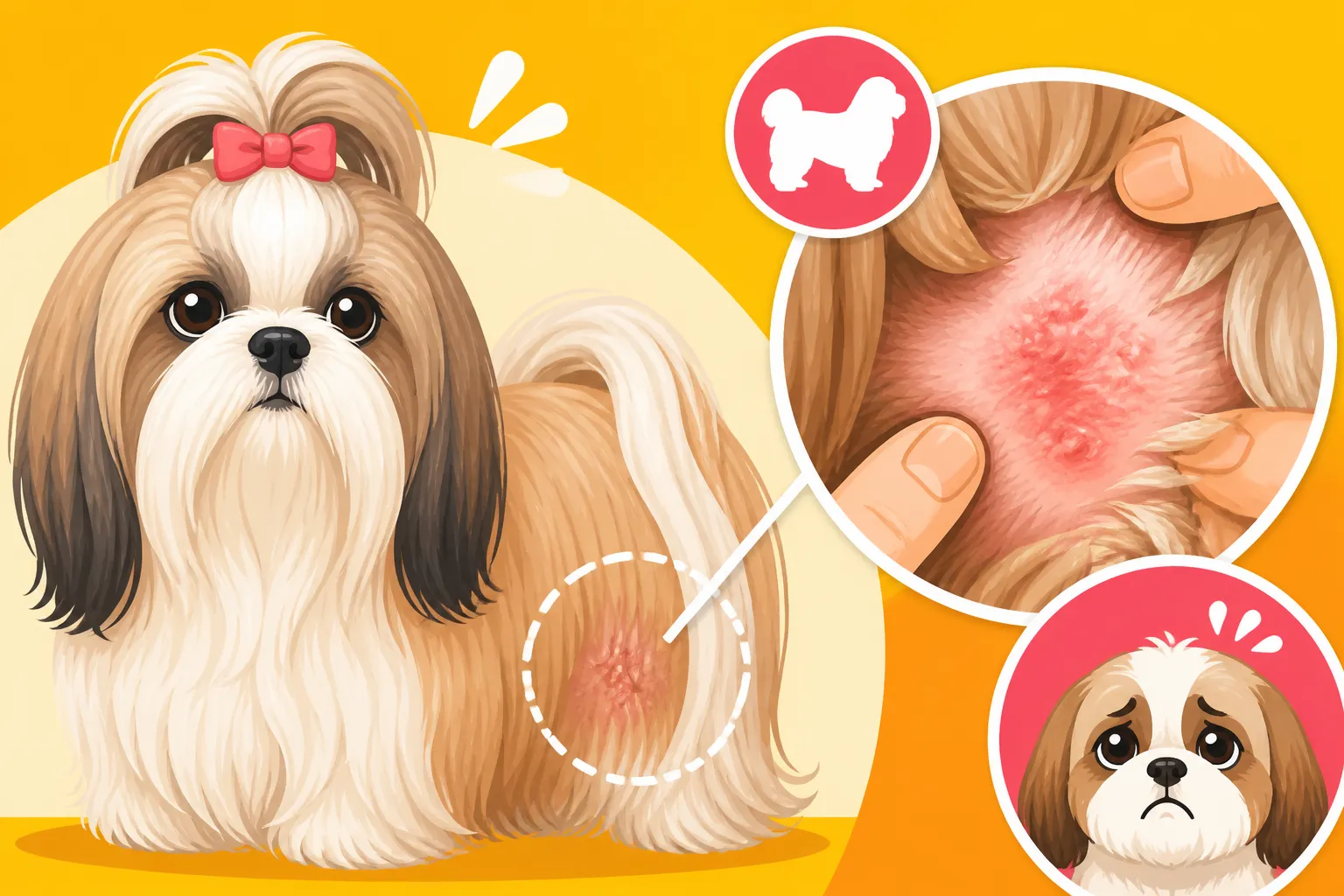
Identifying a hot spot early in a Shih Tzu is like trying to find a needle in a haystack—a very fluffy haystack. Their long, thick hair, especially if it's not brushed daily, can completely obscure these lesions until they're quite advanced and very painful for your dog. A small, innocent-looking patch of dampness or matted hair might be the only outward sign, but underneath, a significant infection could be brewing. This often means by the time you actually see the problem, it's already a full-blown crisis.
Instead of relying solely on visual inspection, which is incredibly difficult with a long-haired breed, you need to become a detective of behavioral cues and use your other senses. Is your Shih Tzu licking a particular spot on their leg, hip, or flank with unusual intensity? Are they chewing at their paws or scratching behind their ears more frequently than usual? These are often the first, subtle indicators that something is amiss. Sometimes, a sudden aversion to being petted in a certain area, or even a slight yelp when touched, can signal a painful hot spot developing underneath. You might notice your Shih Tzu scratching under a full coat quite furiously, but when you look, there's just hair.
Your sense of smell can also be a powerful diagnostic tool. Hot spots, particularly if they’ve been festering for a while, often develop a distinct, unpleasant odor—sometimes yeasty, sometimes just generally foul due to bacterial overgrowth. It's a smell that can permeate even through their dense fur, becoming more noticeable as the lesion worsens. Don’t ignore a new, strange scent coming from your dog, especially if it’s localized to one area. Beyond smell, a thorough tactile examination during your regular grooming routine is paramount. When you're running your hands through their coat, feeling for mats under a Shih Tzu's front legs or behind their ears, pay close attention to any areas that feel unusually warm, damp, or suddenly sensitive. You might feel a distinct scab, a sticky texture, or even a raised, swollen area hidden deep within the hair. This is why a consistent grooming schedule, which includes Brushing a Shih Tzu Double Coat Every Day, is not just for beauty but for health monitoring. Without that regular feel-through, these problems can quickly get out of hand, turning into something much more serious than they needed to be.
First Aid and Management for a Shih Tzu Hot Spot at Home
Discovering a hot spot on your Shih Tzu can be alarming, but acting quickly and correctly can make a huge difference in their comfort and recovery. Your immediate goal is to stop the cycle of self-trauma and create an environment where the skin can heal. The very first thing you need to do is clear the hair from around the hot spot. This might sound scary, especially if you're not used to clipping your dog, but it's absolutely crucial. That thick hair traps moisture and prevents air from reaching the lesion, exacerbating the problem. Using blunt-nosed scissors (to avoid accidental nicks) or a small clipper with a guard, carefully trim the hair back by at least an inch around the affected area. You want to expose the full extent of the hot spot and a good margin of healthy skin around it. If you're nervous, even just gently parting the hair and holding it back with hair ties can help, but removing it is best.
Once the area is visible, the next step is gentle cleaning. You can use a mild antiseptic solution, such as diluted chlorhexidine (available at most pet stores and pharmacies) or diluted povidone-iodine (which will stain the hair temporarily but is very effective). Mix according to package directions or your vet's advice. Gently dab the solution onto the hot spot with a clean cotton ball or soft cloth, removing any crusts, pus, or debris. Avoid rubbing aggressively, as this will only cause more pain and irritation. After cleaning, make sure the area is completely dry. Air drying is best, but a cool setting on a hairdryer, held at a distance, can also work. Remember, moisture is the enemy of a hot spot.
The most important, and often most challenging, part of home care is preventing your Shih Tzu from licking or chewing the area further. This self-trauma is what started the problem and will prevent it from healing. An Elizabethan collar (the "cone of shame") is usually the most effective solution, though some dogs tolerate soft recovery suits better. It might be uncomfortable for them at first, but it's essential for healing. While these initial steps can provide relief, it's really important to assess the severity. If the hot spot is large, very deep, extremely painful, rapidly worsening, or if your Shih Tzu shows other signs of illness like lethargy or fever, it's time to see your veterinarian. They can properly diagnose the extent of the infection, often prescribing oral antibiotics, anti-inflammatory medications (like steroids), or stronger topical treatments to get it under control. Always follow your vet's instructions precisely, as medication compliance is key to a swift recovery.
Here's a handy checklist for initial home care:
| Step | Action | Important Notes |
|---|---|---|
| 1. Assess & Clear Hair | Gently part/clip hair around the hot spot (at least 1 inch margin). | Use blunt-nosed scissors or clippers. Don't cut skin. Reveals full extent. |
| 2. Gentle Cleaning | Clean with diluted antiseptic (chlorhexidine/povidone-iodine). | Dab, don't rub. Remove crusts. |
| 3. Dry Thoroughly | Allow to air dry or use a cool hairdryer setting. | Moisture promotes bacterial growth. |
| 4. Prevent Licking | Apply Elizabethan collar (cone) or recovery suit. | Crucial to stop self-trauma. |
| 5. Monitor & Vet Consult | Watch for improvement. See vet if worsening, large, deep, or painful. | Vet may prescribe antibiotics, steroids, or stronger topicals. |
Preventing Future Hot Spots and Maintaining Skin Health
Once you've dealt with a hot spot, the last thing you want is for it to pop up again. Prevention is absolutely key, and it largely revolves around consistent, diligent care tailored to your Shih Tzu's unique needs. The cornerstone of prevention for a long-coated breed like the Shih Tzu is regular and thorough grooming. This means Brushing a Shih Tzu Double Coat Every Day to prevent mats, which can pull on the skin and create prime environments for irritation. It also means regular bathing every two to three weeks with a gentle, dog-specific shampoo, followed by meticulous drying right down to the skin to ensure no dampness remains to encourage bacterial growth. Many owners find that Choosing Between a Full Coat and a Puppy Cut can significantly reduce the risk of hot spots, as shorter hair is easier to keep clean and dry, though you'll want to consider Whether a Short Shih Tzu Cut Risks Sunburn in brighter weather. Regular professional grooming, perhaps Grooming a Shih Tzu Every Four to Six Weeks, can be invaluable here, as a good groomer can spot issues you might miss.
Beyond the coat, you need to think about what might be causing the initial itch or irritation. Many hot spots are triggered by underlying allergies – whether to specific ingredients in their food, pollen in the air, or even dust mites in your home. If your Shih Tzu is constantly A Shih Tzu Scratching Under a Full Coat or licking, it’s worth discussing allergy testing or an elimination diet with your vet. Trying An Elimination Diet Trial on a Shih Tzu can often help pinpoint food sensitivities that lead to Food Allergy Itching Under a Shih Tzu Coat. Don't underestimate the role of parasites either; a single flea bite can set off a chain reaction in an allergic dog, leading to relentless scratching and a hot spot. Ensure your Shih Tzu is on year-round, vet-approved flea, tick, and heartworm prevention. Regular ear cleaning, as part of The Weekly Shih Tzu Ear Routine, can also prevent ear infections that might cause scratching around the head, another common hot spot location.
Finally, consider their overall health and environment. A high-quality diet rich in omega fatty acids can support healthy skin and a robust coat. Providing a clean, dry living space, regularly washing their bedding, and minimizing exposure to known irritants (like certain cleaning products or heavy perfumes) can also make a difference. If you know your dog is prone to a specific area of irritation, you might consider protective measures like lightweight shirts or booties during peak allergy seasons, always under veterinary guidance. The key is to be proactive, observant, and consistent in your care. Catching a tiny bit of redness or a slight increase in licking early can prevent a minor irritation from blossoming into a full-blown, painful hot spot. And remember, having pet insurance like Healthy Paws can provide peace of mind for covering recurring vet visits and specialized treatments if your Shih Tzu develops chronic skin issues or allergies, ensuring they get the best possible care without financial stress.
Disclaimer
Please remember that the information provided in this article is intended for general guidance and informational purposes only, and does not constitute professional veterinary advice. Always consult with a qualified veterinarian for any health concerns or before making any decisions related to your Shih Tzu's medical care.