An Elimination Diet Trial on a Shih Tzu
It's incredibly frustrating when your sweet Shih Tzu is constantly scratching, licking their paws raw, or dealing with an upset tummy, and you just can't pinpoint why. You've tried different things, maybe even switched foods a few times, but nothing seems to make a lasting difference, leaving both you and your furry companion feeling miserable. This guide will walk you through the process of an elimination diet trial, a systematic approach to uncover if food allergies are the root cause of your Shih Tzu's persistent discomfort.
Understanding Shih Tzu Food Allergies
Shih Tzus, with their charming dispositions and flowing coats, are delightful companions, but like many purebred dogs, they can be prone to certain health issues, including allergies. When we talk about food allergies in Shih Tzus, we're not just talking about a mild upset stomach after eating something new; we're often looking at an immune system overreaction to specific ingredients. This can manifest in a variety of uncomfortable ways that can significantly impact their quality of life. Owners often feel helpless watching their beloved pet suffer, wishing they could understand what's truly bothering them.
Common Symptoms of Food Sensitivities in Shih Tzus
Identifying food sensitivities in a Shih Tzu can be tricky because the symptoms often overlap with other conditions, such as environmental allergies or parasitic infections. However, there are some tell-tale signs that might point towards a food-related issue. One of the most common indicators is persistent, non-seasonal itching and scratching, often around the face, ears, paws, and under the tail. You might notice your Shih Tzu constantly rubbing their face on the carpet, gnawing at their paws until they're red and irritated, or shaking their head due to itchy ears. This isn't just a minor annoyance; it can lead to secondary skin infections, hot spots, and chronic ear problems that require ongoing veterinary care. You might find yourself saying, "My Shih Tzu is scratching under a full coat all the time!"
Beyond skin issues, gastrointestinal upset is another frequent symptom. This could mean chronic or intermittent diarrhea, vomiting, excessive gas, or even constipation. Sometimes, owners don't realize these digestive issues are connected to food sensitivities, dismissing them as isolated incidents. You might also observe changes in coat quality, like dullness or excessive shedding, or even Sores a Shih Tzu Chews Into Its Own Skin. An increase in Shih Tzu Ear Infections That Keep Returning could also be a clue, as chronic ear inflammation is a classic sign of underlying allergies, food or otherwise. It's a frustrating cycle where one problem leads to another, and you're left wondering if your furry friend will ever truly feel comfortable in their own skin.
The Difference Between Food Allergy and Intolerance
It's important to understand the distinction between a true food allergy and a food intolerance, as the mechanisms and severity can differ, though the symptoms might seem similar to an owner. A true food allergy involves an immune system response. When your Shih Tzu eats an ingredient they're allergic to, their body mistakenly identifies it as a threat and launches an attack, releasing histamines and other chemicals. This immune reaction is what causes the intense itching, swelling, and inflammation we often associate with allergies. It can be quite severe, potentially leading to anaphylaxis in rare, extreme cases, though this is less common with food allergies than with insect stings or medications.
On the other hand, a food intolerance is a digestive issue, not an immune one. It means your Shih Tzu's digestive system struggles to process a particular ingredient. For example, they might lack the enzymes needed to break down lactose, leading to digestive upset after consuming dairy. While uncomfortable, food intolerance doesn't typically trigger the widespread immune response seen in allergies. Symptoms are usually limited to gastrointestinal signs like vomiting, diarrhea, or gas. Both conditions, however, require identifying the offending ingredient to provide relief. An elimination diet helps uncover both scenarios, offering a path to understanding what your Shih Tzu's body simply cannot handle, whether it's an immune reaction or a digestive protest.
Preparing for the Elimination Diet Trial
Embarking on an elimination diet for your Shih Tzu is a significant commitment, but it's often the most reliable way to identify food sensitivities. It's not something to jump into blindly, though. Proper preparation is crucial to ensure the trial is effective and to avoid unnecessary stress or health risks for your pet. Think of it as detective work, where you're meticulously controlling every variable to get a clear answer. This phase sets the groundwork for success, so don't rush it.
Consulting Your Veterinarian
Before you even think about changing your Shih Tzu's diet, the absolute first step is a thorough consultation with your veterinarian. This is non-negotiable. Your vet needs to rule out other potential causes for your Shih Tzu's symptoms, which could include parasites, bacterial or yeast infections, or environmental allergies like pollen or dust mites. Often, multiple issues can be at play, and addressing only one won't bring full relief. For example, a Shih Tzu might have both environmental allergies and food sensitivities. Your vet might recommend skin scrapings, cytology tests for skin and ear infections, or even blood tests to get a complete picture.
They can also guide you on choosing the most appropriate type of elimination diet – whether that's a novel protein diet, a hydrolyzed protein diet, or even a home-cooked option. They'll help you assess your Shih Tzu's overall health, ensure they don't have any pre-existing conditions that might complicate the diet, and advise on Daily Calories for a Twelve Pound Shih Tzu to prevent weight fluctuations during the trial. Without your vet's guidance, you could inadvertently put your Shih Tzu at risk or misinterpret the results, prolonging their discomfort. They're your expert partner in this journey.
Identifying Potential Allergens
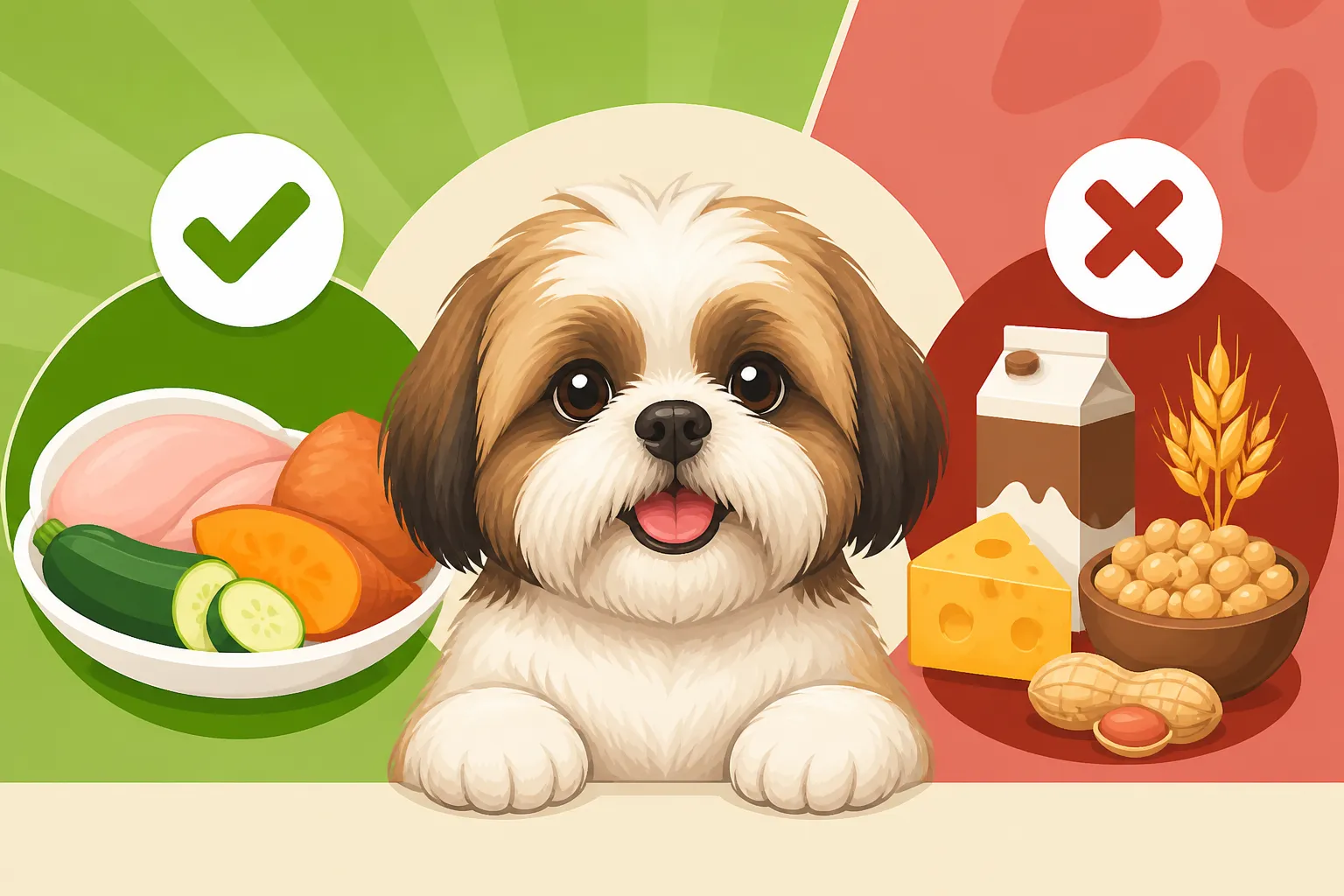
To conduct an effective elimination diet, you need to understand what your Shih Tzu has been eating historically. This means meticulously reviewing the ingredient lists of everything they consume: their regular kibble, wet food, all treats, dental chews, table scraps, and even flavored medications or supplements. Common allergens for dogs often include beef, chicken, dairy, wheat, soy, and corn. Because these are such prevalent ingredients in commercial pet foods, your Shih Tzu has likely been exposed to many of them.
The goal of the elimination diet is to remove all suspected allergens and introduce a "novel" protein and carbohydrate source – something your Shih Tzu has never eaten before. If your Shih Tzu has been on a chicken-based food for years, chicken is a prime suspect to eliminate. If they've had treats with wheat, wheat goes on the 'avoid' list. This requires a bit of detective work on your part, going through past food bags or checking purchase history on sites like Chewy or Amazon to compile a comprehensive list of ingredients your dog has encountered. The more thorough you are in identifying these past exposures, the more successful your elimination diet will be.
Choosing a Novel Protein and Carbohydrate Source
This is the cornerstone of the elimination diet. A "novel" protein is one your Shih Tzu has never been exposed to before, and therefore, their immune system shouldn't have developed an allergic response to it. Common choices for novel proteins include duck, venison, rabbit, kangaroo, or even alligator. For carbohydrates, common options are sweet potato, potato, tapioca, or green peas. You'll want to avoid common grain sources like corn, wheat, or rice, as these can also be allergens.
There are two main routes here:
- Commercial Limited Ingredient Diets (LID): Many brands offer LIDs specifically formulated with novel proteins and single carbohydrate sources. These are convenient and nutritionally balanced. When browsing online at retailers like Chewy, you'll find a wide array of limited-ingredient kibbles and wet foods designed for sensitive dogs. Just make sure to scrutinize the ingredient list to ensure it truly contains only novel ingredients and no hidden allergens.
- Home-cooked Diet: Under strict veterinary guidance, you can prepare a home-cooked diet using a single novel protein and a single novel carbohydrate. This route gives you ultimate control over ingredients, but it must be balanced nutritionally, which is why vet consultation is critical. Brands like Ollie offer fresh food subscriptions that, while not typically "novel protein" in their standard offerings, can sometimes be customized or provide single-protein options that might work if your vet approves a specific ingredient combination.
Here’s a quick overview of common allergens versus novel options to consider:
| Category | Common Potential Allergens (Avoid During Trial) | Novel Protein Options (Vet-Approved) | Novel Carbohydrate Options (Vet-Approved) |
|---|---|---|---|
| Proteins | Chicken, Beef, Dairy, Lamb, Egg, Fish, Pork | Duck, Venison, Rabbit, Kangaroo, Alligator | N/A |
| Carbohydrates | Wheat, Corn, Soy, Rice, Barley | Sweet Potato, Potato, Tapioca, Green Peas | N/A |
Remember, the success of the trial hinges on choosing truly novel ingredients, so be incredibly diligent in your selection and cross-reference with your Shih Tzu's dietary history.
Executing the Elimination Diet Trial
Once you've prepared and chosen your novel diet, the real work begins: meticulously executing the trial. This phase requires discipline, consistency, and a sharp eye for detail. Any deviation, no matter how small it seems, can compromise the entire trial and force you to start over, which is frustrating for everyone involved. Your Shih Tzu is depending on you to be their advocate through this process.
Strict Adherence is Key
This is arguably the most challenging part for many owners, but it's absolutely paramount. For the duration of the elimination diet, your Shih Tzu can eat nothing outside of the chosen novel protein and carbohydrate food. And when I say nothing, I mean nothing. This includes:
- All other pet foods: No sneaking a bite of another dog's food.
- Treats: Even seemingly innocent treats are out. Many contain hidden proteins, grains, or flavorings that could trigger a reaction.
- Table scraps: This is a big one. No matter how much they beg, absolutely no human food, not even a tiny crumb. Your sweet Shih Tzu is particularly good at looking pathetic, but you must resist!
- Flavored medications or supplements: If your Shih Tzu is on any medications or supplements, check with your vet to ensure they don't contain any potential allergens. Some chewable pills, for instance, are flavored with beef or chicken. Your vet might need to prescribe unflavored alternatives or a different form of medication.
- Dental chews/toys: Even some dental chews or edible toys contain ingredients that can cause a reaction. Stick to non-edible toys only.
Think of your Shih Tzu's bowl as a sterile environment for the next few months. Every single thing that goes into their mouth must be accounted for and approved as part of the novel diet. Even a tiny piece of kibble dropped on the floor from an old bag could contaminate the trial. If you have multiple pets, you might need to feed them separately or supervise closely. This level of strictness is tough, but it's the only way to get accurate results and truly help your Shih Tzu find relief from their Food Allergy Itching Under a Shih Tzu Coat.
The Duration of the Trial
A common mistake owners make is stopping the elimination diet too soon. It takes time for the body to clear out old allergens and for the immune system to calm down. Typically, an elimination diet trial needs to be maintained strictly for a minimum of 8 to 12 weeks. Yes, that's two to three months of absolute vigilance!
Why so long? Because symptoms, especially skin-related ones, can take weeks to resolve even after the offending allergen has been removed. You might see some improvement in the first few weeks, but full resolution of chronic itching, ear infections, or paw licking often takes longer. If you stop too early, you might not see the full potential of the diet and mistakenly conclude that food isn't the problem, when in fact, you just didn't give it enough time. During this period, keep a detailed journal of your Shih Tzu's symptoms, noting any improvements or setbacks. This record will be invaluable when you discuss progress with your veterinarian.
Reintroducing Foods Carefully
Once your Shih Tzu's symptoms have significantly improved or completely resolved after the 8-12 week elimination period, you enter the "challenge" phase. This is where you systematically reintroduce ingredients one by one to identify the specific culprits. This phase is just as important as the elimination phase, as it confirms what your Shih Tzu is reacting to.
Here’s how it usually works:
- Choose one suspected allergen: Pick an ingredient that was common in your Shih Tzu's previous diet, like chicken or beef.
- Introduce it gradually: Feed a small amount of this single ingredient (e.g., plain boiled chicken, or a treat containing only chicken) along with their novel diet for 7-14 days.
- Monitor closely: Watch for the return of any original symptoms. Does your Shih Tzu start A Shih Tzu Scratching Under a Full Coat again? Does their tummy get upset? Do they begin A Shih Tzu Licking Its Paws Raw? Record everything in your journal.
- Remove and wait: If symptoms return, that ingredient is a confirmed allergen. Remove it immediately and return to the novel diet until all symptoms resolve again (which might take a few days or weeks).
- Repeat: Once symptoms are gone, move on to challenging with the next single ingredient.
It’s crucial to introduce only one ingredient at a time and wait long enough to observe a reaction. If you introduce multiple things at once and your Shih Tzu reacts, you won't know which ingredient caused the problem. This phase can be slow and requires patience, but it provides the answers you've been seeking.
What to Do After the Trial
Completing an elimination diet trial is a huge accomplishment and a testament to your dedication as a Shih Tzu owner. The hard work of strict feeding and meticulous observation now pays off in clarity. But the journey doesn't end when the challenge phase is over; it transitions into a new understanding of your Shih Tzu's dietary needs and how to manage them long-term.
Interpreting the Results
The information gathered during the elimination and challenge phases is gold. If your Shih Tzu's symptoms significantly improved or disappeared during the strict elimination diet, and then reappeared when you reintroduced specific ingredients, you've successfully identified one or more food allergies or intolerances. For example, if your Shih Tzu's chronic ear infections finally cleared up during the duck and sweet potato diet, and then flared right back up a week after you gave them a chicken treat, you know chicken is likely a problem.
Sometimes, the results aren't as clear-cut. Perhaps some symptoms improved, but not entirely, suggesting multiple issues (like both food and environmental allergies). This is where your detailed journal and ongoing discussions with your veterinarian are essential. They can help you interpret subtle changes, discern patterns, and decide on the next steps. Don't feel discouraged if it's not a perfect "aha!" moment; even partial improvement or narrowing down the list of suspects is valuable progress. This process gives you a roadmap, revealing exactly which ingredients your Shih Tzu's body simply cannot tolerate.
Long-Term Dietary Management
Once you've identified your Shih Tzu's trigger ingredients, the goal is to formulate a long-term maintenance diet that avoids them completely. This might mean sticking with a commercial limited ingredient diet that features novel proteins like duck or venison, or continuing with a carefully balanced home-cooked diet. Many owners find success with specific prescription diets designed for allergies, which are highly digestible and contain hydrolyzed proteins (proteins broken down into tiny pieces so the immune system doesn't recognize them as allergens).
Reading pet food labels will become second nature. You'll need to scrutinize every ingredient, checking for hidden sources of allergens. For instance, "natural flavors" or "animal digest" can sometimes contain components of common allergens. Websites like Amazon and Chewy often provide detailed ingredient lists, making it easier to research products thoroughly before purchasing. When selecting Novel Proteins for a Shih Tzu That Scratches, remember that what's "novel" for one dog might not be for another.
Even treats need careful consideration. Look for single-ingredient treats (e.g., freeze-dried salmon or sweet potato) or specific hypoallergenic treats that avoid the identified allergens. It’s also important to continue regular vet check-ups to monitor your Shih Tzu's health and ensure their new diet is meeting all their nutritional needs. This ongoing vigilance ensures your Shih Tzu can live a comfortable, itch-free, and happy life, free from the discomfort of their specific food sensitivities.
Disclaimer
This article is for general informational purposes only and does not constitute professional advice. Laws, prices and regulations vary by location and change over time. Consult a qualified professional for guidance on your specific situation.