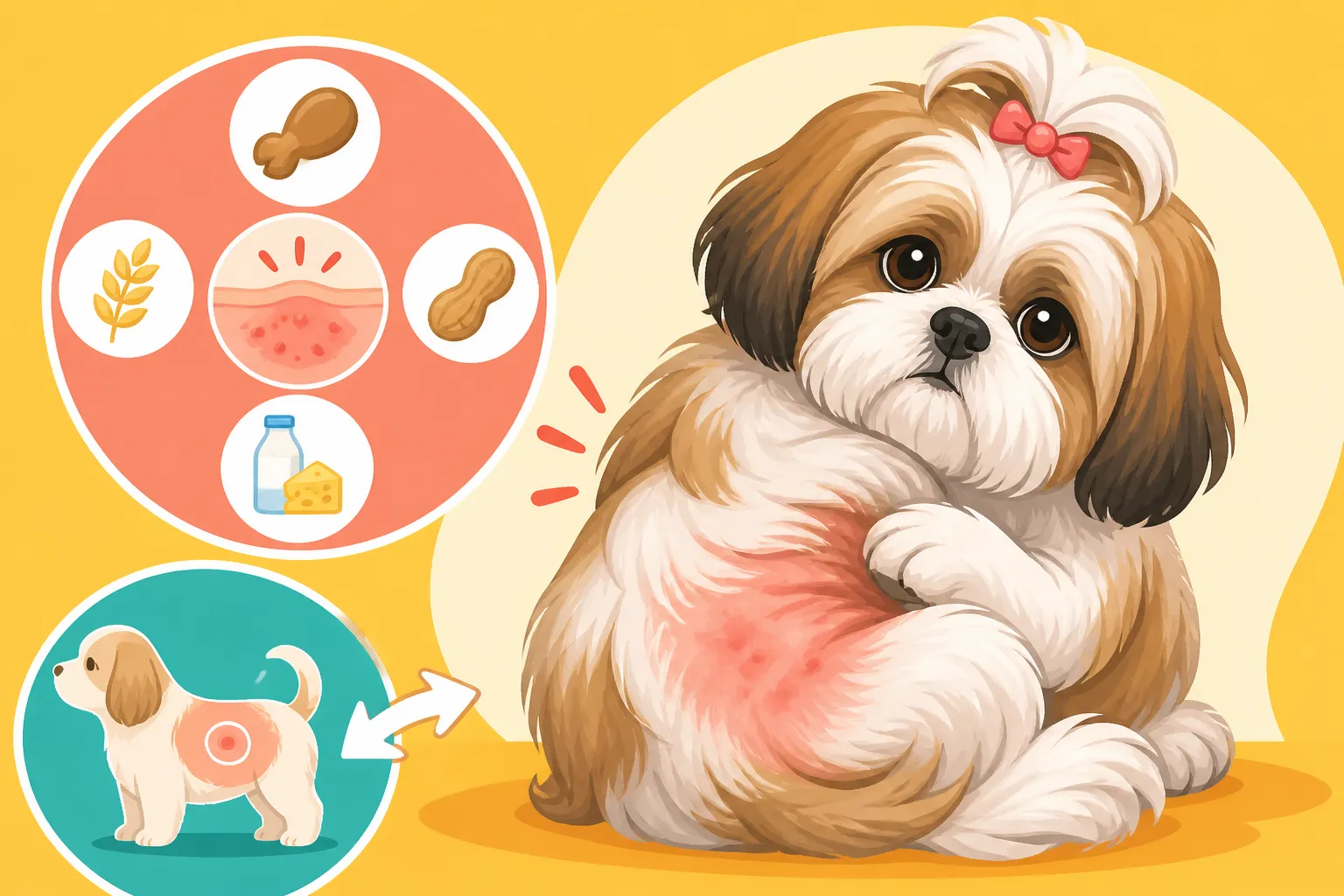
Food Allergy Itching Under a Shih Tzu Coat
Oh, the itch! There are few things as frustrating for a Shih Tzu owner as watching their beloved fluffy companion scratch incessantly, often to the point of redness or scabs, only to feel helpless in finding the root cause. You try different shampoos, brush more diligently, and still, that persistent discomfort lingers beneath that beautiful double coat. This guide is here to walk you through understanding, identifying, and effectively managing food allergies in your Shih Tzu, bringing much-needed relief to both of you.
The Frustration of Persistent Shih Tzu Itching
It’s easy to dismiss a little scratch here and there; after all, dogs scratch, right? But for many Shih Tzu owners, the scratching goes beyond normal and becomes a chronic, irritating ordeal that impacts their dog's comfort and their own peace of mind. You start noticing the subtle signs – a quick paw lick that turns into an obsessive gnawing, a gentle rub against the furniture becoming a full-body drag, or a frantic ear flap.
The real frustration often comes from the sheer difficulty in pinpointing why your sweet Shih Tzu is so itchy. Is it the season? Is it a flea (even though you've treated for them religiously)? Is it something in the air, or is it something in their bowl? The sheer volume of variables can make you feel like you’re playing detective without any clear clues, and the constant worry about their discomfort is truly draining.
Beyond the Obvious: Why a Shih Tzu's Itch is Tricky
Shih Tzus, with their luxurious double coats and sometimes stoic nature, can make identifying subtle discomfort even harder. Unlike a short-haired breed where a red patch or a rash is immediately visible, a Shih Tzu's thick fur can hide a multitude of skin issues until they become quite advanced. You might feel a lump or a moist spot while brushing, only to discover a full-blown hot spot that's been festering unseen. This delay in detection means that by the time you notice something, the irritation has often escalated significantly.
Moreover, their flat faces, while adorable, can sometimes lead to localized skin folds around the muzzle that can trap moisture and allergens, contributing to irritation that might seem separate from a broader food allergy but is, in fact, exacerbated by it. This unique physical makeup means that what might be a simple case of dry skin in another breed can become a complicated, multi-layered problem for a Shih Tzu, requiring a more thorough and patient approach to diagnosis and treatment.
The Misleading Mask of a Beautiful Coat
That glorious, flowing coat that makes our Shih Tzus so captivating can also be a master of disguise. Beneath the silky top layer and the dense undercoat, skin inflammation, dryness, flaking, and even open sores can develop largely unseen. You might notice dullness in the coat, excessive shedding, or a greasy texture, but the extent of the skin issues often remains hidden until grooming time, or until the itching becomes so severe that your dog breaks through the barrier of their fur.
For instance, a Shih Tzu might develop deep, painful mats in areas where they scratch or lick excessively, such as behind the ears or under the armpits. These mats then pull on the skin, exacerbating the irritation and making it a vicious cycle. What looks like a matted spot on the surface could be concealing a raw, infected patch of skin underneath. Understanding this "masking" effect is crucial because it means you need to be extra vigilant during your daily Brushing a Shih Tzu Double Coat Every Day routine, using your hands to feel for any abnormalities as you work through their fur. The coat isn't just for beauty; it's also a crucial indicator of internal health, and persistent itching is a red flag you simply cannot ignore.
Understanding Food Allergies in Shih Tzus
When your Shih Tzu is constantly scratching, licking, or chewing, a food allergy might be higher on the list of suspects than you think. Unlike a food intolerance, which might cause an upset stomach, a true food allergy is an immune system response to a protein in their diet, leading to a variety of symptoms, most notably skin issues. Their immune system mistakenly identifies a harmless ingredient as a threat, launching an attack that manifests as inflammation and itchiness.
It’s important to remember that food allergies don't develop overnight. A dog can eat the same food happily for years before suddenly developing an allergy to one of its ingredients. This is why it can be so confusing for owners when their dog, who has been on the same kibble forever, suddenly starts showing severe skin problems. The immune system becomes sensitized over time, eventually reaching a tipping point where it reacts vigorously to the offending protein.
How Food Allergies Manifest Differently
While itching is the hallmark symptom, food allergies in Shih Tzus aren't always just about the skin. They can present in a surprising array of ways, making diagnosis challenging. You might notice:
- Generalized Itching: This is the most common sign, affecting the whole body, but often concentrated around the ears, paws, groin, and under the tail. Your Shih Tzu might scratch their ears, shake their head, or lick their paws raw. This constant scratching can lead to secondary infections, like yeast or bacterial ear infections, creating a foul odor or a greasy discharge. This can sometimes be confused with general Shih Tzu Ear and Skin Infections Under the Coat.
- Skin Issues: Beyond just itching, you might observe redness, rashes, bumps, dry or flaky skin, or even greasy patches. Sometimes, small scabs or crusts appear where your dog has bitten or scratched themselves. Chronic inflammation can also lead to thickened, leathery skin, especially in consistently irritated areas.
- Gastrointestinal Problems: Although less common than skin symptoms, some Shih Tzus with food allergies will also experience digestive upset, such as vomiting, diarrhea, frequent bowel movements, or excessive gas. These signs can sometimes be subtle, like soft stools rather than full-blown diarrhea.
- Other Symptoms: Less frequently, food allergies can manifest as chronic ear infections (even without much scratching), anal gland issues (as the inflammation can affect the surrounding tissues), or even respiratory problems like chronic sneezing or coughing.
Here’s a quick overview of how food allergy symptoms often differ from common environmental allergies:
| Symptom Category | Food Allergy Manifestation | Environmental Allergy (Atopy) Manifestation |
|---|---|---|
| Itching Location | Often generalized, but common around ears, paws, groin, under tail; can be non-seasonal. | Often seasonal, concentrated on paws, belly, armpits, face, ears. |
| Skin Appearance | Redness, rashes, scabs, dry/flaky patches, secondary infections (bacterial/yeast). | Redness, inflammation, often with a "hot" feel; secondary infections common. |
| Ear Issues | Chronic ear infections (yeast or bacterial), often bilateral, can be the only sign. | Frequent ear infections, often seasonal, sometimes accompanied by other skin signs. |
| Gastrointestinal | Vomiting, diarrhea, gas, soft stools (can be primary or secondary). | Generally not present, unless related to stress or medication. |
| Onset | Can develop at any age, even after years on the same diet. | Typically develops between 1-3 years of age, often seasonal. |
| Response to Steroids | Variable, may provide temporary relief but symptoms often return quickly. | Often provides significant temporary relief during acute flare-ups. |
Common Food Allergens for Our Little Lions
Just like people, dogs can be allergic to a variety of ingredients, but certain proteins and carbohydrates tend to be more common culprits. For Shih Tzus, the most frequent offenders are often the very ingredients found in many commercial dog foods.
The top allergens typically include:
- Beef: This is surprisingly common, given its prevalence in dog foods.
- Dairy: Milk products can be problematic for many dogs, causing both skin and digestive issues.
- Chicken: Another very common protein source that can trigger allergies.
- Wheat: A common carbohydrate and filler, wheat gluten can be a significant allergen.
- Soy: Often used as a protein booster or filler, soy is another frequent allergen.
- Lamb: While often touted as a "hypoallergenic" option, some dogs can still be allergic to lamb.
- Corn: Like wheat, corn is a common filler that can cause issues.
It's less common for a dog to be allergic to fats, preservatives, or artificial colors, though sensitivities can exist. What's crucial to understand is that it's almost always the protein in an ingredient that triggers the immune response. So, if your Shih Tzu is allergic to chicken, it's not the whole chicken, but specific proteins within it that cause the reaction. This distinction is vital when considering specialized diets, which we'll discuss shortly.
The Elimination Diet: Your Best Diagnostic Tool
When you suspect a food allergy in your Shih Tzu, the gold standard for diagnosis isn't a blood test or a skin prick test (these are often unreliable for food allergies in dogs). It’s an elimination diet trial. This process requires patience, strict adherence, and a bit of detective work, but it is by far the most accurate way to identify which food ingredients are causing your Shih Tzu's discomfort. It's essentially a reset button for their immune system, designed to calm the allergic response and then carefully reintroduce foods to see what triggers a reaction.
I know, the thought of changing your dog's diet when you've finally found something they like can feel daunting. But think of it as a temporary diagnostic tool, a focused effort to bring lasting relief to your furry friend. It's not about finding a magic cure; it's about finding the specific irritant.
Preparing for a Successful Diet Trial
Before you even open a new bag of food, preparation is key. A successful elimination diet hinges on being incredibly strict and avoiding all potential allergens.
- Consult Your Vet: This is non-negotiable. Your veterinarian will rule out other causes of itching, like fleas, mites, or environmental allergies. They can also help you choose the most appropriate diet for the trial and guide you through the process. They might also suggest initial treatments for any secondary infections, as these can obscure the results of the diet trial.
- Choose the Right Food: The core of the elimination diet is a "novel protein" or "hydrolyzed protein" diet.
- Novel Protein Diet: This means feeding a protein source your dog has never eaten before. For many Shih Tzus, common proteins like chicken and beef are out. You might be looking at options like venison, duck, kangaroo, alligator, or even insect protein. The carbohydrate source also needs to be novel, such as sweet potato or pea.
- Hydrolyzed Protein Diet: These foods contain proteins that have been broken down into such tiny pieces that the immune system doesn't recognize them as allergens. This is often an excellent choice because it virtually eliminates the risk of an allergic reaction. Your vet will usually have specific recommendations for prescription hydrolyzed diets.
- Clean Out the Pantry: Every single food item your Shih Tzu might ingest must be replaced. This includes treats, chew toys (many rawhides and dental chews contain common allergens), table scraps, and even flavored medications or supplements. If another pet in the house gets treats, make sure your Shih Tzu can't sneak them.
- Inform Everyone: Make sure every family member, pet sitter, or visitor knows the rules. No cheating! Even a tiny bite of an old treat can derail weeks of effort.
- Be Patient: An elimination diet typically lasts for a minimum of 8-12 weeks, sometimes longer. You need to give your Shih Tzu's body enough time for the old allergens to clear out and for the inflammation to subside. Don't expect immediate results; improvements are often gradual.
Navigating the Challenges of Novel Proteins
Choosing a novel protein diet can sometimes feel like a treasure hunt, especially if your Shih Tzu has already been exposed to many different foods throughout their life. The goal is to find a protein and carbohydrate source that is truly "new" to their system. Many pet food brands, like those found on Chewy or even fresh food services like Ollie, offer novel protein options that might be suitable under veterinary guidance. However, be cautious: some "limited ingredient" diets available over the counter might still contain trace amounts of common allergens due to manufacturing processes.
When using a novel protein diet, remember that these can sometimes be more expensive or harder to find. It's crucial to read ingredient labels meticulously. Even if a bag proudly states "duck formula," it might still contain chicken meal or beef fat, which could ruin the trial. This is where your veterinarian's guidance on specific prescription novel protein diets becomes invaluable, as these are formulated with strict control over their ingredients to avoid cross-contamination. You might find yourself ordering specialized foods online through retailers like Amazon or Chewy, making sure you read reviews and product descriptions carefully to ensure suitability.
The Reintroduction Phase: Pinpointing the Culprit
Once your Shih Tzu's symptoms have significantly improved (or completely resolved) after 8-12 weeks on the elimination diet, you can begin the reintroduction phase. This is where you systematically test individual ingredients to identify the specific allergen.
- Introduce One Ingredient at a Time: Choose one potential allergen (e.g., chicken, beef, dairy) and feed it to your Shih Tzu in small amounts, alongside their novel or hydrolyzed diet, for about a week. You can offer a small piece of cooked chicken breast, for instance, if chicken is your test ingredient.
- Monitor Closely: Watch your Shih Tzu like a hawk during this week. Look for any return of itching, licking, ear infections, or digestive upset. Keep a detailed journal of what you feed and any symptoms you observe.
- If Symptoms Return: If your Shih Tzu's symptoms flare up, you've likely found a culprit! Stop feeding that ingredient immediately and return to the elimination diet until symptoms clear again. This confirms the allergy.
- If No Reaction: If there's no reaction after a week, that ingredient is likely safe. You can then move on to testing the next potential allergen, always returning to the elimination diet in between tests.
- The Goal: The aim is to build a list of safe ingredients and a list of problematic ones, allowing you to choose a long-term diet that avoids the identified allergens. This methodical approach, while time-consuming, provides clear answers and empowers you to feed your Shih Tzu with confidence.
Managing a Shih Tzu's Food Allergy Long-Term
Once you’ve successfully identified your Shih Tzu’s food allergens through an elimination diet, the journey isn't over, but it becomes much clearer. The goal now is to consistently avoid those trigger ingredients while ensuring your Shih Tzu receives complete and balanced nutrition. This requires a commitment to careful food selection and vigilance, but the reward is a happier, itch-free companion. Remember, managing a food allergy is a lifelong commitment, but one that drastically improves your dog's quality of life.
Choosing the Right Diet: Hydrolyzed vs. Novel Protein
After the elimination diet, you'll have a better idea of what ingredients your Shih Tzu reacts to. Now, you need to select a long-term diet that supports their health without triggering their allergies. There are generally two main categories of diets for ongoing management:
- Prescription Hydrolyzed Protein Diets: These diets, often recommended by your vet, remain an excellent long-term option. The proteins are so extensively broken down that they are "invisible" to the immune system, preventing an allergic reaction. These foods are rigorously tested to ensure no intact proteins are present. They are usually complete and balanced, designed to be fed exclusively without the need for additional supplements (unless specifically advised by your vet). Brands like Royal Canin or Purina offer excellent hydrolyzed options that can often be purchased through your vet or reputable online pharmacies like Chewy.
- Commercial Novel Protein Diets (Carefully Selected): If you identified a specific allergen (e.g., chicken), you can look for commercial diets that do not contain that ingredient. This is where the term "novel protein" comes back into play for everyday feeding. If your Shih Tzu reacted to common proteins, you might choose a diet based on duck, venison, or rabbit.
- Crucial Considerations: When choosing a commercial novel protein diet, extreme caution is necessary. Always read the ingredient list thoroughly. Look beyond the main protein source; check for hidden proteins in fats, flavorings, or "meal" ingredients. Ensure the brand has strong quality control to prevent cross-contamination from other product lines. Some fresh food services, such as Ollie, might be able to tailor recipes to avoid specific common allergens, offering another avenue to explore, but always discuss with your vet first to ensure it truly meets the 'novel' criteria for your specific dog.
Regardless of the choice, always transition your Shih Tzu to the new food slowly over several days to avoid digestive upset. This careful planning ensures that the allergen-free diet becomes a sustainable and positive change.
Supplementing for Skin Health and Comfort
While avoiding allergens is the primary goal, certain supplements can provide additional support for your Shih Tzu's skin barrier and overall comfort, especially during the initial recovery phase or if they have residual skin damage.
- Omega-3 Fatty Acids: Fish oil, rich in EPA and DHA, is a powerhouse for skin health. It helps to reduce inflammation, improve coat quality, and strengthen the skin barrier. Look for high-quality, vet-approved fish oil supplements. Amazon often has a wide selection, but always check for purity and dosage recommendations for your Shih Tzu's size and weight.
- Probiotics: A healthy gut microbiome plays a significant role in immune function and overall skin health. Probiotic supplements can help rebalance gut flora, which might be beneficial for dogs with chronic inflammation or a history of digestive upset.
- Antioxidants: Vitamins E and C, along with other antioxidants, can help protect skin cells from damage and support the healing process. These are often included in high-quality dog foods, but your vet might recommend additional supplementation.
- Topical Treatments: For localized hot spots or persistent dryness, your vet might recommend medicated shampoos, conditioners, or sprays. These aren't a cure for the food allergy but can provide symptomatic relief and help heal secondary infections. Remember that grooming is essential for a Shih Tzu, and maintaining a healthy coat can prevent issues from worsening. For more on coat health, you can read The Undercoat Does on a Shih Tzu.
Always discuss any supplements with your veterinarian before introducing them. They can advise on appropriate dosages, potential interactions, and whether they are truly necessary for your individual Shih Tzu's needs.
Practical Tips for a Food-Allergic Household
Living with a food-allergic Shih Tzu requires a few adjustments to your daily routine, but they quickly become second nature.
- Label Reading Mastery: Become an expert label reader. Assume nothing. Every treat, chew, medication, and food item must be scrutinized. If an ingredient is vague (e.g., "animal protein"), it's best to avoid it during the diagnostic phase or if you know your dog is highly sensitive.
- Designated Treats: Keep a stash of safe, single-ingredient treats (e.g., small pieces of cooked sweet potato or the specific novel protein you are feeding) readily available. If someone wants to give your Shih Tzu a treat, they know exactly what to offer.
- Mealtime Management: If you have multiple pets, feed your food-allergic Shih Tzu separately to prevent them from stealing food from other bowls. Consider using slow feeders or puzzle toys for their meals, which can also provide mental stimulation.
- Grooming Vigilance: Regular grooming is more important than ever. Use this time to inspect their skin closely for any signs of irritation, redness, or secondary infections. A good quality brush and comb are your best friends. Keeping Trimming Face Hair Away From Shih Tzu Eyes will also help with hygiene and prevent irritation.
- Educate Your Support Network: Make sure anyone who cares for your Shih Tzu – pet sitters, family, friends – understands the strict dietary requirements. Prepare pre-portioned meals or clearly labeled containers if your dog is staying elsewhere.
- Avoid Table Scraps: This is a tough one for many, but absolutely essential. A single morsel of human food can contain hidden allergens and derail all your hard work.
- "Accident" Protocols: Inevitably, there might be accidental ingestion. Don't panic. Simply return to the strict allergen-free diet, and closely monitor for any returning symptoms. It's a learning curve for everyone involved.
When It's Not Just Food: Differentiating Allergies
It's tempting to put all chronic itching down to food, especially when you're desperate for an answer. However, food allergies are just one piece of the puzzle. For Shih Tzus, other types of allergies, particularly environmental ones, are incredibly common and often present with similar symptoms. It's crucial to understand these distinctions to ensure you're addressing the correct underlying cause, or combination of causes. A thorough diagnostic process is essential, as misdiagnosis can lead to ongoing frustration and discomfort for your dog.
Sometimes, a Shih Tzu might have both food and environmental allergies, making the picture even more complicated. This is why working closely with your veterinarian is so important. They can help you systematically rule out each possibility and develop a comprehensive management plan. Without a proper diagnosis, you might be changing foods endlessly, only to find the itching persists because the real culprit is something else entirely.
Environmental Allergies: A Common Overlap
Environmental allergies, also known as atopy or atopic dermatitis, are incredibly prevalent in dogs, and Shih Tzus are unfortunately predisposed due to their genetics. These allergies are caused by inhaled or absorbed allergens from the environment, similar to hay fever in humans.
Common environmental allergens include:
- Pollen: From trees, grasses, and weeds, often seasonal.
- Dust Mites: Tiny organisms found in household dust, often year-round.
- Molds: Can be seasonal or year-round, depending on exposure.
- Dander: From other animals, even humans.
The symptoms of environmental allergies can mimic food allergies very closely:
- Itching: Often focused on the paws (licking and chewing), face (rubbing), ears (shaking, scratching), belly, and armpits.
- Skin Inflammation: Redness, hot spots, and secondary bacterial or yeast infections are common.
- Ear Infections: Chronic, recurring ear infections are a hallmark sign.
- Respiratory Issues: Less common in dogs than humans, but can include sneezing or a runny nose.
The key difference often lies in the seasonality (though dust mites and molds can be year-round) and the typical age of onset (usually between 1 and 3 years old). If your Shih Tzu's itching seems to wax and wane with the seasons, or if the elimination diet didn't completely resolve the issue, environmental allergies are a strong suspect. Diagnosis often involves a combination of ruling out other causes, intradermal skin testing, or blood tests to identify specific environmental triggers. Management typically involves medication (antihistamines, steroids, cyclosporine, or newer targeted immune therapies), allergen-specific immunotherapy (allergy shots), and diligent environmental control (e.g., frequent cleaning, air purifiers, wiping paws after outdoor excursions).
Other Causes of Itching Beyond Allergies
It's essential to remember that not all itching is allergy-related. There are several other conditions that can cause a Shih Tzu to scratch, and your vet will want to rule these out first.
- Parasites: This is always the first thing a vet will check. Fleas, mites (like Sarcoptes, Demodex, or Cheyletiella), and even some ticks can cause intense itching. Even if you use monthly preventatives, a single flea bite can trigger an allergic reaction in a flea-allergic dog. A good veterinarian will often perform skin scrapings or recommend appropriate parasite treatments to rule these out definitively. Ensuring your Shih Tzu Parasite Prevention at Low Weight is up to date is crucial.
- Skin Infections: Bacterial (pyoderma) and yeast (Malassezia) infections often develop secondary to allergies or other skin conditions, but they can also be primary causes of itching. They thrive in warm, moist environments (like under a thick Shih Tzu coat or in ear canals) and can cause redness, scabs, odor, and discomfort. These require specific medicated shampoos, antibiotics, or antifungal medications. You can learn more about managing these in Shih Tzu Ear and Skin Infections Under the Coat.
- Dry Skin: While often a symptom of underlying issues, sometimes plain old dry skin can cause mild to moderate itching, especially in arid climates or with improper grooming. Ensuring adequate humidity, a good quality diet, and appropriate shampoos can sometimes help.
- Hormonal Imbalances: Conditions like hypothyroidism (underactive thyroid) or Cushing's disease (overactive adrenal glands) can affect skin health, leading to dry, flaky skin, poor coat quality, and increased susceptibility to infections, all of which can cause itching. Your vet can perform blood tests to check for these conditions.
- Stress or Behavioral Issues: In some cases, dogs can over-groom or lick themselves excessively due to boredom, anxiety, or compulsive behaviors, leading to skin irritation. This is often a diagnosis of exclusion after all other medical causes have been ruled out.
By systematically addressing each potential cause of itching, with your veterinarian's guidance, you can narrow down the possibilities and get your beloved Shih Tzu the relief they desperately need. It's a journey, not a sprint, but your dedication will make all the difference in your little lion's comfort and well-being.
Disclaimer
This article is for general informational purposes only and does not constitute professional advice. Laws, prices and regulations vary by location and change over time. Consult a qualified professional for guidance on your specific situation.