Raw Food and a Shih Tzu Beard
Many of us pour over every decision when it comes to our beloved Shih Tzus, especially when it comes to their food. We want them to thrive, to have shiny coats, bright eyes, and boundless energy, and sometimes that leads us down the path of exploring raw feeding. But if you’ve ever pictured your adorable, long-bearded companion diving headfirst into a bowl of raw meat, you've probably also pictured the inevitable mess. This guide aims to tackle that very real dilemma, offering practical advice and insights on how to manage a raw diet for your Shih Tzu, specifically addressing the unique challenges presented by their magnificent facial hair.
Understanding Raw Diets for Shih Tzus
Before we even get to the beard, it’s essential to understand what a raw diet entails and why it appeals to so many pet parents. It’s a significant shift from traditional kibble, and it comes with its own set of considerations, especially for a small, unique breed like the Shih Tzu.
The Philosophy Behind Raw Feeding
Raw feeding, often referred to as BARF (Biologically Appropriate Raw Food) or PMR (Prey Model Raw), is based on the idea that dogs, as descendants of wolves, are anatomically designed to eat uncooked meat, bones, and organs. Proponents of raw feeding often point to a range of potential benefits, suggesting that it can lead to improved digestion, healthier skin and coat, cleaner teeth (though we’ll talk more about this later for Shih Tzus), increased energy, and even reduced stool volume. For many, it feels like getting back to nature, offering food in its most unadulterated form, free from fillers, artificial preservatives, and processing that can strip away vital nutrients.
The excitement often comes from seeing a noticeable difference in their dog’s vitality. Owners report everything from a softer, shinier coat – which is a big deal for a breed known for its luxurious locks – to more excitement at meal times. However, it's not just about throwing a steak in a bowl; a truly balanced raw diet requires careful planning to ensure your Shih Tzu receives all the necessary vitamins, minerals, and amino acids. It’s a commitment to understanding canine nutrition on a deeper level than simply scooping kibble.
Nutritional Considerations for a Small Breed
When you're dealing with a tiny powerhouse like a Shih Tzu, every calorie, every nutrient, matters. Their small size means they have faster metabolisms but also less reserve. This makes proper formulation of a raw diet even more critical. Unlike larger breeds that might have a bit more wiggle room for minor nutritional imbalances over a short period, a Shih Tzu needs precise nutrition to thrive.
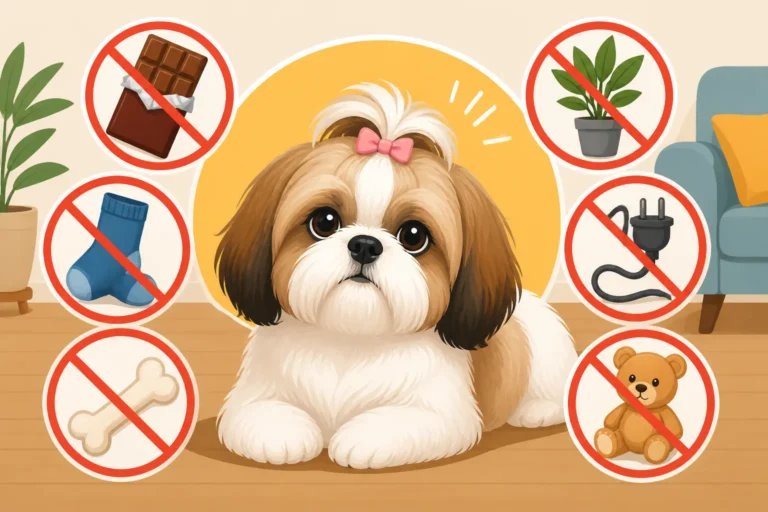
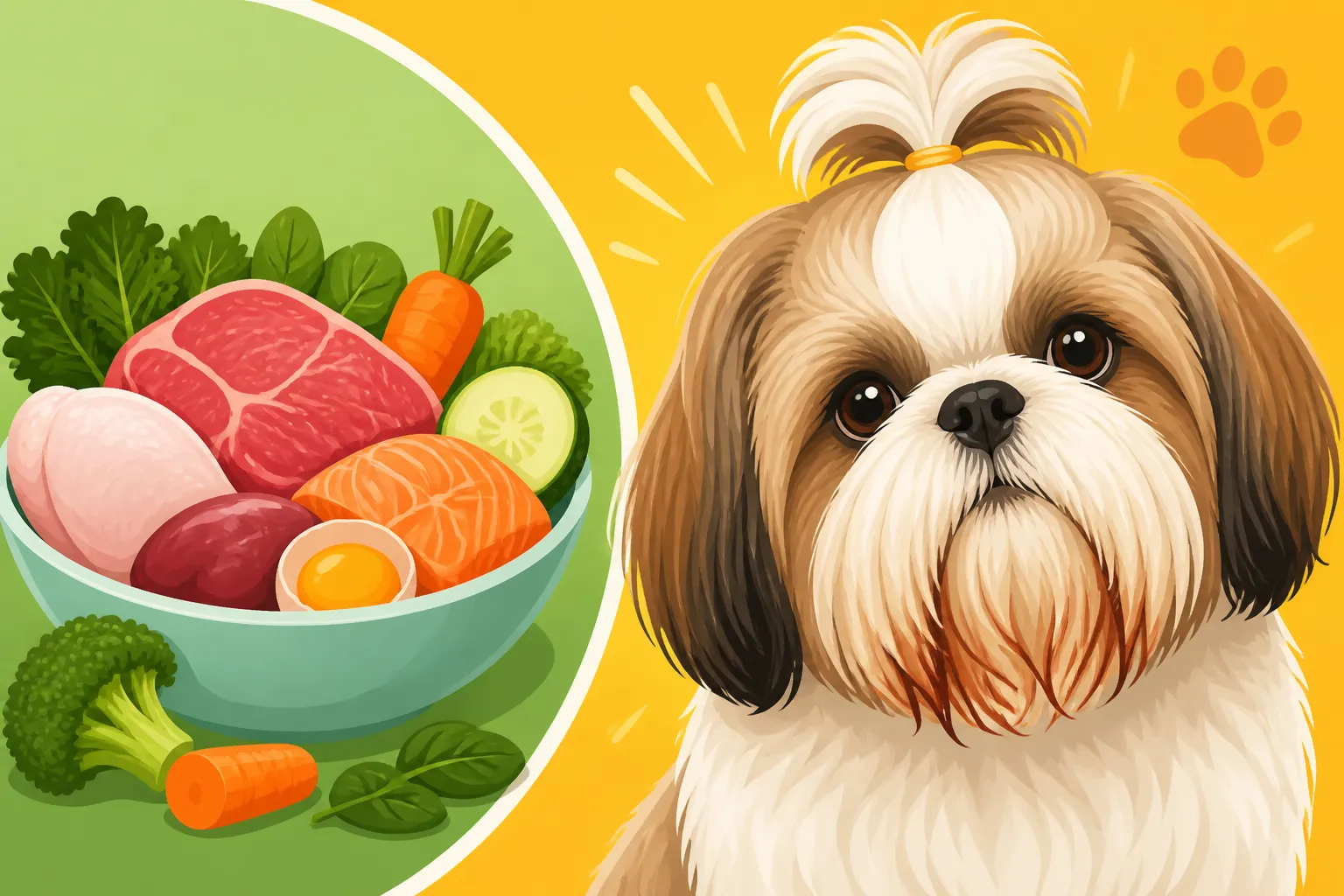
A balanced raw diet typically consists of about 70-80% muscle meat, 10-15% edible bone, and 5-10% organ meat (with half of that being liver). This isn't a hard and fast rule, and proportions can vary based on individual needs and the specific raw feeding philosophy you follow. For a Shih Tzu, you need to ensure the bone content is appropriate and the bones are small enough to be safely consumed without posing a choking hazard or causing dental damage to their Shih Tzu Tooth Crowding in a Tiny Jaw. Chicken necks, wings, or ground bone are often used. Many owners opt for commercially prepared raw diets (like those found on Chewy or from dedicated raw food brands such as Ollie) because they offer a convenient, pre-portioned, and nutritionally balanced solution, removing much of the guesswork. This is especially helpful for those who are new to raw feeding or concerned about getting the ratios just right for their small pup.
The Shih Tzu Beard and Raw Food Challenges
Now, let's address the elephant in the room – or rather, the magnificent beard on your Shih Tzu’s face. Their long, flowing hair is a hallmark of the breed, but it presents unique challenges when introducing a raw diet.
The Mess Factor: Why Beards Get Dirty
Imagine a child with spaghetti all over their face; now picture that, but with raw meat. A Shih Tzu's long, silky beard acts like a magnet for food. When they eat, their face hair dips into the bowl, picking up moisture, crumbs, and larger pieces of food. With kibble, it's usually just some dry dust, easily shaken off or wiped. With raw food – especially chunky, wet, or ground varieties – the problem is amplified tenfold.
Pieces of meat and organs can cling stubbornly to the hair, getting matted in, and if not immediately cleaned, they can dry and become even harder to remove. This isn't just an aesthetic issue; it's a significant hygiene concern. Their underbite can sometimes mean they scoop food into their beard rather than directly into their mouth, exacerbating the problem. Even the cleanest eaters will inevitably get some food on their beautiful beard, and a long, full coat only makes this worse. This challenge often leads owners to consider a Choosing Between a Full Coat and a Puppy Cut just to make life easier, even if they adore the long look.
Hygiene and Health Risks
Beyond the sheer mess, a dirty beard poses several health risks for your Shih Tzu. Raw meat, by its very nature, can contain bacteria such as Salmonella or E. coli. While a dog's digestive system is generally more robust than a human's, these bacteria can still cause problems.
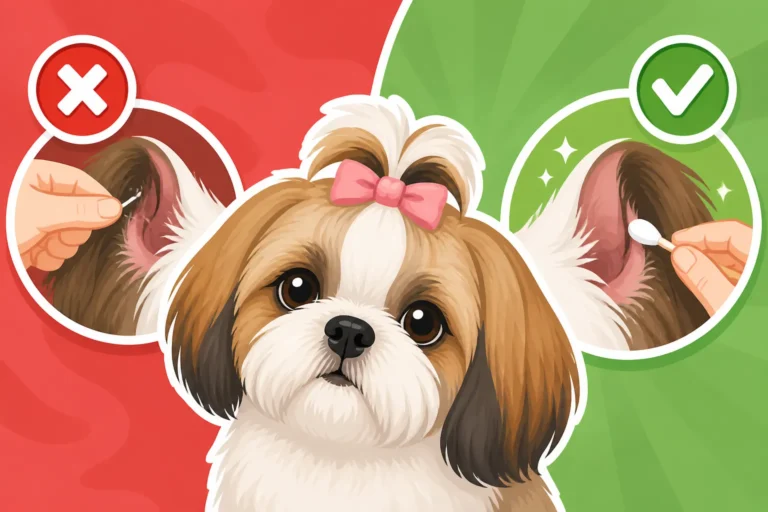
- Bacterial Growth: Leftover food particles and moisture trapped in the beard create a perfect breeding ground for bacteria and yeast. This can lead to skin irritation, foul odors, and even infections underneath the facial hair. It’s similar to how Shih Tzu Ear and Skin Infections Under the Coat can develop if hygiene isn't maintained in other areas.
- Skin Infections: Constant dampness and bacterial presence can irritate the delicate skin around your Shih Tzu’s mouth, leading to redness, inflammation, and hot spots. These can be incredibly uncomfortable for your dog and require veterinary attention.
- Odor: A beard laden with dried raw meat and bacteria will quickly develop an unpleasant smell, which, let's face it, isn't what you want when your Shih Tzu is snuggling on your lap.
- Eye Irritation: If food or bacteria get close to or into their prominent eyes, it can cause irritation or even lead to infections. Given how delicate Shih Tzu eyes are, this is a serious concern. Regular Washing a Shih Tzu Face After Every Meal becomes non-negotiable.
Practical Solutions for Raw Feeding a Bearded Shih Tzu
So, you’re committed to the raw diet, and you're determined to make it work despite the beard. The good news is, many Shih Tzu owners successfully feed raw food. It just requires a bit more intentionality and a consistent routine.
Mealtime Management Strategies
The key to minimizing mess starts before your Shih Tzu even takes a bite.
- The Mighty Snood: This is perhaps the most effective tool for protecting a long beard. A snood is a fabric tube that you slip over your dog’s head, gathering their ears and beard securely out of the way. It’s like a tiny chef’s hat for their face. You can find a variety of snoods on platforms like Amazon or Chewy, made from different materials. Ensure it's snug enough to stay put but not so tight that it's uncomfortable or restricts breathing. Introduce it slowly with positive reinforcement and treats so your pup associates it with mealtime goodies.
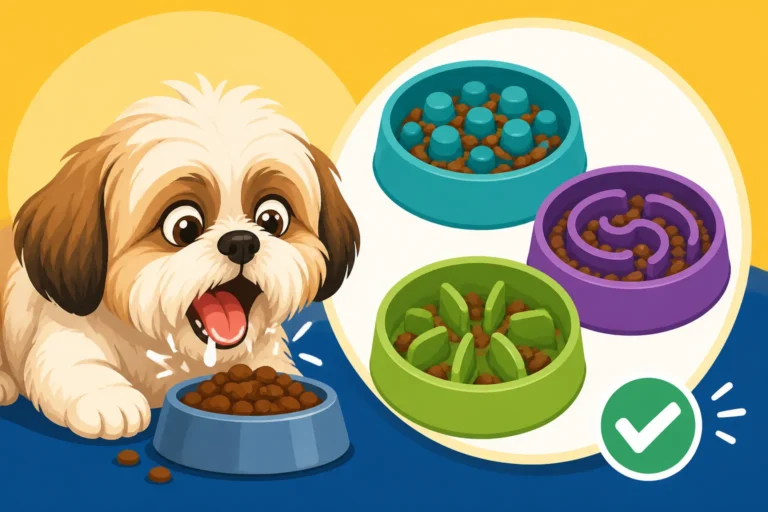
- Appropriate Bowls: Look for bowls designed to minimize mess. Raised bowls can help reduce how much your dog needs to bend, potentially keeping their beard out of the food. Tapered bowls, which are narrower at the bottom and wider at the top, or those with high sides, can also contain the food better. Some owners even use human salad bowls or smaller, deep ceramic bowls.
- "Hand Feeding" or Portion Control: Instead of putting a large, loose portion of raw food in a bowl, you can offer smaller, manageable pieces by hand or from a designated feeding spoon. This allows you to guide the food more directly into their mouth and minimizes the amount of food that can scatter or adhere to the beard. This method is more time-consuming but offers the most control.
- Designated Feeding Area: Choose a spot that’s easy to clean, such as a tiled floor or a large, washable mat. This way, any dropped pieces are contained and can be easily wiped away.
Post-Meal Cleaning Rituals
Once the meal is done, the work isn't over. A thorough cleaning routine is crucial.
- Immediate Wipe Down: As soon as your Shih Tzu finishes eating, gently wipe their beard and the area around their mouth with a warm, damp cloth. You can use plain water or a mild, dog-safe cleansing wipe. Be thorough but gentle, ensuring all visible food particles are removed.
- Dedicated Face Wash: For those on a full raw diet, a quick daily face wash might be necessary. Use a gentle, tearless dog shampoo specifically designed for facial areas. Lather a small amount, gently cleanse the beard, and rinse thoroughly to ensure no residue remains. Always dry the beard completely afterward to prevent dampness-related skin issues. Many owners find a Shih Tzu Shampoo and Conditioner Costs comparison helpful for budgeting this necessary routine.
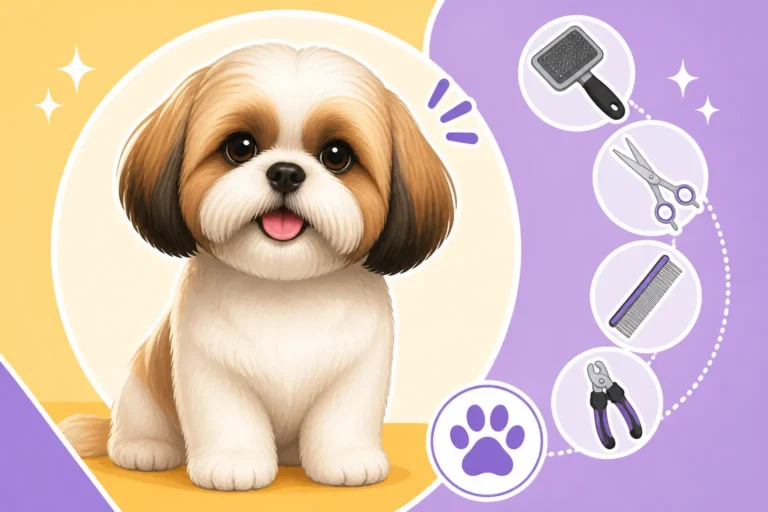
- Regular Brushing: After cleaning, or at least once a day, gently brush out the beard to prevent tangles and mats that could harbor food debris or bacteria. A fine-toothed comb or a small slicker brush works well for this delicate area.
- Keep a Short Beard: For some owners, the ultimate solution is a shorter beard. A "puppy cut" that includes trimming the facial hair significantly reduces the surface area available for food to cling to. This can drastically cut down on cleaning time and mess. While it changes the classic Shih Tzu look, many find the trade-off worthwhile for hygiene and convenience.
Alternative Raw Food Formats
Not all raw food is created equal when it comes to mess. Consider the form factor to make life easier.
- Ground Raw: This is often the least messy option. Finely ground meat, bone, and organ mixtures are easier for a Shih Tzu to eat without large chunks falling out or clinging to their beard. Many commercially prepared raw foods, like those from Ollie, come in this ground or patty form, making them more beard-friendly.
- Patties or Nuggets: Pre-portioned raw patties or frozen nuggets can be fed directly or slightly thawed. They can be easier to manage than loose ground meat or large, bone-in pieces.
- Smoother Textures: Some raw food brands offer mixes with a pâté-like consistency. These can be less likely to stick to the beard compared to more textured options.
- Avoid Large, Bone-In Pieces (Initially): While edible bones are a component of raw feeding, large, unwieldy bone-in cuts can be incredibly messy for a Shih Tzu and potentially pose choking hazards if not appropriate for their size. Stick to smaller, softer bones or ground bone as part of a balanced mix. This also helps protect their Shih Tzu Tooth Crowding in a Tiny Jaw from potential fractures.
| Raw Food Format | Beard Mess Factor | Ease of Feeding | Hygiene Consideration |
|---|---|---|---|
| Chunky Meat/Bones | High | Medium | Requires immediate, thorough cleaning; higher risk of debris. |
| Ground Raw | Low to Medium | High | Easier to wipe clean; less likely to leave large particles. |
| Patties/Nuggets | Low to Medium | High | Similar to ground, good for portion control, less scatter. |
| Smoother Pâté | Low | High | Very little sticking to hair; easiest to clean. |
Weighing the Pros and Cons
Deciding to feed your Shih Tzu a raw diet, especially with the added consideration of their magnificent beard, is a commitment. It’s important to look at both sides of the coin honestly.
Potential Benefits for Your Shih Tzu
For many raw feeders, the benefits they observe in their dogs are compelling enough to justify the extra effort. A raw diet, when properly balanced, can contribute to overall vitality. You might notice your Shih Tzu having a remarkably soft and shiny coat, often attributed to the high-quality proteins and essential fatty acids in raw meat. Owners frequently report improved digestion, evidenced by smaller, firmer, less odorous stools. This can be a huge plus! Some believe it helps maintain a healthy weight and muscle tone, which is vital for preventing Shih Tzu Obesity on a Sixteen Pound Frame and protecting their delicate spines.
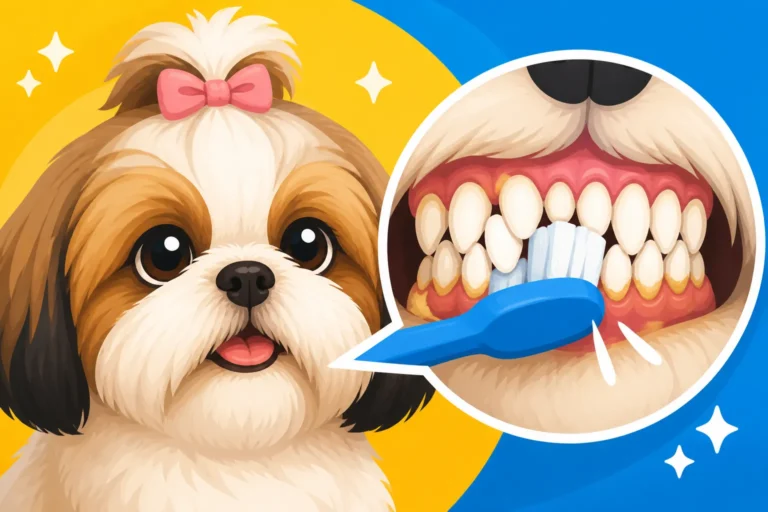
Additionally, while not a substitute for regular brushing and Daily Toothbrushing in a Crowded Shih Tzu Jaw, the natural enzymes and texture of some raw foods can contribute to better dental health compared to highly processed kibble. Fresh breath is another commonly cited benefit, and who doesn't want sweeter kisses from their furry friend? These improvements in health and well-being can make the daily grooming and preparation worthwhile for dedicated Shih Tzu parents.
The Realities of Commitment
However, it's crucial to acknowledge that a raw diet for a Shih Tzu, particularly a long-bearded one, demands significant commitment. This isn't a "set it and forget it" feeding method.
- Time and Effort: Preparing a balanced raw diet, or even just managing pre-made options, takes more time than scooping kibble. You’ll need to dedicate time to sourcing ingredients, preparing meals (if making your own), and crucially, cleaning up after every single meal. Missing a cleaning session can quickly lead to matted, unsanitary beards.
- Hygiene Protocols: Beyond just cleaning the beard, strict hygiene practices are essential in your kitchen. This means washing hands thoroughly, sanitizing bowls and feeding surfaces after every meal, and properly storing raw food to prevent bacterial contamination. This is especially important for households with young children or immunocompromised individuals.
- Cost: Raw diets, especially commercially prepared, balanced options, often come at a higher price point than traditional kibble. You’ll need to factor this into your budget. Looking for deals on larger quantities from suppliers on platforms like Chewy or local raw food co-ops can sometimes help mitigate costs.
- Nutritional Balance: Ensuring complete and balanced nutrition is a continuous responsibility. While convenient brands like Ollie strive for balance, if you're preparing raw food yourself, you need to be diligent about ratios and supplements. Consulting with a veterinary nutritionist is highly recommended to avoid any deficiencies or excesses that could harm your Shih Tzu’s health, as discussed in Health Testing a Shih Tzu Breeder Should Do.
- Social Life: Traveling with a raw-fed dog, especially a Shih Tzu who needs a clean beard, requires more planning. You'll need to consider how to store and serve raw food safely on the go, and how to maintain their hygiene routine away from home.
Ultimately, feeding a raw diet to your bearded Shih Tzu is absolutely achievable, but it's a lifestyle choice that requires dedication, consistency, and a little extra elbow grease. If you're willing to embrace the routine, many owners find it to be a rewarding experience that contributes positively to their cherished companion's health.
Disclaimer
This article is for general informational purposes only and does not constitute professional advice. Laws, prices and regulations vary by location and change over time. Consult a qualified professional for guidance on your specific situation.