Whether Diet Changes Settle Shih Tzu Itching
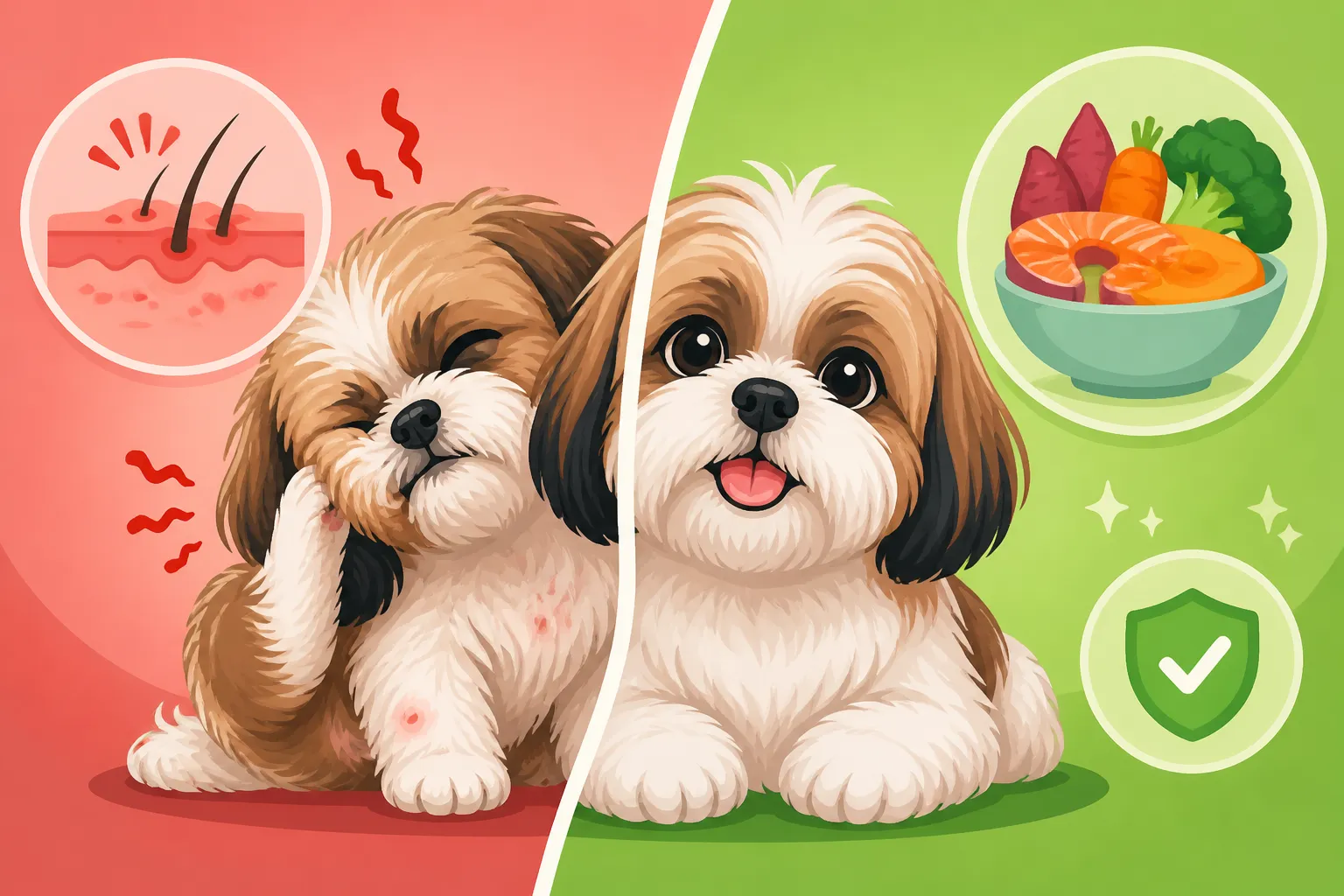
It’s incredibly frustrating when your sweet Shih Tzu just can’t stop scratching, licking, or chewing at themselves. You see the constant discomfort, the red patches appearing on their delicate skin, and you feel helpless, often wondering if a change in their diet could finally bring them some relief. This guide will delve deep into how food can impact your Shih Tzu's skin health and walk you through the process of determining if dietary adjustments can indeed settle that persistent itching.
Understanding Why Your Shih Tzu Itches So Much
Before we jump straight into talking about food, it’s really important to understand that itching in Shih Tzus isn't always about what's in their bowl. These little dogs, with their luxurious coats and adorable flat faces, are prone to a whole host of skin issues that can lead to relentless scratching. Many owners fixate on food, only to be disappointed when a diet change doesn't magically solve everything, simply because the underlying cause was something else entirely. It’s a complex puzzle, and food is just one piece of it.
Beyond Just Food: Other Common Culprits
One of the biggest culprits behind Shih Tzu itching is environmental allergies, often referred to as atopy. Just like people can be allergic to pollen, dust mites, or certain grasses, so too can our furry friends. You might notice your Shih Tzu scratching more during certain seasons when pollen counts are high, or perhaps their itching worsens indoors if dust mites are a problem. These allergies can manifest as itchy paws, ears, belly, and even their faces, leading to redness and irritation. It's a constant battle with invisible triggers in their everyday world.
Then there are those pesky parasites. Fleas are the classic culprits, and it only takes one flea bite to send an allergic Shih Tzu into a scratching frenzy. Even if you don't see fleas, regular preventative measures are crucial. Mites, though less common, can also cause intense itching and skin irritation. Beyond that, Shih Tzus, with their heavy ear leather and dense coats, are particularly susceptible to Shih Tzu Ear and Skin Infections Under the Coat. These can be bacterial or yeast infections, often cropping up in warm, moist areas like ear canals, paw pads, or skin folds. The itching from these secondary infections can be severe, creating a vicious cycle where scratching further damages the skin, making the infection worse. Your vet might even diagnose "hot spots," which are painful, red, often oozing sores that appear suddenly, usually from intense licking or chewing in one area. Shih Tzu Skin Allergies and Hot Spots are a common sight for veterinarians treating Shih Tzus.
It’s truly a disheartening experience to see your beloved companion in such discomfort. Many owners initially assume food is the issue, only to find themselves going in circles trying different kibbles when the real problem lies elsewhere. That’s why a thorough veterinary examination is always the first step. They can help rule out these other causes, or at least treat them concurrently, so you’re not chasing symptoms blindly.
The Role of Food in Shih Tzu Skin Health
Now, let's talk about food, because it absolutely can be a significant factor in your Shih Tzu's itching, even if it's not the only factor. When we talk about food-related itching, we're typically looking at two main scenarios: food allergies or food sensitivities (sometimes called intolerances). The terms are often used interchangeably by owners, but there's a subtle difference from a medical standpoint. A true food allergy involves an immune system response, while an intolerance is more about difficulty digesting a certain ingredient. However, from your Shih Tzu's perspective, both can result in miserable itching and skin issues.
For Shih Tzus, certain ingredients are more commonly implicated in causing allergic reactions. These tend to be proteins that dogs are frequently exposed to throughout their lives. The most common food allergens for dogs include beef, dairy, chicken, wheat, and soy. It’s not that these ingredients are inherently "bad," but rather that prolonged exposure can sometimes lead the immune system to overreact. Imagine your Shih Tzu having chicken as their primary protein source for years; over time, their immune system might start perceiving it as a threat rather than a nutrient, leading to an inflammatory response that manifests as itchy skin, ear infections, or even gastrointestinal upset.
The itching from a food allergy or sensitivity can be year-round, unlike seasonal environmental allergies. It might show up as generalized itching, specific paw licking, or recurrent ear infections. You might notice your Shih Tzu constantly chewing their feet, rubbing their face, or scratching intensely behind their ears. Sometimes, there are also digestive signs like vomiting or diarrhea, but often, the skin issues are the most prominent and distressing symptom. Identifying the specific trigger can feel like searching for a needle in a haystack, especially when so many commercial dog foods use a blend of common ingredients.
The Diet Elimination Trial: Your Best Tool for Diagnosing Food Allergies
When other causes of itching have been ruled out or are being managed, and your vet suspects a food allergy, the gold standard for diagnosis is an elimination diet trial. This isn't just switching to another brand of kibble; it's a very specific and strict process designed to strip away all common allergens and then carefully reintroduce them to pinpoint the trigger. It requires commitment and patience, but it's truly the most reliable way to get answers.
How to Conduct an Effective Elimination Diet
The core principle of an elimination diet is to feed your Shih Tzu a "novel" protein and carbohydrate source – meaning something they've never eaten before, or very rarely. For example, if your Shih Tzu has primarily eaten chicken and rice their whole life, a novel diet might consist of venison and potato, or duck and pea. The idea is to introduce ingredients that their immune system has no prior exposure to, and therefore, no reason to react against. These diets are carefully balanced, so you can't just pick random ingredients from your fridge; they need to be nutritionally complete.
There are two main approaches: a commercially prepared limited ingredient diet (LID) or a home-cooked diet. If you opt for a commercial LID, your vet will likely recommend a hydrolyzed protein diet, where the proteins are broken down into such small components that the immune system doesn't recognize them as allergens. Brands like Royal Canin or Hill's offer veterinary prescription diets that are specifically formulated for this purpose. If you go the home-cooked route, you must work with a veterinary nutritionist to ensure the diet is balanced and doesn't cause any deficiencies. Simply cooking plain chicken and rice is not a long-term solution and can lead to serious health problems. For Novel Proteins for a Shih Tzu That Scratches, think about proteins like rabbit, lamb, or even alligator – things your Shih Tzu is highly unlikely to have encountered before.
The trial typically lasts for 8 to 12 weeks. During this entire period, your Shih Tzu can eat nothing else. No treats (unless they're single-ingredient and approved), no table scraps, no flavored medications, no flavored chew toys, and absolutely no sneaking bites of their old food. This strict adherence is paramount. Even a tiny crumb of the offending allergen can restart the clock on the trial, sending you back to square one. It’s hard, especially when your Shih Tzu gives you those adorable, pleading eyes, but consistency is key. You might find great options for approved treats or novel protein kibble on sites like Chewy or Amazon, but always double-check the ingredient list meticulously.
What to Expect During the Trial (and After)
During the elimination trial, you're playing the waiting game. You might not see immediate improvement, but typically, if food is the primary cause of itching, you should start to notice a reduction in scratching, licking, and skin irritation within 4 to 6 weeks. For some dogs, especially those with severe, long-standing issues, it might take the full 8 to 12 weeks to see significant improvement. This is where your patience truly pays off. Keep a detailed log of your Shih Tzu's symptoms, noting any changes, good or bad. This record will be invaluable to your vet.
If, after the full trial period, your Shih Tzu's itching has significantly improved, congratulations! You've successfully identified that food is a major contributor. The next step is called the "food challenge" or "re-challenge." This involves slowly reintroducing individual ingredients from their previous diet, one by one, over a period of about a week for each ingredient. For instance, you might add a small amount of chicken to their novel diet for seven days and watch closely for any return of itching. If symptoms flare up, you've found a culprit. You then remove that ingredient and wait for the symptoms to resolve before moving on to challenge the next ingredient. This methodical approach allows you to identify precisely which ingredients trigger a reaction.
| Common Dog Food Allergens | Examples of Novel Proteins (Vet Recommended) | Examples of Novel Carbohydrates (Vet Recommended) |
|---|---|---|
| Chicken | Duck | Potato |
| Beef | Venison | Sweet Potato |
| Dairy | Rabbit | Green Pea |
| Wheat | Kangaroo | Tapioca |
| Egg | Alligator | Lentils |
| Soy | Hydrolyzed protein (prescription only) | Quinoa |
It's a painstaking process, but the relief your Shih Tzu experiences, and the clarity you gain, make it all worth it. Once you know the problematic ingredients, you can choose a diet for life that avoids them. You’ll be able to confidently select food, treats, and even chews without the constant worry of triggering another itch cycle. This structured approach, often referred to as An Elimination Diet Trial on a Shih Tzu, is the most scientific way to get answers.
Choosing the Right Food for an Itchy Shih Tzu
Once you've navigated the elimination trial and ideally identified the troublesome ingredients, the real work of choosing the right long-term diet begins. This isn't just about avoiding allergens; it's also about ensuring your Shih Tzu receives complete and balanced nutrition, tailored to their size, age, and activity level. With so many options out there, it can feel overwhelming, but focusing on specific types of food can help narrow down your choices.
Commercial Limited Ingredient Diets (LID)
For many Shih Tzu owners, sticking with a commercially prepared Limited Ingredient Diet (LID) is the most practical and convenient solution. These diets are specifically formulated to contain a minimal number of ingredients, usually featuring one novel protein source and one novel carbohydrate source. This makes it much easier to avoid the specific allergens you identified during the challenge phase. You’ll find both dry kibble and wet food options, giving you flexibility based on your Shih Tzu’s preference and dental health. Remember, Shih Tzu Tooth Crowding in a Tiny Jaw means kibble size is important too!
When shopping for LIDs, it's crucial to read the labels meticulously. "Limited ingredient" can sometimes be a marketing term, so always check the full ingredient list to ensure it doesn't contain any hidden allergens. Your veterinarian can recommend reputable brands that truly stick to novel proteins and limited components. Often, these are prescription diets from companies like Hill's, Royal Canin, or Purina, specifically designed for dogs with food allergies. You can typically find these specialized foods through your vet's office or on large online retailers like Chewy or Amazon, sometimes requiring vet authorization. Always confirm The Label Details That Matter for a Shih Tzu before making a purchase.
The benefit of commercial LIDs is that they are nutritionally balanced, meaning you don't have to worry about adding supplements or ensuring they get all the necessary vitamins and minerals. This takes a huge burden off your shoulders, allowing you to focus on your Shih Tzu's comfort rather than complex meal planning. While they might be a bit pricier than conventional dog food, the relief they provide for your itchy Shih Tzu is often worth the investment.
Fresh Food and Home-Cooked Options
Another excellent option, particularly if your Shih Tzu has multiple food sensitivities or you prefer to have more control over their ingredients, is fresh food. This can come in the form of subscription services that deliver pre-portioned, freshly cooked meals directly to your door, or you can opt to home-cook meals yourself. Services like Ollie, for instance, offer meals made with human-grade ingredients, often featuring novel proteins and vegetables that can be customized to your dog's specific dietary needs. This can be a fantastic way to introduce a truly "clean" diet.
If you choose to home-cook, the absolute most critical step is to consult with a board-certified veterinary nutritionist. They can formulate a balanced recipe specifically for your Shih Tzu, ensuring it meets all their nutritional requirements while strictly avoiding their identified allergens. Trying to formulate a home-cooked diet on your own can lead to severe nutritional deficiencies, which can cause far more problems than just itching. Think about it: a balanced diet involves precise ratios of proteins, fats, carbohydrates, vitamins, and minerals, which is much more complex than just boiling some meat and veggies. Cooking for a Shih Tzu at Home is a significant commitment and needs expert guidance.
One of the great advantages of fresh or home-cooked food is the often higher palatability, which can be a real plus for picky eaters. You also have complete transparency over every single ingredient, which is reassuring when you're battling allergies. However, it does require more time, effort, and often a higher financial commitment. For Shih Tzus with their unique facial structure, Whether Fresh Food Suits a Shih Tzu Underbite is also a consideration; sometimes softer, less crumbly food is easier for them to manage.
Supplements and Support for Skin Health
While diet changes are the cornerstone of managing food allergies, certain supplements can play a supportive role in improving your Shih Tzu's skin and coat health. These aren't magic bullets, and they won't fix a food allergy on their own, but they can help to soothe inflamed skin, reduce dryness, and strengthen the skin barrier.
Omega-3 fatty acids are probably the most well-known and widely recommended supplements for skin health. Found in fish oil, these fatty acids have anti-inflammatory properties that can help reduce itching and redness associated with various skin conditions, including allergies. They can also contribute to a healthier, shinier coat and improve the overall integrity of the skin barrier, making it more resistant to allergens and infections. You can find high-quality fish oil supplements specifically formulated for dogs on sites like Chewy or Amazon. Just be sure to choose one with appropriate dosing for your Shih Tzu's weight. Regular supplementation with Fish Oil for a Shih Tzu Double Coat can make a noticeable difference in their skin and coat quality over time.
Probiotics can also be beneficial, particularly if your Shih Tzu experiences gastrointestinal symptoms along with their itching. A healthy gut microbiome is increasingly linked to overall immune health, and a strong immune system can better manage allergic responses. Discussing these options with your vet is crucial, as they can guide you on the right type and dosage of supplements for your individual Shih Tzu's needs, ensuring they complement their new diet effectively. Addressing A Shih Tzu Licking Its Paws Raw with a holistic approach, combining diet, supplements, and addressing environmental factors, offers the best chance for relief.
Disclaimer
This article is for general informational purposes only and does not constitute professional advice. Laws, prices and regulations vary by location and change over time. Consult a qualified professional for guidance on your specific situation.