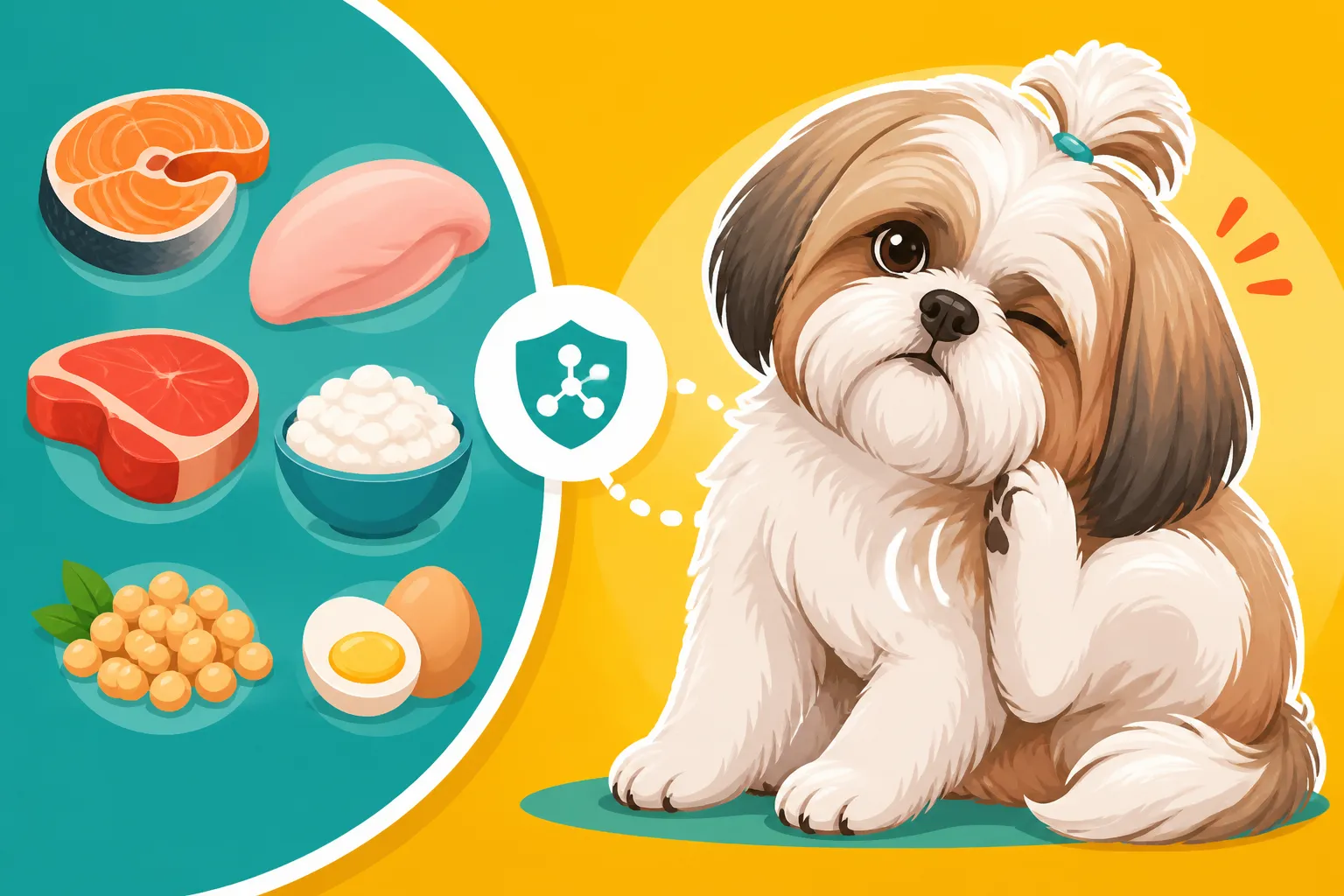
Novel Proteins for a Shih Tzu That Scratches
There's nothing quite as heartbreaking as watching your precious Shih Tzu constantly scratch, lick, and chew at themselves, day in and day out. You see the red patches, the dull coat, the endless irritation, and you just want to take it away. You've probably tried everything from special shampoos to different treats, only to find the relief is temporary, or worse, non-existent. It’s frustrating, exhausting, and leaves you feeling helpless. This guide is here to help you understand how novel proteins can be a game-changer when your Shih Tzu is battling persistent itching, offering a pathway to potentially identifying and alleviating their discomfort.
Understanding Why Your Shih Tzu Is Itchy
Before we dive into novel proteins, it's really important to pause and acknowledge the myriad of reasons why your sweet Shih Tzu might be scratching like there's no tomorrow. It's rarely a simple answer, and often it's a combination of factors that makes finding relief so challenging. You might be blaming the food, but sometimes the culprit is much more elusive.
Common Causes of Persistent Itching
Your Shih Tzu's intense scratching isn't just a quirk; it's a symptom that something is amiss. One of the most common issues we see in our furry friends are environmental allergies. Just like us, dogs can react to pollen, dust mites, mold spores, and even certain grasses. These invisible irritants can cause havoc on their skin, leading to relentless itching, especially on their paws, belly, and face. The long, luxurious coat of a Shih Tzu can sometimes hide these irritations, making it harder to spot initially. A Shih Tzu Scratching Under a Full Coat is a common sight for many owners.
Then there are external parasites, which, while often easier to diagnose, can be incredibly irritating. Fleas are the obvious culprits, but don't forget about mites, which can cause conditions like sarcoptic mange or demodectic mange. Even a single flea bite can send an allergic Shih Tzu into an itching frenzy. Regular parasite prevention is absolutely crucial, but sometimes these tiny pests are just incredibly persistent or your dog might have a hypersensitivity.
Finally, we come to food allergies or intolerances. This is where the concept of novel proteins truly shines. Unlike environmental allergies, which often manifest seasonally or when exposed to certain triggers, food-related issues can cause year-round itching, chronic ear infections, or digestive upset. The challenge with food allergies is that they often develop over time, meaning a food your Shih Tzu has eaten for years could suddenly become an allergen. This makes pinpointing the exact ingredient incredibly difficult, leading to a long and often frustrating journey of trial and error.
When to Suspect a Food Allergy
So, how do you know if food is the actual problem? It's tricky, because the symptoms can overlap with other types of allergies. However, there are some tell-tale signs that might point to a food sensitivity. If your Shih Tzu experiences non-seasonal itching, meaning they scratch just as much in winter as they do in summer, it's a strong indicator. Another common sign is recurrent ear infections that just won't clear up, or skin infections that lead to Sores a Shih Tzu Chews Into Its Own Skin. Beyond skin issues, some Shih Tzus might also show gastrointestinal symptoms like vomiting, diarrhea, or excessive gas. These symptoms can be subtle at first, making it easy to dismiss them as isolated incidents.
Your vet will likely rule out environmental allergies and parasites first, as these are often simpler to diagnose. If those avenues come up empty, or treatment isn't fully resolving the issue, then a food allergy becomes a prime suspect. It’s a process of elimination, and it requires patience and dedication on your part. But knowing that you’re moving towards a potential solution for your beloved companion is often motivation enough. It can feel like you're playing detective, trying to piece together clues from their daily life, but it's worth it for their comfort.
What Are Novel Proteins and Why Do They Matter for Allergies?
Once you and your veterinarian have considered food as a potential trigger for your Shih Tzu's relentless scratching, the term "novel protein" will likely come up. It sounds a bit fancy, doesn't it? But the concept is actually quite straightforward and incredibly effective in diagnosing and managing food allergies in dogs.
Defining Novel Proteins
At its core, a novel protein is simply a protein source that your dog has rarely, if ever, been exposed to before. Think about it: most commercial dog foods rely on a handful of common protein sources – chicken, beef, lamb, and sometimes fish like salmon. Over time, a dog can develop an allergic reaction to these common ingredients, not because they are inherently bad, but because their immune system has become hypersensitive to them. When this happens, their body mistakenly identifies these proteins as harmful invaders, triggering an allergic response that often manifests as intense itching, skin inflammation, or digestive upset.
The "novelty" factor is key. If your Shih Tzu has been eating chicken-based food their whole life, then chicken is no longer novel. A novel protein would be something entirely new to their system, reducing the likelihood of an immediate allergic reaction. The goal is to "reset" their immune system by introducing a protein it hasn't learned to react to yet. This allows their body to process the new protein without launching an allergic attack, giving their irritated skin and gut a much-needed break. It's like finding a secret ingredient that their body hasn't developed a grudge against yet.
How Novel Proteins Help Identify Allergens
The real power of novel proteins lies in their role within an "elimination diet trial." This isn't just switching foods; it's a very specific, controlled experiment. The basic premise is to feed your Shih Tzu only a diet consisting of a single novel protein source and a single novel carbohydrate source (like potato or sweet potato) for a strict period, typically 8 to 12 weeks. During this time, absolutely no other treats, table scraps, flavored medications, or even chew toys that might contain hidden proteins are allowed. This strict adherence is paramount, because even a tiny bite of an old allergen can completely derail the trial. An Elimination Diet Trial on a Shih Tzu requires unwavering commitment from every member of your household.
If your Shih Tzu's itching and other symptoms significantly improve during this period, it strongly suggests that one or more of their previous food ingredients was the culprit. Once symptoms subside, you then systematically reintroduce old ingredients one by one, watching closely for any return of symptoms. If, for instance, you reintroduce chicken and the scratching returns within a few days, you've likely found your dog's specific allergen. This method is the gold standard for diagnosing food allergies because it directly observes the body's reaction to specific ingredients. It's a scientific approach that offers concrete answers, which is invaluable when you're trying to ease your dog's discomfort.
Introducing Novel Proteins to Your Shih Tzu's Diet
Embarking on a novel protein diet for your Shih Tzu is a commitment, but it's often the most effective path to identifying and managing food allergies. It requires careful planning and strict adherence, but the relief your dog experiences will be well worth the effort.
Selecting the Right Novel Protein Source
The key to choosing a novel protein is finding one your Shih Tzu has truly never eaten before. For many dogs, common novel proteins include venison, duck, rabbit, kangaroo, or even alligator. Less common but increasingly available options might also include insect protein. Consider your dog's dietary history carefully. If they've had a food with "fish meal" in it, then a salmon-based novel protein might not be truly novel, as they could have reacted to other fish proteins in the mix.
When selecting, you also need to think about the palatability for your little companion. Shih Tzus can sometimes be a bit particular, so while you need a novel protein, you also need one they will actually eat. Some brands offer limited ingredient diets formulated specifically for elimination trials, making the process much simpler. You can often find these specialized foods on sites like Chewy or Amazon, clearly labeled for sensitive stomachs or allergies. You might even find fresh food options from companies like Ollie that allow you to select very specific protein and carb combinations for a truly novel approach. Remember, it's not just the protein; you also need a novel carbohydrate source, such as sweet potato, potato, or peas, to complete the diet.
Here's a quick look at some common novel protein sources you might encounter:
| Protein Source | Commonality in Dog Food | Typical Allergies | Why It's "Novel" |
|---|---|---|---|
| Duck | Increasing | Less common than chicken/beef | Good alternative for poultry-sensitive dogs. |
| Venison | Moderate | Rare | Distinct from beef, often used in LID diets. |
| Rabbit | Less Common | Rare | Very distinct protein structure. |
| Kangaroo | Rare | Extremely rare | Highly distinct, lean, and sustainable. |
| Alligator | Very Rare | Extremely rare | Unique protein, often for severe cases. |
| Insect Protein | Emerging | Extremely rare | Sustainable and very distinct from meat proteins. |
The Elimination Diet Trial: A Step-by-Step Approach
Once you've chosen your novel protein and carbohydrate sources, the real work of the elimination diet trial begins.
- Strict Transition: Gradually transition your Shih Tzu to the new food over 7-10 days to avoid stomach upset. During this time, ensure absolutely no other food, treats, or flavored items enter their mouth. This is critical. One small piece of chicken jerky could invalidate weeks of effort. Tell everyone in the household, from family members to guests, about the strict diet. This is a common pitfall: someone unknowingly gives a forbidden treat.
- Monitor for 8-12 Weeks: For the next 8 to 12 weeks, your Shih Tzu should eat only the novel protein and carbohydrate diet. Keep a detailed log of their symptoms. Note any changes in scratching, licking, paw chewing, ear redness, skin condition, or digestive issues. You’re looking for a significant reduction or complete resolution of symptoms. This period can feel long, especially if your dog is still itching at the start, but consistency is key. Don't be discouraged if you don't see immediate results; it takes time for the immune system to settle down and for the existing inflammation to subside.
- The Challenge Phase: If your Shih Tzu's symptoms have improved or disappeared, congratulations! You've likely identified a food allergy. Now comes the "challenge" phase, where you reintroduce single ingredients from their old diet, one at a time, for about a week each. For example, you might offer a small amount of boiled chicken breast as a treat for a week, while maintaining the novel diet. Watch for any return of symptoms. If the itching comes back, you've found an allergen! If not, move on to the next ingredient (e.g., beef, wheat, dairy). This systematic approach helps pinpoint the exact culprits.
- Long-Term Management: Once you've identified the offending ingredients, you can formulate a long-term diet plan that avoids them. This might mean sticking with the novel protein diet permanently, or finding a commercial limited ingredient diet that excludes the identified allergens. Always discuss your findings and future feeding plan with your veterinarian to ensure your Shih Tzu receives complete and balanced nutrition. This might involve looking at The Label Details That Matter for a Shih Tzu to ensure you're choosing the right commercial diet.
Remember, this is not a quick fix. It’s a diagnostic process that requires dedication and attention to detail. But think of the relief for your Shih Tzu – no more incessant scratching, no more hot spots, just a happier, more comfortable companion.
Navigating the World of Novel Protein Dog Foods
Once you understand the 'why' and 'how' of novel proteins, the next step is often finding suitable food products. The market can feel overwhelming, with countless brands and claims. Knowing what to look for will make this journey much smoother for you and your Shih Tzu.
Commercial Novel Protein Diets
Many dog food manufacturers now offer specialized "limited ingredient diets" (LID) that feature novel proteins. These diets are specifically formulated to reduce the number of ingredients, making it easier to identify potential allergens. When you're perusing options on platforms like Chewy or your local pet store, look for phrases like "limited ingredient," "hypoallergenic," or "sensitive skin and stomach" on the packaging. Critically, you need to check the actual ingredients list to ensure the protein and carbohydrate sources are truly novel for your dog. Don't just trust the front label! Sometimes, a "duck formula" might still contain chicken fat or chicken meal, which would defeat the purpose if chicken is the suspected allergen. Always read the small print.
These commercial diets come in various forms – dry kibble, wet food, and even freeze-dried raw options. The best choice for your Shih Tzu will depend on their preferences, your budget, and what your veterinarian recommends. Some brands, such as those found on Amazon, might even offer small bags of different novel protein LIDs, allowing you to try a few options if your Shih Tzu is a picky eater before committing to a larger bag. When it comes to managing Food Allergy Itching Under a Shih Tzu Coat, these carefully formulated diets can be invaluable.
Fresh Food and Homemade Options
Another route, particularly appealing to owners who want maximum control over ingredients, is fresh food. This can range from commercially prepared fresh food brands like Ollie, which allow you to customize recipes with specific novel proteins and vegetables, to preparing a homemade diet under veterinary guidance. The benefit of fresh food is that you know exactly what goes into your Shih Tzu's bowl, virtually eliminating hidden allergens. However, homemade diets must be balanced correctly to ensure your Shih Tzu receives all the necessary nutrients, vitamins, and minerals. Simply boiling some venison and sweet potato isn't enough for long-term health and can lead to deficiencies.
If you choose the fresh food route, consult with a veterinary nutritionist or your regular vet to develop a balanced recipe. They can guide you on proper ratios of protein, carbohydrates, fats, and supplements needed for a growing or adult Shih Tzu. This is especially important for toy breeds like Shih Tzus, as their nutritional needs are precise, and imbalances can lead to other health issues. For a dog struggling with allergies, ensuring a complete and balanced diet while avoiding allergens is crucial for their overall well-being. This can also tie into their overall calorie needs; managing Daily Calories for a Twelve Pound Shih Tzu is essential regardless of the food type.
The Long-Term Perspective
Identifying and managing food allergies with novel proteins is a long-term strategy, not a one-time fix. Your Shih Tzu's diet will likely need to be adjusted permanently to avoid the identified allergens. This might mean saying goodbye to certain treats or even scrutinizing ingredient lists for every chew toy. It can feel restrictive at first, but knowing that your dog is finally comfortable and free from constant itching makes it all worthwhile.
Over time, you might also find that "novel" proteins might become less novel. Some dogs can develop new allergies to previously tolerated novel proteins, necessitating a switch to yet another new source. This is why having several options in mind, and working closely with your vet, is key. The good news is that with careful management and a keen eye on their symptoms, your Shih Tzu can lead a much happier, itch-free life. It’s about learning to be a diligent advocate for your pet's health, and Whether Diet Changes Settle Shih Tzu Itching is a journey many dedicated owners embark on.
Disclaimer
This article is for general informational purposes only and does not constitute professional advice. Laws, prices and regulations vary by location and change over time. Consult a qualified professional for guidance on your specific situation.