A Shih Tzu Scratching Under a Full Coat
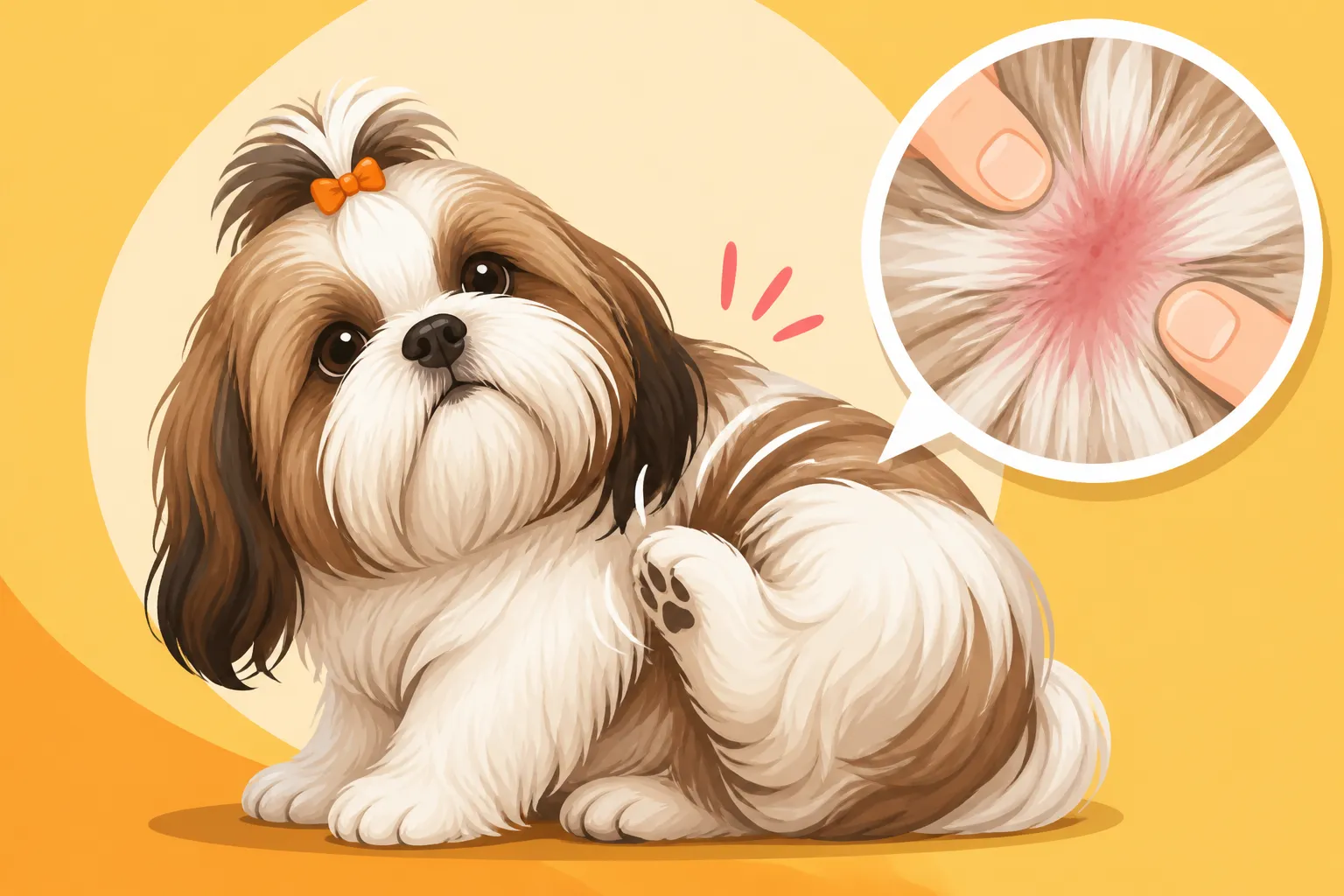
It’s incredibly frustrating, isn't it? You see your beloved Shih Tzu scratching away, sometimes frantically, but that gorgeous, flowing double coat makes it nearly impossible to see what’s going on underneath. The relentless itching can disrupt their sleep, your sleep, and leave you feeling helpless, wondering if it's fleas, allergies, or something more serious. This comprehensive guide is here to help you unravel the mystery of why your Shih Tzu is scratching and equip you with the knowledge to bring them relief.
The Unique Challenge of the Shih Tzu Coat and Skin
Before we dive into the specific culprits, it’s crucial to understand why a Shih Tzu's thick, luxurious coat can be both a blessing and a curse when it comes to skin issues. Their double coat, designed to protect them from the harsh climates of their Tibetan homeland, is beautiful but also a fantastic hiding spot for parasites and a breeding ground for skin problems if not properly cared for.
First off, that dense outer coat and soft, woolly undercoat mean that parasites like fleas can set up camp virtually undetected for a while. You might feel small bumps or scabs, but actually seeing a flea can be like finding a needle in a haystack. The same goes for skin redness, flakiness, or small lesions. They can be completely obscured until the condition is quite advanced, or you manage to get deep down to the skin during a thorough grooming session. This often leads to owners realizing there's a problem only after their Shih Tzu has been scratching for days or weeks, making diagnosis and treatment a bit more challenging.
Moreover, the Shih Tzu’s skin itself can be prone to certain sensitivities. Being a brachycephalic breed, they often have skin folds around their face and sometimes under their chin, which can trap moisture and debris, becoming hotspots for bacterial or yeast infections if not cleaned regularly. The sheer volume of hair also means that when they do develop a skin issue, moisture, allergens, and irritants can become trapped close to the skin, exacerbating the itch and making it harder for the skin to breathe and heal. It’s a delicate balance to maintain that beautiful coat while ensuring healthy skin underneath, and it requires consistent vigilance and a proactive approach.
Common Causes of Itching Under a Full Shih Tzu Coat
When your Shih Tzu starts scratching relentlessly, it’s natural to jump to conclusions, but there are many potential causes, and often, it’s a combination of factors. Let’s break down the most common culprits so you can start narrowing down the possibilities.
Pesky Parasites Hiding in the Fur
This is often the first thing we think of when we see our dogs scratching, and for good reason. Parasites are a common cause of intense itching, and a Shih Tzu’s thick coat provides ample hiding spots.
Fleas: The Tiny, Nimble Invaders
Fleas are notoriously difficult to spot on a Shih Tzu with a full, dark coat. These tiny, reddish-brown insects can move incredibly fast through the dense hair, making them elusive targets. What you’re more likely to see are "flea dirt" – tiny black specks, which are actually flea feces. If you place these specks on a wet paper towel, they will dissolve into a reddish-brown stain because they are digested blood. Your Shih Tzu might chew at their hindquarters, inner thighs, or base of the tail, where fleas often congregate. Even a single flea bite can trigger a severe allergic reaction in some dogs, known as flea allergy dermatitis (FAD), leading to disproportionate itching and discomfort.
Finding a good flea preventative is paramount, and there are many effective options available from your veterinarian, including topical treatments, oral medications, and flea collars. Consistency is key, as fleas can lay dozens of eggs daily, quickly leading to an infestation in your home. Remember, if your dog has fleas, your home likely does too, so treating the environment (carpets, bedding) is also essential. Even if you don't see fleas, if your dog is scratching, it's always worth considering and ruling out, especially since many preventatives also cover other parasites.
Mites: The Microscopic Menace
Mites are another common, but often unseen, cause of skin irritation. Unlike fleas, mites are microscopic and cannot be seen with the naked eye. There are several types, each causing a different skin condition. Sarcoptic mange, also known as scabies, is intensely itchy and often leads to hair loss, redness, and scabs, typically starting on the ear margins, elbows, hocks, and chest. The itching can be so severe that it keeps your dog (and you) awake at night.
Demodectic mange, or red mange, is caused by Demodex mites that live naturally in hair follicles. While a few mites are normal, an overgrowth can lead to patchy hair loss, redness, and sometimes secondary infections. This form of mange is usually not itchy unless there's a secondary bacterial infection. Cheyletiellosis, or "walking dandruff," is caused by a mite that causes scaling and itching, and it gets its name because the mites can sometimes be seen moving on the skin, resembling dandruff flakes. Diagnosing mites typically requires a veterinarian to perform a skin scraping and examine it under a microscope. Treatment usually involves specific medications, such as medicated shampoos, dips, or oral medications, often for several weeks to ensure all mites are eradicated.
Allergies: When the Environment or Food Turns Against Them
Allergies are an incredibly common cause of scratching in Shih Tzus, and they can be frustratingly complex to diagnose and manage. Their predisposed skin sensitivities mean they are often more reactive to various allergens.
Environmental Allergies: Pollen, Dust, and More
Just like people can suffer from hay fever, dogs can develop environmental allergies, often referred to as atopy. Common culprits include pollens from trees, grasses, and weeds, as well as indoor allergens like dust mites and mold spores. These allergies are often seasonal, flaring up at specific times of the year, but indoor allergens can cause year-round problems. The intense itching typically manifests as excessive licking of paws, rubbing their face against furniture, scratching their ears, and generalized body itching. The skin might appear red, inflamed, or even develop secondary infections due to constant scratching.
Managing environmental allergies often involves a multi-pronged approach. This can include regular bathing with medicated shampoos to remove allergens from the coat, antihistamines (under vet guidance), prescription medications (like Apoquel or Cytopoint) to control the itch, and sometimes immunotherapy (allergy shots or drops) tailored to your dog's specific allergens. Keeping your home clean, using air purifiers, and wiping down your Shih Tzu’s paws and face after outdoor excursions can also help reduce exposure. You might also want to explore options like Shih Tzu Skin Allergies and Hot Spots for more detailed information.
Food Allergies: The Hidden Culprit in Their Bowl
Food allergies can be tricky because the symptoms often mimic environmental allergies, presenting as itchy skin, ear infections, and sometimes gastrointestinal upset. Common food allergens for dogs include proteins like beef, chicken, dairy, and wheat. Unlike food intolerances which cause digestive upset, true food allergies trigger an immune response that manifests as skin issues. The constant scratching, especially around the face, ears, and paws, can be a major indicator.
Diagnosing a food allergy requires a strict elimination diet trial, which means feeding your Shih Tzu a novel protein (one they’ve never eaten before, like duck or venison) or a hydrolyzed protein diet (where the proteins are broken down so small the immune system doesn't recognize them) for at least 8-12 weeks. During this time, absolutely no other treats, table scraps, or flavored medications can be given. If symptoms resolve on the special diet and then return when the old food is reintroduced, a food allergy is confirmed. This process can be demanding, but it’s the most accurate way to identify the offending ingredient.
Skin Infections: When Bacteria and Yeast Take Hold
Allergies and parasites often weaken the skin barrier, making it easier for opportunistic bacteria and yeast to overgrow and cause infections. These secondary infections intensify the itch, creating a vicious cycle.
Bacterial Infections: Pyoderma
Pyoderma is a bacterial skin infection, most commonly caused by Staphylococcus bacteria. It often presents as red bumps, pustules (small pus-filled pimples), scabs, and areas of hair loss. The skin underneath a full coat might feel greasy or sticky, and you might notice a strong, unpleasant odor. Pyoderma is incredibly itchy, leading to more scratching, which in turn causes more skin trauma and allows the bacteria to spread further. These infections are particularly common in areas where moisture can be trapped, such as skin folds, armpits, or the groin.
Treatment for pyoderma typically involves antibiotics, either oral or topical (medicated shampoos, sprays, or ointments), or a combination of both. Your vet might take a culture to identify the specific bacteria and determine the most effective antibiotic. It’s crucial to complete the full course of antibiotics, even if the symptoms improve quickly, to prevent recurrence and antibiotic resistance. Regular bathing with an antibacterial shampoo can also be a vital part of managing chronic or recurrent bacterial skin issues.
Yeast Infections: Malassezia Dermatitis
Yeast infections, primarily caused by Malassezia pachydermatis, are another common cause of intense itching and skin problems in Shih Tzus. This yeast is a normal resident on dog skin, but an overgrowth can occur when the skin's natural balance is disrupted by allergies, humidity, or underlying health issues. Symptoms include red, inflamed skin, a greasy texture, scaling, and a distinct "yeasty" or sweet-musty odor. Affected areas often include the ears (leading to recurrent ear infections), paws (causing constant licking), and skin folds, but it can spread over the entire body.
Treating yeast infections often involves antifungal medications, which can be oral or topical (medicated shampoos, wipes, or creams). Many vets will prescribe a specific antifungal shampoo, often containing ingredients like chlorhexidine and miconazole, to be used regularly. Just like bacterial infections, it’s important to address any underlying causes, such as allergies, to prevent the yeast from returning. Keeping the coat clean and dry, especially in skin folds and between paw pads, can help prevent yeast from thriving. If you're dealing with persistent ear issues, you might find more helpful information on Shih Tzu Ear Infections That Keep Returning.
Dry Skin and Other Irritations
Sometimes, the cause of scratching isn't an invader or an allergy, but simply irritated or dry skin. This can be exacerbated by environmental factors or improper grooming.
Environmental Dryness and Harsh Products
Just like human skin, a Shih Tzu’s skin can become dry, especially in arid climates or during winter months when indoor heating is running, pulling moisture from the air. Dry skin often appears flaky, sometimes with a dull coat, and can be mildly to moderately itchy. While not as intensely itchy as a severe allergy or parasitic infestation, chronic dryness can still cause discomfort and lead to scratching that breaks the skin, inviting secondary infections.
Using harsh shampoos or bathing too frequently can also strip the skin of its natural oils, leading to dryness and irritation. It’s important to use gentle, moisturizing shampoos specifically formulated for dogs, and always follow up with a conditioner to help restore moisture to the skin and coat. Adding a humidifier to your home during dry seasons can also make a noticeable difference in your Shih Tzu’s skin hydration. Omega-3 fatty acid supplements, like those found in fish oil, can also improve skin barrier function and reduce dryness, making the skin more resilient.
Grooming-Related Irritations
Given the extensive grooming needs of a Shih Tzu, sometimes the very process meant to keep them healthy can inadvertently cause irritation. Matting, for instance, can pull at the skin, cause discomfort, and trap moisture and debris, leading to hot spots or infections. A matted coat also makes it difficult for air to circulate, creating a warm, damp environment that bacteria and yeast adore. This is why regular brushing is so critical for a Shih Tzu double coat; you can learn more about this in Brushing a Shih Tzu Double Coat Every Day.
Clipper burn can occur if clippers get too hot or if the groomer uses an incorrect technique, resulting in red, irritated patches of skin. Similarly, residue from shampoo or conditioner that isn't thoroughly rinsed out can irritate the skin and clog pores, leading to itching and discomfort. It's vital to rinse your Shih Tzu's coat completely until the water runs clear. Furthermore, some dogs can react to specific ingredients in grooming products, making careful selection of shampoos and conditioners important. If you suspect your Shih Tzu might be reacting badly to a product, switch to a hypoallergenic, veterinarian-approved option.
Underlying Health Conditions
While less common, sometimes persistent scratching can be a symptom of a broader, underlying health issue that impacts skin health.
Hypothyroidism
Hypothyroidism, an underactive thyroid gland, can sometimes manifest with skin symptoms, including a dull, dry, and brittle coat, hair loss (often symmetrical), and increased susceptibility to skin infections. The skin might become thickened and greasy. While itching isn't always the primary symptom, secondary infections that arise from the compromised skin can certainly lead to scratching.
If your vet suspects an endocrine issue like hypothyroidism, they will likely perform blood tests to check your Shih Tzu's thyroid hormone levels. If diagnosed, hypothyroidism is usually managed with daily thyroid hormone supplementation, which can significantly improve skin and coat health over time. This is a good example of why comprehensive vet check-ups are so important, especially as your Shih Tzu ages.
When to Seek Veterinary Help for Shih Tzu Skin Issues
It’s tempting to try and fix skin issues at home, especially with all the advice available online. However, with a Shih Tzu’s dense coat obscuring symptoms and their propensity for secondary infections, knowing when to call the vet is crucial. Don't hesitate to seek professional help. A visit to the vet can save your Shih Tzu from prolonged discomfort and prevent minor issues from escalating into serious, harder-to-treat conditions.
Red Flags That Warrant an Immediate Vet Visit
There are certain signs that should send you straight to your veterinarian. If you notice any of the following, don't delay:
- Intense, Non-Stop Scratching: If your Shih Tzu is scratching to the point of self-mutilation, crying out, or it's impacting their ability to sleep or eat, it's an emergency. This level of discomfort suggests a severe underlying problem.
- Open Sores, Bleeding, or Excessive Hair Loss: Any skin breakage, bleeding, or large patches of missing hair are clear signs of a serious problem that requires immediate medical attention. These can easily become infected.
- Foul Odor or Discharge: A strong, yeasty, or putrid smell coming from the skin, or any visible pus, yellow, or green discharge, indicates an infection that needs professional treatment.
- Swelling or Redness: Localized swelling, heat, or widespread redness across the skin points to significant inflammation or infection.
- Lethargy, Loss of Appetite, or Fever: If skin issues are accompanied by general signs of illness, it could mean the infection is severe or there's a systemic problem at play.
- No Improvement with Home Care: If you've tried gentle bathing, ensuring proper grooming, and ruling out obvious fleas with over-the-counter products for a few days without any improvement, it's time for a vet visit.
Remember, many of these issues, if left untreated, can lead to chronic conditions that are much harder and more expensive to resolve down the line. Investing in something like Shih Tzu Pet Insurance for a Flat-Faced Toy can really help offset the costs of diagnostics and long-term treatment for recurring skin conditions. Many Shih Tzu owners find that having a policy from a provider like Healthy Paws gives them peace of mind when it comes to unexpected or chronic health issues.
The Diagnostic Process at the Vet
When you bring your Shih Tzu to the vet for a skin issue, they won't just guess. They'll follow a systematic approach to pinpoint the problem:
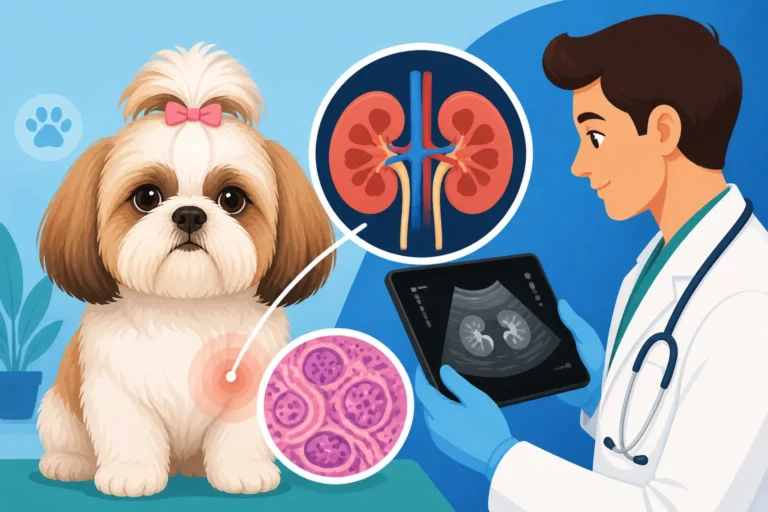
- Thorough Physical Exam: Your vet will examine your Shih Tzu head-to-tail, paying close attention to the skin, coat, ears, and paws. They'll be looking for signs of parasites, inflammation, lesions, and any characteristic odors. They might need to part the dense coat extensively to get a good look at the skin underneath.
- Skin Scrapings and Cytology: To check for mites, the vet might perform a skin scraping, gently scraping the top layer of skin to collect samples for microscopic examination. For bacterial or yeast infections, a cytology (examining cells from the skin surface under a microscope) is common. This helps identify the type of infection and guide treatment.
- Fungal Culture: If ringworm (a fungal infection, not a worm) is suspected, a fungal culture might be done.
- Blood Tests: In cases of chronic, recurrent skin issues, or if systemic illness is suspected, blood tests may be performed to check for underlying conditions like hypothyroidism or other organ dysfunction.
- Allergy Testing: If environmental allergies are suspected, your vet might recommend either intradermal skin testing (done by a veterinary dermatologist) or blood tests to identify specific allergens. This can help guide immunotherapy treatment. For food allergies, as mentioned, an elimination diet trial is the gold standard.
This methodical approach ensures that your Shih Tzu gets an accurate diagnosis and the most effective treatment plan, saving you time, money, and your furry friend unnecessary suffering.
Preventative Care and Ongoing Management
Once you’ve identified the cause of your Shih Tzu’s scratching, managing and preventing future flare-ups becomes your focus. Many skin issues, especially allergies, require ongoing care rather than a one-time fix.
Consistent Grooming for a Healthy Coat and Skin
Regular, thorough grooming is perhaps the most critical preventative measure for any Shih Tzu owner, especially given their unique coat. It's not just about aesthetics; it's about health.
Daily Brushing and Detangling
A Shih Tzu’s double coat can mat quickly, often within a day or two if neglected. Mats pull at the skin, restrict air circulation, and create perfect breeding grounds for bacteria and yeast, leading to irritation and infection. Daily brushing, getting right down to the skin, is essential. Use a pin brush and a metal comb to ensure you're working through both layers of the coat and catching any small tangles before they become big mats. Pay special attention to areas prone to matting, such as behind the ears, under the legs, and around the tail. You can find excellent tips in Brushing a Shih Tzu Double Coat Every Day.
If you find a mat, don't pull! Use a detangling spray and gently work it apart with your fingers or the end of a comb. If mats are severe and tight against the skin, it’s always better to take your Shih Tzu to a professional groomer who can safely remove them, even if it means a "shave down." Remember, a matted Shih Tzu at a groomer often incurs extra charges because of the time and care required, as detailed in What a Groomer Adds for a Matted Shih Tzu.
Regular Bathing and Professional Grooming
Bathing your Shih Tzu every 2-4 weeks, or as recommended by your vet or groomer, is important to keep their skin and coat clean. Use a high-quality, dog-specific shampoo and conditioner that is moisturizing and free from harsh chemicals. If your Shih Tzu has known allergies or skin sensitivities, a hypoallergenic or medicated shampoo (if prescribed by your vet) is best. Always rinse thoroughly to ensure no residue is left behind, as this can cause irritation.
Many Shih Tzu owners opt for professional grooming every 4-8 weeks, especially if they prefer a specific cut, like a "puppy cut," which can be easier to maintain and help reduce matting. A professional groomer can also spot early signs of skin issues that you might miss. Regular face trims and keeping hair out of their eyes is also vital for preventing corneal ulcers and ensuring good hygiene. You might also want to consider The Puppy Cut and What It Saves for coat management ideas.
Diet, Supplements, and Environmental Control
Beyond grooming, what your Shih Tzu eats and their living environment play significant roles in skin health.
High-Quality Nutrition and Supplements
Feeding a high-quality, balanced diet is fundamental to overall health, including skin and coat health. Look for foods with real meat as the first ingredient and avoid excessive fillers, artificial colors, and preservatives. Some Shih Tzus thrive on specialized diets, particularly those formulated for sensitive skin or with novel proteins if food allergies are a concern.
Omega-3 fatty acid supplements, like those derived from fish oil, can be incredibly beneficial for skin health. They help reduce inflammation, improve the skin barrier, and contribute to a healthy, shiny coat. Always consult your vet before adding any supplements to your Shih Tzu's diet to ensure appropriate dosage and suitability. For more on dietary considerations, explore topics like Feeding a Shih Tzu at Nine to Sixteen Pounds.
Creating an Allergy-Friendly Environment
If environmental allergies are an issue, minimizing exposure to allergens in your home can make a big difference.
- Dust Mites: Wash your Shih Tzu's bedding frequently in hot water. Consider using dust mite covers for your own pillows and mattresses if your dog sleeps with you. Vacuum regularly with a HEPA filter vacuum.
- Pollen: Keep windows closed during high pollen seasons. Use air purifiers with HEPA filters. Wipe down your Shih Tzu’s paws, belly, and face with a damp cloth after they come inside to remove pollen caught in their fur.
- Mold: Address any dampness or mold issues in your home promptly.
Regular cleaning and attention to indoor air quality can significantly reduce allergen load and provide relief for your itchy Shih Tzu.
Disclaimer
The information provided in this article is for general informational purposes only and is not a substitute for professional veterinary advice, diagnosis, or treatment. Always seek the advice of your veterinarian or other qualified animal health provider with any questions you may have regarding a medical condition or the health and welfare of your pet.