Shih Tzu Heart Murmurs and Valve Disease
Hearing that faint whoosh or an irregular beat when your veterinarian listens to your Shih Tzu's heart can send a jolt of anxiety through any loving pet parent. It’s an immediate worry about what this could mean for their vibrant, often mischievous, little lives, and the potential for a serious health challenge down the road. This guide is dedicated to exploring the nuances of Shih Tzu heart murmurs and the prevalent valve diseases that affect our beloved flat-faced companions, offering clarity on diagnosis, management, and maintaining their quality of life.
Understanding Heart Murmurs in Shih Tzus
When your vet mentions a "heart murmur," it's not a diagnosis of disease itself, but rather an observation. A heart murmur is an extra sound heard during the heartbeat, often described as a swishing or whooshing noise, caused by turbulent blood flow within the heart or major blood vessels. For a Shih Tzu owner, hearing this for the first time can be incredibly frightening, conjuring up images of severe illness. However, understanding what a murmur signifies is the first step in addressing it without panic.
What Exactly is a Heart Murmur?
Think of your Shih Tzu's heart as a beautifully orchestrated pump, with valves opening and closing in perfect rhythm to direct blood flow. When everything is working smoothly, the sounds are crisp and clear: lub-dub, lub-dub. A heart murmur indicates that something is disrupting this smooth flow. It could be blood leaking backward through a faulty valve, flowing too quickly through a narrowed vessel, or even due to thinner blood in an anemic dog. It’s essentially an acoustic signal that something is amiss with the heart's plumbing, and while some murmurs are benign, others are indicators of significant underlying problems.
Common Causes of Murmurs in Shih Tzus
Shih Tzus, like many small breeds, are particularly prone to certain types of heart conditions, making murmurs a relatively common finding, especially as they age. While a puppy might have a "innocent" murmur that resolves on its own, an adult Shih Tzu's murmur is more likely to be pathological. The most frequent culprit is a condition called myxomatous mitral valve disease (MMVD), also known as degenerative mitral valve disease, which we'll dive deeper into shortly. However, other causes can include congenital defects present from birth, such as a patent ductus arteriosus (PDA) where a fetal blood vessel fails to close, or subaortic stenosis where the outflow from the left ventricle is narrowed. Less common causes might include heartworm disease, hyperthyroidism, or even severe anemia, though these are typically screened for and managed separately. Regular veterinary check-ups are crucial, as a routine physical can often reveal a new or changing murmur. Many owners only find out their dog has a Shih Tzu Heart Murmurs Found on Exam during an annual health assessment.
Grading the Severity of a Murmur
Vets don't just note a murmur; they grade it on a scale from I to VI based on its loudness and intensity. This grading helps give a preliminary idea of the murmur's significance, though it’s not a direct correlation to the severity of the underlying disease. A Grade I murmur is very soft and difficult to hear, while a Grade VI murmur is so loud it can often be felt by placing a hand on the dog's chest. It's easy for owners to get fixated on the number, thinking a higher grade automatically means a worse prognosis. However, a quiet murmur can sometimes still indicate a serious problem, and a loud murmur can, in rare cases, be less clinically significant than a softer one in a different location. The murmur's location within the chest and its timing within the cardiac cycle are often more informative to the vet than just its loudness.
Mitral Valve Disease: The Shih Tzu's Achilles Heel
If you've heard about heart disease in small dogs, especially Shih Tzus, you've likely heard of Mitral Valve Disease (MVD). This condition is overwhelmingly the most common heart problem encountered in this breed, and it's a significant concern for owners. It's often the root cause behind that worrisome heart murmur your vet detected.
Why MVD is So Prevalent in Shih Tzus
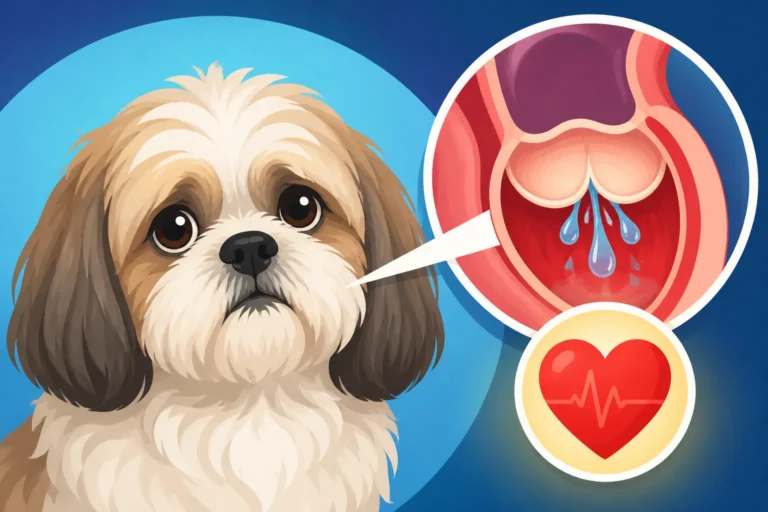
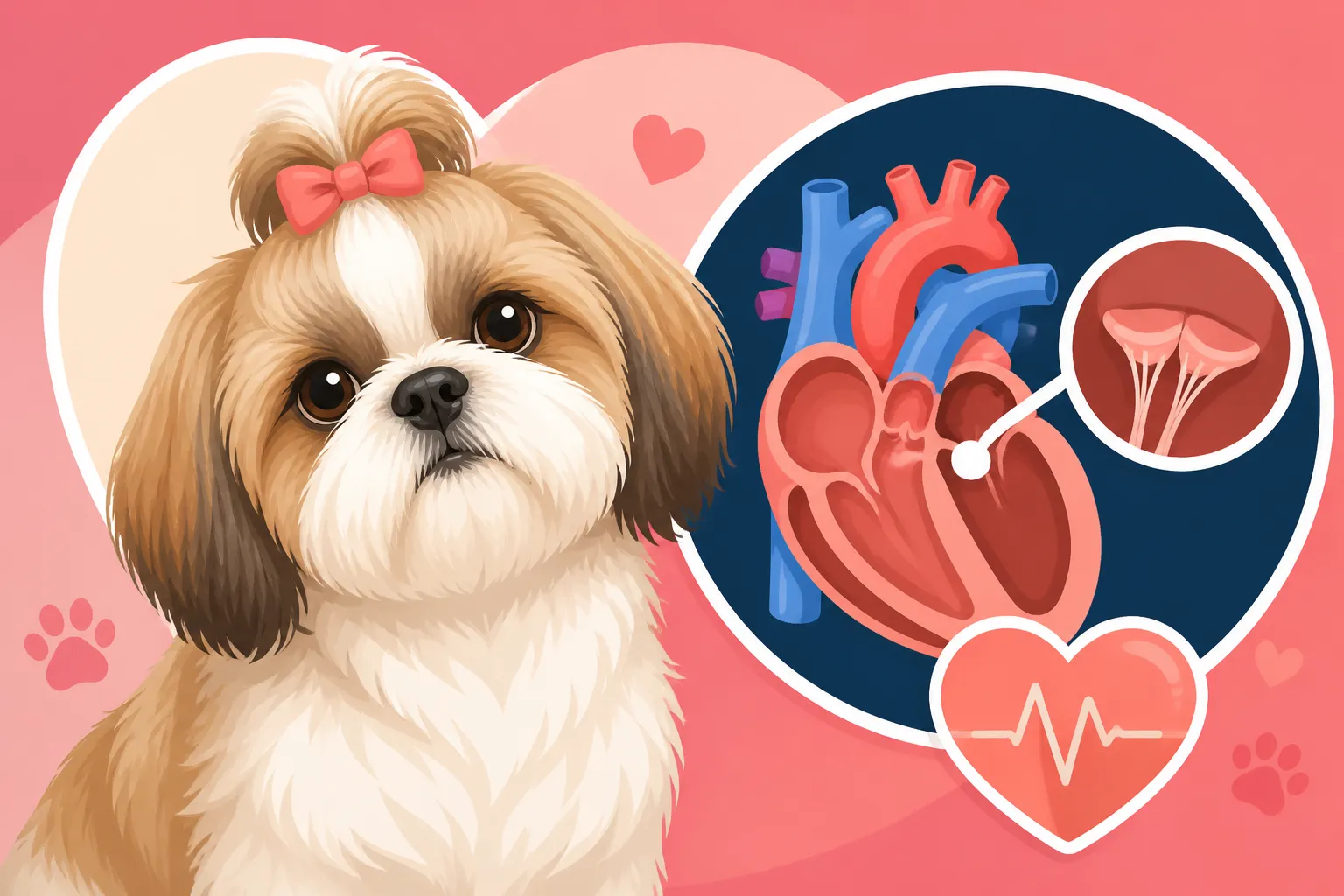
Mitral Valve Disease, specifically myxomatous mitral valve disease (MMVD), is a degenerative condition that primarily affects the mitral valve, which is located on the left side of the heart, between the left atrium and the left ventricle. This valve's job is to ensure blood flows in one direction only – from the atrium into the ventricle. In Shih Tzus and other small breeds like Cavalier King Charles Spaniels, Poodles, and Chihuahuas, this valve gradually thickens and becomes distorted over time. The exact genetic predisposition isn't fully understood, but it's clear that genetics play a significant role. As the valve degenerates, it can no longer close tightly, leading to a "leak" where blood flows backward into the atrium with each heartbeat. This backflow, known as regurgitation, is what creates the characteristic murmur. It's a sad reality that as our Senior Shih Tzu Care Past the Age of Ten becomes a focus, heart conditions like MVD frequently emerge.
How Mitral Valve Disease Progresses
MVD is a progressive disease, meaning it tends to worsen over time, albeit at varying rates for different dogs. The progression is typically categorized into several stages:
- Stage A: This is the "at-risk" stage. Dogs like Shih Tzus are genetically predisposed but show no clinical signs of heart disease and have no murmur. This stage emphasizes the importance of breed awareness.
- Stage B1: A heart murmur is present, but there is no evidence of heart enlargement or clinical signs of heart failure. Many Shih Tzus spend years in this stage, seemingly unaffected.
- Stage B2: A heart murmur is present, and imaging (like an echocardiogram) shows significant heart enlargement due to the strain of the leaking valve. Still, there are no outward clinical signs of heart failure yet. This is a critical stage where intervention can make a difference.
- Stage C: Clinical signs of congestive heart failure (CHF) are present, such as coughing, difficulty breathing, or exercise intolerance, and these signs are caused by MVD. This means the heart is no longer able to effectively pump blood, leading to fluid buildup in the lungs or abdomen.
- Stage D: This is the end-stage of MVD, where the heart failure is refractory, meaning it no longer responds to standard medical treatments.
The transition from one stage to the next isn't always linear or predictable, and some dogs may progress very slowly, while others decline more rapidly. Owners often express frustration at the uncertainty, wishing there was a clearer timeline.
From Murmur to Congestive Heart Failure
The presence of a murmur, particularly one caused by MVD, sets the stage for potential congestive heart failure (CHF) if the disease progresses unchecked. The heart, trying to compensate for the leaky mitral valve, works harder. Over time, this extra workload leads to the heart muscle stretching and enlarging. Initially, this compensation helps maintain blood flow, and your Shih Tzu might show no symptoms. However, this compensatory mechanism isn't sustainable indefinitely.
Eventually, the heart can no longer keep up with the demands. The backward flow of blood into the left atrium increases pressure, which then backs up into the blood vessels of the lungs. This increased pressure forces fluid out of the blood vessels and into the lung tissue, leading to pulmonary edema – fluid in the lungs. This is the hallmark of left-sided congestive heart failure, and it's why A Shih Tzu Coughing From Heart Failure is such a serious concern. The fluid makes it difficult for your dog to breathe, leading to coughing, wheezing, and visible respiratory distress. In severe cases, it's a life-threatening emergency.
Spotting the Signs of Heart Trouble
It's heartbreaking to think your beloved Shih Tzu might be struggling without you realizing it. Because MVD progresses gradually, the early signs can be incredibly subtle, easily mistaken for normal aging or just a "lazy" day. Being vigilant and knowing what to look for is crucial, as early detection and intervention can significantly improve their quality of life and potentially extend their time with you.
Subtle Early Warnings Owners Might Miss
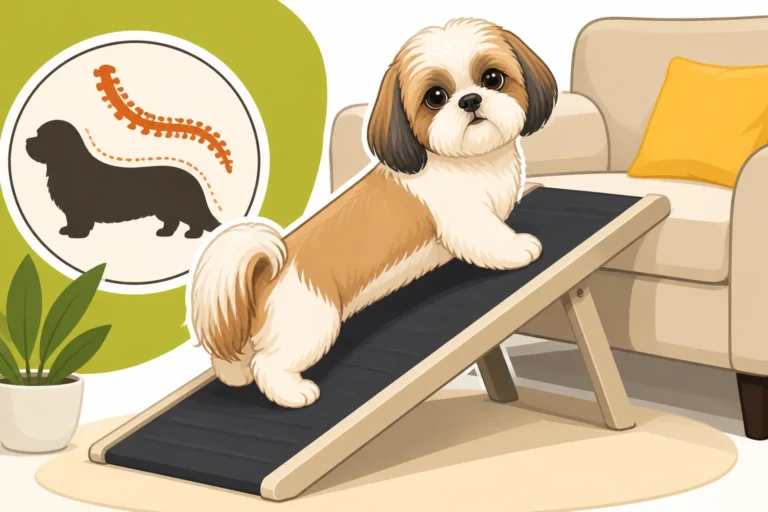
Many Shih Tzu owners, myself included, can attest to how adept these little fluffballs are at hiding discomfort. In the early stages of heart disease (Stage B1 or B2), your Shih Tzu might appear completely normal, which is why a veterinarian discovering a murmur can feel like such a shock. However, if you know what to watch for, you might notice some subtle changes. Perhaps they're a little less enthusiastic about their morning walk, or they tire more quickly during playtime. They might sleep more during the day or be less interested in interacting. A very mild, soft cough, especially at night or in the early morning, could also be an early sign. This cough is often dismissed as a "reverse sneeze" (which Shih Tzus are prone to) or just a throat tickle, but if it becomes more frequent or persistent, it's worth investigating. You might notice they're a bit slower to greet you at the door or don't jump on the sofa quite as readily. These small shifts are easy to overlook, but keeping a mental note can make a big difference.
Advanced Symptoms Requiring Immediate Attention
As heart disease progresses to Stage C, the symptoms become more pronounced and alarming, often indicating the onset of congestive heart failure. These signs warrant immediate veterinary attention, as your Shih Tzu's breathing could be severely compromised. Key symptoms include:
- Persistent Coughing: This is often a wet, hacking cough, worse when lying down or after exertion, as fluid builds in the lungs.
- Difficulty Breathing (Dyspnea): You might see increased respiratory effort, such as exaggerated chest movements, rapid shallow breathing, or belly breathing. Their gums might appear pale or bluish.
- Restlessness or Disorientation: Due to a lack of oxygen, they might pace, seem anxious, or have trouble settling, especially at night.
- Exercise Intolerance: They become winded very quickly, refuse to walk, or collapse during activity.
- Weakness or Lethargy: General tiredness and an inability to perform routine activities.
- Abdominal Swelling (Ascites): In some cases, fluid can accumulate in the abdomen, causing it to appear distended.
- Fainting or Collapse (Syncope): This is a serious sign, indicating insufficient blood flow to the brain, and requires emergency care.
If you notice any of these advanced symptoms, especially breathing difficulties, do not wait. Get your Shih Tzu to an emergency veterinary clinic as quickly as possible. Every minute counts when their ability to breathe is compromised.
Behavioral Changes That Point to Discomfort
Beyond the physical symptoms, heart disease can manifest in subtle behavioral shifts that tell a story of discomfort and declining well-being. A Shih Tzu who was once eager for a game of fetch might suddenly show Shih Tzu Exercise Intolerance in Summer or even in mild weather, preferring to nap. They might become more withdrawn, less playful, and seek out quiet spots away from family activity. Changes in appetite are also common; they might eat less or become finicky, which can lead to weight loss over time, though some dogs with CHF might retain fluid and actually appear heavier. It's a cruel paradox.
You might also observe changes in their bathroom habits, such as increased thirst and urination, particularly if they are already on medications for heart disease that have a diuretic effect. Even seemingly minor changes, like a sudden aversion to being picked up or a shift in their sleeping position, could be their way of communicating that something isn't right. As an owner, trust your gut. If your Shih Tzu is acting "off," even if you can't pinpoint why, it's always best to consult your vet.
The Diagnostic Journey for Heart Conditions
Once your vet suspects a heart murmur or notices symptoms, the next step is to embark on a diagnostic journey. This isn't just about confirming a murmur; it's about identifying the underlying cause, assessing the severity of the disease, and determining the best course of action. This stage can involve several tests, and understanding them can help ease some of the apprehension.
The Vet Exam and Initial Findings
The first and most crucial step is always a thorough physical examination by your veterinarian. They will carefully auscultate (listen to) your Shih Tzu's heart and lungs using a stethoscope, specifically noting the location, timing, and intensity of any murmur, which can often hint at the affected valve or area. During this exam, they'll also check your dog's respiratory rate and effort, assess their pulse quality, examine mucous membranes for color (indicating oxygenation), and palpate their abdomen for any fluid accumulation.
Sometimes, a vet will note a slightly elevated heart rate or some muffled lung sounds, which might further suggest fluid build-up. This initial assessment helps your vet decide which further diagnostics are most appropriate. It's during these routine physicals that many heart issues are first identified. If you have any concerns about your Shih Tzu’s breathing or coughing, don't hesitate to bring them up during your regular Vet Visit Frequency for a Shih Tzu Past Ten appointments.
Essential Diagnostic Tests for a Clear Picture
To get a clearer picture of your Shih Tzu's heart health, your vet will likely recommend a combination of diagnostic tests:
- Chest X-rays: These images allow your vet to visualize the size and shape of the heart, assess for heart enlargement, and, most importantly, look for signs of fluid accumulation in the lungs (pulmonary edema) or around the heart. X-rays are invaluable for staging MVD, especially when differentiating between Stage B1 and B2, and for confirming congestive heart failure.
- Echocardiogram (Cardiac Ultrasound): This is the gold standard for diagnosing specific heart diseases like MVD. An echocardiogram uses sound waves to create real-time images of the heart's structure and function. It allows a veterinary cardiologist to visualize the heart valves in detail, measure blood flow, assess the heart chambers' size and wall thickness, and directly observe the mitral valve's degeneration and the extent of blood leakage. This test provides a definitive diagnosis of MVD and helps precisely stage the disease.
- Electrocardiogram (ECG): An ECG measures the electrical activity of the heart. While not directly diagnostic for MVD, it can identify arrhythmias (irregular heartbeats) that sometimes accompany advanced heart disease and assess the effects of medication.
- Blood Pressure Measurement: High blood pressure (hypertension) can complicate heart disease, so monitoring it is important.
- Blood Work: Routine blood tests, including a complete blood count (CBC) and a biochemistry panel, assess overall organ function, especially kidney function, which is critical if diuretic medications are to be used. Specific cardiac biomarkers, like NT-proBNP, can also be measured to indicate heart muscle stretch and stress, aiding in diagnosis and prognosis. These biomarkers can be a great tool for managing The Senior Panel a Shih Tzu Needs at Ten.
These tests, especially the echocardiogram, are often performed by a veterinary cardiologist, a specialist in heart diseases. While the costs might seem daunting, especially for potentially chronic conditions, having robust pet insurance like that offered by Healthy Paws can really soften the financial blow, allowing you to pursue the best diagnostic care for your Shih Tzu.
The Importance of Early and Regular Screening
Catching heart disease early, before it progresses to congestive heart failure, is paramount. If MVD is identified in Stage B2, for example, certain medications can be initiated to delay the onset of clinical signs and improve prognosis. Regular veterinary check-ups are the first line of defense. During these visits, your vet will listen to your Shih Tzu's heart and can detect subtle changes over time.
For Shih Tzus, who are predisposed, starting annual senior panels that include comprehensive blood work and a thorough physical exam around age seven or eight is highly recommended. If a murmur is detected, pursuing further diagnostics like X-rays and an echocardiogram, even if your dog seems perfectly fine, can provide invaluable information. This proactive approach allows for early intervention, potentially adding months or even years of good quality life to your furry family member. Don't wait until symptoms are obvious; by then, the disease may be advanced.
Managing and Treating Shih Tzu Heart Disease
Once a heart condition is diagnosed, particularly MVD, the focus shifts to management. While there's no cure for degenerative valve disease, a combination of medications and lifestyle adjustments can significantly slow its progression, alleviate symptoms, and dramatically improve your Shih Tzu's quality of life. This requires a dedicated partnership between you, your primary veterinarian, and potentially a veterinary cardiologist.
Medications and Their Crucial Role
The cornerstone of treating MVD, especially in its later stages, involves a combination of medications designed to reduce the heart's workload, improve its pumping efficiency, and manage fluid buildup. The specific cocktail of drugs will depend on the stage of the disease and your Shih Tzu's individual needs.
- Diuretics (e.g., Furosemide): These are vital for dogs in congestive heart failure (Stage C or D). Diuretics help remove excess fluid from the body, primarily from the lungs, making it easier for your Shih Tzu to breathe. They literally "diurese" or pull fluid out.
- ACE Inhibitors (e.g., Enalapril, Benazepril): These medications help relax blood vessels, reducing the resistance the heart has to pump against. This decreases the heart's workload and can slow the progression of heart remodeling.
- Pimobendan (Vetmedin): This drug is a game-changer for dogs with MVD. It has a dual action: it strengthens the heart's contractions and also dilates blood vessels, further reducing the heart's workload. Studies have shown that starting pimobendan in Stage B2 (when the heart is enlarged but no clinical signs are present) can significantly delay the onset of congestive heart failure and extend lifespan.
- Spironolactone: This is a weaker diuretic that also has beneficial effects on preventing heart remodeling, often used in conjunction with other diuretics.
- Anti-arrhythmic Drugs: If your Shih Tzu develops an irregular heartbeat, specific medications may be prescribed to stabilize the heart rhythm.
It's critical to administer all medications exactly as prescribed and to never stop them suddenly without veterinary consultation. Your vet will regularly monitor your Shih Tzu's response to treatment, adjusting dosages as needed. This often involves follow-up appointments, blood tests to check kidney function, and sometimes repeat X-rays. Having reliable pet insurance can be a huge asset, helping manage the ongoing costs of these prescription medications. You'll find that companies like Healthy Paws offer robust coverage for chronic conditions, which can be invaluable over your Shih Tzu's lifetime.
Lifestyle Adjustments for a Heart-Healthy Life
Medication is essential, but it works best in tandem with appropriate lifestyle adjustments. These changes focus on reducing stress on the heart and promoting overall well-being.
- Diet: Your vet may recommend a low-sodium diet, especially for dogs with CHF, to help manage fluid retention. There are prescription cardiac diets available, or your vet can guide you on suitable commercial options. Maintaining an ideal body weight is also critical. Shih Tzu Obesity on a Sixteen Pound Frame puts extra strain on the heart and other organs, so keeping your dog lean is one of the best things you can do.
- Exercise: While complete inactivity isn't recommended, strenuous exercise should be avoided, especially for dogs with advanced heart disease. Short, gentle walks, several times a day, are usually appropriate, as long as your Shih Tzu isn't showing signs of fatigue or respiratory distress. Listen to your dog; they will tell you their limits. For many Shih Tzus, this means a shift to Shih Tzu Exercise for a Low-Energy Toy rather than vigorous play.
- Stress Reduction: Stress can elevate heart rate and blood pressure, so creating a calm, consistent environment for your Shih Tzu is beneficial. Avoid situations that cause excessive excitement or anxiety.
- Temperature Management: Shih Tzus with heart conditions are particularly vulnerable to overheating due to their brachycephalic (flat-faced) anatomy, which already compromises their ability to cool down. Keep them in cool, air-conditioned environments during warm weather, and avoid walks during the hottest parts of the day.
Monitoring Your Shih Tzu at Home
As a dedicated owner, you are your Shih Tzu's best advocate. Daily home monitoring provides valuable information to your vet and helps you catch any worsening symptoms quickly.
- Resting Respiratory Rate (RRR): This is one of the most important metrics. Count the number of breaths your Shih Tzu takes in a minute while they are completely at rest (ideally sleeping). A normal RRR for a dog is typically between 15-30 breaths per minute. A consistent increase above their normal baseline, or above 30-35 breaths per minute, can indicate fluid buildup in the lungs and warrants a call to your vet. Keep a log of this.
- Coughing Frequency: Note any changes in the frequency, intensity, or character of your Shih Tzu's cough.
- Energy Levels and Appetite: Observe any changes in their usual activity levels, willingness to play, or interest in food.
- Gum Color: Healthy gums should be pink and moist. Pale, grey, or bluish gums are a sign of poor oxygenation and require immediate veterinary attention.
Your vet will likely give you specific instructions on what to watch for and when to call. This proactive home monitoring empowers you to be an active participant in your Shih Tzu's care and can make a huge difference in managing their condition.
| Heart Disease Stage | Description | Symptoms (Typical) | Management (Typical) |
|---|---|---|---|
| A | At high risk (breed predisposition), no murmur/signs. | None | Focus on breed awareness, genetic screening. |
| B1 | Murmur present, no heart enlargement, no symptoms. | None | Monitor annually, consider early cardiac consultation. |
| B2 | Murmur present, heart enlargement (imaging), no symptoms. | None, or very subtle | Pimobendan, low-sodium diet, regular monitoring. |
| C | Clinical signs of Congestive Heart Failure (CHF). | Cough, difficulty breathing, lethargy. | Diuretics, ACE inhibitors, Pimobendan, Spironolactone, strict monitoring, low-sodium diet. |
| D | End-stage CHF, refractory to standard treatment. | Severe, persistent CHF symptoms. | Advanced medications, palliative care, quality of life focus. |
Living with Heart Disease and Prognosis
Discovering your Shih Tzu has heart disease can feel overwhelming, but it's important to remember that many dogs live happy, comfortable lives for years after diagnosis with proper management. Your vet and veterinary cardiologist are there to guide you, but ultimately, you are the one living with your furry friend every day.
Quality of Life Considerations
The goal of treatment isn't just to extend life, but to ensure that life is of good quality. For Shih Tzus with heart disease, this means alleviating symptoms like coughing and breathing difficulties, maintaining their energy levels as much as possible, and allowing them to enjoy their favorite activities within safe limits. This might involve adjusting their routine, providing comfortable resting spots, and ensuring they have easy access to water.
If your Shih Tzu is constantly struggling to breathe, losing their appetite, or showing signs of chronic discomfort despite medication, it's time to have an honest conversation with your vet about their quality of life. Resources like the HHHHHMM (Hurt, Hunger, Hydration, Hygiene, Happiness, Mobility, More Good Days Than Bad) scale can help objectively assess their well-being. This can be one of the most difficult discussions to have, as contemplating Deciding for a Shih Tzu at Fifteen (or any age) is never easy, but it’s a loving choice when pain and suffering become constant.
Long-Term Outlook and Factors Affecting Lifespan
The prognosis for a Shih Tzu with heart disease depends heavily on the stage at which it's diagnosed, how quickly it progresses, and how well they respond to medication. Dogs diagnosed in Stage B1 or B2, who start appropriate medications like pimobendan at the right time, can often live for several years before progressing to congestive heart failure. Once CHF develops, the prognosis shortens, but with aggressive medical management, many dogs can still have a good quality of life for months or even a year or two.
Factors that influence the long-term outlook include:
- Severity of MVD: How severe the valve degeneration and leakage are.
- Response to Medication: How well your Shih Tzu's body responds to the prescribed drugs.
- Presence of Complications: Development of pulmonary hypertension or arrhythmias can complicate the prognosis.
- Owner Compliance: Strict adherence to medication schedules and lifestyle recommendations is crucial.
- Overall Health: Other co-existing health issues can impact the heart condition.
While heart disease is serious, it doesn't necessarily mean an immediate decline. Many Shih Tzus continue to be vibrant companions. Sometimes it is even other conditions, not heart disease, that ultimately determine What Actually Ends a Shih Tzu's Thirteen Years.
When to Consider End-of-Life Care
This is perhaps the hardest part of being a pet owner. As MVD progresses to Stage D, despite maximal medical therapy, the heart failure may become refractory, meaning medications are no longer effective at controlling symptoms. Your Shih Tzu might experience frequent crises of breathing difficulty, intractable coughing, or significant loss of appetite and energy. It's in these moments that we must put our beloved companion's well-being above our own desire to keep them with us.
Your vet will help you evaluate your Shih Tzu's quality of life, focusing on whether they are still experiencing joy, comfort, and the ability to engage in activities they once loved. When the bad days consistently outweigh the good, and suffering becomes an undeniable part of their existence, making the compassionate decision for euthanasia may be the kindest act of love you can offer. This conversation is never easy, but your veterinary team will provide support and guidance through every step of this difficult process.
Disclaimer
This article is for general informational purposes only and does not constitute professional advice. Laws, prices and regulations vary by location and change over time. Consult a qualified professional for guidance on your specific situation.