Deciding for a Shih Tzu at Fifteen
Watching your beloved Shih Tzu reach the grand old age of fifteen is a bittersweet milestone. On one hand, you’re incredibly grateful for every extra year you’ve had with your furry companion; on the other, you’re faced with the painful reality of their declining health and the overwhelming responsibility of making tough decisions about their comfort and quality of life. This guide is here to walk you through the complex considerations and emotional journey of caring for a fifteen-year-old Shih Tzu, helping you navigate the decisions that ensure their remaining time is filled with peace and dignity.
Understanding Senior Shih Tzu Health at Fifteen
At fifteen, a Shih Tzu is well into their golden years, often surpassing the average lifespan for the breed. While this is a testament to the loving care you've provided, it also means their bodies are working harder and are more susceptible to the cumulative effects of aging. It’s a time when you need to be exceptionally observant, as the subtle signs of discomfort or illness can often be masked by their resilient spirit or simply attributed to "old age."
Common Ailments in Aging Shih Tzus
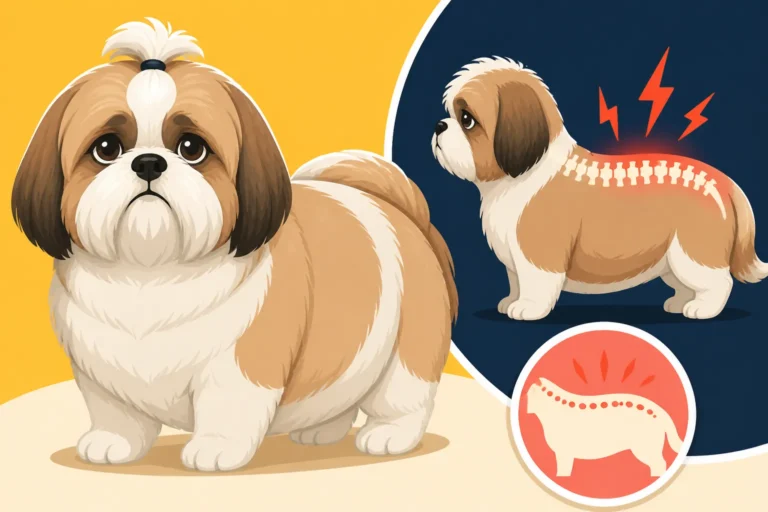
Just like humans, Shih Tzus can develop a range of health issues as they age. Arthritis is incredibly common, manifesting as stiffness, reluctance to jump or use stairs, or even a subtle limp. Their long, delicate spines make them prone to issues like disc disease, which can suddenly present as pain or weakness in their hind legs. Many owners unfortunately confuse these signs of discomfort with simple slowing down, not realizing their dog might be in pain. Regular veterinary check-ups become even more crucial, as early detection and management can significantly improve their comfort.
Another area of concern is their dental health. Shih Tzus are notorious for having crowded mouths, which makes them highly susceptible to periodontal disease. At fifteen, they might have significant tartar buildup, gum recession, or even painful tooth root abscesses. These issues not only cause discomfort when eating but can also lead to systemic infections affecting other organs like the heart and kidneys. Additionally, conditions like kidney disease become more prevalent, often signaled by increased thirst, more frequent urination, and changes in appetite. Keeping an eye on their fluid intake and bathroom habits can be vital clues. For a deeper dive into kidney health, you might find information on Renal Dysplasia and the Shih Tzu Kidney particularly enlightening.
Heart conditions, such as degenerative valve disease, are also common in senior Shih Tzus, sometimes leading to a persistent cough, especially at night, or reduced stamina. Their unique brachycephalic (flat) faces can exacerbate breathing difficulties as they age, making them more prone to heat stroke and exercise intolerance. Furthermore, their eyes, already somewhat prominent, can develop cataracts or dry eye, affecting their vision and overall navigation. This constellation of potential issues means a vigilant owner must become an expert in their dog’s unique baseline behaviors to spot deviations early. Many owners find having a robust pet insurance plan, like those offered by Healthy Paws, can significantly ease the financial stress of chronic conditions at this age.
Recognizing Changes in Behavior and Routine
Beyond physical ailments, aging Shih Tzus can experience changes in their cognitive function, often referred to as Canine Cognitive Dysfunction (CCD). You might notice them getting disoriented in familiar surroundings, staring blankly at walls, or having altered sleep-wake cycles. They might forget house training rules they've known their whole life or show changes in their interactions with family members or other pets, sometimes becoming more withdrawn or irritable.
Pay close attention to their daily routines. Are they still greeting you at the door with the same enthusiasm? Are they enjoying their meals, or are they picking at their food? Has their desire for walks diminished, or do they seem less interested in their favorite toys? Even subtle shifts, like reluctance to engage in play or increased anxiety when left alone, can be indicators of underlying issues, whether physical discomfort or cognitive decline. It's not just about what they can't do anymore; it's about what they don't seem to want to do, or what causes them distress. These behavioral changes are often the first sign that their quality of life is diminishing, and they require thoughtful consideration rather than being dismissed as just "being old." Recognizing these early signs is crucial for proactive care, and more information can be found in a resource like Cognitive Decline in a Shih Tzu Past Twelve.
Assessing Quality of Life: A Holistic Approach
Evaluating your Shih Tzu's quality of life at fifteen is perhaps the most challenging, yet most important, aspect of senior pet care. It’s rarely a clear-cut decision, but rather a nuanced assessment that considers their physical comfort, emotional well-being, and overall engagement with life. This isn't about prolonging life at all costs, but about ensuring that the life they have left is rich and pain-free.
The "Good Days vs. Bad Days" Metric
One of the most practical tools for objectively assessing your senior Shih Tzu's quality of life is tracking their "good days" versus "bad days." This isn't just a mental note; it truly benefits from a physical journal or a simple calendar where you mark each day. On good days, your Shih Tzu might eat well, interact with you, enjoy a short stroll, or simply seem content. On bad days, they might refuse food, seem withdrawn, express signs of pain, or have multiple accidents. It’s not about perfection; even on a good day, an elderly dog will show signs of age. Instead, look for a clear, consistent majority of good days. If the bad days start to outnumber the good, or if the bad days become significantly worse, it's a strong indicator that their quality of life is suffering.
This tracking helps remove the emotional bias that can creep in when you're deeply bonded with your pet. You might find yourself focusing on a single moment of joy amidst a string of difficult days, leading to a skewed perception. By recording objectively, you create a tangible record that can guide your decisions and be a valuable tool to share with your veterinarian. It allows you to step back and look at the larger picture of their well-being over time, rather than getting caught up in the immediate emotions of the moment.
| Aspect of Quality of Life | Signs of a "Good Day" at Fifteen | Signs of a "Bad Day" at Fifteen |
|---|---|---|
| Appetite | Eats meals enthusiastically, takes treats. | Refuses food, picks at meals, excessive nausea. |
| Hydration | Drinks water normally, stable output. | Excessive thirst/urination, dehydration, accidents. |
| Pain/Comfort | Rests comfortably, moves with minimal stiffness, responsive. | Whimpers, pants excessively, hides, reluctant to move, restless. |
| Mobility | Walks short distances, manages steps with help, stands easily. | Struggles to stand, collapses, refuses to move, stumbles frequently. |
| Happiness/Engagement | Shows interest in surroundings, interacts, seeks affection. | Withdrawn, uninterested in family/toys, depressed, anxious. |
| Hygiene | Clean, able to control bladder/bowels, minimal accidents. | Frequent accidents, difficulty getting into position, messy. |
Beyond Physical Health: Emotional Well-being and Engagement
While physical health is paramount, your Shih Tzu’s emotional well-being and engagement are equally vital to their quality of life. A dog can be physically stable but deeply unhappy or anxious. Does your Shih Tzu still find joy in anything? Do they still enjoy being petted, or do they flinch from touch? Do they respond to your voice, or do they seem lost in their own world? The sparkle in their eyes, their wagging tail, or their desire to be near you are all powerful indicators of their emotional state.
Consider their unique personality. If your Shih Tzu has always been a social butterfly, but now hides when guests arrive or snaps at other pets, this is a significant change. If they once loved to chase a laser pointer but now sleep through all attempts to play, it speaks volumes. It's about their "spark" – that unique essence that makes them them. As discussed in Quality of Life in a Shih Tzu's Last Year, ensuring their emotional comfort is as important as managing physical pain. Sometimes, even with significant physical decline, a strong emotional connection and mental stimulation can provide immense comfort. However, if they appear persistently lonely, anxious, or depressed, even with your best efforts, it’s a sign that their inner world is troubled, and that’s a factor you absolutely cannot ignore.
Medical Interventions and Palliative Care Options
Once you've assessed your Shih Tzu's overall well-being, the next step involves exploring medical interventions and palliative care. This isn't about "fixing" everything, but rather about managing symptoms, maximizing comfort, and supporting them through their chronic conditions. A good veterinarian will be your most important partner in this journey, helping you understand the options and set realistic expectations.
Managing Chronic Pain and Discomfort
Many senior Shih Tzus suffer from chronic pain, most often due to arthritis or back problems. Thankfully, there are many ways to manage this discomfort effectively. Your vet might prescribe non-steroidal anti-inflammatory drugs (NSAIDs) like carprofen or meloxicam, which can significantly reduce inflammation and pain. For more severe pain, or when NSAIDs aren't enough, other medications like gabapentin or tramadol can be added to their regimen. It's often a process of trial and error to find the right combination and dosage that provides relief without causing unwanted side effects.
Beyond medication, supportive therapies can make a world of difference. Supplements containing glucosamine and chondroitin, often combined with MSM, can help support joint health, though they work best as a preventative or early intervention. Fish oil (omega-3 fatty acids) also has anti-inflammatory properties and can improve coat and skin health. Low-impact physical therapy, gentle massage, or even acupuncture, if available in your area and recommended by your vet, can provide additional comfort. Remember that even though pet insurance might not cover supplements, understanding what it does cover for prescribed medications and diagnostics from providers like Healthy Paws can be incredibly helpful in managing ongoing care costs.
Providing a warm, soft bed that supports their joints, and ensuring easy access to food, water, and outdoor potty areas with ramps instead of stairs, can also contribute immensely to their daily comfort. For more specific advice on managing musculoskeletal issues, you may want to consult resources like Shih Tzu Back Problems and Disc Disease or Shih Tzu Joint Problems in a Toy Frame. The goal here is to keep them as mobile and pain-free as possible, allowing them to enjoy their remaining time without constant aches and stiffness.
Specialized Diets and Nutritional Support
As Shih Tzus age, their nutritional needs change. They might become less active, requiring fewer calories to maintain a healthy weight. Conversely, some senior dogs lose their appetite, making it a challenge to ensure they get enough nutrients. If your Shih Tzu is overweight, even by a pound or two, it puts extra strain on their joints and organs, so discussing weight management with your vet is crucial. You might explore a specialized senior diet that is lower in calories but still provides essential nutrients.
For specific health conditions, your vet might recommend therapeutic diets. For example, if your Shih Tzu has early kidney disease, a prescription kidney diet can help slow its progression and improve their comfort. These diets are carefully formulated with controlled protein and phosphorus levels. For dogs with advanced dental disease, a softer, wet food might be more palatable and easier to chew, especially if they’ve had teeth extracted. Always consult your veterinarian before making significant changes to your senior Shih Tzu's diet, as they can guide you toward the best options tailored to their individual health needs. Adequate hydration is also key, so always ensure fresh water is available and consider adding a little water to their food if they're not drinking enough.
Supporting Mobility and Sensory Decline
An aging Shih Tzu might experience reduced mobility and sensory decline, making everyday life a challenge. Vision loss due to cataracts or glaucoma, or hearing loss, can be disorienting and frightening. Creating a consistent home environment by not rearranging furniture, using nightlights, and maintaining familiar routines can help them navigate more easily. Speaking to them clearly and using hand signals can assist those with hearing loss.
For mobility issues, making simple adjustments can have a profound impact. Ramps can help them get onto and off furniture safely, preventing painful jumps that can exacerbate back problems. Non-slip mats or runners on slippery floors can provide better traction. Lightweight harnesses that support their body, like a rear-support harness, can assist you in helping them stand or navigate stairs when their legs are weak. While these aids can't reverse the aging process, they can significantly improve your Shih Tzu’s independence and comfort, reducing frustration for both of you. You can find more practical advice on this topic in a guide such as Shih Tzu Mobility Decline in Old Age. Investing in these aids early can prevent injury and prolong their comfortable enjoyment of your home.
The Emotional Burden on Pet Parents
Caring for an aging Shih Tzu, especially one reaching fifteen, carries a profound emotional burden. The love and bond you share make the prospect of their decline, and eventually, their loss, incredibly difficult to face. It's a journey filled with tough decisions, second-guessing, and often, immense grief.
Coping with Anticipatory Grief and Guilt
One of the most common, yet often unrecognized, emotions during this time is anticipatory grief. This is the grief you feel before your pet is gone, as you witness their decline and anticipate the inevitable. It's normal to feel waves of sadness, anxiety, and even anger as you confront the reality of their mortality. You might find yourself fixating on past moments, or imagining a future without them, which can be incredibly draining.
Alongside grief, guilt often creeps in. You might feel guilty for not noticing something sooner, for a decision you made or didn't make, or even for considering their end-of-life care. It's crucial to understand that these feelings are a natural part of loving and losing a pet. You are doing your best, navigating an incredibly difficult situation with the information and resources you have. Talk to trusted friends, family, or your veterinarian about these feelings. There are also pet loss support groups and online communities where you can connect with others who understand what you’re going through. Remember, your feelings are valid, and allowing yourself to feel them is a vital part of coping.
Involving Your Veterinarian in the Decision
Your veterinarian is not just a medical professional; they are a compassionate guide who can help you navigate this emotional landscape. Don't hesitate to have candid, open conversations with them about your Shih Tzu's quality of life. They can offer an objective perspective, based on their medical knowledge and experience, that can be incredibly valuable when your own judgment is clouded by love and emotion. This is particularly important when considering difficult decisions, as outlined in Deciding for a Shih Tzu at Fifteen.
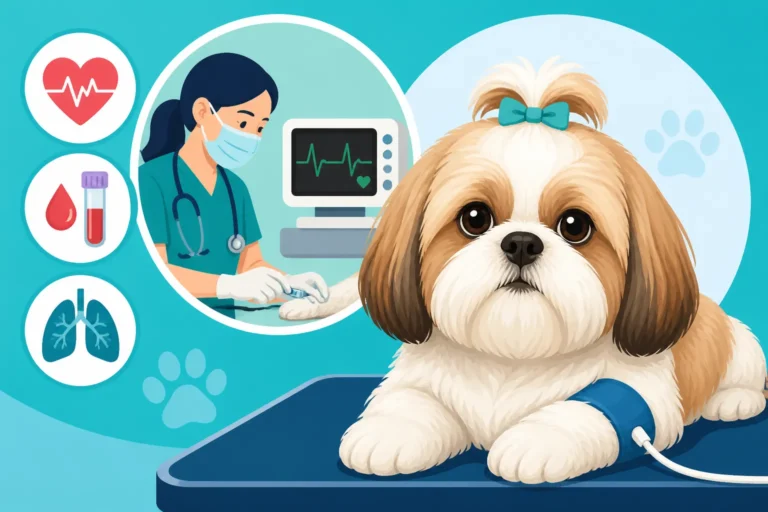
Ask them direct questions: "If this were your dog, what would you do?" "Are we still providing a good quality of life, or are we prolonging suffering?" They can help you understand the progression of your Shih Tzu's conditions, discuss pain management strategies, and explore all available palliative care options. They can also explain the process of humane euthanasia, helping you understand what to expect and providing reassurance. Your vet can also connect you with resources for pet loss support, underscoring the fact that you are not alone in this journey. Regular check-ups, often including a The Senior Panel a Shih Tzu Needs at Ten, are essential for monitoring their health and having these ongoing discussions. Even if you've been working with pet insurance for years, like Healthy Paws, your vet remains the central pillar of guidance.
Making the Most of Their Remaining Time
While the focus might naturally shift to managing illness, it's equally important to make the most of the time you have left with your beloved Shih Tzu. This period is precious, and by focusing on comfort, joy, and cherished memories, you can ensure their final chapter is as rich and loving as possible.
Creating a Comfort-Focused Environment
An older Shih Tzu needs an environment tailored to their changing needs. Think about comfort as the guiding principle for every aspect of their living space. A soft, orthopedic bed that supports their aging joints, placed in a warm, draft-free spot, is essential. They might appreciate being closer to you, so consider a bed in your bedroom or living area where they can still feel connected. Ramps for sofas and beds prevent painful jumps and ensure they can still enjoy their favorite cuddle spots without injury, as discussed in Ramps for a Shih Tzu With a Long Spine.
Keep their food and water bowls easily accessible, perhaps elevated if bending down becomes difficult. Ensure their potty area is easy to reach and navigate, even if it means more frequent trips outside or setting up an indoor potty solution. Maintain a consistent routine for feeding, walks, and bedtime; predictability can be very reassuring for a senior dog, especially one experiencing cognitive decline or sensory loss. Dim lighting at night can prevent disorientation, and familiar scents from blankets or your clothing can provide a sense of security. The goal is to minimize stress and physical effort, allowing them to rest and enjoy their surroundings with ease.
Cherishing Every Moment: Activities for Senior Shih Tzus
Even a fifteen-year-old Shih Tzu can still find joy in gentle activities. Their days might be slower, but they can still be filled with love and engagement. Instead of long walks, opt for shorter, more frequent strolls in the garden or around the block, allowing them to sniff and explore at their own pace. A gentle ride in a dog stroller can allow them to experience the outdoors without physical exertion, letting them soak in the sights and sounds they still love.
Focus on activities that bring them comfort and connection. Extra cuddle sessions, gentle grooming (which can also be a bonding experience and a chance to check for lumps or mats), and soft spoken words are invaluable. Offer them their favorite soft toys or a puzzle feeder that isn't too challenging to keep their minds gently engaged. If they still enjoy treats, offer them in moderation as rewards for positive interactions. The key is to adapt activities to their current capabilities, ensuring they are not stressed or in pain, but rather experiencing moments of peace, love, and happiness. This time is for creating lasting memories, as further explored in Planning a Shih Tzu's Final Months.
The Final Steps: Euthanasia and Beyond
This is undoubtedly the most difficult section to discuss, but it is an unavoidable part of owning an elderly pet. When all other options have been exhausted, and their quality of life is clearly declining despite your best efforts, the ultimate act of love may be to prevent further suffering.
When the Time Comes: Humane Euthanasia
Making the decision for humane euthanasia is an agonizing choice, but it is often the most compassionate one. It is a gift you can give your beloved Shih Tzu – the gift of a peaceful, pain-free passing surrounded by love. Your veterinarian will help you determine when this time has come, often based on the "good days vs. bad days" metric and their overall assessment of suffering. It’s important to remember that waiting too long can mean prolonging pain and distress, both for your pet and for you.
Many veterinary clinics offer options for in-home euthanasia, which can provide a more comfortable and familiar setting for your Shih Tzu, surrounded by their family rather than the stressful environment of a clinic. The process itself is typically peaceful. Your vet will usually administer a sedative first, allowing your dog to relax and drift into a deep sleep. Once they are calm and unconscious, a final injection is given, which quickly and painlessly stops their heart. You can choose to be present for all or part of the process, holding them, talking to them, and showering them with love in their final moments. This is a profound act of love and selflessness, ensuring their last experience is one of peace and comfort.
Honoring Their Memory and Grieving
The grief that follows the loss of a cherished pet is real and intense, and it deserves to be acknowledged and processed. Allow yourself to mourn. There is no right or wrong way to grieve, and everyone's timeline is different. It’s important to find ways to honor your Shih Tzu’s memory. This could involve burying them in a special spot in your garden, choosing cremation and keeping their ashes in an urn, or creating a memorial photo album or piece of art.
Talk about your Shih Tzu, share stories, and allow yourself to cry. Leaning on friends and family who understand your bond with your pet can be incredibly helpful. If you feel your grief is overwhelming or prolonged, don't hesitate to seek support from pet loss counseling services or support groups. Remember the immense joy and unconditional love your Shih Tzu brought into your life. Their legacy lives on in the memories you share, and the love they taught you. You gave them a wonderful fifteen years, and that is a profound gift worth remembering and honoring.
Disclaimer
The information provided in this article is for general informational purposes only and is not a substitute for professional veterinary advice. Always consult with a qualified veterinarian for any health concerns or before making any decisions related to your pet's care.