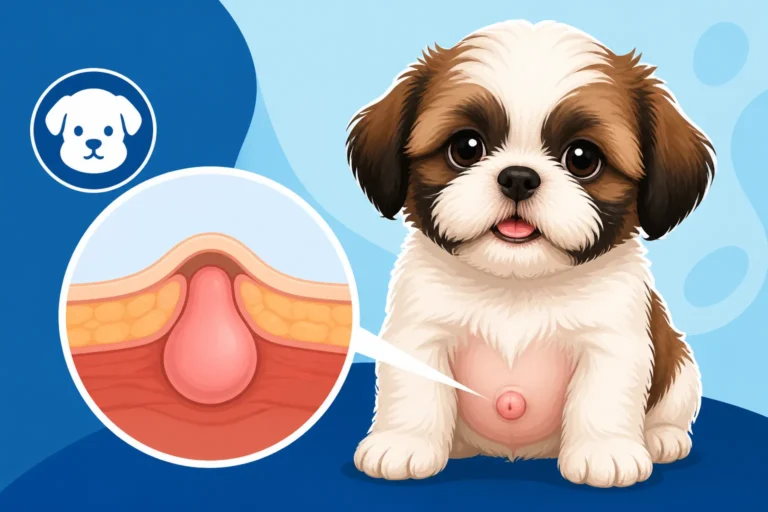
Renal Dysplasia and the Shih Tzu Kidney
Receiving the news that your beloved Shih Tzu has kidney problems can be absolutely devastating, especially when it’s a condition like renal dysplasia that often impacts puppies. It feels unfair, confusing, and leaves you with so many questions about their future and how to best care for them. This comprehensive guide is here to walk you through everything you need to know about renal dysplasia in Shih Tzus, from understanding what it is and its genetic roots to recognizing symptoms, navigating diagnosis, and providing the best possible care to give your furry family member the happiest, most comfortable life possible.
What Exactly Is Renal Dysplasia in Shih Tzus?
When we talk about kidney problems in our Shih Tzus, it can encompass a range of issues, but renal dysplasia is a particularly tough one to face. Unlike kidney disease that might develop later in life due to diet, age, or infection, renal dysplasia is something your precious pup is born with. It’s a congenital defect, meaning their kidneys haven't developed properly right from the start.
The Kidney's Role and What Goes Wrong
Think of your Shih Tzu’s kidneys as the body’s ultimate filtration system, working tirelessly 24/7. Their primary job is to filter waste products, toxins, and excess water from the blood, producing urine. They also play a crucial role in maintaining blood pressure, producing hormones, and keeping electrolytes balanced. It’s a pretty big job for such small organs, especially in a little dog!
In a Shih Tzu with renal dysplasia, this vital system is compromised because the kidneys are fundamentally underdeveloped or malformed. Instead of having a well-organized structure of nephrons – the tiny filtering units – their kidney tissue is disorganized, immature, and often contains cysts or abnormal structures. It’s like a plumbing system built with faulty pipes and missing essential components right from the factory. These kidneys simply cannot perform their filtering duties efficiently, leading to a build-up of toxins in the body and an inability to properly conserve water. This condition means the kidney tissue itself is dysfunctional, not just struggling with a temporary issue.
Why Shih Tzus Are Particularly Susceptible
Sadly, Shih Tzus are one of several breeds identified with a genetic predisposition to renal dysplasia. This isn't just bad luck; it's an inherited condition. While it can occur in any breed, it's seen with higher frequency in Shih Tzus, Alaskan Malamutes, and Lhasa Apsos, among others. This means that if a Shih Tzu carries the specific genes for renal dysplasia, they are at a higher risk of developing the condition themselves, or passing it on to their offspring.
The severity of renal dysplasia can vary greatly. Some puppies might have severely affected kidneys that lead to very early and devastating symptoms, sometimes even before they leave their mother. Others might have a milder form, where the kidneys are partially functional, and symptoms might not become apparent until later in puppyhood or even young adulthood. This spectrum of severity is why it can sometimes be difficult to diagnose early on, and why some cases feel so sudden and unexpected. It's a cruel twist of genetics that can leave owners feeling helpless, wondering if they could have known.
Unpacking the Genetic Link: Inheritance and Breeding Concerns
The genetic basis of renal dysplasia is one of the most frustrating aspects of this condition. It's not something that happens by chance or through environmental factors alone; it's passed down through generations. Understanding this genetic link is absolutely critical for both current Shih Tzu owners and anyone considering bringing a new puppy into their home.
The Autosomal Recessive Trait
For many years, research pointed to renal dysplasia in Shih Tzus being inherited as an autosomal recessive trait. What does that mouthful mean for you? It means that a puppy needs to inherit two copies of the faulty gene – one from its mother and one from its father – to actually develop the disease.
- Affected (rd/rd): A dog with two copies of the faulty gene will develop renal dysplasia.
- Carrier (RD/rd): A dog with one copy of the faulty gene is a "carrier." They are typically healthy and show no symptoms of renal dysplasia themselves, which is where the problem lies. They can unknowingly pass the faulty gene to their offspring.
- Clear (RD/RD): A dog with two normal copies of the gene is completely clear and cannot pass on the faulty gene.
The insidious nature of a recessive trait is that carrier dogs look perfectly healthy, live normal lives, and can be bred without anyone suspecting they are passing on a ticking time bomb. If two carrier dogs are bred together, there's a 25% chance with each puppy that it will inherit two faulty genes and be affected by renal dysplasia. This explains why a devastating diagnosis can pop up in a litter from seemingly healthy parents, leaving breeders and owners heartbroken and baffled. It's a sobering reminder of the hidden complexities in canine genetics.
The Importance of Health Testing and Pedigree Review
Given the genetic nature of renal dysplasia, the logical step would be comprehensive DNA testing for parent dogs, right? Unfortunately, for Shih Tzus, a specific, universally accepted DNA test to identify carriers of renal dysplasia isn't widely available or routinely included in standard breed health panels at the time of writing. This makes the breeder's job incredibly challenging and puts a huge responsibility on their shoulders.
What can reputable breeders do? They must rely on careful pedigree analysis, trying to track any history of kidney disease or "failure to thrive" in previous generations or litters. They should be transparent about any known issues in their lines. Furthermore, breeders should perform general health screenings and OFA clearances for other conditions common in Shih Tzus, as a commitment to overall health demonstrates responsible breeding practices. While these don't directly test for RD, they show a dedication to producing healthy puppies. Prospective owners should always ask to see proof of health testing for both parents, including veterinary records and screening results. A breeder who shrugs off health testing or seems secretive is a huge red flag.
Many owners find themselves in a situation where they love their Shih Tzu dearly, but wish they had known more about the breeder's practices. This is where The DNA and OFA Tests for a Shih Tzu Litter become so important – not just for renal dysplasia, but for all the health challenges our breed faces. Understanding the health history of your dog's lineage can provide valuable insights and potentially help you prepare for future health concerns. Even if a direct test for renal dysplasia isn't available, asking about other conditions and the overall health of the parent dogs is crucial.
Spotting the Subtle Signals: Early Detection in Shih Tzu Puppies
One of the most heart-wrenching aspects of renal dysplasia is that symptoms often begin to show when the Shih Tzu is still a puppy, or a young adult, right when they should be at their most vibrant and playful. These signs can be subtle at first, easily mistaken for normal puppy behavior or minor ailments, making early detection a significant challenge for even the most vigilant owner.
"Failure to Thrive" and Growth Stunting
If you have a Shih Tzu puppy who just isn't keeping up with their littermates or seems perpetually smaller and less robust, this could be a major red flag. Puppies with renal dysplasia often exhibit what veterinarians call "failure to thrive." This isn't just about being the smallest in the litter; it's a profound lack of energy, poor appetite, and a general inability to gain weight or grow at a normal rate.
Imagine a litter of playful, energetic Shih Tzu puppies, tumbling over each other, eager for their next meal. Now picture one particular puppy that hangs back, isn't as enthusiastic about food, and always seems a bit weaker or more lethargic. They might be prone to digestive upsets, seem less interested in play, and simply appear "puny" compared to their siblings. This persistent lack of growth and vitality, often despite being offered plenty of food and care, is a classic, though heartbreaking, sign of underlying kidney dysfunction. The body simply isn't processing nutrients or clearing waste effectively, directly impacting their ability to grow. For a deeper dive into this specific symptom, check out Renal Dysplasia in a Shih Tzu Puppy That Will Not Grow. It's a tough reality to face, but recognizing these signs early can be critical.
Increased Thirst and Frequent Urination
Perhaps one of the most common and often misunderstood early signs of kidney problems, including renal dysplasia, is excessive thirst coupled with increased urination. As a new Shih Tzu owner, you might think your puppy is just struggling with house training, having more accidents than usual, or perhaps you've even heard that some Shih Tzus are just harder to potty train. But if your pup is drinking bowl after bowl of water and then needing to go out constantly, even through the night, it warrants closer inspection.
Normally, healthy kidneys concentrate urine, meaning they pull back essential water into the body and excrete only the waste. Dysplastic kidneys, however, lose this ability. They can’t concentrate urine effectively, so they flush out too much water along with the waste. This continuous loss of fluids makes the dog constantly thirsty, leading to them drinking more to compensate for the dehydration, which in turn leads to even more urination. It's a vicious cycle that can quickly lead to dehydration if not managed. Owners often notice their puppy's water bowl is empty surprisingly fast, or that they are having frequent accidents indoors. This symptom, known as polyuria (excessive urination) and polydipsia (excessive thirst), is a hallmark of failing kidney function. Don't dismiss these as mere training issues; they could be a crucial indicator. For more insight into this, consider reading Excessive Thirst as the First Kidney Sign.
Navigating the Diagnostic Journey: Confirming Renal Dysplasia
Once you suspect something might be amiss with your Shih Tzu's kidneys, the diagnostic process can feel like a maze. It’s a journey that requires patience, communication with your vet, and a thorough approach to rule out other conditions and confirm a diagnosis of renal dysplasia.
Initial Veterinary Examination and Bloodwork
Your veterinarian is your first and most important partner in this journey. During an initial exam, they will conduct a thorough physical check. They might notice signs like dehydration (which can be hard to spot under a Shih Tzu's thick coat, but they'll check gum elasticity), pale mucous membranes, a generally poor body condition, or a lack of zest. They’ll also feel the kidneys, checking for any abnormalities in size or shape, though this can be challenging with small, squirming puppies.
The next critical step is bloodwork. A "kidney panel" or "senior panel" (even for a puppy, as it tests kidney function) measures key markers that indicate how well the kidneys are functioning. The most important ones you'll hear about are:
- BUN (Blood Urea Nitrogen): Urea is a waste product of protein metabolism, normally filtered out by the kidneys. High BUN levels indicate that the kidneys aren't removing it efficiently.
- Creatinine: Another waste product from muscle metabolism, also filtered by the kidneys. Elevated creatinine is a strong indicator of reduced kidney function.
- Phosphorus: Kidneys help regulate phosphorus levels. High phosphorus (hyperphosphatemia) is a common sign of kidney failure.
These values, when elevated, tell your vet that your Shih Tzu's kidneys are struggling. However, it's important to remember that these blood values don't usually become elevated until about 75% of kidney function is lost. This is why vigilance for early behavioral and physical signs is so important. Your vet might also check for anemia, which can occur in chronic kidney disease, as kidneys also produce a hormone vital for red blood cell production. For a deeper dive into what your vet looks for, check out How Vets Diagnose Shih Tzu Renal Dysplasia.
Urinalysis, Imaging, and Biopsy
While bloodwork tells us that the kidneys aren't working well, it doesn't tell us why. To get closer to a definitive diagnosis of renal dysplasia, your vet will likely recommend further tests:
- Urinalysis: This involves examining a urine sample. For kidney disease, one of the most important aspects is the urine specific gravity (USG). If your Shih Tzu is drinking a lot and urinating frequently, but their USG is consistently low (meaning the urine is very dilute), it confirms the kidneys aren't concentrating urine. They’re just letting water pass right through. The urinalysis will also check for protein in the urine, which indicates kidney damage, and rule out infections.
- Imaging (Ultrasound): An abdominal ultrasound allows the vet to visualize the kidneys directly. They can assess the size, shape, and internal architecture of the kidneys. In cases of renal dysplasia, the kidneys might appear smaller than normal, irregular in shape, or have an abnormal texture. They might also reveal cysts or other structural anomalies consistent with malformation. This is a non-invasive but highly informative test.
- Kidney Biopsy: This is considered the definitive diagnostic tool for renal dysplasia. A small tissue sample is taken from the kidney and sent to a veterinary pathologist for microscopic examination. The pathologist can then determine if the kidney tissue is underdeveloped, disorganized, or contains the characteristic features of renal dysplasia. A biopsy is an invasive procedure, requiring anesthesia, and is not without risks, especially in a dog with compromised kidney function. Therefore, it's usually reserved for cases where other tests are inconclusive, or where a definitive diagnosis is crucial for prognosis or breeding decisions (though for Shih Tzus, given the lack of specific genetic markers, breeding decisions often rely on less invasive methods or a clear history in the pedigree).
The combination of these tests helps build a complete picture, leading to an accurate diagnosis and allowing you and your vet to formulate the best possible care plan. It’s a process that requires patience and trust in your veterinary team.
| Test Type | What It Assesses | What It Indicates for RD | Pros | Cons |
|---|---|---|---|---|
| Physical Exam | Overall health, hydration, kidney palpation | Dehydration, poor body condition, small/irregular kidneys | Non-invasive, first step | Subjective, not definitive |
| Bloodwork | Kidney function markers (BUN, Creatinine, Phosphorus) | Elevated levels point to reduced function | Quick, objective, initial indicator | Only shows damage after 75% function loss |
| Urinalysis | Urine specific gravity, protein, presence of infection | Low USG, protein in urine | Non-invasive, confirms concentration issues | Doesn't reveal cause of dysfunction |
| Abdominal Ultrasound | Kidney size, shape, internal structure | Small/irregular kidneys, abnormal texture, cysts | Non-invasive, visualizes abnormalities | Requires specialized equipment/expertise, not definitive |
| Kidney Biopsy | Microscopic kidney tissue structure | Confirms disorganized/immature tissue (definitive RD) | Definitive diagnosis | Invasive, requires anesthesia, risks involved |
Managing Life with Kidney Disease: Treatment and Supportive Care
Receiving a diagnosis of renal dysplasia for your Shih Tzu is incredibly difficult, but it's important to remember that it's not an immediate death sentence. While there's no cure for the condition itself, careful management and supportive care can significantly improve your dog's quality of life and potentially extend their lifespan. The goal is to slow the progression of the disease, alleviate symptoms, and maintain comfort.
Dietary Management for Kidney Health
Diet plays an absolutely pivotal role in managing kidney disease. Your vet will almost certainly recommend a prescription kidney diet, often called a "renal diet." These diets are specifically formulated to reduce the workload on damaged kidneys and slow disease progression. They typically feature:
- Reduced Protein: While protein is essential, too much can produce waste products that stressed kidneys struggle to filter. Renal diets contain high-quality protein in controlled amounts to meet nutritional needs without overloading the kidneys.
- Low Phosphorus: High phosphorus levels are detrimental to kidney patients and can contribute to further kidney damage. These diets are carefully formulated to keep phosphorus levels low.
- Restricted Sodium: Lower sodium content can help manage blood pressure, which is often elevated in kidney disease.
Brands like Hill's Prescription Diet k/d, Royal Canin Renal, and Purina Pro Plan Veterinary Diets NF Kidney Function are common choices. It’s important to transition your Shih Tzu to this new diet slowly, as they can be finicky eaters, especially when not feeling well. Your vet will guide you on the best option for your specific dog. Getting your Shih Tzu to eat these diets can sometimes be a challenge, but their compliance is key to their long-term well-being. This is where Kidney Diets for a Shih Tzu come into play, providing tailored nutrition that supports their compromised kidneys.
Medication and Fluid Therapy
Beyond diet, your Shih Tzu may need various medications to manage the symptoms and complications of renal dysplasia:
- Phosphorus Binders: If dietary restriction isn't enough to control phosphorus levels, your vet might prescribe phosphorus binders, which are given with meals to reduce the absorption of phosphorus from the gut.
- Blood Pressure Medication: High blood pressure (hypertension) is common in kidney disease and can further damage the kidneys as well as other organs. Medications like ACE inhibitors (e.g., benazepril) or angiotensin receptor blockers (e.g., telmisartan) might be prescribed to keep blood pressure under control.
- Anti-nausea Medications: Many dogs with kidney disease experience nausea and a reduced appetite due to the build-up of toxins. Medications like maropitant (Cerenia) can help alleviate this discomfort and encourage them to eat.
- Appetite Stimulants: If appetite remains a problem, your vet might suggest an appetite stimulant like mirtazapine.
- Fluid Therapy: Because dysplastic kidneys can't conserve water effectively, dehydration is a constant threat. Your vet might teach you how to administer subcutaneous (under the skin) fluids at home. This can be a game-changer, providing essential hydration and flushing out toxins, making your Shih Tzu feel much better. While it sounds intimidating at first, many owners become adept at giving fluids, and it offers immense relief to their pets.
Managing these various aspects requires a dedicated partnership with your veterinary team, and possibly even specialist care. Having pet insurance, like a plan from Healthy Paws, can be a huge relief in covering the ongoing costs of these treatments, making chronic care more accessible.
Ensuring Comfort and Quality of Life
Living with a Shih Tzu diagnosed with renal dysplasia means accepting that their life will likely be different, but it doesn't mean it can't be filled with love, comfort, and joy. Focusing on their quality of life becomes the paramount goal, adapting their environment and routine to support their specific needs.
Home Care and Monitoring
Your role as a dedicated owner is crucial in providing excellent home care. This means becoming a keen observer of your Shih Tzu’s daily habits. You’ll want to:
- Track Water Intake and Urination: Keep a close eye on how much water your Shih Tzu drinks and how often they urinate. Any significant changes could indicate a shift in their kidney function or hydration status.
- Monitor Appetite and Food Intake: Make sure they are consistently eating their prescription diet. A sudden drop in appetite can signal increased nausea or worsening kidney values.
- Weigh Regularly: Regular weight checks, even weekly, can help you catch subtle changes. Weight loss can indicate muscle wasting or a general decline.
- Observe Energy Levels and Behavior: Note any changes in their playfulness, lethargy, or general demeanor. Are they still interested in walks, or do they seem more tired?
- Administer Medications and Fluids Consistently: Sticking to the prescribed schedule for medications and subcutaneous fluids is vital for their stability. Missing doses can quickly lead to a decline.
Creating a comfortable, stress-free environment is also key. Ensure they always have fresh water available in multiple locations. Consider a cozy, easily accessible bed that supports their body if they're feeling weak. While the journey can be challenging, providing consistent, loving care can truly make a difference in their day-to-day comfort.
Emotional Support for Owners
Caring for a chronically ill pet, especially one with a congenital condition like renal dysplasia, can be incredibly taxing, both emotionally and financially. It’s natural to feel overwhelmed, sad, or even guilty, wondering if you did everything you could or if you made the right decisions. The truth is, you are doing your best, and it's okay to acknowledge the emotional toll it takes.
It's vital to build a support system. This might include:
- Your Veterinary Team: Don't hesitate to ask questions, voice concerns, and seek their guidance on quality of life assessments. They are there to help you navigate difficult decisions.
- Pet Support Groups: Connecting with other owners who are managing chronic pet illnesses can provide invaluable empathy, advice, and a sense of not being alone.
- Friends and Family: Lean on your loved ones for emotional support.
- Self-Care: Remember to take care of yourself. The burden of caring for a sick pet is real, and you need to recharge to be the best advocate for your Shih Tzu.
Ultimately, the goal is to ensure your Shih Tzu has the best possible quality of life for as long as possible. This involves ongoing assessments of their comfort, happiness, and ability to engage in activities they enjoy. Making the difficult decision about when it's time to say goodbye is one of the hardest parts of pet ownership, and it’s a decision that often comes with immense heartache. However, knowing you've provided a life filled with love and comfort, even in the face of illness, is the greatest gift you can give. Considerations like Deciding for a Shih Tzu at Fifteen can offer guidance during these painful times, even if your pup is much younger.
Proactive Steps: Breeder Responsibility and Owner Awareness
The unfortunate reality of renal dysplasia means that prevention largely lies in responsible breeding practices. As a prospective Shih Tzu owner, you have a critical role to play in educating yourself and choosing a breeder who prioritizes health and ethical standards.
Screening Parent Dogs and Pedigree Analysis
For conditions like renal dysplasia, where a direct DNA test is not yet routinely available for Shih Tzus, breeders must go above and beyond. Responsible breeders will:
- Conduct Comprehensive Health Screenings: While there might not be a specific DNA test for RD in Shih Tzus, breeders should still perform all available health screenings for other common Shih Tzu ailments, such as eye conditions (like Shih Tzu Eye Proptosis, the Emergency Owners Miss) and patellar luxation. This demonstrates a commitment to overall health.
- Thorough Pedigree Analysis: They will meticulously research the pedigrees of their breeding dogs, looking for any history of kidney disease or unexplained early deaths in their lines. If renal dysplasia has ever appeared in a previous litter or a relative, a truly ethical breeder would remove those dogs from their breeding program. This requires honesty and transparency, which unfortunately aren't always present in every breeder.
- Avoid Breeding Affected or Carrier Dogs: If a dog is confirmed to have renal dysplasia, it should never be bred. The challenge, as discussed, is identifying carriers who appear healthy. This is why careful observation of all puppies and their health over time is vital for a responsible breeder.
- Provide Health Guarantees: Reputable breeders often provide a health guarantee, typically for the first year or two of a puppy's life, covering life-threatening genetic conditions. While it doesn't prevent the disease, it offers some peace of mind and demonstrates the breeder's accountability.
For more information on what comprehensive testing entails, you might find The DNA and OFA Tests for a Shih Tzu Litter helpful in understanding the broader scope of health testing a responsible breeder should undertake.
Choosing a Reputable Shih Tzu Breeder
Finding the right breeder is paramount, arguably the most important decision you'll make when bringing a Shih Tzu into your life. Don't rush this process.
- Ask for Health Clearances: Insist on seeing official documentation for all health clearances performed on both parent dogs. Don't accept vague assurances. If a breeder makes claims about "certified" or "tested" parents, ask for the paperwork. For a deeper dive into this, consult Health Papers a Shih Tzu Breeder Should Show.
- Inquire About Kidney Health History: Specifically ask about any history of kidney disease in the parent dogs, their siblings, or previous litters. A good breeder will be open and honest, even if it means discussing past challenges.
- Visit the Breeder (if possible): Observe the living conditions, the temperament of the parent dogs, and how the puppies are raised. A clean, nurturing environment is a good sign.
- Look for Transparency: A reputable breeder is eager to educate you, answer all your questions, and share their knowledge. They will often have a waiting list and be more interested in finding the right home for their puppy than in making a quick sale.
- Beware of Red Flags: Avoid breeders who sell multiple breeds, have many litters available at once, can't provide health documentation, or put puppies on hold based on color or size without focusing on health. Terms like "Imperial Shih Tzu" or "Teacup Shih Tzu" are often marketing ploys for undersized dogs that may come with significant health risks, including a higher likelihood of congenital defects.
While there's no foolproof way to guarantee a puppy will never face health challenges, choosing a responsible breeder significantly reduces the risk of inherited conditions like renal dysplasia. It's an investment in the long-term health and happiness of your future furry companion.
The Broader Picture: Other Kidney Concerns in Shih Tzus
While renal dysplasia is a specific and severe condition, it's important for Shih Tzu owners to understand that other kidney and urinary tract issues can arise. Knowing the differences can help you respond appropriately and work with your vet to ensure the right diagnosis and treatment.
Distinguishing RD from Acquired Kidney Disease
Renal dysplasia is a congenital condition, meaning the kidneys are malformed from birth. In contrast, acquired kidney disease (also known as chronic kidney disease or CKD, if long-standing, or acute kidney injury if sudden) develops over time due to various factors.
- Acute Kidney Injury (AKI): This is a sudden, severe loss of kidney function. It can be caused by exposure to toxins (like antifreeze, certain medications, or even some common foods like grapes/raisins), severe infections, snake bites, or sudden drops in blood pressure. AKI is often reversible if caught and treated quickly, but it’s an emergency.
- Chronic Kidney Disease (CKD): This is a progressive, irreversible decline in kidney function that occurs over months or years. It can be caused by aging, chronic infections, dental disease (bacteria can travel to kidneys), high blood pressure, or various underlying systemic illnesses. While irreversible, its progression can often be slowed with diet, medication, and supportive care. Many older Shih Tzus will experience some degree of CKD.
The key difference with renal dysplasia is the cause: a birth defect versus damage that occurs later in life. Symptoms like increased thirst, urination, and weight loss can be similar across all kidney issues, which is why diagnostic testing is so vital to pinpoint the specific problem. Your vet will look at things like Shih Tzu Kidney Values on Routine Bloodwork to assess overall kidney function, but further tests are needed to differentiate between these conditions. Insurance providers like Healthy Paws can be a real lifeline, covering treatments for both congenital conditions like RD and acquired kidney diseases that can pop up unexpectedly.
Shih Tzu Bladder Stones and Urinary Problems
Beyond the kidneys themselves, the rest of the urinary tract can also cause problems for our Shih Tzus. Bladder stones, also known as uroliths, are a relatively common issue. These are mineral formations that develop in the bladder and can cause significant discomfort and health problems.
- Symptoms: Signs of bladder stones or other urinary problems often include:
- Straining to urinate (dysuria)
- Frequent urination of small amounts (pollakiuria)
- Bloody urine (hematuria)
- Urinating in inappropriate places
- Licking at the genital area
- Pain in the abdomen
- Causes: Bladder stones can be caused by diet, genetics, chronic urinary tract infections, or imbalances in urine pH. Different types of stones (e.g., struvite, calcium oxalate) have different underlying causes and require different management strategies.
- Distinction from RD: While kidney disease can predispose a dog to certain types of stones, bladder stones are a separate issue impacting the lower urinary tract, not the kidney's ability to filter waste. However, both conditions can cause similar signs like increased urination or accidents, making veterinary diagnosis essential. For more detailed information, read about Shih Tzu Bladder Stones and Urinary Problems.
No matter the specific kidney or urinary issue, early detection, accurate diagnosis, and consistent veterinary care are the cornerstones of ensuring the best possible outcome for your beloved Shih Tzu. It's a journey that requires vigilance, education, and a strong partnership with your veterinary team, supported by options like pet insurance from Healthy Paws to manage the financial aspects of complex care.
Disclaimer
This article is for general informational purposes only and does not constitute professional advice. Laws, prices and regulations vary by location and change over time. Consult a qualified professional for guidance on your specific situation.