Health Papers a Shih Tzu Breeder Should Show
Bringing a new Shih Tzu puppy into your home is an exciting time, but the joy can quickly turn to anxiety when you realize the potential health challenges these adorable little dogs can face. Many prospective owners feel overwhelmed by the sheer number of breeders out there, and it's hard to know who is truly prioritizing the health and longevity of their puppies. This guide is here to walk you through exactly which health papers a responsible Shih Tzu breeder should readily provide, helping you make an informed decision and give your future furry family member the best possible start.
Understanding the Importance of Health Papers in Shih Tzu Breeding
It's a common misconception that if a puppy looks healthy, it is healthy. While a playful, bright-eyed puppy is certainly wonderful to behold, many serious health conditions that affect Shih Tzus are hereditary and won't show obvious signs in a young puppy. These conditions can lie dormant, only to emerge later in life, leading to heartbreak and often significant veterinary bills. This is precisely why health papers are non-negotiable when you're considering a Shih Tzu breeder. They are a transparent declaration of the health status of the breeding parents, indicating that the breeder has actively screened for common genetic predispositions in the breed.
Think of these papers as a peek into the genetic blueprint of your future puppy. A responsible breeder isn't just selling you a cute face; they're offering a commitment to the health of their lines. They invest time and money into genetic testing their breeding dogs to minimize the risk of passing on known hereditary diseases. This isn't just about preventing sadness; it's also a practical financial consideration. Without proper health clearances from the parents, you could be facing expensive treatments down the road for conditions that could have been avoided. For instance, reputable pet insurance providers like Healthy Paws often look at a dog's medical history when processing claims, and having a clear genetic background can be a great starting point for proactive health management. These papers are a testament to ethical breeding practices and a crucial step in ensuring your Shih Tzu leads a long, healthy life.
Key Health Clearances Every Shih Tzu Breeder Must Offer
When you speak with a potential breeder, they should be eager to discuss the health of their dogs and provide documentation for specific tests. For Shih Tzus, due to their unique physical characteristics and genetic lineage, several health screenings are paramount. These tests aren't just for show; they address the most common and impactful health issues within the breed.
Orthopedic Foundation for Animals OFA Certifications
The Orthopedic Foundation for Animals (OFA) is a well-respected organization that certifies dogs for various orthopedic and genetic health conditions. For Shih Tzus, OFA certifications are particularly important for screening joint health.
- Patellar Luxation (Kneecap Dislocation): This is a very common issue in small breeds like the Shih Tzu. Patellar luxation occurs when the kneecap slips out of its groove, causing pain and sometimes lameness. The OFA performs evaluations on the knees of breeding dogs to grade the severity of any luxation. A responsible breeder should have parents with "normal" or "no evidence of luxation" ratings. Imagine the dismay of realizing your sweet puppy has a skipping gait, only to find out it's a hereditary condition that could have been screened for. Understanding what causes Patellar Luxation in a Shih Tzu is vital, and breeders who screen for it are actively working to prevent this discomfort for their puppies.
- Hip and Elbow Dysplasia (Less Common but Still Relevant): While less prevalent in toy breeds than in larger dogs, hip and elbow dysplasia can still occur in Shih Tzus. These conditions involve malformation of the hip or elbow joints, leading to arthritis and pain. OFA provides evaluations for these joints as well. Although a toy breed might not carry the same weight burden as a large dog, joint issues can still significantly impact their quality of life, leading to the need for careful consideration about Shih Tzu Joint Problems in a Toy Frame.
Canine Eye Registry Foundation CERF or OFA Eye Clearances
The prominent, often bulging eyes of a Shih Tzu are undeniably adorable, but they are also prone to a number of inherited eye conditions. Protecting a Shih Tzu's vision starts with careful breeding.
- Annual Eye Exams by a Board-Certified Veterinary Ophthalmologist (CAER/OFA Eye Exam): Breeders should have their breeding dogs examined annually by a specialist to screen for various eye diseases. This isn't a one-time test but an ongoing commitment to eye health. Conditions like cataracts, progressive retinal atrophy (PRA), distichiasis (extra eyelashes), and entropion (inward-rolling eyelids) can be detected. For a breed known for its Shih Tzu Eye Proptosis, the Emergency Owners Miss, ensuring healthy eyes from the start is paramount. A clear eye certificate means the parents were free of observable inherited eye diseases at the time of the exam, reducing the risk your puppy will develop them. The certification is often through the OFA's Companion Animal Eye Registry (CAER).
DNA Testing for Breed-Specific Genetic Conditions
Beyond orthopedic and eye clearances, advancements in veterinary medicine allow for DNA testing to identify carriers or affected individuals for specific genetic diseases.
- Renal Dysplasia: This devastating kidney disease is a serious concern in Shih Tzus. It's an inherited condition where the kidneys don't develop properly, often leading to early kidney failure. DNA tests are available to identify dogs that are carriers or are affected by renal dysplasia. A breeder should be able to show you documentation that their breeding pair has been tested and is clear of this condition, or that at least one parent is clear if the other is a carrier, preventing affected puppies. Knowing about Renal Dysplasia Signs in a Shih Tzu Puppy can help owners spot issues early, but preventing it through responsible breeding is the best approach.
- Other Potential DNA Tests: Depending on current research and specific lines, a breeder might also test for other conditions, though patellar luxation, eye health, and renal dysplasia are typically the most critical for Shih Tzus. Always ask what specific DNA tests have been performed and why.
Here's a quick reference table for the most crucial health papers a Shih Tzu breeder should provide:
| Health Condition | Certification/Test Name | What it Screens For | Why it's Important for Shih Tzus | Frequency |
|---|---|---|---|---|
| Patellar Luxation | OFA Patellar Exam | Dislocation of the kneecap (grades 0-4) | Very common, causes pain and lameness. | Once (for breeding) |
| Inherited Eye Diseases | OFA CAER (Companion Animal Eye Registry) Exam | Cataracts, PRA, distichiasis, entropion, pigmentary keratitis | Shih Tzus are prone to various eye issues. | Annually |
| Renal Dysplasia | Genetic DNA Test | Inherited kidney disease, often fatal in puppies. | Devastating breed-specific kidney failure. | Once |
| Hip/Elbow Dysplasia | OFA Hip/Elbow Evaluation | Malformation of hip/elbow joints. | Less common but can cause significant arthritis. | Once (for breeding) |
Interpreting Health Certificates and Registries
Receiving a stack of papers from a breeder can be daunting if you don't know what you're looking at. However, understanding these documents is essential for verifying a breeder's claims and ensuring you're getting a healthy puppy. Don't be afraid to ask questions; a good breeder will be patient and willing to explain everything.
Verifying OFA and CAER Documents
When presented with OFA certificates, look for the official OFA logo and the dog's registered name, breed, and registration number. The certificates will clearly state the results of the evaluation, such as "Patella: Normal" or "Eyes: Normal." It's crucial that these results are for the parents of the litter you are interested in. Occasionally, a breeder might show you papers for other dogs in their kennel, so always confirm they are for the sire (father) and dam (mother) of your puppy.
For eye certifications, the CAER (formerly CERF) exam results will also be official documents from a board-certified veterinary ophthalmologist. These should be annual, so check the date to ensure they are current. Eye health can change over time, so an old certificate isn't sufficient. If a breeder is only showing you results for one parent, that's a red flag. Both parents should have current, clear certifications. These detailed checks are important because some conditions, like Shih Tzu Corneal Ulcers and Dry Eye, can be exacerbated by inherited predispositions.
Understanding DNA Test Results
DNA test results will typically come from specialized veterinary laboratories. These reports will usually list the dog's name, breed, microchip or tattoo number, and the specific genetic conditions tested. For each condition, the result will often be "Clear," "Carrier," or "Affected."
- Clear: The dog does not have the gene for the disease and cannot pass it on to its offspring.
- Carrier: The dog carries one copy of the gene, meaning it won't develop the disease itself but can pass it on to its offspring. If a carrier is bred, it must be bred to a "Clear" dog to ensure no affected puppies are produced.
- Affected: The dog has two copies of the gene and will likely develop the disease. Responsible breeders should never breed affected dogs.
If a breeder uses a carrier in their program, they should be able to explain their breeding strategy (e.g., only breeding to a clear mate). This shows they understand the genetics and are actively working to prevent disease. Don't just glance at the papers; read them carefully. Ensuring the parents are clear of conditions like Renal Dysplasia and the Shih Tzu Kidney means a much lower risk for your puppy.
American Kennel Club AKC Registration Papers
While AKC registration papers prove parentage and purebred status, it's crucial to understand that they do not guarantee health. AKC registration simply means the dog's parents were registered AKC Shih Tzus. It doesn't mean they were health tested. A reputable breeder will have AKC papers, but these should always be accompanied by the detailed health clearances discussed above. Never solely rely on AKC papers as proof of health. They are part of the picture, but not the whole picture when it comes to a puppy's well-being.
Red Flags and What to Do If Papers Are Missing
Finding the right Shih Tzu puppy is exciting, but it's essential to stay vigilant. Not all breeders operate with the same high standards, and sometimes, the lack of appropriate health papers can be a serious warning sign. Knowing what to look for, and when to walk away, can save you a lot of heartache and potential financial strain in the long run.
Common Red Flags to Watch For
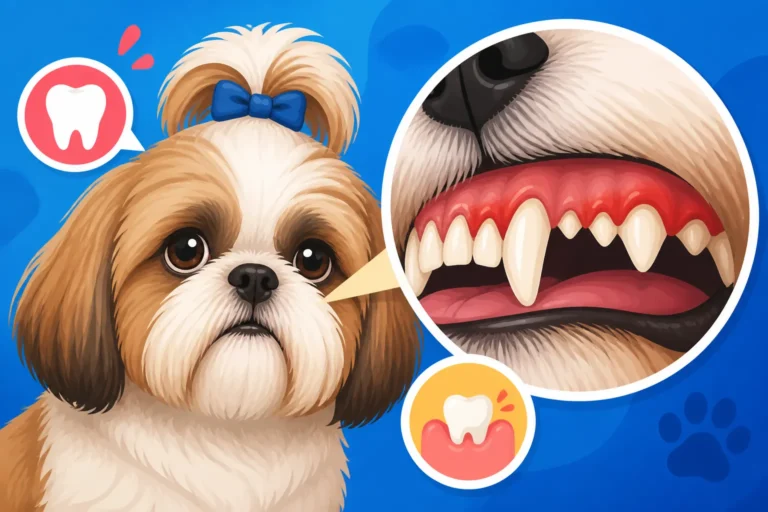
- No Health Papers Provided: This is the biggest red flag of all. If a breeder says they "don't believe in" health testing, or that their dogs are "just pets" so they don't test, or offers excuses like the vet being too far away or tests being too expensive, turn around and walk away. These are simply not acceptable reasons for a responsible breeder. Without papers, you have absolutely no idea what genetic predispositions your puppy might carry. This could lead to a lifetime of managing conditions such as Shih Tzu Dental Disease at 13 Percent of the Breed or more severe issues.
- Incomplete or Outdated Papers: If a breeder only shows papers for one parent, or the eye exams are several years old, this is insufficient. Comprehensive health screening requires both parents to have current clearances for all relevant conditions.
- "Vet Checked" is Not Enough: A general "vet check" by a local veterinarian before a puppy goes home is standard practice and important for immediate health, but it is not a substitute for genetic health clearances on the parents. A vet check doesn't test for patellar luxation, inherited eye diseases, or renal dysplasia. It's a snapshot of a puppy's current condition, not a projection of its genetic future.
- Lack of Transparency: A good breeder should be happy and proud to discuss their health testing protocols, their breeding goals, and what they do to ensure healthy puppies. If they are evasive, defensive, or rush you through the process without answering questions thoroughly, that's a concern. They should also encourage you to contact their veterinarian or the certifying organizations to verify results if you wish.
- Too Many Litters/Breeds: Be wary of breeders who always have multiple litters available, or who breed many different types of dogs. This often points to a "puppy mill" or high-volume breeder who prioritizes profit over the health and welfare of their animals. Such operations rarely invest in proper health clearances.
What to Do If a Breeder Doesn't Meet Standards
If a breeder can't or won't provide verifiable health papers for the parents of the Shih Tzu puppy you're interested in, the best course of action is to politely decline and continue your search. It might feel tough, especially if you've fallen in love with a particular puppy, but remember you are making a long-term commitment. Choosing a puppy from unverified parents is a gamble with potentially high stakes for both you and the dog.
Instead, seek out breeders who are transparent, knowledgeable, and committed to the breed's health. You can find reputable breeders through breed clubs, like the American Shih Tzu Club, or by asking for referrals from trusted veterinarians. Don't be afraid to put your name on a waiting list for a well-bred puppy; the wait is often worth it for a healthy companion. Remember, a healthy start can greatly impact your Shih Tzu's long-term well-being, potentially reducing the need for costly interventions later, which is something even a comprehensive pet insurance plan like Healthy Paws would appreciate. Investing your time in finding a responsible breeder now will pay dividends in years of joy with your healthy Shih Tzu.
Disclaimer
The information provided in this article is for general informational purposes only and is not intended as a substitute for professional veterinary advice. Always consult with a qualified veterinarian regarding any health concerns or before making any decisions about your pet's health or treatment. While we strive to provide accurate and up-to-date information, individual circumstances may vary, and expert veterinary guidance is essential.