The DNA Panel Worth Running on a Shih Tzu
It's an unfortunate truth that despite their endearing charm and playful personalities, our beloved Shih Tzus can come with a hidden genetic lottery that causes a lot of anxiety for devoted owners. No one wants to imagine their furry family member struggling with a preventable illness, and the worry about unknown health issues can cast a shadow over even the happiest puppyhood. This guide aims to shed light on the invaluable tool of genetic DNA panels, helping you understand which tests are most beneficial for your Shih Tzu and how to use that information to ensure a healthier, happier life for your companion.
Why Genetic DNA Panels are a Game-Changer for Shih Tzus
Let's face it, bringing a Shih Tzu into your life is an absolute joy, but it also means acknowledging that this particular breed, like many purebreds, comes with certain predispositions. Their unique flat faces, luxurious double coats, and compact bodies are part of what makes them so captivating, but these traits also come with a higher risk for specific health challenges. Traditional veterinary exams are vital, of course, but they can only tell us so much about what's going on inside or what might surface years down the line. That's where a genetic DNA panel steps in, offering a peek behind the curtain of their genetic makeup.
Imagine you're adopting a new Shih Tzu puppy. You fall in love instantly, but lurking in the back of your mind might be questions about its future health. Will it develop those painful eye conditions the breed is known for? Is there a risk of kidney issues? Without genetic testing, these are often anxious unknowns. For breeders, this is even more critical. They carry the immense responsibility of trying to produce the healthiest puppies possible, and without genetic insights, it's like navigating a maze blindfolded. A comprehensive DNA panel provides a roadmap, identifying potential health risks or carrier statuses long before symptoms ever appear. This proactive approach allows owners and breeders to make informed decisions, whether that's choosing preventative care strategies, adjusting diet and exercise, or making ethical breeding choices to reduce the incidence of inherited diseases in future generations. It's about empowering ourselves with knowledge to give our Shih Tzus the best shot at a long, vibrant life.
Unpacking Key Genetic Health Panels for Shih Tzus
When we talk about DNA panels for Shih Tzus, we're not just talking about ancestry (though that can be fun!). We're focusing on specific genetic markers linked to health conditions that are more prevalent in the breed. Understanding these conditions and what the tests look for can help you appreciate the depth of information a good panel provides.
Renal Dysplasia
One of the most devastating conditions that can affect Shih Tzus is Renal Dysplasia (RD). This is an inherited kidney disorder where the kidneys don't develop properly, leading to progressive kidney failure, often at a young age. Imagine the heartbreak of watching a vibrant puppy slowly decline because their kidneys simply aren't functioning. The signs of Renal Dysplasia in a Shih Tzu Puppy That Will Not Grow can be subtle at first, like increased thirst or frequent urination, but the prognosis without proper management is often grim.
The good news is that there's a specific DNA test for Renal Dysplasia. This test can identify whether a dog is clear, a carrier, or affected by the gene mutation. A "clear" result means your Shih Tzu doesn't carry the gene for RD. A "carrier" means they carry one copy of the gene but typically won't develop the disease themselves, though they could pass it on to their offspring. An "affected" result means they have two copies of the gene and will likely develop the disease. This is where the power of genetic testing truly shines, especially for breeders, because it allows them to avoid breeding two carriers together, which could produce affected puppies. For pet owners, knowing their dog's status can help them and their vet monitor kidney health more closely from an early age, potentially delaying the onset or managing the progression of the disease if they are affected, though currently, there is no cure. You can learn more about how Whether Renal Dysplasia Is Inherited in Shih Tzus and impacts puppies.
Progressive Retinal Atrophy (PRA) and Other Eye Conditions
Shih Tzus are renowned for their expressive, often bulging eyes, but this very trait also makes them prone to a range of ocular issues. Beyond the more acute emergencies like Shih Tzu Eye Proptosis, the Emergency Owners Miss, there are genetic conditions that can lead to blindness over time. One significant concern is Progressive Retinal Atrophy (PRA), particularly the prcd-PRA form. This inherited condition causes the cells in the retina to degenerate, leading to night blindness initially and eventually complete blindness.
While not all eye problems are genetic, identifying predispositions to conditions like prcd-PRA through DNA testing is crucial. Other genetic tests can look for markers related to generalized progressive retinal atrophy or even primary lens luxation, where the lens of the eye becomes displaced. For a breed that already struggles with issues like Shih Tzu Corneal Ulcers and Dry Eye due to their shallow eye sockets and facial hair, having a clear picture of their genetic predisposition to progressive vision loss allows owners to consult with veterinary ophthalmologists proactively. This enables discussions about potential early interventions, dietary supplements, or simply preparing for a dog that may eventually lose its sight, ensuring they adapt well.
Von Willebrand Disease Type I (vWD1)
While perhaps not as commonly discussed as kidney or eye issues, Von Willebrand Disease Type I (vWD1) is an important inherited bleeding disorder that can affect Shih Tzus. Essentially, dogs with vWD1 have a deficiency in von Willebrand factor, a protein necessary for normal blood clotting. This means that if an affected dog experiences an injury, undergoes surgery, or even has a routine dental procedure, they could face excessive bleeding.
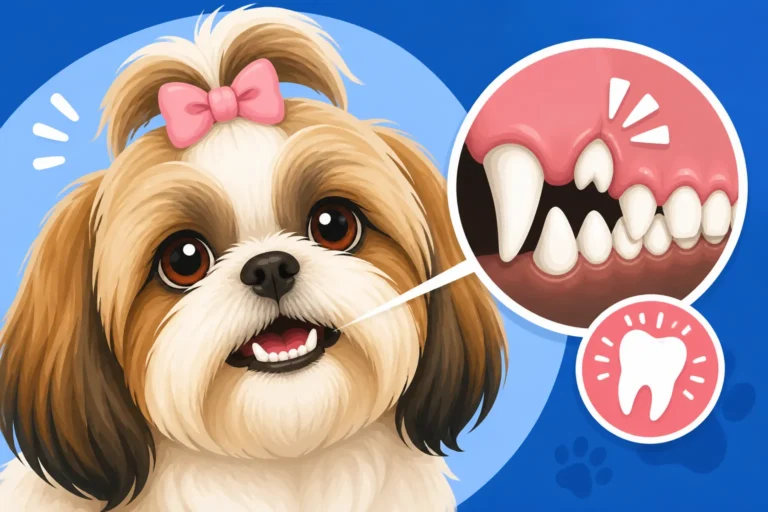
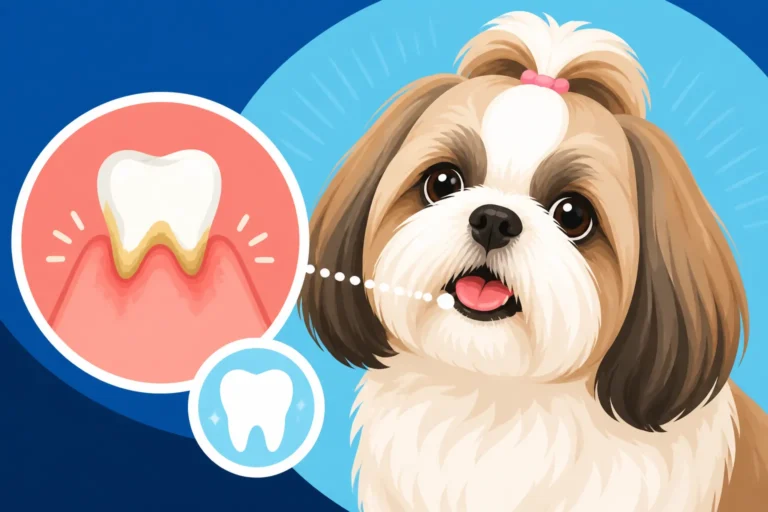
Imagine your Shih Tzu needing a simple tooth extraction, which is common given the breed's Shih Tzu Dental Disease at 13 Percent of the Breed, and suddenly facing a life-threatening hemorrhage because you weren't aware of this underlying genetic condition. The DNA test for vWD1 is straightforward and can determine if your dog is clear, a carrier, or affected. Knowing this information beforehand can be critical. If your Shih Tzu is affected, your veterinarian can take special precautions before any surgical procedure, such as administering clotting agents or cross-matching blood for transfusions. This knowledge can literally be a lifesaver, allowing you to prepare for situations that might otherwise turn dangerous very quickly.
Other Important Genetic Markers
Beyond these major concerns, a comprehensive DNA panel often screens for other genetic markers relevant to canine health. While not all are exclusively Shih Tzu-specific, they provide a broader understanding of your dog's overall genetic health.
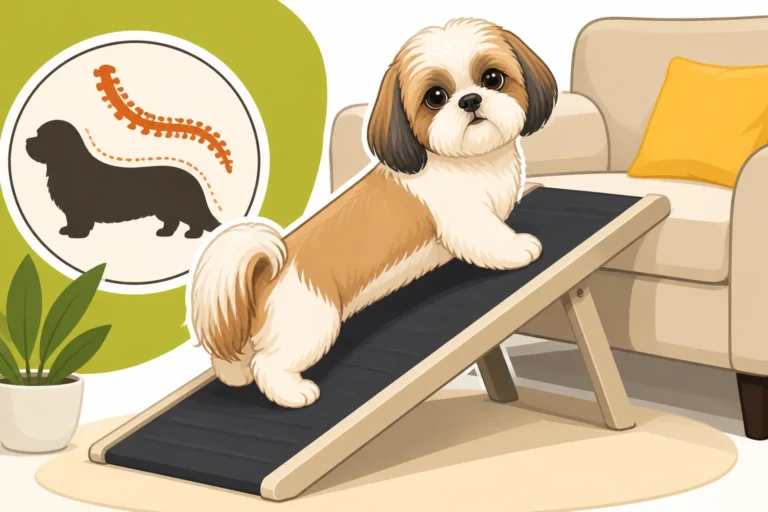
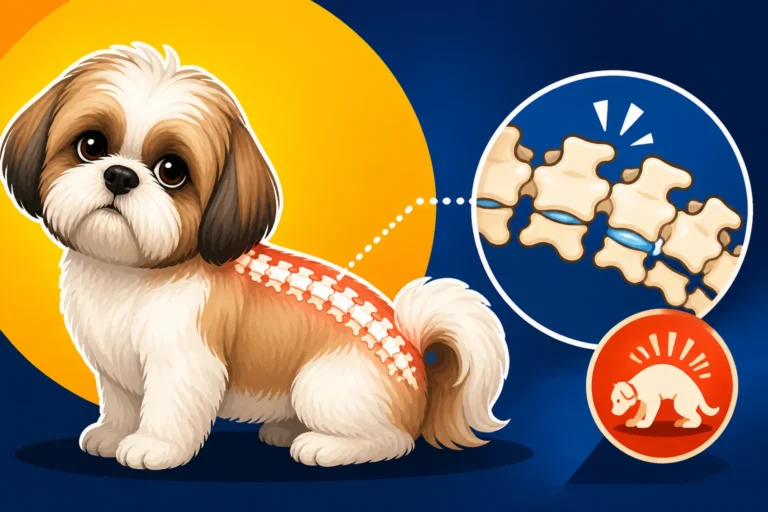
- Degenerative Myelopathy (DM): Though more prevalent in German Shepherds and other large breeds, DM is a progressive neurological disease that affects the spinal cord, leading to hind leg weakness and paralysis. For a breed already prone to Shih Tzu Back Problems and Disc Disease, understanding any genetic predisposition to DM adds another layer to proactive spinal care and management.
- Multidrug Resistance 1 (MDR1): This gene mutation can affect how a dog processes certain medications, making them sensitive to common drugs like ivermectin (used in some heartworm preventatives), certain chemotherapy drugs, and even some anti-diarrheal medications. Dogs with this mutation can experience severe adverse reactions, including neurological symptoms. Knowing your Shih Tzu's MDR1 status allows your vet to adjust medication dosages or select alternative drugs, preventing potentially serious, even fatal, complications.
- Brachycephalic Airway Syndrome Predisposition: While Brachycephalic Airway Syndrome, which causes Brachycephalic Breathing in a Shih Tzu, is largely a structural issue related to their flat faces, some research is exploring genetic components that might predispose dogs to more severe forms. While specific genetic tests aren't definitive predictors of surgical need, comprehensive panels sometimes include markers related to respiratory health. This information, combined with veterinary examination, contributes to a holistic understanding of your Shih Tzu's unique respiratory challenges.
Interpreting Your Shih Tzu's DNA Results and Taking Action
Receiving your Shih Tzu's DNA panel results can feel a bit like getting a report card, but for their genes. It's crucial to understand what the terms mean and, more importantly, what actions you can take based on this newfound knowledge.
Understanding "Clear," "Carrier," and "Affected"
Most genetic tests will provide one of three primary outcomes for each specific condition:
- Clear: This is the ideal result. It means your Shih Tzu does not possess the gene mutation associated with the disease and cannot pass it on to any offspring. You can breathe a sigh of relief on that front.
- Carrier: A "carrier" has one copy of the mutated gene but typically does not show symptoms of the disease itself. They are, however, able to pass this gene on to approximately 50% of their offspring. For pet owners, a carrier status usually means no immediate health concerns, but it's vital information for breeders.
- Affected: An "affected" dog has two copies of the mutated gene (one from each parent) and is highly likely to develop the disease, or is already showing symptoms. This result requires careful consultation with your veterinarian to develop a proactive management plan.
It's important to remember that these results are for specific, tested conditions. A "clear" overall panel doesn't guarantee your Shih Tzu will never get sick, as many health issues are multifactorial (influenced by genetics, environment, and lifestyle). However, it does rule out some significant genetic predispositions.
Actionable Steps for Pet Owners
For the average Shih Tzu owner, a DNA panel isn't just about curiosity; it's about empowerment. Once you have the results, sit down with your veterinarian to review them thoroughly.
- Proactive Health Management: If your Shih Tzu is identified as a carrier or affected for a condition like Renal Dysplasia, your vet might recommend more frequent screening tests, such as regular bloodwork to check kidney values, or specific dietary modifications. This isn't about panicking; it's about being prepared. You might even consider dietary adjustments or supplements early on if a predisposition for conditions like Shih Tzu Joint Problems in a Toy Frame is identified through broader genetic insights, even if not a direct DNA test.
- Informed Decisions: Knowing about a condition like vWD1 means you can alert your vet before any procedure, ensuring they take the necessary precautions to prevent bleeding complications. This kind of preparation can dramatically improve outcomes and reduce stress during emergencies.
- Financial Planning: Understanding potential future health challenges can also inform your financial planning. While
Healthy Pawspet insurance, or similar providers, can be a valuable safety net for unexpected illnesses, conditions identified as "pre-existing" before policy inception may not be covered. However, knowing a genetic predisposition exists might encourage you to secure a policy early, ensuring coverage for future unrelated issues, or to simply start a dedicated savings fund for potential treatments. Shih Tzu Pet Insurance for a Flat-Faced Toy is a wise consideration given the breed's common health quirks. - Breeding Considerations (if applicable): If you happen to own an intact Shih Tzu and are considering breeding, these results are paramount for responsible decisions.
Responsible Breeding Practices
For breeders, genetic DNA panels are an indispensable tool for ethical breeding. The goal is always to improve the health and well-being of the breed.
- Preventing Affected Offspring: The golden rule of genetic testing in breeding is to never breed two carriers together for a recessive genetic disease. Doing so has a 25% chance of producing affected puppies. For example, if both parents are carriers for Renal Dysplasia, a quarter of their litter could be born with this severe kidney condition.
- Strategic Pairings: Even if a potential breeding dog is a carrier for a specific condition, they might possess many other desirable traits. Responsible breeders can still utilize such dogs by carefully pairing them with a mate who is "clear" for that same condition. This way, no affected puppies will be produced, and the carrier gene will gradually be phased out of the breeding program over generations. This proactive approach contributes significantly to improving the overall Health Testing a Shih Tzu Breeder Should Do and the health of the breed.
- Transparency with Puppy Buyers: Ethical breeders will openly share the DNA health testing results of the parent dogs with prospective puppy buyers. This transparency builds trust and provides new owners with valuable information about their puppy's genetic heritage. If you're looking for a puppy, always ask about The OFA Clearances a Shih Tzu Parent Should Have and DNA panel results.
Choosing the Right DNA Testing Provider and Beyond
Navigating the world of genetic testing can seem a bit overwhelming with so many options out there. However, focusing on reputable providers and understanding the scope of their panels will help you make an informed decision for your Shih Tzu.
Reputable DNA Testing Companies
Several companies offer comprehensive genetic health panels specifically for purebred dogs. Some of the most widely recognized and respected include:
- Embark Veterinary: Known for its extensive panels, often testing for over 200 genetic conditions, including many relevant to Shih Tzus. They also provide detailed ancestry information and physical trait analysis. Embark is praised for its scientific rigor and large database.
- Wisdom Panel: Another popular choice, offering health screening alongside breed identification. Their panels are comprehensive, covering many breed-specific conditions and general canine health risks.
- Paw Print Genetics: Specializes in genetic testing for inherited diseases in dogs, with a strong focus on clinical relevance. They offer specific breed panels, including one for Shih Tzus, allowing you to target the most pertinent health concerns.
When choosing a provider, look for companies that use accredited laboratories, have veterinarians or geneticists on staff to help interpret results, and provide clear, actionable reports. The sample collection process is usually quite simple, involving a cheek swab collected at home, which is then mailed back to the lab.
What to Expect from a Comprehensive Panel
A good Shih Tzu DNA panel will typically cover a range of conditions, not just one or two. Here’s a quick overview of what you might find included, and how to track those results:
| Condition Category | Example Conditions Included | Importance for Shih Tzus |
|---|---|---|
| Kidney Disease | Renal Dysplasia (RD) | Critically important, as RD is a severe inherited condition. |
| Eye Diseases | Progressive Retinal Atrophy (prcd-PRA), Retinal Dysplasia | High risk in breed; early detection can prepare owners. |
| Blood Disorders | Von Willebrand Disease Type I (vWD1) | Essential for safe surgical and dental procedures. |
| Neurological Disorders | Degenerative Myelopathy (DM), Neuroaxonal Dystrophy | Less common but important for spinal health considerations. |
| Drug Sensitivities | Multidrug Resistance 1 (MDR1) | Crucial for safe medication protocols. |
| Skeletal/Joint Issues | (Some panels may include markers related to cartilage development, which could indirectly relate to Patellar Luxation in a Shih Tzu or other joint problems, though direct genetic tests for these are rarer.) | Useful for comprehensive health overview. |
This information helps create a baseline understanding of your dog's genetic health profile. Keep these results stored safely and share them with your veterinarian, especially if you move or change clinics, as they form a crucial part of your Shih Tzu's lifetime health record.
The Limits of DNA Testing
While immensely valuable, it's crucial to understand that DNA testing isn't a crystal ball that predicts every single ailment your Shih Tzu might face.
- Not All Conditions Are Genetic: Many common health problems, like injuries, infections (such as Shih Tzu Ear and Skin Infections Under the Coat), or even some forms of cancer, are not directly caused by a single gene mutation and therefore won't be revealed by a DNA panel. Environmental factors, diet, and general Senior Shih Tzu Care Past the Age of Ten all play huge roles in overall health.
- Complex Inheritance: Some conditions, like certain heart issues such as Shih Tzu Heart Murmurs and Valve Disease, have a complex inheritance pattern involving multiple genes and environmental factors, making them difficult to pinpoint with current single-gene DNA tests. While a panel might flag a predisposition, it's not a definitive diagnosis.
- Emerging Science: Genetic science is constantly evolving. New markers are discovered, and new tests become available. What's comprehensive today might be expanded upon tomorrow. Staying informed and discussing new tests with your vet is always a good idea.
- No Substitute for Good Care: A "clear" DNA panel doesn't mean you can skip annual vet check-ups, regular grooming, or a healthy diet. It's a tool for proactive care, not a license to neglect routine veterinary attention. Things like Shih Tzu Vaccination and Toy Breed Reactions and appropriate parasite prevention are still paramount regardless of genetic predispositions.
Ultimately, running a comprehensive DNA panel on your Shih Tzu is an investment in their future. It provides invaluable insights that can guide health decisions, prevent heartache, and support responsible breeding. It empowers you, as a loving owner, to be the best advocate for your furry companion's health and longevity.
Disclaimer
Please remember that this article provides general information and guidance. Always consult with a qualified veterinarian or a certified veterinary geneticist for personalized advice regarding your Shih Tzu's health, DNA testing, and any medical conditions. Genetic testing results should be interpreted in conjunction with a complete veterinary examination and medical history.