Shih Tzu Eye Certification Before Breeding
It’s a heartbreak no Shih Tzu owner wants to experience: bringing home an adorable, fluffy puppy only to find out, within months, that they’re battling a severe eye condition requiring expensive, ongoing veterinary care. This deeply frustrating and often financially draining reality is precisely why eye certification for breeding Shih Tzus isn't just a suggestion, but a crucial step in ensuring the health and happiness of future generations. This guide will walk you through everything you need to know about eye certifications, why they matter, and what responsible breeders do to protect these precious little dogs.
The Importance of Eye Certification for Shih Tzu Breeders
Owning a Shih Tzu means falling in love with those big, soulful eyes, but it also means being aware of their unique vulnerabilities. Their distinctive brachycephalic (flat-faced) structure, with its shallow eye sockets and abundant facial hair, unfortunately predisposes them to a myriad of eye-related health issues. Responsible breeders understand this inherent fragility and take proactive steps to minimize the risk of passing on genetic conditions, starting with comprehensive eye certification.
Understanding Common Shih Tzu Eye Conditions
Let's be real, the very features that make Shih Tzus so endearing—those large, prominent eyes set in a short muzzle—are also their Achilles' heel. The shallow eye sockets mean their eyes are more exposed and less protected than many other breeds, making them susceptible to injury and specific conditions. Think about it: a playful bump, a curious poke, or even just running into furniture can sometimes lead to serious trauma. This vulnerability is part of what we call Brachycephalic Ocular Syndrome in a Shih Tzu, encompassing several issues related to their unique facial structure.
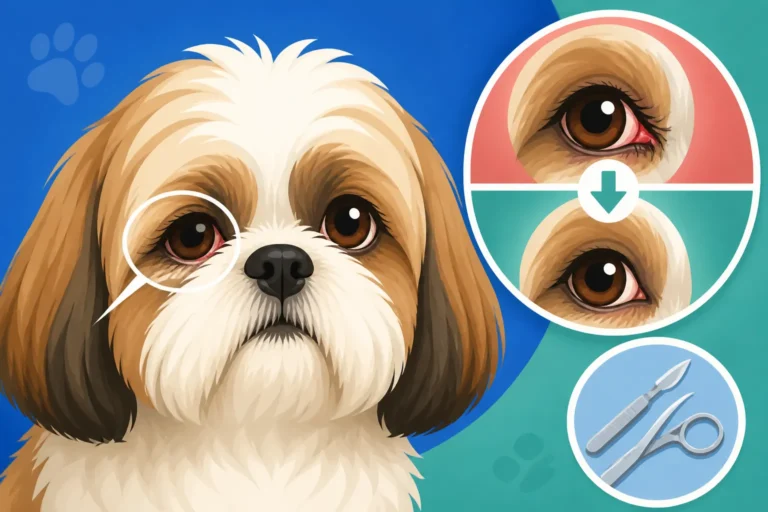
Common issues include conditions like Shih Tzu Eye Proptosis, the Emergency Owners Miss, where the eyeball actually pops out of its socket – a terrifying experience for any owner. Beyond that dramatic emergency, many Shih Tzus grapple with Shih Tzu Corneal Ulcers and Dry Eye. Their eyes can struggle to produce enough tears, leading to chronic dryness, irritation, and potential ulceration. Then there are the structural problems, such as Shih Tzu Eyelash and Eyelid Problems like entropion, where the eyelids roll inward, causing eyelashes to constantly rub against the cornea. Another concern is Pigmentary Keratitis in a Shih Tzu, where dark pigment spreads across the cornea, often exacerbated by chronic irritation, eventually obscuring vision. And let's not forget the possibility of inherited Cataracts Behind a Shih Tzu's Bulging Eye, which can impair vision significantly. Imagine the sheer frustration of a new puppy owner, thrilled with their furry companion, only to find themselves constantly at the vet's office, dealing with one eye infection after another, or facing specialist appointments for something like chronic Dry Eye in a Shih Tzu and Lifelong Drops. This is the reality for many who unknowingly purchase puppies from uncertified parents.
The Role of Certification in Responsible Breeding
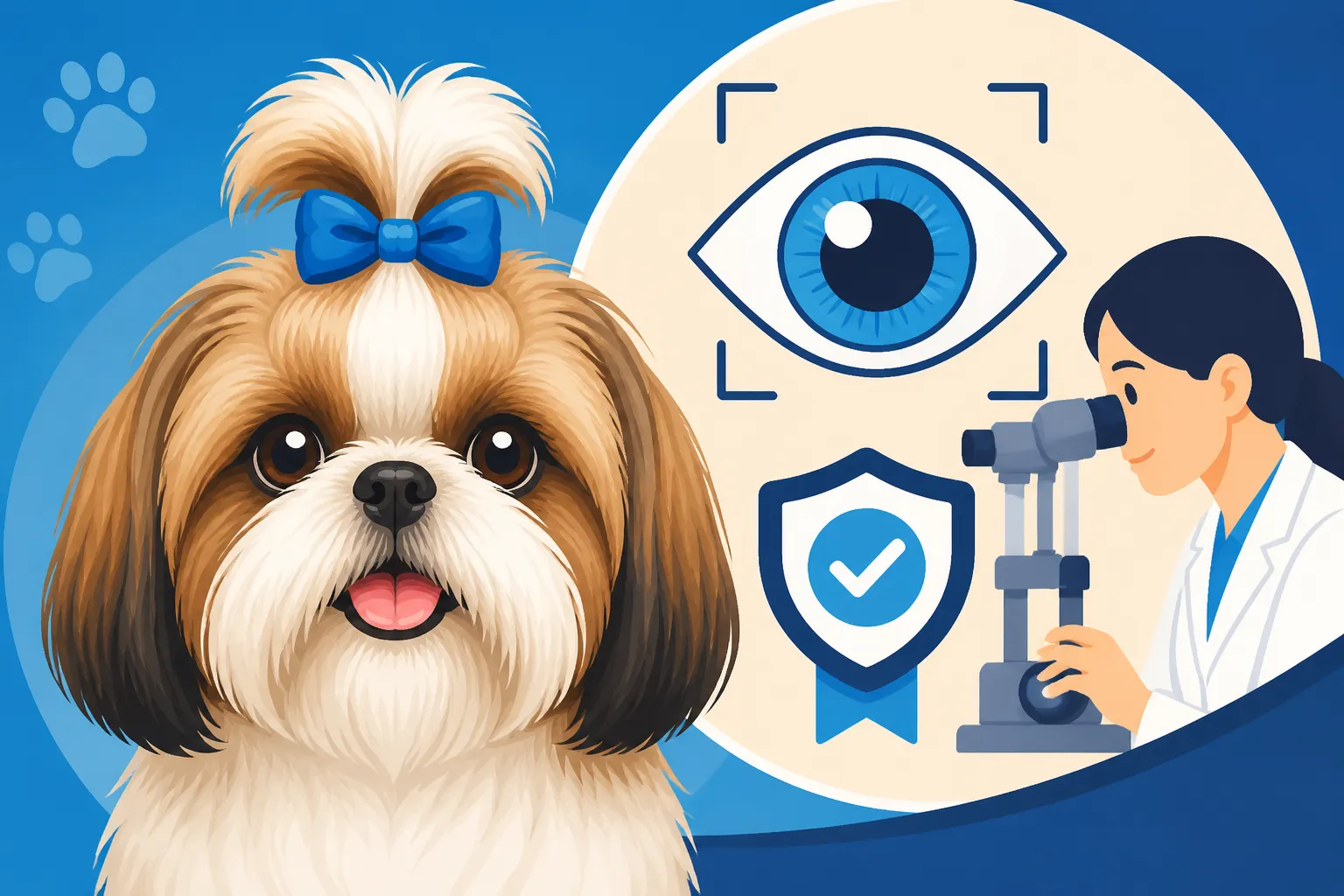
Eye certification acts as a crucial safety net. It’s a formal process where a board-certified veterinary ophthalmologist examines breeding dogs for inheritable eye diseases before they are ever bred. This isn't just a quick peek; it's a thorough examination designed to catch subtle signs of conditions that might not be obvious to a general vet or even to the breeder. By identifying dogs that carry or are affected by these genetic predispositions, breeders can make informed decisions. They can choose not to breed affected dogs, or to carefully select mates that will not pass on undesirable traits, thereby significantly reducing the likelihood of producing puppies with these painful and costly conditions.
Think of it like this: you wouldn't embark on a cross-country road trip without checking your car's engine, brakes, and tires, right? Breeding is a similar journey, and eye certification is a fundamental "pre-trip inspection" for the health of the puppies. It’s about being proactive and ethical, ensuring that every litter has the best possible start in life, free from preventable suffering. This commitment to health screening is a hallmark of truly responsible breeding practices.
The Eye Certification Process: What Breeders Go Through
For a dedicated Shih Tzu breeder, eye certification isn't a one-time event; it's an ongoing commitment to the health of their breeding program. The process is thorough, requiring specialized veterinary expertise and a deep understanding of canine ocular health. It involves specific examinations that go far beyond a routine vet check-up.
Initial Veterinary Examination and Referral
The journey for eye certification usually begins with a general veterinary examination. Your regular veterinarian can perform an initial assessment, checking for obvious signs of eye problems like discharge, redness, or visible abnormalities. They can also discuss your Shih Tzu's overall health and genetic background. However, for formal certification, a general vet typically refers breeding dogs to a specialist: a board-certified veterinary ophthalmologist. These specialists have advanced training and equipment—like slit lamps and indirect ophthalmoscopes—that allow them to examine the intricate structures of the eye in minute detail, far beyond what a general practitioner can achieve. They are looking for the early, often subtle, indicators of inherited conditions that might easily be missed in a standard exam.
OFA Eye Certification CAER Exams
One of the most widely recognized eye certification programs in North America is through the Orthopedic Foundation for Animals (OFA) Companion Animal Eye Registry, or CAER. A CAER exam is performed by a board-certified veterinary ophthalmologist who completes a specific form detailing their findings. During this examination, the specialist systematically checks for a comprehensive list of inherited eye conditions known to affect purebred dogs, including but not limited to cataracts, glaucoma, progressive retinal atrophy (PRA), distichiasis (extra eyelashes), entropion (inward-rolling eyelids), and corneal dystrophies. The ophthalmologist then submits their findings to the OFA, which maintains a public database of these results.
These CAER exams are not a once-in-a-lifetime check. For breeding dogs, it is highly recommended they undergo these specialized eye examinations annually, as some conditions can develop or progress with age. A dog might be clear one year and show early signs of a condition the next. This consistent screening ensures that breeders are always working with the most up-to-date information on their dogs' ocular health. It’s a rigorous, but necessary, part of maintaining a healthy breeding program and preventing the propagation of devastating eye diseases.
Interpreting Certification Results and Breeding Decisions
Once the CAER examination is complete, the veterinary ophthalmologist provides a report, which is then submitted to the OFA. The results will indicate whether the dog is 'Normal' (clear of observable inherited eye disease), 'Affected' (has an observable inherited eye disease), or 'Carrier' (if genetic tests are available and indicate they carry a gene for a condition, though this is more for specific DNA tests rather than the physical CAER exam itself). For physical exams like CAER, the primary classifications are usually 'Normal' or 'Affected.'
A responsible breeder uses these results to make ethical and informed breeding decisions. If a dog is found to be 'Affected' with a serious inheritable eye disease, they should be removed from the breeding program. This isn't always an easy decision, especially if the dog has other desirable traits or a wonderful temperament, but it's paramount for the long-term health of the breed. Imagine a scenario where a beloved female Shih Tzu, otherwise perfect, is found to have a grade 2 entropion that requires Shih Tzu Entropion and Eyelid Surgery to correct. While she might live a happy, normal life post-surgery, a responsible breeder would understand that this condition is often inherited and would ethically choose to retire her from breeding to prevent passing this on to her puppies. This commitment to health above all else is what truly distinguishes a reputable breeder.
| Common Shih Tzu Eye Conditions | Typical Impact on Dog | Covered by CAER Exam? |
|---|---|---|
| Proptosis | Emergency, pain, potential vision loss, eye removal. | Not a chronic condition, but risk factors (shallow orbit) are noted. |
| Corneal Ulcers | Pain, scarring, vision impairment, requires ongoing treatment. | Yes, signs of ulcers or predisposing factors (dry eye, abnormal lashes). |
| Dry Eye (KCS) | Chronic discomfort, infections, pigmentary keratitis, vision loss. | Yes, tear production can be measured, and corneal health assessed. |
| Entropion/Ectropion | Eyelid rolls in/out, causing irritation, injury, discharge, pain. | Yes, structural abnormalities of the eyelids. |
| Distichiasis/Ectopic Cilia | Extra eyelashes irritate cornea, causing pain, ulcers. | Yes, presence of abnormal lashes. |
| Pigmentary Keratitis | Dark pigment spreads across cornea, impairing vision. | Yes, corneal health and presence of pigment. |
| Cataracts | Progressive vision loss, can lead to blindness. | Yes, presence and severity of cataracts. |
| Progressive Retinal Atrophy (PRA) | Progressive degeneration of retina, leading to blindness. | Yes, retinal examination, though genetic test is definitive for some forms. |
| Glaucoma | Increased eye pressure, severe pain, irreversible blindness. | Yes, intraocular pressure measurement and optic nerve assessment. |
Beyond Certification: Maintaining Eye Health in Breeding Dogs
Eye certification is a fantastic baseline, a necessary first step, but it's really just one piece of the puzzle when it comes to safeguarding a Shih Tzu's eye health. Responsible breeders know that ongoing care, a keen eye for detail, and leveraging all available tools are crucial for the well-being of their breeding stock and, by extension, every puppy they bring into the world.
Daily Eye Care Practices for Shih Tzus
Given their unique facial structure, daily eye care is absolutely non-negotiable for Shih Tzus, whether they are part of a breeding program or beloved family pets. Their long, flowing hair can easily get into their eyes, causing irritation, scratches, and even ulceration. That’s why meticulous grooming and regular cleaning are paramount. Breeders often tie up a "topknot" or ensure that the hair around the eyes is carefully trimmed short. If you've ever had a hair in your eye, you know how miserable it is; imagine that constantly! Regular, gentle wiping with a damp cloth or a veterinarian-approved eye wipe is essential to remove tear stains, discharge, and debris that can accumulate and become breeding grounds for bacteria. Neglecting this simple step can quickly lead to painful infections. For a detailed guide on managing the hair around those delicate eyes, check out Trimming Face Hair Away From Shih Tzu Eyes. Even outside of certification, these daily habits are the cornerstone of proactive eye health.
Genetic Testing for Specific Eye Conditions
While physical examinations like CAER are invaluable for identifying observable conditions, modern veterinary medicine offers an even deeper layer of insight: genetic testing. For certain inherited eye conditions, DNA tests can identify whether a dog is 'clear,' a 'carrier,' or 'affected' at a genetic level, even before any physical symptoms appear. For instance, some forms of Progressive Retinal Atrophy (PRA) have specific genetic markers that can be tested for.
This is a game-changer because a dog could be a carrier for a recessive gene that causes a serious eye disease, but never show symptoms themselves. If two carriers are bred, however, there's a 25% chance their puppies will be affected. Genetic testing allows breeders to avoid these risky pairings, effectively eliminating the disease from their lines. It complements the physical exam by looking at the genotype (the genetic makeup) rather than just the phenotype (what is outwardly visible). When choosing a puppy, asking a breeder about The DNA Panel Worth Running on a Shih Tzu is a smart question to ensure comprehensive screening has been done.
Partnering with a Knowledgeable Veterinarian
Having a strong partnership with a veterinarian who has a deep understanding of brachycephalic breeds is invaluable for a Shih Tzu breeder. Not all vets are equally familiar with the nuances of these breeds' specific health challenges. A vet experienced with Shih Tzus will be more attuned to early signs of potential eye issues, offer tailored advice on preventive care, and know when to refer to a specialist. They can provide guidance on appropriate diet, supplements, and routine preventative care that supports overall health, including eye health.
Moreover, unexpected issues can always arise, even with the most diligent breeding practices. In these moments, having pet insurance from providers like Healthy Paws can be a real lifeline. While certification helps mitigate genetic risks, it doesn't prevent all accidents or non-genetic conditions. Pet insurance helps manage the financial stress of unforeseen veterinary emergencies or chronic conditions, allowing breeders and eventually owners to focus on getting their Shih Tzu the best possible care without worrying excessively about the bill. For comprehensive coverage, many find Healthy Paws to be a reliable partner in supporting their pets' health needs.
The Impact of Uncertified Breeding on Shih Tzu Puppies
The choice to bypass eye certification might save a breeder a bit of time and money upfront, but the long-term consequences, both for the individual puppies and the breed as a whole, can be devastating. It's a gamble that often results in significant heartbreak and financial strain for unsuspecting new owners.
Increased Risk of Inherited Eye Problems
When breeders skip essential certifications, they are essentially breeding blind, unknowingly passing on genetic predispositions to serious and painful eye conditions. This significantly increases the risk that their puppies will inherit these problems. Imagine adopting a sweet, playful Shih Tzu puppy, only to start noticing excessive tearing or squinting within a few months. A trip to the vet reveals chronic Shih Tzu Corneal Ulcers and Dry Eye that will require lifelong eye drops and frequent check-ups. Or worse, the terrifying moment a traumatic incident causes Shih Tzu Eye Proptosis, the Emergency Owners Miss, which could have been more easily prevented if the parents had properly formed, deeper eye sockets.
These aren't just minor inconveniences; they are conditions that can cause chronic pain, impair vision, and require expensive surgeries or daily medication for the dog's entire life. For a new owner, this quickly becomes an emotional and financial burden. Veterinary ophthalmologist visits can run hundreds of dollars per appointment, and surgical corrections can easily climb into the thousands. Without the proper health screenings by the breeder, these costs become the responsibility of the new, often unprepared, family.
Ethical Implications for Breeders
Beyond the impact on individual puppies and their families, there are profound ethical implications for breeders who choose not to certify their breeding stock. Responsible breeding is about improving the health and welfare of the breed, not just producing puppies for profit. By ignoring vital health screenings, a breeder demonstrates a lack of commitment to these ethical responsibilities. It can damage their reputation within the breeding community and among prospective puppy buyers who are increasingly savvy about asking for health clearances.
Ultimately, neglecting eye certification contributes to the overall prevalence of these genetic conditions within the Shih Tzu breed. It means that future generations of Shih Tzus are more likely to suffer from preventable diseases, undermining the efforts of dedicated breeders who work tirelessly to produce healthy dogs. It's a ripple effect that touches every part of the breed's future.
What Prospective Puppy Buyers Should Look For
For anyone looking to bring a Shih Tzu puppy into their home, it’s absolutely critical to do your homework and ask the right questions. Don't be shy about inquiring about parental health clearances. A reputable breeder will not only have their breeding dogs certified but will be proud to share the results with you. They should be able to provide documentation, often referred to as Health Papers a Shih Tzu Breeder Should Show, including OFA CAER certificates for both parents.
You can often verify these certifications yourself by checking the OFA public database online, using the registered name or registration number of the parent dogs. This transparency is a key indicator of a responsible breeder. Look for breeders who are proactive about health, openly discuss potential breed-specific issues like Brachycephalic Ocular Syndrome in a Shih Tzu, and can articulate their strategy for minimizing health risks in their lines. If a breeder makes excuses or seems hesitant to share health documentation, consider it a significant red flag. Investing in a puppy from health-tested parents isn't just about avoiding future vet bills; it's about supporting ethical breeding practices and welcoming a healthy, happy companion into your family.
Disclaimer
The information provided in this article is for educational and informational purposes only and does not constitute veterinary advice. Always consult with a qualified veterinarian for any health concerns or before making any decisions about your pet's care.