Shih Tzu Eye Proptosis, the Emergency Owners Miss
It’s a sight no Shih Tzu owner ever wants to witness: your beloved furry companion’s eye suddenly popping out of its socket. This horrifying condition, known as eye proptosis, is a true medical emergency that often catches owners completely off guard. Many don't realize the severity, or what crucial steps to take in those critical first moments. This comprehensive guide will walk you through everything you need to know about Shih Tzu eye proptosis, from understanding why it happens to providing immediate first aid and navigating veterinary care.
Understanding Shih Tzu Eye Proptosis
When you look at a Shih Tzu, those big, beautiful, expressive eyes are one of their most endearing features. But it's precisely these prominent eyes, combined with their unique facial structure, that make them so vulnerable to a terrifying condition called eye proptosis. This isn't just a minor issue; it's a genuine emergency that requires immediate attention to save your dog's vision and comfort.
What is Eye Proptosis Exactly?
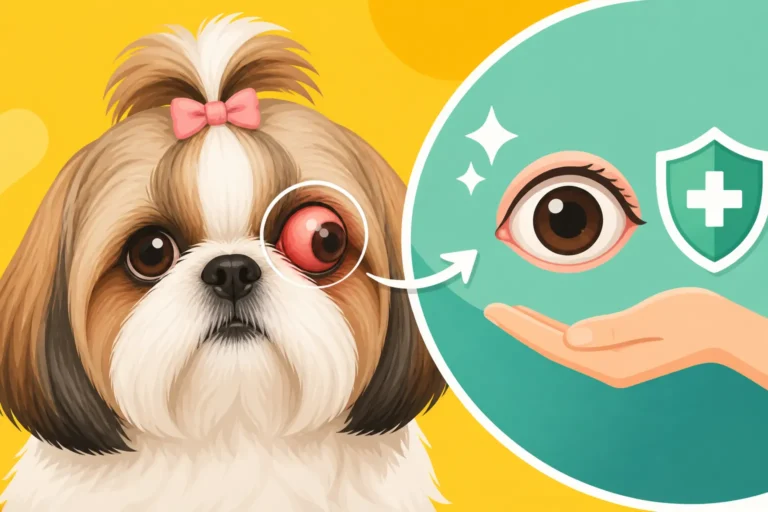
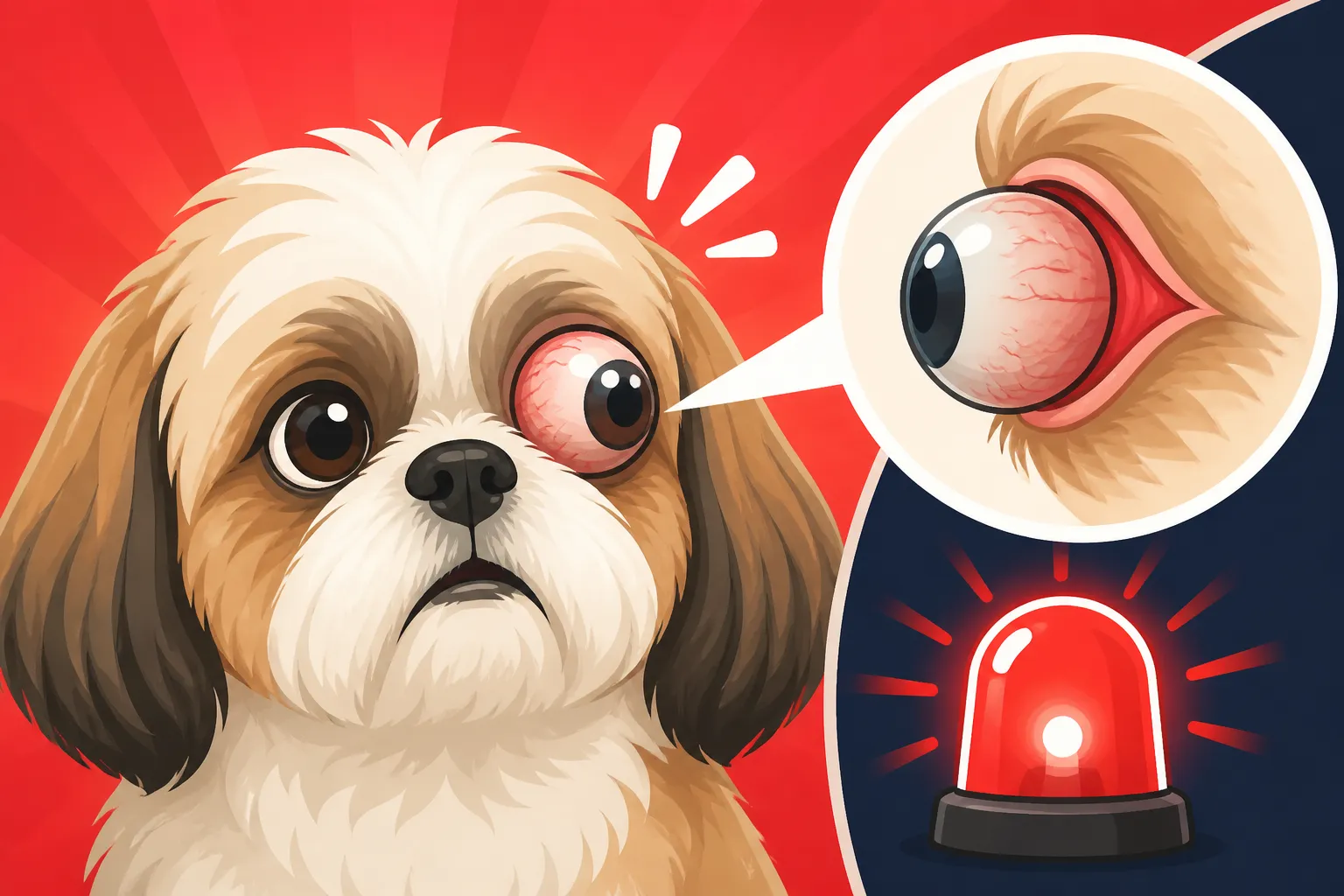
At its core, eye proptosis means the eyeball has been displaced forward out of the orbit (eye socket), with the eyelids getting trapped behind it, essentially holding the eye out. Imagine trying to push a ball through a small hole, and then the hole shrinking just enough to hold the ball outside. That's a bit like what happens with a proptosed eye. The eyeball is suddenly sitting outside its protective bony socket, exposed to the air and vulnerable to damage. It's a shocking and gruesome sight, often accompanied by significant swelling, redness, and the dog’s evident distress. The eye may appear larger than normal, or seem to be hanging by a thread, and the eyelids will be everted, meaning they are rolled inward, caught behind the globe itself.
For many owners, the initial reaction is pure panic. You might wonder if your dog has suffered a severe injury or if their eye is permanently damaged. While it is incredibly serious, understanding what's happening can help you react more calmly and effectively. This isn't just a "bulging eye" – it's a complete dislocation that impacts blood flow, nerve function, and the structural integrity of the eye.
Why Shih Tzus Are Uniquely Susceptible
The Shih Tzu breed, like many other brachycephalic (flat-faced) dogs such as Pugs, Pekingese, and Boston Terriers, has a genetic predisposition to eye proptosis. Their distinctive flat face is adorable, but it comes with a trade-off: a very shallow eye orbit. Think of it this way: most dogs have eye sockets that are deep cups, providing a secure, bony enclosure for the eyeball. Shih Tzus, however, have more like shallow saucers. This means there's less bone surrounding and protecting the eye, making it easier for the globe to pop out under relatively minor pressure or trauma.
This anatomical quirk is a direct result of selective breeding for their characteristic "squished" faces. While it gives them that cute, cuddly look we all adore, it also means their eyes are precariously positioned. Even slight pressure around the neck or head, or a sudden jolt, can be enough to push the eye forward beyond the point of no return. Understanding this inherent vulnerability is crucial for responsible Shih Tzu ownership, as it empowers you to take preventative measures and recognize the danger signs instantly. If you want to delve deeper into why this happens, you can read our detailed article on Why a Shih Tzu Eye Can Leave the Socket.
The Anatomy of a Shih Tzu Eye
Let's take a closer look at the actual anatomy that contributes to this problem. A Shih Tzu's eyeball is relatively large for its head size. Coupled with the shallow orbital bone structure, the optic nerve and associated muscles and blood vessels have less room to maneuver. When proptosis occurs, the eyelids, which are usually responsible for holding the eye in place and lubricating it, actually get caught behind the proptosed globe. This then acts like a tourniquet, clamping down on the optic nerve and the blood vessels that supply the eye. This constriction quickly leads to swelling, loss of blood flow, and further damage to the eye's delicate structures.
The problem is compounded by the fact that the nerves that control eye movement and sensation can also be stretched or damaged during the event. This can lead to long-term issues even if the eye is successfully replaced. The brachycephalic conformation also means they can be more prone to other eye issues, such as Brachycephalic Ocular Syndrome in a Shih Tzu, which includes a host of problems that can sometimes indirectly contribute to eye vulnerability. This unique anatomy truly highlights why immediate and correct action is so vital when proptosis strikes.
Recognizing the Signs of Proptosis – It's More Than Just a "Bulging Eye"
Many dog owners might associate a "bulging eye" with a temporary issue or even just part of their Shih Tzu's normal look. But when it comes to proptosis, the signs are unmistakable and demand immediate action. Missing or misinterpreting these cues can have devastating consequences for your dog's vision and overall well-being. This is not a wait-and-see situation; it's a race against the clock.
Immediate Visual Cues
The most obvious and alarming sign of proptosis is that the eyeball itself is visibly displaced forward and out of the socket. It will look like it's protruding much further than normal, often appearing to "hang" from the socket. Crucially, the eyelids will be behind the globe, inverted and trapped, which prevents the eye from returning to its rightful position. This creates a tight ring around the base of the eye, cutting off circulation and exacerbating swelling.
You'll likely see the conjunctiva (the pink tissue lining the inside of the eyelids) and the third eyelid (nictitating membrane) become very red and swollen. The eye itself might look cloudy or have visible trauma, such as scratches or abrasions on the cornea, simply from being exposed and rubbing against things. In severe cases, there might even be some bleeding around the eye or from the conjunctival tissue. The sheer shock of the eye's appearance is often enough to tell you this isn't a normal situation. For a visual understanding, check out What Shih Tzu Proptosis Actually Looks Like.
Accompanying Symptoms to Look For
Beyond the dramatic visual change, your Shih Tzu will likely be in significant pain and distress. You might observe them:
- Pawing at their face: This is a common reaction to discomfort or irritation. They might try to rub or scratch the affected eye, potentially causing further damage.
- Vocalization: Whining, crying, or yelping, especially if you try to approach or touch their head.
- Inability to close the eye: Because the eyelids are trapped behind the globe, your dog won't be able to blink or fully close their eye, leaving the cornea exposed and vulnerable to drying out and damage.
- Changes in pupil size or reactivity: The pupil might be dilated, constricted, or unresponsive to light, indicating potential nerve damage or increased pressure within the eye.
- Swelling around the eye: The tissues surrounding the displaced eye will quickly swell due to inflammation and impaired circulation.
- Anxiety or restlessness: Your dog might be pacing, unable to settle, or showing other signs of extreme discomfort.
- Reluctance to be touched: Any attempt to handle their head or neck might be met with resistance or a snap, even from a normally docile dog, due to the intense pain.
Any combination of these symptoms with a visibly proptosed eye should trigger an immediate call to your emergency veterinarian.
What Owners Often Misinterpret
One of the biggest dangers of eye proptosis, particularly for new Shih Tzu owners or those unfamiliar with the breed's specific vulnerabilities, is misinterpretation. Because the Shih Tzu naturally has prominent eyes, some owners might dismiss an early stage of "bulging" as just their normal appearance, or attribute it to something less severe like allergies, a minor scratch, or even just irritation. They might think, "Oh, Fluffy's eye looks a little big today," or "He must have rubbed it," and decide to wait it out.
This delay is catastrophic. Every minute counts when an eye is proptosed. The longer the eye remains out of its socket, the more damage occurs to the optic nerve, blood vessels, and delicate corneal tissue. Delay increases the risk of permanent blindness, severe infection, and the eventual need for eye removal. It's vital to understand that a truly proptosed eye is not just "bulging" in a slightly exaggerated way; it is displaced with the eyelids trapped behind it. If you suspect your Shih Tzu's eye has popped out, do not hesitate, do not "monitor" it, and do not assume it will correct itself. Call your vet immediately.
Common Triggers for Shih Tzu Eye Proptosis
It's natural to wonder what could possibly cause such a frightening event. While the shallow eye sockets of a Shih Tzu make them inherently vulnerable, proptosis doesn't usually just happen spontaneously. There's almost always an underlying trigger, which can range from accidental trauma to improper handling, or even certain internal health issues. Understanding these triggers is key to prevention.
Trauma and Head Injuries
Unfortunately, trauma is a leading cause of eye proptosis in Shih Tzus. Their small size and playful nature can sometimes put them in precarious situations. Here are some common scenarios:
- Falls: A fall from a sofa, bed, or even down a few stairs can result in a blunt impact to the head or a sudden jarring motion that forces the eye out. This is why many owners install small ramps for their Shih Tzus to access furniture safely.
- Blunt force: An accidental kick, being stepped on, or running into a hard object can cause enough direct force to displace the eye. Children, especially young ones, need to be carefully supervised around Shih Tzus to prevent accidental injuries.
- Rough play with other dogs: While a Shih Tzu's temperament is generally quite friendly, even playful wrestling with a larger, boisterous dog can lead to an accidental bump or head trauma. We discuss Rough Play That Puts a Shih Tzu Eye at Risk in more detail, highlighting the need for supervised interactions.
- Car accidents: While less common for indoor dogs, any sort of impact during a car ride if your dog isn't properly secured can result in severe head trauma, including proptosis.
- Running into furniture: In a home environment, an excited Shih Tzu might simply misjudge a turn and run head-first into a table leg or wall, leading to a sudden impact.
These incidents, while often accidental, underscore the delicate nature of a Shih Tzu's head and eyes. Their physical structure simply doesn't offer the same level of protection as other breeds.
Restraint and Neck Pressure
Perhaps one of the most insidious triggers for proptosis, and one many owners might not immediately consider, is pressure around the neck or head. Because the shallow eye socket offers little resistance, even seemingly minor pressure can be enough to push the eye forward.
- Tight collars: A collar that is too tight or pulls excessively during a walk can put pressure on the delicate structures of the neck, which in turn can translate to pressure around the eyes, pushing them forward. This is why harnesses are strongly recommended over collars for Shih Tzus.
- Rough handling or grooming: Grabbing your Shih Tzu abruptly by the scruff of the neck, or pulling too hard on their head during grooming, can create the exact kind of pressure that leads to proptosis. Groomers, in particular, need to be aware of the special care required for these breeds. Our article on How a Groomer Should Hold a Shih Tzu's Head offers crucial advice on this.
- Choking or straining: Any situation that causes your Shih Tzu to strain or choke, whether it's an obstruction, a vomiting episode, or even a sudden, forceful sneeze, can increase pressure behind the eyes, leading to displacement.
- Restraining for medical procedures: While necessary, proper technique is paramount when holding a Shih Tzu still for nail trims, ear cleaning, or other vet procedures. Learning how to apply gentle yet firm restraint is vital, as detailed in Restraining a Shih Tzu Without Popping an Eye.
- Leash pulling: Even with a harness, if your Shih Tzu is a strong leash puller and constantly strains against the leash, the sustained pressure can be a cumulative risk.
The key takeaway here is to always be gentle and mindful of any pressure applied to your Shih Tzu's head or neck. Their unique anatomy makes them far more vulnerable than other breeds.
Underlying Health Conditions
While trauma and restraint are common external causes, sometimes internal health issues can indirectly contribute to eye proptosis by increasing pressure behind the eyes or weakening surrounding tissues.
- Severe vomiting or straining: Prolonged or forceful vomiting, or intense straining due to constipation or urinary issues (such as with Shih Tzu Bladder Stones and Urinary Problems), can significantly increase intracranial pressure, which can then push the eyes forward.
- Respiratory distress: Conditions that lead to severe coughing or difficulty breathing, like a collapsing trachea or an elongated soft palate (common in brachycephalic breeds, as discussed in The Elongated Soft Palate in a Shih Tzu), can also create pressure during intense breathing efforts. The constant straining and gasping might lead to a proptosis in severe cases. Even snoring, as detailed in The Snoring That Means a Shih Tzu Airway Problem, can sometimes point to underlying issues that increase pressure.
- Retrobulbar masses or abscesses: Though less common, a tumor or abscess located behind the eye in the orbit can gradually push the eyeball forward. While this usually presents as a slow, progressive bulging rather than a sudden pop, a sudden movement or trauma could then tip it into full proptosis.
- Obesity: While not a direct cause, severe obesity can make a dog less agile and more prone to falls, indirectly increasing the risk of traumatic proptosis. It also puts more strain on their entire system.
It's important to remember that these underlying conditions primarily increase the risk or make the eyes more prone to proptosis, rather than being direct causes themselves. They create a situation where a smaller amount of external force can trigger the event.
Immediate First Aid: What to Do in the Crucial First Minutes
The moment you discover your Shih Tzu's eye has proptosed is terrifying, but your actions in the next few minutes are absolutely critical. Panic can lead to mistakes, while a calm, swift response can dramatically improve the prognosis for your dog's eye. This isn't a time to Google remedies; it's a time for immediate, decisive action aimed at protecting the eye and getting professional help.
Staying Calm and Assessing the Situation
First and foremost, take a deep breath. Your Shih Tzu will be distressed, and your calm demeanor will help keep them from panicking further. If you're shouting or visibly panicked, it will only escalate their fear and make handling them more difficult.
- Prevent further damage: Your immediate priority is to prevent your dog from rubbing, pawing, or scratching the exposed eye. This could cause irreparable damage. If possible, gently place an Elizabethan collar (E-collar or cone) on them if you have one readily available. If not, try to gently hold their paws away from their face.
- Ensure safety: Move your dog to a quiet, secure location away from other pets or small children who might accidentally bump or further injure them.
- DO NOT attempt to push the eye back in: This is a common instinct, but it's extremely dangerous. Without proper lubrication, sterile technique, and a full understanding of the underlying anatomy, you could cause more harm than good, tearing delicate tissues or further damaging the optic nerve. Leave this to the veterinary professionals.
Once you’ve taken these initial steps, you can move on to protecting the exposed eye.
Protecting the Eye from Drying Out
The cornea (the clear front surface of the eye) needs to stay moist to remain healthy. When the eye is proptosed, the eyelids are trapped, meaning your dog can't blink, and the cornea is exposed to air. This exposure can quickly lead to drying, ulceration, and permanent damage.
- Lubricate immediately: The goal is to keep the eye as moist as possible. If you have any sterile saline solution (like contact lens solution – not cleaning solution), artificial tears, or even a basic eye lubricant prescribed by your vet, apply it generously to the exposed eye. Reapply every few minutes to prevent drying.
- Use a moist compress: If you don't have sterile eye products, a clean, lint-free cloth or gauze soaked in cool, clean water can be carefully placed over the eye. Wring out excess water so it's damp, not dripping. The cool temperature can also help reduce initial swelling. Change it frequently to keep it moist.
- Avoid direct pressure: When applying lubrication or a compress, be incredibly gentle. Do not press directly on the eyeball itself. You are merely trying to keep the surface moist.
This step is critical for preserving the cornea while you make your way to the vet. For more detailed instructions on the immediate response, refer to What to Do in the First Minutes of a Proptosis.
Transporting Your Shih Tzu to the Vet
Once the eye is protected, getting to an emergency veterinary clinic is your absolute next step. Time is of the essence.
- Call ahead: As soon as you suspect proptosis, call your veterinarian or the nearest emergency animal hospital. Explain what has happened. This allows them to prepare for your arrival, ensuring a vet is ready to examine your Shih Tzu immediately. Tell them you have a Shih Tzu with a proptosed eye so they understand the urgency.
- Gentle handling: Carefully place your Shih Tzu in a secure, comfortable carrier. Minimize any further movement or jostling that could put more pressure on their head or neck. Avoid picking them up in a way that puts pressure on their throat.
- Drive safely but swiftly: Head directly to the vet. If possible, have someone drive while you attend to your dog in the backseat, ensuring the compress remains moist and they are not pawing at the eye.
- Keep them calm: Continue speaking in a soothing voice to help reduce their anxiety during the journey.
Remember, the goal is to get your dog to professional veterinary care as quickly and safely as possible. The sooner the eye is re-seated, the better the chances of a positive outcome. The decision of Whether a Proptosed Shih Tzu Eye Can Be Saved often hinges on the promptness and correctness of these initial first aid steps.
Veterinary Intervention and Treatment Options
Once you arrive at the emergency veterinary clinic, a team of professionals will take over. The vet will quickly assess the situation to determine the best course of action. This is a critical stage where skilled hands and specialized knowledge are paramount to giving your Shih Tzu the best chance of recovery.
Emergency Procedures
The primary goal of emergency treatment is to replace the eye back into its socket as soon as possible, before irreversible damage occurs.
- Assessment: The vet will first assess the eye for signs of severe damage, such as optic nerve avulsion (when the nerve completely detaches from the eyeball), severe lacerations, or complete loss of vision reflexes. If the eye is obviously beyond saving, immediate enucleation (removal) might be discussed, but this is usually a last resort.
- Sedation or Anesthesia: Your Shih Tzu will be sedated or placed under general anesthesia. This is essential for pain control, to relax the muscles around the eye, and to allow the vet to work without causing further distress or injury. Given the brachycephalic nature of Shih Tzus, anesthesia always carries specific risks, which the vet will discuss with you.
- Manual Replacement: If the eye appears viable, the veterinarian will attempt a manual reduction. This involves applying generous lubrication (often a hyperosmotic solution to help reduce swelling) and gently manipulating the eyelids from behind the globe, easing them back into their normal position over the eye. With careful, steady pressure, the eye can sometimes be gently pushed back into the orbit.
- Temporary Tarsorrhaphy: Once the eye is back in place, a temporary tarsorrhaphy is often performed. This is a procedure where the eyelids are sutured partially or completely closed for several days or weeks. This helps to hold the eye securely in the socket, protect it from further trauma, and allow swelling to subside. It also keeps the eye moist and promotes healing. The sutures are placed carefully to avoid touching the cornea, and a small opening might be left at the inner corner for administering medications.
These emergency steps are designed to stabilize your dog and begin the healing process. The success of manual replacement greatly depends on how quickly intervention occurs and the extent of the initial damage.
Surgical Repair and Prognosis
In some cases, or after a manual reduction, further surgical intervention might be necessary, and the prognosis varies widely depending on several factors.
- Permanent Tarsorrhaphy or Conjunctival Flap: For eyes that are at high risk of re-prolapsing, or those with significant corneal damage, a more robust tarsorrhaphy might be used, or a conjunctival flap (where a piece of the conjunctiva is surgically pulled over the cornea to protect it) could be performed. These are usually temporary measures to protect the eye during healing.
- Canthoplasty: If the eyelids are too wide, increasing the risk of future proptosis, a lateral canthoplasty may be considered. This surgical procedure permanently shortens the outer corner of the eyelids, making the opening smaller and providing more support to hold the eye in its socket. This is a preventative measure for future episodes.
- Enucleation (Eye Removal): Sadly, if the eye is severely damaged, if the optic nerve is severed, or if there's no hope of vision returning and the eye is causing significant pain, enucleation may be the only humane option. While heartbreaking, removing a non-functional, painful eye is often the best choice for the dog's long-term comfort and quality of life. The prognosis for vision is generally guarded, even with successful replacement, especially if the eye was out for a long time or suffered extensive damage. Many dogs will have some degree of vision impairment, or may develop Shih Tzu Corneal Ulcers and Dry Eye as a chronic complication.
- Referral to an Ophthalmologist: For complex cases or if the general practice vet feels specialized care is needed, they may refer you to a veterinary ophthalmologist. These specialists have advanced training and equipment to handle intricate eye surgeries and provide comprehensive follow-up care.
The veterinarian will always discuss these options with you, explaining the risks, benefits, and expected outcomes, helping you make the most informed decision for your Shih Tzu.
Post-Procedure Care and Management
After the emergency procedure, your Shih Tzu will require diligent post-operative care to ensure proper healing and minimize complications. This phase is crucial for recovery.
- Medication Regimen: Your vet will prescribe a combination of medications. These typically include:
- Antibiotics: To prevent or treat infection, given orally and/or as eye drops/ointments.
- Anti-inflammatories: To reduce swelling and pain, administered orally.
- Topical lubricants: Even if the eyelids are sutured, lubricants might be prescribed to keep the remaining exposed conjunctiva moist or to apply once sutures are removed to address potential Dry Eye in a Shih Tzu and Lifelong Drops.
- Pain medication: To keep your Shih Tzu comfortable during the healing process.
- E-collar (Cone of Shame): Your Shih Tzu will likely need to wear an E-collar constantly for several weeks. This is non-negotiable and essential to prevent them from rubbing, scratching, or pawing at the eye, which could reopen sutures or cause further damage.
- Restricted Activity: Strict rest is crucial. Avoid vigorous play, jumping, or any activity that could increase pressure or strain. Keep walks short and on a harness, not a collar. Limit stairs and ensure they can't jump onto or off furniture. A calm, quiet environment is best for recovery.
- Follow-up Appointments: Regular check-ups with your vet or a veterinary ophthalmologist will be necessary to monitor healing, remove sutures, and adjust medications as needed. These appointments are vital to catch any complications early.
- Monitoring for Complications: Keep a close eye on the eye for signs of infection (discharge, increased redness), renewed swelling, or if your dog seems to be in increased pain. Immediately contact your vet if you notice any concerning changes.
Pet insurance, like a comprehensive plan from Healthy Paws, can be a lifesaver during this stressful and expensive time, helping to cover the costs of emergency vet visits, surgery, and follow-up care. Proactive management during this recovery period is key to maximizing the chances of your Shih Tzu retaining vision and comfort.
Prevention Strategies to Safeguard Your Shih Tzu's Eyes
As an owner of a Shih Tzu, you know their unique charm, but you also understand their vulnerabilities. When it comes to eye proptosis, prevention is truly the best medicine. By implementing some simple yet effective strategies, you can significantly reduce the risk of this terrifying event ever happening to your beloved companion.
Safe Handling and Restraint Techniques
One of the most common triggers for proptosis is improper handling, especially around the head and neck. Being mindful of how you interact with your Shih Tzu can make a huge difference.
- Always use a harness, never a collar, for walks: This is perhaps the most crucial tip. A collar, even a well-fitting one, can put pressure on the trachea and surrounding neck structures, potentially pushing the eyes forward during walks, leash corrections, or even a sudden pull. A harness distributes pressure across the chest and shoulders, completely bypassing the neck. Brands like Ruffwear or Kurgo offer comfortable harnesses suitable for small breeds.
- Gentle grooming practices: Whether you groom your Shih Tzu at home or take them to a professional, emphasize gentle handling. Avoid pulling hair around the face roughly, and never yank on their head. If a groomer is new to your dog, explicitly discuss their brachycephalic needs and the risk of proptosis. Teaching your puppy to accept regular grooming, including face handling, from a young age can make future sessions stress-free.
- Support their body when picking them up: Always support their chest and hindquarters, ensuring their head and neck aren't left dangling or awkwardly positioned. Avoid grabbing them by the scruff, as this applies direct pressure to the neck.
- Teach children gentle interactions: If you have children, educate them on how to interact safely with your Shih Tzu. This means no rough play that involves grabbing the head, pulling ears, or sudden movements that could result in accidental trauma. Supervise all interactions closely.
- Secure during car travel: Use a properly fitted car seat or a crash-tested travel crate to secure your Shih Tzu in the car. This prevents them from being jostled or thrown during sudden stops or accidents, reducing the risk of head trauma.
By adopting these practices, you're building a safer environment for your Shih Tzu and minimizing common accidental triggers.
Environmental Modifications
Your home environment can also play a significant role in preventing accidents that lead to proptosis. A few simple changes can greatly enhance your Shih Tzu's safety.
- Provide ramps or steps for furniture: Shih Tzus love to be with their people, often meaning jumping on and off sofas and beds. Each jump or fall carries a risk of head trauma or a jarring impact that could cause an eye to proptose. Investing in ramps or pet steps for high furniture can eliminate this risk, protecting not only their eyes but also their delicate spines from Shih Tzu Back Problems and Disc Disease.
- Supervise play with other pets: If you have other dogs, particularly larger or more boisterous breeds, always supervise their interactions with your Shih Tzu. What might be harmless roughhousing for one breed could be dangerous for another. Consider separating them during intense play sessions or providing safe, designated play areas.
- Keep floors clear of hazards: Clutter, loose objects, or anything your Shih Tzu could trip over or run into should be minimized. Ensure a clear path, especially in areas where they play or eat.
- Secure outdoor spaces: If your Shih Tzu spends time outdoors, ensure the yard is securely fenced to prevent them from running off and potentially encountering hazards. Always supervise them outside.
- Avoid situations with potential head trauma: Be mindful of where your Shih Tzu is when you're moving furniture, closing doors, or engaging in activities where they could accidentally get bumped or hit.
Creating a "Shih Tzu-safe" home environment is about being proactive and anticipating potential dangers before they become emergencies.
Regular Veterinary Check-ups and Proactive Care
Beyond immediate trauma, maintaining your Shih Tzu's overall health can contribute to stronger eye health and reduce indirect risks.
- Routine eye exams: During regular veterinary check-ups, your vet will examine your Shih Tzu's eyes. This can help identify any pre-existing conditions that might make them more susceptible to proptosis, such as very loose eyelids or signs of Shih Tzu Eyelash and Eyelid Problems. Early detection allows for proactive management.
- Weight management: Keeping your Shih Tzu at a healthy weight prevents obesity. While obesity isn't a direct cause of proptosis, an overweight dog is generally less agile, more prone to falls, and may have additional strain on their respiratory system, which can indirectly contribute to increased risk.
- Addressing respiratory issues: If your Shih Tzu suffers from severe breathing problems like stenotic nares or an elongated soft palate, surgical correction may be recommended. This not only improves their quality of life but can also reduce the straining and pressure behind the eyes that could predispose them to proptosis. Our article on Shih Tzu Stenotic Nares and Noisy Breathing explores this further.
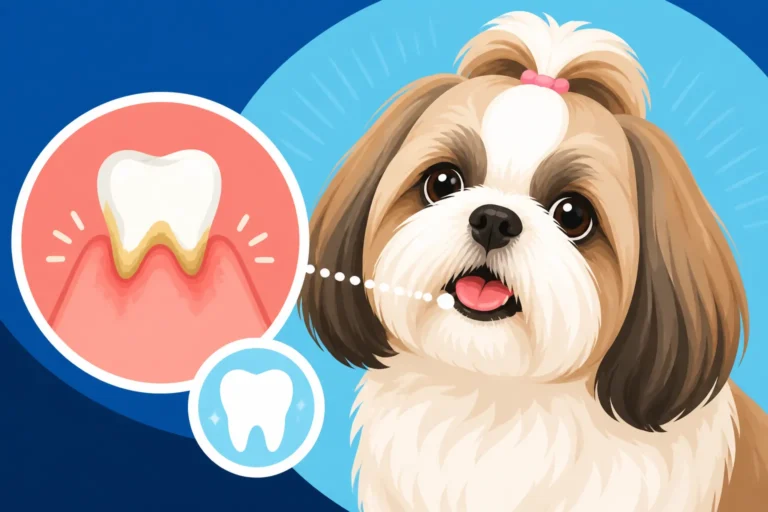
- Dental health: While seemingly unrelated, severe dental disease can sometimes lead to abscesses that extend into the facial bones and, in rare cases, could potentially affect orbital structures. Regular dental care, including professional cleanings, is important for overall health, as Shih Tzu Dental Disease at 13 Percent of the Breed is a significant concern.
- Discuss any concerns with your vet: Don't hesitate to bring up any changes you notice in your Shih Tzu's eyes, even subtle ones, during routine visits. Early intervention for any eye-related issues is always beneficial.
By staying proactive with veterinary care, you ensure your Shih Tzu's overall health, including their delicate eye structures, is well-maintained, adding another layer of protection against proptosis.
Living with a Shih Tzu After an Eye Proptosis
Experiencing an eye proptosis event is traumatic for both the dog and the owner. Even with successful veterinary intervention, the journey doesn't necessarily end there. Long-term complications can arise, and owners may need to adapt to new routines and care strategies. Understanding these potential challenges allows you to provide the best ongoing care for your resilient companion.
Potential Long-Term Complications
Unfortunately, even if the eye is successfully replaced, there's a risk of lasting damage due to the trauma sustained during the proptosis.
- Vision Loss: This is one of the most significant concerns. The optic nerve, which connects the eye to the brain, can be stretched or damaged during proptosis, leading to partial or complete blindness in the affected eye. The longer the eye was out and the more severe the compression, the higher the risk of permanent vision impairment.
- Strabismus: This refers to a misalignment of the eyes. The muscles that control eye movement can be damaged, leading to the eye pointing inward, outward, or upward, causing double vision or an awkward appearance.
- Dry Eye (Keratoconjunctivitis Sicca – KCS): The lacrimal glands responsible for tear production can be damaged, leading to chronic dry eye. This is a lifelong condition requiring daily eye drops to prevent discomfort, corneal ulcers, and potential blindness. Many Shih Tzus are already prone to Shih Tzu Corneal Ulcers and Dry Eye due to their prominent eyes, and proptosis can exacerbate this risk.
- Corneal Ulcers: The cornea, already vulnerable from exposure during proptosis, can develop ulcers if it doesn't heal properly or if severe dry eye develops. Ulcers are painful and can lead to infection and further vision loss if not managed aggressively.
- Glaucoma: In some cases, the trauma can affect the eye's internal drainage system, leading to increased intraocular pressure and the development of glaucoma.
- Re-proptosis: While hopefully prevented by surgical measures, there's always a slight risk of the eye proptosing again, especially if the underlying anatomical predispositions aren't addressed.
It's crucial to have ongoing conversations with your vet about these potential complications and what to watch for.
Managing Chronic Eye Issues
If your Shih Tzu develops any long-term eye conditions post-proptosis, consistent daily management will be key to their comfort and health.
- Lifelong Eye Drops: For conditions like dry eye, you will likely need to administer prescription eye drops daily, sometimes multiple times a day. This becomes a permanent part of your routine. Learning proper eye drop technique is essential to ensure the medication reaches the eye effectively.
- Regular Veterinary Ophthalmology Visits: Your general vet may recommend regular check-ups with a veterinary ophthalmologist, especially if there are complex or ongoing issues. These specialists can monitor intraocular pressure, assess corneal health, and adjust medications as needed.
- Protective Eyewear: For dogs prone to recurrent issues or those with compromised vision, protective eyewear (like Doggles) can be considered, especially during outdoor activities or in environments where they might bump into things.
- Maintaining Grooming: Keeping the hair around their eyes trimmed short and clean is more important than ever. This prevents hair from irritating the compromised eye or contributing to infections. Be extra gentle during face trims.
- Environmental Adjustments: Continue to maintain a safe home environment, using ramps and soft surfaces, to prevent any further accidental trauma to the sensitive eye.
Managing chronic eye issues requires dedication, patience, and a commitment to your dog's long-term well-being. It can be time-consuming and sometimes frustrating, but it's essential for their quality of life.
Adapting to Vision Impairment
If your Shih Tzu experiences permanent vision loss in one or both eyes, rest assured that dogs are incredibly adaptable. While it's initially distressing for owners, most dogs adjust remarkably well, especially if the loss is gradual or if they retain some vision in the other eye.
- Maintain a consistent home layout: Avoid moving furniture or obstacles, as your dog will memorize their environment. Consistency helps them navigate safely and confidently.
- Scent and Sound Cues: Use verbal cues and consistent scents to help guide your dog. For example, a unique scent on their bed or water bowl can help them locate it. Talking to them as you approach can prevent startling them.
- Supervised Outdoor Time: Keep outdoor walks on a leash and harness in familiar, safe areas. Avoid dog parks or busy public spaces where unexpected bumps or interactions could be stressful or dangerous.
- Safe Toys: Opt for toys that make noise or are scented to engage their other senses.
- Awareness of Other Pets/People: Teach children and other pets to be gentle and approach your Shih Tzu slowly and vocally, rather than surprising them.
- Patience and Empathy: Your dog might be a little clumsy at first or seem more hesitant. Be patient, offer reassurance, and celebrate their small victories as they learn to navigate their world with less vision.
Living with a Shih Tzu after proptosis might require adjustments, but with love, attention, and proper care, they can continue to live a full and happy life.
When to Consider Pet Insurance for Eye Emergencies
The thought of your Shih Tzu experiencing eye proptosis is scary enough, but the financial implications of such an emergency can add a significant layer of stress. These procedures are not inexpensive, and being prepared can make a huge difference in your ability to choose the best care for your furry family member without financial hesitation.
The Financial Burden of Eye Proptosis
An emergency like eye proptosis comes with a considerable price tag, especially when you consider the specialized care required.
- Emergency Vet Visit: Just walking through the door of an emergency vet clinic after hours can incur significant charges, often in the hundreds of dollars, before any treatment even begins.
- Diagnostics: The vet will likely need to perform a thorough eye exam, potentially measure intraocular pressure, and perhaps even run blood work to ensure your dog is healthy enough for sedation or anesthesia. These tests add up.
- Sedation/Anesthesia: The cost of anesthesia varies based on the dog's size, the length of the procedure, and the type of monitoring required. For a brachycephalic breed like a Shih Tzu, there are additional considerations for airway management, which can sometimes increase costs.
- Manual Reduction and Tarsorrhaphy: The procedure itself, including the vet's time, surgical supplies, and medications, can range from $500 to over $2,000, depending on the complexity, the severity of the case, and the region you live in.
- Post-Operative Care and Medications: Expect to pay for antibiotics, anti-inflammatories, pain medications, and potentially long-term eye drops. The Elizabethan collar is also an additional cost.
- Follow-Up Appointments: Multiple follow-up visits will be necessary to monitor healing, remove sutures, and adjust treatment, each incurring an exam fee.
- Specialist Consultations: If a veterinary ophthalmologist is required, their fees for consultation, advanced diagnostics, and specialized surgeries (like canthoplasty or enucleation if necessary) can easily run into several thousands of dollars.
- Long-Term Management: If your Shih Tzu develops chronic dry eye or other complications, the ongoing cost of prescription eye drops and regular specialist visits can accumulate over their lifetime.
Without pet insurance, these costs can quickly reach levels that might force difficult decisions for many families, making an already emotional situation even more heartbreaking.
How Pet Insurance Can Help
This is where pet insurance, like a plan from Healthy Paws, truly shines. It provides a financial safety net, allowing you to focus on your dog's health rather than the vet bill.
- Coverage for Accidents and Illnesses: Most comprehensive pet insurance policies cover unexpected accidents, like eye proptosis, and illnesses that may arise from such an event. This includes emergency visits, diagnostic tests, surgery, hospitalization, and prescription medications.
- Peace of Mind: Knowing that a significant portion of these emergency costs can be reimbursed provides immense peace of mind. You won't have to choose between your dog's well-being and your financial stability.
- Choose the Best Care: With insurance, you're empowered to make decisions based on what's best for your Shih Tzu, rather than what you can afford out-of-pocket. This might mean opting for a specialist referral or more intensive treatment options.
- Lifetime Coverage: Many policies can continue to cover chronic conditions that stem from the initial injury, such as lifelong dry eye medication or subsequent surgeries, as long as the policy remains active and the condition isn't deemed pre-existing before coverage started.
Pet insurance isn't just for major emergencies; it's also invaluable for the little things and for ongoing conditions that develop over time.
Choosing the Right Policy
Not all pet insurance policies are created equal, and it's essential to select one that fits your Shih Tzu's specific needs and vulnerabilities.
- Start Early: Enroll your Shih Tzu in a pet insurance policy when they are young, ideally as a puppy. This is crucial because policies typically exclude pre-existing conditions. If you wait until after an eye proptosis event, that eye or related conditions will likely be excluded from future coverage. This applies to any condition, including dental issues or potential Shih Tzu Heart Murmurs and Valve Disease.
- Comprehensive vs. Accident-Only: While accident-only plans are cheaper, a comprehensive plan covering both accidents and illnesses is strongly recommended for a breed like the Shih Tzu, given their predisposition to various health issues (e.g., Renal Dysplasia and the Shih Tzu Kidney, Shih Tzu Joint Problems in a Toy Frame, Brachycephalic Breathing in a Shih Tzu).
- Deductibles and Reimbursement Levels: Understand the deductible you'll need to pay before coverage kicks in, and the reimbursement percentage (e.g., 70%, 80%, 90%) that the insurance company will pay back to you. Higher deductibles mean lower monthly premiums, but you'll pay more out-of-pocket for each claim.
- Annual Limits: Check if the policy has an annual payout limit. Some policies have unlimited payouts, which is highly beneficial for expensive, chronic conditions or multiple emergencies.
- Waiting Periods: Be aware of waiting periods – the time between when you purchase the policy and when coverage for certain conditions begins. This can vary for accidents, illnesses, and orthopedic conditions.
- Brachycephalic Exclusions: Some older or less comprehensive policies might have specific exclusions or limitations for brachycephalic breeds regarding certain conditions. Always read the fine print or call the provider (like Healthy Paws) to clarify before purchasing.
Investing in a good pet insurance policy is an investment in your Shih Tzu's long-term health and your peace of mind. While we hope you never need it for an emergency like eye proptosis, having it means you're prepared for whatever life throws your way.
Disclaimer
This article is intended for informational purposes only and does not constitute medical advice. Always consult with a qualified veterinarian for any health concerns or before making any decisions about your pet's health or treatment. In the event of an emergency, contact your veterinarian or an emergency animal hospital immediately.