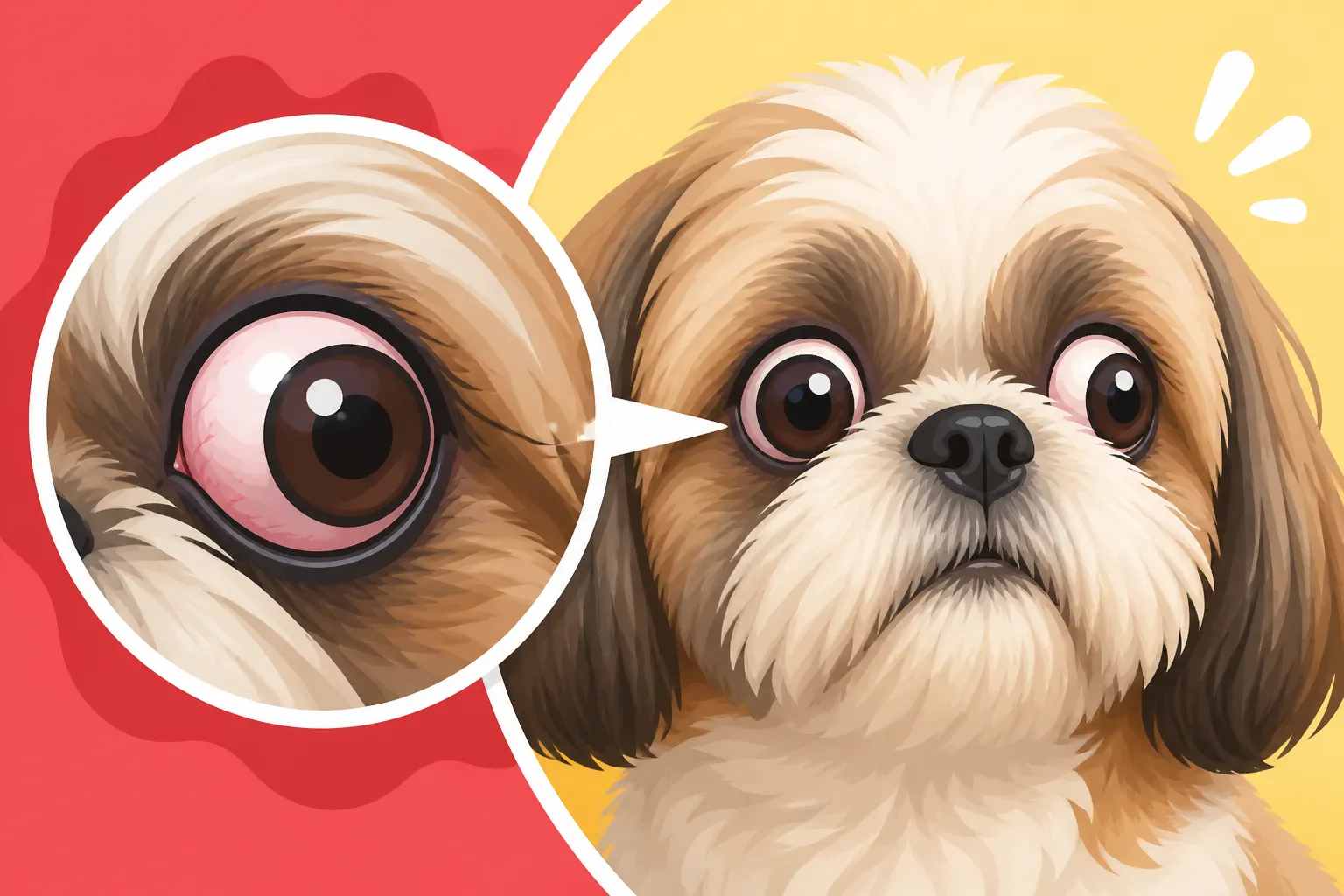
What Shih Tzu Proptosis Actually Looks Like
One of the most terrifying things a Shih Tzu owner can experience is seeing their beloved dog's eye literally pop out of its socket. It's a horrific sight that can send even the most seasoned pet parent into a panic, often leaving them frozen, unsure if what they're seeing is real or how to react. This guide is here to walk you through exactly what Shih Tzu eye proptosis looks like, so you can recognize this urgent emergency immediately and know what crucial first steps to take.
Understanding the Unique Shih Tzu Eye Structure
Shih Tzus are undeniably adorable, with their big, soulful eyes being one of their most distinguishing features. However, this very characteristic, combined with their unique facial structure, unfortunately makes them particularly susceptible to a traumatic condition known as eye proptosis. It's not a common occurrence for all dogs, but for our flat-faced friends, it's a real and present danger that every owner needs to be aware of.
Why Shih Tzus Are Prone to Eye Issues
The primary reason Shih Tzus are so prone to eye issues, including proptosis, lies in their brachycephalic (flat-faced) anatomy. Unlike breeds with longer snouts and deeper eye sockets, Shih Tzus have very shallow orbital bones. Think of it like a very shallow bowl holding a large, prominent eyeball – there's not much of a rim to keep it securely in place. This lack of bony protection means their eyes are naturally more exposed and vulnerable to external forces.
Moreover, their prominent eyes tend to bulge slightly even under normal circumstances, a trait that's part of their breed standard. This means the optic nerve and the muscles surrounding the eye are often under a bit more tension, and there's less tissue to hold the eye securely within the socket. Any sudden pressure or trauma, even something that might seem minor to another breed, can be enough to dislodge the eye. This anatomical predisposition is why conditions like Brachycephalic Ocular Syndrome in a Shih Tzu are so prevalent, encompassing a range of issues from eye dryness to more severe problems.
The Difference Between a Normal and Prominent Eye
For new Shih Tzu owners, it can be genuinely confusing to distinguish between a healthy, prominent eye and one that's on the verge of trouble. A healthy Shih Tzu eye should appear full, round, and clear, with a bright, alert expression. The whites of the eyes (sclera) might be visible, especially if your dog is looking around, but they shouldn't look excessively bulged or strained. The cornea (the clear outer layer) should be moist and shiny, reflecting light evenly. You should see a healthy blink reflex, and the eyelids should cover the eye completely when closed.
Now, compare that to an eye that is proptosed. While a normal Shih Tzu's eyes are prominent, proptosis is a dramatic and unmistakable event where the eyeball has moved forward out of its socket, often with the eyelids becoming trapped behind it. It's a significant displacement, not just a subtle change in appearance. It's important to differentiate this from other conditions like Shih Tzu Corneal Ulcers and Dry Eye, where the eye is irritated or damaged but still seated correctly in the socket. If you're ever unsure if an eye looks normal, don't hesitate to consult your veterinarian for peace of mind.
What Proptosis Looks Like: The Visual Shock
When proptosis occurs, there's no mistaking it. It's a jarring, often grotesque sight that instantly tells you something is terribly wrong. It’s important to mentally prepare for this image, not to scare you, but to ensure you can react swiftly and effectively if it ever happens to your Shih Tzu. Time is absolutely critical in these situations.
Immediate and Dramatic Appearance Changes
The most striking feature of proptosis is the eye literally bulging or popping forward from the socket. It won't just look slightly larger; it will appear significantly displaced, protruding much further than it should. Often, the eyelids, which normally protect the eye, will become trapped behind the globe itself, effectively holding the eye in its unnatural, forward position. This makes it impossible for your Shih Tzu to blink properly, leaving the delicate surface of the eye exposed to the air and potential damage.
The exposed eye will often appear discolored. You might see significant redness (hyperemia) due to blood vessel congestion, or the eye might look dark and swollen. In some cases, especially if it's been exposed for even a short time, the cornea can start to look cloudy or opaque as it begins to dry out. Another tell-tale sign is the visible "third eyelid" or nictitating membrane. Normally tucked away in the inner corner of the eye, this membrane often protrudes and becomes highly visible during proptosis, adding to the alarming appearance. The pupils might also appear dilated and unresponsive to light, indicating nerve damage or severe distress. This extreme visual change is what sets it apart from milder issues and firmly categorizes it as a dire emergency.
Common Misconceptions and What It's Not
It’s crucial to understand that proptosis is not merely a slightly watery eye, a bit of redness from irritation, or a mild allergic reaction. These are common minor issues that Shih Tzus might experience, and while they warrant veterinary attention, they don't represent the same level of immediate danger. Proptosis is a distinct physical displacement of the entire eyeball, where it has literally popped out of its normal anatomical position.
This condition is also different from a "bulging eye" that might be a symptom of conditions like glaucoma, where pressure inside the eye pushes it forward, or a tumor behind the eye. While those conditions also cause the eye to appear more prominent, in proptosis, the eye is completely dislodged from the socket with the eyelids typically stuck behind it. It is not just the eye looking big or pushed forward; it's literally out of place. Recognizing this distinction is vital. If you’re ever in doubt, err on the side of caution and treat it as an emergency. Don't waste precious time wondering if it's just a bad case of Shih Tzu Corneal Ulcers From a Shallow Socket; assume the worst and seek immediate care.
Accompanying Signs and Your Dog's Distress
Beyond the horrifying visual of the eye itself, your Shih Tzu will almost certainly display other signs of extreme pain, fear, and disorientation. This isn't just a cosmetic problem; it's a profoundly painful and frightening experience for your dog. Observing these additional indicators can further confirm the severity of the situation and underscore the urgent need for veterinary intervention.
Behavioral and Physical Indicators of Pain
When a Shih Tzu experiences proptosis, their immediate reaction will be one of intense pain and distress. You'll likely see them pawing frantically at the affected eye, rubbing their face against the floor or furniture in an attempt to alleviate the discomfort. They might vocalize loudly, yelping, whining, or crying out in obvious pain. Some dogs might become withdrawn, trying to hide in a quiet corner, while others, driven by pain and fear, might snap or become uncharacteristically aggressive if you try to approach or touch them, especially near their head.
Physically, your dog may be trembling or shaking uncontrollably. They might pant excessively, even if the temperature is cool, as a sign of extreme stress. The pupils in both eyes, but especially the affected one, might be dilated or appear unequal, and the proptosed eye may not respond to light. They will likely be unable to close their eyelid over the exposed eye, leaving it vulnerable to drying out and further damage. This combination of visual cues and overt signs of pain should leave no doubt that your Shih Tzu needs immediate, emergency medical attention.
Recognizing the Urgency of the Situation
Eye proptosis in a Shih Tzu is not a "wait and see" situation. It is a genuine, full-blown veterinary emergency that demands immediate action. Every minute that passes increases the risk of irreversible damage to the eye and potential loss of vision. The delicate structures of the eye, including the optic nerve and the muscles that control eye movement, are under immense strain. Blood flow to the eye can be compromised, leading to swelling, tissue death, and permanent damage if not quickly restored.
Furthermore, the exposed cornea is incredibly vulnerable. Without the protection of the eyelids and the natural lubrication of tears, it can quickly dry out, leading to severe corneal ulcers, infection, and potential rupture. The longer the eye remains proptosed, the higher the chance that the vision in that eye will be permanently lost, or that the eye itself will need to be surgically removed. This is why immediate transport to an emergency veterinary clinic is paramount. There's no time to call your regular vet for advice or to wonder what to do; you need to act, and act fast. Prompt action dramatically increases the chances of saving your Shih Tzu's eye and preserving their vision, a point often emphasized by pet insurance providers like Healthy Paws when discussing emergency care.
First Steps When You See Proptosis
Witnessing your Shih Tzu's eye proptose is terrifying, but knowing what to do in those crucial first moments can make a profound difference in the outcome. Your actions before reaching the veterinary clinic are not just helpful; they are absolutely critical for giving your dog the best chance at recovery.
Protecting the Exposed Eye
The absolute first priority is to protect the exposed eye from further damage and prevent it from drying out. This is where many owners understandably panic and might try to push the eye back in – do not do this. You risk causing more trauma, tearing delicate tissues, or introducing infection. Instead, focus on keeping the eye moist. Gently apply a sterile saline solution (like contact lens solution), artificial tears, or even clean, plain water if nothing else is immediately available. The goal is continuous lubrication.
After moistening, gently cover the proptosed eye with a clean, moist cloth or gauze. You can lightly wet the cloth with saline or water and carefully place it over the eye to keep it hydrated and shield it from accidental bumps or dust during transport. The key word here is gentle; avoid any pressure on the eye. This temporary measure is not a fix, but it's a vital step to preserve the eye's integrity until professional help can be administered. This is a situation where every second counts, much like addressing What to Do in the First Minutes of a Proptosis.
Transporting Your Shih Tzu to Emergency Care
Once the eye is protected and lubricated, your next step is swift and calm transport to the nearest emergency veterinary clinic. Call ahead if you can, to inform them that you are on your way with a Shih Tzu experiencing eye proptosis. This allows the staff to prepare for your arrival and ensure a veterinarian is ready to attend to your dog immediately.
During transport, keep your Shih Tzu as calm and still as possible. Place them gently in a carrier if they are typically comfortable there, or have someone else hold them securely, minimizing movement of their head. Avoid any further trauma or pressure to their head or face. If you're driving alone, place their carrier securely in the passenger seat or footwell so they are stable. Remember that your dog is likely in extreme pain and distress, so handle them with utmost care and speak to them in a soothing voice. The faster you get them to the vet, the better the prognosis for saving their eye and their vision. The veterinary team will then assess the extent of the damage and determine Whether a Proptosed Shih Tzu Eye Can Be Saved, which often involves immediate surgical replacement.
Comparing Eye Problems: Proptosis vs. Other Issues
To help clarify the urgency, here's a quick comparison of what proptosis looks like versus other common Shih Tzu eye problems.
| Feature | Shih Tzu Proptosis | Corneal Ulcer/Dry Eye | Allergic Conjunctivitis |
|---|---|---|---|
| Eye Position | Entire eyeball bulging/popping out of the socket. | Eye remains in the socket, but irritated. | Eye remains in the socket, but inflamed. |
| Eyelids | Often trapped behind the globe. Cannot close. | Normal position, may squint or blink frequently. | Normal position, may squint due to irritation. |
| Appearance | Significantly protruded, red, swollen, cloudy, third eyelid visible. | Redness, cloudiness on cornea, discharge (mucoid/pus), visible pain. | Redness of conjunctiva (whites of eyes), clear/watery discharge, itchiness. |
| Pain Level | Extreme, acute pain. | Moderate to severe pain, discomfort. | Mild to moderate itchiness/discomfort. |
| Urgency | IMMEDIATE EMERGENCY (minutes count). | Urgent vet visit (within 24 hours). | Non-urgent vet visit (can wait a day or two). |
| Risk of Vision Loss | High if not treated immediately. | Moderate to high if untreated. | Low, unless severe infection develops. |
It's clear from this table that proptosis stands alone in its dramatic appearance and critical urgency.
Disclaimer
This article is intended for informational purposes only and does not constitute veterinary advice. In any emergency situation, especially concerning your Shih Tzu's eyes, always seek immediate care from a qualified veterinarian.