Why a Shih Tzu Eye Can Leave the Socket
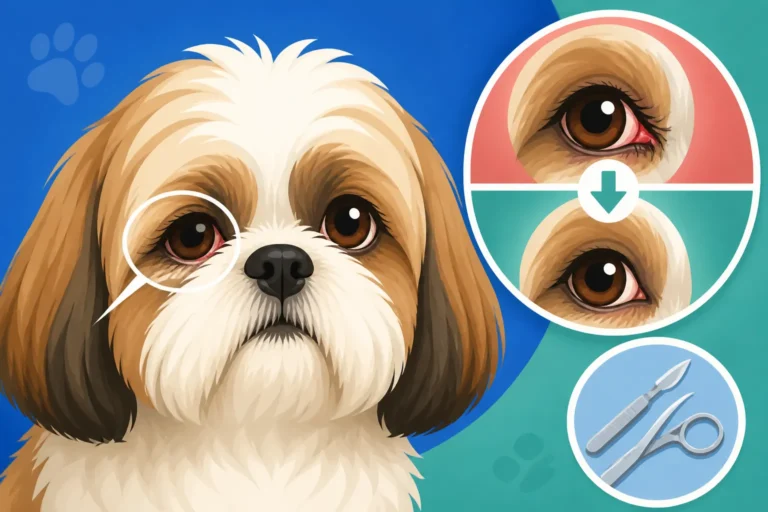
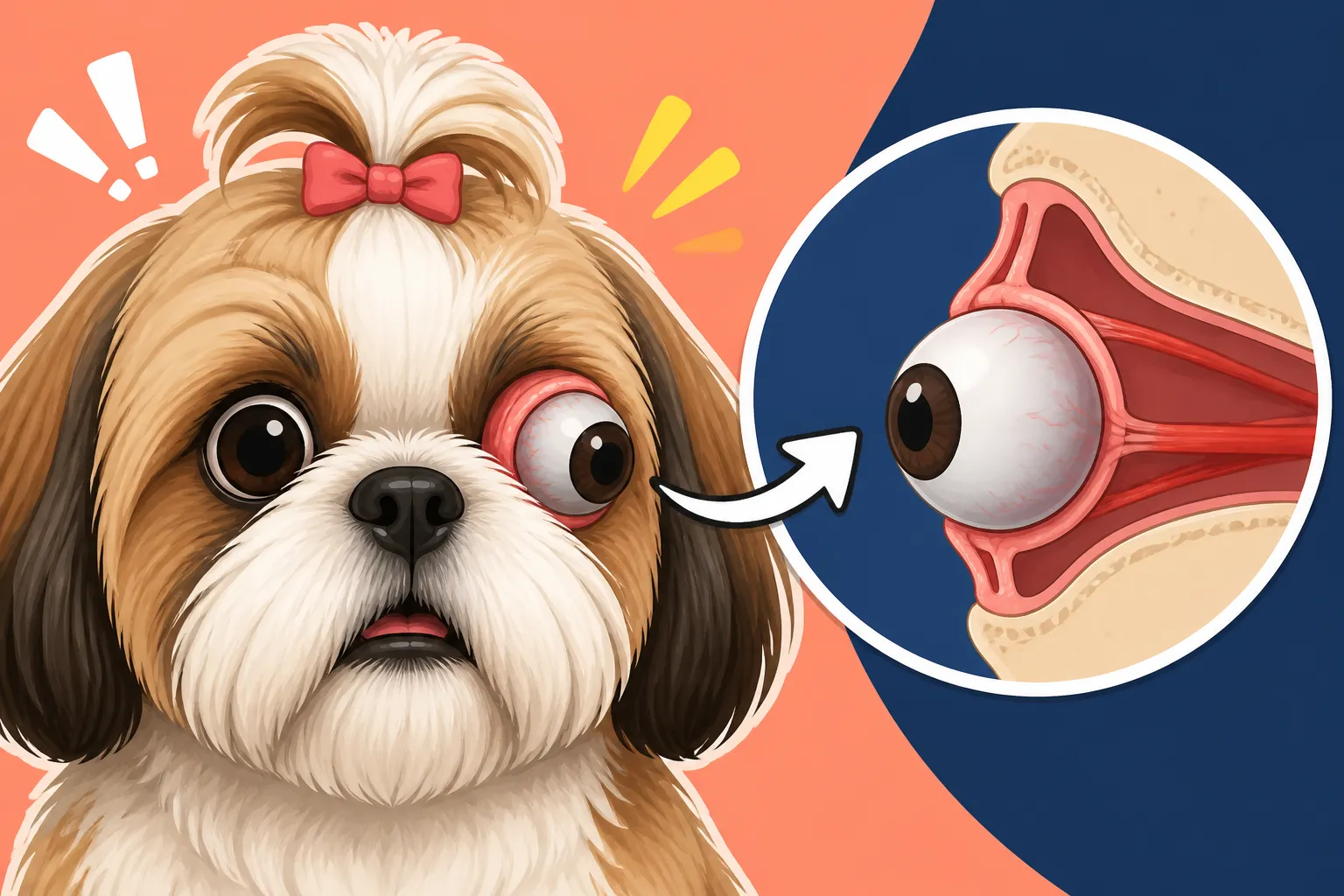
It’s a truly frightening moment for any Shih Tzu parent: you glance at your beloved furry companion, and one of their precious eyes seems to be… out of place. It’s a terrifying sight, often referred to as eye proptosis, and it’s a very real and unfortunately common risk for our flat-faced friends. This guide is here to shed light on exactly why a Shih Tzu’s eye can leave its socket, helping you understand the underlying causes and, more importantly, how you can help prevent such a distressing incident.
Understanding the Unique Shih Tzu Anatomy That Predisposes Them to Eye Proptosis
One of the most defining and endearing features of a Shih Tzu is their big, expressive eyes, often framed by a beautiful, flowing mane. But this very trait, the prominent, somewhat bulging eyes, is also their Achilles' heel when it comes to eye proptosis. Unlike many other dog breeds, Shih Tzus have a unique skull structure that places their eyes in a precarious position.
The Shallow Orbital Socket
Imagine trying to fit a large marble into a very shallow cup. That’s essentially what’s happening with a Shih Tzu's eyeballs and their orbital sockets. Their eye sockets are naturally very shallow, which means the eyes don't sit as deeply and securely within the skull as they do in breeds with longer snouts and deeper eye protection. This anatomical feature is a direct result of their brachycephalic (flat-faced) nature. When you look at your Shih Tzu from the side, you’ll notice that their eyes protrude slightly, rather than being recessed. This lack of bony protection makes them highly vulnerable to external forces that might cause the eye to pop out. It's a key reason why many owners worry about conditions like Shih Tzu Eye Proptosis, the Emergency Owners Miss. The eye simply has less structure holding it in place, meaning less force is required to displace it.
Brachycephalic Syndrome and Eye Health
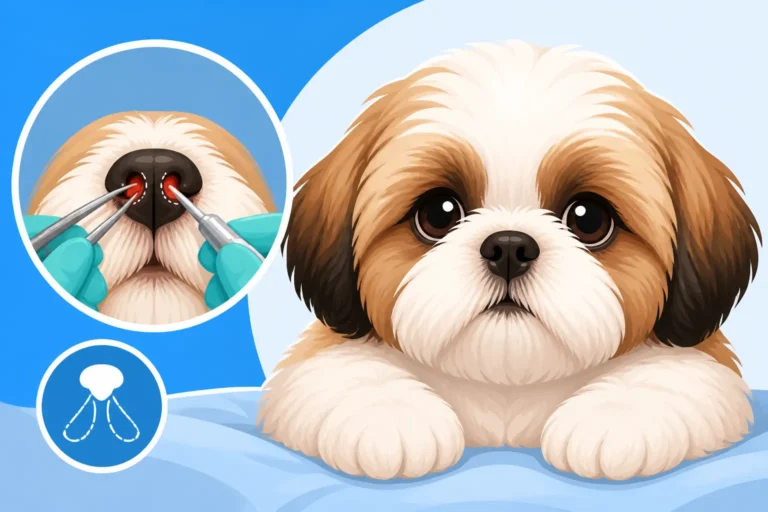
Beyond the shallow sockets, the entire brachycephalic syndrome plays a role. This syndrome encompasses a range of anatomical abnormalities common in flat-faced breeds, including narrowed nostrils (Shih Tzu Stenotic Nares and Noisy Breathing), an elongated soft palate, and, critically, issues with their eyes and eyelids. For Shih Tzus, this often includes larger-than-normal eyelids for their skull size, and sometimes issues like entropion (eyelids rolling inward) or ectropion (eyelids rolling outward). These can contribute to irritation, dryness (Dry Eye in a Shih Tzu and Lifelong Drops), and overall eye vulnerability. The combination of a shallow socket and potentially compromised eyelid function means the eye has less structural support and is more susceptible to trauma. It’s a delicate balance, and unfortunately, their adorable facial structure works against them in this regard.
Common Triggers That Can Cause a Shih Tzu's Eye to Prolapse
While the anatomical predisposition is significant, an eye doesn't just spontaneously proptose. There's almost always a trigger, often an external force or event, that pushes the eye beyond its shallow socket. Understanding these triggers is crucial for prevention.
Trauma and Pressure Around the Head
The most common culprit for eye proptosis is direct trauma or excessive pressure applied to the head and neck area. This can happen in a variety of seemingly innocent situations. For instance, a quick, sudden pull on a collar around the neck can increase pressure behind the eye, causing it to pop forward. Imagine the force required to pull a struggling dog on a leash – that pressure transfers directly to the delicate eye area. Even something as seemingly benign as overly enthusiastic restraint during grooming or a bath can be a trigger if not handled with extreme care. This is why a proper Harnesses That Do Not Mat a Shih Tzu Coat is so important, to distribute pressure away from the neck and face. Another common scenario is impact trauma – running into furniture, falling from a height, or even being stepped on accidentally. Any sudden blunt force to the head can exert enough pressure to push the eye out.
Rough Play and Accidental Injuries
While Shih Tzus are often seen as cuddly lapdogs, they can engage in surprisingly spirited play. Unfortunately, this can lead to accidents. If your Shih Tzu is playing with a larger dog, or even another Shih Tzu, a paw to the face, a playful nip that catches the eye, or a head collision can easily result in proptosis. We often see how Rough Play That Puts a Shih Tzu Eye at Risk can have devastating consequences. Children, too, can sometimes accidentally cause injury. A child unknowingly putting pressure on the Shih Tzu’s head while picking them up, or an accidental poke during play, can be enough. It's not about malice, but about the sheer vulnerability of their eyes due to their unique anatomy. Even an innocent game of tug-of-war if your Shih Tzu gets too close can cause too much pressure on the head.
The Role of Stress and Excessive Force
Sometimes, it's not a direct blow but rather internal pressure caused by stress or forceful actions. A Shih Tzu struggling intensely while being handled or groomed can exert significant internal pressure. Think about a dog straining hard against a restraint, or even a very forceful sneeze or cough. While less common than direct trauma, these scenarios can, in conjunction with the shallow sockets, create enough force to push the eye forward. This is why calming techniques and positive reinforcement are so vital for handling and grooming, especially when Teaching a Shih Tzu Puppy to Lie on Its Side. When you’re dealing with a frantic Shih Tzu, the last thing you want is for them to hurt themselves further. Knowing how to safely handle and restrain your Shih Tzu without putting undue pressure on their head is paramount for their eye safety.
Preventing Eye Prolapse: Proactive Measures and Safe Handling
Knowing the risks is the first step; the next is taking concrete action to protect your Shih Tzu. Prevention is truly the best medicine when it comes to eye proptosis.
Safe Handling and Restraint Techniques
This is arguably the most crucial area for prevention. Always avoid grabbing your Shih Tzu by the scruff of the neck, or putting any pressure around their throat or the back of their head. When picking them up, support their chest and hindquarters, ensuring their head is stable and not being squeezed. For grooming, whether at home or at a professional salon, ensure the groomer understands the specific risks for Shih Tzus. A good groomer will use a secure harness restraint that doesn’t put pressure on the neck. They will also be extra gentle when trimming around the face and eyes, as even a slight push in the wrong direction can be dangerous. If you have younger children, educate them on how to interact gently with your Shih Tzu, emphasizing no rough play around the head. Teaching your dog to tolerate handling from a young age can make all the difference, as discussed in Training a Shih Tzu Bred Purely as a Companion.
Environmental Modifications and Supervision
Making your home a safer place for your Shih Tzu can significantly reduce the risk of accidental trauma. Consider using ramps for furniture to prevent jumping, which can sometimes lead to awkward landings or collisions. Keep floors clear of clutter that your dog might trip over. When your Shih Tzu is playing with other dogs, especially larger ones, supervise closely and intervene if play becomes too rough. Never leave a Shih Tzu unattended with a larger, more boisterous dog. If you have guests over, particularly children, make sure they understand the delicate nature of a Shih Tzu's eyes. Even a playful tug on facial hair could potentially contribute to an issue.
Regular Veterinary Check-ups and Eye Care
Regular veterinary check-ups are essential not just for overall health, but specifically for eye health. Your vet can assess your Shih Tzu's eye placement and look for any early signs of issues that might increase their risk, such as persistent irritation or dry eye. Discussing their unique brachycephalic needs with your vet is vital for their long-term well-being. Keeping the hair around their eyes trimmed short or tied in a proper Tying a Shih Tzu Topknot That Holds is important to prevent hair from irritating the cornea, which can lead to scratching and secondary problems that might make an eye more vulnerable. Using appropriate eye wipes and saline solutions can also keep the area clean and free from debris. Ensuring their general health is robust, and addressing any underlying conditions, contributes to their resilience. For serious concerns, some pet owners choose to invest in pet insurance policies like those offered by Healthy Paws, which can help cover unexpected emergency veterinary costs if a proptosis incident were to occur.
Here's a quick overview of key preventative actions:
| Category | Key Actions | Why It Helps |
|---|---|---|
| Safe Handling | Use a harness instead of a collar for walks. Support body when lifting. Avoid pressure on head/neck. | Distributes pressure, prevents direct trauma to the eye area. |
| Grooming Practices | Choose experienced groomers. Communicate Shih Tzu eye vulnerability. Be gentle during at-home grooming. | Minimizes risk during necessary handling; ensures professional care accounts for breed-specific risks. |
| Environmental Safety | Supervise play, especially with other dogs. Use ramps for furniture. Keep floors clear. | Reduces chances of accidental collisions, falls, or rough impact from other animals. |
| Daily Eye Care | Keep face hair trimmed or tied. Clean eyes regularly with vet-approved wipes. | Prevents irritation, reduces rubbing, and maintains overall eye health. |
| Vet Consultation | Discuss eye health with your vet. Seek advice on managing any existing eye conditions. | Proactive identification and management of risk factors; ensures expert guidance. |
Recognizing When to Act Quickly
Despite all precautions, accidents can happen. If your Shih Tzu’s eye does proptose, it is a dire emergency. You need to act immediately. Gently lubricate the eye with sterile saline, artificial tears, or even a clean, damp cloth if nothing else is available. Do not attempt to push the eye back in yourself. This can cause more damage. Instead, cover the eye lightly with a clean, moist cloth and transport your Shih Tzu to the nearest emergency veterinarian immediately. Time is absolutely critical, as the longer the eye is out of the socket, the less likely it is to be saved, and the higher the risk of permanent damage or blindness. Emergency procedures, sometimes involving immediate surgery to replace the eye, are often necessary. Having a plan, and even considering something like pet insurance from Healthy Paws for unexpected veterinary emergencies, can make a huge difference in these stressful situations. Understanding What to Do in the First Minutes of a Proptosis can literally save your dog's sight.
It's a tough truth that our adorable Shih Tzus, with their sweet, prominent eyes, carry a unique vulnerability. But with diligent care, safe handling, and a proactive approach to their environment and health, we can significantly reduce the risk and ensure their bright, beautiful eyes stay right where they belong. The peace of mind that comes from knowing you’re doing everything you can for your furry family member is truly invaluable.
Disclaimer
The information provided in this article is for general informational purposes only and is not a substitute for professional veterinary advice. Always consult with a qualified veterinarian for any health concerns or before making any decisions related to your pet's health and treatment.