Teaching a Shih Tzu Puppy to Lie on Its Side
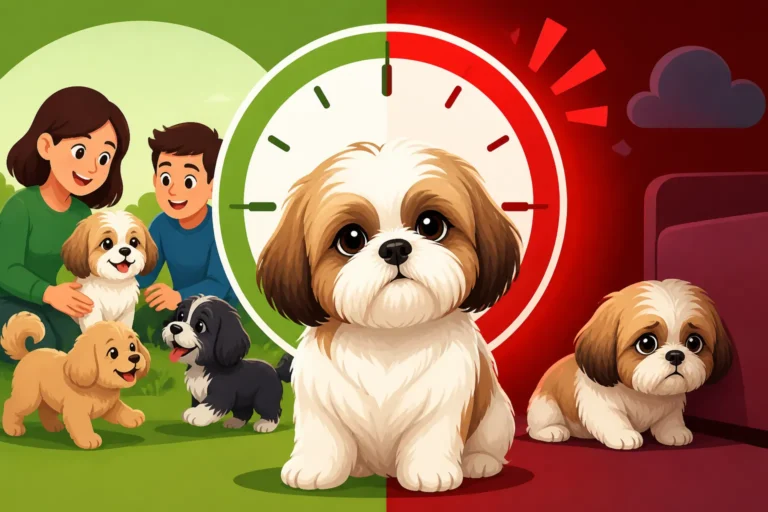
Anyone who’s ever tried to give their adorable Shih Tzu puppy a thorough brushing or attempted a nail trim knows the struggle is real. It can feel like wrestling a fluffy, wiggly octopus, leaving both you and your little lion dog stressed and frustrated. This guide will walk you through teaching your Shih Tzu puppy a calm "lie on your side" command, transforming grooming and handling into a much more cooperative and pleasant experience for everyone involved.
Why Teaching "Side" Is So Crucial for Your Shih Tzu
Let's be honest, grooming a Shih Tzu is no small feat. Their luxurious double coat, those delicate eyes, and their often-spirited nature can make routine care feel like a wrestling match. Teaching your puppy to lie calmly on their side is more than just a cute trick; it's a fundamental skill that profoundly impacts their health, comfort, and your sanity as an owner. It really is a game-changer.
The Battle of the Brush and Comb
If you own a Shih Tzu, you know that glorious, flowing coat doesn't just happen. It requires daily attention, and without it, mats form with alarming speed. These aren't just cosmetic issues; mats can pull at their skin, causing discomfort, pain, and even skin infections. Trying to brush out tangles when your puppy is constantly rolling, nipping, or trying to escape can be incredibly frustrating and ineffective. You need to get down to the skin, through both layers of that coat, especially in areas like their armpits, belly, and behind the ears. This is incredibly difficult when they are standing or constantly shifting. A puppy that knows how to lie still on its side allows you to systematically work through their coat, ensuring every inch is free of tangles and mats. It makes the difference between a quick, pleasant brush and a stressful ordeal that risks injuring your puppy or even breaking your brushing tool.
Safety During Grooming and Vet Visits
Beyond just brushing, many essential care tasks require your Shih Tzu to be still. Think about nail trims – those quicks are tiny, and one wrong snip can cause pain and bleeding, creating a lifelong fear of nail clippers. Trimming the hair between their paw pads, cleaning their ears, wiping their eyes, or even just checking for lumps and bumps all require a calm, cooperative dog. When your Shih Tzu is resistant, squirming, or snapping, the risk of accidental injury increases significantly. Not just for your dog, but for you too! Vet visits also become less stressful when your dog is accustomed to being handled and can remain still for examinations or simple procedures. Imagine your vet trying to listen to your puppy's heart when they're a bundle of nervous energy, or trying to look at an eye when they're turning their head constantly. Teaching "side" builds a foundation of trust and compliance that benefits everyone in situations where safety is paramount. It allows for a much smoother, safer experience for delicate procedures like getting a Shih Tzu used to eye wiping or even just cleaning their nose fold.
Building Trust and Positive Associations
The goal isn't just to force your puppy into submission; it's about making grooming a positive, low-stress part of their life. When you approach grooming as a cooperative activity, built on calm cues and gentle handling, you strengthen your bond. By consistently rewarding your Shih Tzu for staying still on their side, you teach them that this experience isn't scary, it leads to good things – treats, praise, and gentle touch. This positive association is crucial for a breed that often has a reputation for being a bit sensitive or, dare I say, stubborn when it comes to things they don't enjoy. Instead of fearing the brush or the clippers, they learn to tolerate and even appreciate the attention because they associate it with positive outcomes. This trust extends beyond grooming, making them generally more amenable to handling and less likely to react negatively to new experiences or people.
Getting Started: The Essential Tools and Mindset
Before you even begin the first training session, you need to set yourself and your Shih Tzu puppy up for success. This isn't just about having the right gear; it's about cultivating the right approach and understanding your furry friend's unique personality. Rushing into it without preparation can lead to frustration for both of you, undermining your efforts.
Gathering Your Grooming Arsenal
You don't need a full professional grooming salon setup, but a few key items will make your training infinitely smoother. First and foremost, you'll need high-value treats. These are tiny, irresistibly delicious morsels that your Shih Tzu absolutely adores – think small pieces of cooked chicken, cheese, or specialized training treats. The smaller the better, as you'll be giving many of them. Next, ensure you have a comfortable, non-slip surface for your puppy to lie on. A bath mat, a soft towel, or a yoga mat works perfectly. This prevents them from slipping and provides a sense of security. You'll also want your basic grooming tools handy, even if you're not using them right away. A good quality slicker brush, like those easily found on Amazon, is essential for a Shih Tzu coat, along with a fine-toothed metal comb. Having these items within reach signals to your puppy that this is a grooming-related activity, and gradually, you'll integrate them into the "side" command. For example, Getting a Shih Tzu Used to a Slicker Brush is a great skill to practice alongside the side command.
Creating the Right Training Environment
The environment you choose for training is almost as important as the training itself. Look for a quiet, distraction-free space where both you and your puppy can focus. Turn off the TV, put your phone away, and make sure other pets or family members aren't going to interrupt. For a Shih Tzu, whose attention span can be, let's say, brief, short, frequent sessions are far more effective than long, drawn-out ones. Think 3-5 minutes, a few times a day. This keeps it positive and prevents boredom or frustration from setting in. Your mindset is crucial too: patience, calmness, and a positive attitude are key. If you're stressed or rushed, your puppy will pick up on that energy, making them more anxious and less receptive to learning. Remember, this is about teaching, not forcing.
Understanding Your Shih Tzu's Temperament
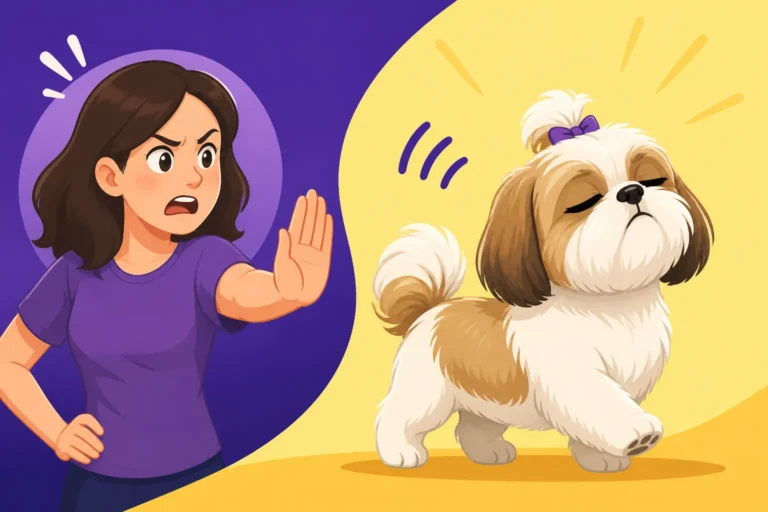
Shih Tzus are known for their charming, affectionate, and sometimes wonderfully stubborn personalities. They were bred for centuries as companion dogs, designed to sit on laps and be adored. This means they often enjoy attention, but they also have a strong sense of self-preservation and aren't always keen on things they perceive as uncomfortable or inconvenient. Their desire to please you, combined with their love for treats, is your biggest asset here. Don't be discouraged if they don't get it right away; consistency and positive reinforcement are vital. They might test your boundaries, or give you the infamous "Shih Tzu side-eye" when you ask them to do something they'd rather not. But with persistence and understanding of What Motivates a Shih Tzu to Work, you can teach them almost anything. They respond incredibly well to gentle guidance and enthusiastic rewards, much more so than to any kind of harsh correction, which can shut them down entirely.
Step-by-Step: Teaching the "Side" Command
Now for the fun part! This process is about breaking down a complex action into small, manageable steps. Remember, every little step in the right direction deserves a reward. Celebrate the small victories, and don't be afraid to go back a step if your puppy is struggling.
Phase 1: Down and Reward
Before you can get your puppy to lie on their side, they need to be comfortable lying down. This is your starting point.
- Lure to Down: Hold a treat near your puppy's nose. Slowly move the treat in an arc towards the floor and then back towards their chest. As their nose follows the treat, their body should naturally lower into a down position.
- Verbal Cue: As their elbows touch the ground, say your chosen verbal cue, "Down."
- Reward Instantly: The moment they are in the down position, give them the treat and lavish them with praise.
- Repeat and Fade Lure: Practice this many times in short sessions. Once they consistently go down with the lure, start making the hand motion smaller, eventually just pointing to the floor, and eventually, just using the verbal cue.
The goal here is a solid, reliable "down" where your puppy is comfortable and relaxed. This might take a few days, depending on your puppy's previous training. Think of it as a Five Minute Sessions With a Shih Tzu activity, perfect for building a strong foundation.
Phase 2: Gentle Tipping and Luring
Once "down" is firmly established, you can start to encourage the roll onto their side. This is where patience truly comes into play.
- Start from Down: Have your puppy in a comfortable "down" position on your non-slip surface.
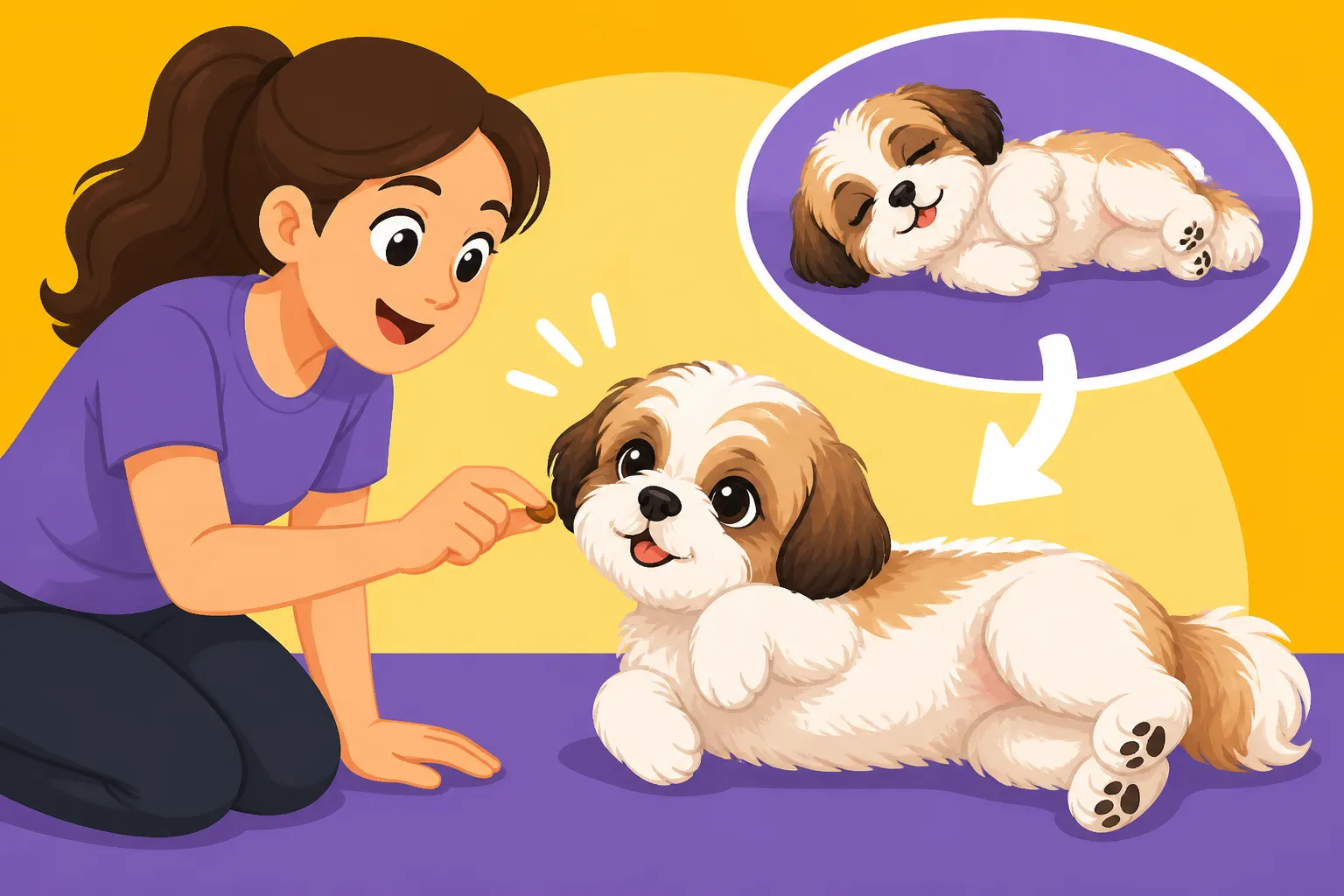
- Lure to the Side: Hold a high-value treat close to their nose. Slowly move the treat in an arc from their nose, over their shoulder, and towards their spine on one side. The idea is for them to twist their head and body to follow the treat, which will encourage them to roll onto their side.
- Verbal Cue: As their body rolls onto their side, say your chosen command, "Side" or "Roll Over."
- Reward Generously: The instant they are on their side, even if just for a second, give them the treat and enthusiastic praise.
- Small Movements, Big Rewards: At first, you might only get a slight shift. Reward any movement towards the desired position. Don't expect a perfect flat side immediately. Gradually, they'll understand what you're asking. Practice on both sides, as you'll want them to be comfortable lying on either side for grooming.
Phase 3: Holding the Position and Increasing Duration
Once your puppy is consistently rolling onto their side, you need to teach them to stay there for a longer period.
- "Side" and Hold: Ask your puppy to go "Side." When they do, reward them, but gently keep the treat lure nearby for a second or two before delivering it. Gradually increase this delay.
- Verbal Release Cue: Introduce a release cue like "Okay!" or "Free!" After they've held the position for a moment, say your release cue, give them a final treat, and allow them to get up. This teaches them that they don't have to stay forever, which can actually make them more willing to hold the position.
- Gentle Touch and Reward: Once they are holding "side," very gently touch a part of their body you'd groom, like a paw or their back. If they remain still, reward. Slowly increase the duration of the touch, then the light brushing motion, always rewarding calmness. This helps them associate lying on their side with accepting gentle handling, which is critical for future grooming.
Troubleshooting Common Challenges
It's completely normal for puppies to have hiccups during training. Don't get discouraged!
- Wiggling and Getting Up: If your puppy won't stay, go back to shorter durations. Reward every half-second they stay still, then gradually build up. Make sure your treats are motivating enough!
- Nipping at Hands/Brush: This often means they're overstimulated or uncomfortable. Take a break. Ensure your approach is calm and gentle. You might need to teach "leave it" or practice Swapping a Shih Tzu Puppy Onto a Chew Toy to redirect their mouthing behavior. Never punish; simply remove your hand or the brush and try again when they're calmer.
- Complete Refusal: If your puppy absolutely refuses, make sure you're not asking for too much too soon. Break the steps down even further. Is your "down" solid? Are your treats high-value enough? Sometimes a change of environment or even just taking a break and trying again later can make a difference.
Always end on a positive note, even if it means doing a simple "sit" and rewarding them for that. You want them to look forward to training sessions, not dread them.
Integrating "Side" into Daily Grooming and Care
Once your Shih Tzu puppy understands the "side" command, the real magic begins. This is where you leverage their newfound cooperation to make routine care not just bearable, but genuinely manageable and even enjoyable for both of you.
Brushing and Dematting Made Easier
This is probably one of the biggest benefits. When your Shih Tzu is calmly lying on their side, it gives you unparalleled access to all those tricky spots where mats love to hide. Think about their armpits, the insides of their legs, their belly, and under their long ears. These are prime matting zones, and trying to get to them when your puppy is standing or squirming is nearly impossible without causing discomfort.
With your puppy on their side, you can:
- Systematically Part the Coat: Work in small sections, parting the hair and brushing from the skin out, layer by layer. This is how you prevent mats from forming and effectively remove any small tangles before they become major problems.
- Reach Sensitive Areas: You can gently lift legs to access armpits without stretching your puppy uncomfortably. The belly, often a "no-go" zone for many puppies, becomes accessible.
- Reduce Struggle: Instead of fighting a wriggly dog, you're working with a cooperative one, leading to less stress for both of you. This makes grooming sessions quicker and more efficient.
Remember to praise and reward your puppy for every moment of stillness, especially as you work through their coat. This reinforces the positive association with lying on their side during grooming. For a thorough guide, refer to Brushing a Full Coat Shih Tzu Every Single Day.
Nail Trims and Paw Care
Oh, the dreaded nail trim! For many Shih Tzu owners, this is a major source of anxiety. Those tiny paws and dark nails can be intimidating, and a squirming puppy makes it even harder. When your Shih Tzu is lying calmly on their side, you have a much better angle and more control.
- Stable Position: Their body is stabilized, reducing the chances of them yanking their paw away unexpectedly. This gives you a clear view of each nail.
- Better View: You can gently extend each paw and trim the nails more confidently, minimizing the risk of cutting the quick.
- Paw Pad Trimming: The hair between their paw pads can grow long, collecting debris and impacting their grip. With them on their side, you can safely trim this hair, preventing discomfort and improving hygiene.
This skill is particularly helpful if you're attempting Cutting Shih Tzu Nails Without a Groomer, giving you more confidence and your puppy a more comfortable experience.
Ear Cleaning and Eye Care
Shih Tzus are prone to ear infections due to their heavy ear leather and the hair that grows inside their ear canals. Their prominent eyes also require regular attention, often needing daily wiping and checks for irritation.
- Ear Access: When your puppy is lying on their side, their ear is naturally exposed and accessible. You can gently lift the ear flap, check for redness or debris, and administer ear cleaner much more easily. For more details on this, check out The Weekly Shih Tzu Ear Routine.
- Eye Wiping and Inspection: Similarly, with their head resting calmly on their side, you have a stable platform to gently wipe away tear stains, check for any discharge, or administer prescribed eye drops if needed. This reduces the risk of accidentally poking their eye or causing distress.
- Overall Health Checks: Beyond specific tasks, having your puppy lie still on their side allows for general body checks. You can gently feel for any unusual lumps, bumps, or tender spots on their torso, something that's difficult to do on a standing or moving dog.
Maintaining the Skill and Making It a Habit
Teaching your Shih Tzu puppy to lie on its side is an ongoing journey, not a one-time event. Like any good habit, it needs consistent reinforcement to stick. You want this skill to be second nature, a comfortable, expected part of their routine, rather than something they grudgingly comply with.
Consistency Is Your Best Friend
This really cannot be overstated. Even once your puppy is proficient at lying on their side, you need to continue practicing the command regularly. Short, quick refreshers are far more effective than sporadic, long sessions.
- Daily Mini-Sessions: Spend just a minute or two each day asking for the "side" command, rewarding them, and releasing them. This keeps the skill fresh in their mind.
- Integrate into Routine: Every time you need to brush, check their ears, or wipe their eyes, use the "side" command. This helps them understand the practical application of the cue and makes it a natural part of their care routine.
- Keep it Positive: Always end your sessions, even the daily refreshers, with praise and a treat. You want your Shih Tzu to associate the "side" command with good things, making them more willing to comply next time. Remember that Positive Reinforcement With a Shih Tzu is key to long-term success.
Varying the Location and Distractions
A common mistake in training is only practicing in one, highly controlled environment. Your puppy might be brilliant at "side" in the quiet living room, but completely fall apart in the kitchen with the dishwasher running or when a visitor is present.
- Generalize the Behavior: Gradually start practicing the "side" command in different rooms of your house. Once they're consistent indoors, try in a quiet part of your garden or even briefly in a low-traffic area outside.
- Introduce Mild Distractions: Once they're solid in varied environments, slowly introduce mild distractions. Play some quiet music, have another family member calmly walk by, or have a familiar toy visible but out of reach. If they struggle, reduce the distraction level and build up again. The goal is for them to perform the behavior reliably, regardless of minor environmental factors.
When to Seek Professional Help
While teaching "side" is certainly something you can do at home, there might be instances where you encounter significant challenges.
- Extreme Fear or Aggression: If your Shih Tzu puppy shows extreme fear, panic, growling, or attempts to bite when you try to get them on their side or handle them, it's a clear sign that you need professional help. These behaviors often stem from underlying anxiety or past negative experiences, and a certified professional dog trainer or veterinary behaviorist can help you address these issues safely and effectively. They can guide you through desensitization and counter-conditioning protocols.
- Lack of Progress: If you've been consistent, patient, and followed the steps but are making no progress after a few weeks, don't be afraid to reach out. Sometimes, an experienced trainer can spot subtle cues or offer alternative techniques that make all the difference. Many online training platforms, such as BAXTER & Bella, offer virtual consultations or structured programs that can provide personalized guidance for toy breeds.
- Specific Medical Concerns: If you suspect pain is causing their reluctance (e.g., they cry out when touched in certain areas), consult your veterinarian before continuing training. Pain can make any handling a negative experience.
| Grooming Task | Without "Side" Command | With "Side" Command |
|---|---|---|
| Brushing Coat | Constant wriggling, missed spots, tangled hair, stress. | Calm access to armpits, belly, inner legs; thorough detangling. |
| Nail Trimming | Puppy pulling paw, risk of cutting quick, anxiety. | Stable paw presentation, clearer view, reduced stress. |
| Paw Pad Trimming | Difficulty isolating paw, accidental nicks to skin. | Easy access to paw pads, safer trimming of excess hair. |
| Ear Cleaning | Head shaking, struggling to hold still, spillage. | Stable head position, simple access to ear canal, less mess. |
| Eye Wiping/Checks | Puppy turning head away, risk of eye injury. | Calm head, easy access to eyes for wiping and inspection. |
| Body Checks (Vet) | Puppy tense and anxious, hurried examination. | Relaxed posture, allowing thorough palpation and auscultation. |
Remember, building a cooperative grooming relationship with your Shih Tzu puppy is an investment in their long-term well-being and your peace of mind. The "side" command is a powerful tool in that journey, fostering trust and making essential care a calmer, more positive experience for everyone involved.
Disclaimer
This article is for general informational purposes only and does not constitute professional advice. Laws, prices and regulations vary by location and change over time. Consult a qualified professional for guidance on your specific situation.