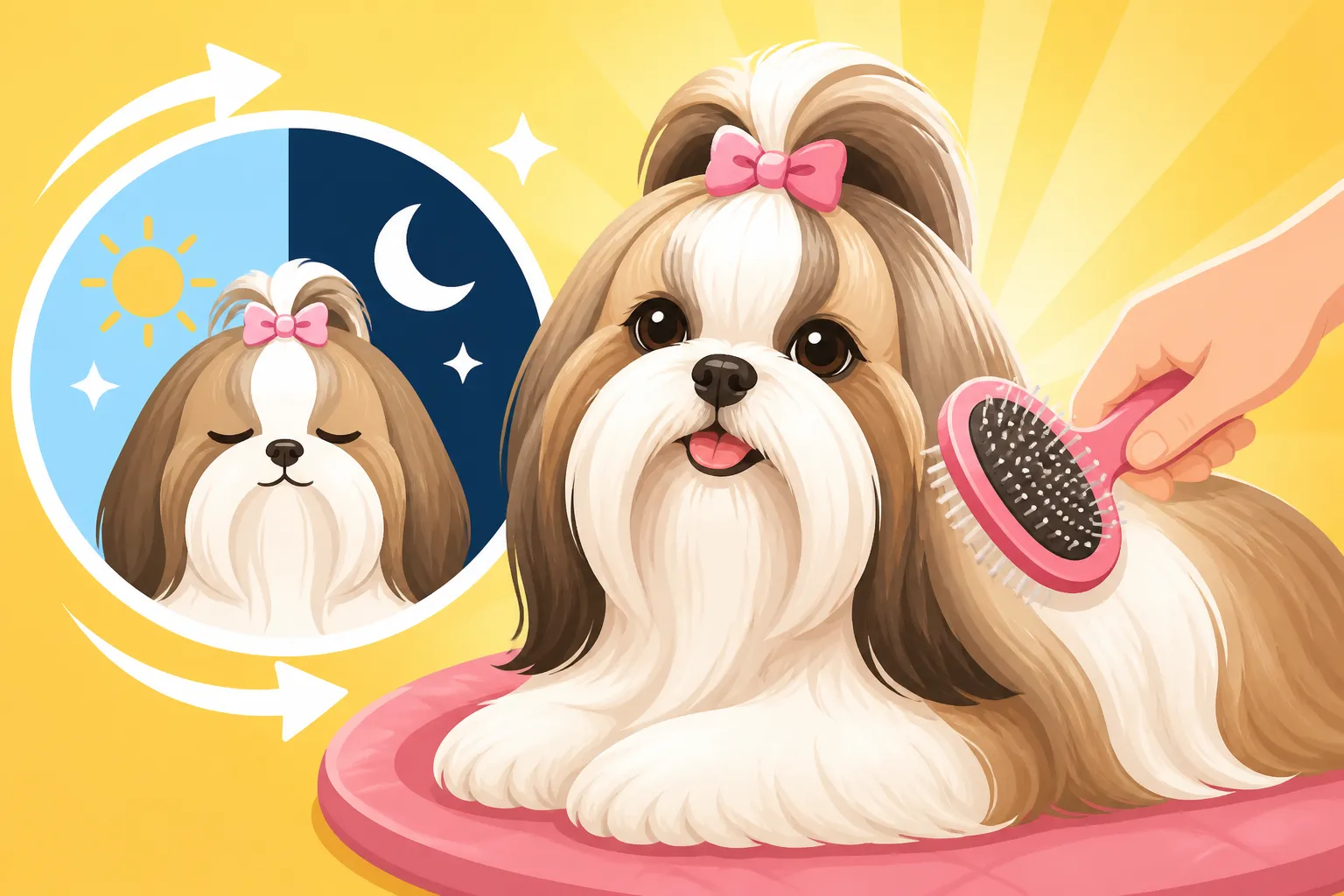
Brushing a Full Coat Shih Tzu Every Single Day
For anyone living with a majestic, full-coated Shih Tzu, you know the daily struggle is real: one moment your little lion dog is a picture of serene elegance, the next they’ve rolled in something mysterious or just spent five minutes snuggled into a blanket, emerging with a new collection of tangled secrets. It feels like a never-ending battle against knots and mats, and many owners wonder if daily brushing is really necessary. This guide is here to tell you that, yes, it truly is, and we’ll walk through exactly why and how to make it a manageable, even enjoyable, part of your routine.
The Unspoken Truth: Why Daily Brushing Is Non-Negotiable for a Full Coat Shih Tzu
Let's be honest, the idea of daily brushing can feel like a chore, especially after a long day. But for our Shih Tzus, particularly those rocking that flowing, full coat, it’s not just about looking pretty. It's about their health, comfort, and preventing a whole host of painful issues that nobody wants their beloved companion to endure.
The Unique Anatomy of a Shih Tzu's Double Coat
Understanding why a Shih Tzu's coat mats so easily is the first step to truly committing to a daily routine. These little dogs boast a luxurious double coat, a trait passed down from their ancient Tibetan and Chinese ancestors. You have the longer, silken outer guard hairs, which are beautiful and flowy, and beneath that, a dense, soft, woolly undercoat. It’s this combination that creates the perfect storm for matting.
Think about it: the long, fine outer hair easily tangles, and then the soft, downy undercoat just loves to grab onto those tangles, compacting them into tight, felt-like mats. Even a short nap or a quick roll in the grass can start the process. It's not a flaw in their coat; it's simply how it's designed. The undercoat's purpose is insulation, so it's naturally prone to felting if not regularly separated and brushed out. This is why you often hear the exasperated cry of "it just mats so fast!" from Shih Tzu owners everywhere. For a deeper dive into this, you might find our article Why a Shih Tzu Double Coat Mats So Fast particularly enlightening.
The Hidden Dangers of Neglected Coats
Beyond the aesthetic, neglected coats pose significant health risks. A mat isn't just a knot; it's a tight, often painful, clump of fur that pulls on the skin. Imagine having your hair constantly tugged at – that's what a mat feels like, but often much worse because it can spread across large areas.
- Skin Irritation and Infections: Mats trap moisture, dirt, and debris against the skin, creating a breeding ground for bacteria and yeast. This can lead to painful skin infections, hot spots, and chronic itching. The skin underneath a mat can become red, inflamed, and raw.
- Parasite Havens: Fleas, ticks, and other external parasites love to hide in matted fur, making them incredibly difficult to detect and treat. These unwelcome guests only add to your dog's discomfort and can lead to further health problems.
- Restricted Movement: Severe matting, especially around joints or under the legs, can physically restrict your Shih Tzu's ability to walk, run, or even lie down comfortably. It’s heartbreaking to see a dog wince with every step because their fur is pulling tight.
- Overheating: While a double coat provides insulation in cold weather, a severely matted coat prevents air circulation close to the skin. This can lead to overheating, especially in warmer climates or during exercise, as their body can't regulate temperature effectively.
- Pain and Stress: The constant discomfort from mats can significantly impact your Shih Tzu's quality of life, leading to changes in behavior, reduced activity, and general unhappiness. No one wants their sweet companion living in pain.
Bonding and Early Health Checks
On the flip side, daily brushing isn't just about avoiding problems; it's a wonderful opportunity for connection. It’s a quiet, intimate ritual that strengthens the bond between you and your Shih Tzu. Many dogs, once accustomed to it, come to love their daily grooming session, seeing it as special one-on-one time with their favorite human.
Furthermore, these daily sessions offer an invaluable chance to perform a quick, informal health check. As you brush, you’re feeling over every inch of your dog's skin. This makes you much more likely to spot:
- New lumps or bumps
- Any skin abnormalities, rashes, or dry patches
- Hidden parasites like fleas or ticks
- Signs of injury or tenderness
- Changes in coat texture or excessive shedding, which can sometimes indicate underlying health issues like Thyroid Disease Thinning a Shih Tzu Coat.
Early detection can make a world of difference in treating potential health problems, saving you stress and potentially significant vet bills down the line.
Gearing Up for Success: Your Daily Brushing Arsenal
You wouldn't try to paint a masterpiece with just one brush, right? The same goes for grooming a full-coat Shih Tzu. Having the right tools makes the job infinitely easier, more effective, and more comfortable for your dog. Investing in quality tools is an investment in your Shih Tzu's well-being. You can often find excellent options from reputable pet supply retailers like Chewy or readily available selections on Amazon.
Essential Brushes and Combs
This is your core kit. Don’t skimp here; good tools make a tangible difference.
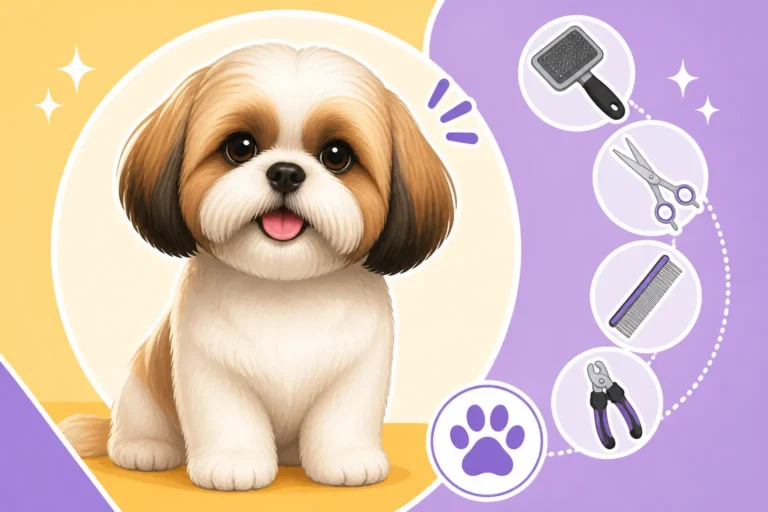
- Slicker Brush: This is your primary weapon against tangles and your best friend for getting through that dense undercoat. Look for one with fine, bent wire bristles. It's designed to separate hairs and gently remove loose undercoat and surface mats. When you're first introducing this, it's a good idea to practice on your arm gently so you understand the pressure, and our guide on Getting a Shih Tzu Used to a Slicker Brush can offer some great tips.
- Pin Brush: A pin brush has straight, widely spaced wires with rounded tips, similar to a human hairbrush. It’s excellent for finishing, fluffing, and gently smoothing the topcoat without pulling. It's not as effective for deep detangling but great for maintaining that silky look.
- Metal Greyhound Comb (or a similar wide/fine tooth comb): This is absolutely crucial for the "comb test" (more on that later!). One end typically has widely spaced teeth, great for initial detangling or longer parts of the coat, and the other has finer teeth, perfect for working through smaller sections and ensuring no mats are left behind.
- Dematting Tool (optional, but helpful): If you occasionally encounter a stubborn mat that resists your brush and comb, a dematting tool has razor-sharp edges designed to slice through the mat without pulling on the skin. Use with extreme caution! These can cut your dog's skin if not used correctly. They are for breaking up mats, not for general brushing.
Detanglers and Conditioning Sprays
These aren't just fancy extras; they are game-changers for a long-coated Shih Tzu.
- Leave-in Conditioning Spray/Detangler: A good quality spray applied before brushing acts as a lubricant, making the coat easier to brush through. It helps the brush glide, reduces static electricity (which can cause tangles), prevents breakage of delicate Shih Tzu hair, and keeps the coat hydrated. There are many great products out there, and finding Detangler Sprays That Work on a Shih Tzu specifically can make a huge difference in your daily routine. Don’t brush a dry, brittle coat; always use a spray!
- Tear Stain Remover/Face Wash: While not strictly for brushing, these are essential for maintaining a Shih Tzu's facial hygiene, especially with that long hair around their eyes and mouth. Keeping these areas clean prevents staining and irritation, which can lead to further matting and discomfort.
The Grooming Table: A Foundation for Comfort
You might think a grooming table is just for professional groomers, but a small, sturdy table designed for pets can be a huge asset for home grooming.
- Comfort for You: No more bending over or crouching on the floor, which can be brutal on your back and knees. A grooming table brings your Shih Tzu up to a comfortable working height.
- Comfort for Your Dog: Many Shih Tzus learn to associate the table with their grooming routine and tend to be more still and focused when on a designated surface. It removes them from the distractions of the floor and establishes a clear boundary for the activity.
- Safety: Most grooming tables come with a grooming arm and loop, which gently secures your dog in place, preventing them from jumping off and injuring themselves. Never leave your dog unattended on a grooming table. This also provides a stable surface for them, which can be much more comfortable than trying to brush them on your lap or the sofa.
The Step-by-Step Daily Brushing Ritual
Now that you have your arsenal ready, let’s talk about the actual process. Consistency and technique are key here. This isn't about a quick once-over; it's about a thorough, systematic approach that ensures every strand is free of tangles.
Preparation is Key
Before you even pick up a brush, set the stage for success.
- Timing: Choose a quiet time of day when both you and your Shih Tzu are relaxed. Maybe after a short potty break or a gentle play session when they've burned off a little energy. Avoid times when they're overly excited or sleepy.
- Environment: Select a well-lit area, preferably on your grooming table. Have all your tools laid out within easy reach.
- Positive Association: Start with gentle praise and perhaps a tiny, high-value treat. Make it a positive experience from the get-go. Consistency helps them understand this is just part of the daily routine, like breakfast or a walk.
Sectioning the Coat: The Line Brushing Technique
This is arguably the most critical technique for a full-coat Shih Tzu. You cannot just brush the top layer of hair; mats form from the skin outwards. Line brushing ensures you get right down to the skin.
- Start at the Bottom: Begin at one side of your dog, typically the legs or belly, and work your way up.
- Part the Hair: Using your metal comb, create a horizontal part in the coat, exposing a small line of skin. Pin or clip the upper layers of hair out of the way. You're effectively creating a "line" of hair to work on.
- Brush the Exposed Section: Take your slicker brush and, supporting the skin at the base of the hair with your free hand (to prevent pulling), brush downwards from the root to the tip of this small section. Make sure your brush strokes are gentle but firm enough to get through all the layers.
- Repeat and Move Up: Once that section is tangle-free, move your comb up slightly, creating another small line of hair. Unclip a small portion of the pinned hair and brush it down, combining it with the section you just finished. Work your way up the body, section by section, ensuring you reach the skin with every stroke.
- Work Systematically: Don't skip areas! Pay special attention to "hot spots" for matting: behind the ears, under the legs (armpits), in the sanitary area, and where a harness sits. These are often Mats Behind Shih Tzu Ears or Mats Under a Shih Tzu's Front Legs.
Working Through Knots and Mats (Gently!)
You will encounter knots. It's inevitable. The key is patience and gentleness to avoid pain and creating a negative association with brushing.
- Isolate the Mat: Gently separate the mat from the surrounding hair.
- Apply Detangler: Spray a generous amount of your conditioning detangler directly onto the mat. Let it soak in for a minute or two. This helps loosen the hair fibers.
- Finger Work: Start by trying to gently pull the mat apart with your fingers, working from the outside edges inwards. Don't pull at the root!
- Use a Wide-Tooth Comb: Once you've loosened it somewhat with your fingers, use the wide-toothed end of your metal comb. Start at the very end of the mat, gently picking at the strands. Work your way slowly, painstakingly, towards the skin. This is a slow process, but it's crucial to avoid yanking. If it's a particularly stubborn mat, you might need to use a dematting tool very carefully or even consider a trip to the groomer. Sometimes, if a mat is too tight, When a Shih Tzu Mat Has to Be Shaved Out is the kindest option.
- Small Sections: Never try to brush through a large mat all at once. Break it down into the smallest possible sections.
The Final Comb-Through: The Comb Test
Once you believe you’ve brushed an area thoroughly with your slicker brush, it's time for the ultimate test: the comb.
- The Comb Test: Take your metal comb (the fine-toothed end is best for this) and try to run it cleanly through the entire section of hair, from the skin all the way to the tip. If the comb stops or snags, even slightly, there's still a tangle or mat there that your brush missed. Go back with your slicker brush and detangler, and re-brush that section until the comb glides through smoothly. This is a non-negotiable step to ensure you haven’t left any hidden surprises. Our article The Comb Test on a Brushed Shih Tzu goes into more detail about how to perform this effectively.
Repeat this process over your entire Shih Tzu’s body – legs, belly, chest, back, tail, and especially around their face.
Common Brushing Challenges and Solutions
Even with the best tools and intentions, you'll likely encounter some common hurdles. It's how you address them that makes all the difference.
Dealing with a Wiggly or Uncooperative Shih Tzu
Some Shih Tzus, especially puppies, can be little bundles of wiggles and protests. Don't give up!
- Short Sessions: If your dog is struggling, start with very short sessions – just 5-10 minutes. Focus on one small area, reward profusely, and then take a break. Gradually increase the duration as they become more tolerant.
- Positive Reinforcement: High-value treats, lots of praise, and gentle strokes throughout the session work wonders. Make it a fun time, not a punishment.
- Comfort and Stability: Ensure they are comfortable on the grooming table or a non-slip mat. A wobbly surface or uncomfortable position will only make them more anxious.
- Start Young: If you have a puppy, begin grooming training immediately. Even just a minute or two of gentle brushing, handling their paws, and touching their ears every day will acclimate them. Consistency with tasks like Teaching a Shih Tzu Puppy to Lie on Its Side can make grooming much easier.
Tackling Stubborn Mats
Sometimes, despite your best efforts, a mat forms that seems impossible to get out.
- Assess the Situation: Is the mat close to the skin? Is it large and dense? Is your dog showing signs of pain when you touch it?
- Professional Help: If a mat is too large, too tight, or too close to the skin, or if you feel uncomfortable or afraid of hurting your dog, do not hesitate to call a professional groomer. They have specialized tools and expertise to safely remove mats, often requiring shaving. It’s always better to pay for a professional dematting or shave-down than to cause your dog pain or injury at home.
- Prevention is Key: Remember, daily brushing with the right tools and techniques is your best defense against these severe mats forming in the first place.
Maintaining Face and Sensitive Areas
The face, ears, and sanitary areas require extra care and precision.
- Face Trims and Topknots: The long hair around a Shih Tzu's eyes can irritate them, leading to tear staining and potential eye issues. Regularly trimming this hair (with blunt-nosed scissors, pointed away from the eyes) or tying it into a topknot is essential. Our guide Tying a Shih Tzu Topknot Step by Step provides a great tutorial. This prevents hair from poking their delicate eyes and also helps keep food out of their beard. You might also find Practicing Face Trims on a Shih Tzu Puppy helpful for early conditioning.
- Ears: The heavy ear leather of a Shih Tzu often hides mats that form behind the ears, at the base. Lift their ears daily and gently brush this area. Also, check inside their ears for any signs of infection.
- Paws and Sanitary Area: Trim the hair between their paw pads and around their sanitary area regularly. This prevents mats, improves traction, and helps maintain hygiene.
- Patience: These areas are often the most sensitive. Be extra gentle, use small, soft strokes, and reward generously.
| Grooming Tool | Primary Use | Key Benefit | Considerations |
|---|---|---|---|
| Slicker Brush | Removing loose undercoat, surface tangles | Gets deep into the double coat | Must be used gently to avoid brush burn |
| Pin Brush | Finishing, fluffing, smoothing topcoat | Gentle, good for maintaining silkiness | Not effective for deep detangling or severe mats |
| Metal Greyhound Comb | Detail work, checking for missed tangles (comb test) | Ensures no hidden mats remain | Use wide teeth for initial work, fine teeth for final check |
| Dematting Tool | Breaking up severe, tight mats | Can save a severely matted coat from shaving | Extremely sharp; use with extreme caution to avoid cuts |
| Detangling Spray | Lubricating coat, reducing static, preventing breakage | Makes brushing easier and more comfortable | Choose one suitable for daily use and sensitive skin |
| Grooming Table | Provides stable, elevated work surface | Improves comfort for dog and owner, enhances safety | Must be used with a grooming arm/loop for safety |
Daily brushing a full-coat Shih Tzu might seem like a lot, but it's an act of love. It protects them from pain, keeps them healthy, and strengthens the incredible bond you share. Once you get into the rhythm, you'll find it becomes a cherished part of your daily life together.
Disclaimer
This article is for general informational purposes only and does not constitute professional advice. Laws, prices and regulations vary by location and change over time. Consult a qualified professional for guidance on your specific situation.