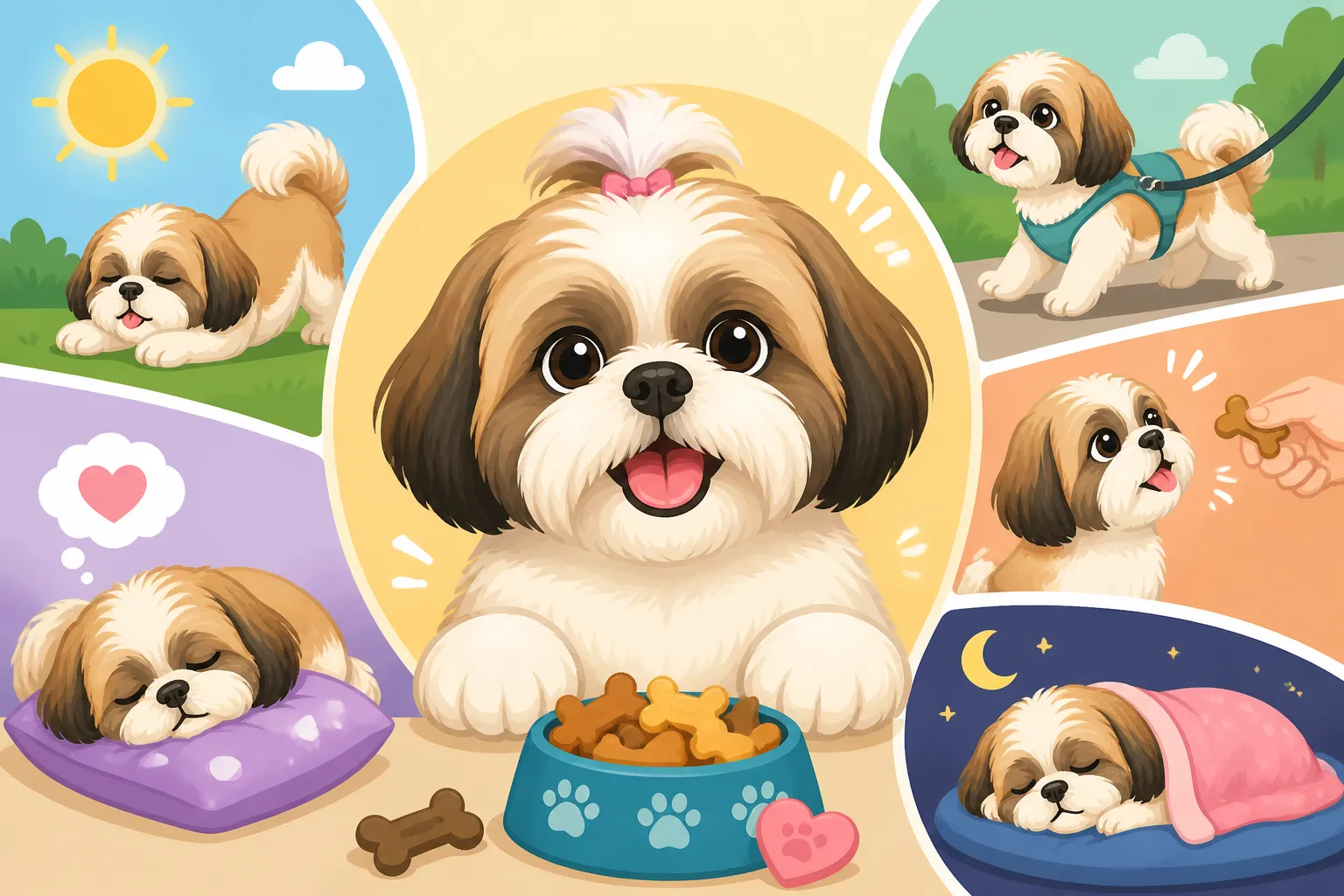
Fitting Treats Into a Shih Tzu Day
It’s a tale as old as time for Shih Tzu owners: you want to show your sweet companion how much you love them, and what better way than with a yummy treat? But then you look at that tiny little body, the dense fur hiding any subtle weight changes, and you start to worry. Are you giving too many? Are they even healthy? This guide will dive deep into how to thoughtfully and effectively incorporate treats into your Shih Tzu’s daily life, ensuring they stay healthy, happy, and well-behaved without overdoing it.
Why Treats Are Tricky for Shih Tzus and Why We Still Love Giving Them
There’s something so incredibly satisfying about seeing your Shih Tzu’s eyes light up at the sight of a treat. That little tail wagging, the enthusiastic snuffle, it’s pure joy for both of you. But for our adorable, flat-faced friends, treats come with a unique set of challenges that responsible owners need to be aware of. It's not just about the calories; it's about their small size, their propensity for certain health issues, and how quickly those little "extras" can add up.
The Shih Tzu's Delicate Balance: Weight Management
Shih Tzus are naturally small dogs, typically weighing between 9 and 16 pounds when fully grown. This means that even a small treat, which might be insignificant to a larger breed, can represent a considerable portion of their daily caloric intake. It’s so easy to accidentally overfeed them when treats are involved. A single dental chew designed for "small dogs" might be perfect for a 25-pound terrier but overkill for your 10-pound Shih Tzu. We want to spoil them, of course, but that spoiling can quickly lead to extra pounds, which puts unnecessary strain on their joints and vital organs. You might already know that obesity can exacerbate conditions like Shih Tzu Joint Problems in a Toy Frame or contribute to Shih Tzu Back Problems and Disc Disease, making weight management a critical aspect of their care.
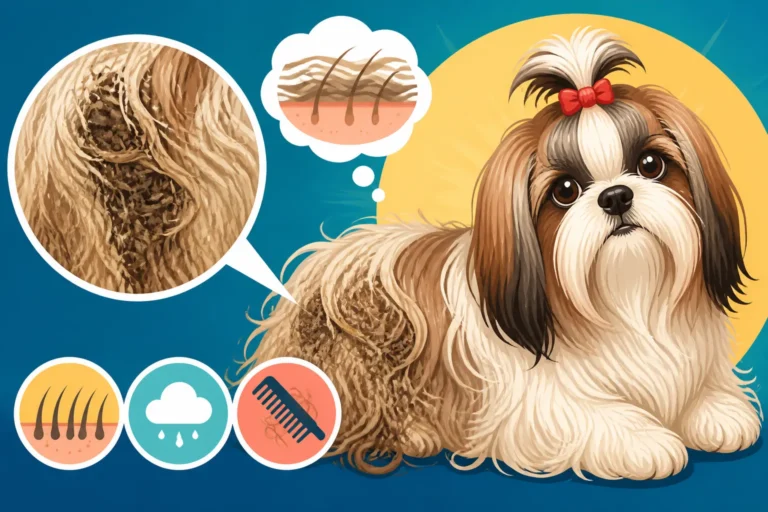
The problem is often compounded by their lush, flowing double coat. That beautiful hair can effectively camouflage weight gain, making it harder for owners to notice a problem until it’s significant. A quick glance might show a fluffy, well-rounded dog, but beneath that fur could be an overweight pup. Many owners are shocked to realize just What Two Extra Pounds Do to a Shih Tzu, impacting their breathing, mobility, and overall health. It's truly a silent creep that can undermine their well-being.
Understanding Nutritional Impact
Beyond just calories, the nutritional content of treats matters immensely. Many commercial treats are packed with fillers, artificial colors, and high-fat ingredients that offer little to no nutritional value. While an occasional indulgence isn't harmful, relying heavily on these treats can throw off your Shih Tzu's balanced diet. If your primary kibble or fresh food is carefully chosen for its complete and balanced nutrition, adding lots of empty calories or problematic ingredients through treats can undermine all your efforts.
Consider treats that are high in sugar or simple carbohydrates. These can contribute to dental problems, which Shih Tzus are already predisposed to due to their crowded mouths. Shih Tzu Dental Disease at 13 Percent of the Breed is a significant concern, and poor treat choices can accelerate this issue. Moreover, some Shih Tzus have sensitive stomachs or food allergies, and treats are often the culprits behind digestive upset or itchy skin. Monitoring the ingredients in everything your Shih Tzu consumes, including treats, is crucial for maintaining their overall health.
The Human-Dog Bond and Treat Giving
Let's be honest: we give treats not just for our dogs, but for ourselves too. It's a powerful way to communicate love, affection, and positive reinforcement. The act of offering a treat strengthens the bond between you and your Shih Tzu, creating positive associations and trust. For many, it's an instinctive gesture of kindness. We see those pleading eyes, that adorable head tilt, and our resolve melts like butter.
Treats are also invaluable tools for training and behavior modification. They provide immediate, tangible rewards that help your Shih Tzu understand what you want them to do. Whether it's mastering "sit," practicing polite greetings, or getting them to cooperate for grooming, a well-timed treat can be a game-changer. However, this powerful tool needs to be used wisely. If every interaction becomes contingent on a treat, you might inadvertently foster a dog that only listens when food is present, or one that constantly begs. The key is to find that sweet spot where treats enhance your relationship and training, rather than creating an unhealthy dependency.
Choosing the Right Treats for Your Shih Tzu
When you walk down the treat aisle at the pet store or browse online at places like Chewy or Amazon, the sheer volume of options can be overwhelming. Every package promises health, happiness, and irresistible flavor. For a Shih Tzu owner, making the right choice requires a bit more thought than just grabbing the cutest bag. We need to consider their unique physical characteristics and health predispositions.
Size and Calorie Considerations
The first and arguably most important factor for a Shih Tzu is the size and caloric density of the treat. A treat that's too large could be a choking hazard or, at the very least, difficult for their small mouths and undershot jaws to manage. Always opt for treats that are specifically marketed for "small dogs" or "toy breeds," and even then, consider breaking them into smaller pieces. Many owners find that even a single small training treat can be broken into two or three tiny morsels, offering more reward opportunities without adding excessive calories. Treats Small Enough for a Shih Tzu Session are essential for effective training and responsible feeding.
Calorie count is king. While specific calorie numbers aren't always prominently displayed on treat packaging, you can often find them on the manufacturer's website. As a general rule, treats should make up no more than 10% of your Shih Tzu’s total daily caloric intake. This means if your Shih Tzu needs, say, 300 calories a day (a common estimate, but always check with your vet for your specific dog's needs), their treats should total no more than 30 calories. This small allowance can disappear quickly. Look for low-calorie options like freeze-dried single-ingredient treats (e.g., small pieces of chicken or liver) or certain vegetable pieces.
Ingredient Watch: What to Look For and Avoid
Just like with their main meals, the ingredients in treats matter. Prioritize treats with short, recognizable ingredient lists. Single-ingredient treats are often the safest bet, as they minimize the risk of unknown additives or potential allergens. Look for real meat, poultry, or fish as the first ingredient, and ensure there are no artificial colors, flavors, or preservatives. Brands like Stella & Chewy's or Zuke's often offer good quality, natural options.
On the flip side, there are ingredients to actively avoid. Anything high in sugar, excessive salt, or unhealthy fats should be off-limits. Ingredients like xylitol (a sugar substitute found in many human foods, including some peanut butters) are highly toxic to dogs and should never be given. Processed treats with long, unpronounceable ingredient lists are generally best avoided. If your Shih Tzu has known sensitivities or allergies, finding novel protein treats or even making your own can be a great solution. For example, plain boiled chicken or small bits of carrot are often well-received and much healthier.
Dental Benefits and Chews
Given the Shih Tzu's predisposition to dental issues, incorporating treats that also help with oral hygiene can be a smart move. Dental chews are specifically designed to help reduce plaque and tartar buildup through mechanical abrasion or special ingredients. However, not all dental chews are created equal, and some can be too hard for a Shih Tzu’s delicate teeth, potentially causing fractures. Always choose flexible dental chews that allow your dog’s teeth to sink into them slightly, rather than very rigid ones.
It’s also crucial to monitor your Shih Tzu while they enjoy a dental chew to ensure they're chewing it safely and not trying to swallow large pieces. Look for products endorsed by the Veterinary Oral Health Council (VOHC) for proven efficacy. While dental chews can be a helpful addition, they are not a substitute for regular toothbrushing. Daily Toothbrushing in a Crowded Shih Tzu Jaw remains the gold standard for preventing dental disease. Small, appropriate-sized bully sticks or softer natural chews can also provide mental stimulation and some dental benefits, but again, always in moderation and with supervision due to their caloric content.
Smart Strategies for Incorporating Treats
Giving treats doesn't have to be a free-for-all. With a little planning and intention, you can use treats as powerful tools to enhance your Shih Tzu's life, support their training, and provide enrichment, all while maintaining their health. It's about being mindful and making every treat count.
Treats for Training: Motivation Without Overfeeding
Treats are undeniably effective for positive reinforcement training. They capture your Shih Tzu's attention and clearly mark desired behaviors. For a breed that can sometimes be a little stubborn (charming, but stubborn!), high-value treats can be invaluable. However, the goal is to fade the reliance on treats over time, replacing them with praise, petting, and real-life rewards.
When training, use tiny, pea-sized pieces of high-value treats. Think about what truly motivates your Shih Tzu. Is it a tiny piece of cheese? A bit of cooked chicken? Or maybe a small piece of a soft, palatable commercial treat? The goal is to make it so delicious that they'll work for it, but so small that it's consumed instantly, allowing you to move on to the next repetition quickly. This approach means you can do many repetitions without overloading them with calories. This also helps with Keeping Shih Tzu Training Sessions Short, which is ideal for their attention spans.
As your Shih Tzu masters a command, start varying the reward. Sometimes they get a treat, sometimes just enthusiastic praise, sometimes a quick game of tug. This teaches them that good behavior is still rewarded, even if it's not always with food, and helps prevent them from becoming "bribedogs" who only perform for food. For inspiration on what to teach, check out The Handful of Cues a Shih Tzu Really Needs.
Enrichment and Puzzle Feeders
Treats aren't just for formal training; they can also be used to provide mental enrichment and keep your Shih Tzu engaged. Puzzle feeders and treat-dispensing toys are fantastic for this. They challenge your dog to "work" for their food or treats, simulating natural foraging behaviors and preventing boredom. This can be especially helpful for Shih Tzus who might not get extensive outdoor exercise due to their Shih Tzu Exercise Intolerance in Summer or simply because they're naturally lower energy.
There are many types of puzzle feeders available, from simple treat balls to more complex interactive toys. You can find a wide variety on Amazon or Chewy. Start with easier puzzles to build their confidence, then gradually introduce more challenging ones. You can even use a portion of their regular kibble in these feeders to extend mealtime and provide mental stimulation without adding extra calories. For more ideas on how to keep your little genius busy, explore Puzzle Feeders a Shih Tzu Can Work.
Using treats in this way is particularly beneficial for Shih Tzus who spend time alone. A stuffed Kong or a puzzle toy can keep them happily occupied for a while, redirecting potential destructive behaviors and promoting a sense of calm.
Balancing Treats with Main Meals
This is where the rubber meets the road for successful treat incorporation. If you're giving treats, you absolutely must adjust their main meals accordingly. Failure to do so is the quickest path to an overweight Shih Tzu. If you're using a lot of treats for training, for example, slightly reduce the amount of kibble or fresh food you offer at their next meal. It requires a bit of math and observation, but it's crucial for their health.
Many owners find it helpful to measure out their Shih Tzu's daily kibble ration in the morning and then pull small portions from that to use as training treats throughout the day. This ensures that all the "treats" they receive are actually part of their balanced daily diet, preventing any caloric creep. If you're feeding a fresh food diet like Ollie, you might find it easier to set aside a small portion of their cooked meat or vegetables to use as treats.
Here’s a simple table to help you visualize balancing:
| Treat Type | Calorie Density (Estimated) | Recommended Use | Adjustment to Main Meal |
|---|---|---|---|
| Single-ingredient (e.g., freeze-dried chicken) | Low-Medium | Training, high-value rewards | Minor reduction |
| Small commercial training treats | Low-Medium | High-repetition training, quick rewards | Minor reduction |
| Dental chews | Medium | Occasional dental aid, supervised chewing | Moderate reduction |
| Baked biscuits/cookies | Medium-High | Very occasional indulgence, not recommended for training | Significant reduction |
| Fresh veggies (e.g., carrot, green bean) | Very Low | Daily healthy snack, low-calorie reward | No/Minimal reduction |
| Table scraps | Highly Variable | Avoid completely | N/A |
Remember, consistency is key. Get into the habit of always considering the "treat budget" when planning your Shih Tzu's meals.
When Treats Become a Problem: Recognizing the Signs
Even with the best intentions, it's easy for treats to get out of hand. Our love for our Shih Tzus often translates into giving "just one more," and those add up. Recognizing the signs that treats are becoming an issue, whether for their physical health or their behavior, is the first step toward correcting the course and ensuring a long, healthy life for your furry friend.
Spotting Weight Gain Under All That Hair
As mentioned earlier, the luxurious double coat of a Shih Tzu is wonderful for snuggling but terrible for spotting weight gain. It creates a fluffy illusion that can hide many extra pounds. This is why visual assessment alone is often insufficient. You might not notice your Shih Tzu is getting chunky until they are already showing signs of difficulty breathing, reduced stamina, or struggle with mobility. This is a common frustration for owners, especially when they think they're doing everything right.
Instead of relying on your eyes, use your hands to perform a "rib check" regularly. Gently run your hands along your Shih Tzu's sides, over their ribs. You should be able to easily feel their ribs with just a thin layer of fat over them, without pressing hard. If you have to press firmly to feel the ribs, or if they feel completely covered and you can't distinguish individual ribs, your Shih Tzu is likely overweight. Similarly, check their waist: when viewed from above, their body should have a slight indentation behind the ribs, creating a visible "waistline." If they look like a solid cylinder, it's time to re-evaluate their diet and exercise. This proactive approach helps prevent Shih Tzu Obesity on a Sixteen Pound Frame from becoming a serious health concern.
Regular weigh-ins are also incredibly important. Most vets recommend weighing your Shih Tzu at every visit, but you can also do it at home. If you notice a steady upward trend on the scale, it's a clear indicator that their caloric intake (including treats) needs to be reduced, or their exercise increased.
Behavioral Dependencies and Begging
Another common problem arises when treats become an expectation rather than a reward. If your Shih Tzu is constantly begging, pawing at you, or even barking for food every time you enter the kitchen or open the treat jar, it's a sign that they've developed a dependency. This can be frustrating and can undermine your training efforts. While a little enthusiasm is charming, relentless begging indicates a breakdown in boundaries and a misunderstanding of when and how treats are given.
This behavior often stems from inconsistent treat-giving. If you sometimes give in to begging, you're inadvertently reinforcing that behavior. Your Shih Tzu learns that persistent nagging eventually pays off. To correct this, you need to be absolutely consistent. Never give treats when your dog is begging. Instead, wait until they are calm and settled, and then reward them for that calm behavior. You might have to ignore their persistent attempts at first, which can be tough, but consistency is key.
Consider what triggers the begging. Is it when you're eating? Make sure your Shih Tzu is in their designated "place" (like their bed or crate) during your meal times, rewarded for staying there, rather than being underfoot. This helps them understand that your food is not theirs and that calm behavior earns rewards, not demanding behavior.
Digestive Upset and Allergies
If your Shih Tzu is experiencing frequent digestive issues like diarrhea, vomiting, or excessive gas, treats could very well be the culprit. Many commercial treats, especially those with high fat content, artificial ingredients, or novel proteins your dog isn't used to, can easily upset their sensitive systems. The sudden introduction of a new treat, or simply too many different types of treats, can also lead to gastrointestinal distress.
Similarly, treats can be a major trigger for allergies. If your Shih Tzu is constantly scratching, has red or inflamed skin, or develops recurrent ear infections, a food allergy might be at play. Common allergens include chicken, beef, dairy, wheat, and soy, all of which can be found in various treats. It's especially tricky because the symptoms of Shih Tzu Skin Allergies and Hot Spots can be hidden under their dense fur, making them hard to spot until they become severe.
If you suspect treats are causing digestive upset or allergic reactions, the best approach is to simplify. Eliminate all treats for a period and see if symptoms improve. Then, gradually reintroduce single-ingredient, limited-allergen treats (like pure sweet potato or lamb) one at a time, observing for any adverse reactions. This process can help you identify specific triggers. Always consult your veterinarian if your Shih Tzu is experiencing persistent digestive or skin issues.
Treats Beyond Food: Non-Edible Rewards
While edible treats are fantastic for certain situations, especially initial training, it’s vital for a Shih Tzu’s overall well-being and your relationship to offer a wider variety of rewards. Relying solely on food can lead to the issues we've discussed, from weight gain to begging. Expanding your reward repertoire means you can motivate your Shih Tzu in healthier, more sustainable ways, deepening your bond through shared experiences rather than just caloric intake.
The Power of Praise and Play
Never underestimate the power of your voice and attention. For a companion breed like the Shih Tzu, who thrives on human interaction, enthusiastic verbal praise ("Good dog! Yes!") and gentle petting can be incredibly reinforcing. When your Shih Tzu performs a desired behavior, follow up with genuine praise, a happy tone, and a loving stroke. This reinforces the connection and teaches them that pleasing you is rewarding in itself.
Play is another phenomenal non-food reward. A quick game of tug-of-war with a favorite soft toy, a chase around the living room, or a session with a flirt pole can be just as motivating, if not more so, than a food treat for many Shih Tzus. This kind of reward also helps fulfill their natural desire for interaction and exercise. Consider what type of play your Shih Tzu enjoys most and use it as a reward for things like coming when called or settling quietly. For example, after a good potty break outside, instead of a treat, you could initiate a short, lively play session indoors. This helps them burn off a little energy in a safe way, especially if they are prone to Shih Tzu Exercise Intolerance in Summer.
New Toys and Experiences
Just like humans, dogs appreciate novelty. Introducing a new toy, especially one that crinkles, squeaks, or offers a different texture, can be a wonderful reward for a job well done or simply a way to enrich their day. Keep a stash of "special" toys that only come out for specific rewards or occasions, making them high-value. When your Shih Tzu demonstrates excellent leash manners, for instance, you could reward them upon returning home with a few minutes with a new, exciting toy.
New experiences can also serve as powerful rewards. This could be anything from a car ride to the park (even if it's just to sit and observe) to a short, controlled sniff-walk in a novel environment. For a Shih Tzu who loves to explore, a change of scenery can be incredibly stimulating and satisfying. Perhaps after a successful grooming session where they were particularly cooperative, you treat them to a visit to a dog-friendly local shop. These experiences tap into their curiosity and provide mental stimulation without adding calories.
Affection as a Reward
Shih Tzus are bred to be devoted companions, and their love language often includes physical affection. Cuddles, belly rubs, ear scratches, and gentle grooming can all be incredibly powerful rewards. Pay attention to where your Shih Tzu enjoys being petted most – is it behind the ears, under the chin, or a good scratch at the base of the tail? Use these specific types of affection as rewards.
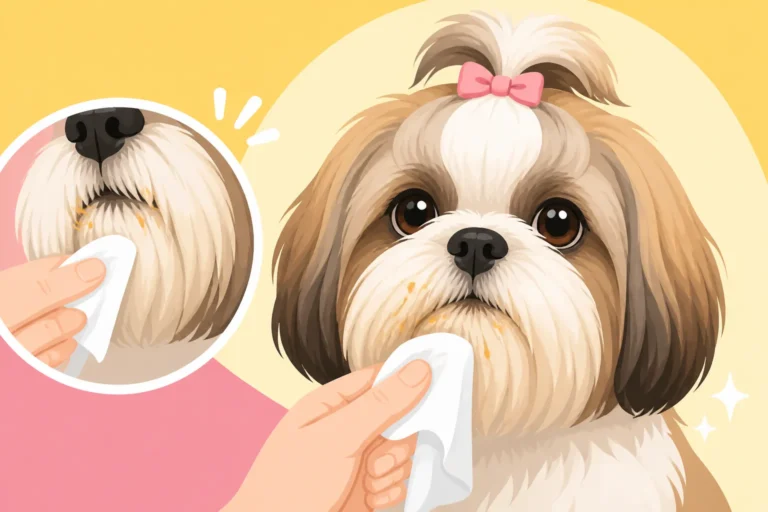
For instance, if your Shih Tzu calmly sits for their daily face wipe, instead of immediately reaching for a treat, give them a warm, extended cuddle. This reinforces the behavior with love and attention, strengthening your bond. Affection is calorie-free, always available, and deeply meaningful for our little lion dogs. It teaches them that your presence and gentle touch are valuable in themselves. This is particularly important for tasks like Teaching a Shih Tzu to Accept Eye Wiping, where a gentle approach and positive association are key.
Remember, the goal is to create a well-rounded system of rewards that keeps your Shih Tzu engaged, healthy, and happy, making treats just one tool in your extensive toolkit of positive reinforcement.
Disclaimer
This article is for general informational purposes only and does not constitute professional advice. Laws, prices and regulations vary by location and change over time. Consult a qualified professional for guidance on your specific situation.