Teaching a Shih Tzu to Accept Eye Wiping
One of the most common frustrations Shih Tzu parents face is the daily struggle of keeping those beautiful, expressive eyes clean. Our little lion dogs are prone to tear staining, eye boogers, and stray hairs poking them, which means eye wiping isn't just cosmetic – it's a vital part of their health routine. If your Shih Tzu acts like you're trying to perform open-heart surgery every time you approach their face, you're not alone. This comprehensive guide is here to walk you through a gentle, positive approach to teaching your Shih Tzu to not just tolerate, but accept, regular eye wiping, turning a battle into a bonding experience.
Understanding Why Eye Wiping is Such a Challenge for Shih Tzus
It’s easy to feel like your Shih Tzu is just being stubborn when they pull away or snap during face cleaning, but their resistance often stems from a combination of their unique physical characteristics and past experiences. Understanding these underlying reasons is the first step toward building trust and making eye care a less stressful affair for everyone involved. It’s not about them being naughty; it’s about their comfort and, sometimes, their very survival.
The Anatomy That Makes Them Prone to Eye Issues
Shih Tzus are a brachycephalic breed, which is a fancy way of saying they have those adorable flat faces. While undeniably cute, this flat face comes with a host of anatomical quirks that directly impact their eye health and make them particularly susceptible to issues. Their eyes tend to be larger and more prominent, sitting in shallower sockets compared to many other breeds. This means their eyes are more exposed to the elements – dust, debris, and even just the air itself can cause irritation more easily.
Think about it: a less protected eye is an eye more prone to issues. This shallow socket also increases the risk of serious conditions like Shih Tzu Eye Proptosis, the Emergency Owners Miss, where the eyeball actually pops out. Even without such a dramatic event, the constant exposure can lead to chronic dry eye or corneal ulcers, which are incredibly painful. Add to this their luxurious long hair, which, if not meticulously managed, can constantly brush against and irritate the delicate eye surface, trapping moisture and creating a breeding ground for bacteria around the eyelids. All of this can make their eyes inherently sensitive, leading them to anticipate discomfort when you approach their face.
Why They Resist Face Handling
Beyond the physical sensitivities, a Shih Tzu's resistance to eye wiping often has roots in their emotional and behavioral responses. Imagine someone constantly poking at a sensitive part of your face – you’d probably flinch too, right? For many Shih Tzus, especially if they weren't introduced to regular face handling as puppies, any attempt to clean their eyes can feel intrusive, scary, or even painful. They might have had a bad experience in the past, perhaps a rough groomer, an accidental poke, or even just repeated forced restraint that taught them that face touching equals discomfort.
This early conditioning is crucial. If their first experiences with face handling were negative, they quickly learn to associate the approach of your hand or a wipe with something unpleasant. Some Shih Tzus also have a strong sense of personal space, and the close proximity required for eye wiping can feel threatening, especially if they haven't been properly socialized to accept such intimacy. It’s not about being "stubborn" or "difficult"; it's a natural defense mechanism. They're communicating their discomfort, and it's our job to listen and adjust our approach to rebuild their trust, ensuring we handle them gently for tasks like Handling a Shih Tzu Puppy for Daily Brushing.
Essential Tools and Supplies for Gentle Eye Care
Having the right arsenal of tools can make a world of difference in transforming eye wiping from a dreaded chore into a manageable part of your daily routine. It’s not just about what you do, but what you use to do it. The market is flooded with products, so knowing what actually helps and what might exacerbate the problem is key.
Choosing the Right Wipes and Solutions
When it comes to cleaning those precious Shih Tzu eyes, not all wipes are created equal. You want something gentle, effective, and free from harsh chemicals or perfumes that could further irritate sensitive eyes. For general daily maintenance, pre-moistened eye wipes specifically designed for pets are fantastic. Look for wipes that are soft, lint-free, and ideally contain natural ingredients like aloe vera or witch hazel, known for their soothing properties. Brands readily available on Amazon often offer pet-specific eye wipes that are pH-balanced and formulated to be safe around the delicate eye area. Avoid baby wipes or human cosmetic wipes, as these can contain ingredients unsuitable for dogs.
Beyond wipes, a simple saline solution (the kind used for contact lenses, without preservatives) can be a lifesaver. You can gently moisten a cotton ball or a clean, soft cloth with saline to wipe away discharge. For stubborn tear stains, there are specialized tear stain removers, often containing mild astringents or cleansers. However, always do a patch test first and consult your vet, especially if your dog has sensitive skin or existing eye conditions. The goal is to clean gently and effectively without causing further irritation or drying out the skin around the eyes. Consistent cleaning with appropriate products helps prevent significant staining and buildup, making each session quicker and less invasive.
Grooming Tools for the Eye Area
While wipes and solutions handle the immediate gunk, proper grooming tools are crucial for managing the hair around your Shih Tzu's eyes, which is a major contributor to irritation and staining. A fine-toothed metal comb is indispensable. This isn't your everyday slicker brush; you need a comb with closely spaced, smooth teeth to gently work through the delicate hair around the eyes, removing small mats and separating strands that might poke the eye. Regular use of such a comb can prevent larger, painful mats from forming.
For trimming the hair, a pair of small, blunt-nosed scissors is a must-have. These are designed with rounded tips to minimize the risk of accidental pokes or cuts to the eye, even if your Shih Tzu suddenly moves. You're not looking to give a full haircut, just to carefully snip away any hairs that are growing too long and irritating the eye or obstructing vision. Some owners also find tiny battery-operated trimmers useful for carefully shaving very short hair away from the corners of the eyes or around the bridge of the nose, always with extreme caution. The idea is to keep the area clear and free from irritating hairs that can cause chronic issues, as highlighted in topics like Trimming Face Hair Away From Shih Tzu Eyes. Always make sure your tools are clean and sharp enough to cut, not pull, the hair, ensuring a comfortable experience for your furry friend.
The Step-by-Step Desensitization Process
Teaching your Shih Tzu to accept eye wiping isn't a one-and-done event; it's a gradual process of desensitization and positive association. You're essentially retraining their emotional response, turning something they fear into something they tolerate, or even enjoy, because good things happen when the wipe comes out. Patience and consistency are your greatest allies here.
Starting with Touch and Positive Reinforcement
The very first step is to get your Shih Tzu comfortable with gentle face touching, without any wipes or cleaning solutions in sight. Start small. During a relaxed moment, perhaps when they're cuddled on your lap or just waking up from a nap, gently touch their head, then their cheek, moving slowly towards the eye area. The instant your fingers touch their face, offer a tiny, high-value treat – something really special they don't get often, like a pea-sized piece of cheese or cooked chicken. The touch should be fleeting, maybe just one second, followed immediately by the treat. The goal is to create a strong positive association: hand near face = delicious reward.
Repeat this many times throughout the day, in short bursts of literally seconds. Don't push it. If your Shih Tzu pulls away, stop, wait a moment, and try again when they’re relaxed, but don’t force it or scold them. You want them to choose to stay for the treat. Slowly, over days or even weeks, you can increase the duration of the touch, and then eventually move to gently touching around the eye itself. Organizations like BAXTER & Bella offer online puppy training programs that emphasize this kind of positive reinforcement and gradual desensitization, providing structured ways to introduce handling in a stress-free manner. Remember, this isn't about speed; it's about building a solid foundation of trust and positive expectation, much like the principles used in Five Minute Sessions With a Shih Tzu for other training aspects.
Graduating to Wipes and Cleaning
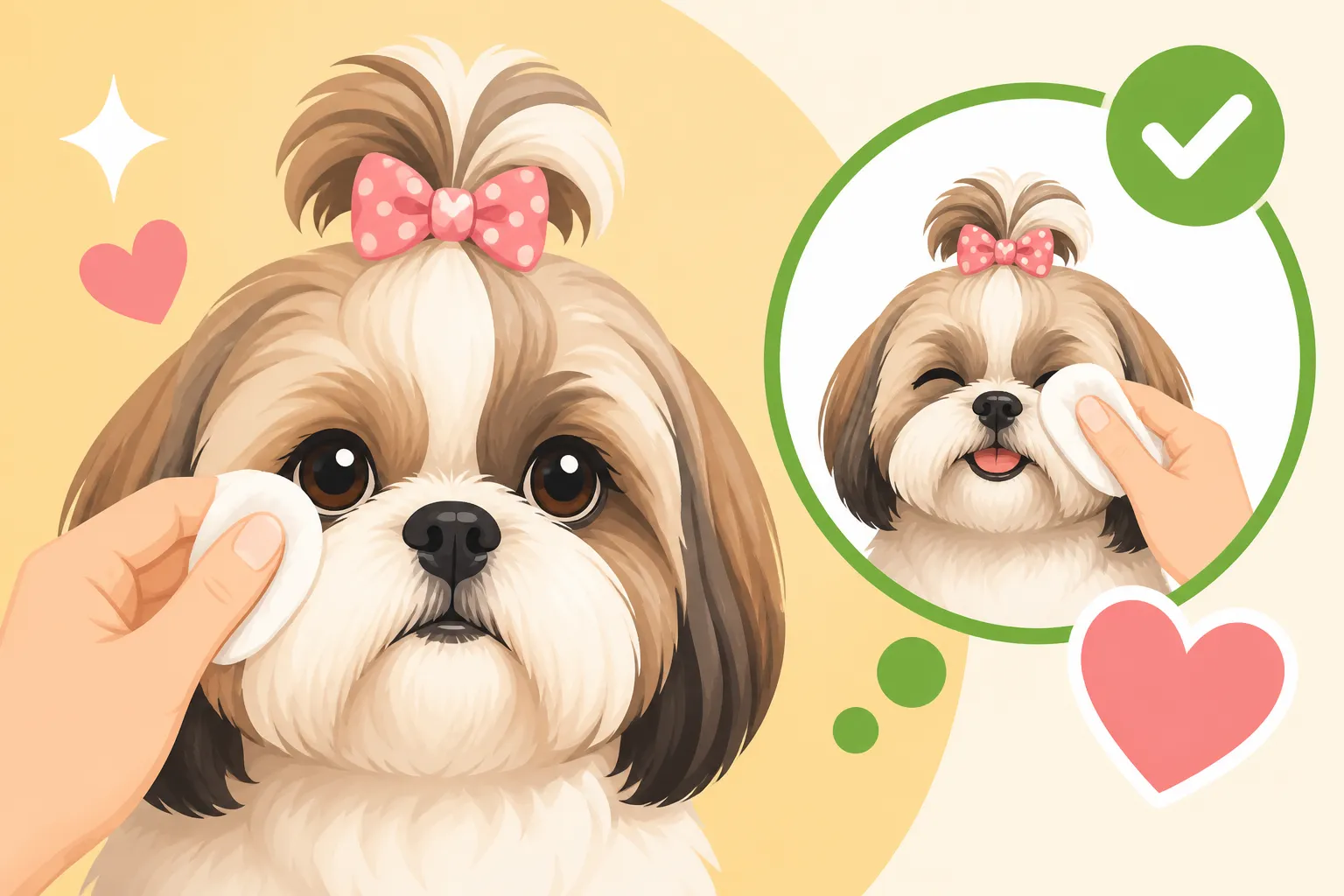
Once your Shih Tzu is reliably accepting gentle touches around their eyes, you can gradually introduce the wipe itself. Don't jump straight to wiping! First, let them see and sniff the wipe. Present it, give a treat. Repeat a few times. Then, gently touch the outside of their face with the wipe, immediately followed by a treat. The wipe isn't cleaning yet; it's just another object that predicts a reward. Once they're comfortable with the wipe touching their cheek, you can move to the very edge of the eye area.
The actual wiping process should be brief and gentle. Use a fresh, moist wipe. Starting from the inner corner of the eye (near the nose), gently wipe outwards, away from the eye itself, in a single, smooth stroke. Only wipe for a second or two, then immediately remove the wipe and give that high-value treat. If they tolerate it, you can gradually increase the duration and thoroughness of your wipe over subsequent sessions. Remember to use separate, clean wipes for each eye to prevent cross-contamination. Focus on clearing any discharge and preventing tear stains. The key is to keep the sessions positive, short, and always end on a good note with a treat and praise, reinforcing the idea that eye wiping isn't scary but leads to good things.
Addressing Tear Stains and Discharge
Tear stains and discharge are those unsightly reddish-brown marks and crusty bits that often plague Shih Tzus, and they're not just a cosmetic issue. The constant moisture and buildup of tears create an ideal environment for yeast and bacteria to thrive, which can lead to skin irritation, odor, and even infections if left unaddressed. Regular and thorough cleaning is your best defense against these problems, going beyond just aesthetic concerns.
When dealing with discharge, gentle wiping with a pet-specific eye wipe or a cotton ball moistened with saline solution is crucial. Always wipe away from the eye itself, being careful not to rub the delicate eyeball. For tear stains, which are often caused by porphyrins (pigments in tears), consistent daily cleaning is vital. There are many products on the market, some containing mild bleaching agents or enzymes, that claim to remove tear stains. While some can be effective, always choose products specifically formulated for pets and follow the instructions carefully. Regular trimming of the hair around the eyes also helps immensely, as it reduces the surface area for moisture and stains to accumulate, making it easier to clean the skin underneath. If you notice an increase in discharge, a change in its color (green, yellow), or any redness, swelling, or squinting, that’s a sign to stop trying to manage it yourself and consult your veterinarian immediately. Persistent staining or excessive discharge can be indicators of underlying issues like Shih Tzu Corneal Ulcers and Dry Eye or blocked tear ducts that require professional diagnosis and treatment.
Common Pitfalls and Troubleshooting
Even with the best intentions and the right tools, teaching your Shih Tzu to accept eye wiping can have its ups and downs. It's easy to get frustrated when progress stalls or your dog suddenly reverts to resistance. Understanding common pitfalls and having strategies to troubleshoot them will help you navigate these challenges with grace and continue building a positive relationship around grooming.
Dealing with Resistance and Fear
One of the biggest hurdles you’ll face is dealing with your Shih Tzu's inherent resistance or fear. If they're pulling away, trying to bite, or simply shutting down, it's a clear signal that you've pushed too far, too fast, or that they're genuinely uncomfortable. The absolute worst thing you can do is force the issue. Forcing restraint will only erode trust, increase their fear, and make future sessions even harder, potentially leading to fear-aggression behaviors like those discussed in A Shih Tzu That Bites During Eye Wiping.
Instead, take a step back. Revert to an earlier, simpler step in the desensitization process where they were comfortable. Perhaps that means just touching their head and giving a treat, without even approaching the eyes. Shorten your sessions even further – literally just one or two seconds of contact followed by a reward. Pay close attention to their body language: yawning, lip licking, head turning away, or a stiff posture are all signs of stress. If you see these, stop. Use a calm, reassuring voice, but don't coddle them for exhibiting fear, as that can inadvertently reinforce the behavior. Some dogs respond well to being gently cradled on their back or side while you work, but only if they are comfortable in that position already. If a specific tool or wipe seems to be the trigger, try a different one. The key is to make every interaction as positive and low-stress as possible, associating your touch with pleasant outcomes like tasty treats or gentle praise, not with fear or discomfort. If you suspect deeper behavioral issues, consulting with a professional dog trainer specializing in positive reinforcement may be beneficial.
Maintaining Consistency and Routine
Consistency is paramount when it comes to any form of training, and eye wiping is no exception. A sporadic approach, where you only tackle their eyes when they're visibly dirty or matted, will lead to inconsistent behavior and reinforce their apprehension. Your Shih Tzu thrives on routine and predictability; they learn what to expect when things happen at roughly the same time each day, making them less anxious about the process.
Establish a daily eye-wiping routine, even if it's just a quick, gentle wipe. Perhaps it's after their morning walk, or before their evening cuddle session. Integrate it into another positive daily activity, like mealtime or brushing. By doing it daily, you prevent significant build-up of discharge and mats, meaning each session will be quicker and less invasive. This also provides frequent opportunities for positive reinforcement, cementing the idea that eye care equals treats and praise. Imagine skipping brushing their full coat for days; the mats would be horrific, right? The same principle applies to eye care. Missing days means more gunk, more discomfort, and a longer, more challenging session when you finally get around to it. As we emphasize in Wiping a Shih Tzu Face Twice a Day, daily diligence isn't just about cleanliness; it's about building an expectation of gentle handling and ensuring their eyes stay healthy and comfortable day in and day out.
| Eye Care Task | Frequency | Goal | Essential Tools |
|---|---|---|---|
| Gentle Face Touching | Daily | Desensitize to touch | High-value treats, calm voice |
| Eye Wiping | Daily (1-2x) | Remove discharge, prevent stains | Pet-specific eye wipes, saline solution, treats |
| Hair Trimming | Weekly/Bi-weekly | Keep hair out of eyes, prevent matting | Blunt-nosed scissors, fine comb, treats |
| Comb Around Eyes | Daily | Remove small knots, check for irritation | Fine-toothed metal comb, treats |
| Inspect Eyes | Daily | Check for redness, swelling, unusual discharge | Good lighting, keen observation |
When to Seek Professional Help
While a consistent and positive desensitization approach works wonders for most Shih Tzus, there are times when you simply need to call in the cavalry. It’s important to recognize these moments, not as a failure on your part, but as a responsible choice for your dog's health and well-being. Knowing when to escalate a concern to a professional can prevent minor issues from becoming major problems.
Recognizing Signs of Eye Infection or Injury
Your Shih Tzu’s eyes are delicate, and they are prone to various issues. It's crucial to be vigilant for any signs that suggest more than just routine cleaning is needed. If you observe persistent redness around the whites of their eyes or the eyelids, it could indicate irritation or inflammation. Swelling, even slight, around the eye area is another red flag. Keep an eye out for changes in discharge: while clear or slightly crusty discharge is common, thick, yellowish, or greenish discharge is a strong indicator of an infection. Excessive tearing, where tears stream down their face, or a sudden onset of squinting or blinking rapidly, suggests pain or discomfort.
If your Shih Tzu is constantly rubbing or pawing at their eyes, or if one eye appears cloudy or has a visible injury, such as a scratch or speck of debris, do not delay. These symptoms warrant immediate veterinary attention. Sometimes, even subtle changes, like a noticeable increase in tear staining despite diligent cleaning, can be a symptom of an underlying issue such as blocked tear ducts, allergies, or even something more serious like Shih Tzu Corneal Ulcers and Dry Eye. Never attempt to self-diagnose or treat what appears to be an infection with over-the-counter human products; always consult your vet for a proper diagnosis and appropriate medication. Catching these issues early can save your Shih Tzu from significant pain and potentially preserve their vision.
Consulting Your Vet or a Professional Groomer
There are two key professionals who can provide invaluable assistance when it comes to your Shih Tzu's eye care: your veterinarian and a professional groomer. If, despite all your patient efforts with desensitization, your Shih Tzu continues to exhibit extreme fear or aggression during eye wiping, it’s definitely time to talk to your vet. Behavioral resistance can sometimes stem from underlying pain or discomfort that you might not be aware of, or it could require a professional behavioral plan that includes anti-anxiety medications or working with a certified dog behaviorist. Your vet can rule out any medical reasons for the resistance and offer guidance.
Additionally, a professional groomer can be a lifesaver, especially if your Shih Tzu's facial hair is becoming unmanageable or matted. While we teach home care, sometimes a professional touch is needed. They are experienced in handling nervous dogs and can expertly trim the hair around the eyes safely, making your daily maintenance much easier. A good groomer understands the unique challenges of a Shih Tzu's face and can suggest appropriate cuts or styles to keep the hair out of their eyes. However, ensure you find a groomer who uses positive reinforcement and understands the importance of a gentle approach; you don't want a traumatic experience to undo all your hard work. Discuss your Shih Tzu's temperament and any fears they have beforehand. Sometimes, a professional groomer can even offer tips and tricks for at-home care, or simply take on the more difficult tasks like dealing with deeply matted hair, which can sometimes be too stressful for you to tackle at home, as explored in discussions around A Shih Tzu That Panics at the Clipper.
Disclaimer
This article is for general informational purposes only and does not constitute professional advice. Laws, prices and regulations vary by location and change over time. Consult a qualified professional for guidance on your specific situation.