What New Shih Tzu Owners Wish They Had Done
Many new Shih Tzu owners, full of excitement for their fluffy companion, often find themselves surprised by certain challenges that arise. The truth is, while these little lion dogs are bundles of joy, they come with specific needs that, if not addressed early, can lead to frustrations down the road. This guide aims to shed light on what many experienced Shih Tzu parents wished they had done from the very beginning, helping you navigate your journey with foresight and confidence.
Wishing They'd Started Grooming Training Sooner
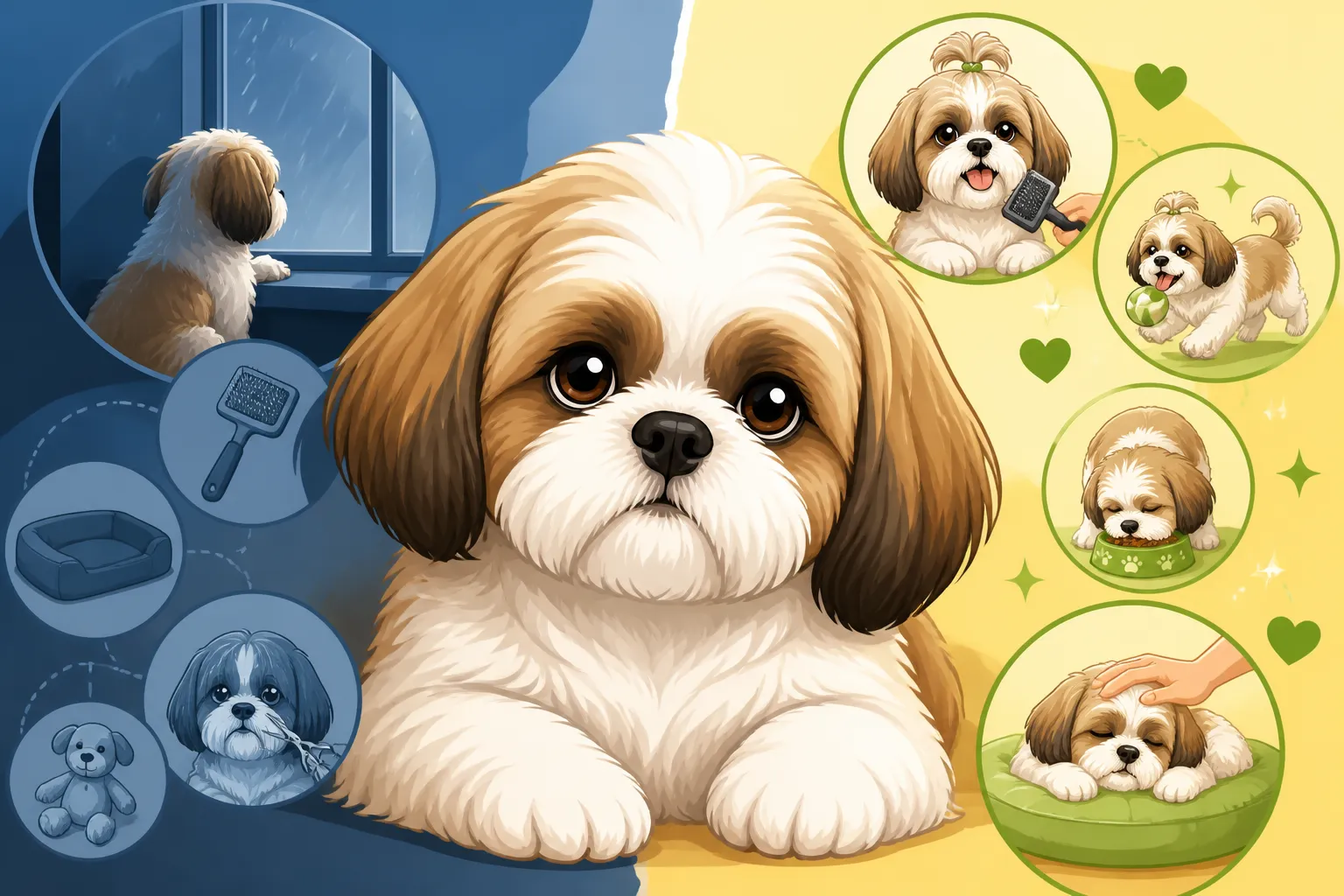
One of the most common refrains you'll hear from seasoned Shih Tzu owners is how much they wish they'd fully grasped the intensity of grooming from day one. These dogs are truly walking works of art with their flowing double coats, but that beauty comes with a significant time commitment. It's not just about aesthetics; regular grooming is fundamental to their health and comfort. Neglecting it, even for a few days, can lead to painful, skin-tight mats that often require a professional to shave them down.
Imagine bringing home a tiny, fluffy puppy, and you're just enjoying cuddles and playtime. The idea of daily brushing might feel overwhelming or even unnecessary when they're so small. However, this early period is crucial for establishing good habits. Many owners find themselves in a losing battle against tangles once their Shih Tzu's adult coat starts to grow in, often leading to stress for both dog and human. Starting early, even with a tiny puppy coat, makes all the difference in the world as the dog matures.
The Daily Coat Battle
The Shih Tzu's double coat is a marvel, designed to keep them warm in Tibetan monasteries and cool in warmer climates, but it's also a mat magnet. It consists of a soft, downy undercoat and a longer, silken outer coat. These two layers, especially when damp or dirty, intertwine with astonishing speed. If you miss a day, or even a couple of days, particularly behind the ears, under the legs, or where a harness sits, you'll be faced with stubborn knots that are increasingly difficult to remove without causing discomfort. It truly is a daily coat battle.
Many new owners envision a quick once-a-week brush, perhaps a bath every month or so, and a trip to the groomer when the hair gets long. The reality for a full-coated Shih Tzu, or even one in a longer puppy cut, is that daily brushing is non-negotiable. It's a fundamental part of their care, like feeding them or taking them out to potty. Without it, those beautiful locks turn into painful felted clumps that pull on their delicate skin, potentially leading to skin infections or discomfort that impacts their willingness to be handled. Learning to break the coat down into sections and brush all the way to the skin is a skill every owner should master early on, as discussed in Brushing a Shih Tzu Double Coat Every Day.
Understanding how quickly a Shih Tzu's coat can mat is a critical piece of knowledge many new owners wish they had before the first tangle forms. It's not an exaggeration to say that within two to three days, significant matting can occur, especially in high-friction areas or if the dog has been playing or rolling around. This swift transformation from fluffy to matted can catch even the most diligent owner off guard. Prevention, through consistent daily grooming, is always easier and less stressful than trying to fix existing mats.
Desensitization to Tools and Handling
Beyond just brushing, many new Shih Tzu parents later realize the profound importance of early desensitization to all aspects of grooming. This isn't just about brushing, but about getting your puppy comfortable with clippers, blow dryers, nail trims, ear cleaning, and even having their face and paws handled extensively. A Shih Tzu who tolerates, or even enjoys, these procedures will have a far less stressful life and will be a much safer, happier client for any professional groomer. Conversely, a dog that fights every step of the grooming process can turn a routine trim into a frightening ordeal for everyone involved.
Start by introducing grooming tools without using them initially. Let your puppy sniff the brush, hear the hum of quiet clippers or a low-setting dryer from a distance, and reward them with high-value treats. Gradually, you can introduce brief touches with these tools, slowly building up the duration and intensity. This process, often called conditioning, creates a positive association with the tools and the act of grooming. It teaches them that these strange objects bring good things, like tasty treats and praise, making future grooming sessions much smoother. Many small, quiet grooming tools suitable for this purpose can be found on Amazon, allowing you to practice at home.
Regularly touching your Shih Tzu's paws, gently looking in their ears, and wiping around their eyes are also vital practices to establish early. These areas are prone to issues (like Shih Tzu Ear Infections Under Heavy Ear Leather or Shih Tzu Corneal Ulcers and Dry Eye) and will require frequent attention throughout their lives. Getting them used to having these sensitive areas touched calmly and confidently will pay dividends during vet visits and professional grooming appointments. This consistent, positive handling from a young age helps build trust and makes the necessary care much less of a struggle for both of you.
The Importance of Professional Grooming Prep
One of the biggest regrets for many new Shih Tzu owners is not integrating professional grooming into their puppy's routine early enough. They might wait until the puppy looks shaggy or matted before the first professional visit, inadvertently making that initial experience a stressful one. What seasoned owners wish they had known is that early, positive exposure to a professional groomer is not just about getting a haircut; it's a critical part of their socialization and training. A good groomer understands how to introduce a puppy to the sights, sounds, and sensations of a salon in a gentle, reassuring way.
A professional groomer will handle tools like clippers, dryers, and brushes with expertise, setting a foundation for future stress-free grooming. They can teach your Shih Tzu to stand patiently on the table, tolerate bathing, and accept nail trims – skills that are difficult for an inexperienced owner to teach effectively at home. Even if you plan on keeping your Shih Tzu in a "puppy cut" for easier maintenance, these initial experiences with a professional are invaluable. They teach your dog that grooming is a normal, non-threatening part of life, rather than something to be feared or fought against.
Furthermore, a professional groomer can offer invaluable advice on Choosing a Puppy Cut Length for a Shih Tzu that suits your lifestyle and your dog's coat type, and how to maintain it between visits. They can also spot potential skin issues or ear problems early on. Waiting too long, or only seeking professional help when the coat is severely matted, can lead to a less than ideal first experience for your puppy, potentially resulting in them being turned away or needing extensive dematting that is painful and costly. Establishing a relationship with a skilled groomer early means your Shih Tzu will be comfortable and confident during their regular appointments throughout their life.
Underestimating the House Training Journey
Ah, house training a Shih Tzu. This is another area where many new owners find themselves wishing they'd managed their expectations better. Shih Tzus, despite their intelligence, often take longer to fully house train than many other breeds. Their small size means a smaller bladder, requiring more frequent trips outside. Combine this with their sometimes stubborn nature and a preference for indoor comfort, and you have a recipe for a house training journey that can feel like an uphill battle. It's a marathon, not a sprint, and understanding this from the outset can save a lot of frustration.
Many assume that if they just take their puppy out often enough, the process will be quick and seamless. While frequent trips are definitely part of the solution, the reality is that complete reliability can take many months, sometimes even a year or more. Owners often report periods of progress followed by frustrating setbacks, like A Shih Tzu Backsliding on House Training, which can be disheartening. What experienced owners wish they'd grasped is that patience, extreme consistency, and a proactive approach are the absolute keys to success with this charming but sometimes challenging breed.
Consistency is King and Queen
When it comes to house training a Shih Tzu, consistency isn't just important; it's everything. New owners often don't realize the sheer dedication required to get their little fluffball fully reliable. This means taking your puppy out every 30-60 minutes when they're very young, immediately after waking up, after eating or drinking, and before bedtime. Any deviation from this rigorous schedule can easily lead to an accident, which then reinforces the wrong behavior. It's a relentless schedule, especially in the beginning, but it's the foundation upon which success is built.
Many owners wish they had been more strict and unwavering with their potty schedule from the first day. This includes using the same potty spot outside, using a consistent cue word, and rewarding lavishly with treats and praise every single time they go outside. Skipping a trip because it's raining, or letting them play too long indoors without a break, can undermine weeks of progress. The little bladder of a Shih Tzu doesn't allow for much leeway, making these frequent, scheduled trips absolutely essential to prevent accidents indoors.
Understanding the expected timeline for house training a Shih Tzu also helps manage expectations. Unlike some larger breeds that might pick it up in a few weeks, Why Shih Tzu House Training Takes Months is a common reality. Their small size means their bladder develops more slowly, and they have less control initially. Setting up a predictable routine and sticking to it religiously is the most effective way to help your Shih Tzu learn where they should and shouldn't relieve themselves.
Indoor Potty Solutions
While outdoor house training is the ultimate goal for many, a significant number of Shih Tzu owners find themselves wishing they had embraced indoor potty solutions more readily or understood their proper implementation. Given their small size, dense coat, and sensitivity to weather (especially rain and cold), many Shih Tzus develop a strong aversion to going outside, leading to more accidents indoors. For some, particularly those living in apartments or with health limitations, indoor options become a practical necessity.
Potty pads or indoor grass patches, readily available on platforms like Amazon, can be a lifesaver, but new owners often make the mistake of using them as a crutch rather than a bridge. The regret often stems from not having a clear strategy for using pads, which can lead to confusion for the dog – is it okay to go anywhere inside that has a pad? Or is the ultimate goal still outside? Experienced owners recommend careful planning if using pads, possibly placing them strategically near the door and gradually moving them outside.
Another crucial aspect of indoor potty solutions is proper crate training, as explored in Crate Training a Shih Tzu Properly. Many wish they had used the crate more effectively as a house training tool, recognizing that dogs are naturally clean animals and generally won't soil their sleeping area. The crate can help build bladder control and prevent unsupervised accidents. However, it's vital that the crate is appropriately sized – just big enough for them to stand up, turn around, and lie down comfortably – and never used for punishment, ensuring it remains a safe and positive den for your Shih Tzu.
Managing Accidents and Setbacks
The emotional rollercoaster of house training often involves frustrating moments of "I thought we were past this!" when a perfectly trained Shih Tzu suddenly has an accident. Many new owners wish they had better prepared themselves for these inevitable setbacks and understood how to manage them without resorting to punishment, which is counterproductive and damages trust. Accidents happen, and how you react plays a huge role in future success. It's not about being angry; it's about being proactive and understanding the potential underlying causes.
A crucial piece of advice often wished for is the immediate and thorough cleaning of accidents with an enzymatic cleaner. Simple soap and water won't fully eliminate the odor, and a Shih Tzu's powerful nose will still detect it, marking that spot as a potential future toilet. An enzymatic cleaner breaks down the odor molecules, truly erasing the scent and discouraging repeat offenses. These specialized cleaners are a must-have for any new puppy owner and can be easily found.
Beyond cleaning, experienced owners learn to investigate why an accident happened. Was the last potty break too long ago? Was the weather bad? Was there a change in routine? Or, critically, could there be a medical reason? Shih Tzus, like other small breeds, can be prone to urinary tract infections or bladder stones, which can cause sudden accidents. A sudden change in house training can be the first sign of a health issue, so a vet check is always wise if unexplained accidents persist. Taking a comprehensive online puppy training program, such as those offered by BAXTER & Bella, can also provide structured guidance on handling setbacks and maintaining consistency.
Prioritizing Early Socialization and Exposure
Many new Shih Tzu owners, especially those new to toy breeds, mistakenly believe that their small, cuddly companion doesn't need extensive socialization. They think, "Oh, they'll just be a lap dog, they don't need to meet a ton of other dogs or go to busy places." This is a profound misconception and one that experienced owners often regret not rectifying earlier. A lack of proper, early socialization can lead to a shy, fearful, or even reactive Shih Tzu, making everyday situations like vet visits, guests, or walks a source of stress rather than joy.
The critical window for socialization, typically between 3 and 16 weeks of age, is a precious time that closes quickly. During this period, puppies are most open to new experiences. Missing this window means that introducing new things later in life becomes significantly harder, requiring more time, patience, and often professional intervention. What owners ultimately wish they had done is proactively expose their Shih Tzu puppy to a wide variety of positive experiences, setting them up for a confident, well-adjusted life.
Beyond Just Meeting Other Dogs
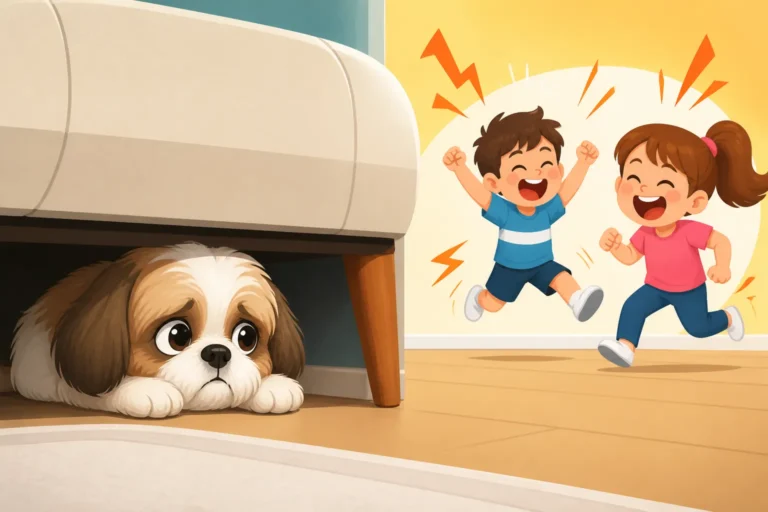
When people think of socialization, they often just think of "meeting other dogs." However, effective socialization for a Shih Tzu goes far beyond just puppy playdates. It encompasses a vast array of positive exposures to different people, sights, sounds, textures, and environments. This means introducing your puppy gently to men, women, children, people wearing hats, people using umbrellas, people in wheelchairs – basically, the full spectrum of human diversity they might encounter. A well-socialized Shih Tzu is comfortable and confident in a variety of situations, not just when they're at home.
Imagine the difference between a Shih Tzu who has only ever known quiet home life versus one who has been gently introduced to the sounds of city traffic from a distance, the rumble of a vacuum cleaner, or the cheerful chaos of a park. The latter is far less likely to develop anxiety or reactivity to novel stimuli. It's about creating positive associations with everything in their world, so they learn that new things are generally safe and interesting, not scary. This broad exposure helps prevent common fear-based behaviors that can develop later in life.
This comprehensive approach to socialization is paramount for a Shih Tzu, a breed known for its companion nature. They thrive on being part of the family and experiencing life with you, but they can only do so comfortably if they've learned to navigate the world with confidence. Ignoring this early developmental stage can result in a dog that barks excessively at strangers, hides from guests, or trembles during car rides, truly limiting their quality of life. Resources like those from BAXTER & Bella can provide structured guidance on broad socialization strategies, not just dog-on-dog interactions.
Sound and Sight Desensitization
Many new Shih Tzu owners quickly discover their little companion can be quite sensitive to loud or sudden noises, or unfamiliar sights. The common regret here is not proactively desensitizing their puppy to these stimuli early on. Things like the doorbell, the vacuum cleaner, fireworks, or even just a noisy street can become sources of fear or excessive barking if not managed properly during the critical socialization window. What seasoned owners wish they had known is the importance of gentle, positive introduction to these everyday occurrences.
Desensitization involves exposing your Shih Tzu to these sounds and sights at a very low intensity, pairing the exposure with high-value treats and praise. For example, play sounds of thunder or traffic very softly while your puppy is eating or playing, gradually increasing the volume over time as long as they remain relaxed. For sights, introduce novel objects like an open umbrella or someone wearing a large hat from a distance, allowing your puppy to observe without feeling threatened, always rewarding their calm demeanor. The goal is to build positive associations, so these things become background noise or interesting curiosities rather than triggers for fear.
This systematic approach prevents a Shih Tzu from developing phobias or reactivity later in life. A Shih Tzu who learns early that a ringing doorbell means a treat, rather than a frantic bark-fest, will be a much calmer and happier resident. The Sounds a Shih Tzu Puppy Needs to Meet covers this in more detail. Failing to do this work early often leads to frustrating behavior problems down the line, requiring more intensive training to undo ingrained fears.
Understanding Their Play Style
Another area where new Shih Tzu owners often wish for more foresight is in understanding and managing their dog's unique play style, particularly with other dogs. Because they are a toy breed, many assume they can play with any dog, or worse, that they'll be perfectly safe in a dog park setting. However, the delicate frame and flat face of a Shih Tzu mean they are not built for rough-and-tumble play. Their safety and well-being depend on carefully selected playmates and a thorough understanding of appropriate interactions.
A common regret is allowing a Shih Tzu puppy to play with larger, more boisterous dogs without proper supervision, or at all. While many big dogs are gentle, even an accidental bump or clumsy interaction can cause serious injury to a small Shih Tzu, especially putting their delicate back or prominent eyes at risk. Experienced owners advocate for very controlled playdates with other small, gentle dogs of a similar play style, or focusing on human-interactive play.
Understanding how Shih Tzu Play Style With Bigger Dogs differs is vital. Their interaction with other dogs should be calm and supervised, focused on sniffing, gentle chasing, or parallel play rather than wrestling or body slamming. Many owners wish they had avoided dog parks entirely, opting instead for carefully curated, safe environments where they could control the interactions. Prioritizing their physical safety during play ensures they have positive social experiences without the risk of injury or developing fear around other dogs.
Recognizing Unique Shih Tzu Needs from Day One
Bringing a Shih Tzu into your home means embracing a breed with a charming personality, but also with distinct physical characteristics that come with their own set of care requirements and potential health predispositions. Many new owners, captivated by their adorable faces and fluffy coats, don't fully realize these unique needs until problems arise. A common theme among seasoned Shih Tzu parents is wishing they had been more informed and proactive about these specific breed traits from the very beginning, allowing them to prevent or mitigate common issues.
From their distinctive flat faces to their flowing coats and sometimes delicate internal structures, Shih Tzus aren't just small dogs; they're a breed with specific vulnerabilities. Understanding these nuances isn't about being alarmist, but about being a responsible, prepared owner who can provide the best possible care for their beloved companion. Proactive measures, from daily routines to environmental adjustments, can make a tremendous difference in their long-term health and happiness.
The Flat Face and Breathing Concerns
The adorable, flat face of a Shih Tzu is undeniably part of their charm, giving them that endearing "chrysanthemum" look. However, this brachycephalic (short-nosed) structure also means they have unique anatomical challenges that new owners often underestimate. Many owners wish they had understood the full implications of their flat face, particularly concerning breathing and heat regulation, from the moment they brought their puppy home. This knowledge is crucial for preventing emergencies and ensuring their comfort.
Shih Tzus are more prone to conditions collectively known as Brachycephalic Airway Obstructive Syndrome (BOAS), which can include The Elongated Soft Palate in a Shih Tzu and Shih Tzu Stenotic Nares and Noisy Breathing. These conditions can lead to noisy breathing, snoring (sometimes quite loud!), reverse sneezing, and significantly reduced ability to cool themselves down. Owners often regret not taking their Shih Tzu's labored breathing or frequent reverse sneezes seriously enough, initially dismissing them as "cute" breed quirks rather than potential signs of respiratory distress.
This means being extra vigilant about heat. Shih Tzus can overheat very quickly, even on moderately warm days, as they can't pant efficiently to cool down. Many owners wish they had invested in cooling mats or vests (readily available on Amazon) from the start and avoided walks during the hotter parts of the day. A simple, well-fitting harness (rather than a collar that puts pressure on their windpipe) is also essential. Understanding Why a Flat Face Makes a Shih Tzu Overheat is paramount for their safety and well-being.
Dental Care: More Than Just a Cute Smile
Another significant area of regret for many Shih Tzu owners revolves around dental care. These little dogs have a full set of 42 adult teeth packed into a very small mouth, which often leads to overcrowding and a natural predisposition to dental disease. What new owners often fail to grasp is that daily tooth brushing isn't just a suggestion; it's a critical component of their lifelong health. The consequences of neglecting dental hygiene can be severe, painful, and costly.
Many owners wish they had started a rigorous daily tooth brushing routine the very first week their puppy came home. Just like with grooming, introducing a toothbrush and dog-specific toothpaste gently and consistently from a young age makes it a normal, accepted part of their routine. Waiting until plaque and tartar have already built up, as they often do by the age of three or four, makes the process much harder and often necessitates expensive professional cleanings under anesthesia, including potential extractions. Shih Tzu Dental Disease at 13 Percent of the Breed is a staggering statistic that highlights this vulnerability.
A clean mouth isn't just about fresh breath; it's about preventing systemic health issues. Periodontal disease, if left untreated, can lead to painful infections, tooth loss, and bacteria entering the bloodstream, potentially affecting organs like the heart and kidneys. Specialized small dog toothbrushes and enzymatic toothpastes designed for dogs can be found easily on Amazon, making it accessible to start this crucial habit. Investing the time in daily dental care from day one is one of the kindest and most impactful things you can do for your Shih Tzu's long-term health.
Back Health and Safe Handling
The Shih Tzu's long, relatively low-slung body, while charming, means they are predisposed to back problems, particularly intervertebral disc disease (IVDD). Many new owners simply aren't aware of how fragile their Shih Tzu's spine can be, and they later regret not taking precautions to protect it from day one. Actions that seem harmless, like jumping off furniture or going up and down stairs frequently, can put undue stress on their delicate discs, potentially leading to painful injuries, mobility issues, or even paralysis.
Experienced owners often wish they had installed ramps or pet stairs for their Shih Tzu to access sofas and beds immediately, preventing jumps from any significant height. Teaching them to wait to be picked up rather than launching themselves off furniture is another key habit. Furthermore, learning how to pick up a Shih Tzu properly – supporting both their chest and their hindquarters like a little football – helps distribute their weight evenly and protects their spine. This mindful handling is crucial for safeguarding their long-term mobility.
Recognizing the subtle signs of Early Shih Tzu Back Pain Signs is also something owners wish they'd known more about. A reluctance to jump, hesitation before using stairs, a sudden yelp when picked up, or a change in their usual enthusiastic wiggles can all be indicators of discomfort. Being proactive with these protective measures from puppyhood can significantly reduce the risk of future disc injuries, ensuring your Shih Tzu can enjoy a comfortable and active life for many years.
Comparing Expectations vs. Reality for New Shih Tzu Owners
Here's a quick look at common areas where new Shih Tzu owners' initial expectations often diverge from the day-to-day reality, and what experienced owners wish they'd known.
| Area of Ownership | What New Owners Often Expect | What Experienced Owners Wish They Knew |
|---|---|---|
| Grooming | Occasional bath, cute haircut every few months | Daily brushing, frequent professional trims, high risk of mats, lifelong ear/eye care |
| House Training | Quick to learn, accidents will be rare | Can take months, consistency is vital, indoor potty solutions often necessary, setbacks are common |
| Socialization | They're friendly, don't need much exposure | Needs extensive, positive exposure to sounds, sights, people, and gentle dogs to prevent fear |
| Play & Exercise | Energetic play, long walks, trips to the dog park | Short bursts of indoor play, gentle walks, careful selection of playmates, risk of overheating |
| Health Needs | Generally healthy, just routine vet visits | Prone to specific eye, breathing, dental, and back issues requiring proactive care and budgeting |
| Alone Time | Can be left for standard workdays with enrichment | Highly companion-driven, prone to separation anxiety, often needs staggered alone time training |
This table illustrates the common areas where new owners are often caught off guard. By being aware of these realities from the outset, you can better prepare and enjoy a more harmonious relationship with your Shih Tzu.
Disclaimer
This article is for general informational purposes only and does not constitute professional advice. Laws, prices and regulations vary by location and change over time. Consult a qualified professional for guidance on your specific situation.