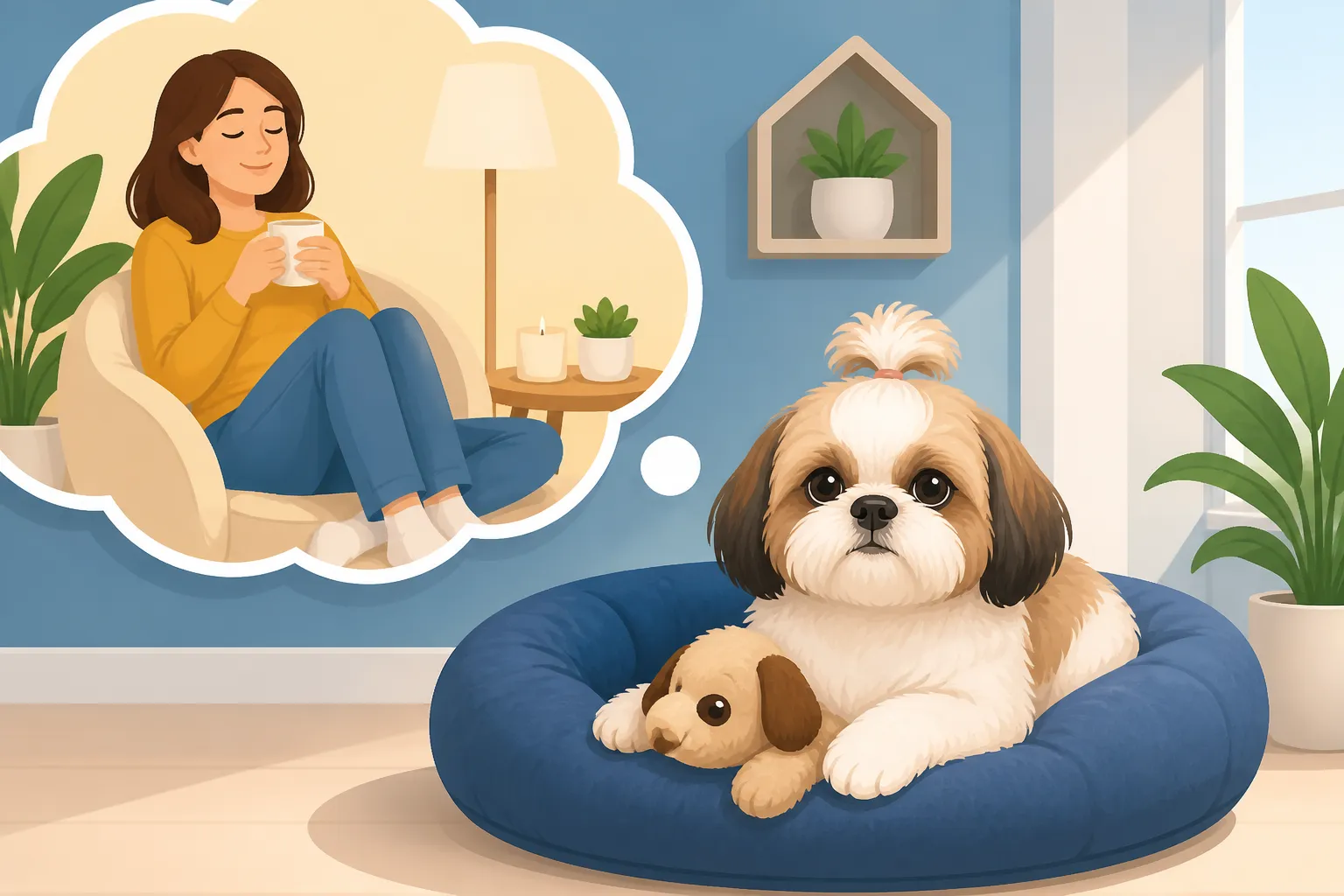
Building Alone Time for a Shih Tzu
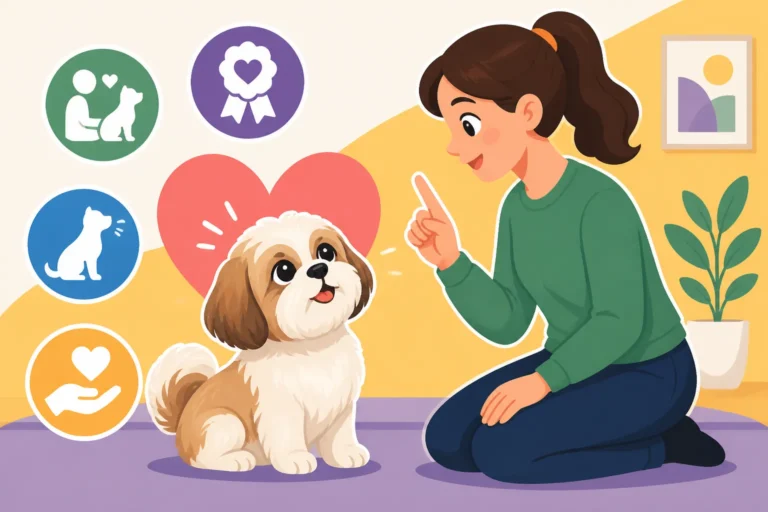
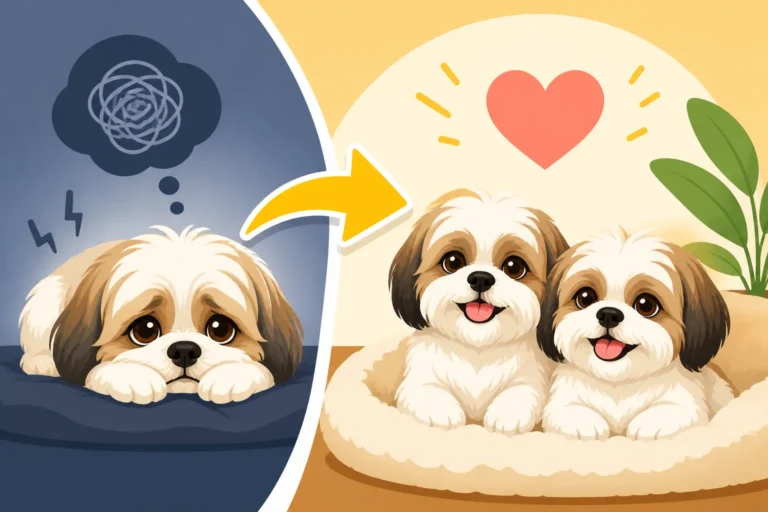
One of the most common heartaches for Shih Tzu parents is seeing their beloved furball struggle when left alone. These little lion dogs were literally bred to be companions, sitting on laps and keeping royalty company. So, it’s no surprise that when you walk out the door, your sweet pup might feel like their whole world is crumbling. This guide is all about giving you practical, empathetic steps to build your Shih Tzu’s confidence and comfort with alone time, transforming separation from a stressful ordeal into a peaceful part of their day.
Understanding the Shih Tzu's Natural Inclination for Companionship
It’s easy to feel frustrated when your Shih Tzu cries or acts out after you leave, but it's crucial to remember their history. These aren't working dogs, nor were they ever meant to be. They were bred for one purpose: companionship. Understanding this historical context helps us approach their alone-time struggles with patience and compassion, rather than seeing it as naughtiness.
The Breed's History of Being Underfoot
Imagine a royal palace, centuries ago in Tibet or China. The Shih Tzu wasn't out herding sheep or guarding vast estates. Oh no, their job was far more glamorous: to be cherished companions to emperors, empresses, and nobility. They literally spent their lives nestled in silk robes, carried in sleeves, or trotting happily at their human's heels. This intense, constant human contact wasn't just a preference; it was the foundation of their very existence as a breed.
So, when your modern-day Shih Tzu follows you from room to room, insisting on being a furry shadow, they’re not being overly clingy; they’re fulfilling their ancient programming. This deep-seated need for proximity means that being left alone can feel deeply unnatural, even terrifying, to them. They're wired for connection, and when that connection is temporarily severed, their instincts can scream "abandonment," leading to distress that manifests in various ways. It's not a flaw in your dog, but a feature of their incredible, loving breed.
Signs Your Shih Tzu Struggles with Alone Time
Recognizing the signs of distress when your Shih Tzu is left alone is the first step toward helping them. It's not always obvious, especially if they're quiet when you're there. Often, owners only find out through a neighbor's complaint or by returning home to a messy surprise. These behaviors are not acts of defiance; they are cries for help.
Common indicators include persistent barking or whining, which might start the moment you close the door and continue until you return. Some Shih Tzus will pace relentlessly, leaving worn paths on the carpet or scratches on the door frame as they desperately try to reunite with you. Destructive chewing can be another tell-tale sign; they might target door frames, furniture, or your favorite slippers, often driven by anxiety rather than simple boredom. Accidents in the house, even from a fully house-trained dog, can happen because they're too stressed to hold it or associate going outside with your absence. You might also notice trembling, excessive drooling, or frantic panting, especially if you set up a camera to observe their behavior. Even a calm dog who seems fine for the first five minutes but then starts to subtly shut down, refusing to eat a treat they usually love, is showing signs of distress. These behaviors are their way of saying, "I'm not okay, and I don't know what to do."
Laying the Foundation: Early Training and Environment
Before you even think about incrementally increasing alone time, you need to establish a strong, positive foundation. This means creating a secure physical space for your Shih Tzu and building a predictable daily rhythm. Without these crucial elements, any attempts at building alone time will likely be met with resistance and anxiety.
Crate Training as a Safe Haven
When done correctly, crate training isn't about confinement; it's about providing a den-like, secure retreat for your Shih Tzu. For a breed that loves to feel cozy and protected, a crate can become their personal sanctuary, a place where they feel safe even when you’re not right there. The key is to introduce it slowly and positively, making it an inviting space rather than a punishment chamber. Start by simply having the crate open in a common area, letting them explore it. Toss treats and toys inside, feed meals near or inside it, and never force them in.
Once they're comfortable entering voluntarily, start closing the door for very short periods while you're still in the room, gradually increasing the time. Always use a calm, happy tone, and reward them for quiet acceptance. A soft bed, a favorite blanket, and a safe chew toy can make the crate even more appealing. This positive association is vital, turning the crate into their safe space, not a lonely prison. Remember, the goal is for them to choose to relax in their crate, associating it with comfort and security, which is incredibly helpful when you need them to settle while you're out. Crate Training a Shih Tzu Properly
Creating a "Safe Space" Beyond the Crate
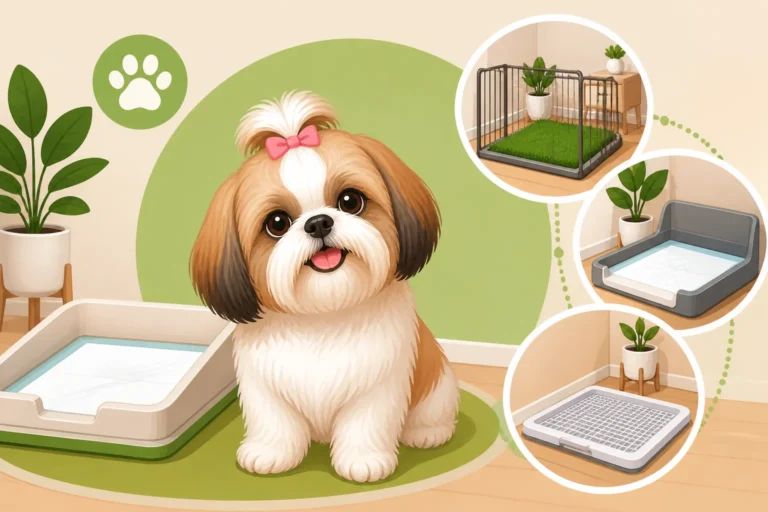
Not every Shih Tzu takes to a crate, or sometimes you need an alternative for longer periods or different situations. In these cases, creating a designated "safe space" is just as important. This could be a puppy playpen, a dog-proofed room (like a laundry room or a small guest bedroom), or even a sectioned-off area of a larger room using baby gates. The critical factor is that this space must be completely safe, comfortable, and free from anything they could chew, swallow, or hurt themselves on.
This safe space should contain their bed, water bowl, and a few favorite, durable toys. Just like with a crate, the introduction should be positive. Spend time with them in this area, play games, and offer high-value treats. The idea is for them to associate this specific zone with good things and a sense of security, rather than merely being where they are left when you’re gone. This offers them more room to move than a crate but still provides boundaries and safety, making it a viable option for independent relaxation.
The Importance of a Predictable Routine
Dogs thrive on routine. A predictable schedule helps reduce anxiety because they learn what to expect throughout their day. When your Shih Tzu knows when they'll eat, when they'll go out, and when playtime is, they're much more likely to feel secure. This predictability extends to alone time as well. If your departures are always chaotic and unpredictable, your dog will constantly be on edge, wondering when you'll vanish next.
Integrate alone time into their daily schedule. For example, always take them for a potty break, then engage in a brief play session, and then offer a mentally stimulating chew toy before you leave. This sequence signals to them that "alone time" is a normal, structured part of the day, not a sudden, alarming event. Even if your schedule isn't identical every day, aiming for consistency around key events like meals, walks, and potty breaks can significantly lower their overall stress levels. This routine helps them mentally prepare and provides a sense of control over their environment, making the transition to alone time smoother.
The Gradual Process: Building Up Alone Time Incrementally
Once you’ve established a comfortable space and a predictable routine, it’s time to actually practice being alone. This isn't about just leaving them for an hour and hoping for the best. It's a methodical, step-by-step process that builds their confidence in tiny, manageable increments. Think of it like teaching a child to swim; you start with wading in the shallow end, not throwing them into the deep.
Starting with Micro-Absences
This is where the real work begins, and patience is your absolute best friend. Start with "micro-absences"—leaving your Shih Tzu alone for literally seconds. The goal here is not to leave them for long, but to teach them that you always come back. Get ready to leave, give them a safe chew or puzzle toy, step out the door, close it, count to five, and then re-enter. Do this calmly, without making a big fuss or dramatic goodbyes. The moment you leave should be as unremarkable as possible.
Repeat this many times a day, gradually extending the time you're outside the door by just a few seconds each time. If your Shih Tzu starts to show signs of distress (barking, whining, scratching), you've gone too far, too fast. Shorten the duration on your next attempt. The key is to return before they get anxious, so they only experience success. You're teaching them that your departure is temporary and routine, not a prelude to abandonment. A training program like BAXTER & Bella often emphasizes these crucial short intervals in their virtual courses, which can be a game-changer for owners needing structured guidance.
Extending Durations with Calm Returns
As your Shih Tzu masters the micro-absences, you can slowly, ever so slowly, increase the duration. We're talking minutes now, not hours. Maybe you step out to get the mail, or take out the trash. The principle remains the same: keep your departure and return calm and low-key. Avoid effusive greetings when you come back, even though it's incredibly tempting to shower them with love. Overly enthusiastic greetings can inadvertently reinforce the idea that your return is a huge, dramatic relief, escalating their anxiety about your departure next time.
Instead, wait until your Shih Tzu is calm before offering a gentle stroke or praise. This teaches them that your absence is normal and your return isn't a chaotic celebration, but a quiet, expected reunion. You're aiming for them to be relaxed, or at least settling, when you walk back in the door. If they are still barking or showing signs of stress, you've likely progressed too quickly, and it's time to shorten the duration again. This phase requires consistency and a keen eye on your dog's comfort levels.
Utilizing Enrichment to Distract and Engage
One of the most powerful tools in your alone-time arsenal is enrichment. A bored or under-stimulated Shih Tzu is much more likely to become anxious or destructive when left alone. Mentally engaging activities can occupy their minds, reduce stress, and make alone time more palatable. Think about durable puzzle toys that dispense treats, or hollow chew toys that can be stuffed with peanut butter or wet food and then frozen. These can keep a Shih Tzu happily occupied for a significant period.
Interactive toys available on platforms like Amazon can also be excellent. Look for ones that require a bit of problem-solving or offer varied textures and sounds. A snuffle mat, for example, allows you to hide kibble or treats, engaging their natural foraging instincts. Rotate these enrichment items so they don't get bored with the same thing every day. Introducing a new, exciting puzzle toy just before you leave can be a fantastic distraction, shifting their focus from your departure to an engaging activity. This makes alone time something to look forward to, rather than dread.
Addressing Common Challenges and Setbacks
Even with the best intentions and a solid plan, building alone time for a Shih Tzu is rarely a linear journey. There will be days when it feels like you've taken ten steps back. It’s important to understand these common challenges and have strategies ready to tackle them with patience and consistency.
Managing Barking and Whining
The sound of your Shih Tzu barking or whining as you leave, or (even worse) hearing it through a pet camera, can be incredibly distressing for you. Your natural instinct might be to rush back in to comfort them, but this can inadvertently teach them that noise brings you back, thus reinforcing the unwanted behavior. The challenge is to find the balance between ignoring minor protests and addressing genuine distress.
For mild barking or whining that quickly subsides, the best approach is to ignore it. Return only when they are quiet. If you consistently return while they are still making noise, you’re training them that barking is the way to get you back. However, if the barking is prolonged, frantic, and accompanied by other distress signals, it indicates genuine anxiety. In such cases, you’ve likely pushed them too far too fast. You’ll need to reset, reduce the duration of your absences, and build up their tolerance even more gradually. Consider using a sound machine or calming music to provide a consistent, soothing background noise, which can help mask outdoor sounds that might trigger barking. A Shih Tzu Crying in the Crate at Night
Dealing with Destructive Chewing and Accidents
Returning home to chewed furniture or a puddle on the floor is frustrating, but it's vital to remember these are often symptoms of anxiety, not spite. Destructive chewing can be a self-soothing mechanism for an anxious dog, and accidents can occur because they're simply too stressed to remember their house training or to hold it. The first step is to ensure their alone-time area is truly dog-proof. Remove anything valuable or potentially harmful that they could chew. This means securing electrical cords, moving houseplants, and putting away shoes or blankets.
Provide plenty of appropriate chew toys, especially durable ones that can withstand anxious chewing. If accidents are happening, revisit your potty schedule before you leave. Ensure they've had ample opportunity to relieve themselves. If the problem persists, it may indicate a deeper anxiety issue or even a medical concern, and a vet visit might be warranted to rule out urinary tract infections or other physical causes. Never punish your Shih Tzu for these behaviors; it will only increase their anxiety and erode your bond. Instead, focus on prevention and addressing the underlying stress.
The Role of Cameras and Monitoring
You can't effectively address alone-time issues if you don't know what's happening when you're gone. This is where pet cameras become invaluable. A simple, affordable pet camera allows you to observe your Shih Tzu's behavior in real-time or review recordings later. This objective data is crucial for understanding when they start to get anxious, what triggers their reactions, and how long they can comfortably be alone.
For instance, you might discover they're fine for 15 minutes but start barking at the 16-minute mark. This tells you exactly where their current comfort threshold lies, allowing you to tailor your training durations precisely. Some cameras even offer two-way audio, letting you speak to your dog, though this should be used cautiously. For some dogs, hearing your voice without seeing you can heighten anxiety. For others, a calm reassurance might help. Use monitoring to inform your training plan, not to constantly intervene, which can make the process more confusing for your Shih Tzu.
Tools and Resources to Aid Alone Time Training
In our modern world, we have access to a fantastic array of tools and resources that can significantly support your efforts in building alone time for your Shih Tzu. From high-tech gadgets to professional guidance, these aids can make a real difference in your dog's comfort and your peace of mind.
Harnessing Technology for Peace of Mind
The digital age has brought us some truly ingenious solutions for pet parents concerned about their Shih Tzu's alone time. Pet cameras, as mentioned, are top of the list. Many models offer features like night vision, motion detection alerts, and even the ability to toss treats remotely. Imagine being able to check in on your pup during your lunch break and, if they're being quiet and calm, sending them a small, reinforcing treat! This kind of positive reinforcement, even from afar, can be incredibly powerful.
Beyond cameras, there are smart feeders that dispense meals on a schedule, ensuring your Shih Tzu's routine is maintained even when you're delayed. Some interactive toys can be controlled via an app, allowing you to engage your dog in a game of chase or treat retrieval from anywhere. These technological aids don't replace active training, but they provide invaluable monitoring, reassurance, and opportunities for remote engagement, all contributing to a more positive alone-time experience for your furry friend.
Online Training Programs and Professional Help
Sometimes, a little structured guidance is exactly what you need. Online training programs have become incredibly popular, offering flexibility and expert advice right in your home. Companies like BAXTER & Bella provide comprehensive online courses and live virtual sessions that walk you through every step of puppy and dog training, including specific modules on separation anxiety and building alone time. Their approach often focuses on positive reinforcement and building a strong foundation, which is perfect for a sensitive breed like the Shih Tzu. These programs can offer personalized support, answer your specific questions, and provide a structured curriculum to follow, which can be less overwhelming than trying to piece together advice from various sources.
However, for severe cases of separation anxiety, where your Shih Tzu exhibits extreme distress, self-harm, or persistent destructive behavior, consulting a certified professional dog trainer or a veterinary behaviorist is crucial. These experts can assess the severity of the anxiety, rule out underlying medical conditions, and develop a tailored behavior modification plan, sometimes including medication if necessary. Remember, seeking professional help is a sign of a responsible pet owner, not a failure. It means you're committed to doing everything you can to ensure your Shih Tzu's well-being. Finding a Trainer for a Toy Breed
| Strategy/Tool | Description | Benefits | Best For |
|---|---|---|---|
| Crate Training | Creating a den-like, secure retreat for your Shih Tzu | Safety, security, aids house training | Puppies, dogs needing a clear boundary, short absences |
| Safe Space (Playpen) | Gated area or dog-proofed room with bed, water, and toys | More room than a crate, prevents destructive behavior | Dogs not comfortable in crates, longer absences, multiple pets |
| Puzzle Toys/Chews | Interactive toys dispensing treats, or long-lasting chews | Mental stimulation, distraction from your departure, reduces boredom | All Shih Tzus, especially those prone to boredom or mild anxiety |
| Pet Cameras | Remote monitoring of your Shih Tzu's behavior | Objective data on stress levels, identifying triggers, remote interaction | Owners who want to observe and understand behavior when away |
| Online Training | Structured programs guiding you through alone-time training | Expert guidance, flexibility, step-by-step plans | Owners needing structured support, mild to moderate anxiety cases |
| Professional Trainer | In-person or virtual consultation with a certified dog trainer | Personalized plans, behavioral assessment, advanced techniques | Moderate to severe separation anxiety, complex behavioral issues |
Disclaimer
This article is for general informational purposes only and does not constitute professional advice. Laws, prices and regulations vary by location and change over time. Consult a qualified professional for guidance on your specific situation.