What a Companion Breed Wants From Training
It’s easy to look at those fluffy faces and assume training isn’t really necessary for a Shih Tzu, but that’s where many new owners get stuck. While they aren't going to herd sheep or retrieve ducks, our little lion dogs still need to learn the ropes of living in a human household. This guide is all about understanding what truly motivates your Shih Tzu in training, helping you build a happy, well-behaved companion without the frustration of mismatched expectations.
Understanding the Shih Tzu's Core Motivation: Connection, Not Command
When you think about training a dog, images of German Shepherds or Border Collies often come to mind – breeds known for their drive, focus, and eagerness to work for a handler. Shih Tzus, however, have a very different heritage, and understanding this is the first step to successful training. They aren't built to be sternly commanded; they thrive on connection and partnership.
The History of a Lap Dog
Let's be real, the Shih Tzu wasn't bred to run agility courses or track scents through the wilderness. Their entire existence, going back centuries, was centered around one thing: being a beloved companion. Originating in Tibet and perfected in the Chinese Imperial Court, these dogs were literally bred to sit on laps, offer comfort, and look beautiful. Their primary "job" was to be adored. Because of this long history, a Shih Tzu's deepest desire is often to be close to their people and to participate in family life. This means that fear-based or overly strict training methods usually backfire spectacularly. They don't respond well to being dominated or intimidated. Instead, they respond to kindness, consistency, and the promise of continued affection. They want to please you because they love you, not because they fear punishment. Understanding this fundamental difference is crucial, as I've seen too many owners try to apply working-dog training philosophies to their little companion, leading to frustration for both sides. If you’re curious about their pampered past, read up on Why a Shih Tzu Was Bred to Sit on a Lap.
Why Harsh Methods Fail
Imagine being forced to do something you don't understand, under threat of unpleasant consequences. You'd likely become anxious, resistant, or simply shut down. This is precisely what happens when harsh training methods are used with a sensitive breed like the Shih Tzu. They don't see it as "learning discipline"; they see it as their beloved human suddenly becoming unpredictable and scary. A sharp word, a physical correction, or even an impatient tone can cause a Shih Tzu to retreat emotionally. They might become fearful of the training environment, hide, or even develop defensive behaviors like snapping, not because they're "bad," but because they're scared and confused. Instead of building a strong bond based on trust, these methods chip away at it, making future training even more challenging. You’re trying to build a partnership, not a military drill.
The Power of Positive Reinforcement
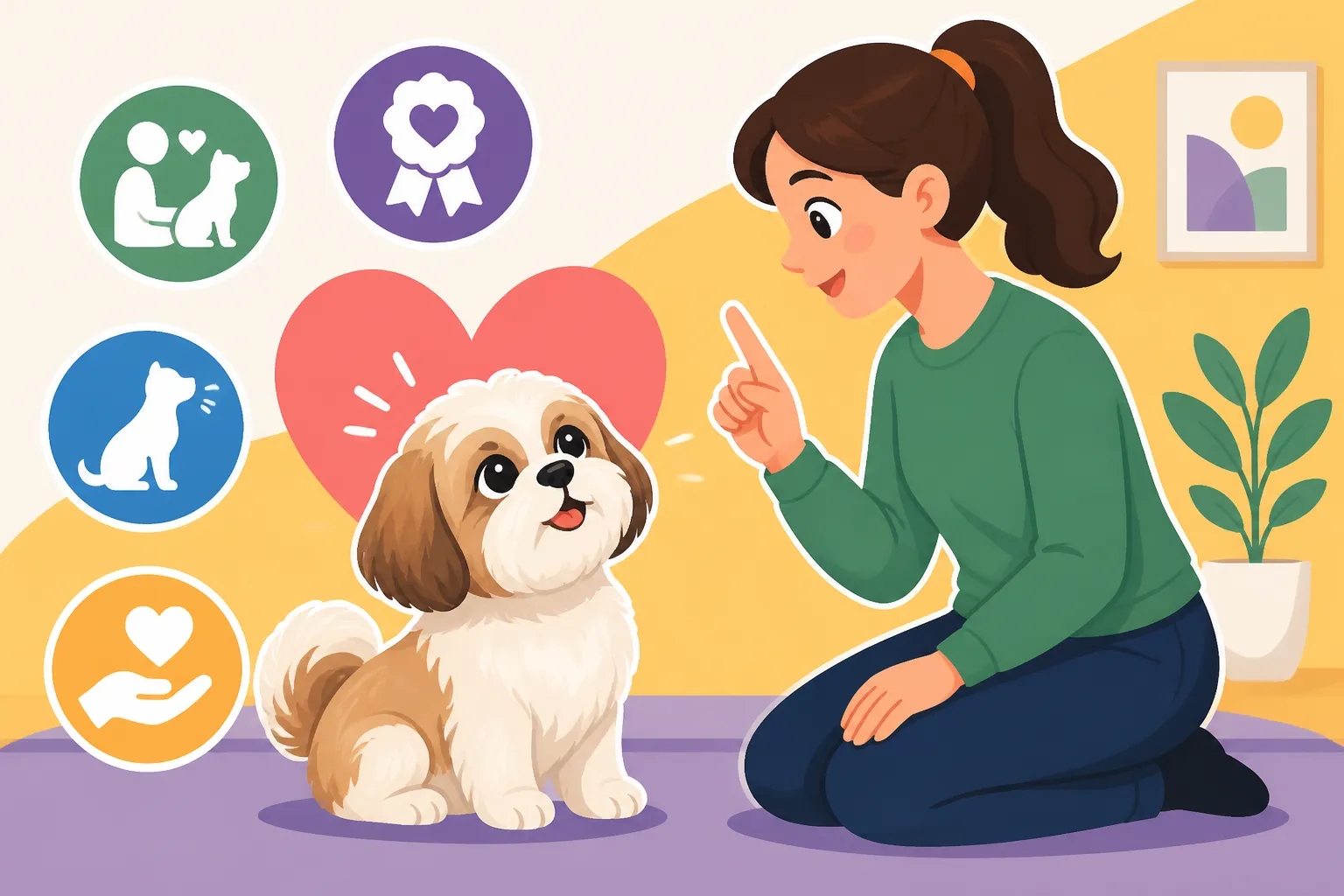
So, if harsh methods are out, what's in? Positive reinforcement, hands down. This approach focuses on rewarding desired behaviors, making your Shih Tzu want to repeat them. When your Shih Tzu sits when asked and immediately gets a tiny, delicious treat and enthusiastic praise, they quickly learn that "sit" leads to good things. They see you as a source of all things wonderful, not a potential threat. This builds a strong, joyful bond and makes training a fun game for both of you. It's about showing them what you do want them to do, rather than punishing what you don't. Think of it this way: would you rather work for a boss who constantly criticizes your mistakes, or one who celebrates your successes and helps you learn? Your Shih Tzu feels the same way. Many excellent online programs, like those from BAXTER & Bella, are built entirely around this philosophy, offering guidance that resonates with a companion dog's nature.
Training Goals That Align with a Companion's Life
While your Shih Tzu might not be destined for the doggie Olympics, they still need to learn a specific set of skills to navigate life happily and safely in your home. These aren't about dominance or obedience for obedience's sake; they're about creating a harmonious environment for everyone.
Essential Manners for a Well-Adjusted Pet
The primary goal for training a Shih Tzu should be to teach them the basic life skills that make them a polite and pleasant member of the family. This includes reliable house training, so they know where and when to do their business, preventing frustrating accidents indoors. It also means teaching them to greet guests politely, without excessive jumping or barking, and to walk nicely on a leash without pulling or darting off. Knowing a few basic cues like "sit," "stay," and "come" is also incredibly valuable, not just for safety but for clear communication between you and your dog. These aren't fancy tricks, but foundational behaviors that ensure their comfort and your peace of mind. For a full rundown of useful cues, check out The Handful of Cues a Shih Tzu Really Needs. You might find that house training takes a little longer than expected with these clever little dogs; for some insight, read Why Shih Tzu House Training Takes Months. And when it comes to walks, a good harness and consistent training can make all the difference – learn more in Teaching a Shih Tzu to Walk Without Pulling.
Grooming as a Daily Training Opportunity
For a breed with such a magnificent coat, grooming isn't just an occasional chore; it's a regular, often daily, necessity. This means that "grooming tolerance" is a huge training goal. Your Shih Tzu needs to learn to accept being brushed, combed, having their face wiped, and their nails trimmed without stress or resistance. This isn't just for aesthetics; it's vital for their health and comfort, preventing painful mats and infections. Make grooming a positive experience from day one by associating it with treats and gentle praise. Start with very short sessions, gradually increasing the duration as your puppy gets more comfortable. Think of it as cooperative care: you're working together for their well-being. If they learn to tolerate and even enjoy these sessions, it makes your life (and their groomer's life) so much easier down the line. Many owners decide to tackle grooming themselves, and you can get some pointers in Grooming a Shih Tzu at Home Instead. Early practice with specific tasks, like face trims, is also super helpful; see Practicing Face Trims on a Shih Tzu Puppy.
Social Skills for a Happy Household
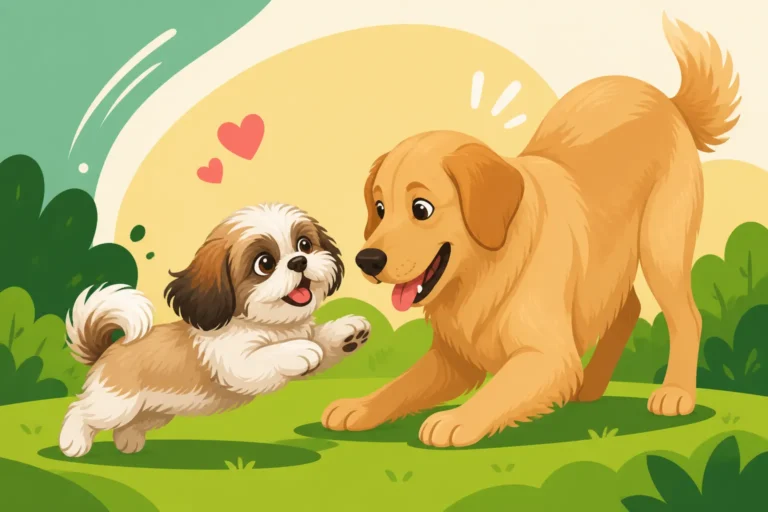
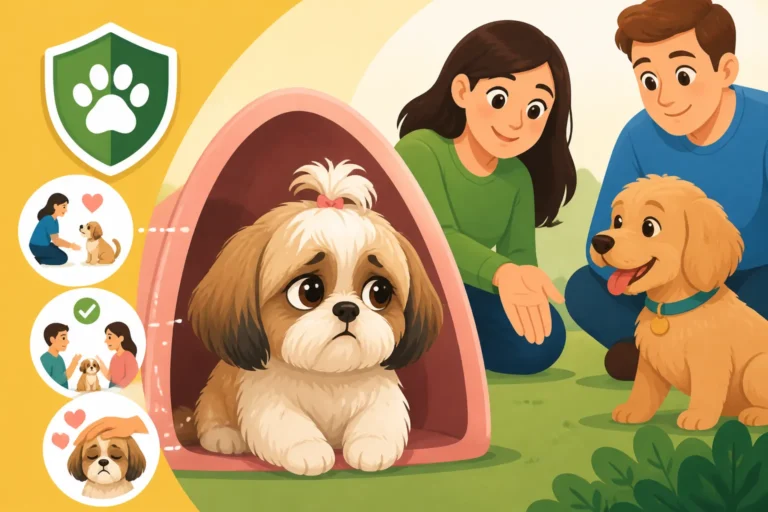
A well-adjusted Shih Tzu is one that is comfortable and confident in its home environment and when meeting new people or other animals. This means teaching them appropriate social behaviors. For example, if you have children, your Shih Tzu needs to learn how to interact gently and respectfully with them, and vice versa. Similarly, if you have other pets, proper introductions and supervised interactions are key to building peaceful cohabitation. The goal isn't necessarily for them to be best friends with every dog they meet at the park (in fact, dog parks can be risky for small breeds), but rather to be calm and non-reactive in various social situations that are part of their daily life. Early, positive exposure to different sights, sounds, people, and other calm animals during their critical socialization window is incredibly important. You want them to grow up feeling secure, not anxious or overwhelmed. If you have little ones, it's worth understanding A Shih Tzu and a Toddler in the Same Room, and for multi-pet households, check out Introducing a Shih Tzu to Another Dog.
Practical Approaches for a Shih Tzu's Training Journey
Now that we understand their motivations and what kind of behaviors we're aiming for, let's talk about the practicalities of how to actually train your Shih Tzu. It's less about grand, lengthy sessions and more about consistent, gentle interactions woven into your daily life.
Keeping Sessions Short and Sweet
Shih Tzus are smart, but like many toy breeds, their attention spans for formal training can be quite short. Trying to force them through a twenty-minute obedience drill will likely lead to frustration for both of you. Instead, aim for very short, frequent training sessions – think 2-5 minutes, several times a day. These mini-sessions keep things fun and prevent your Shih Tzu from getting bored or overwhelmed. You can even incorporate training into everyday moments: ask for a "sit" before putting down their food bowl, or a "stay" while you open the door. These tiny bursts of learning add up remarkably fast over time. The key is to end the session on a positive note, always leaving them wanting more. For more on this approach, take a look at Five Minute Sessions With a Shih Tzu.
Finding the Right Rewards: Treats, Praise, and Play
What makes a Shih Tzu's eyes light up? Tiny, high-value treats are often the holy grail. Think small pieces of cooked chicken, cheese, or specific training treats they adore. The size is important – you don't want to overfeed them, especially since they're prone to obesity. You can find a vast array of options on platforms like Amazon, but always check ingredients to ensure they're healthy. Alongside treats, enthusiastic verbal praise ("Good dog!"), gentle petting, and a quick game with a favorite toy (tug-of-war with a soft toy is often a hit) are powerful motivators. Experiment to find what your individual Shih Tzu values most. Some dogs live for food, others for toys, and many for your undivided affection. A combination is usually best. Many positive reinforcement online training platforms, like BAXTER & Bella, emphasize finding these high-value rewards tailored to your dog. And remember, treat size matters, especially for a small mouth; find out more in Treat Sizes That Suit a Shih Tzu.
Consistency is Key, Even for Small Goals
This is perhaps the most crucial piece of advice for any dog training, but especially for a companion breed who thrives on routine and clear expectations. Everyone in the household needs to be on the same page regarding rules and commands. If one person allows jumping on the sofa while another scolds for it, your Shih Tzu will become confused and training will stall. Decide on your house rules, choose your cues (e.g., "potty" vs. "outside"), and stick to them. Consistent repetition helps your Shih Tzu understand what's expected of them, building confidence and reducing anxiety. It also reinforces the idea that you are a reliable and predictable leader, which is deeply comforting to a companion animal.
Common Training Challenges and the Companion Mindset
Even with the best intentions and positive methods, you'll likely encounter some common challenges. The key is to approach these from your Shih Tzu's perspective, not with frustration, but with empathy and problem-solving.
The "Stubborn" Shih Tzu: A Matter of Motivation
Owners sometimes label their Shih Tzu as "stubborn" when the dog isn't doing what's asked. More often than not, this isn't true stubbornness, but rather a communication breakdown. It could mean:
- They don't understand the cue: The training wasn't clear enough, or they haven't had enough repetitions.
- The reward isn't motivating enough: That bland kibble might not be worth the effort for them.
- They're distracted: Their focus is elsewhere, and you haven't captured their attention.
- They're uncomfortable: A physical ailment, even minor, could make performing a trick painful.
- They simply don't see the point: Unlike a working breed, the sheer joy of "working" for you isn't always enough. They need a tangible, immediate payoff.
Instead of getting frustrated, step back and analyze the situation. How can you make it clearer? How can you make the reward more enticing? What environmental distractions can you minimize? Remember, they ultimately want to be with you; you just need to make the "right" choice the most rewarding one.
Building Confidence, Not Compliance
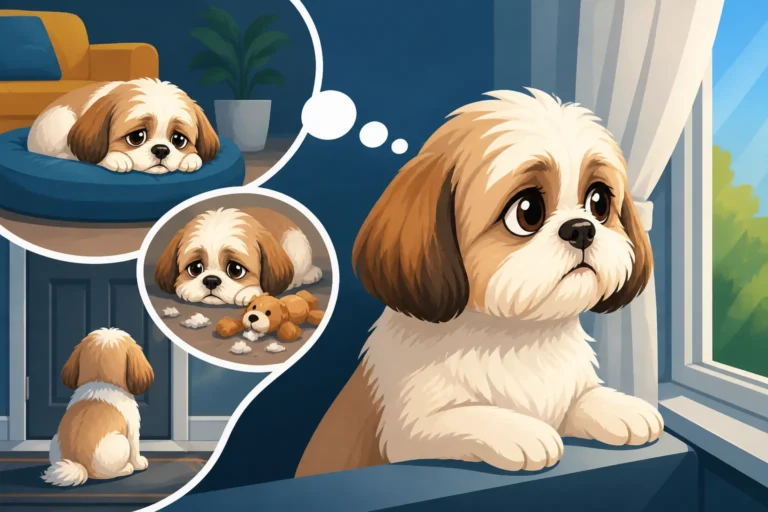
While compliance is a result of good training, the foundation for a companion breed like a Shih Tzu should be confidence. A confident dog is a happy dog, less prone to fear-based behaviors like barking, nipping, or hiding. Encourage exploration, gentle interactions, and positive experiences. Don't shield them from everything, but introduce new things gradually and with plenty of reassurance and rewards. For example, if they're hesitant about a new sound, don't force them towards it. Instead, offer treats and praise when they voluntarily investigate or simply remain calm in its presence. This approach helps them build resilience and trust in their ability to handle new situations, knowing you're their safe anchor.
When to Seek Professional Guidance
Sometimes, despite your best efforts, you might hit a roadblock. Perhaps your Shih Tzu has a specific behavioral issue that seems intractable, or you're just not making progress. This is absolutely nothing to be ashamed of! Professional dog trainers who specialize in positive reinforcement and understand companion breeds can be invaluable. They can offer an objective perspective, identify subtle cues you might be missing, and provide tailored strategies for your specific dog and household. Look for trainers certified in positive reinforcement methods and who have experience with small, brachycephalic breeds. They can help you strengthen your bond and overcome challenges you thought were impossible. A good professional can really help you understand What a Shih Tzu Growl Is Telling You or navigate more complex issues. For finding the right fit, consider searching for Finding a Trainer Who Understands Toy Breeds.
Here's a quick overview of what your companion Shih Tzu wants from training:
| Aspect of Training | What Your Shih Tzu Wants/Needs | Your Approach |
|---|---|---|
| Motivation | Connection, affection, tasty rewards, fun. | Positive reinforcement, praise, high-value treats, gentle play. |
| Session Length | Short, frequent, engaging bursts. | 2-5 minute sessions, multiple times a day. |
| Learning Environment | Safe, predictable, free from fear or intimidation. | Consistent rules, calm demeanor, minimal distractions. |
| Grooming/Handling | Gentle touch, positive associations, comfort. | Introduce gradually with treats, make it a cooperative experience. |
| Socialization | Positive exposure to people, places, sounds, and calm animals. | Supervised, positive introductions, plenty of reassurance. |
| Problem Solving | Clear communication, understanding, patience. | Analyze "stubbornness" for root causes, adjust methods, seek pro help. |
| Overall Goal | To be a cherished, well-adjusted, and confident family member. | Build trust, foster confidence, teach essential life skills, enjoy the bond. |
The journey of training your Shih Tzu is less about strict obedience and more about building a deep, trusting relationship. By understanding their inherent desire for companionship and approaching training with kindness, patience, and positive reinforcement, you’ll unlock their full potential as the loving, joyful family member they were always meant to be.
Disclaimer
This article is for general informational purposes only and does not constitute professional advice. Laws, prices and regulations vary by location and change over time. Consult a qualified professional for guidance on your specific situation.