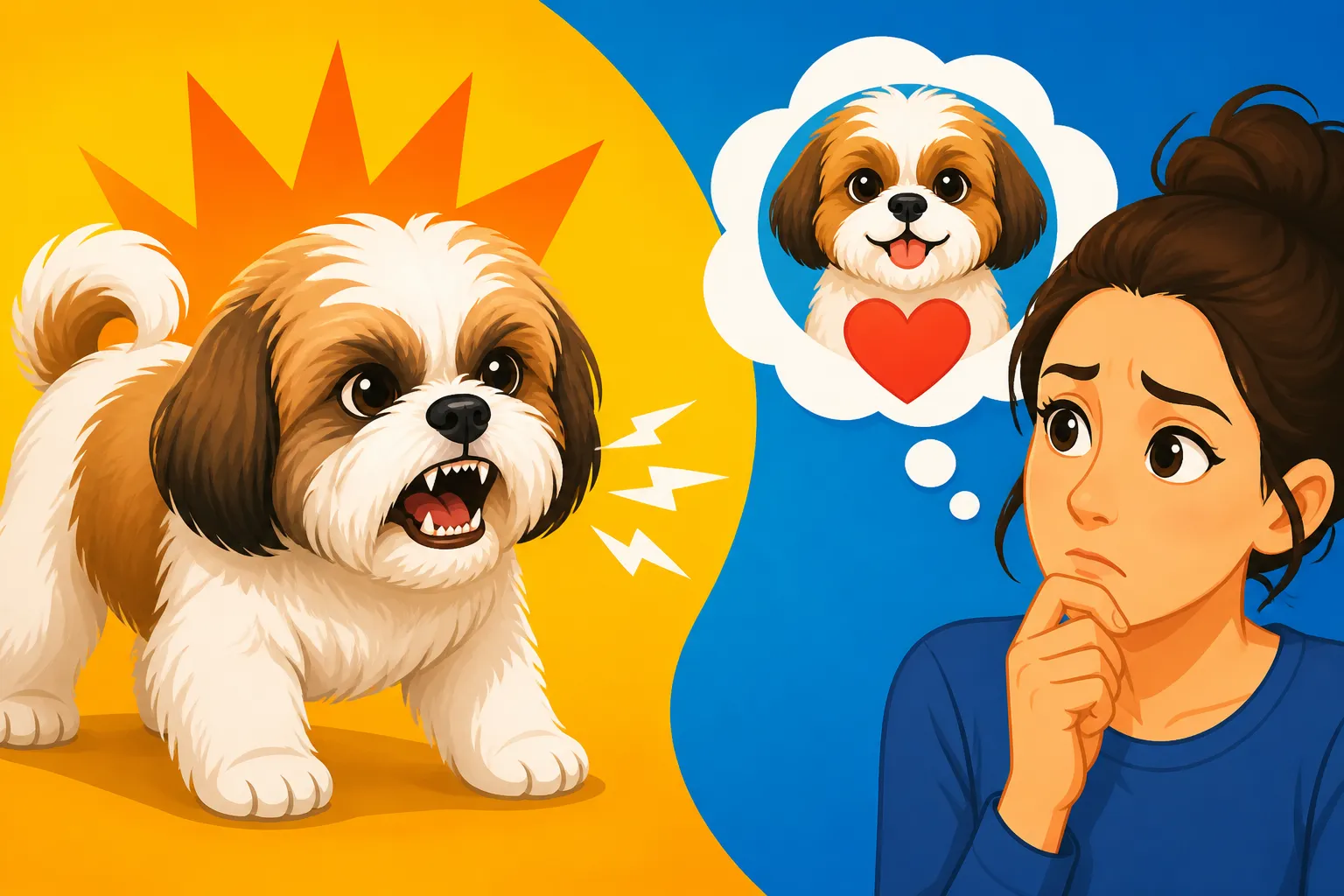
What a Shih Tzu Growl Is Telling You
It's quite startling, isn't it, when your sweet, fluffy Shih Tzu suddenly lets out a low growl? It can be confusing, even a little bit alarming, because we often associate growling with bigger, more intimidating breeds. But a growl from your pint-sized companion isn't a sign of malice; it's a vital piece of communication. This guide will help you understand why your Shih Tzu is growling, what they’re trying to tell you, and how to respond in a way that builds trust and addresses the root cause, rather than just quieting the symptom.
Why Shih Tzus Growl: Unpacking Their Communication
Growling is a natural canine behavior, a dog's way of saying, "Hey, I'm uncomfortable," or "Please back off." For a small breed like the Shih Tzu, who might feel vulnerable in many situations, it's an especially important tool in their communication arsenal. Ignoring it or punishing it only teaches them to skip the warning and go straight to a snap or bite, which is far more dangerous for everyone involved.
Fear and Anxiety as a Catalyst
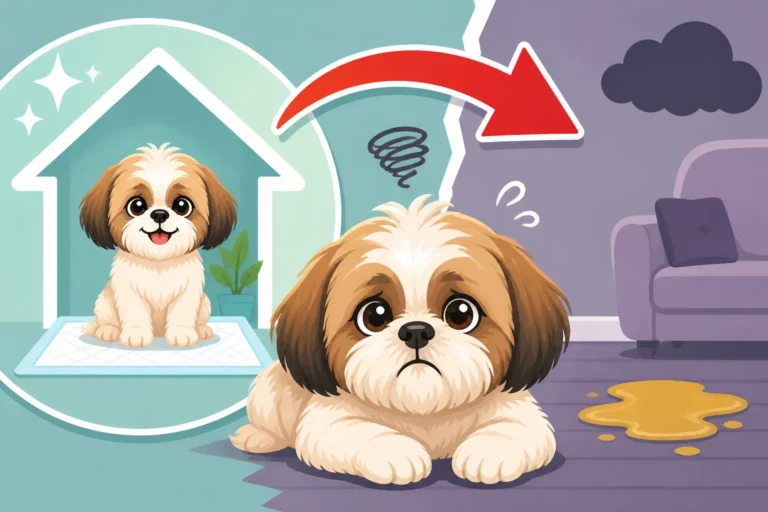
Imagine being tiny in a world full of giants, with hands constantly reaching for you. That's often a Shih Tzu's reality. Fear and anxiety are incredibly common reasons for a Shih Tzu to growl. They might feel threatened by a new person, another dog, or even an unfamiliar object. This isn't about being "mean"; it's about feeling unsafe and trying to create distance. They might be thinking, "I'm scared, and I need you to understand that I'm not okay with this situation."
A classic scenario involves a new guest coming into the home. Your Shih Tzu, usually a social butterfly, might retreat under the sofa and growl when the guest tries to coax them out. This isn't rudeness; it's pure self-preservation. Or perhaps during a walk, a larger, more boisterous dog approaches too quickly, causing your Shih Tzu to freeze, drop low, and emit a warning rumble. It’s their way of saying, "I'm vulnerable, and I don't feel safe right now." Understanding this fear-based reaction is the first step in helping them feel more secure.
Resource Guarding Their Treasures
Shih Tzus, like many dogs, can become possessive over things they value. This is known as resource guarding, and it can manifest as growling when someone approaches their food bowl, a favorite chew toy, or even their comfy bed. It's not necessarily aggression directed at you; it's a deep-seated instinct to protect what they perceive as essential for their survival or happiness. This behavior often stems from insecurity or past experiences, even if they've never gone without.
Think about a time your Shih Tzu has a high-value chew, perhaps a bully stick. If you or a child approaches them while they're engrossed, you might hear a low, rumbling growl. They're not saying "I hate you," but rather "This is mine, and I don't want to share it, or for you to take it away." This can extend beyond food and toys to even their preferred resting spot on the sofa, or even your lap. Yes, a Shih Tzu might even growl if another person or pet approaches when they're A Shih Tzu Guarding the Lap It Sits On. It's a clear signal: "I am actively enjoying this, and I perceive your approach as a threat to my possession." Understanding A Shih Tzu That Will Not Give Things Up is key to addressing this.
Pain or Discomfort Leading to a Warning
Sometimes, a growl isn't about fear or possession at all, but simply pain. Shih Tzus, being a small breed, can be prone to various health issues that might not be immediately obvious. If your Shih Tzu growls when touched in a certain area, when picked up, or when attempting to move, it's crucial to consider physical discomfort as a primary cause. They can't tell us with words, so a growl becomes their distress signal.
For instance, if your Shih Tzu growls or snaps when you try to brush a mat out from under their leg, it's likely that the matting is pulling on their skin, causing genuine pain. Or perhaps you pick them up, and they yelp or growl, indicating a tender spot. This could be anything from an ear infection to a more serious orthopedic issue like luxating patellas or even Shih Tzu Disc Disease and Sudden Back Pain. A Shih Tzu Yelping When You Lift It can be a stark warning. Conditions like Shih Tzu Dental Disease at 13 Percent of the Breed can also make their mouth incredibly sensitive, leading to growling during face handling or even eating. Any sudden onset of growling, particularly when associated with touch or movement, warrants a visit to the veterinarian to rule out underlying medical conditions.
Decoding the Growl: Understanding the Context
A growl is never just a growl; it's part of a larger conversation. To truly understand what your Shih Tzu is telling you, you need to look beyond the sound itself and observe their entire body. Their posture, facial expression, and even the context of the situation all contribute to the message they're sending.
Body Language Clues Accompanying the Growl
When your Shih Tzu growls, it's essential to observe their entire body language. Dogs communicate with their whole being, and a growl is rarely an isolated signal. Is their body stiff and rigid? Are their ears flattened back or swiveling? Is their tail tucked low between their legs, or held stiffly? Are their lips pulled back, showing teeth, or is it a more subtle, deep rumble? These accompanying cues provide a wealth of information about their emotional state.
A Shih Tzu growling with a tucked tail, lowered body, and wide, "whale eyes" (where you can see the whites of their eyes) is likely expressing fear. They are trying to make themselves smaller and less threatening, while still giving a verbal warning. Conversely, a Shih Tzu growling with a stiff body, ears forward, and a direct stare might be trying to hold their ground and protect something. If their hair is bristling along their back (piloerection), it's a clear sign of arousal, whether from fear or a defensive stance. Learning to read these signals in conjunction with the growl helps you understand if they are saying "I'm scared, please help me" or "Don't come any closer."
Situational Triggers for Shih Tzu Growling
The environment and specific circumstances play a huge role in why a Shih Tzu growls. Knowing these triggers helps you anticipate and manage situations before they escalate. Is it only when they're approached while eating? Is it during grooming, especially when brushing tangles? Does it happen when children try to interact with them, or when they're startled awake?
Consider the common scenarios:
- Eating: A growl over their food bowl indicates resource guarding. This is a common issue and can be exacerbated if the dog feels insecure about their meals.
- Resting/Sleeping: If growling occurs when they're disturbed from sleep or a deep rest, they might simply be startled or feel vulnerable. Imagine someone waking you abruptly – you might react defensively too!
- Handling: Growling during nail trims, brushing, ear cleaning, or even being picked up suggests discomfort, pain, or a lack of desensitization to handling. This is especially important for Shih Tzus with their heavy coats and sensitive areas.
- Strangers/Other Animals: A Shih Tzu might growl at unfamiliar people or dogs if they are nervous, undersocialized, or feel threatened by an imposing presence. This can happen particularly if the other party is perceived as too big or too loud.
Identifying these patterns helps you not only understand the current growl but also prevent future occurrences by managing the environment or providing appropriate training.
Distinguishing Different Types of Growls
While all growls are warnings, they can vary in intensity and sound, providing further clues. A low, continuous rumble from deep in the chest might signify a strong deterrent, a clear "stay away." A more intermittent, higher-pitched growl might be laced with anxiety or a plea for distance, often heard from a dog trying to avoid confrontation. Sometimes, a growl can escalate quickly, becoming louder and more guttural if the warning is ignored.
Consider the difference: a Shih Tzu curled up on their bed with a prized bone, letting out a deep, steady rumble as you approach, is giving a firm "do not come closer." This growl is likely about possession. Now, imagine a Shih Tzu being held on a vet table, shivering, and letting out a series of short, choppy growls mixed with whines as the vet examines them. This growl is likely born of fear and discomfort, a desperate attempt to say "I don't like this, please stop!" Learning to discern these nuances can help you gauge the level of their distress and respond appropriately.
Responding to a Shih Tzu Growl Safely and Effectively
When your Shih Tzu growls, your immediate reaction is crucial. The goal is always to de-escalate the situation, ensure safety, and then address the underlying cause, not to punish the growl itself. Punishing a growl is like disabling a smoke alarm; it removes the warning system without solving the fire.
Immediate Actions to De-escalate
The very first thing to do when your Shih Tzu growls is to create space. Remove whatever is causing them distress, or remove yourself from the situation. If they're guarding a toy, simply back away. If they're growling because a guest is too close, gently guide the guest to give them room. Do not lean over them, stare, or physically force them to stop growling. This can intensify their fear or defensive stance.
Speak in a calm, neutral tone, if at all. Avoid high-pitched soothing, which can inadvertently reinforce their anxiety, but also avoid harsh commands, which can scare them further. The primary objective is to make them feel safe again, or at least give them the space they are asking for. For instance, if your Shih Tzu growls when you reach for their collar, slowly withdraw your hand and turn your body slightly away. This communicates that you respect their boundary and are not a threat. Remember, they are giving you a warning; listen to it.
Gentle De-escalation Techniques
Once the immediate tension is diffused, you can begin to use gentle techniques to help them feel more secure. If the growl was due to resource guarding, try a "trade" rather than just taking the item. Offer a higher-value treat in exchange for the guarded item, then return the item if appropriate, or offer the treat as a distraction while you retrieve the item. This teaches them that your approach means good things, not loss. Online resources, like those found through BAXTER & Bella, often have modules specifically on polite trades.
For fear-based growls, classical conditioning can be very effective. If your Shih Tzu growls at strangers, for example, have a friend stand at a distance where your dog notices them but doesn't react. When your dog looks at the friend, immediately offer a high-value treat. Repeat this many times, slowly decreasing the distance over many sessions. The goal is for your Shih Tzu to associate the trigger (stranger) with something positive (treats), changing their emotional response from fear to anticipation. This slow, consistent approach is key, as Why Harsh Corrections Shut a Shih Tzu Down can quickly undermine trust and worsen fearful behaviors.
When to Seek Professional Help
There are times when growling escalates, becomes more frequent, or seems to come out of nowhere. If your Shih Tzu's growling is accompanied by snapping, biting, or is causing you genuine concern for safety, it's definitely time to bring in a professional. This isn't a sign of failure; it's responsible pet ownership. A certified professional dog trainer or a veterinary behaviorist has the expertise to assess the situation comprehensively and develop a tailored behavior modification plan.
They can help you pinpoint the precise triggers, evaluate your Shih Tzu's overall well-being, and guide you through effective training protocols. This is particularly important for persistent resource guarding, fear-based aggression, or if you suspect there's a pain component that your vet might have missed or that needs further behavioral management. Don't wait until someone gets hurt. Investing in professional guidance is investing in a harmonious relationship with your Shih Tzu. When searching for assistance, look for someone who understands Finding a Trainer Who Understands Toy Breeds and their unique considerations.
Preventing Future Growls and Building Trust
The best way to manage growling is to prevent it from happening in the first place. This involves a combination of consistent, positive training, careful management of their environment, and ensuring their physical and emotional needs are met.
Positive Reinforcement for a Confident Shih Tzu
Positive reinforcement is the cornerstone of effective and humane training, especially for a sensitive breed like the Shih Tzu. Instead of punishing growls, focus on rewarding calm, confident, and desired behaviors. If your Shih Tzu usually growls when you approach their food bowl, practice approaching, dropping a high-value treat into the bowl, and then backing away. This teaches them that your presence near their resources means gain, not loss. This principle applies to all areas where growling might occur.
Use treats and praise to reward them for tolerating handling (even if it's just a quick touch), for relaxing when guests are present, or for sharing toys appropriately. Keep training sessions short, fun, and positive. What Motivates a Shih Tzu to Work is usually food, so small, tasty treats work wonders. Consistent positive interactions build their confidence and teach them that they don't need to growl to communicate their needs. You can explore a wide range of positive training tools and treats on platforms like Amazon. Building a solid foundation with Positive Reinforcement With a Shih Tzu is invaluable.
Environmental Management and Routine
Sometimes, preventing growls is as simple as managing the environment. If your Shih Tzu growls at children, ensure they always have a safe, quiet space to retreat to, perhaps behind a baby gate or in their crate. Supervise interactions closely and teach children how to respectfully interact with dogs. If they guard their food, feed them in a quiet area where they won't be disturbed. You can find durable baby gates and cozy crates on Amazon that are perfectly sized for a Shih Tzu.
Establish a predictable routine for feeding, walks, and playtime. Predictability can greatly reduce anxiety, as your Shih Tzu knows what to expect. Ensure they have their own designated resting spots that aren't high-traffic areas. For grooming, introduce tools slowly and pair them with treats. Brushing for just a few seconds and then rewarding them, gradually increasing the duration, can make a huge difference. This approach minimizes stress and removes many of the situations that might trigger a growl.
Prioritizing Health Checks and Comfort
Never underestimate the role of physical comfort in a Shih Tzu's behavior. Regular veterinary check-ups are essential to rule out pain or discomfort as a source of growling. Shih Tzu Behavior Shifts That Mean a Disc Hurts can manifest as sudden growling when touched or moved. Discuss any behavioral changes with your vet, even subtle ones. They might recommend specific diagnostic tests or pain management options that can significantly improve your dog's quality of life and reduce the need to growl.
Beyond vet visits, ensure their everyday comfort. Is their bed supportive? Are their nails trimmed regularly? Is their coat free of painful mats? Investing in a good quality slicker brush and comb for daily grooming can prevent painful tangles that make a Shih Tzu dread being handled. Remember, a comfortable, pain-free dog is a happier dog, and a happy dog has far less reason to growl. Giving your Shih Tzu a way to express themselves without resorting to growling is a testament to the strong bond you share.
Here's a quick reference table to help decode common Shih Tzu growls:
| Context of Growl | Likely Underlying Reason | Common Body Language Cues | Suggested Initial Response |
|---|---|---|---|
| Approaching Food Bowl/Chew | Resource Guarding | Stiff body, direct stare, tense mouth, sometimes hair bristling | Back away slowly, offer a trade with higher-value treat |
| Being picked up or touched | Pain, discomfort, or dislike of handling | Flattens ears, pulls head away, flinches, avoids eye contact, yelps | Stop immediately, assess for pain, consult vet if needed |
| Stranger/New Person approaches | Fear, anxiety, lack of socialization | Tucked tail, lowered body, wide eyes, backing away, trembling | Create distance, block view, offer treats for calm behavior |
| Disturbed from sleep | Startled, irritable | Jumps, may snap quickly, confused expression | Give space, allow them to wake naturally, avoid startling |
| During grooming (brushing, nail trims) | Pain from mats, fear of tools, discomfort | Pulls away, tries to bite brush/hand, tenses up | Stop, check for pain, reintroduce tools positively, use treats |
| Around other dogs/animals | Fear, insecurity, territoriality | Stiff or lowered body, direct stare or avoidance, hackles up | Increase distance, redirect attention, positive reinforcement |
Disclaimer
This article is for general informational purposes only and does not constitute professional advice. Laws, prices and regulations vary by location and change over time. Consult a qualified professional for guidance on your specific situation.