Shih Tzu House Training Regression
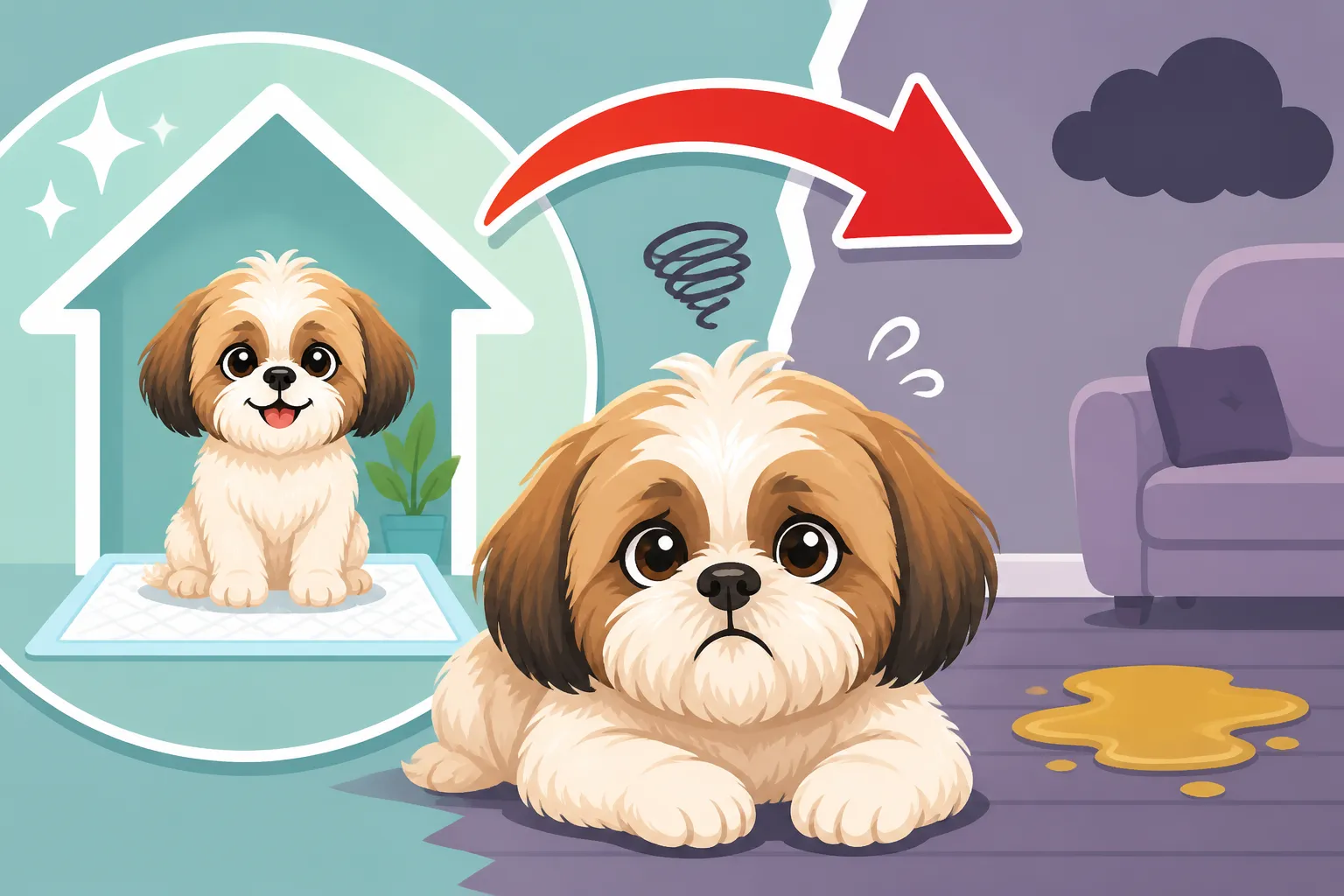
It's incredibly frustrating, isn't it? You thought you had house training nailed with your adorable Shih Tzu, only for them to suddenly start having accidents indoors again, leaving you wondering if you're back at square one. This guide is here to walk you through the many reasons why your perfectly potty-trained Shih Tzu might be experiencing house training regression and, more importantly, how to lovingly and effectively get them back on track.
Understanding Why House Training Regression Happens
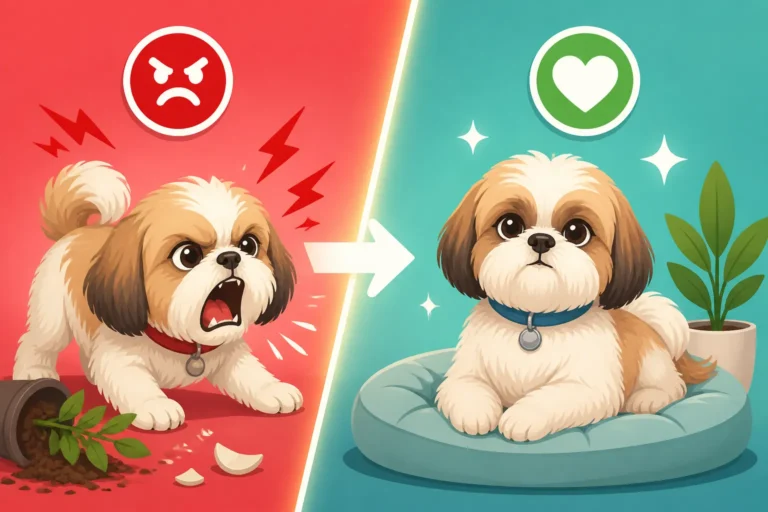
When your Shih Tzu, who previously understood the concept of going potty outside, suddenly starts eliminating indoors, it can feel like a betrayal. But it's rarely out of spite or a sudden lapse in intelligence. Often, there's an underlying reason – medical, behavioral, or environmental – that needs to be identified and addressed. It's not about them forgetting, but about something new overriding their learned behavior.
The Difference Between Regression and Undone Training
It's important to distinguish between true house training regression and what might actually be a continuation of incomplete training. True regression means your Shih Tzu used to be reliable for an extended period – weeks or months – and then started having accidents. This indicates a shift from a well-established habit. In contrast, if your Shih Tzu was only recently "trained" and never truly consistent, or if you skipped steps like strict supervision and consistent schedules, then you might be dealing with undone training rather than regression. For example, a Shih Tzu puppy who seemed to get it for a few days but then had frequent accidents wasn't truly house-trained yet; the foundation was likely not strong enough. True regression often hits older dogs who were reliable for a long time.
Common Triggers for Setbacks
Many things can trigger a setback in house training. Sometimes it's as simple as a slight change in their routine, like you working from home more, or less, meaning their established potty breaks no longer line up with their needs. Other times, it's more complex, like a new pet or person in the home causing stress, or even a subtle health issue that makes holding it more difficult. What might seem like a minor change to us can feel like a monumental disruption to a small, sensitive breed like a Shih Tzu. They thrive on consistency, and even the smallest deviation can throw off their internal clock and confidence. Think of it like a child who suddenly starts wetting the bed again after a new sibling arrives – it's a reaction to stress or change, not a sign they've forgotten how to use the toilet.
Medical Reasons Behind Accidents
Before you even begin to consider behavioral or environmental factors, the first and most crucial step when a house-trained Shih Tzu starts having accidents is a trip to the veterinarian. Seriously, don't skip this. Many medical conditions can manifest as a sudden inability to hold urine or feces, and you don't want to accidentally scold your precious companion for something entirely out of their control. Their tiny bodies can be surprisingly susceptible to various health issues that impact bladder and bowel control.
Urinary Tract Infections and Bladder Issues
Urinary tract infections (UTIs) are incredibly common and can cause frequent, urgent urination, often leading to accidents. Your Shih Tzu might feel the urge to go much more often than usual, or they might not be able to hold it for as long. You might notice them straining, licking themselves more, or their urine might appear cloudy or have a stronger odor. Bladder stones are another painful possibility, causing irritation and making it difficult for your Shih Tzu to control their bladder. These are particularly common in toy breeds. Imagine having a constant, uncomfortable urge to go, even when your bladder isn't full – that's often what a UTI or bladder issue feels like for them. Your vet can perform a simple urine test to check for these issues. You can read more about specific issues in Shih Tzu Bladder Stones and Urinary Problems.
Hormonal or Metabolic Diseases
Beyond immediate infections, other systemic health problems can lead to house training regression. Conditions like diabetes, which causes increased thirst and urination, can easily overwhelm a previously well-trained bladder. Cushing's disease, a hormonal imbalance, can also lead to increased drinking and therefore increased urination. Thyroid issues, while less directly linked to urination, can affect overall energy and cognitive function, indirectly impacting a dog's ability to maintain routines. Even kidney disease, especially as a Shih Tzu ages, can cause them to drink and urinate more frequently, leading to accidents. If you notice your Shih Tzu drinking excessively, that’s a red flag. Excessive Thirst as the First Kidney Sign is something every owner should be aware of. These are not things you can diagnose at home, which is why a vet visit is paramount.
Pain and Mobility Problems
Sometimes, the issue isn't directly with their bladder or bowels, but with the discomfort they feel when trying to get to their designated potty spot. An older Shih Tzu, or one with an undiagnosed injury, might be experiencing pain when jumping off the sofa, navigating stairs, or even just standing for a long period outside. Joint pain, arthritis, or even a back problem like disc disease can make the journey to the yard seem agonizing. If it hurts to move, they might choose to relieve themselves where they are, rather than enduring the discomfort of going outside. Watch for subtle signs of pain: reluctance to jump, difficulty getting up, stiffness, or even a change in their gait. Shih Tzu Disc Disease and Sudden Back Pain can be particularly debilitating and manifest as unexpected accidents.
Behavioral Factors in House Training Regression
Once medical causes have been ruled out, it's time to delve into the behavioral side of things. Our Shih Tzus are deeply emotional creatures, and their behavior, including house training, can be profoundly affected by their mental and emotional state. Ignoring these underlying feelings won't solve the problem; understanding them is key.
Anxiety and Stress Responses
Shih Tzus are known for being sensitive and highly attuned to their environment and their human companions. Stress and anxiety are huge culprits in house training regression. A change in the household, like a new baby, a different work schedule for you, moving to a new home, or even losing a family member or another pet, can cause immense stress. This stress can manifest as "stress peeing" or even defecating indoors. They're not doing it to be naughty; they're communicating their distress in the only way they know how. Think about how you might feel physically ill when you're incredibly stressed – dogs experience similar somatic responses. They might also develop separation anxiety if they're suddenly left alone for longer periods, leading to accidents when you're away. If you notice your Shih Tzu crying in their crate at night, it could be a sign of underlying anxiety contributing to their regression. A Shih Tzu Crying in the Crate at Night often means they are struggling with being alone.
Marking Behavior in Adults
While commonly associated with unneutered males, both male and female Shih Tzus can engage in marking behavior, especially if they feel their territory is being threatened or challenged. This isn't about emptying their bladder; it's about depositing small amounts of urine to communicate their presence. This can be triggered by a new pet in the home, unfamiliar dogs visiting, or even just catching scents from outside on your shoes or clothes. It's their way of saying, "This is mine!" and it's a completely natural, albeit inconvenient, dog behavior. If you notice your Shih Tzu lifting a leg or squatting in specific spots, particularly vertical surfaces, and only releasing a small amount, it's likely marking.
Attention-Seeking and Learned Behavior
Sometimes, for all our good intentions, we inadvertently teach our Shih Tzus that going potty indoors gets them attention. If your Shih Tzu has an accident and you rush over, even to scold them or clean it up, that interaction can be perceived as attention. For a dog feeling ignored or lonely, even negative attention is still attention. This doesn't mean your dog is maliciously trying to get under your skin; it means they've learned an unfortunate association. Similarly, if they had an accident and it worked to get you to stop what you were doing and focus on them, even momentarily, they might try it again. It's a tricky situation because you have to clean up the mess, but how you react matters.
Environmental Changes and Their Impact
Our homes and routines are often more dynamic than we realize, and even subtle shifts can be significant for a creature of habit like a Shih Tzu. Their world revolves around the predictability you provide, and when that changes, their learned behaviors can sometimes follow suit.
New Home or Routine Disruptions
Moving to a new house is a huge upheaval for a Shih Tzu. Everything is new: the smells, the sounds, the layout, and even the "rules" of the yard. What was once their familiar potty spot is gone, and they have to re-learn where it's appropriate to go. Even if the new yard is similar, the scent markers are different. Beyond a full house move, even smaller routine disruptions can throw them off. A new work schedule that means you leave earlier or come home later, a different feeding time, or even switching to a new type of food can impact their digestion and potty schedule. A Shih Tzu who refuses to go outside in rain, for instance, might hold it until they can no longer, leading to indoor accidents, especially if the weather is suddenly more inclement than they're used to. A Shih Tzu That Refuses to Go Outside in Rain can certainly lead to issues.
Changes in Household Dynamics
The social structure of your home is paramount to your Shih Tzu's sense of security. The arrival of a new baby or a new pet can completely shift this dynamic. Your Shih Tzu might feel less secure, their routine might be inadvertently changed, or they might feel they need to re-establish their place in the "pack." Even guests staying for an extended period can cause stress and anxiety, leading to accidents. Sometimes, an older child moving out for college can make a difference, as the Shih Tzu might miss their companionship and the familiar presence. These changes are subtle to us but can deeply affect a dog's emotional state and, consequently, their behavior.
Inconsistent Potty Routines
One of the most common reasons for house training regression, even after a dog has been reliably trained, is a gradual relaxation of the potty routine. Life gets busy, and sometimes we become less diligent about consistent potty breaks, especially if our Shih Tzu has been perfect for a while. We might let them out less frequently, assume they'll "tell" us when they need to go, or not supervise them as closely. If you've started relying less on a schedule and more on your Shih Tzu signaling, and they're not consistently signaling, accidents can happen. It's easy to slip into this, especially when you trust your dog, but for a small dog with a small bladder, even an extra hour can be too long. This is why it’s so important to be consistent, even if your dog seems perfectly trained.
| Cause Category | Specific Issue | Initial Steps to Address |
|---|---|---|
| Medical | Urinary Tract Infection (UTI) | Vet visit for diagnosis & medication |
| Bladder Stones | Vet visit, potential diet change or surgery | |
| Diabetes / Cushing's | Vet visit for diagnosis & management plan | |
| Pain/Arthritis | Vet visit, pain management, physical therapy | |
| Behavioral | Anxiety/Stress | Identify stressor, create safe space, training, vet consult (meds if severe) |
| Marking Behavior | Clean thoroughly, supervise, manage introductions to new pets/people | |
| Attention-Seeking | Ignore accidents, reward outdoor elimination lavishly, increase positive attention for desired behavior | |
| Environmental | Routine Changes | Re-establish strict potty schedule, supervise closely |
| New Home/Guests | Go back to basics (like a puppy), establish new potty spots, create predictability | |
| Inconsistent Schedule | Set and adhere to a strict schedule, use timers |
Retraining Your Shih Tzu Effectively
Once you've ruled out medical issues and considered potential behavioral and environmental triggers, it's time to approach retraining with patience and consistency. Remember, your Shih Tzu isn't trying to upset you; they're likely confused, stressed, or struggling. Going back to basics is often the most effective strategy.
Going Back to Basics with House Training
Think of your Shih Tzu as a puppy again, but with the advantage that they already know what to do, just not when or where. This means re-establishing a very strict schedule. Take them out frequently – every 2-3 hours, first thing in the morning, last thing at night, after waking from a nap, and after eating or playing. Always take them to the same designated potty spot. Use a consistent phrase like "Go potty!" and reward them instantly with high-value treats and enthusiastic praise the moment they finish their business outside.
Supervision is absolutely key during this retraining period. Keep your Shih Tzu on a leash attached to you, or in the same room, so you can prevent accidents before they happen. If you can't actively supervise, they should be in their crate. This minimizes opportunities for them to make mistakes indoors. If you catch them in the act, calmly interrupt them with a clap or a gentle "No!" and immediately take them outside. Do not scold or punish them after an accident has occurred, as they won't associate the punishment with the act of elimination, only with your presence. This can make them fearful of eliminating in front of you, even outside. For more structured guidance, consider online puppy training resources like BAXTER & Bella, which offer comprehensive programs that can be adapted for regression.
Managing the Environment
While you're retraining, your home environment needs to support success. This means thoroughly cleaning up any past accidents to eliminate odors that might attract your Shih Tzu back to the same spot. Enzyme cleaners are essential for this, as they break down the odor-causing molecules that regular cleaners miss. You can find excellent enzyme cleaners on Amazon that really help erase those tempting scent markers. Without proper cleaning, your Shih Tzu will continue to be drawn to the "potty spot" indoors.
Consider using baby gates or an exercise pen to restrict your Shih Tzu's access to certain areas of the house when you can't supervise them directly. This helps manage their environment and limits opportunities for accidents. If you're struggling with them not wanting to go outside in certain weather, you might need to find an indoor potty solution temporarily, such as indoor grass trays for a Shih Tzu. This gives them an approved indoor spot if, for example, they simply won't brave the rain or extreme cold. Indoor Toilet Setups That Suit a Shih Tzu can be a lifesaver in these situations.
Reinforcing Positive Habits
Consistency and positive reinforcement are your greatest tools. Every single successful potty break outside should be celebrated. Make it a party! High-value treats (tiny pieces of cooked chicken or cheese work wonders for Shih Tzus), enthusiastic verbal praise, and a happy dance from you will clearly communicate that they did something wonderful. The goal is to make going outside the most rewarding experience possible.
Keep a detailed log of when your Shih Tzu eats, drinks, and eliminates. This can help you identify patterns and predict when they will need to go out, allowing you to preemptively take them outside. Understanding A Shih Tzu Potty Schedule by Week can give you a baseline to work from. Remember, patience is crucial. It took time to house-train them the first time, and it might take time again, especially if they're dealing with stress or an underlying issue. Don't get discouraged by setbacks; they're a normal part of the process. Simply clean up the mess calmly, review your routine, and recommit to your plan.
When to Seek Professional Help
While many house training regressions can be resolved with patience and a return to basics, there are times when it’s truly beneficial to bring in the experts. Knowing when to escalate your concerns can save you a lot of frustration and ensure your Shih Tzu gets the best possible care.
Consulting Your Veterinarian
As mentioned earlier, your first stop should always be the vet. If they haven't found a medical cause, don't be afraid to ask for a deeper dive or a second opinion, especially if symptoms persist or worsen. Sometimes a routine urinalysis isn't enough, and further diagnostics like blood work, X-rays, or even an ultrasound might be necessary to uncover conditions like early kidney disease, which can cause subtle changes in urination. Shih Tzu Kidney Values on Routine Bloodwork can reveal a lot about their internal health. Your vet can also assess for pain that might not be obvious, especially in a toy breed that might hide discomfort well. They can also discuss potential anxiety medications if stress is identified as a major contributing factor, offering a valuable tool to help your Shih Tzu cope while you work on retraining.
Working with a Certified Professional Dog Trainer
If medical causes have been thoroughly ruled out, and you've diligently tried the retraining strategies without success, it's time to consider a professional dog trainer or a certified veterinary behaviorist. These experts can observe your Shih Tzu's behavior in your home environment, identify subtle triggers you might be missing, and develop a customized training plan. They can differentiate between true behavioral regression, marking, or anxiety-related accidents.
A good trainer will use positive reinforcement methods and understand the unique challenges and temperament of toy breeds like the Shih Tzu. They can help you refine your communication, improve your timing for rewards, and teach you how to effectively manage your home environment. Finding a Trainer for a Toy Breed is important because toy breeds often benefit from trainers experienced with their specific quirks and sensitivities, rather than a generic approach. A veterinary behaviorist, in particular, has a deep understanding of both medical and behavioral aspects and can be invaluable for complex cases involving severe anxiety or compulsive behaviors. Don't view seeking professional help as a failure on your part, but as a commitment to your Shih Tzu's well-being and a path to a happier, accident-free home.
Disclaimer
This article is for general informational purposes only and does not constitute professional advice. Laws, prices and regulations vary by location and change over time. Consult a qualified professional for guidance on your specific situation.