What Neutering Does to a Shih Tzu’s Manners
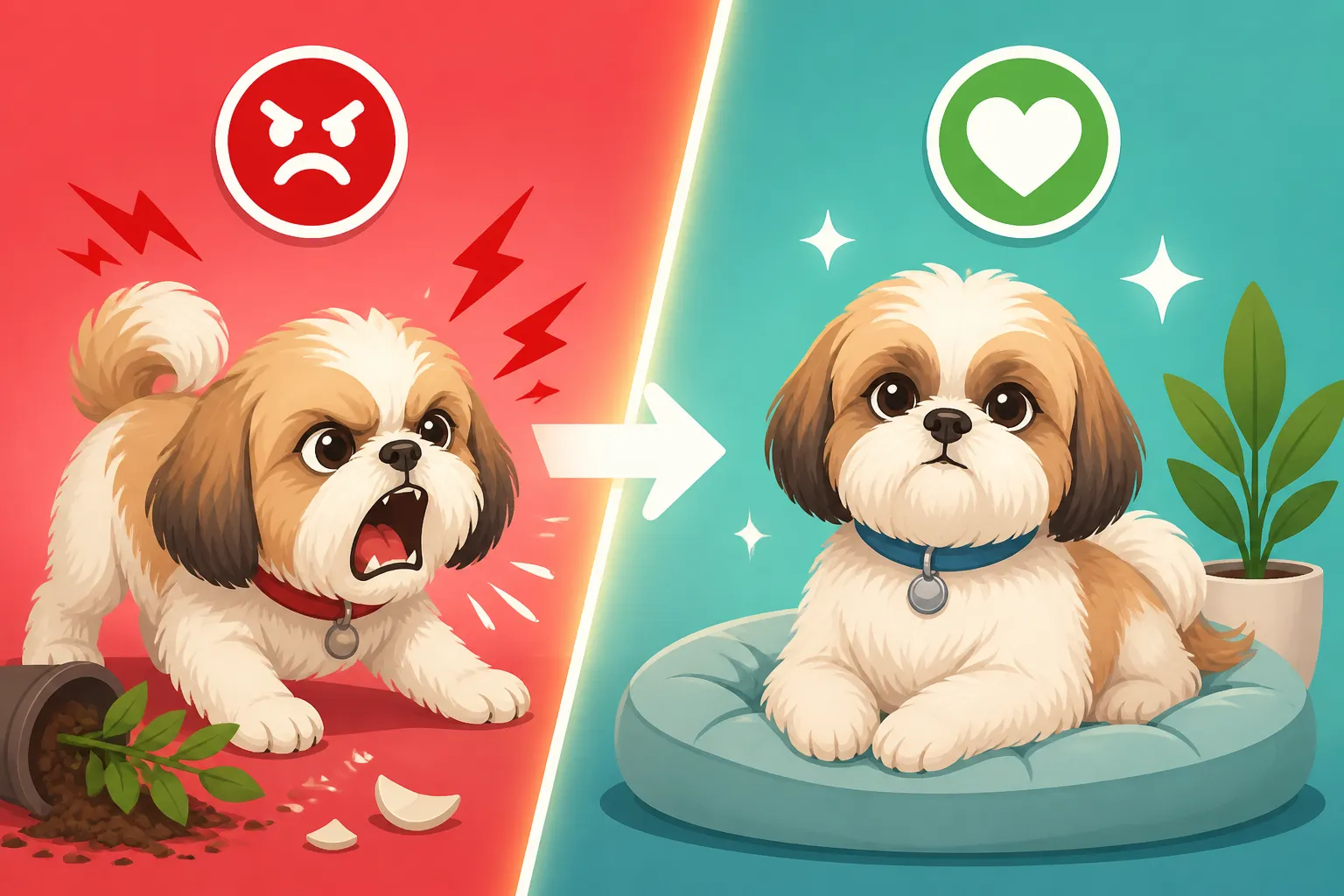
Many Shih Tzu owners get their sweet little companions neutered, hoping it will magically resolve a whole host of behavioral quirks. It’s a common misconception that spaying or neutering is a silver bullet for everything from house training accidents to leash pulling. While neutering certainly impacts certain behaviors that are directly tied to hormones, it's not a substitute for consistent training, socialization, and understanding your Shih Tzu's unique personality. This guide will help you understand what behavioral changes you can realistically expect after your Shih Tzu is neutered, and more importantly, what issues it won't fix.
The Hormonal Shifts: What Neutering Does Impact
When a male Shih Tzu is neutered, his primary source of testosterone is removed. This hormonal shift can significantly reduce or eliminate behaviors driven by those hormones. It's not an overnight transformation, but over weeks and months, you might see a gradual easing of some of the more frustrating habits.
Reducing Roaming and Wandering Impulses
Intact male dogs are often driven by a primal urge to find a mate. This instinct can make them quite the escape artists, always looking for an open gate, a slight crack in the fence, or a moment of inattention to make a break for it. They might bolt out the front door or dig under a fence in pursuit of a scent left by a female in heat, even if she's several blocks away. This is not about disobedience; it's a powerful biological imperative.
After neutering, this strong drive to roam in search of a mate typically diminishes significantly. While a Shih Tzu might still enjoy an adventurous sniff-ari around the block, the frantic, single-minded pursuit of a female in heat usually subsides. This makes them much less likely to run away from home, which, let's be honest, is a huge relief for any owner worried about their tiny companion getting lost or injured. However, if your Shih Tzu has always been a bit of a curious explorer or has learned that escaping leads to fun, they might still try given the opportunity. Neuters often reduce the intensity of the desire, but a habit of escaping built over time will still need dedicated training and secure environments.
Decreasing Marking Behavior
Urinary marking is a classic hormone-driven behavior in intact male dogs. They use urine to communicate their presence, status, and availability to other dogs. This often means lifting a leg on every vertical surface they encounter – trees, lampposts, fire hydrants, and, frustratingly for us humans, furniture legs, carpets, and even guests' bags inside the house. It's their way of saying, "I was here!" and "This is mine!"
Neutering can dramatically reduce or even eliminate indoor marking, especially if done before the behavior becomes a deeply ingrained habit. The hormonal impetus to constantly "re-up" their scent messages indoors lessens. Outdoors, while they might still lift a leg, the frequency and urgency tend to decrease. It's important to note that if your Shih Tzu has been marking indoors for a long time, it might have become a learned habit rather than purely hormone-driven. In these cases, consistent cleaning with enzymatic cleaners to remove all traces of scent, along with renewed house training efforts, will be crucial. You might even use a belly band (which can be found easily on Amazon) as a temporary measure to interrupt the habit while you reinforce appropriate potty spots. For more on potty training, you might find Why House Training a Shih Tzu Runs Into Months a helpful read.
Moderating Certain Forms of Aggression
While neutering isn't a cure-all for aggression, it can sometimes reduce specific types of aggressive behavior, particularly those tied to male-on-male competition for mates or territory. An intact male Shih Tzu might be more prone to posturing, growling, or even fighting with other intact male dogs, especially if a female in heat is nearby or they perceive another male as a rival.
By removing the hormonal influence of testosterone, these types of competitive aggression can lessen. Your Shih Tzu might become more tolerant of other male dogs, leading to more peaceful interactions at the dog park or during walks. However, it's critical to understand that aggression stemming from fear, anxiety, poor socialization, pain, or resource guarding is not typically resolved by neutering. If your Shih Tzu exhibits aggressive behaviors, a professional trainer or veterinary behaviorist should be consulted to identify the root cause, as neutering alone may not be the answer and could even exacerbate fear-based aggression in some cases.
Reducing Mounting and Humping
Mounting, or humping, is another behavior often associated with intact males. While it can sometimes be a play behavior or a sign of over-excitement, it's also a clear sexual behavior in unneutered dogs. They might mount other dogs, people's legs, or even inanimate objects. This can be embarrassing and uncomfortable for owners, particularly when guests are present.
Neutering usually significantly reduces the incidence of sexually motivated mounting. The hormonal drive is simply no longer there. If your Shih Tzu continues to mount after neutering, it’s more likely a learned habit, a way to release excess energy, or an attention-seeking behavior. In these instances, consistent redirection to an appropriate chew toy or a quiet "off" command will be more effective than simply waiting for the behavior to disappear on its own.
Beyond Hormones: What Neutering Doesn't Fix
It’s easy to believe that getting your Shih Tzu neutered will solve all your behavior problems, but many issues are rooted in something other than hormones. These are the behaviors that require understanding, patience, and consistent training, regardless of your dog's hormonal status.
Learned Behaviors and Training Gaps
Many behaviors, good and bad, are learned through experience and repetition. If your Shih Tzu jumps on guests, barks excessively at the doorbell, or pulls on the leash, these are typically learned habits, not hormonal ones. Neutering won't suddenly teach your dog to sit politely, walk nicely on a lead, or ignore squirrels. Think of neutering as removing a specific chemical influence, not as uploading a new set of manners.
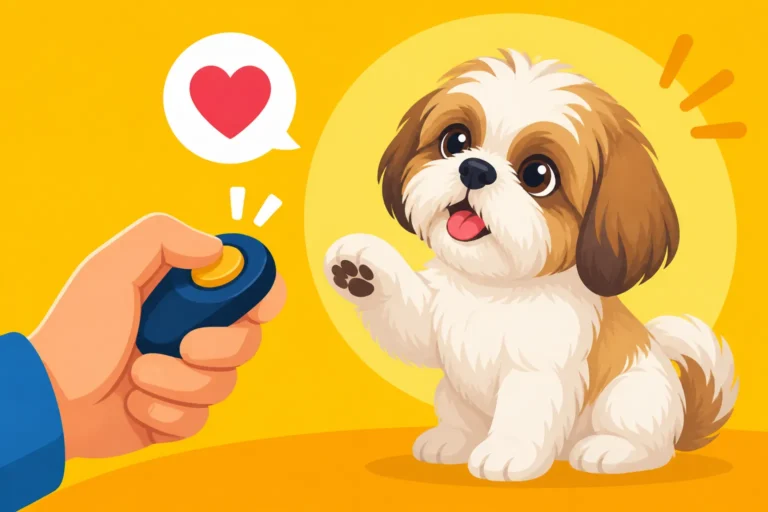
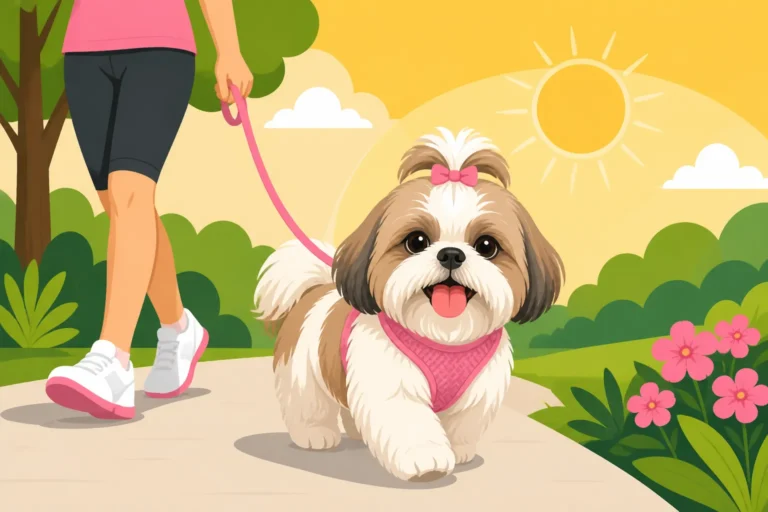
For issues like Shih Tzu Leash Manners on a Harness or chronic barking, you'll need to invest in positive reinforcement training. This means teaching your Shih Tzu what you want them to do instead of the unwanted behavior, and rewarding them handsomely for it. A professional trainer or online resources like BAXTER & Bella can provide structured programs to address these kinds of learned behaviors. They can guide you through techniques to teach impulse control, proper leash etiquette, and how to manage environmental triggers. Remember, training is an ongoing conversation with your dog, not a one-time fix.
Anxiety and Fear-Based Issues
Anxiety and fear are complex emotional states that are generally not influenced by neutering. If your Shih Tzu is fearful of strangers, anxious when left alone (separation anxiety), or scared of loud noises like thunderstorms, these issues stem from their individual temperament, past experiences, and how they perceive the world around them. While sometimes an anxious dog might express their fear through behaviors that look like aggression, addressing the underlying fear is key.
Neutering will not make a fearful dog brave, nor will it soothe a dog prone to separation anxiety. In some rare cases, for a dog already struggling with anxiety, the hormonal changes after neutering could even subtly shift their emotional landscape in ways that might require careful management. These cases need tailored approaches, often involving desensitization, counter-conditioning, and sometimes even veterinary-prescribed medication in conjunction with behavior modification. If you suspect your Shih Tzu has anxiety, talk to your vet and a certified professional dog trainer.
Basic House Training and Potty Accidents
While neutering can reduce marking behavior, it generally doesn't fix fundamental house training problems. If your Shih Tzu is having accidents inside because they haven't fully grasped where to eliminate, or because you haven't established a consistent routine, neutering won't magically solve this. These are issues of communication, consistency, and sometimes underlying medical problems.
A young Shih Tzu might still be learning bladder control, while an older one might have simply never been taught proper etiquette. Factors like weather aversion (A Shih Tzu That Refuses to Go Outside in Rain), excitement peeing, or simply holding it too long can all contribute to accidents. It's vital to rule out medical issues with your vet first, then double down on a consistent potty schedule, reward good behavior outdoors, and clean up accidents thoroughly. For insights on potential setbacks, consider reading Shih Tzu House Training Regression.
Energy Levels and Playfulness
Many owners wonder if neutering will calm their high-energy Shih Tzu down. While some anecdotal reports suggest a slight decrease in overall energy, especially if that energy was channeled into hormone-driven behaviors, neutering is not a sedative. Your Shih Tzu's inherent energy level and desire to play are largely determined by their genetics, age, and individual personality.
A playful Shih Tzu puppy will likely remain a playful Shih Tzu adult, neutered or not. Their enthusiasm for games, zoomies, and interaction will probably continue. What might change is the type of energy expressed; for instance, less restless pacing in search of a mate, and more focused engagement with toys or family members. If you're looking to manage a boisterous Shih Tzu, focus on providing appropriate outlets for their energy, such as indoor games, short walks, and mental stimulation with puzzle toys.
Timing is Everything: When to Neuter Your Shih Tzu
The "when" of neutering has become a much-discussed topic in recent years, with research highlighting the potential impact of timing on both behavior and physical health. For a small breed like the Shih Tzu, the considerations are slightly different than for larger breeds.
Understanding Growth Plates and Skeletal Development
Traditionally, many puppies were neutered around six months of age. The thinking was that it was "early enough" to prevent unwanted pregnancies and curb hormone-driven behaviors before they became ingrained. However, we now understand more about growth plates. These are areas of cartilage in young dogs' bones that are still growing and haven't yet fused. Sex hormones play a crucial role in signaling these growth plates to close.
Neutering a dog too early, before the growth plates have fully fused, can potentially lead to longer limb bones and a slightly altered skeletal structure. While the impact on tiny Shih Tzus isn't as dramatic as it might be on a giant breed, it's still a consideration. Some vets now recommend waiting until a small dog is closer to full maturity, perhaps 9-12 months of age, or even a bit later for some individuals, to ensure their skeletal development is complete. This can help prevent conditions that put stress on joints, though for a Shih Tzu, joint issues like Patellar Luxation in a Shih Tzu or Shih Tzu Hip Dysplasia at Toy Size can also be genetic. It's always best to discuss the optimal timing with your veterinarian, weighing the pros and cons for your individual dog. The article Neuter Timing Around Shih Tzu Growth Plates offers a deeper dive into this specific concern.
Behavioral Maturity and Habit Formation
Waiting to neuter until your Shih Tzu is a bit older can allow you to observe their natural temperament and behavioral tendencies more fully. If behaviors like marking or mounting are already becoming problematic before a year old, earlier neutering might be considered to prevent these habits from becoming deeply ingrained and therefore harder to extinguish later. However, if your Shih Tzu is well-behaved, not marking, and showing no signs of aggression, waiting a few extra months might offer the benefit of full physical maturity with minimal behavioral downside.
The key is to remember that hormones heavily influence some behaviors, but not all. If you wait longer, you might see some undesirable hormone-driven behaviors emerge, but you can also use that time to really solidify excellent training and socialization. A dog who is well-socialized and has a strong foundation in basic obedience might be less likely to develop severe behavioral issues regardless of neutering age.
Potential Health Implications Beyond Behavior
Beyond behavioral and skeletal considerations, the timing of neutering can have other health implications. For male dogs, neutering eliminates the risk of testicular cancer and significantly reduces the risk of certain prostate problems later in life. On the flip side, some studies suggest a very slight increased risk of certain other cancers (like osteosarcoma) in some breeds with early neutering, although these risks are often breed-specific and more pronounced in larger dogs.
There's also the common concern about weight gain after neutering. Hormone changes can affect metabolism, making it easier for a Shih Tzu to put on pounds if their diet and exercise aren't adjusted. Shih Tzu Obesity on a Sixteen Pound Frame is a real concern, as extra weight puts undue stress on their delicate backs and joints. Be prepared to monitor your Shih Tzu's food intake and activity levels closely after the procedure to prevent this. Ultimately, the decision of when to neuter is a conversation you should have with your trusted veterinarian, considering your Shih Tzu's breed, individual health, temperament, and your lifestyle.
| Behavior Type | Primarily Hormone-Driven | Likely Impact of Neutering | Requires Training Anyway |
|---|---|---|---|
| Roaming/Wandering | Yes | Significantly reduced | Yes (for established habits) |
| Indoor Urine Marking | Yes | Significantly reduced | Yes (for established habits) |
| Mounting/Humping | Yes | Significantly reduced | Yes (for play/attention) |
| Male-on-Male Aggression | Partially | Can be reduced | Yes (for fear/learned) |
| Leash Pulling | No | Minimal | Absolutely |
| Barking at Doorbell | No | Minimal | Absolutely |
| Separation Anxiety | No | Minimal/None | Absolutely |
| Fear of Strangers | No | Minimal/None | Absolutely |
| Jumping on Guests | No | Minimal | Absolutely |
| Basic Potty Training | No | Minimal | Absolutely |
| Energy Levels | Partially | Slight reduction possible | Absolutely |
Managing Expectations and Continuing Training After Neutering
It’s completely normal to have high hopes that neutering will bring about a more calm and well-behaved companion. But setting realistic expectations is crucial for your sanity and your Shih Tzu's well-being. Neutering is a medical procedure with hormonal consequences, not a magic wand that rewrites your dog's personality or fixes every behavioral challenge.
Understanding the "Why" Behind Behavior
Before you expect a miracle from neutering, take a moment to consider the root cause of any problematic behaviors. Is your Shih Tzu barking because he's signaling territory (which could have a hormonal component)? Or is he barking because he's bored, wants attention, or hasn't learned an alternative way to express himself? Is he having accidents because of marking, or because he truly doesn't understand house rules or has an underlying medical issue like bladder stones? You can explore potential causes of accidents in Shih Tzu Urinary Accidents That Are Medical.
If a behavior is driven purely by hormones, then removing those hormones should have a noticeable effect over time. However, if the behavior is deeply ingrained, learned, or stems from fear, anxiety, or a lack of appropriate training, then neutering will likely have little to no impact. It's about addressing the core issue. Think of it this way: neutering might stop a dog from wanting to run off to find a mate, but it won't teach him to come when called if he's never learned that cue. That's where consistent, positive training comes in.
The Ongoing Commitment to Training and Socialization
Even after neutering, your Shih Tzu will benefit immensely from continued training and socialization. For issues like Shih Tzu Stubbornness and What It Really Is, it often comes down to clear communication and consistent expectations from you, rather than hormones. Training isn't just about obedience; it's about building a strong bond with your dog, helping them navigate the human world, and providing mental stimulation.
Consider enrolling in a post-neutering obedience class or revisiting basic cues. Resources like online training programs (such as those offered by BAXTER & Bella, which focus on positive reinforcement) can be incredibly helpful for maintaining consistency from home. Continue to expose your Shih Tzu to various sights, sounds, people, and well-behaved dogs in a controlled, positive way. This helps build their confidence and adaptability, which are essential for a well-adjusted companion. Even a senior Shih Tzu can learn new tricks and benefit from mental engagement, so don't ever think it's too late.
Patience and Consistency Are Key
Behavioral changes after neutering, if they happen, are rarely instantaneous. Hormones gradually leave the system, and it can take weeks or even a few months for the full effects to be observed. During this period, and certainly beyond it, patience and consistency on your part are paramount. If you're hoping for less marking, continue with your cleaning routine and reinforce appropriate potty spots. If you're working on leash manners, keep those training walks consistent.
Don't fall into the trap of thinking, "He's neutered now, so he should just know better." Dogs don't work that way. They respond to clear communication, consistent boundaries, and positive reinforcement. Celebrate the small victories, like a week without an indoor accident or a slightly less frantic greeting at the door. Your Shih Tzu is still the same beloved companion, and your relationship with them is built on trust and understanding, regardless of their hormonal status. Keep those training treats handy (perhaps some small, low-calorie options you found on Amazon), and enjoy the journey of discovery with your fur baby.
Disclaimer
This article is for general informational purposes only and does not constitute professional advice. Laws, prices and regulations vary by location and change over time. Consult a qualified professional for guidance on your specific situation.