Handling Shih Tzu Paws Every Day
Those adorable, fluffy Shih Tzu paws might look innocent, but they can quickly become a magnet for dirt, debris, and painful mats, causing discomfort for your little companion and headaches for you. It's a common frustration for us Shih Tzu parents to find mud tracked through the house or discover a hidden tangle between their tiny toes. This comprehensive guide is here to equip you with the knowledge and routine to master daily paw handling, ensuring your Shih Tzu's feet stay healthy, clean, and happy.
Why Daily Paw Handling is Non-Negotiable for Shih Tzus
It's easy to overlook your Shih Tzu's paws until there's a problem, but consistent, daily attention to these tiny extremities is absolutely vital for their overall health and well-being. Their unique physical characteristics make them particularly susceptible to issues that can quickly escalate if not addressed.
The Unique Challenges of Shih Tzu Paws
Shih Tzus have these wonderfully expressive eyes and a luxurious coat, and that coat extends right down to their paws, forming what we lovingly call "grinch feet." While adorable, this abundant hair between and around their paw pads creates a perfect storm for various problems. Unlike breeds with short, neat hair on their feet, Shih Tzus can easily pick up burrs, small stones, thorns, or even just general grit from the sidewalk, which then gets trapped in the fur. This isn't just an annoyance; these foreign objects can rub and irritate the delicate skin between the pads, leading to inflammation, soreness, or even minor cuts. Think about walking around all day with a tiny pebble stuck in your shoe – that’s what your Shih Tzu might be experiencing if their paws aren’t routinely cleared.
Moreover, their paw pads, while sturdy, are still susceptible to environmental factors. Hot pavement in summer can burn them, and icy sidewalks in winter can cause cracks and dryness. The long hair also means their pads are less exposed to air, which can sometimes contribute to moisture retention, especially if they’ve been out in damp conditions. This dampness, combined with the warmth of their fur, can become an ideal breeding ground for yeast or bacterial infections, causing itching, redness, and a distinct odor that no one wants to discover.
Preventing Mats and Tracking Dirt
One of the biggest battles every Shih Tzu owner faces is preventing mats, and the paws are no exception. The fine, silky hair that makes up their glorious double coat is incredibly prone to tangling, and the constant friction and movement of walking can turn a tiny knot into a formidable mat in what feels like mere hours. These mats aren't just cosmetic; they pull on the skin, causing pain and restricting movement. Imagine trying to walk with your hair painfully tugged between your toes – that's the reality for a Shih Tzu with neglected paw mats.
Beyond discomfort, matted paw hair is a hygiene nightmare. It acts like a sponge, soaking up dirt, mud, and anything else your dog walks through. This isn't just about cleaning your floors more often; it means your Shih Tzu is bringing more grime directly into their living space, and potentially ingesting it if they lick their paws. Trimming the hair between their pads is an absolute game-changer in this regard. When done properly, it minimizes the surface area for dirt to cling to, reduces matting potential, and helps your dog maintain better traction on smooth surfaces. Many owners find that regularly Clearing Hair From Between Shih Tzu Pads is one of the most effective ways to keep both their dog and their home cleaner.
Early Detection of Health Issues
Your Shih Tzu’s paws can be a surprisingly good indicator of their overall health. Incorporating daily paw handling into your routine isn’t just about trimming hair and wiping away dirt; it's a vital opportunity for a quick, proactive health check. When you gently hold and inspect their paws, you're looking for anything out of the ordinary. This could be anything from a tiny cut or scrape that your dog might otherwise hide, to a swollen toe, a red irritation between the pads, or a splinter.
Catching these minor issues early can prevent them from becoming serious problems, saving your dog discomfort and you potentially costly vet bills. For example, a persistent lick at a paw might seem minor, but if you inspect it daily, you might spot a yeast infection brewing or a thorn embedded deep, allowing you to treat it before it becomes a painful hot spot or requires more intensive veterinary care. You can also monitor the condition of their nails and paw pads, checking for dryness, cracking, or overgrowth. This consistent attention means you’ll notice subtle changes, like a change in pad texture or a slight limp, which could indicate anything from an allergic reaction to a joint issue. Regular checks are also excellent for catching external parasites, like ticks, especially if your Shih Tzu enjoys exploring grassy areas.
Essential Tools for Your Shih Tzu's Paw Care Kit
Taking proper care of your Shih Tzu's paws requires more than just good intentions; it demands the right set of tools. Having a dedicated paw care kit on hand makes the process smoother for both you and your furry friend, and it ensures you're prepared for any little issue that might arise. Don't worry, you don't need a professional grooming setup, but a few key items will make all the difference.
Brushes, Combs, and Scissors
First up are your basic grooming staples. A good quality slicker brush is indispensable for getting through your Shih Tzu's double coat, especially around the leg feathering and the top of the paw. However, for the more delicate areas between the pads, you'll want a fine-toothed comb to gently work out any small tangles or check for trapped debris. For actually trimming the hair that grows long and unruly between the pads and around the foot, you'll need a pair of blunt-nosed scissors. These are specifically designed with rounded tips to minimize the risk of accidental nicks or cuts to the delicate skin of the paw pads. Never use sharp-tipped household scissors, as one sudden movement from your dog could lead to an unfortunate injury.
When looking for these tools, consider durability and ease of use. A sturdy slicker brush that doesn't pull too hard on the hair, and a metal comb with both wide and fine teeth, will serve you well. For scissors, make sure they fit comfortably in your hand and are sharp enough to cut cleanly without snagging. You can find a wide variety of these grooming essentials on platforms like Amazon, making it easy to assemble your kit with quality products. Remember, while a quick trim might seem simple, it’s a learned skill, and patience is key, especially if your Shih Tzu is initially sensitive about their paws.
Nail Clippers and Grinders
Keeping your Shih Tzu’s nails trimmed is perhaps one of the most critical aspects of paw care, yet it's often the one owners dread the most. Overgrown nails can cause pain, deform the foot, and even lead to joint problems down the line as your dog tries to compensate for the discomfort. When their nails are too long, they push up into the nail bed and can even curl under and grow into the paw pad itself, leading to severe infections.
You have two main options for nail trimming: clippers or grinders. Nail clippers, often in a scissor-style for small dogs, are quick and efficient when used correctly. The key is to take off only the very tip of the nail, avoiding the "quick" – the pink part of the nail that contains blood vessels and nerves. Cutting the quick is painful and can cause bleeding, making future nail trims a terrifying experience for your dog. If your Shih Tzu has dark nails, identifying the quick can be challenging, so it’s always better to take off tiny slivers at a time. Cutting Shih Tzu Nails Without a Groomer can be intimidating, but with practice, it becomes easier.
Alternatively, a nail grinder (a Dremel-style tool with a sanding band) offers a gentler, more gradual approach. Grinders file the nail down slowly, reducing the risk of hitting the quick and allowing you to smooth out any sharp edges. Many dogs tolerate grinders better than clippers, especially if introduced with positive reinforcement. Whichever tool you choose, ensure it's specifically designed for pet nails. A styptic powder should always be on hand, just in case you accidentally cut too close and need to stop any bleeding immediately.
Paw Balms and Wipes
Rounding out your essential paw care kit are items for hygiene and protection. High-quality paw balms are fantastic for keeping your Shih Tzu's paw pads moisturized and protected. Just like human skin, paw pads can get dry and cracked, especially from exposure to harsh elements like hot pavement, cold snow, or chemical irritants on walking surfaces. A good balm creates a protective barrier, helps heal minor cracks, and keeps the pads supple. Look for balms made with natural ingredients that are safe for your dog to lick.
Paw wipes are a godsend for those quick clean-ups after a walk, or simply to refresh their paws throughout the day. Instead of a full bath or dragging your dog to the sink every time they step outside, a few quick swipes with a pet-safe paw wipe can remove dirt, pollen, and allergens from their pads and the hair between them. This is especially helpful during allergy season, or if your Shih Tzu has sensitive skin. Keeping their paws clean also contributes to overall hygiene and helps prevent those lingering doggy odors. You can stock up on these handy wipes from Amazon or your local pet supply store.
| Tool Type | Primary Use | Key Benefit | Important Note |
|---|---|---|---|
| Slicker Brush | Detangling leg/paw feathering | Prevents mats in longer coat sections | Use gently to avoid skin irritation |
| Fine-Toothed Comb | Checking between pads, removing small debris | Identifies trapped foreign objects, small tangles | Essential for delicate inter-pad inspection |
| Blunt-Nosed Scissors | Trimming hair between and around pads | Reduces matting, improves traction, hygiene | Always use blunt tips; cut slowly and carefully |
| Nail Clippers | Quick nail length reduction | Fast, efficient for experienced users | Risk of cutting the quick; have styptic powder ready |
| Nail Grinder | Gradual nail filing and smoothing | Safer for dark nails, less risk of quicking | Requires patience and desensitization |
| Paw Balm | Moisturizing and protecting paw pads | Prevents cracking, creates barrier, soothes | Choose pet-safe, lickable ingredients |
| Pet Paw Wipes | Quick clean-ups after walks or daily refreshes | Removes dirt/allergens, improves hygiene | Convenient for daily use, pet-safe formula |
Step-by-Step Daily Paw Care Routine
Establishing a consistent and positive daily paw care routine is the cornerstone of keeping your Shih Tzu's feet healthy and preventing problems. It doesn't have to be a long, drawn-out affair; a few minutes each day can make all the difference. The key is regularity and making it a pleasant experience for your dog.
Making Handling a Positive Experience
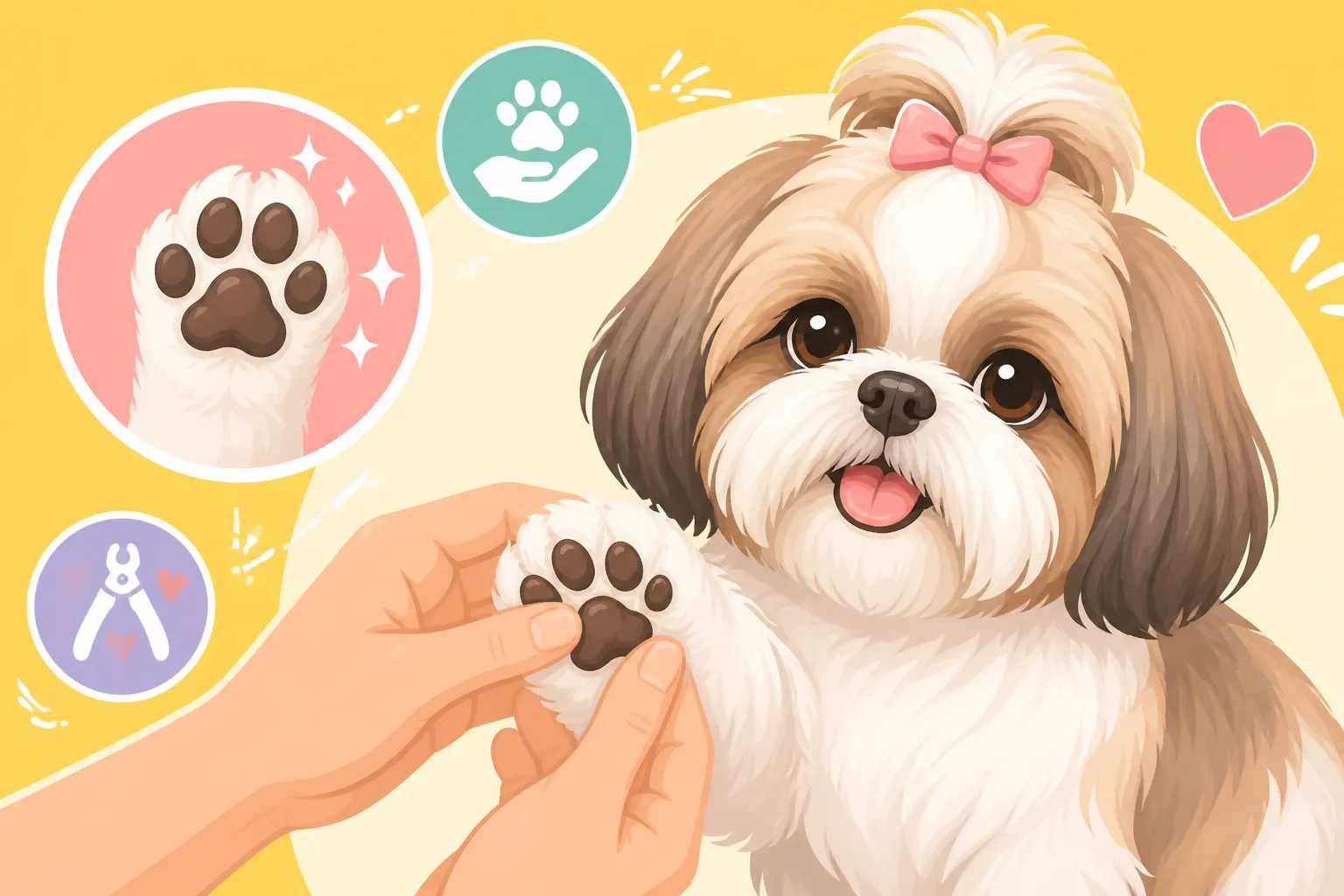
Before you even think about scissors or clippers, the most important step is to teach your Shih Tzu that having their paws touched is a good thing. Many dogs are naturally sensitive about their feet, and for a Shih Tzu, who might have already experienced discomfort from mats or clumsy handling, this sensitivity can be even more pronounced. Start by gently touching their legs and paws for just a few seconds, immediately followed by a high-value treat and verbal praise. Think "touch, treat, release." Don't try to groom yet; simply build positive associations.
Gradually increase the duration and intensity of the handling. Move from just touching to gently holding a paw, then spreading their toes, and finally, gently pressing on their nail beds. Always keep these sessions short, positive, and end on a good note. If your dog shows any signs of stress – pulling away, licking lips, growling – back off to a level they are comfortable with and progress more slowly. Consistency is crucial; do this multiple times throughout the day, not just once. For puppies, this early desensitization is invaluable. Programs like those offered by BAXTER & Bella can provide structured guidance on positive reinforcement training for handling and grooming, making it a less stressful process for both of you.
Brushing and Trimming Paw Hair
Once your Shih Tzu is comfortable with paw handling, you can start incorporating light grooming. Each day, take a minute to gently brush the hair on their legs and around their paws with a slicker brush, being careful not to pull. Then, use your fine-toothed comb to meticulously check between the paw pads and around the edges of the pads. This is where tiny tangles and debris love to hide. If you find small mats, try to gently work them out with your fingers or a comb, using a detangling spray if needed. Never yank or rip through a mat, as this is painful and will instantly erode any trust you’ve built.
For trimming the hair, aim to keep the fur between the pads flush with the pads themselves. This significantly reduces matting and improves traction. Hold the paw firmly, using your thumb and forefinger to spread the pads, and carefully trim the excess hair with your blunt-nosed scissors. Always point the scissors away from the pads and cut parallel to the pad surface, never straight down into the web of the paw. Trim the hair around the perimeter of the paw, so it doesn't extend much beyond the pads, preventing those "grinch feet" from collecting too much dirt. It’s better to trim a little bit regularly than to wait until the hair is wildly overgrown. If you have a particularly sensitive or squirmy Shih Tzu, consider trying a professional groomer for the initial heavy-duty trimming, and then maintain it yourself with light daily upkeep.
Inspecting and Cleaning Paws
After brushing and trimming, the final step in your daily routine is a thorough inspection and cleaning. Run your fingers over and between each paw pad, checking for any redness, swelling, cuts, splinters, or foreign objects. Pay close attention to the nail beds and the skin between the toes. Look for any discoloration, flaking, or unusual odors, which could signal a yeast or bacterial infection. This is also your opportunity to check the length of their nails. If they are touching the ground when your Shih Tzu stands, it’s time for a trim or a grind. Shih Tzu Ear and Paw Care often go hand-in-hand for daily checks, as both can be prone to hidden issues.
Once inspected, clean their paws. A quick wipe with a pet-safe paw wipe is usually sufficient for everyday maintenance, especially if they haven't been in anything too messy. If they’ve been out in mud or rain, a quick rinse under lukewarm water in a sink or with a paw washer can be more effective. Make sure to thoroughly dry their paws afterward, paying special attention to the hair between the pads, as dampness can lead to skin irritation or fungal growth. Finally, if their pads feel dry or rough, apply a small amount of paw balm to moisturize and protect them. This entire routine, once established, can take as little as 5-10 minutes each day, a small investment for your Shih Tzu's comfort and health.
Overcoming Resistance and Building Trust
It’s completely normal for a Shih Tzu to be resistant to paw handling, especially if they haven't been consistently introduced to it from a young age or if they’ve had a negative experience in the past. This isn't stubbornness; it's often fear or discomfort. Your job is to gently and patiently change that perception.
Starting Young with Positive Reinforcement
If you have a Shih Tzu puppy, you've hit the jackpot for establishing good habits! Start handling their paws from the very first day you bring them home. Integrate it into their daily cuddles and playtime. Gently touch their paws, one at a time, for just a second or two, immediately followed by a tiny, high-value treat and calm praise. Think of it as a game, not a chore. The goal is to make them associate paw touches with good things – tasty treats, affection, and positive attention.
Progress slowly. Once they tolerate a quick touch, move to gently holding a paw, then spreading the toes, and finally, simulating the feel of clippers or a grinder against their nails (without actually cutting or grinding at first). Always keep sessions short and positive. If the puppy pulls away, don't force it. Just go back to a less intrusive step, reward their calm behavior, and try again later. This consistent, gentle approach during their critical socialization period (up to about 16 weeks) is invaluable. A well-socialized puppy who is comfortable with handling will make grooming throughout their life significantly easier. Remember, every positive interaction builds trust and confidence. Many owners find guidance from structured online puppy programs invaluable for this, such as those that might be offered through organizations like BAXTER & Bella.
Dealing with Sensitive Paws in Older Dogs
Working with an adult Shih Tzu who is already wary of paw handling requires even more patience and a slower approach. They might have a history of pain or just a strong aversion. The foundation remains the same: positive reinforcement, tiny steps, and high-value rewards. Start by touching their leg, not even the paw, rewarding immediately. Over days, or even weeks, gradually move closer to the paw. If they tense up, stop, reward for any moment of stillness, and try again later from a slightly easier point.
Consider the environment: ensure it's calm, quiet, and comfortable. Work in short bursts, perhaps just one paw at a time, or even just one toe. Focus on desensitization (gradually exposing them to the sensation) and counter-conditioning (changing their emotional response from negative to positive). For instance, if they hate the sound of nail clippers, let them hear the sound while giving them treats, without even touching their paw. Repeat this until they associate the sound with treats, then slowly introduce the clippers to their paw, always rewarding calm behavior. If their paws are genuinely sore or painful, address that first with a vet. Undiagnosed pain can be a major barrier to acceptance. For a Shih Tzu with a Shih Tzu Disc Disease and Sudden Back Pain, for example, even slight manipulation of their paws might cause discomfort that they then associate with handling.
Knowing When to Seek Professional Help
There are times when, despite your best efforts, you might need to call in the professionals. If your Shih Tzu's resistance is extreme, if they become aggressive or panicky during handling attempts, or if you simply cannot get their nails trimmed without significant stress to both of you, a professional groomer or your veterinarian can step in. They have specialized tools, techniques, and experience in handling difficult or sensitive dogs.
A professional groomer can often tackle overgrown nails and matted paw hair efficiently and with minimal stress, especially if you communicate your dog's sensitivities beforehand. For dogs with severe anxiety around handling, your veterinarian might suggest gentle sedation for essential grooming tasks like nail trims, particularly if the nails are so overgrown they're causing pain. They can also rule out any underlying medical conditions, such as arthritis, injuries, or skin infections, that might be contributing to your dog's sensitivity. Sometimes, just a few professional sessions can help reset your dog's expectations, making it easier for you to maintain a routine at home afterward. Don't view seeking help as a failure; view it as doing what's best for your Shih Tzu's comfort and well-being.
Disclaimer
This article is for general informational purposes only and does not constitute professional advice. Laws, prices and regulations vary by location and change over time. Consult a qualified professional for guidance on your specific situation.