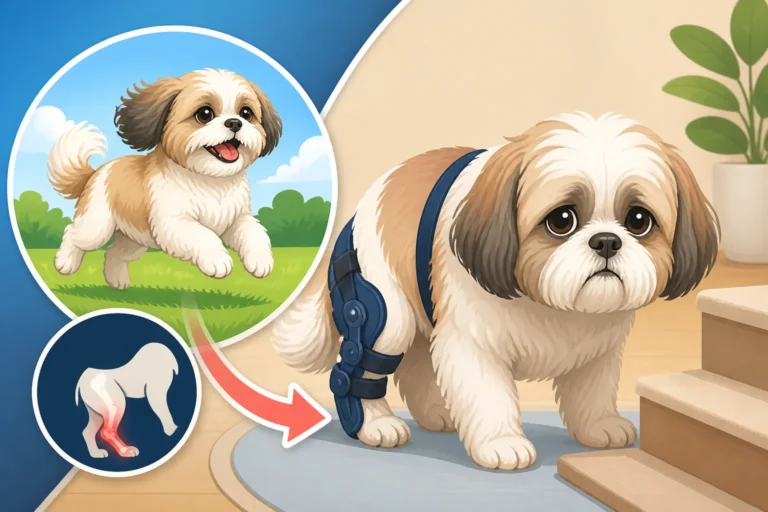
Shih Tzu Disc Disease and Sudden Back Pain
One of the most heartbreaking and sudden emergencies a Shih Tzu owner can face is the unexpected onset of severe back pain, often signaling a serious disc issue. Watching your normally lively, affectionate companion suddenly cry out, refuse to move, or struggle with their hind legs is truly terrifying. This guide will meticulously walk you through understanding Shih Tzu disc disease, recognizing its subtle and obvious signs, and knowing exactly what steps to take when your beloved dog experiences sudden back pain.
Understanding Intervertebral Disc Disease (IVDD) in Shih Tzus
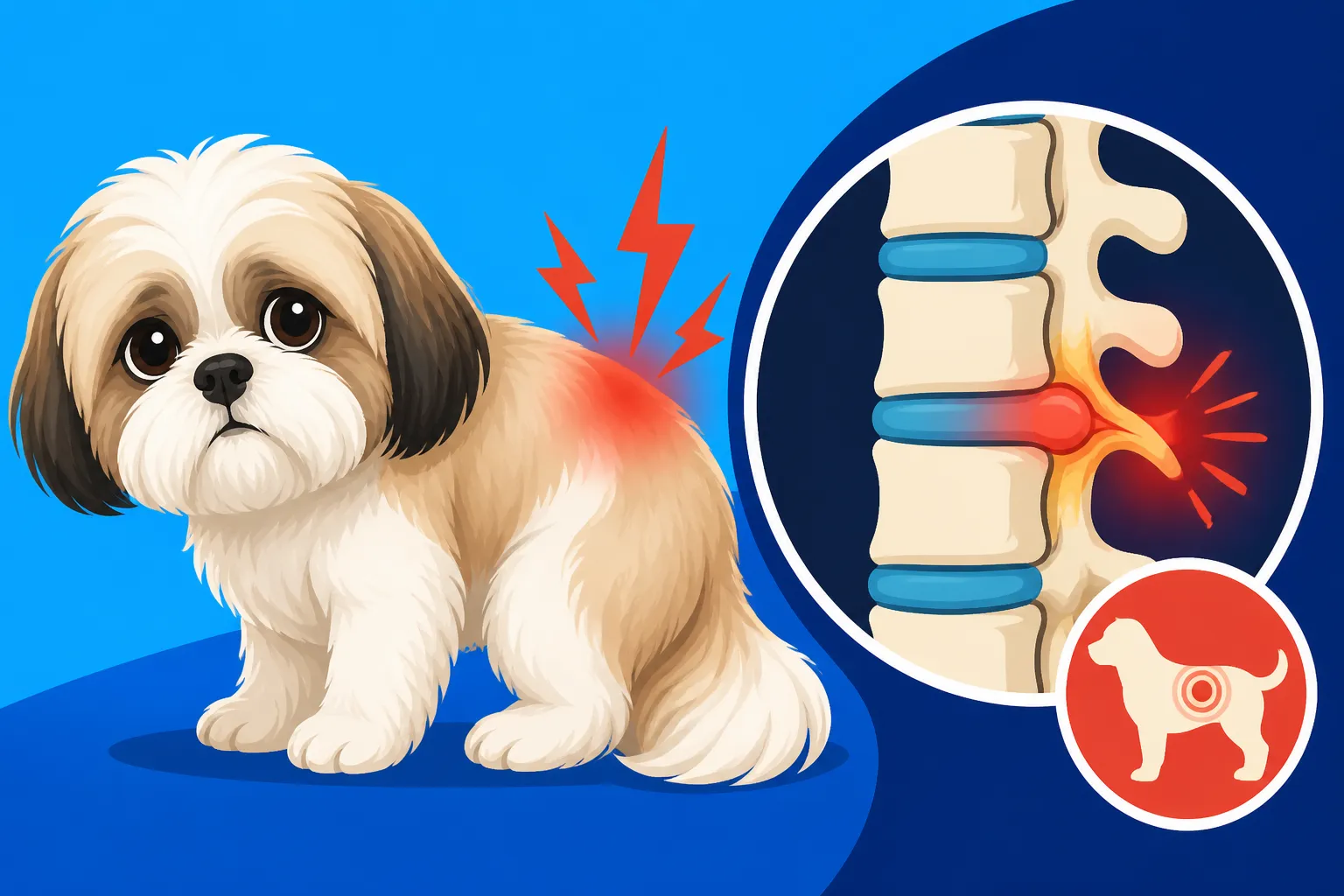
Intervertebral Disc Disease (IVDD) is a degenerative condition that affects the spinal discs in dogs. These discs act as cushions between the vertebrae, providing shock absorption and allowing for flexible movement. When a disc degenerates, it can either bulge or rupture, pressing on the spinal cord. This pressure can range from mild discomfort to severe pain, partial paralysis, or even complete loss of function in the hind limbs. For Shih Tzus, this isn't just a possibility; it's a significant concern due to their unique physical characteristics.
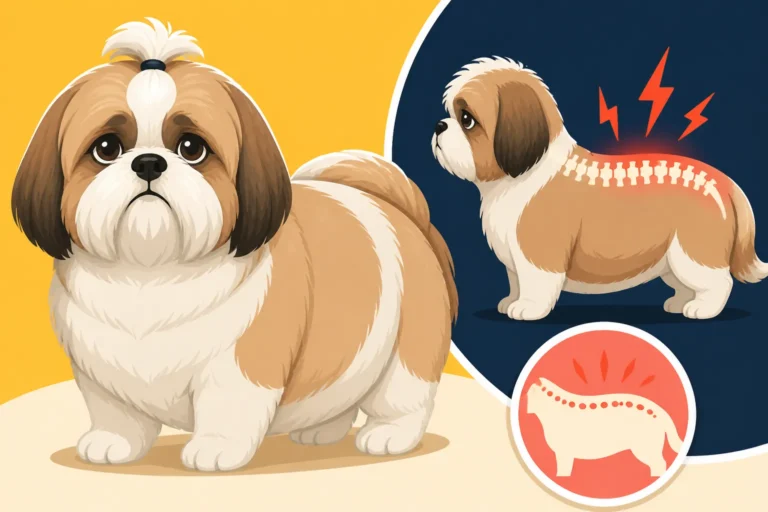
The breed's long back and short legs, a hallmark of their charming appearance, are also a blueprint for vulnerability. Unlike some other breeds, Shih Tzus are predisposed to a specific type of IVDD where the discs calcify and harden prematurely, often starting at a young age. This makes them much more susceptible to sudden disc herniation, even from seemingly innocuous movements like jumping off a sofa or a playful twist. It's a silent threat that can manifest without much warning, leaving owners scrambling to understand what happened.
What Makes the Shih Tzu Prone to Back Problems?
The distinctive conformation of the Shih Tzu, specifically their long spine relative to their short legs, places them firmly in the chondrodystrophic category of breeds. This genetic predisposition means that the intervertebral discs are prone to an early hardening process, known as chondroid metaplasia or disc degeneration. Instead of remaining soft and jelly-like, the core of these discs (the nucleus pulposus) can turn into a hard, cartilage-like material. This makes the discs far less capable of absorbing shock and much more likely to rupture or bulge when pressure is applied.
Think of it like this: a healthy disc is like a gel-filled cushion, flexible and resilient. A degenerated disc in a Shih Tzu is more like a hardened, brittle biscuit. When your dog jumps, twists, or even just lands awkwardly, that brittle disc can crack, allowing its hardened contents to burst out into the spinal canal. This unfortunate anatomy is why so many Shih Tzu owners will eventually face concerns about Shih Tzu Back Problems and Disc Disease. It's not usually about an injury in the traditional sense, but rather a sudden failure of an already compromised disc.
This inherent structural vulnerability also means that seemingly minor activities can become high-risk. Jumping off beds, navigating stairs, or even rough play with larger dogs can exert undue stress on an already weakened spine. Owners often recount stories of their Shih Tzu simply taking a wrong step and suddenly yelping in pain, a testament to how fragile these compromised discs can be. Understanding this predisposition isn't about fear, but about proactive management and making informed choices to protect your furry friend.
The Anatomy of a Slipped Disc
When we talk about a "slipped disc" in a Shih Tzu, we're typically referring to a herniated disc, where the material from the disc actually moves out of its normal position and into the spinal canal. There are two main types of disc herniation relevant to Shih Tzus: Hansen Type I and Hansen Type II. Type I is the more common and acute form seen in chondrodystrophic breeds. In this scenario, the hardened, degenerated disc material ruptures suddenly, expelling its contents upwards into the spinal cord. This sudden compression is what causes the intense, acute pain and neurological deficits we often see.
The spinal cord, which runs through the center of the vertebrae, is essentially the superhighway for nerve signals between the brain and the rest of the body. When a piece of disc material suddenly presses against it, those signals can be interrupted. The severity of the symptoms depends entirely on how much pressure is applied, where along the spine it occurs, and for how long. A disc herniation in the neck (cervical spine) can affect all four limbs, while one in the mid-back (thoracolumbar spine), which is common in Shih Tzus, primarily impacts the hind legs.
Hansen Type II disc herniations, while less common in the acute, sudden presentation for Shih Tzus, involve a more gradual bulging of the outer fibrous layer of the disc. This bulge slowly compresses the spinal cord over time, leading to more chronic, progressive symptoms rather than a sudden crisis. While both types are serious, the acute, sudden impact of a Type I herniation is usually what sends owners rushing to the emergency vet, utterly bewildered by their dog's sudden debilitation.
Recognizing the Signs of Sudden Back Pain in Your Shih Tzu
Spotting back pain in a Shih Tzu can sometimes be tricky because they are such stoic little dogs, and their long hair can mask subtle changes in posture or movement. However, learning to read their body language is crucial. A Shih Tzu who is normally outgoing and playful may suddenly become withdrawn, lethargic, or reluctant to engage. This change in personality is often the first, most overlooked sign that something is amiss internally, long before a dramatic yelp or collapse.
Many owners might initially dismiss these early signs as just "being tired" or "having an off day," but with a breed so prone to disc disease, any sudden shift in behavior should raise a red flag. Pay close attention to how they move, how they lie down, and especially how they react to being picked up or touched. Early detection can make a significant difference in the prognosis and treatment outcome, making you the first and most important line of defense for your furry companion.
Early Warning Signals That Often Get Missed
Before the dramatic collapse or yelp, your Shih Tzu might be giving you subtle clues that their back is bothering them. One of the most common early indicators is a reluctance to jump. You might notice your dog hesitates before jumping onto the sofa or bed, or they might try to find an alternative way to get up, like using a step stool they never bothered with before. Similarly, they might be slower on walks, or generally less enthusiastic about activities they once loved. A Shih Tzu that used to greet you with a dance might now just offer a tired tail wag. This could be an early sign of Early Shih Tzu Back Pain Signs.
Another subtle sign is a change in posture or gait. They might hold their head lower than usual, or walk with a slightly stiff, hunched-over appearance. Sometimes, they might walk as if "walking on eggshells," taking tiny, careful steps. You might also observe them trembling or shivering, even if the room temperature is comfortable. They might seek out unusual spots to lie down, perhaps preferring a hard, flat surface over their soft bed, or conversely, refusing to lie down completely. Any unusual vocalization, like a low whine when changing positions, is also a critical red flag. These might seem like minor quirks, but collectively, they paint a picture of discomfort.
Finally, keep an eye on their appetite and bathroom habits. Pain can cause nausea and loss of appetite. They might also struggle with urination or defecation if the nerve damage is affecting those functions. Sometimes, owners report a Shih Tzu is suddenly having accidents indoors, not because of a training regression, but because the pain makes it too difficult or painful to assume the potty position, or they simply can't hold it. Recognizing these faint signals could mean the difference between minor intervention and a major emergency.
Acute Pain and Mobility Changes
When a disc herniation progresses to a more severe stage, the symptoms become much more obvious and alarming. The most common sign is sudden, intense pain, often manifesting as a sharp yelp or cry when touched, moved, or even when trying to stand up. Your Shih Tzu might stand with an arched back or a stiff neck, clearly indicating where the pain is originating. They may refuse to move at all, standing or lying rigidly, and may tremble uncontrollably. In many cases, a Shih Tzu experiencing severe back pain may not even want to be touched.
Beyond the pain, you'll start to see significant changes in mobility. This can range from mild weakness or incoordination in the hind legs (ataxia), making them stumble or drag their feet, to a complete inability to use their hind legs altogether. They might wobble like a drunk dog, struggle to get up from a lying position, or drag one or both back paws. A clear indicator of nerve damage is when they lose their proprioception – the awareness of where their limbs are in space. If you gently flip one of their back paws so they are standing on the top of their foot, they should immediately correct it. If they don't, it's a strong sign of neurological compromise. This could lead to a situation where you see Shih Tzu Hind Leg Weakness.
In the most severe cases, a Shih Tzu might experience complete paralysis of the hind limbs, meaning they cannot move them at all. This is often accompanied by loss of bladder and bowel control, as the nerves responsible for these functions are also affected. This is a terrifying situation for any owner, and it demands immediate veterinary attention. Time is of the essence when the spinal cord is under severe compression, as prolonged pressure can lead to irreversible damage.
| Symptom Severity | Common Signs Observed | Urgency of Vet Visit |
|---|---|---|
| Mild | Reluctance to jump, hesitant movement, quiet/withdrawn, slight stiffness, low tail carriage, avoids touch, shivers when still. | Within 24-48 hours |
| Moderate | Arched back/neck, obvious pain when touched, crying out, difficulty rising, unsteady gait (wobbling), lameness in one or more legs, knuckling over (walking on top of paw). | Same day / Emergency |
| Severe | Complete paralysis of hind limbs, dragging legs, inability to stand, loss of bladder/bowel control, extreme pain, unresponsive to surroundings (due to pain/shock). | Immediate Emergency |
What to Do When Your Shih Tzu Experiences Sudden Back Pain
Discovering your Shih Tzu in sudden, severe pain can be incredibly frightening and disorienting. Your first instinct might be to comfort them, but it’s crucial to act calmly and methodically. Improper handling can worsen a spinal injury, so prioritizing safety and swift, appropriate action is paramount. The key is to minimize movement and seek professional help without delay, as early intervention can dramatically improve the prognosis for recovery.
Many owners feel helpless in these moments, but knowing exactly what steps to take can empower you. Remember, while you are undoubtedly worried, panicking will not help your dog. Instead, focus on providing a stable environment and getting to a veterinary professional as quickly and safely as possible.
Immediate Steps and Emergency Care
If your Shih Tzu suddenly yelps, appears to be in pain, or shows signs of hind leg weakness, your absolute first priority is to restrict their movement. Gently place them in a small, secure carrier or a padded box if you have one, ensuring their back is kept as straight as possible. Avoid letting them walk, jump, or climb stairs, as any sudden movement could exacerbate the disc herniation and lead to further spinal cord compression. Even if they can still walk, discourage it. Think of it like a human with a suspected back injury – you wouldn't tell them to just walk it off.
Next, contact your veterinarian immediately. Explain the sudden onset of symptoms and stress that you suspect a back injury. Be prepared to go to an emergency veterinary clinic if your regular vet is not available or if it's after hours. Time is critical with spinal cord injuries. The longer the spinal cord remains compressed, the higher the risk of permanent damage. During transport, keep them as still as possible. You might even consider having another person help stabilize their body if they are not in a carrier.
Avoid giving any over-the-counter human pain medication like ibuprofen or acetaminophen. These can be toxic to dogs and can mask symptoms, making diagnosis more difficult for the vet, or even cause internal bleeding. Wait for veterinary assessment and prescription pain relief. Your primary goal is to get your Shih Tzu to professional medical care safely and quickly, where they can receive appropriate diagnostic tests and treatment.
Diagnosis and Treatment Options
Upon arrival at the veterinary clinic, the vet will perform a thorough neurological exam to assess the severity of the spinal cord damage. This includes checking their reflexes, pain response in their limbs, and proprioception. Based on these findings, they will classify the injury into grades, from mild pain (Grade 1) to complete paralysis with no deep pain sensation (Grade 5). The grading helps determine the urgency and type of treatment needed.
To definitively diagnose IVDD and pinpoint the exact location and severity of the disc herniation, advanced imaging is usually required. While X-rays can show calcified discs and rule out other bone issues, they don't show the spinal cord itself or the soft disc material compressing it. Therefore, a CT scan or MRI (Magnetic Resonance Imaging) is often necessary. An MRI is considered the gold standard as it provides detailed images of the spinal cord and surrounding soft tissues. This information is vital for surgical planning, should that be the recommended course of action. You may be interested in Shih Tzu MRI Cost Before Back Surgery.
Treatment options for IVDD depend heavily on the grade of the injury. For mild to moderate cases (Grade 1-3), conservative management is often attempted first. This typically involves strict crate rest for several weeks (often 4-8 weeks), pain medications (anti-inflammatories and muscle relaxers), and sometimes physical therapy once the acute pain subsides. Crate Rest for a Shih Tzu With a Slipped Disc is crucial to allow the disc to heal and prevent further extrusion of material. However, for more severe cases (Grade 4-5) or those that don't respond to conservative management, surgery is often the best option. Surgical procedures, such as a hemilaminectomy, aim to remove the herniated disc material that is compressing the spinal cord, relieving pressure and allowing for recovery. This is a specialized procedure, and costs can be substantial, so it's wise to consider options like pet insurance from companies like Healthy Paws before such emergencies strike.
Managing Recovery and Preventing Recurrence
Whether your Shih Tzu undergoes surgery or is managed conservatively, the recovery period demands immense patience and dedication. For surgical cases, post-operative care involves pain management, strict confinement, and often physical rehabilitation. This might include hydrotherapy, massage, and controlled exercises to rebuild muscle strength and coordination. Recovery can take weeks to months, and sometimes, a full return to normal function isn't always possible, especially with severe neurological damage. However, many dogs, with proper care, can regain significant mobility and a good quality of life. For insight into the potential outcomes, you can explore Whether a Shih Tzu Walks Again After Disc Surgery.
For both surgical and conservatively managed dogs, preventing recurrence is paramount. This involves making lifestyle changes to protect their delicate spine. First and foremost, strictly limit jumping onto and off furniture. Invest in ramps or pet stairs for beds and sofas. Ramps for a Shih Tzu With a Long Spine can be a game-changer for reducing stress on their back. Discourage stair climbing whenever possible, and consider carrying your Shih Tzu up and down stairs. Maintaining a healthy weight is also crucial, as extra pounds put undue strain on their spine. Regular, gentle exercise like short, controlled leash walks can help maintain muscle tone without overstressing the back.
Ongoing care may also involve joint supplements to support disc health, regular vet check-ups to monitor for any new symptoms, and ensuring their living environment is free of hazards that could lead to another injury. Consider soft bedding, non-slip rugs on hard floors, and keeping them safe from rough play with other pets. Financial planning for potential future health issues, perhaps through a robust pet insurance policy like those offered by Healthy Paws, can provide peace of mind in managing these ongoing care needs, especially as the dog ages and secondary issues like Shih Tzu Arthritis After the Age of Nine might arise.
Living with a Shih Tzu Prone to Back Issues
Having a Shih Tzu that is predisposed to back problems, or one that has already experienced a disc injury, means making certain adjustments to your home and routine. It's not about stifling their joy or making them live in a bubble, but rather about creating an environment where they can thrive safely and comfortably. This commitment to their well-being is a core part of being a responsible Shih Tzu owner.
It's a small price to pay for the immense love and companionship these wonderful dogs bring into our lives. By making thoughtful modifications and staying vigilant, you can significantly reduce the risk of future incidents and ensure your Shih Tzu enjoys a happy, pain-free life.
Creating a Back-Friendly Home Environment
Transforming your home into a spine-safe haven is one of the most effective ways to protect your Shih Tzu from potential disc injuries. Start by addressing high surfaces. Shih Tzus love to be near their people, which often means jumping onto and off beds and sofas. While it might seem harmless, that sudden impact can be enough to herniate a compromised disc. Investing in pet ramps or stairs for every piece of furniture your dog frequents is non-negotiable. Even small jumps can be problematic, so ensure there are safe ways for them to access their favorite cuddle spots.
Next, consider your flooring. Hardwood floors and tile can be beautiful, but they offer no traction and can lead to slips and falls, especially for a dog with a vulnerable spine or Shih Tzu Mobility Decline in Old Age. Lay down non-slip rugs or runners in high-traffic areas where your Shih Tzu walks and plays. This provides better grip and cushioning, reducing the risk of a misstep. Think about where they eat and drink too; elevated food and water bowls can reduce strain on their neck and back during meal times, especially for a dog that might already have neck stiffness.
Finally, think about their bedding. While a soft, squishy bed might seem luxurious, it often doesn't provide adequate support for a dog with back issues. Orthopedic beds designed to support the spine are a much better choice. These beds distribute weight evenly and reduce pressure points. Pay attention to how you pick up and carry your Shih Tzu as well. Always support their back and hindquarters to keep their spine aligned, avoiding any twisting or arching.
Long-Term Care and Support
Beyond environmental modifications, long-term care for a Shih Tzu prone to disc disease involves a combination of preventative measures, attentive monitoring, and ongoing veterinary partnership. Regular, controlled exercise is vital to maintain good muscle tone around the spine, but it must be done carefully. Short, leashed walks are ideal. Avoid activities that involve excessive jumping, twisting, or running at high speeds, which can put undue stress on their back. Many owners also find benefit in providing Joint Support for a Shih Tzu Back and Knees, with supplements often containing ingredients like glucosamine, chondroitin, and MSM, which can support cartilage health.
Weight management is another cornerstone of preventative care. Even a couple of extra pounds can significantly increase the load on a Shih Tzu's spine, raising the risk of disc herniation. Work with your vet to ensure your dog maintains an ideal body condition. Regular grooming, especially for a breed with a long double coat, is also crucial. Matted hair can pull on the skin and restrict movement, contributing to discomfort. Additionally, it can hide changes in their body, such as tenderness or an altered posture.
Maintaining open communication with your veterinarian is perhaps the most important aspect of long-term care. Regular check-ups allow your vet to monitor your Shih Tzu's spine, assess their mobility, and catch any subtle changes early. They can also advise on appropriate physical therapy exercises or recommend specialists if needed. If you notice any return of symptoms, no matter how minor, contact your vet immediately. Early intervention is always best when it comes to spinal health. Being prepared for potential costs associated with ongoing care, specialized diets, or even emergency treatments is also wise; this is where pet insurance, like a plan from Healthy Paws, can be invaluable in mitigating the financial burden of chronic conditions or sudden emergencies.
Disclaimer
This article is intended for informational purposes only and does not constitute medical advice. Always consult with a qualified veterinarian for any health concerns or before making any decisions about your Shih Tzu's care, diet, or treatment.