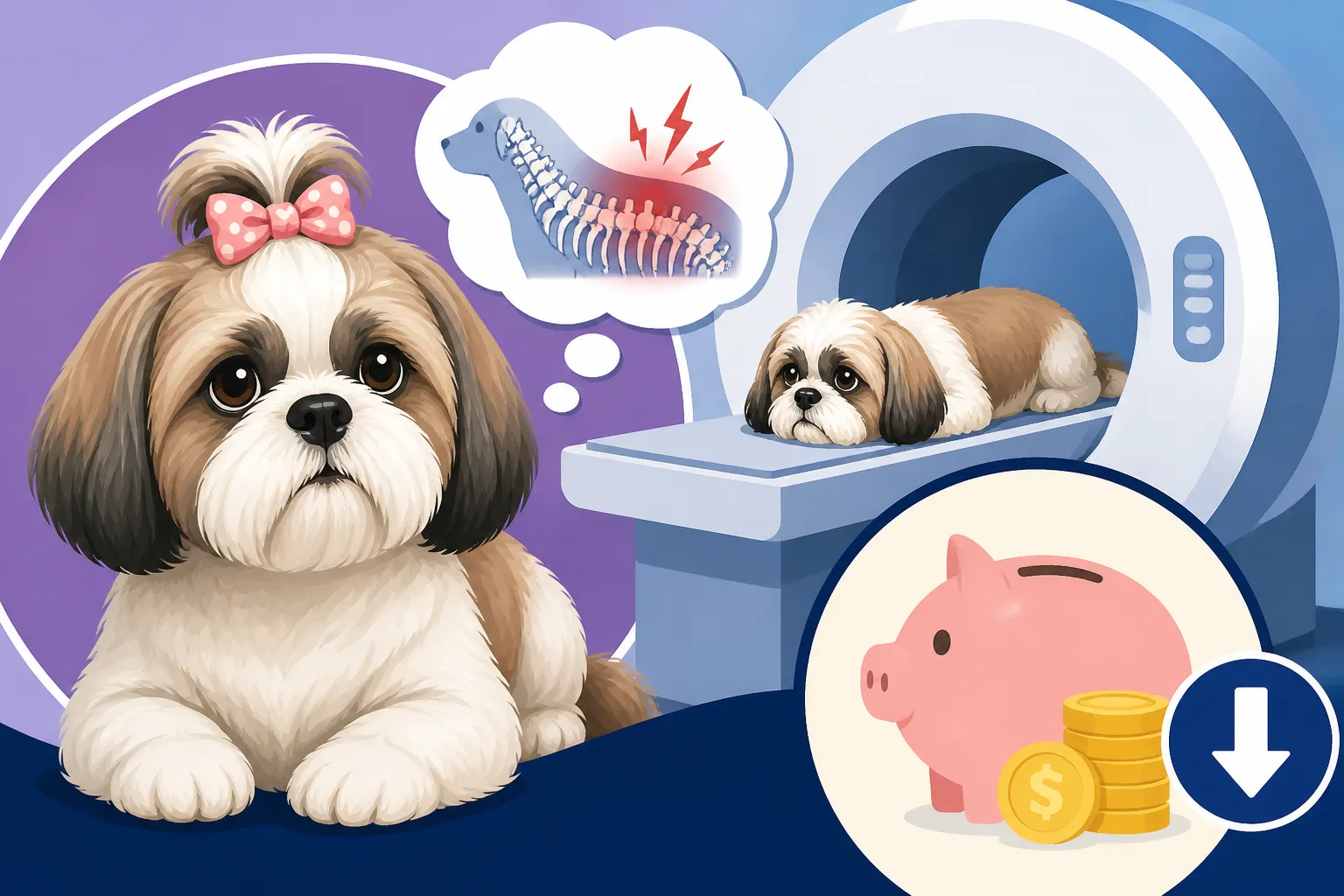
Shih Tzu MRI Cost Before Back Surgery
When your beloved Shih Tzu suddenly yelps, refuses to jump on the sofa, or starts dragging their back legs, it's terrifying. Your heart sinks as you immediately worry about their delicate spine and the potential for a serious back problem. This guide is here to walk you through why a veterinary MRI might be recommended for your Shih Tzu's back pain, what factors influence the cost, and how you can prepare for this significant expense.
Understanding Shih Tzu Back Problems and the Need for an MRI
Shih Tzus are wonderful, lively companions, but their unique physique, with a long back and short legs, unfortunately predisposes them to certain health challenges. Back problems are among the most concerning for owners, and understanding why an MRI becomes necessary is the first step toward helping your furry friend.
The Fragile Shih Tzu Spine and Common Issues
The reality is that our adorable little lion dogs, while hardy in spirit, have a spinal structure that can be quite vulnerable. One of the most common and devastating conditions is Intervertebral Disc Disease (IVDD), which affects many brachycephalic and chondrodystrophic breeds – essentially, dogs with those charming short legs and long backs, like our Shih Tzus. Imagine the discs between the vertebrae in their spine as tiny shock absorbers. With IVDD, these discs can degenerate, bulge, or even rupture, pressing on the spinal cord. This pressure can cause anything from mild pain and stiffness to severe weakness, paralysis, or even loss of bladder and bowel control. It's a truly heartbreaking situation to witness.
Symptoms can appear suddenly, often after a seemingly innocuous jump or twist. You might notice your Shih Tzu yelping when picked up, reluctant to move, shivering from pain, or struggling with stairs. Some owners report their dog adopting a hunched posture or having difficulty getting comfortable. Sometimes, the signs are more subtle at first, like a slight hesitation before jumping off a low stool. If you’ve ever found yourself wondering, " Is this normal, or is something seriously wrong?", trust your gut. These are critical moments, and early intervention can make a world of difference. For a deeper dive into the common causes and signs, you can read more about Shih Tzu Back Problems and Disc Disease.
When Your Vet Recommends an MRI
When your veterinarian suspects a disc issue or another spinal problem, they'll typically start with a thorough neurological exam. This involves checking reflexes, gait, and pain responses to pinpoint where the problem might be originating. X-rays are often the first diagnostic tool, and while they are helpful for showing bone structures and ruling out fractures or tumors, they don't give a clear picture of soft tissues like discs or the spinal cord itself. This is where the MRI comes in.
An MRI, or Magnetic Resonance Imaging, is a non-invasive imaging technique that uses a powerful magnetic field and radio waves to create incredibly detailed images of soft tissues. For a spinal issue, it's the gold standard. It can show precisely which disc is affected, the extent of the compression on the spinal cord, and even differentiate between disc material, fluid, or other abnormalities. Without this level of detail, it’s like trying to navigate a dark room without a flashlight; you know there’s furniture, but you can’t tell exactly where or what kind. For any potential surgical intervention, knowing the exact location and severity of the lesion is absolutely crucial for the surgeon to plan the most effective and safest approach. This clarity is why your vet will often recommend an MRI before proceeding with any significant treatment plan, especially surgery.
What Influences Shih Tzu MRI Costs
The price tag associated with a veterinary MRI for your Shih Tzu can feel daunting, and it's certainly not a small expense. Several factors contribute to the overall cost, and understanding these can help you anticipate the financial commitment involved.
Geographic Location and Veterinary Specialists
Just like human medical procedures, the cost of veterinary services, including MRIs, can vary significantly depending on where you live. Major metropolitan areas, for instance, tend to have higher overhead costs for veterinary hospitals, which naturally translate into higher prices for specialized procedures. Conversely, clinics in rural areas might offer slightly lower rates, but they may also have less access to cutting-edge equipment or board-certified specialists.
Beyond geography, the type of facility plays a huge role. General veterinary practices typically don't have an MRI machine on site; these are highly specialized pieces of equipment. Instead, your Shih Tzu would likely be referred to a veterinary specialty hospital or a university veterinary teaching hospital. These facilities are staffed by board-certified veterinary neurologists and radiologists who possess advanced training and expertise in interpreting these complex images. The cost reflects not only the use of state-of-the-art equipment but also the highly skilled professionals who operate it and interpret the results. Expect to pay more for the expertise and specialized care offered by these referral centers, but remember, that expertise can be critical for your Shih Tzu's outcome.
Anesthesia, Sedation, and Monitoring
Performing an MRI on a dog isn't like doing it on a human where you can ask them to lie perfectly still for an extended period. For an MRI to produce clear, diagnostic images, the patient must remain absolutely motionless. This means that your Shih Tzu will need general anesthesia, which is a significant component of the overall MRI cost. Anesthesia in toy breeds, especially those with brachycephalic (flat-faced) characteristics like Shih Tzus, carries specific risks, primarily related to their unique airway anatomy. Your veterinary team will perform pre-anesthetic bloodwork and a thorough physical exam to ensure your dog is as safe as possible for the procedure.
During the entire anesthetic process, a dedicated veterinary technician will continuously monitor your Shih Tzu's vital signs, including heart rate, respiration, blood pressure, and oxygen saturation. This intensive monitoring, combined with the anesthesiologist's expertise, adds to the cost but is absolutely non-negotiable for your dog's safety. After the scan, your Shih Tzu will be carefully recovered from anesthesia, often requiring a few hours of observation before they are well enough to go home. The care and attention dedicated to ensuring a safe anesthetic experience for your small, flat-faced companion are paramount and are reflected in the final bill. This is an important consideration, especially given the increased Shih Tzu Anesthesia Risk From a Flat Face.
Additional Diagnostic Tests and Consultations
The MRI itself is a crucial step, but it often isn't the only step. Before an MRI can even be scheduled, your Shih Tzu will likely undergo a comprehensive neurological examination by a specialist. This initial consultation, which is often a separate fee, allows the neurologist to evaluate your dog's condition, discuss the findings, and confirm the necessity of an MRI. They’ll assess things like proprioception (awareness of paw position), reflexes, and pain response, which helps them localize the problem area.
Furthermore, pre-anesthetic bloodwork is always required to assess organ function and ensure your Shih Tzu is a good candidate for anesthesia. This typically includes a complete blood count (CBC) and a biochemistry panel. Sometimes, other tests like urinalysis or even cardiac screening might be recommended, especially for older Shih Tzus. These additional diagnostics are essential for providing the safest and most effective care, and they will contribute to the total cost. Remember, each step in this diagnostic journey is designed to build a complete picture of your Shih Tzu's health and to ensure that any major procedure, like an MRI or subsequent surgery, is undertaken with the fullest possible understanding of their condition.
Breaking Down the Typical Shih Tzu MRI Bill
When you receive the estimate for your Shih Tzu's MRI, it can feel overwhelming. It’s not just one lump sum for “the scan.” Instead, it’s a collection of vital services that ensure accuracy and safety. Let’s demystify what those numbers generally include.
Average Cost Ranges and What They Include
The cost for a veterinary MRI in the United States typically ranges from $2,500 to $5,000, and sometimes even higher depending on the region and facility. This figure often includes several key components: the initial neurological consultation with the specialist, the pre-anesthetic bloodwork, the anesthesia itself (including drugs, equipment, and monitoring by a dedicated technician), the MRI scan itself (which can involve multiple sequences and views), and the interpretation of those images by a board-certified veterinary radiologist.
It’s important to understand that you're paying for more than just the machine. You're investing in the specialized expertise of the veterinary neurologist who assesses your dog, the trained staff who safely administer and monitor anesthesia, and the radiologist who painstakingly analyzes every detail of the images to provide an accurate diagnosis. Without a precise diagnosis, any treatment plan, especially surgery, becomes a risky guesswork. If you're looking for more general cost information on various procedures, you might find our guide on Shih Tzu Surgery Costs From the Mouth to the Eye helpful, though it won't detail MRI specifically.
The Role of Pet Insurance and Financial Planning
For many Shih Tzu owners, pet insurance can be a lifeline when faced with unexpected, high-cost diagnostics like an MRI. Policies from providers like Healthy Paws typically cover a significant percentage (often 70-90%) of diagnostic tests, specialty consultations, and emergency procedures once your deductible is met. If you've had a policy in place before any symptoms of back pain appeared, your MRI and potential subsequent treatments would likely be covered. It's crucial, however, to be aware of waiting periods and pre-existing condition clauses; if your Shih Tzu showed signs of back trouble before you enrolled or during a waiting period, the condition might be excluded from coverage. This is a common frustration, so always read the fine print!
If pet insurance isn't an option or doesn't cover the full cost, financial planning becomes even more critical. Many veterinary hospitals offer payment plans or accept third-party medical credit options like CareCredit. Having an emergency fund specifically for your pet is also a wise decision. Knowing what your Shih Tzu Insurance Premiums Month by Month might be, and then budgeting for a dedicated savings account, can help alleviate the stress when these situations arise. Don't hesitate to openly discuss costs and financial options with your veterinary team; they understand the burden and want to help you make the best decision for your dog.
Here’s a table outlining a potential cost breakdown for a Shih Tzu MRI, keeping in mind these are estimates and can fluctuate significantly:
| Service/Item | Estimated Cost Range | Description |
|---|---|---|
| Neurological Consultation | $150 – $400 | Initial exam and discussion with a specialist to determine if an MRI is necessary. |
| Pre-anesthetic Bloodwork | $100 – $300 | Essential tests to ensure your Shih Tzu is healthy enough for anesthesia. |
| Anesthesia & Monitoring | $500 – $1,200 | Cost of drugs, equipment, and dedicated technician for safe sedation, especially critical for flat-faced breeds. |
| MRI Scan (Spine) | $1,200 – $2,500 | The actual imaging procedure, usually covering a specific spinal region (e.g., cervical, thoracolumbar). |
| Radiologist Interpretation | $200 – $500 | Expert analysis of the MRI images by a board-certified veterinary radiologist. |
| Hospitalization/Recovery (if needed) | $100 – $300+ | Overnight stay or extended recovery in the clinic, depending on individual needs and recovery time. |
| Total Estimated Cost | $2,250 – $4,900+ | This range represents a typical total, but can be higher in specialty centers or for more complex cases. |
Beyond the MRI: What Comes Next (and More Costs)
An MRI provides answers, but those answers then lead to decisions about treatment. Understanding the potential next steps, and their associated costs, is crucial for comprehensive planning.
Surgical Intervention and Recovery
If the MRI confirms a severe disc herniation or spinal cord compression, the most definitive treatment often recommended is surgery. The goal of back surgery for a Shih Tzu with IVDD, usually a hemilaminectomy, is to carefully remove the offending disc material that is pressing on the spinal cord, thereby relieving the pressure and pain. This is a highly specialized and delicate procedure performed by a veterinary neurologist or orthopedic surgeon.
The cost of this type of back surgery is substantial, often ranging from $3,000 to $7,000 or more, depending on the complexity, geographic location, and duration of post-operative care. This figure usually includes the surgeon's fees, anesthesia, operating room time, medications, and several days of hospitalization for intensive post-operative monitoring and pain management. Recovery is a long road, often involving strict Crate Rest for a Shih Tzu With a Slipped Disc for several weeks, followed by physical therapy. The commitment, both financial and emotional, is significant, but for many Shih Tzus, surgery can lead to a full or near-full recovery and a return to a good quality of life. It’s natural to wonder Whether a Shih Tzu Walks Again After Disc Surgery and the answer, for many, is a hopeful yes with proper care.
Conservative Management and Ongoing Care
Not every Shih Tzu with a disc problem needs surgery, or some owners may opt for a non-surgical approach due to financial constraints, age of the dog, or less severe symptoms. Conservative management typically involves strict crate rest, often for 4-6 weeks, combined with anti-inflammatory medications, muscle relaxants, and pain medication. The goal is to reduce inflammation and allow the disc to heal on its own, reducing pressure on the spinal cord. This route still incurs costs for veterinary visits, medications, and potentially physical therapy sessions once the initial pain subsides.
Even with conservative management, long-term adjustments may be necessary. This could include purchasing ramps to prevent jumping, using supportive beds, and ongoing joint supplements. Pet supply retailers like Chewy offer a wide array of orthopedic beds, joint supplements, and other mobility aids that can significantly improve your Shih Tzu's comfort and prevent future injuries. You might also consider special diets. Some dogs, especially those prone to inflammation or who need to maintain an ideal weight to reduce spinal strain, may benefit from fresh food options like those offered by Ollie, which can be tailored to their specific needs and easier to digest during recovery. Regardless of the treatment path, ongoing care, monitoring, and proactive measures to protect their delicate spine will be a part of your Shih Tzu's life, and it's essential to budget for these continuous needs, especially as they enter their senior years and experience Shih Tzu Mobility Decline in Old Age.
Disclaimer
This article is for general informational purposes only and does not constitute professional advice. Laws, prices and regulations vary by location and change over time. Consult a qualified professional for guidance on your specific situation.