Shih Tzu Disc Surgery at a Specialist
When your sweet Shih Tzu suddenly cries out in pain, struggles to walk, or drags their back legs, it’s truly heart-wrenching. The fear that rushes through you, the frantic search for answers – it’s a situation no pet parent ever wants to face. Often, these alarming signs point to a serious issue with their spine, specifically intervertebral disc disease (IVDD). While conservative management can sometimes help, there are moments when specialist surgery becomes not just an option, but a critical path to alleviating pain and restoring quality of life. This guide will walk you through everything you need to know about Shih Tzu disc surgery at a specialist, from understanding the condition to recovery and financial planning.
Understanding Intervertebral Disc Disease in Shih Tzus
Shih Tzus, with their adorable long backs and short legs, are unfortunately predisposed to certain orthopedic conditions, and intervertebral disc disease (IVDD) is high on that list. It's not a rare occurrence; many toy breeds with similar body structures face this challenge. IVDD refers to a condition where the discs between the vertebrae in the spine either bulge or burst, pressing on the spinal cord. This pressure can range from mild discomfort to excruciating pain, nerve damage, and even complete paralysis.
Why Shih Tzus Are So Prone to Disc Issues
The reason Shih Tzus are so susceptible lies in their unique anatomy. They are what's known as a "chondrodystrophic" breed, meaning they have abnormal cartilage development. This genetic trait contributes to their charming dwarfism and short limbs, but it also causes the discs in their spine to degenerate prematurely. Instead of having soft, gel-like centers that act as shock absorbers, their discs harden and become calcified early in life. This makes them brittle and much more likely to rupture or extrude (burst) with even minor movements, or simply degenerate and protrude (bulge) over time.
Think of it like a jelly doughnut. In a healthy spine, the disc is soft and pliable, cushioning movement. In a Shih Tzu prone to IVDD, that "doughnut" becomes like a stale cracker. It’s far more likely to crack or burst its "jelly" filling (the nucleus pulposus) into the spinal canal, causing immense pressure on the delicate spinal cord. This is why you might hear about Shih Tzu Back Problems and Disc Disease more often than with other breeds. The specific structure of their spine, with its longer length relative to their leg height, also plays a role in making them more vulnerable to these mechanical stresses. You might wonder Why a Shih Tzu Spine Is Built to Slip; it truly is a consequence of their charming, compact design.
Recognizing the Signs and Severity Grades
Catching the signs of IVDD early can make a huge difference in treatment outcomes. It's often difficult to tell what's going on, as our furry friends can't articulate their pain. Owners might initially notice subtle changes, such as their Shih Tzu being reluctant to jump on the sofa or refusing to go up or down stairs, which can be an Early Shih Tzu Back Pain Signs. Other indicators include:
- Pain: Crying out, yelping when touched or lifted, hunching their back, shivering, or reluctance to move.
- Weakness or incoordination: Stumbling, walking as if drunk (ataxia), or dragging their paws.
- Partial paralysis: Weakness in one or both back legs, leading to difficulty standing or walking.
- Full paralysis: Complete inability to move the hind legs, often accompanied by loss of bladder or bowel control.
- Behavioral changes: Becoming withdrawn, irritable, or aggressive due to pain.
Veterinarians classify IVDD into different grades based on the severity of neurological deficits, from Grade 1 (pain only) to Grade 5 (complete paralysis with no deep pain perception). The higher the grade, the more severe the spinal cord compression and the more urgent the need for intervention, often surgical. A sudden onset of severe symptoms, like those seen in Shih Tzu Disc Disease and Sudden Back Pain, is a clear indicator that immediate veterinary attention is needed.
When Specialist Surgery Becomes Necessary
While conservative management—which typically involves strict crate rest, anti-inflammatory medications, and pain relievers—can be effective for milder cases of IVDD, it’s not always enough. Sometimes, despite your best efforts, your Shih Tzu’s condition might not improve, or even worsen. This is when the tough decision about specialist surgery often comes into play.
Failing Conservative Management
Conservative management is usually the first line of defense for Grade 1 and 2 IVDD, where pain is present, and there might be mild weakness but no significant neurological deficits. This approach requires extreme diligence from owners, often involving several weeks of uncompromising Crate Rest for a Shih Tzu With a Slipped Disc, where your dog is confined to a small space to prevent any movements that could further aggravate the spine. Medications help manage pain and inflammation during this period.
However, if your Shih Tzu's condition deteriorates during conservative treatment, if their pain remains uncontrolled, or if they develop new neurological symptoms like worsening weakness or loss of bladder control, it’s a strong signal that surgery should be considered. Similarly, if there's no improvement after a reasonable period of strict rest (usually 1-2 weeks), then continuing on the same path might just prolong their suffering and reduce the chances of a successful outcome with surgery later on. This is especially true for cases involving acute, severe disc herniation where the spinal cord is under intense, immediate pressure.
Acute Paralysis and Urgent Intervention
For Shih Tzus presenting with acute paralysis—meaning they suddenly cannot use their hind legs—or severe neurological deficits like loss of deep pain sensation in their limbs, immediate specialist surgical intervention is often recommended. In these severe situations (Grade 3, 4, or 5 IVDD), the spinal cord is severely compressed, and every hour counts. The longer the spinal cord remains compressed, the more irreversible the damage can become.
A veterinary neurologist or surgeon will typically perform diagnostic imaging, most commonly a magnetic resonance imaging (MRI) scan, to pinpoint the exact location and severity of the disc herniation. This imaging is crucial because it allows the surgical team to plan the precise approach needed to decompress the spinal cord. While the idea of surgery is frightening, for these acute, severe cases, it offers the best chance of pain relief and regaining motor function. The goal is to remove the offending disc material and alleviate pressure on the spinal cord as quickly as possible, giving the nerves the best chance to recover. Waiting too long can significantly diminish the chances of a full recovery, or even the ability for your Shih Tzu to walk again.
The Surgical Procedure and What to Expect
Once the decision for specialist surgery has been made, understanding the process can help ease some of the anxiety. This isn't a simple procedure; it requires specialized equipment, training, and a dedicated team, usually found at a veterinary specialty hospital.
Diagnostic Imaging and Surgical Planning
Before any incision is made, precise diagnostics are essential. The gold standard for diagnosing IVDD and planning surgery is an MRI. While an X-ray can show changes in the vertebrae or calcified discs, it doesn't provide the detailed soft tissue imaging needed to visualize the spinal cord and the exact extent of disc compression. A computed tomography (CT) scan is another option, often faster than an MRI, but an MRI offers superior detail for spinal cord evaluation.
The MRI will confirm the exact location of the problematic disc(s), whether it's an extrusion (burst) or a protrusion (bulge), and the degree of spinal cord compression. This information is vital for the veterinary neurologist or orthopedic surgeon to determine the best surgical approach. For instance, a disc in the neck (cervical spine) will require a different technique than one in the middle or lower back (thoracolumbar spine). This diagnostic phase, including the sedation or anesthesia required for the scan, can be costly; it’s important to be prepared for the Shih Tzu MRI Cost Before Back Surgery as it’s a critical step.
What Happens During Surgery
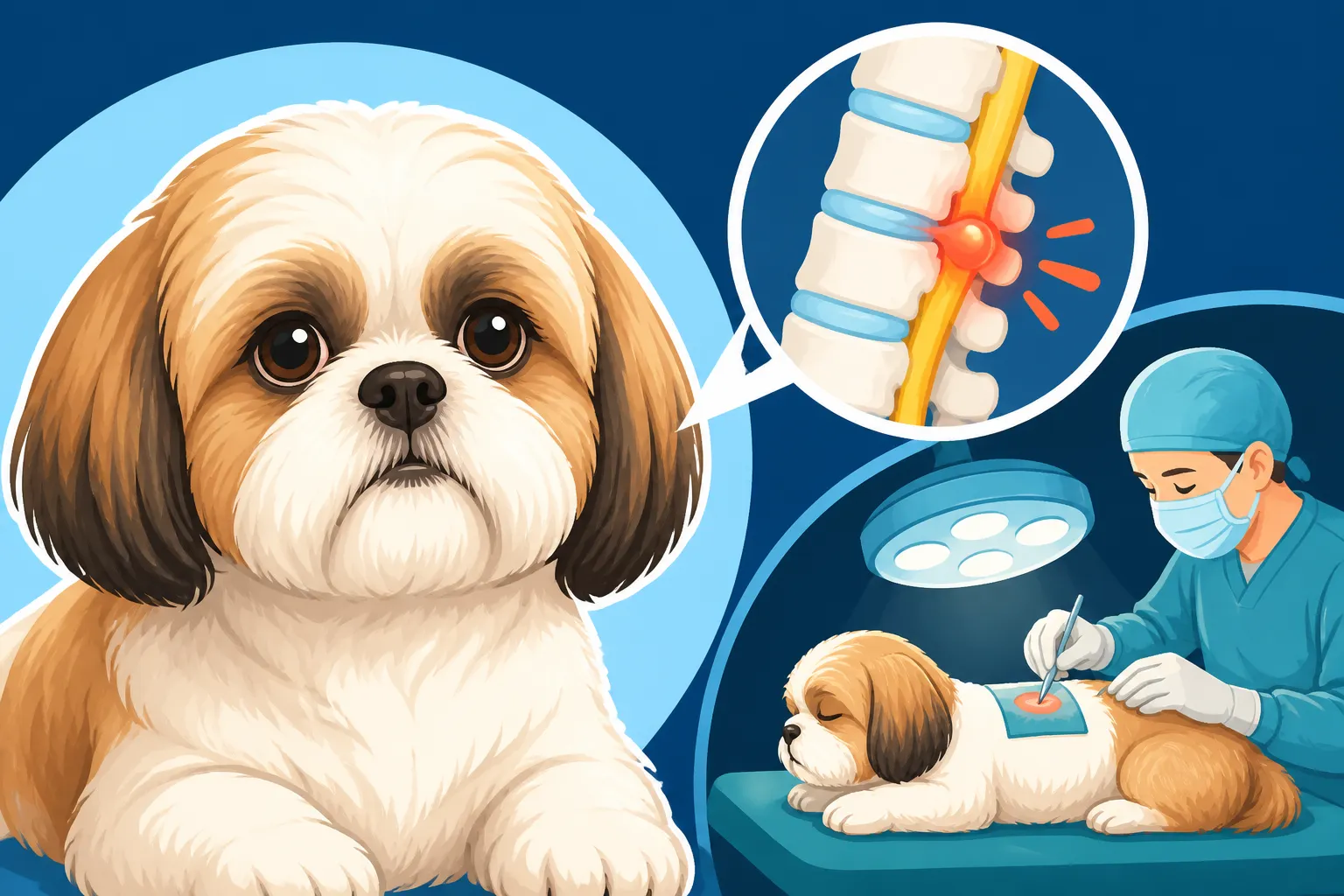
The most common surgical procedure for thoracolumbar IVDD in Shih Tzus is a hemilaminectomy. During this procedure, the surgeon carefully removes a small portion of bone from the side of the affected vertebra to access the spinal canal. This allows them to gently remove the extruded or protruding disc material that is compressing the spinal cord. The goal is decompression – to relieve the pressure and allow the spinal cord to heal.
In some cases, particularly for preventative measures or when multiple discs are at risk, a fenestration might also be performed. This involves making a small window in the outer layer of the disc (annulus fibrosus) and removing the inner, jelly-like material (nucleus pulposus) to prevent future herniations at that site. Fenestration is less invasive but typically used in conjunction with a hemilaminectomy or for milder, non-compressive disc issues.
The surgery is performed under general anesthesia by a board-certified veterinary neurologist or surgeon, often with a dedicated anesthesiology team monitoring your Shih Tzu's vital signs meticulously. These specialists have extensive training and experience in delicate spinal surgeries, giving your beloved pet the best possible chance of recovery. Post-surgery, your Shih Tzu will be closely monitored in the intensive care unit (ICU) for pain management, neurological assessment, and general recovery.
Recovery, Aftercare, and Long-Term Management
The surgery itself is only the first step. The recovery period is arguably just as critical, requiring immense dedication and patience from you as a pet parent. This phase often feels like a marathon, not a sprint, but your consistent effort can significantly influence your Shih Tzu’s long-term well-being.
Immediate Post-Operative Care
After disc surgery, your Shih Tzu will typically spend several days at the specialty hospital. During this time, the veterinary team focuses on aggressive pain management, often with a combination of oral medications and injectable drugs. They will monitor their neurological function closely, ensuring there are no complications and that they are starting to regain sensation or movement.
One of the biggest concerns post-op is bladder management. Many dogs with severe IVDD lose voluntary bladder control. The veterinary staff will manually express their bladder or use a catheter to ensure it’s emptied regularly, preventing urinary tract infections. Once your Shih Tzu comes home, you might need to continue expressing their bladder for a period, which your vet team will teach you how to do.
Upon discharge, you'll receive detailed instructions for home care. This will undoubtedly include a strict period of confinement, similar to crate rest, but often even more stringent. Your Shih Tzu will need to be in a small, secure space, preventing jumping, running, or stair climbing. This might feel harsh, but it's absolutely vital to protect the healing spine.
Physical Rehabilitation and Preventing Relapse
Physical therapy (PT) is an indispensable part of recovery. Once cleared by the surgeon, usually a few days to a week post-op, your Shih Tzu will likely start a rehabilitation program. This can include:
- Passive Range of Motion (PROM) exercises: Gently moving their limbs to maintain flexibility and prevent muscle atrophy.
- Massage: To improve circulation and reduce muscle stiffness.
- Therapeutic exercises: Gentle standing exercises, assisted walking, or Cavaletti rails to rebuild strength and coordination.
- Hydrotherapy: Underwater treadmill sessions are particularly beneficial as the buoyancy reduces weight-bearing stress while allowing for controlled movement and muscle building.
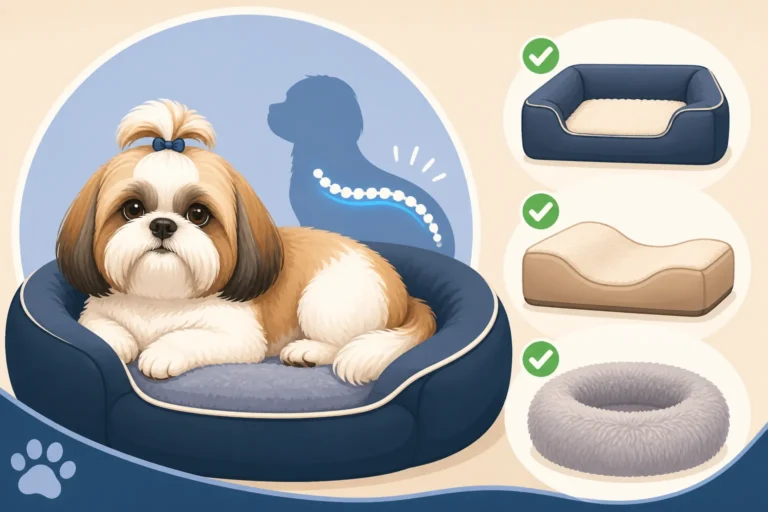
Many pet parents wonder Whether a Shih Tzu Walks Again After Disc Surgery, and the answer is often yes, but it takes time, consistent effort, and commitment to their rehabilitation. It's not uncommon for recovery to take several weeks to months, with gradual improvements. You might consider an orthopedic bed from a retailer like Chewy to ensure they have comfortable, supportive resting places throughout their recovery.
Long-term management is also about preventing recurrence. While surgery addresses the immediate problem, other discs can still degenerate. Key preventative measures include:
- Weight management: Keeping your Shih Tzu at a healthy weight minimizes stress on their spine.
- Controlled exercise: Avoiding high-impact activities, jumping, or rough play.
- Using ramps: Installing Ramps for a Shih Tzu With a Long Spine to allow them to get on and off furniture safely, preventing risky jumps.
- Harness use: Always use a harness instead of a collar to avoid putting pressure on the neck and spine during walks.
- Supplements: Your vet may recommend Joint Support for a Shih Tzu Back and Knees supplements, such as glucosamine and chondroitin, though their efficacy for IVDD prevention isn't fully proven.
Financial Considerations and Support for Disc Surgery
The decision to pursue specialist disc surgery for your Shih Tzu can be a life-saving one, but it also comes with significant financial implications. The costs associated with such specialized care can be substantial, and it’s crucial to understand what you might expect.
Breaking Down the Costs
Shih Tzu disc surgery at a specialist typically ranges from $3,000 to $8,000 or even higher, depending on the severity of the condition, the specific procedures required, the geographic location of the specialty hospital, and the duration of post-operative care. This figure often includes:
- Specialist Consultation: Initial evaluation by a veterinary neurologist or surgeon.
- Diagnostic Imaging: MRI or CT scan, as discussed earlier. This alone can be $1,500 – $3,000.
- Surgery Fees: Surgeon's fees, anesthesiologist's fees, operating room costs, and materials.
- Hospitalization: Several days of intensive care, monitoring, pain management, and nursing care.
- Medications: Post-operative pain relievers, anti-inflammatories, muscle relaxants, and antibiotics.
- Physical Rehabilitation: Initial sessions at the hospital and ongoing outpatient therapy.
These costs are often far more than what a general practice veterinarian would charge for routine care, reflecting the highly specialized nature of the equipment, expertise, and facility. When considering the broader picture, Shih Tzu Surgery Costs From the Mouth to the Eye illustrate that specialized procedures for this breed are often on the higher end due to their unique anatomical challenges.
Navigating Pet Insurance and Financial Aid
This is where pet insurance can be a true lifesaver. If you enrolled your Shih Tzu in a comprehensive pet insurance plan before any signs of IVDD appeared, a significant portion of these surgical costs could be covered. Companies like Healthy Paws offer robust plans that cover accidents, illnesses, and often specialist and emergency care. It's a prime example of why Shih Tzu Pet Insurance for a Flat-Faced Toy is such a critical investment, especially for breeds predisposed to genetic conditions like IVDD. Remember, most insurance policies consider existing conditions as "pre-existing," meaning they won't cover treatment for an issue diagnosed before or during the waiting period of your policy.
If you don't have pet insurance, or if your policy doesn't cover the full extent of the costs, there are other options to explore:
- Veterinary Credit Lines: Services like CareCredit or Scratchpay function like credit cards specifically for vet bills, offering deferred interest or low-interest payment plans. This can be a crucial resource for Vet Credit Lines for a Shih Tzu Emergency.
- Payment Plans with the Clinic: Some specialty hospitals offer their own in-house payment plans, though these vary widely.
- Veterinary Assistance Programs: Various non-profit organizations offer financial aid to pet owners who cannot afford emergency or critical care. These are usually need-based and require an application.
- Crowdfunding: Platforms like GoFundMe can help raise funds from friends, family, and compassionate strangers.
Discussing financial options with your veterinary team early on is essential. They are often familiar with various resources and can help you navigate these challenging decisions. The important thing is to ensure that financial constraints don't prevent your Shih Tzu from receiving the care they desperately need to live a pain-free life.
Disclaimer
The information provided in this article is for general informational purposes only and does not constitute veterinary medical advice. Always consult with a qualified veterinarian or veterinary specialist for any health concerns or before making any decisions about your pet's medical care.