Early Shih Tzu Back Pain Signs
It’s truly heartbreaking when your sweet Shih Tzu, usually so full of bounce and charm, starts showing signs of discomfort, especially when it comes to their back. Many owners struggle to pinpoint exactly when their dog started hurting, often mistaking subtle shifts in behavior for just being tired or "getting old." This guide is here to help you recognize those crucial early signs of back pain in your Shih Tzu, understanding their unique vulnerabilities, and knowing when it's time to seek professional help.
Understanding the Shih Tzu Spine and Its Vulnerabilities
Shih Tzus are delightful little dogs, but their charming appearance comes with some anatomical quirks that make them predisposed to certain health issues, particularly concerning their spine. As loving owners, understanding these inherent vulnerabilities is the first step in protecting our furry family members from unnecessary pain.
The Unique Anatomy of a Shih Tzu Back
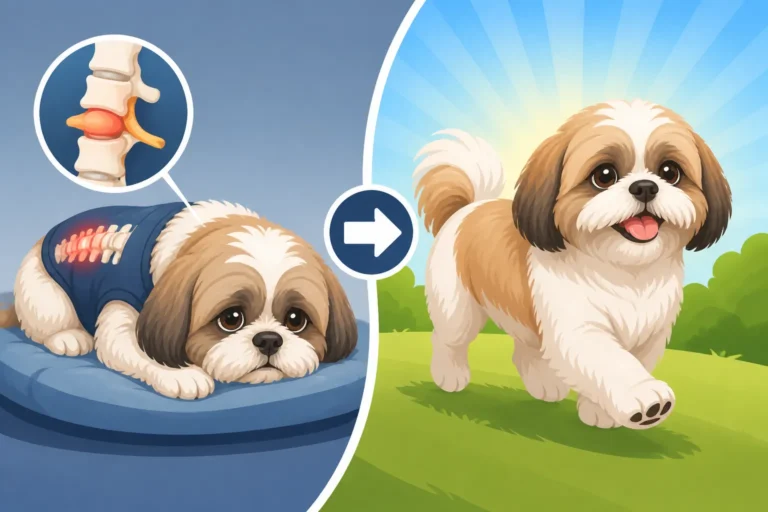
Think about the classic Shih Tzu silhouette: a long body perched on relatively short legs. This body type, scientifically known as chondrodystrophic, is common in many beloved toy breeds. While it contributes to their adorable look, it also means their spinal discs—the cushions between the vertebrae—are structured differently. Instead of having a soft, gel-like center that provides shock absorption, these discs can start to degenerate, or harden, much earlier in life than in other breeds. This process, often silent for years, makes them less resilient to everyday movements and more susceptible to injury. It’s like having tires that look fine on the outside but are slowly losing their inner integrity. The slightest jolt can cause a major problem.
This inherent weakness means that while a large, agile dog might withstand a playful jump or a misstep without issue, a Shih Tzu’s spine might not be so forgiving. It's why something as seemingly innocent as jumping off the sofa or taking a tumble can have serious repercussions. We often see how their short legs and long backs contribute to conditions like Shih Tzu Back Problems and Disc Disease, which can manifest unexpectedly.
How a Long Body and Short Legs Increase Risk
The combination of a long back and short legs creates a leverage issue for a Shih Tzu's spine. Imagine a long plank supported by short stilts in the middle; any pressure on either end puts significant strain on the central support. For your Shih Tzu, every twist, jump, or even just climbing stairs puts excessive pressure on those already vulnerable discs. This constant, repetitive stress can lead to the discs bulging or rupturing, pressing on the delicate spinal cord, and causing immense pain, nerve damage, and even paralysis.
This isn't just about sudden trauma; it's about cumulative wear and tear. Even daily activities, if not managed carefully, can exacerbate the risk. For instance, allowing your Shih Tzu to repeatedly jump off furniture, even low pieces, can contribute to disc issues over time. It’s a sad reality that their endearing proportions, which make them so captivating, are also their Achilles' heel when it comes to spinal health. This is a critical reason why understanding Why a Shih Tzu Spine Is Built to Slip is so vital for every owner. Recognizing this predisposition means we can be more proactive in preventing potential injuries and spotting the first glimmers of discomfort.
Subtle Behavioral Changes Indicating Back Pain
Unlike a broken leg, back pain isn't always immediately obvious. Shih Tzus, like many dogs, are remarkably stoic and might try to hide their discomfort. This means owners need to be extra vigilant, paying close attention to nuanced shifts in their dog's personality or routine. These subtle cues are often the first, most crucial indicators that something is amiss with their back.
Reluctance to Move or Play
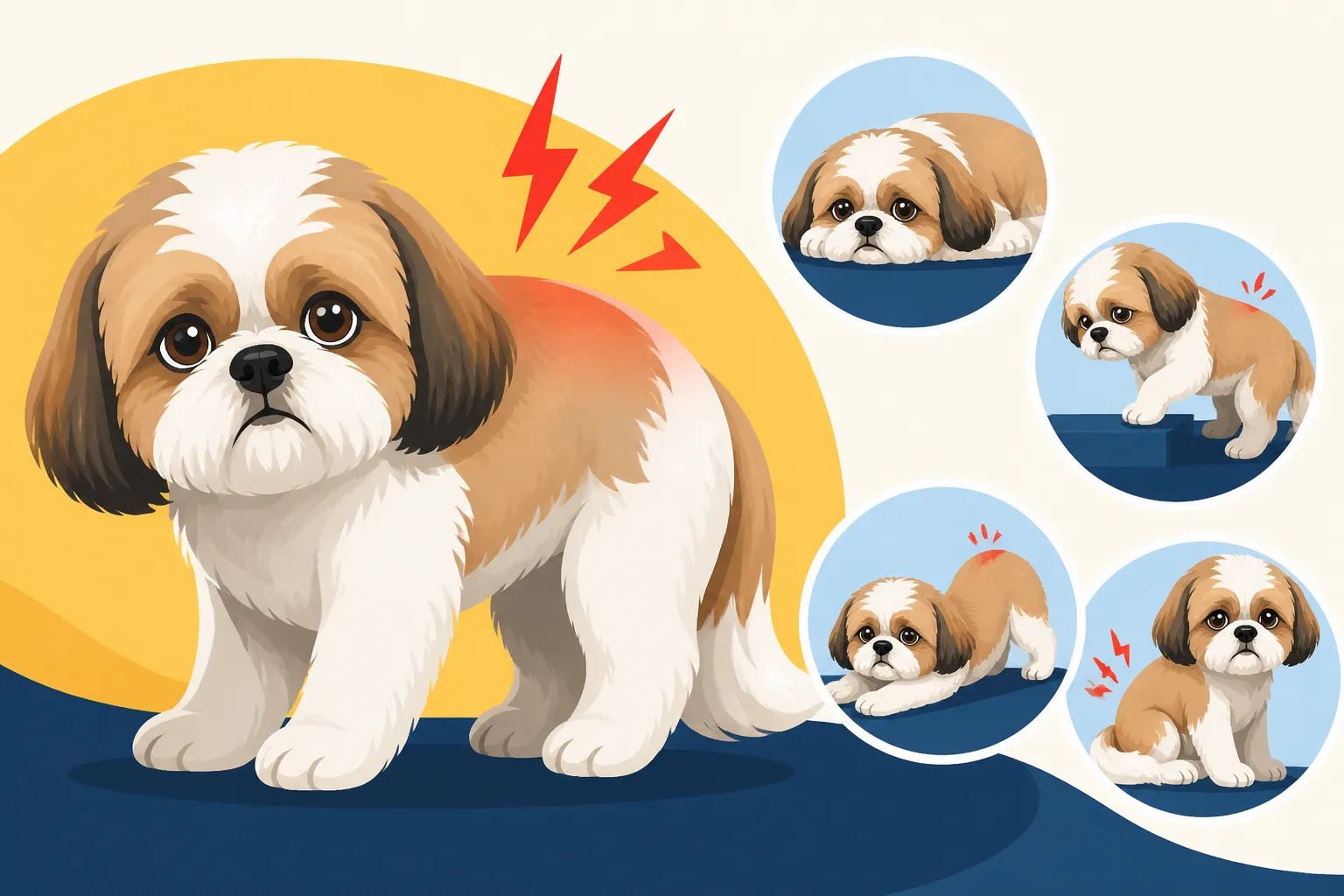
One of the earliest and most common signs of back pain in a Shih Tzu is a general reluctance to engage in activities they once loved. Your usually energetic pup might suddenly seem less interested in playtime. They might hesitate before jumping up for a treat or decline their usual morning romp in the yard. Perhaps they used to greet you at the door with excited wiggles, but now they simply stand or lie down, offering a subdued tail wag instead.
This isn't just about being "lazy." It's their instinctive way of trying to protect their painful back. You might notice them avoiding stairs, even if they used to bound up and down them with ease. They may be slower to get up from a nap or choose to lie in one spot for much longer. If your Shih Tzu suddenly becomes a couch potato when they used to be a little dynamo, it’s a big red flag. It’s particularly telling if you see "A Shih Tzu That Will Not Jump on the Sofa" anymore, or if they whimper when you try to lift them. This subtle withdrawal from movement can easily be mistaken for aging, but it warrants a closer look.
Changes in Posture and Gait
Back pain can manifest in very subtle changes to how your Shih Tzu stands, sits, or walks. You might observe a slight stiffness in their movements, as if they’re moving a bit more gingerly. Their back might seem hunched, or they might hold their head lower than usual, trying to alleviate pressure on their spine. When they walk, their gait might appear uneven or wobbly, particularly in their hindquarters. They might take shorter, choppier steps, or drag their paws slightly.
Sometimes, they might refuse to sit squarely, opting instead to lie on their side or in an unusual position that minimizes discomfort. Even their tail carriage might change; a tail that usually curls jauntily over their back might now hang lower or be tucked more frequently. Observing these shifts requires a keen eye, but they are vital clues. For instance, a common sign of a serious issue like Shih Tzu Disc Disease and Sudden Back Pain is an altered gait or a sudden change in how they carry their body. Keep an eye out for these visual indicators during their daily walks or even when they're just moving around the house.
Altered Appetite or Bathroom Habits
While not directly related to the back itself, systemic pain and discomfort can significantly impact a dog's overall well-being, leading to secondary behavioral changes. A Shih Tzu in pain might experience a decrease in appetite. The discomfort might make it difficult for them to get to their food bowl, or the act of bending down to eat might intensify their pain. They might pick at their food or refuse it entirely.
Similarly, their bathroom habits might change. If it's painful to squat or lift a leg, they might start having accidents inside the house. They might strain to defecate or urinate, or they might go to the bathroom in unusual places if getting outside or assuming the correct posture becomes too agonizing. This can be especially frustrating for owners who assume a sudden regression in house training is purely behavioral, when in fact, it could be a cry for help related to physical pain. Any unexplained changes in eating or elimination should prompt a thorough veterinary check-up, as these can be critical early indicators that something deeper is affecting their health.
Physical Manifestations of Shih Tzu Back Discomfort
Beyond the subtle behavioral cues, true back pain will often present with more direct physical symptoms. These can range from mild sensitivity to acute signs of distress, and understanding them is crucial for providing timely intervention.
Sensitivity to Touch and Yelping
One of the clearest indicators of back pain is when your Shih Tzu becomes sensitive to touch along their spine or abdomen. If you gently run your hand down their back, or try to pick them up, they might yelp, cry out, growl, or flinch away. They might stiffen their body, or even try to snap if the pain is severe and they feel threatened. This isn't aggression; it's a defensive reaction to anticipate or avoid pain.
Pay close attention during routine activities like grooming. If brushing their back or trying to clip their nails causes them distress, it's a sign. Even cuddling can become uncomfortable for them. If your typically affectionate Shih Tzu suddenly pushes you away when you try to pet their back or pick them up, take it seriously. It’s particularly concerning if you hear "A Shih Tzu Yelping When You Lift It," as this points to significant discomfort that needs immediate investigation. This touch sensitivity is a direct communication from your dog that a specific area of their body is hurting.
Muscle Spasms and Stiffness
When the spine is injured or inflamed, the surrounding muscles often go into spasm as a protective mechanism. You might feel these muscles along their back tightening up, becoming hard or rigid to the touch. Sometimes, you can even see them twitching or quivering under the fur. This muscular stiffness will contribute to their reluctance to move and their altered gait.
Your Shih Tzu might also appear generally stiff, especially after periods of rest. Getting up from a nap or a long lie-down might be a slow, awkward process. They might stretch unusually or hesitate before fully extending their limbs. This stiffness can sometimes extend to their neck, making it painful for them to turn their head from side to side or look up. This overall rigidity is a classic sign of pain and inflammation in the spinal area.
Altered Movement and Lameness
As back pain progresses, it can start to directly affect their ability to move their legs, particularly their hind legs. You might notice weakness or lameness in one or both back legs. They might drag their feet, stumble, or even collapse occasionally. In more severe cases, they might exhibit "knuckling," where they walk on the top of their paw rather than the pad, indicating nerve damage.
Sometimes, the weakness can be subtle at first, manifesting as a slight wobble or difficulty maintaining balance. They might struggle to hold themselves steady when standing or sitting. In serious situations, especially with severe disc herniation, a Shih Tzu can develop significant Shih Tzu Hind Leg Weakness, which can progress rapidly to partial or complete paralysis of the hindquarters. This is an emergency and requires immediate veterinary attention. Any sudden or progressive difficulty with walking or using their back legs is a clear sign that a significant spinal issue is at play.
Common Conditions Leading to Back Pain in Shih Tzus
Given their unique conformation, Shih Tzus are susceptible to several specific conditions that can lead to back pain. Understanding these common culprits can help owners advocate more effectively for their pets and ensure proper diagnostic and treatment plans.
Intervertebral Disc Disease (IVDD)
Intervertebral Disc Disease (IVDD) is by far the most prevalent and serious cause of back pain in Shih Tzus. As discussed, their chondrodystrophic breed structure means the discs between their vertebrae degenerate prematurely. Instead of acting as flexible shock absorbers, these discs can become brittle and bulge or rupture, pressing on the spinal cord. This pressure can cause mild pain, severe pain, or even paralysis depending on the location and severity of the disc protrusion.
There are different types of IVDD. Hansen Type I is more common in breeds like the Shih Tzu, involving the sudden rupture of a degenerated disc, often triggered by a seemingly minor movement like jumping. The pain can be excruciating, and the onset sudden. Owners might observe their dog screaming in pain, becoming suddenly immobile, or experiencing severe Shih Tzu Disc Disease and Sudden Back Pain. This condition often requires immediate and intensive veterinary care, including medication, strict crate rest, or even emergency surgery. The financial implications can be significant, which is why pet insurance providers like Healthy Paws often see claims related to this serious breed-specific issue. Early recognition of any changes in mobility is critical for a positive outcome.
Arthritis and Degenerative Joint Disease
While IVDD focuses on the discs, arthritis, or degenerative joint disease (DJD), typically affects the bony joints of the spine (facet joints) and other major joints like the hips and knees. As Shih Tzus age, the cartilage in these joints can wear down, leading to bone-on-bone friction, inflammation, and chronic pain. This kind of pain is often more insidious, developing slowly over time rather than with a sudden acute onset.
Arthritis can cause a general stiffness, particularly noticeable in the mornings or after long periods of rest. Your Shih Tzu might be slower to rise, have difficulty climbing stairs, or simply seem less enthusiastic about walks. While it affects primarily the joints, the resulting discomfort can alter their gait and posture, placing abnormal stress on the spine, thus leading to secondary back pain. Management often involves a combination of pain medication, joint supplements (like those for Joint Support for a Shih Tzu Back and Knees), physical therapy, and weight management. It's a common condition in Shih Tzu Arthritis After the Age of Nine, and while not always as dramatic as IVDD, it significantly impacts their quality of life if not managed properly.
Spinal Trauma and Injuries
Beyond degenerative conditions, Shih Tzus can unfortunately suffer from acute spinal trauma and injuries. Their small size and playful nature, combined with their vulnerable spines, make them prone to accidents. A fall from a bed or sofa, being stepped on, or even rough play with a larger dog can result in significant spinal injury. For instance, a tumble from a child's arms, or an unexpected twist during a grooming session if not properly restrained, can cause severe damage.
These injuries can lead to fractures of the vertebrae, sprains or strains of the spinal ligaments and muscles, or acute disc herniation. The symptoms will often be sudden and severe, including intense pain, yelping, inability to move, or immediate paralysis. If you witness your Shih Tzu suffer an accident or suspect they have experienced trauma, it's crucial to seek immediate veterinary attention. Even if the immediate signs are mild, internal injuries might not be visible, and prompt diagnosis and treatment are essential for preventing further damage and ensuring the best possible recovery. Always exercise extreme caution, and consider using ramps or pet stairs to help your Shih Tzu avoid risky jumps, as discussed in Ramps for a Shih Tzu With a Long Spine.
When to Seek Veterinary Attention for Back Pain
Recognizing the signs of back pain is just the first step; knowing when to act and what to expect from your veterinarian is equally important. Delaying professional evaluation can worsen outcomes, so it’s always best to err on the side of caution.
Observing Progressive or Acute Symptoms
If you notice any of the subtle behavioral or physical changes discussed—a reluctance to move, altered posture, sensitivity to touch, or even just a general "off" feeling—it’s time to call your vet. Even if the symptoms seem mild and intermittent, they could be early warnings of a more serious underlying issue. Early diagnosis often leads to more effective, less invasive treatment options.
However, if your Shih Tzu exhibits acute symptoms, such as sudden yelping, complete inability to move their back legs, dragging their hindquarters, or signs of extreme pain, this is an emergency. Do not wait. Get them to an emergency veterinary clinic immediately. These severe signs often indicate a ruptured disc or other acute spinal trauma that requires urgent medical intervention. Time is of the essence in these situations to preserve nerve function and prevent permanent damage. For less acute but still concerning signs, especially if they are progressive, arranging a prompt appointment with your regular veterinarian is crucial. During this time, gentle handling is key; consider using Crate Rest for a Shih Tzu With a Slipped Disc even before your vet visit to prevent further injury.
Diagnostic Tests a Vet Might Perform
When you visit the vet for suspected back pain, they will start with a thorough physical and neurological examination. They'll assess your Shih Tzu’s gait, reflexes, pain response, and muscle tone. They’ll also carefully palpate their spine to pinpoint areas of tenderness or spasm.
Depending on their findings, your vet might recommend several diagnostic tests:
- X-rays: While X-rays can show abnormalities in bone structure (like fractures or severe arthritis) and sometimes changes in disc spaces, they don't directly visualize the spinal cord or soft tissues like discs. They can, however, rule out other issues.
- Myelogram: This involves injecting a special dye around the spinal cord and then taking X-rays. The dye highlights areas where the spinal cord is compressed, giving a clearer picture of disc issues.
- CT Scan or MRI: These are the gold standard for diagnosing spinal problems, especially IVDD. They provide detailed cross-sectional images of the spine, spinal cord, and discs, allowing the vet to precisely locate the problem and assess its severity. These advanced imaging techniques are often performed by specialists and can be costly, making a good pet insurance plan like those offered by Healthy Paws invaluable for managing unexpected expenses.
- Blood tests: These help rule out other systemic illnesses or infections that could be causing pain or weakness.
Your vet will discuss the most appropriate diagnostic plan based on your Shih Tzu’s symptoms and the suspected cause of pain.
Immediate Steps to Take at Home
While you wait for your vet appointment, there are a few immediate steps you can take to help your Shih Tzu and prevent further injury. First and foremost, restrict their activity. This means strict crate rest or confining them to a small, safe area where they cannot jump, climb, or run. Use a carrier or carefully support their body when moving them.
Avoid any activities that might exacerbate their pain, such as jumping on or off furniture, using stairs, or rough play. If you typically lift them, support their body fully, avoiding putting pressure on their back. Consider using a sling or towel to support their hindquarters if they are struggling to walk. Keep them warm and comfortable. If they are eating, offer food and water at ground level to avoid neck strain.
Do not administer any human pain medications without consulting your vet, as many are toxic to dogs. If your vet has previously prescribed medication for pain or inflammation, follow their instructions carefully. And remember, observing your Shih Tzu carefully and noting down all symptoms, their onset, and any changes, will provide your vet with crucial information to make an accurate diagnosis. The swiftness with which you act can greatly influence the prognosis and ensure your beloved companion receives the care they need for Shih Tzu Mobility Decline in Old Age or acute injury. Knowing that your pet insurance, perhaps through Healthy Paws, can help cover these sudden costs can bring a lot of peace of mind during a stressful time.
| Symptom Category | Early/Subtle Signs | Progressive/Acute Signs | Action Required |
|---|---|---|---|
| Behavioral | Reluctance to jump/play, less enthusiastic greets | Hiding, whimpering, refusal to move, snapping when touched | Vet visit |
| Movement/Posture | Stiff gait, lower head carriage, unusual sitting | Hunched back, limping, knuckling, dragging legs, paralysis | Urgent vet attention |
| Physical | Mild tenderness along spine, muscle stiffness | Yelping upon touch, muscle spasms, crying out, shivering | Vet visit (or urgent if severe) |
| Daily Habits | Slight decrease in appetite, occasional accidents | Refusal to eat, frequent accidents, straining to defecate | Vet visit |
Disclaimer
This article is intended for informational purposes only and is not a substitute for professional veterinary advice, diagnosis, or treatment. Always seek the advice of your veterinarian or other qualified health provider with any questions you may have regarding a medical condition. Never disregard professional veterinary advice or delay in seeking it because of something you have read in this article.