Shih Tzu Hip Dysplasia at Toy Size
It's an absolute gut-punch to hear your beloved Shih Tzu might be dealing with hip dysplasia. We often associate this condition with large breeds, picturing big dogs limping around, so when it impacts our tiny, fluffy companions, it can feel incredibly unfair and confusing. This guide will walk you through everything you need to know about Shih Tzu hip dysplasia, from understanding why it happens to exploring treatment options and how to ensure your little lion dog still lives a full, happy life.
The Reality of Hip Dysplasia in Small Breeds
When you picture hip dysplasia, your mind probably jumps to a German Shepherd or a Golden Retriever, right? It’s true that large and giant breeds are disproportionately affected, but make no mistake, hip dysplasia can and does occur in smaller dogs, including our precious Shih Tzus. The mechanics are the same, but the way it manifests and impacts their tiny frames can sometimes be overlooked or misunderstood.
What Exactly is Hip Dysplasia?
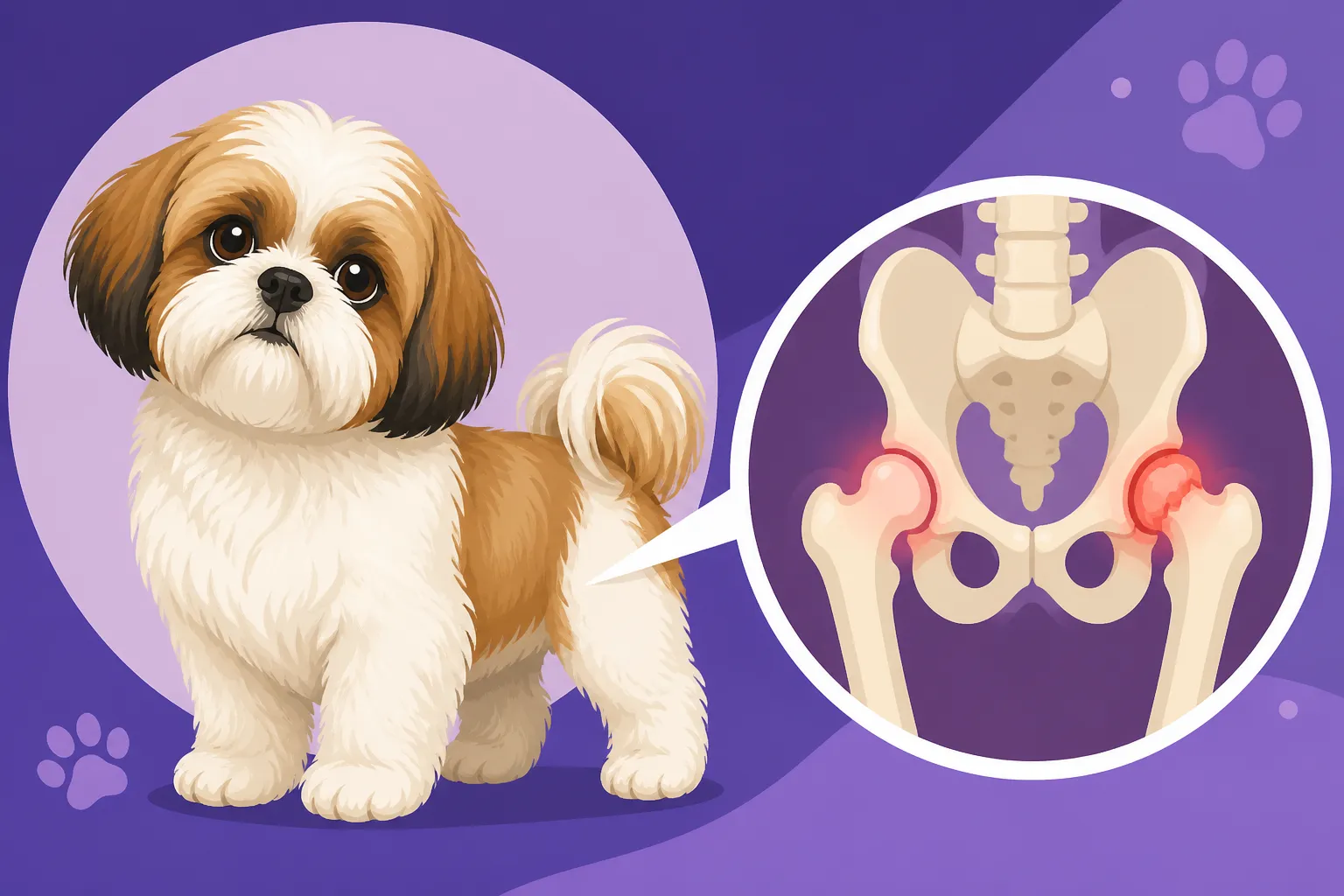
At its core, hip dysplasia is a condition where the hip joint doesn't form correctly. Think of a ball and socket joint: the "ball" (the head of the femur, or thigh bone) should fit snugly into the "socket" (the acetabulum, part of the pelvis). In a dysplastic hip, this fit is loose or malformed. This can mean the socket is too shallow, the ball isn't perfectly round, or both. Over time, this poor fit causes friction, instability, and eventually, the breakdown of cartilage and bone, leading to painful arthritis. It's a progressive disease, meaning it tends to get worse over time if not managed. This chronic discomfort and loss of mobility can significantly impact a dog's quality of life.
How It Presents Uniquely in Toy Dogs
While the underlying pathology is the same, how hip dysplasia shows up in a Shih Tzu can be a bit different from a Rottweiler. For one, their smaller size means they carry less overall weight, which might delay the onset of severe symptoms or make them less obvious. A large dog might collapse, but a Shih Tzu might just seem a little less enthusiastic about walks or jumping on the sofa. Owners might attribute subtle changes to "getting old" or just "being lazy," especially since their short legs already make extreme athleticism unlikely. Also, because they are so light, some Shih Tzus can compensate remarkably well for a long time, using their strong core muscles to mitigate the pain. This can make diagnosis harder in the early stages, as their symptoms might be very subtle. However, the degenerative changes are still happening, leading to chronic pain and reduced mobility eventually. It’s crucial not to dismiss even minor changes in gait or activity levels.
Genetics vs. Lifestyle in Shih Tzu Hip Health
Hip dysplasia is primarily a genetic condition. This means that dogs inherit a predisposition to develop it from their parents. If a Shih Tzu's parents or grandparents had hip dysplasia, or were carriers of the genes that lead to it, their offspring are at a much higher risk. That's why responsible breeders will conduct health screenings, like those from the Orthopedic Foundation for Animals (OFA), on their breeding stock. These screenings help ensure that dogs with poor hip conformation aren't used for breeding, thereby reducing the incidence in future generations. You can learn more about these tests by looking into The DNA and OFA Tests for a Shih Tzu Litter.
However, while genetics lay the groundwork, environmental factors can definitely influence the severity and progression of the disease. Rapid growth in puppies due to overfeeding, excessive or inappropriate exercise (like too much jumping or rough play), maintaining an unhealthy weight, and even slippery floors can exacerbate the condition in a genetically predisposed dog. It's not about preventing it entirely if the genes are there, but about managing factors that could make it worse. Maintaining a healthy weight and providing appropriate exercise are key components of prevention and management.
Why Your Shih Tzu Might Be At Risk
It’s easy to think of small dogs as inherently less prone to certain issues, especially when those issues are often highlighted in giant breeds. But Shih Tzus, with their unique build, have their own set of vulnerabilities that can contribute to hip issues, even if it’s not as widely publicized as it is for, say, a Saint Bernard.
The Shih Tzu's Unique Skeletal Structure
Shih Tzus are built for charm, not for scaling mountains. Their compact, sturdy bodies, short legs, and surprisingly long backs contribute to a distinct skeletal structure. While these features are part of what makes them so adorable, they also present certain biomechanical challenges. Their small size means their joints are inherently delicate, and even minor conformational flaws can have significant consequences over time. Their bone structure, while resilient for their size, is not designed for high-impact activities or constant stress. The way their hind legs are set can influence the stability of the hip joint. An abnormal angulation or muscle imbalance around the hip can put undue stress on the ball-and-socket joint, making it more prone to laxity and the subsequent development of dysplasia. For a broader understanding of joint health in this breed, consider reading about Shih Tzu Joint Problems in a Toy Frame.
Puppyhood Growth and Potential Pitfalls
The most critical period for hip development in any dog is during puppyhood. For a Shih Tzu, this rapid growth phase, typically from birth up to about 8-12 months, is when the hip joints are forming. Any disruption or undue stress during this time can negatively impact the final shape and fit of the joint. Over-nutrition, particularly diets too high in calcium or calories, can lead to accelerated growth that outpaces the development of cartilage and soft tissues, resulting in looser joints. Similarly, excessive exercise or inappropriate play, like frequently jumping off high furniture, can put abnormal stress on forming hips. While puppies need play, ensuring it's safe and age-appropriate is vital. Think controlled play sessions and perhaps ramps to access furniture, rather than free-for-all tumbling and jumping. Preventing these early stresses is paramount, especially if you know your puppy comes from lines with a history of joint issues.
Busting the Myth of Toy Breed Invincibility
There's a common misconception that toy breeds are somehow immune to the more serious orthopedic conditions seen in larger dogs. Perhaps it's their dainty appearance, or the fact that they're often carried, but many owners are genuinely surprised to learn their small dog can develop something like hip dysplasia. This myth can lead to a delay in recognizing symptoms or seeking veterinary care. Owners might dismiss a slight limp or reluctance to jump as a minor sprain or simply a personality quirk. But just like any dog, a Shih Tzu's bones and joints are subject to the same biological principles, and genetic predispositions don't discriminate based on size. In fact, due to their small size, other joint issues like Patellar Luxation in a Shih Tzu are also quite common, making a comprehensive understanding of their musculoskeletal health even more important. It's a reminder that even the tiniest family members need vigilant care and attention to their physical well-being.
Spotting the Subtle Signs of Hip Dysplasia
Because Shih Tzus are small and incredibly good at hiding discomfort, recognizing the signs of hip dysplasia can be a real challenge. They can be incredibly stoic, often masking pain until the condition is quite advanced. This makes it crucial for owners to be observant and proactive, paying close attention to any changes, no matter how minor they seem. Early detection can significantly impact the success of management and treatment.
Early Indicators in Your Growing Puppy
Catching hip dysplasia early in a Shih Tzu puppy is ideal, though often difficult. The signs might be incredibly subtle. You might notice your puppy has a slight "bunny hop" gait when running, where both hind legs move together. They might show a reluctance to play as vigorously as other puppies, or seem tired after shorter periods of activity. Some puppies might have difficulty standing up from a lying position, or seem stiff, especially in the mornings or after a nap. You might observe them shifting their weight forward onto their front legs to alleviate pressure on their hips. Pay attention if your puppy avoids stairs or struggles with certain movements. While these signs can be intermittent, they are red flags that warrant a veterinary check-up. Remember, puppies are supposed to be bundles of energy; any consistent energy dip or movement oddity should be investigated. For more on specific symptoms, you might find Shih Tzu Hip Dysplasia Symptoms helpful.
Progressive Symptoms in Adult Shih Tzus
As hip dysplasia progresses into adulthood, the signs tend to become more consistent and noticeable. You might see a noticeable lameness in one or both hind legs, particularly after exercise or rest. Your Shih Tzu might struggle to jump onto furniture or into the car, or they might completely stop attempting these actions. They might show signs of pain when their hip area is touched or when getting up. Muscle loss in the hindquarters is another common indicator, as they begin to favor their front legs and reduce weight-bearing on the affected hips. You might also notice a decrease in overall activity levels, a reluctance to go for walks, or a general stiffness in their gait. As arthritis sets in, their joints can become noticeably swollen or warm to the touch. This is the stage where the chronic pain really starts to impact their daily life, and interventions become more urgent.
Differentiating Hip Pain from Other Aches
This is where things get tricky, because many conditions can present with similar symptoms. A limping Shih Tzu could have a Shih Tzu Back Problems and Disc Disease, which is also unfortunately common in the breed due to their long spines. They could have a sprain, a torn ligament, or a luxating patella (slipping kneecap). Distinguishing between these requires a thorough veterinary examination. For instance, a dog with a luxating patella might skip a step occasionally, while a dog with hip dysplasia might have a more consistent, generalized stiffness in the hindquarters. Back pain often manifests as reluctance to move the tail, an arched back, or screaming when picked up, whereas hip pain is typically localized to the rear legs. Sometimes, the pain can even be referred, meaning a problem in one area causes pain in another. This is why self-diagnosis is not only difficult but potentially dangerous. Always consult your veterinarian if you suspect any kind of musculoskeletal discomfort.
Getting a Diagnosis and Professional Guidance
When you suspect your Shih Tzu might have hip dysplasia, the most important step is getting a clear diagnosis from a veterinarian. It's the only way to confirm the condition and rule out other potential problems that might be causing similar symptoms. Don't delay; early and accurate diagnosis is key to effective management.
Your Vet's Initial Examination and Gait Assessment
Your journey to a diagnosis will begin with a comprehensive physical examination by your veterinarian. They’ll ask you a lot of questions about your Shih Tzu's history, activity levels, any changes you've noticed, and when the symptoms first appeared. During the physical exam, your vet will carefully palpate (feel) your dog's hips, looking for signs of pain, instability, or reduced range of motion. They might perform specific maneuvers, such as the Ortolani test or Bardens test, which help assess hip joint laxity, though these can be harder to interpret in toy breeds due to their size and muscle mass.
A crucial part of the examination is the gait assessment. Your vet will watch your Shih Tzu walk, trot, and sometimes even run, observing their stride, symmetry, and overall movement patterns. They'll look for signs like "bunny hopping," favoring one leg, a swaying gait, or difficulty getting up. Even subtle changes in how your Shih Tzu carries their weight or moves their hindquarters can provide valuable clues. It’s often helpful if you can bring videos of your dog moving naturally at home, as some dogs get nervous and move differently in a clinical setting.
Unveiling the Truth with X-rays and Imaging
While the physical exam gives strong indications, the definitive diagnosis of hip dysplasia comes from radiographic imaging, specifically X-rays. Your vet will likely recommend taking X-rays of your Shih Tzu's hips. For these images to be clear and diagnostic, your dog will need to be sedated or given light anesthesia. This ensures they are perfectly still and positioned correctly, allowing for precise measurements and evaluation of the hip joint. Incorrect positioning can lead to misleading results, either underestimating or overestimating the severity of the dysplasia.
The X-rays will show the bone structure of the hip joints, revealing the shape of the femoral heads and acetabula, and the degree of fit between them. They can also reveal secondary changes, such as arthritic bone remodeling, osteophytes (bone spurs), and joint fluid accumulation. These images allow the veterinarian to grade the severity of the dysplasia. The OFA, for example, uses a grading system from excellent to severe dysplasia. Understanding these images is crucial for forming a proper treatment plan.
When to Seek a Specialist's Opinion
In some cases, your primary veterinarian might recommend consulting with a veterinary orthopedic specialist. This is particularly common if the diagnosis is unclear, if the condition is severe, or if surgical intervention is being considered. An orthopedic specialist has advanced training and experience in diagnosing and treating bone and joint conditions. They might perform additional diagnostic tests, such as computed tomography (CT) scans or magnetic resonance imaging (MRI), which can provide more detailed images of the soft tissues (cartilage, ligaments) and bone structures that plain X-rays can't fully capture.
They can also offer a more in-depth discussion about the various surgical options and their potential outcomes for your specific Shih Tzu. A specialist can provide a second opinion, confirm a diagnosis, and guide you through the complexities of advanced treatment plans, ensuring your Shih Tzu receives the most appropriate and effective care. This consultation can be especially helpful when weighing the significant decision of surgery versus conservative management.
Navigating Treatment Options for Your Shih Tzu
Once hip dysplasia is diagnosed, it's natural to feel overwhelmed, but rest assured, there are many effective ways to manage the condition and improve your Shih Tzu's quality of life. The best approach depends on the severity of the dysplasia, your dog's age, overall health, and your personal circumstances.
Managing Without Surgery: Conservative Approaches
For many Shih Tzus, especially those with mild to moderate dysplasia, conservative (non-surgical) management is the first line of treatment. The goal here is to reduce pain, improve mobility, and slow the progression of arthritis.
- Weight Management: This is arguably the most critical aspect. Every extra pound puts immense strain on compromised joints. Keeping your Shih Tzu at their ideal weight significantly reduces stress on the hips and can dramatically improve comfort. For guidance on maintaining a healthy weight, you might want to read about Shih Tzu Obesity on a Sixteen Pound Frame.
- Controlled Exercise: While rest is important during flare-ups, gentle, consistent exercise helps maintain muscle mass, which supports the joints. Low-impact activities like short, leashed walks or swimming are excellent. Avoid jumping, running on hard surfaces, or strenuous play that could worsen joint wear.
- Anti-inflammatory Medications: Your vet may prescribe Non-Steroidal Anti-Inflammatory Drugs (NSAIDs) like carprofen (Rimadyl), meloxicam (Metacam), or firocoxib (Previcox) to manage pain and inflammation. These are crucial for comfort but come with potential side effects, so regular monitoring by your vet is essential.
- Joint Supplements: Glucosamine, chondroitin sulfate, and omega-3 fatty acids can help support cartilage health and reduce inflammation. Brands like Nutramax Dasuquin or Cosequin are often recommended. While not a cure, they can be a valuable part of a multimodal pain management plan. Check out Joint Support for a Shih Tzu Back and Knees for more insights into supplements.
- Physical Therapy: This can be incredibly beneficial. A certified canine rehabilitation therapist can develop a tailored exercise program, including therapeutic exercises, underwater treadmill sessions, and massage, to strengthen supporting muscles, improve range of motion, and reduce pain.
Surgical Solutions: Weighing the Pros and Cons
When conservative management isn't enough to control pain or maintain an acceptable quality of life, surgery becomes a consideration. While daunting, orthopedic surgery can offer significant relief and improved function for the right candidate.
- Femoral Head Ostectomy (FHO): This procedure involves removing the "ball" portion of the hip joint (the femoral head). The body then forms a "false joint" of scar tissue. For small dogs like Shih Tzus, FHO can be quite successful as their lighter weight allows them to adapt well to the new joint. It eliminates the bone-on-bone pain and allows for relatively normal function once rehabilitation is complete. The recovery involves strict rest followed by intensive physical therapy to build muscle.
- Total Hip Replacement (THR): Less common in very small toy breeds due to the size of the implants, THR involves replacing both the ball and socket with prosthetic components. This is the most effective surgical option for restoring normal hip function and eliminating pain, but it's also the most invasive and expensive. It requires specialized surgeons and can have a longer, more intensive recovery period.
- Triple Pelvic Osteotomy (TPO) / Double Pelvic Osteotomy (DPO): These procedures are typically performed on younger dogs (before significant arthritis develops) whose hips are still salvageable. The surgeon cuts the pelvis in specific places and rotates the bone segments to improve the fit of the femoral head in the acetabulum, providing better coverage. This surgery aims to prevent future degeneration. However, it's a complex procedure and requires a very specific set of circumstances to be successful.
Choosing surgery is a big decision, and it comes with financial considerations too. Investing in pet insurance from providers like Healthy Paws early on can certainly help offset some of these significant costs, especially if a specialist is needed.
Long-Term Pain Management and Support
Regardless of whether your Shih Tzu undergoes surgery or is managed conservatively, long-term pain management is crucial. Hip dysplasia is a chronic condition, and ongoing care will be necessary to keep your dog comfortable.
This often involves a combination of strategies:
- Regular Vet Check-ups: Consistent visits to your vet are vital to monitor pain levels, assess mobility, and adjust medications or treatments as needed.
- Environmental Modifications: Making your home joint-friendly can make a huge difference. Think about ramps to allow easy access to beds or sofas (check out Ramps for a Shih Tzu With a Long Spine), non-slip rugs on hard floors, and orthopedic dog beds.
- Alternative Therapies: Acupuncture, laser therapy, and chiropractic adjustments can complement conventional treatments, providing additional pain relief and improved function for some dogs.
- Continuing Supplements: Many owners find that maintaining their dog on a daily regimen of joint supplements helps sustain their comfort levels over the years.
- Weight Maintenance: We can't stress this enough – it's a lifelong commitment.
- Understanding Flare-ups: Learn to recognize when your dog is experiencing increased pain (e.g., more stiffness, reluctance to move, changes in appetite) so you can address it quickly with veterinary guidance.
Here's a quick comparison of common treatment approaches:
| Treatment Type | Description | Ideal Candidate | Pros | Cons |
|---|---|---|---|---|
| Conservative | Weight management, controlled exercise, NSAIDs, supplements, physical therapy | Mild to moderate dysplasia, older dogs | Less invasive, lower cost (initially) | May not prevent progression, ongoing medication needs, requires owner commitment |
| FHO (Femoral Head Ostectomy) | Removal of femoral head; false joint forms | Small dogs, moderate to severe pain | Eliminates joint pain, relatively less complex than THR | Requires significant rehab, limb shortening possible, not always perfect function |
| THR (Total Hip Replacement) | Replacement of ball and socket with prosthetics | Younger dogs, severe dysplasia, good health | Restores near-normal function, eliminates pain, best long-term outcome | Highly invasive, expensive, specialized surgery, potential complications |
| TPO/DPO (Pelvic Osteotomy) | Pelvis reshaped to improve joint fit | Young dogs (under 10-12 months), mild dysplasia | Prevents future degeneration, preserves natural joint | Highly invasive, specific candidate requirements, long recovery |
Adapting Life for a Shih Tzu with Hip Dysplasia
Receiving a diagnosis of hip dysplasia for your Shih Tzu can feel daunting, but it’s far from a death sentence. With thoughtful adjustments and dedicated care, your little companion can continue to live a fulfilling and comfortable life. It’s all about creating an environment that supports their joint health and minimizes strain.
Creating a Joint-Friendly Home Environment
Your home should be a safe haven, especially for a dog with hip dysplasia. The goal is to reduce jumping, slipping, and any activities that put undue stress on their hips.
- Ramps and Stairs: Instead of allowing your Shih Tzu to jump on and off furniture or climb stairs, invest in ramps or pet stairs. Place them strategically by sofas, beds, and any other elevated surfaces your dog enjoys. This protects their joints from repetitive impact. For more ideas on how to manage mobility issues, you can look into Shih Tzu Mobility Decline in Old Age.
- Non-Slip Surfaces: Hardwood, tile, or laminate floors can be incredibly challenging for dogs with joint issues, as they lack traction. Lay down rugs, runners, or carpet squares in high-traffic areas. This provides much-needed grip, preventing slips and falls that can exacerbate pain or cause injury.
- Orthopedic Beds: A supportive, orthopedic dog bed is a must. These beds are designed to cradle joints, distribute weight evenly, and provide cushioning, offering maximum comfort during rest. Avoid flimsy beds that offer no support.
- Elevated Food and Water Bowls: While not always necessary for toy breeds, some Shih Tzus with advanced dysplasia may find it more comfortable to eat and drink from elevated bowls, reducing the need to stoop.
- Easy Access Points: Consider how your Shih Tzu moves around the house. Can they easily get to their favorite resting spots without struggling? Adjust furniture or block off areas that might lead to dangerous jumps.
Smart Exercise and Physical Therapy
Exercise is still important for a Shih Tzu with hip dysplasia, but it needs to be modified. The aim is to maintain muscle strength and joint flexibility without causing pain or further damage.
- Low-Impact Activities: Focus on activities that are gentle on the joints. Short, frequent leashed walks on soft surfaces (like grass or dirt trails) are ideal. Avoid long, strenuous hikes or rough play that involves sudden stops, starts, or twists. Swimming is an excellent non-weight-bearing exercise that strengthens muscles without stressing the hips.
- Therapeutic Exercises: A certified canine rehabilitation therapist can teach you specific exercises to perform at home. These might include controlled leash walks, gentle range-of-motion exercises, or standing exercises to build hindquarter strength. Consistency with these exercises can make a significant difference.
- Physical Therapy Sessions: Regular sessions with a rehabilitation specialist can include modalities like underwater treadmill therapy, therapeutic massage, cold laser therapy, and acupuncture. These can reduce pain, improve circulation, and enhance mobility, making your Shih Tzu much more comfortable. These therapies can greatly aid in preventing further decline.
- Monitor and Adapt: Always observe your dog's response to exercise. If they seem more stiff or painful after an activity, reduce the intensity or duration next time. Some days will be better than others; listen to your dog and adjust accordingly. Even a short walk is better than no movement, as complete inactivity can lead to muscle atrophy.
Dietary Considerations and Supplement Support
Nutrition plays a vital role in managing hip dysplasia, both in terms of maintaining an ideal weight and providing joint-supporting nutrients.
- Weight Management Diet: As mentioned, maintaining an ideal body weight is paramount. Work with your vet to determine the appropriate caloric intake and choose a high-quality, balanced dog food. If your Shih Tzu is overweight, a controlled weight-loss program using a prescription diet or carefully measured portions of a healthy kibble will be essential. This is one of the most impactful things you can do to ease the burden on their joints.
- Joint-Supportive Supplements: Many veterinarians recommend joint supplements containing ingredients like glucosamine, chondroitin sulfate, MSM, and omega-3 fatty acids (specifically EPA and DHA). These ingredients are believed to help support cartilage health, reduce inflammation, and provide some pain relief. While not a cure, they are a valuable adjunct to other treatments. Many reputable brands offer specific formulas for joint support.
- Antioxidants and Anti-inflammatory Foods: Some dog foods incorporate natural anti-inflammatory ingredients like turmeric or green-lipped mussel extract. Discuss with your vet if a specific therapeutic diet or additional natural supplements could benefit your Shih Tzu. Always clear any new supplements or major dietary changes with your veterinarian to ensure they are appropriate and don't interact with other medications. Maintaining consistent dialogue with your vet, especially if you have pet insurance like Healthy Paws, ensures that all your health and wellness decisions are informed and covered.
Disclaimer
The information provided in this article is for general informational purposes only and is not a substitute for professional veterinary advice. Always consult with a qualified veterinarian for any health concerns or before making any decisions related to your Shih Tzu's health or treatment plan.