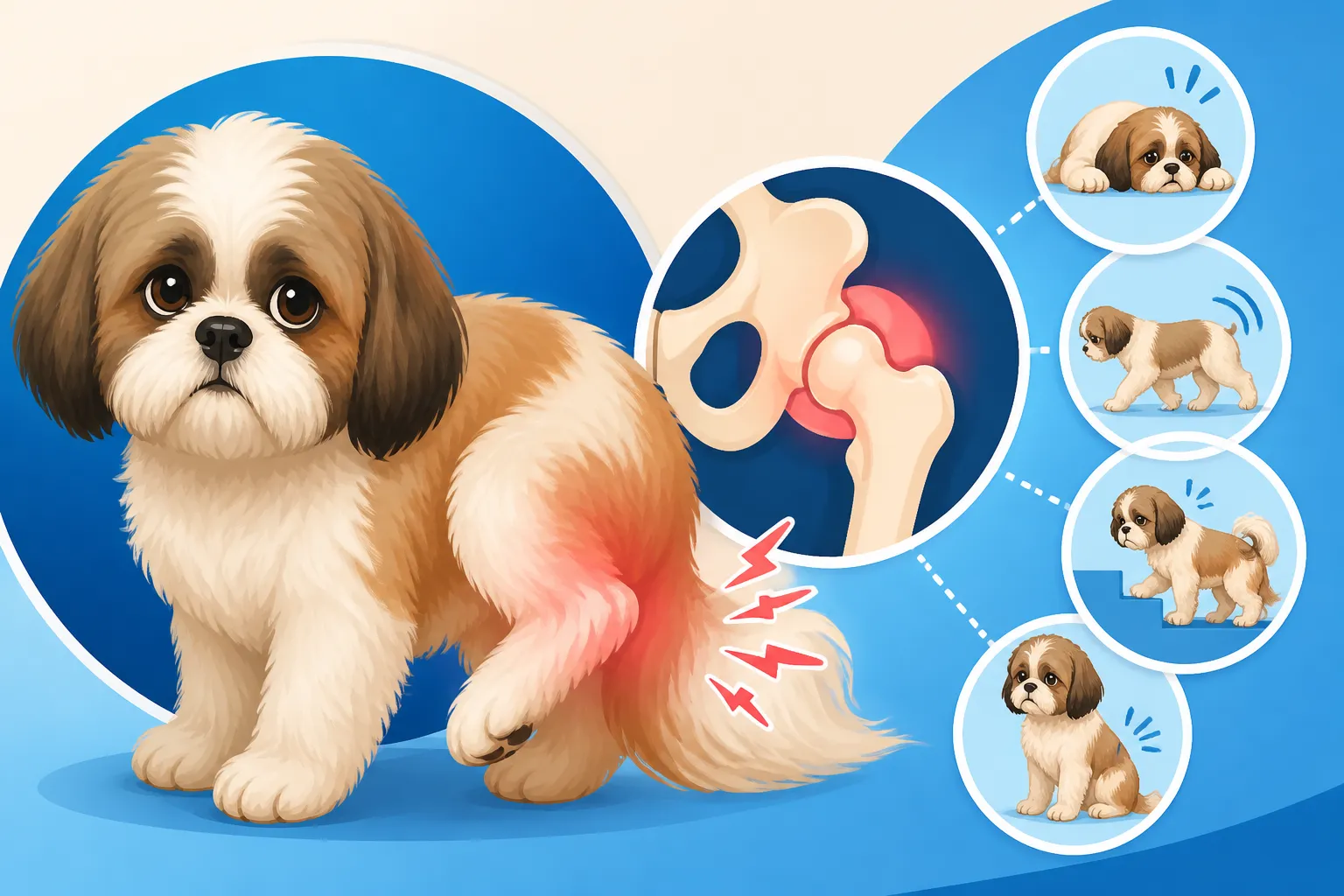
Shih Tzu Hip Dysplasia Symptoms
It's heartbreaking to see your usually bouncy Shih Tzu start to slow down, hesitate before jumping, or even limp. Many of us automatically assume it's just a sprain or maybe a touch of arthritis as they get older, but sometimes, especially in breeds like ours, these signs can point to something more significant: hip dysplasia. This guide is here to help you understand the symptoms, what's happening inside your furry friend's joints, and how you can support them through it.
Understanding Hip Dysplasia in Toy Breeds
When we think of hip dysplasia, often our minds go straight to big dogs like German Shepherds or Labradors. It's a condition commonly associated with larger breeds, but the truth is, it can absolutely affect our smaller companions, including the adorable Shih Tzu. It might manifest a bit differently, and sometimes, the smaller size can even make the subtle signs harder to spot until the condition has progressed.
The Anatomy of a Shih Tzu Hip
Imagine your Shih Tzu's hip as a perfect ball-and-socket joint. The "ball" is the head of the femur (thigh bone), and the "socket" is part of the pelvis called the acetabulum. In a healthy hip, these two parts fit together snugly, allowing for smooth, pain-free movement, much like a well-oiled hinge. Ligaments hold everything securely in place, and cartilage provides a cushion between the bones, ensuring there’s no grinding.
For a toy breed like the Shih Tzu, these joints are, of course, scaled down, but they still operate on the same principle. When everything is working correctly, your little one can zoom around, jump on the sofa (even though we try to discourage it for their backs!), and generally be their joyful, energetic self without a second thought to how their hips are holding up. It’s when this perfect fit starts to go awry that problems begin.
How Hip Dysplasia Develops
Hip dysplasia isn't usually something that just "happens" overnight. It's a developmental condition, meaning it starts as your Shih Tzu grows. Essentially, in a dysplastic hip, that perfect ball-and-socket joint doesn't form correctly. The socket might be too shallow, or the head of the femur might not be perfectly round. Sometimes, the ligaments that should hold the joint tightly together are too loose.
This laxity, or looseness, in the joint means the ball and socket don't maintain proper contact. Over time, as your dog moves, the bones rub and grind against each other instead of gliding smoothly. This friction causes damage to the cartilage, leading to inflammation, pain, and eventually, degenerative joint disease or osteoarthritis. It’s a frustrating cycle because the more the joint grinds, the more it degrades, and the more painful it becomes. Many owners express frustration when their puppy seems fine, then suddenly, signs begin to appear as they mature, often around six months to a year, or even later when arthritis sets in. It’s important to remember that while genetics play a significant role, environmental factors like rapid growth, excessive exercise on immature joints, or even poor nutrition during puppyhood can sometimes exacerbate the condition.
Early Signs of Hip Dysplasia to Watch For
Recognizing hip dysplasia early in a Shih Tzu can be tricky because they’re small, often very stoic, and sometimes their fluffy coats can hide subtle physical changes. Plus, their natural lower energy levels compared to, say, a Jack Russell, might make changes in activity less obvious. However, being observant of their daily habits and movements is key.
Subtle Changes in Movement and Gait
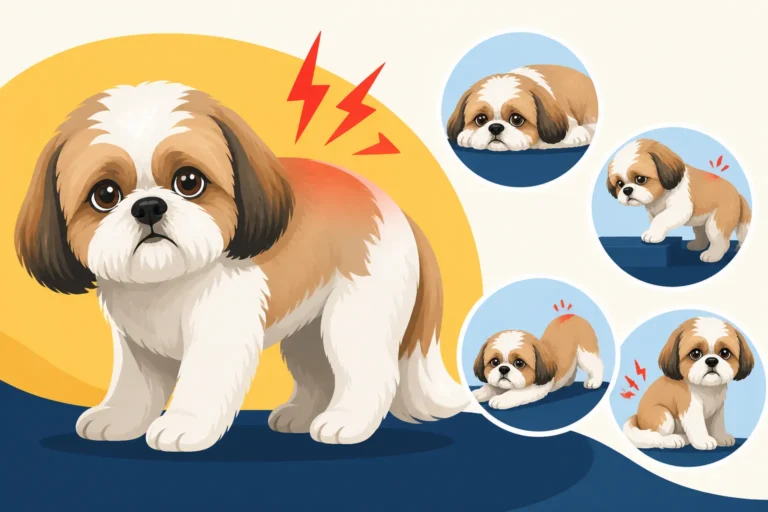
One of the first things you might notice is a change in how your Shih Tzu walks or runs. They might develop what's often called a "bunny hop" gait, where they use both hind legs simultaneously to propel themselves forward, almost like a rabbit, instead of alternating them. This is their way of trying to minimize weight bearing on the painful hip. You might also see them taking shorter steps with their hind legs, or their rear end might sway more excessively than usual when they walk.
Another common early sign is stiffness, especially after they’ve been resting or sleeping. They might struggle to stand up, taking a moment or two to get comfortable, or appear stiff and sore after a walk that they previously handled with ease. This stiffness often lessens as they "warm up" but will return after periods of inactivity. They might also show a reluctance to engage in activities they once loved, like chasing a toy across the yard or even just going for their usual walk. If you've ever found yourself wondering why your active little companion is suddenly less enthusiastic about their daily strolls, or why they seem to be losing interest in playtime, it could be more than just a passing mood. Changes in mobility are often the first hint that something deeper is going on, as you might also see with Shih Tzu Mobility Decline in Old Age.
Behavioral Clues and Discomfort
Beyond just how they move, your Shih Tzu might start displaying behavioral changes directly related to their pain. They may become hesitant or completely refuse to jump onto the sofa, your bed, or even up and down stairs. This isn't stubbornness; it's usually because the impact or specific movement of jumping causes a sharp pain in their hips. What was once an effortless leap might now be a huge obstacle. You might also notice them struggling to get into or out of the car, needing more assistance than before.
Another significant sign of discomfort is vocalization. They might whine or yelp when you touch their hip area, or even when they shift positions in their sleep. Some dogs become unusually sensitive to being petted or groomed around their hindquarters. It’s also possible for their personality to shift slightly; a normally sweet-natured dog might become a bit snappy or withdrawn if they’re in constant pain. They might hide more, or generally seem less engaged with the family. These behavioral cues, particularly the reluctance to jump, can sometimes be confused with Early Shih Tzu Back Pain Signs, which is why a thorough veterinary examination is always crucial to pinpoint the exact source of discomfort.
Advanced Symptoms and Progressive Pain
As hip dysplasia progresses, the subtle signs tend to become much more pronounced, and the impact on your Shih Tzu's daily life becomes undeniable. The continuous friction and inflammation within the joint lead to more severe arthritic changes, and the associated pain intensifies.
Visible Muscle Atrophy and Postural Changes
One of the most telling signs of advanced hip dysplasia is the visible change in your Shih Tzu's physical appearance, particularly in their hindquarters. Because they are trying to avoid putting weight and pressure on their painful hips, they will naturally use those muscles less and less. This leads to a noticeable wasting away, or atrophy, of the muscles in their thighs and hind legs. When you look at them from behind, their rear end might appear narrower or less muscular than their front.
Conversely, to compensate for the weakness and pain in their rear, your Shih Tzu will start to put more weight and strain on their front legs and shoulders. This can lead to an increase in muscle mass in their shoulders as they try to balance and propel themselves. You might also observe them adopting a narrow, almost "tiptoeing" stance with their hind legs, keeping them closer together to try and minimize the spread and movement of the painful hip joints. During grooming or bath time, when their coat is wet, these muscle differences and postural changes often become much more apparent, making it easier to spot the physical signs of distress.
Chronic Pain and Reduced Quality of Life
At its advanced stages, hip dysplasia can cause chronic, debilitating pain that significantly reduces your Shih Tzu's quality of life. The constant discomfort means they may be unwilling to move much at all, spending most of their time lying down. They might struggle to find a comfortable resting position, frequently shifting or seeming restless even when trying to sleep. Basic bodily functions can become difficult; they might struggle to squat to relieve themselves, leading to accidents indoors, which is distressing for both dog and owner.
Their once bright and engaging personality may become subdued. The joy they once found in simple interactions might be diminished by constant pain. It's truly heartbreaking to witness your beloved companion in such discomfort, and it often leads to difficult conversations about their future and well-being. Thinking about a dog's quality of life, especially in their later years, is a heavy but necessary topic, similar to discussions around Deciding for a Shih Tzu at Fifteen. At this stage, management shifts from simply preventing progression to alleviating pain and maximizing comfort for every day they have left.
Diagnosing Hip Dysplasia in a Shih Tzu
If you've noticed any of the symptoms we've discussed, the next crucial step is a visit to your veterinarian. Early and accurate diagnosis is essential for effective management and can significantly impact your Shih Tzu's long-term comfort. Don't put it off, even if you're worried about what you might hear; knowing is always better than wondering.
The Veterinary Examination
When you take your Shih Tzu to the vet, the examination won't just be a quick look-over. Your vet will conduct a thorough physical and orthopedic assessment. This will involve observing your dog's gait and posture, both walking and standing. They will gently palpate (feel) your Shih Tzu's hips, feeling for any grinding, clicking, or instability in the joint. They'll also perform specific tests to assess the range of motion and joint laxity.
Two common tests are the Ortolani sign and Barden's test, which involve manipulating the hip joint to check for looseness or subluxation (partial dislocation). These maneuvers can sometimes elicit a "clunk" or "pop" as the femoral head slips in and out of the socket, indicating instability. Your vet will also check their knees, as conditions like Patellar Luxation in a Shih Tzu can sometimes present with similar hind leg lameness, making it important to distinguish between potential causes. It's incredibly helpful if you come prepared to describe exactly what you've observed: when the symptoms started, what activities trigger them, and any changes in behavior or appetite. Your honest communication is a vital piece of the diagnostic puzzle.
Imaging and Definitive Diagnosis
While the physical exam can strongly suggest hip dysplasia, the definitive diagnosis almost always comes from diagnostic imaging, specifically X-rays. To get clear, accurate images of the hip joints, your Shih Tzu will usually need to be sedated. This ensures they are completely relaxed and can be positioned precisely for the X-rays, which is critical for a proper evaluation. The vet will typically take images of the hips extended and sometimes in other positions to get a comprehensive view.
On the X-rays, the veterinarian will be looking for several key indicators of hip dysplasia: signs of a shallow acetabulum (socket), a flattened femoral head (ball), evidence of subluxation, and any bony changes that signal the presence of osteoarthritis, such as bone spurs or remodeling of the joint. For breeding dogs, organizations like the Orthopedic Foundation for Animals (OFA) provide standardized evaluations and certifications for hip quality, which involves specific X-ray views graded by expert radiologists. While most pet owners aren't focused on breeding, understanding the concept of these assessments, as mentioned in resources like The DNA and OFA Tests for a Shih Tzu Litter, helps illustrate the precision required for diagnosis. Seeing these changes on an X-ray provides undeniable proof of the condition and allows your vet to grade its severity, informing the best course of treatment.
Management and Support for a Shih Tzu with Hip Dysplasia
Receiving a diagnosis of hip dysplasia can feel overwhelming, but the good news is that there are many ways to manage the condition and help your Shih Tzu live a comfortable, happy life. The approach often combines various strategies tailored to your dog's specific needs and the severity of their condition.
Conservative Treatment Options
For many Shih Tzus with hip dysplasia, especially in milder cases or those diagnosed early, a conservative management plan is the first line of defense. This usually focuses on alleviating pain, reducing inflammation, and protecting the joint from further damage.
Weight management is paramount. Every extra pound puts immense strain on already compromised joints, so keeping your Shih Tzu at a lean, healthy weight is incredibly important. If your dog is overweight, your vet will work with you to establish a safe and effective weight loss plan. It can be hard to tell if a full-coated Shih Tzu is overweight, but checking their ribs is key; something discussed in Shih Tzu Obesity on a Sixteen Pound Frame.
Controlled exercise is also vital. While strenuous activity or high-impact movements should be avoided, gentle, consistent exercise like short, leashed walks can help maintain muscle mass and joint flexibility without causing further harm. Physical therapy, including hydrotherapy (swimming in a controlled environment), can be incredibly beneficial, as it allows for muscle strengthening without the impact of gravity.
Medications often play a significant role. Non-steroidal anti-inflammatory drugs (NSAIDs) can effectively reduce pain and inflammation, making your Shih Tzu much more comfortable. Your vet might also recommend joint supplements containing ingredients like glucosamine, chondroitin, and MSM, which can help support cartilage health and lubrication. Building a joint-friendly home environment, with things like ramps for the sofa and orthopedic beds, also contributes to their comfort, similar to the advice for Joint Support for a Shih Tzu Back and Knees. These ongoing medication and supplement costs can add up, and this is where pet insurance, such as Healthy Paws, can be a huge help, covering a significant portion of these recurring expenses and making long-term care more accessible.
Surgical Interventions
When conservative treatments aren't enough to manage the pain or improve your Shih Tzu's quality of life, surgical options may be considered. For toy breeds, one of the more common surgical procedures is a Femoral Head Ostectomy (FHO). In an FHO, the "ball" portion of the hip joint (the head and neck of the femur) is surgically removed. The body then forms a "false joint" of scar tissue, allowing the dog to move without the painful bone-on-bone grinding. While it might sound drastic, FHO can dramatically reduce pain and improve mobility, especially in smaller dogs where body weight is less of a factor.
Total Hip Replacement (THR) is another option, though it is far less common and considerably more complex for very small breeds like Shih Tzus due to the specialized implants and expertise required. THR involves replacing both the damaged ball and socket with artificial components, offering a near-normal hip function. However, the cost is significantly higher, and fewer surgeons are equipped for such delicate work on tiny dogs. The recovery from any hip surgery involves a period of strict rest, followed by a dedicated rehabilitation program to rebuild strength and range of motion. Understanding the unique considerations for toy breeds, as covered in Shih Tzu Hip Dysplasia at Toy Size, is crucial for managing these decisions. The financial commitment for surgical procedures can be substantial, often running into thousands of dollars. Having pet insurance like Healthy Paws can truly be a lifeline, helping to alleviate the financial burden of these critical, life-changing operations.
Living with a Shih Tzu with Hip Dysplasia
Once your Shih Tzu has been diagnosed with hip dysplasia, whether you're managing it conservatively or post-surgery, daily life will require some adjustments. The goal is always to maximize their comfort and quality of life, allowing them to continue being the cherished member of your family they truly are.
Adapting Your Home and Routine
Creating a joint-friendly home environment is one of the most impactful things you can do. Start by minimizing opportunities for jumps and falls. Invest in small ramps or steps for access to furniture like sofas and beds. This takes the strain off their hips and back, helping to prevent exacerbation of their pain and conditions like Shih Tzu Disc Disease and Sudden Back Pain. For hard floors, which can be slippery and pose a risk for falls, consider runners or non-slip rugs, especially in high-traffic areas. Orthopedic dog beds provide superior cushioning and support for their joints, making rest periods much more comfortable.
Adjust your exercise routine to suit their capabilities. Instead of long, strenuous walks, opt for shorter, more frequent strolls on soft surfaces like grass. Avoid intense play that involves sudden stops, starts, or jumping. During grooming, be extra gentle, especially when brushing around their hindquarters, and ensure they are supported comfortably. Positioning them on a soft mat or even grooming them on the floor can prevent unnecessary strain. Regular, gentle grooming is still essential for their double coat, but patience and care are key.
The Importance of Ongoing Care
Living with a Shih Tzu that has hip dysplasia means committing to ongoing care. Regular veterinary check-ups are essential to monitor the progression of the condition, assess pain levels, and adjust medication or physical therapy as needed. Your vet might recommend periodic X-rays to track changes in the joint and ensure your management plan is effective. Don't hesitate to communicate any new symptoms or concerns to your vet. They are your primary partner in managing your Shih Tzu's health.
Beyond the medical care, the emotional support you provide is invaluable. A dog in pain can become stressed or anxious. Keep their routine as consistent as possible, provide plenty of gentle affection, and ensure they feel safe and loved. While hip dysplasia presents challenges, many Shih Tzus with proper care and management can continue to enjoy a good quality of life for many years, even into their senior years, much like the considerations involved in Senior Shih Tzu Care Past the Age of Ten. It's a journey, but one you undertake together, ensuring your furry friend remains as comfortable and happy as possible.
| Symptom Category | Specific Signs to Watch For | What's Happening in the Joint | Management Approach Examples |
|---|---|---|---|
| Movement/Gait | Bunny hop gait, limping, stiffness after rest, reluctance to run/play | Joint laxity, cartilage wear, early arthritis | Controlled exercise, NSAIDs, joint supplements |
| Behavioral | Hesitation to jump, difficulty with stairs, whining/yelping, withdrawal | Pain from impact/movement, chronic discomfort | Ramps, orthopedic beds, pain medication, gentle handling |
| Physical Appearance | Muscle atrophy in hind legs, increased shoulder muscle, narrow stance | Muscle disuse, compensatory muscle growth | Physical therapy, weight management, FHO surgery |
| Overall Well-being | Reduced activity, difficulty finding comfortable position, personality changes | Chronic pain, advanced arthritis, reduced quality of life | Holistic pain management, palliative care, surgery |
Disclaimer
This article is for general informational purposes only and does not constitute professional advice. Laws, prices and regulations vary by location and change over time. Consult a qualified professional for guidance on your specific situation.