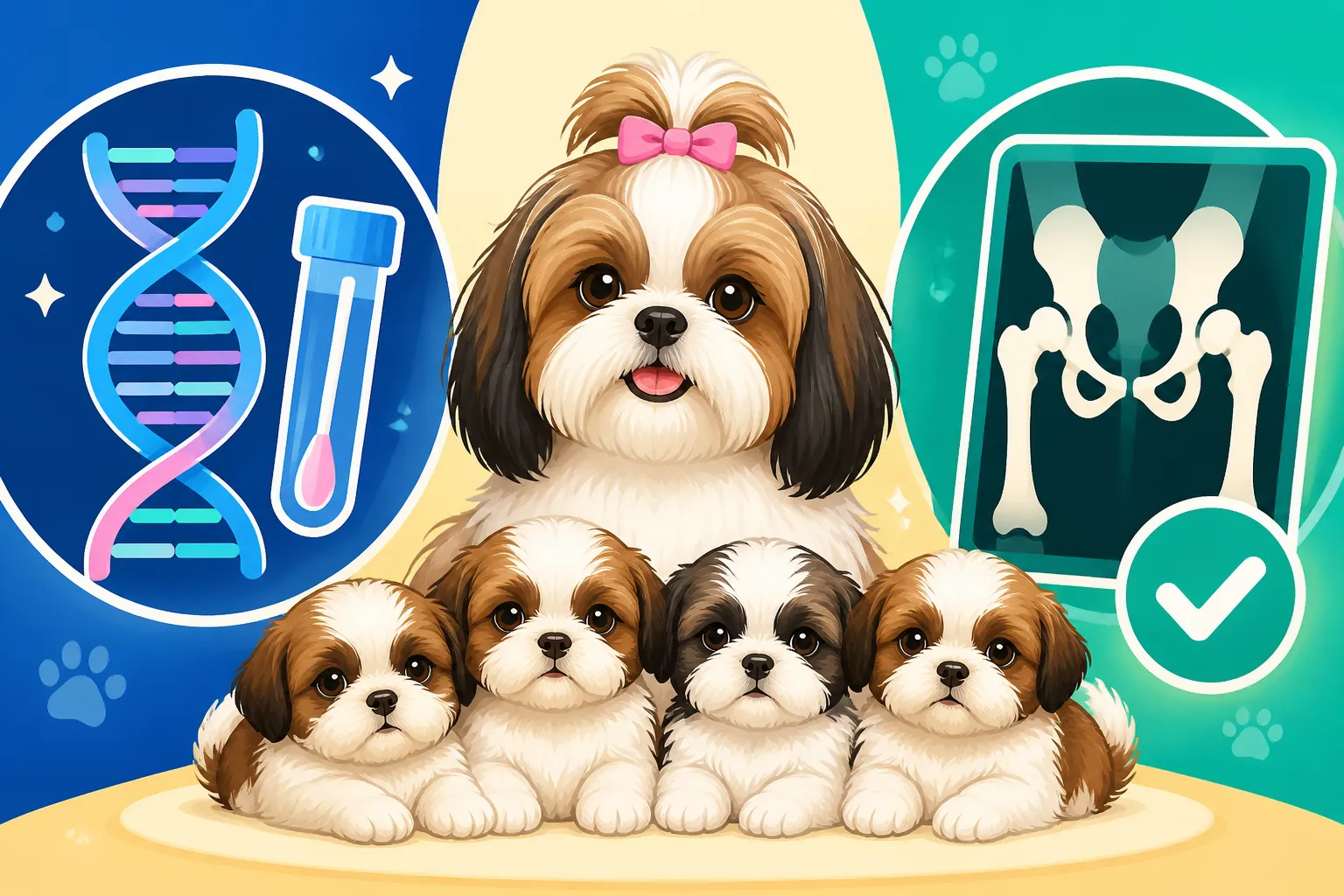
The DNA and OFA Tests for a Shih Tzu Litter
Bringing a new Shih Tzu puppy into your home is such an exciting time, full of dreams of cuddles and playful antics. But underneath all that excitement often lies a quiet worry: will this precious new family member be healthy? It's a completely valid concern, especially with toy breeds prone to certain conditions. This guide is here to walk you through the crucial DNA and OFA tests that responsible Shih Tzu breeders undertake for their litters, helping you understand what these tests mean for your puppy's future health.
Understanding Genetic Health Testing in Shih Tzus
When you're looking for a Shih Tzu puppy, you're not just picking out a cute face; you're hoping for a lifetime of health and happiness. Unfortunately, many breeds, including our beloved Shih Tzus, are predisposed to certain genetic health issues. This isn't because breeders are intentionally making unhealthy dogs, but rather a consequence of generations of breeding within a relatively closed gene pool, sometimes with an emphasis on looks over health.
Why Genetic Testing Matters for Shih Tzus
Shih Tzus, with their adorable flat faces and flowing coats, come with a unique set of potential health challenges that every prospective owner should be aware of. We're talking about conditions that can range from irritating, like chronic ear infections due to their long, floppy ears, to potentially life-altering or even life-threatening, such as certain eye conditions or kidney disease. Imagine the heartbreak and financial strain if your sweet puppy developed a severe genetic issue just a few years down the line that could have been avoided with proper screening.
This is precisely why genetic health testing is so profoundly important. It's not about being alarmist; it's about being proactive and responsible. For Shih Tzus, conditions like Progressive Retinal Atrophy (PRA), which can lead to blindness, or the more serious Renal Dysplasia, affecting kidney development, are real concerns. A good breeder utilizes these tests to gain insight into the genetic makeup of their breeding dogs, making informed decisions that aim to reduce the incidence of these diseases in future generations. This diligence helps ensure that the puppy you bring home has the best possible start and the highest chance of living a full, healthy life. It’s a foundational step that mitigates risk, setting both the puppy and its future family up for success.
The Difference Between DNA Panels and OFA Certifications
Navigating the world of canine health testing can feel a bit like learning a new language, with all its acronyms and specific terms. When breeders talk about health clearances for their Shih Tzu parents, they're generally referring to two distinct, yet complementary, types of testing: DNA panels and OFA (Orthopedic Foundation for Animals) certifications. It's easy to get them confused, but understanding the difference is key to appreciating a breeder's commitment to health.
DNA panels, as the name suggests, involve genetic testing where a sample (usually a cheek swab or blood) is sent to a lab to analyze the dog's DNA. These tests look for specific gene mutations that are known to cause certain inherited diseases. For example, a DNA test can tell you if a Shih Tzu carries the gene for Progressive Retinal Atrophy or if they are "clear" of the known mutation for Renal Dysplasia. The results typically classify a dog as clear (doesn't carry the gene), carrier (carries one copy of the gene, usually unaffected but can pass it on), or affected (carries two copies and is likely to develop or already has the disease). These tests are typically done once in a dog's lifetime, as their genetic code doesn't change.
OFA certifications, on the other hand, are focused on phenotypic evaluations. This means they assess the physical manifestation of certain conditions, often through X-rays, specialized eye exams, or cardiac auscultations performed by board-certified veterinary specialists. For instance, an OFA hip or patella certification involves taking specific X-rays to evaluate joint structure and stability, while an OFA eye certification involves an annual examination by a veterinary ophthalmologist to screen for hereditary eye diseases like cataracts or certain corneal conditions. Because some conditions can develop or progress over time, or might not be purely genetic, many OFA certifications require re-testing periodically throughout a dog's breeding life. Both types of testing are vital, with DNA panels identifying genetic predispositions and OFA certifications confirming physical soundness. They paint a comprehensive picture of a potential parent dog's health profile.
Deciphering Shih Tzu DNA Health Panels
The genetic makeup of a Shih Tzu holds a blueprint for their health, and DNA health panels are like a specialized magnifying glass that allows breeders to read parts of that blueprint. For breeds like the Shih Tzu, with their charming but sometimes delicate physiologies, knowing what genetic predispositions they carry is an invaluable tool for responsible breeding. It’s an investment in the future health of entire litters.
Common Genetic Conditions Screened in Shih Tzus
When a responsible Shih Tzu breeder talks about DNA health panels, they're usually referring to comprehensive tests that screen for several known genetic conditions prevalent in the breed. One of the most critical conditions often tested for is Progressive Retinal Atrophy (PRA), specifically prcd-PRA in many toy breeds. This inherited eye disease leads to the degeneration of the retina over time, ultimately resulting in blindness. Discovering if a parent is a carrier or affected is crucial, as affected dogs will invariably lose their sight. Understanding this through testing helps breeders avoid producing puppies destined for blindness.
Another significant concern for Shih Tzus is Renal Dysplasia (RD). This is a severe, often fatal, kidney disease where the kidneys fail to develop properly. Puppies affected by RD may show signs like excessive thirst, frequent urination, and stunted growth, but sadly, there is no cure, and they typically succumb to kidney failure at a young age. Early testing of breeding stock can prevent the heartbreaking birth of affected puppies. For more details on this devastating condition, you can read about Renal Dysplasia in a Shih Tzu Puppy That Will Not Grow.
While less common, some Shih Tzu panels might also include screening for conditions like Degenerative Myelopathy (DM), a progressive neurological disease affecting the spinal cord, although it's more frequently seen in larger breeds. Reputable labs like Embark and Paw Print Genetics offer comprehensive panels tailored to the Shih Tzu breed, bundling these and other relevant genetic tests. By screening for these specific mutations, breeders aim to minimize the risk of passing these devastating diseases to their puppies, allowing families to enjoy their pets without the added burden of predictable genetic illness.
Understanding Carrier, Affected, and Clear Results
When you look at a Shih Tzu's DNA health panel results, you’ll typically see terms like "Clear," "Carrier," or "Affected." It’s vital to understand what each of these classifications means, especially if you're assessing a potential puppy’s lineage. A truly responsible breeder will be transparent about these results and explain their implications for the litter.
A "Clear" result means the dog does not carry the gene mutation for the specific disease tested. This is the ideal outcome, as a clear dog cannot pass on that particular genetic disease to its offspring. When both parents are clear for a specific condition, all their puppies will also be clear for that condition, offering immense peace of mind.
A "Carrier" result indicates that the dog carries one copy of the gene mutation but typically does not show symptoms of the disease itself. For many recessive genetic conditions, a dog needs two copies of the mutated gene (one from each parent) to be "affected." A carrier dog, if bred to another carrier, has a 25% chance of producing affected puppies. However, if a carrier is bred to a "clear" dog, all puppies will either be clear or carriers, but none will be affected by that disease. This is where strategic breeding comes in; a responsible breeder might use a valuable carrier in a breeding program but would only pair them with a "clear" mate, ensuring no affected puppies are produced. This helps to maintain genetic diversity within the breed while still reducing disease incidence.
An "Affected" result means the dog has two copies of the gene mutation and will either develop the disease or is already showing symptoms. Dogs that test as affected should never be used for breeding, as they will pass on a copy of the mutated gene to all of their offspring, and if bred to a carrier or another affected dog, they will certainly produce affected puppies. Understanding these distinctions allows you to have informed conversations with breeders and confidently assess the health prospects of a Shih Tzu litter.
The Importance of OFA Certifications for Breeding Shih Tzus
While DNA tests give us a glimpse into a Shih Tzu’s genetic code, OFA certifications provide a crucial real-world assessment of their physical health. These evaluations are less about looking for specific gene mutations and more about assessing the structural integrity and functional health of a dog’s body systems. For a small breed like the Shih Tzu, whose compact frame and distinct features can sometimes predispose them to orthopedic and other health concerns, OFA certifications are non-negotiable for any reputable breeding program.
Orthopedic Evaluations: Hips and Patellas
Even though Shih Tzus are small, toy breeds are not immune to orthopedic problems. Two of the most commonly screened conditions under the OFA program for toy breeds are hip dysplasia and patellar luxation. While hip dysplasia might sound like a problem for larger dogs, it can absolutely affect Shih Tzus, though perhaps with different clinical manifestations. This condition involves the abnormal formation of the hip socket, which can lead to painful arthritis and lameness. The OFA screens for hip dysplasia by evaluating X-rays taken after a dog is at least 24 months old, issuing grades like Excellent, Good, Fair (all passing), or Borderline, Mild, Moderate, or Severe Dysplasia (all failing).
Even more prevalent in Shih Tzus is Patellar Luxation, commonly known as "slipping kneecaps." This is a condition where the patella (kneecap) dislocates or moves out of its normal groove in the femur. You might notice your Shih Tzu skipping a step or holding a leg up briefly, which is a classic sign. The OFA provides certification for patellar luxation based on a physical examination by a veterinarian, often at a younger age (around 12 months), with grades ranging from normal to Grade 1, 2, 3, or 4, indicating increasing severity. A dog with a luxating patella may experience discomfort and, in severe cases, require surgery. You can find more information about Patellar Luxation in a Shih Tzu and what it means for your dog. For breeders, understanding the status of both parents' hips and patellas is essential to minimize the risk of producing puppies that will face lifelong pain or expensive corrective surgeries due to structural issues.
Eye and Cardiac Clearances
Beyond their bone structure, a Shih Tzu's eyes and heart are also critical areas for OFA certification, given the breed's predispositions. Eye health, in particular, is a paramount concern for Shih Tzus due to their prominent, somewhat bulging eyes, which are more susceptible to various issues. The OFA eye certification involves an annual examination by a board-certified veterinary ophthalmologist (ACVO). This specialist meticulously checks for hereditary eye diseases such as cataracts, glaucoma, progressive retinal atrophy (even if DNA tested, a physical exam can catch other forms or late-onset issues), and conditions related to their brachycephalic ocular syndrome, like entropion (inward-rolling eyelids) or distichiasis (extra eyelashes growing inward). The annual nature of this exam is important because some eye conditions can develop or worsen with age, providing a fresh health snapshot each year the dog is part of a breeding program.
Cardiac health is another important screening area. Shih Tzus can be prone to certain heart conditions, such as congenital heart defects or acquired valve diseases. The OFA offers cardiac clearances, usually involving an auscultation (listening to the heart with a stethoscope) by a board-certified veterinary cardiologist, though some basic screening can be done by a general practitioner. The cardiologist assesses for murmurs or other irregularities that could indicate underlying heart disease. Early detection is key, as some conditions can be managed with medication, while others may preclude a dog from breeding to avoid passing on serious cardiac problems. Ensuring both parents have clear eye and heart certifications provides another layer of assurance for the health of a Shih Tzu litter, helping families avoid the distress and financial burden associated with these potentially serious conditions. For insight into what these costs can look like, consider exploring Shih Tzu Eye Proptosis, the Emergency Owners Miss or Shih Tzu Heart Murmurs and Valve Disease.
Interpreting Health Test Results from a Breeder
When you're speaking with a potential Shih Tzu breeder, their transparency about health testing is a huge indicator of their ethics and commitment to the breed. It's not enough for them to simply say their dogs are tested; you need to understand what tests have been performed and, crucially, what the results actually mean for the puppies you're considering. This is where your research really pays off, allowing you to ask informed questions and evaluate the answers critically.
What to Look for in Parent Health Certificates
The most important thing to remember is to always ask to see the actual documentation. A reputable breeder will be proud to share the health certificates for both the dam (mother) and sire (father) of a litter. These aren't just verbal assurances; they are physical or digital documents from organizations like the Orthopedic Foundation for Animals (OFA) or genetic testing companies like Embark or Paw Print Genetics. You should be looking for specific details. For OFA certifications, check the dog's registered name, registration number, breed, date of birth, and the specific certification for hips, elbows, patellas, heart, or eyes, along with the date of the evaluation and the results (e.g., "OFA Excellent Hips," "Patella Normal"). For eye certifications, specifically from the ACVO (American College of Veterinary Ophthalmologists), look for a current clear exam from within the past year.
For DNA panels, you'll want to see the report that lists all the genetic conditions screened for and the result for each (Clear, Carrier, or Affected). It’s essential that both parents have been tested. If a breeder only shows you one parent's results or offers excuses like "we haven't gotten around to it yet" for key tests, that should be a significant red flag. You're making a substantial commitment, both emotionally and financially, and you deserve to have full confidence in your puppy's lineage. Seeing these papers, which often look like official veterinary records, confirms the breeder's dedication to producing healthy Shih Tzu puppies and prevents future heartbreak. These documents are a tangible representation of the efforts breeders put in to ensure the best start for their puppies, and you should specifically ask for them – you can learn more about this in The Eye and Kidney Papers a Shih Tzu Comes With.
How Test Results Influence Breeding Decisions
For a truly dedicated Shih Tzu breeder, health test results aren't just a formality; they are a critical tool that directly informs their breeding decisions. Responsible breeding is a complex puzzle, and these results help ensure that future generations are as healthy as possible, building on the strengths of the parent dogs while mitigating potential weaknesses. The goal is never to simply "pass" tests, but to use the information wisely.
For instance, if a breeder has a beautiful, temperamentally sound Shih Tzu who is a "carrier" for a specific genetic condition like Progressive Retinal Atrophy (meaning they have one copy of the gene but aren't affected themselves), they wouldn't just disregard that dog. Instead, they would carefully select a mate who is "clear" for that same condition. This strategic pairing ensures that while some puppies might inherit the carrier status, none will be "affected" and develop the disease. This approach allows breeders to maintain genetic diversity within the breed, which is incredibly important for overall health, rather than removing valuable dogs from the gene pool simply because they are carriers.
Similarly, with OFA certifications, a breeder will look for solid hip, patella, eye, and heart clearances. If one parent has a slightly less-than-perfect but still passing OFA score (e.g., "Good" hips instead of "Excellent"), a responsible breeder would then seek out a mate with "Excellent" ratings to balance the pairing and improve the odds for the offspring. They are always striving to improve the breed, not just perpetuate it. This thoughtful approach minimizes the risk of inherited diseases and structural problems, ultimately leading to healthier, happier Shih Tzu puppies for families like yours. Investing in a puppy from such a conscientious breeder significantly reduces your chances of facing unexpected and costly health challenges down the line. It's truly a testament to what makes a "good" breeder.
The Financial Investment in Health Testing
When you see a price tag on a Shih Tzu puppy from a reputable breeder, it might seem high at first glance. However, a significant portion of that cost is often attributed to the extensive health testing performed on the parent dogs. This isn't just an arbitrary expense; it's a crucial investment that ensures the genetic and physical well-being of the puppies, and ultimately, provides peace of mind for their future families.
Costs Associated with Comprehensive Testing
Let's be realistic about what comprehensive health testing entails for a Shih Tzu. A full DNA panel, covering a range of breed-specific genetic conditions like Progressive Retinal Atrophy and Renal Dysplasia, can cost anywhere from $150 to $300 per dog, depending on the testing company and the number of conditions screened. These are typically one-time tests.
Then you have the OFA certifications, which involve examinations by veterinary specialists. An OFA patella exam might run $50 to $100, while a board-certified veterinary ophthalmologist (ACVO) eye exam can cost $75 to $150 per dog, and remember, these need to be done annually for breeding dogs. For cardiac clearances, a consultation with a veterinary cardiologist can range from $200 to $400, depending on the complexity of the exam. If hip X-rays are also done (though less common for OFA hip certification in Shih Tzus due to their size, some breeders may opt for it), that's another $150-$300. When you add up these costs for both parent dogs, potentially over multiple years for annual exams, it becomes clear that breeders are investing hundreds, sometimes even thousands, of dollars before a single puppy is even conceived.
This investment is why health-tested puppies invariably cost more upfront. However, this higher initial cost often pales in comparison to the potential veterinary bills you might face if you acquire a puppy from untested parents who unknowingly pass on severe genetic conditions. Think about the costs of treating a serious eye issue, or the lifelong management of kidney disease, which can run into thousands of dollars. The breeder's upfront investment in testing is essentially a protective measure for both their dogs and the future puppy owners. It's a key factor in understanding Why a Health-Tested Shih Tzu Litter Costs More, but it's money well spent for future security. Even with the best testing, life happens, and having a good pet insurance plan like Healthy Paws can provide immense peace of mind.
What Happens if a Breeder Skips Testing
When a breeder chooses to skip comprehensive health testing, they are essentially rolling the dice with the lives of their puppies and the hearts of their future families. The immediate consequence, of course, is a lower upfront cost for the breeder, which often translates into cheaper puppies for buyers. However, this apparent saving is almost always a false economy, as the long-term ramifications can be devastating.
Without proper DNA screening, a breeder might unknowingly breed two "carrier" dogs, resulting in a litter where 25% of the puppies are "affected" with a painful or life-threatening genetic disease, such as Renal Dysplasia or Progressive Retinal Atrophy. Imagine bringing home an adorable Shih Tzu puppy, only to discover at a young age that it's losing its eyesight or facing kidney failure, all because a critical test was omitted. For many owners, the emotional toll of watching a beloved pet suffer from a preventable illness is far greater than any financial cost. You can learn more about the implications of kidney disease in Testing a Shih Tzu for Kidney Disease.
Similarly, neglecting OFA certifications for patellas or eyes leaves puppies vulnerable to structural issues that could require expensive surgeries or lifelong management. A puppy from untested parents might develop luxating patellas needing surgery for thousands of dollars, or suffer from severe eye conditions that incur continuous veterinary visits and medication. These are the hidden costs that nobody warns you about when you buy a "bargain" puppy. Moreover, skipping tests undermines the health of the entire Shih Tzu breed, allowing preventable genetic diseases to continue circulating. This is why responsible breeders view health testing not as an option, but as a fundamental ethical obligation. Investing in a healthy pup, often supported by tests that Healthy Paws would appreciate seeing in a claim history, is always a smart move.
Navigating Breeder Questions About Health
Finding a reputable Shih Tzu breeder requires diligent research and, perhaps most importantly, asking the right questions. A good breeder will welcome your questions, understanding that an informed buyer is a responsible buyer. If a breeder seems hesitant, evasive, or annoyed by your inquiries about health testing, consider it a significant red flag. This interaction is your first clue to their transparency and ethical standards.
Essential Questions to Ask Your Breeder
When you first connect with a Shih Tzu breeder, go in prepared with a list of questions focused on health testing. Don't be shy; this is your chance to ensure you're making a responsible choice for a lifelong companion.
Start by asking, "What health tests do you perform on your breeding Shih Tzus?" Listen carefully to their response. They should be able to clearly list both the DNA panels (e.g., for PRA, Renal Dysplasia) and the OFA certifications (e.g., for patellas, eyes, heart). If they don't mention both types, or only give vague answers, that's your cue to dig deeper.
Next, specifically ask, "Can I see the health certificates for both the mother and father of this litter?" A breeder should have these readily available, whether in print or digital format. Don't just take their word for it. When reviewing the certificates, ensure the dog's name matches the parent you've been told about, and check the dates of the clearances. For eye certifications, especially, confirm they are current (within the last 12 months). Also, ask about the specific results: are the parents "clear" for all relevant genetic conditions, or are some "carriers"? If a parent is a carrier, inquire about how they chose the mate to ensure no affected puppies were produced. A breeder should explain their breeding decisions based on these results.
Finally, you might ask, "What is your health guarantee for the puppy, and what does it cover?" Reputable breeders typically offer a health guarantee, often for the first year or two, specifically covering severe genetic defects that might not have been detectable at the time of sale. This shows their confidence in their breeding program and their willingness to stand behind the health of their puppies. A breeder who can confidently and transparently answer these questions demonstrates a deep commitment to the health and longevity of their Shih Tzus.
What a Health Guarantee Really Means
A health guarantee from a reputable Shih Tzu breeder is more than just a piece of paper; it’s a tangible expression of their confidence in their breeding program and their commitment to the well-being of the puppies they produce. It acknowledges that despite all precautions, genetics can sometimes be unpredictable, and it provides a level of recourse for the new owner should a severe, inheritable health issue emerge.
Typically, a health guarantee will cover genetic or congenital diseases that manifest within a specified timeframe, often the first one or two years of the puppy's life. These conditions are usually those that rigorous health testing aims to prevent, such as severe heart defects, certain forms of blindness, or organ dysplasias like Renal Dysplasia. For example, if your Shih Tzu puppy developed a severe, life-altering form of Renal Dysplasia and the Shih Tzu Kidney within the guarantee period, a responsible breeder might offer a replacement puppy or a partial refund, often requiring veterinary documentation to confirm the diagnosis. The specific terms vary greatly between breeders, so it is crucial to read and understand the entire document before you finalize your purchase.
It's important to understand what a health guarantee doesn't typically cover. It generally won't cover common puppy ailments like parasites, minor colds, or injuries sustained after leaving the breeder. Nor will it cover conditions that are largely environmental or nutritional, or issues that arise from neglect. For instance, if your puppy developed Shih Tzu Back Problems and Disc Disease later in life due to an injury, that would not typically fall under a genetic health guarantee. Furthermore, a guarantee usually requires the buyer to maintain the puppy's health through regular veterinary care and proper nutrition, providing proof if a claim is made. While a health guarantee offers a layer of protection and peace of mind, it’s not a substitute for thorough health testing of the parent dogs. It's a safety net, but the primary goal is always to avoid needing it in the first place, by choosing a puppy from parents with impeccable health clearances. Think of it as a commitment to the puppy’s well-being that works hand-in-hand with robust upfront screening.
Disclaimer
The information provided in this article is for general informational purposes only and is not intended as a substitute for professional veterinary advice. Always consult with a qualified veterinarian regarding any health concerns or before making any decisions about your Shih Tzu's health or treatment.