Shih Tzu Eyelash and Eyelid Problems
If you’re a Shih Tzu owner, you've likely spent a good amount of time carefully wiping away tear stains or gently brushing hair away from those beautiful, expressive eyes. But sometimes, it feels like an uphill battle, doesn't it? Our beloved flat-faced companions are particularly prone to a host of unique eye issues, especially when it comes to their eyelashes and eyelids. It can be incredibly frustrating to see your dog squinting, pawing at their face, or suffering from constant irritation. This guide aims to shed light on these specific problems, helping you understand what's going on and, more importantly, what you can do to bring your furry friend relief.
Common Eyelash Issues in Shih Tzus
The Shih Tzu's long, flowing hair and unique facial structure, while undeniably charming, also predispose them to several common eyelash abnormalities. These conditions, if left unaddressed, can cause significant discomfort and lead to serious damage to the cornea. It’s not just about aesthetics; it’s about preventing chronic pain and preserving vision.
Distichiasis: Extra Eyelashes
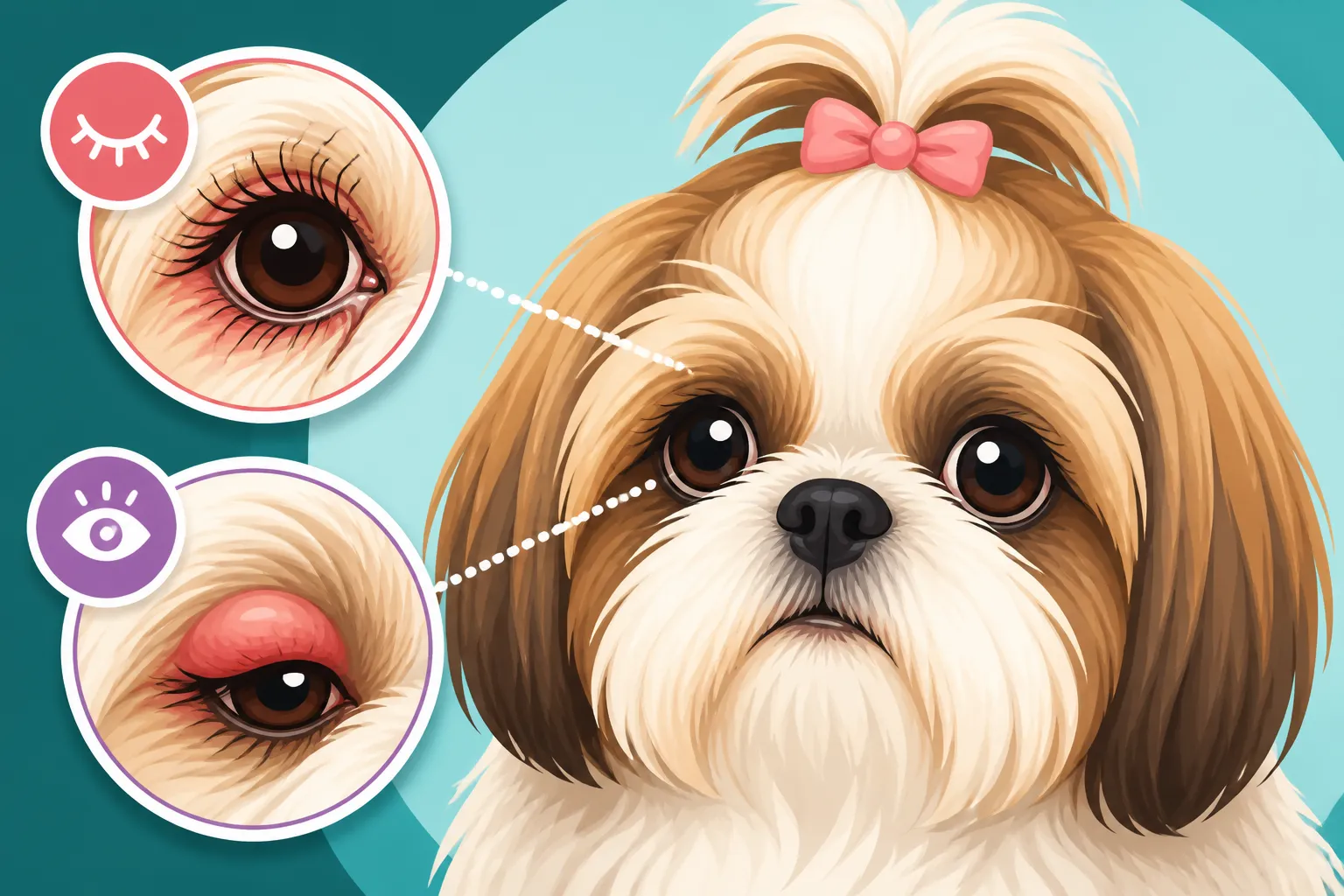
Imagine having an extra row of eyelashes, not growing outwards like normal, but often pointing inwards, constantly brushing against the delicate surface of your eye. That’s essentially what distichiasis is for a Shih Tzu. This condition occurs when additional eyelashes sprout from the meibomian glands along the eyelid margin, typically from a duct that should only produce oil to lubricate the eye. These "extra" lashes can vary in thickness and number, ranging from soft, fine hairs to stiff, irritating bristles.
The symptoms can be subtle at first, perhaps just a bit more tearing or blinking than usual. Over time, however, the constant friction can cause inflammation, redness, and even painful corneal abrasions. It’s heartbreaking to watch your Shih Tzu rub their face against the carpet or furniture in an attempt to alleviate the irritation. A vet will usually spot these rogue lashes with a magnifying tool during an eye exam. Treatment often involves permanent removal methods like cryoepilation (freezing the hair follicle) or electroepilation (using an electric current to destroy the follicle), which are performed under anesthesia to ensure precision and prevent regrowth.
Ectopic Cilia: Misplaced Lashes
Even more insidious than distichiasis is a condition called ectopic cilia. With this, a single, often very stiff, eyelash grows through the inside of the eyelid, directly poking the cornea. Unlike distichiasis, which might cause general irritation, an ectopic cilium is like a sharp needle constantly jabbing the eye. You can imagine the agony this causes. Owners often notice sudden, intense pain in their Shih Tzu – rapid blinking, severe tearing, holding the eye shut, or even a sudden onset of a visible corneal ulcer.
Because these lashes are hidden within the eyelid tissue and emerge at an abnormal angle, they are incredibly difficult to spot without a thorough veterinary examination, often requiring magnification and careful palpation of the eyelid. This condition is an emergency, as the sharp hair can quickly lead to a deep corneal ulcer, which can become infected and threaten the eye's integrity. Surgical removal, where the tiny lash and its follicle are excised from the eyelid, is the standard treatment. Ignoring an ectopic cilium is simply not an option; it will cause persistent pain and escalating damage.
Trichiasis: Inward-Growing Lashes
Trichiasis is a more general term for any eyelash or facial hair that, due to its normal location, turns inward and rubs against the cornea. For Shih Tzus, this is incredibly common due to their prominent eyes, short muzzles, and the abundance of long facial hair. It’s not necessarily an extra lash, but a normal lash or even a long piece of facial hair that's simply positioned poorly, curling back into the eye. This is particularly problematic with the hair that grows around their inner eye corners and along the nasal bridge.
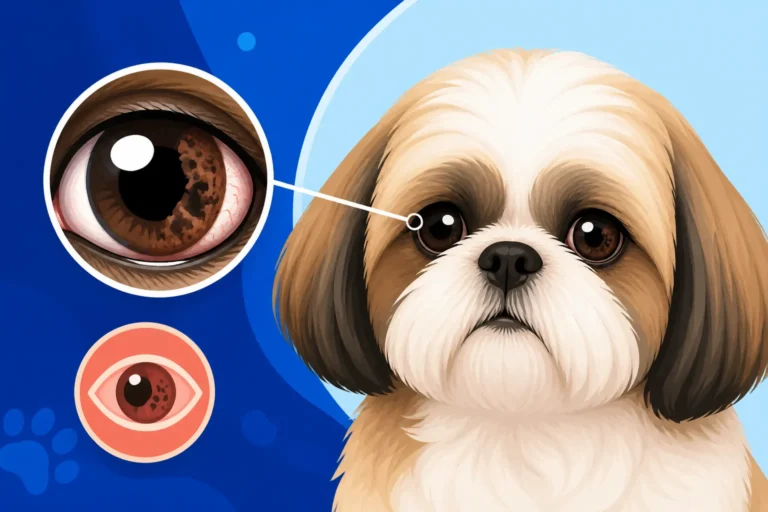
The continuous rubbing can lead to chronic irritation, tear staining, and even pigmentary keratitis, where dark pigment migrates onto the cornea as a protective response to inflammation. You might notice your Shih Tzu frequently squinting, or a visible "cloud" or dark spot developing on their eye. While careful grooming, such as regularly trimming face hair away from Shih Tzu eyes, can help manage milder cases, persistent trichiasis often requires surgical correction. This might involve shortening the eyelashes or, in more severe instances, procedures to reposition the eyelid margin or remove specific hair follicles that are consistently causing trouble. The goal is always to prevent that irritating hair from ever touching the delicate corneal surface again.
Eyelid Malformations
Beyond issues with individual eyelashes, Shih Tzus can also suffer from structural problems with their eyelids themselves. These malformations are often congenital, meaning they're present from birth, and are directly related to their brachycephalic (flat-faced) anatomy. These structural defects can severely compromise the eye's natural protective mechanisms, leaving it vulnerable to chronic irritation, infection, and damage.
Entropion: Inward Rolling Lids
Entropion is a common and painful condition in Shih Tzus where the eyelid, usually the lower one, rolls inward towards the eyeball. This causes the skin and eyelashes on the outside of the lid to rub directly against the cornea, much like a severe case of trichiasis. The constant friction is incredibly irritating, leading to excessive tearing, redness, discharge, and often, painful corneal ulcers. You might notice your dog holding their eye partially or fully closed, squinting, or pawing at their face frequently.
This condition is particularly prevalent in breeds with loose facial skin and prominent eyes, like the Shih Tzu. The inward rolling isn't just uncomfortable; it creates an ideal environment for bacterial infections due to retained moisture and debris. If left untreated, entropion can lead to significant corneal scarring, pigmentary keratitis, and even blindness. Diagnosis is usually straightforward during a vet exam. Definitive treatment almost always involves surgery to correct the eyelid's position, effectively "tucking" the lid so it rolls outward as it should. This procedure provides immediate relief and prevents long-term damage, though it often involves careful consideration of the Shih Tzu anesthesia risk from a flat face due to their brachycephalic nature.
Ectropion: Outward Rolling Lids
While less common in Shih Tzus than entropion, ectropion is the opposite problem: the eyelid, usually the lower one, sags or rolls outward, exposing the delicate conjunctival tissue to the environment. This creates a "droopy eye" appearance. Because the eyelid isn't fitting snugly against the eyeball, it can't properly distribute tears or protect the eye from dust, debris, and irritants. The exposed conjunctiva becomes dry, inflamed, and susceptible to infection.
Owners might observe chronic redness, discharge, or recurrent conjunctivitis. The constant exposure can also lead to chronic dry eye symptoms, even if tear production is normal, simply because the tears evaporate too quickly. While mild cases might be managed with lubricating eye drops and diligent cleaning, more severe ectropion often requires surgical intervention. The goal of surgery is to shorten and tighten the eyelid, allowing it to sit correctly against the eye and restore its protective function. This helps prevent the chronic irritation and infection that can compromise the eye's health.
Lagophthalmos: Incomplete Eyelid Closure
This condition is a direct consequence of the Shih Tzu’s distinctive, bulging eyes and flat face. Lagophthalmos refers to the inability to completely close the eyelids. When your Shih Tzu sleeps, you might notice a sliver of their eye remaining visible between the lids. This constant exposure, even during rest, means the cornea is always vulnerable to drying out, irritation, and damage. It’s a bit like sleeping with your windows open every night – eventually, dust and dryness will take their toll.
The lack of complete eyelid closure means that the tears, which are crucial for lubricating and protecting the eye, can’t spread effectively across the entire corneal surface. This can lead to chronic dry eye, or keratoconjunctivitis sicca (KCS), and makes the eye more prone to developing corneal ulcers. You might notice your Shih Tzu has chronically red eyes, excessive tear staining (paradoxically, as the eye tries to overproduce tears to compensate for dryness), or signs of irritation like blinking and pawing. Management often involves lifelong use of lubricating eye drops to supplement natural tear film, as well as tear stimulants if KCS is present. In severe cases where the eye is at constant risk, some surgical procedures can reduce the size of the eyelid opening (tarsorrhaphy) to provide better protection, but these are typically reserved for extreme circumstances.
Related Eye Conditions
Eyelash and eyelid problems in Shih Tzus are rarely isolated incidents. The constant irritation, dryness, and exposure they cause often pave the way for a cascade of secondary eye conditions, some of which can be severely debilitating or even lead to vision loss. Understanding these connections is vital for holistic eye care.
Corneal Ulcers from Eyelash/Eyelid Issues
A corneal ulcer is essentially an open sore on the clear, outer surface of the eye. For Shih Tzus, whose eyes are already vulnerable, eyelash and eyelid problems are a leading cause of these painful lesions. Imagine that persistent inward-growing eyelash or an eyelid constantly rubbing the cornea – it's like sandpaper slowly eroding the surface. A single sharp ectopic cilium can even cause a deep ulcer in a matter of hours.
When the corneal surface is continuously scratched or irritated, its protective outer layer (epithelium) can be worn away, exposing the deeper, more sensitive layers. Symptoms of a corneal ulcer are usually very clear: intense pain, evidenced by severe squinting, holding the eye shut, excessive tearing, and a noticeable change in the eye's appearance, often a cloudy or bluish spot on the cornea itself. Without prompt and aggressive treatment, these ulcers can deepen, become infected, and even lead to corneal rupture, requiring emergency surgery or even eye removal. Treatment typically involves antibiotic eye drops to prevent infection, pain medication, and sometimes a protective contact lens. Addressing the underlying eyelash or eyelid problem, such as correcting Shih Tzu Entropion and Eyelid Surgery, is crucial to prevent recurrence.
Pigmentary Keratitis and Chronic Irritation
Pigmentary keratitis is a common, often chronic, condition in Shih Tzus that results from ongoing irritation to the cornea. It manifests as a brownish-black discoloration or patch that develops on the surface of the eye. This pigment is melanin, the same substance that gives skin and hair its color, and it's deposited by the body as a protective response to chronic inflammation. It's a clear signal that something is continually bothering the eye.
Eyelash and eyelid issues – whether it's distichiasis, trichiasis from stray facial hairs, or entropion – are prime culprits. The constant rubbing and inflammation trigger the cornea to produce pigment in an attempt to shield itself from damage. While the pigment itself isn't painful, it gradually spreads and, if severe enough, can cover the pupil, leading to significant vision impairment or even blindness. Early detection and aggressive treatment of the underlying cause are paramount. This involves removing irritating eyelashes, correcting eyelid abnormalities, and often, lifelong use of topical anti-inflammatory medications or medications to reduce pigment deposition. Managing Pigmentary Keratitis in a Shih Tzu is a long-term commitment that requires diligent owner care and regular vet check-ups.
Dry Eye (KCS) Exacerbated by Eyelid Problems
Keratoconjunctivitis Sicca (KCS), commonly known as dry eye, is a condition where the eye doesn't produce enough lubricating tears. This leaves the surface of the eye dry, uncomfortable, and susceptible to irritation and infection. While KCS can be a primary condition in Shih Tzus, their unique anatomy and predisposition to eyelid problems frequently exacerbate or even directly contribute to dry eye. The prominent, bulging eyes and the inability to fully close their eyelids (lagophthalmos) mean tears evaporate more quickly and aren't spread effectively, regardless of how much is produced.
Furthermore, chronic irritation from eyelashes or eyelids can inflame the tear glands, impairing their function over time. Symptoms of dry eye include thick, stringy discharge, red and inflamed conjunctiva, frequent blinking, and a dull or cloudy appearance to the eye. The discomfort can be significant, leading to pawing and rubbing. Diagnosis involves a simple tear production test (Schirmer Tear Test). Treatment for Dry Eye in a Shih Tzu and Lifelong Drops is typically lifelong, involving medications like cyclosporine or tacrolimus to stimulate tear production, as well as artificial tears to provide lubrication. Addressing any contributing eyelash or eyelid issues is also essential to improve the overall health and comfort of the eye.
Diagnosis and Treatment Approaches
When you notice your Shih Tzu squinting, pawing at their face, or showing any signs of eye discomfort, it’s a clear signal that a trip to the vet is in order. Self-diagnosing and attempting to treat eye problems at home can be incredibly risky and lead to irreversible damage. Professional veterinary care is crucial for accurately identifying the specific issue and implementing the most effective treatment plan.
Veterinary Examination and Diagnostic Tests
A thorough eye examination by your veterinarian is the first, most critical step. Your vet won't just glance at your Shih Tzu's eyes; they’ll perform a series of tests to get a complete picture. This often begins with a general ophthalmic exam, using specialized lighting and magnification to carefully inspect the eyelids, eyelashes, conjunctiva, and cornea. They might use a Schirmer Tear Test to measure tear production, which is essential for diagnosing dry eye. Fluorescein stain is commonly applied to the eye, which highlights any corneal abrasions or ulcers, making them glow under a special blue light.
In cases of suspected eyelash abnormalities like distichiasis or ectopic cilia, the vet might use a higher magnification ophthalmoscope or even refer you to a veterinary ophthalmologist who has specialized equipment to visualize these tiny, often hidden hairs. For eyelid issues like entropion, the diagnosis is usually visual, but the vet will assess the severity and how much of the lid is rolling inward. Understanding the full extent of the problem is key to determining the best course of action. They may also look for signs of other related issues, such as Cataracts Behind a Shih Tzu's Bulging Eye, which could also be contributing to discomfort.
Medical Management with Drops and Ointments
For many Shih Tzu eye problems, especially those involving chronic irritation or secondary conditions like dry eye or mild inflammation, medical management with topical drops and ointments is the first line of defense. These medications aim to alleviate symptoms, prevent infection, and protect the cornea.
Commonly prescribed medications include:
- Antibiotic eye drops or ointments: Used to treat or prevent bacterial infections, especially if a corneal ulcer is present or suspected.
- Anti-inflammatory drops: To reduce redness and swelling of the conjunctiva and cornea.
- Lubricating eye drops or artificial tears: Essential for dry eye conditions, these help to keep the eye moist and comfortable, protecting it from further irritation, especially relevant for those with lagophthalmos.
- Tear stimulants: Medications like cyclosporine or tacrolimus are often prescribed for KCS to encourage the tear glands to produce more natural tears.
- Topical corticosteroids: Used with extreme caution and only if no corneal ulcer is present, as they can worsen ulcers. They are powerful anti-inflammatories for certain non-ulcerative conditions.
Administering these drops can feel like a constant battle, especially with a wiggly Shih Tzu, but consistency is crucial for success. Your vet will provide clear instructions on frequency and technique. Remember, Prescription Eye Drops for a Shih Tzu Each Month can become a lifelong commitment for chronic conditions, so budgeting for these ongoing costs is important.
Surgical Interventions for Lasting Relief
While medical management can provide comfort and control symptoms, many eyelash and eyelid problems in Shih Tzus require surgical intervention for a permanent solution. These procedures aim to physically remove irritating hairs or correct structural deformities, offering lasting relief and preventing long-term damage.
Common surgical procedures include:
- Cryoepilation or Electroepilation: For distichiasis, these procedures involve using extreme cold (cryoepilation) or an electric current (electroepilation) to destroy the hair follicles of the extra eyelashes, preventing them from growing back.
- Surgical Excision: For ectopic cilia, the tiny eyelash and its surrounding follicle are surgically removed from within the eyelid.
- Eyelid Surgery (Blepharoplasty): For entropion or severe ectropion, procedures involve carefully removing a small strip of skin and muscle from the eyelid to tighten it and correct its position. This "tucks" an inward-rolling lid outward or tightens an outward-sinking lid.
- Tarsorrhaphy: In some severe cases of lagophthalmos or recurrent corneal ulcers, a temporary or permanent procedure to partially stitch the eyelids together can reduce the size of the eyelid opening, providing better protection to the eye.
Any surgery involving a Shih Tzu, particularly on the face, requires careful consideration. Their brachycephalic airway anatomy means Anesthesia on a Flat-Faced Shih Tzu carries increased risks, and pre-anesthetic testing, including checking for conditions like Shih Tzu Heart Murmurs and Valve Disease, is always performed. Recovery typically involves a short course of oral pain medication and continued topical eye drops. While surgery might seem daunting, it often provides the best outcome for conditions that cause chronic pain and threaten vision.
Prevention and Management Strategies
Living with a Shih Tzu means accepting that their unique beauty comes with certain responsibilities, especially concerning their eyes. While some eyelash and eyelid problems are genetic and unavoidable, proactive care and thoughtful management can significantly reduce their severity, prevent secondary complications, and improve your dog's overall comfort and quality of life.
Regular Grooming and Eye Care
This is perhaps the most crucial aspect of preventing and managing Shih Tzu eye problems. Their long, flowing double coat, while gorgeous, can easily become an irritant if not meticulously maintained.
- Daily Brushing and Face Trims: Regularly brushing your Shih Tzu's face and keeping the hair around their eyes trimmed short is non-negotiable. Long hairs can curl back into the eye, causing trichiasis, or trap moisture and debris, leading to infections. Learn how to perform Trimming Face Hair Away From Shih Tzu Eyes yourself, or ensure your professional groomer is doing it diligently every 4-6 weeks.
- Topknots: Many Shih Tzu owners opt for a topknot to keep the hair off the face. Ensure the bands used are soft and not too tight, and check frequently for skin irritation underneath.
- Daily Eye Wipes: Shih Tzus are prone to tear staining. Wiping their faces daily with a soft, damp cloth or veterinary-approved eye wipes helps remove tear buildup, which can irritate the skin and create a breeding ground for yeast and bacteria. This also helps keep the fur around the eyes clean and less likely to stick to the eye itself.
- Professional Grooming: Schedule regular professional grooming appointments. A good groomer understands the specific needs of a Shih Tzu's face and will know how to safely manage the hair to protect their eyes.
Environmental Management
Your Shih Tzu's environment plays a significant role in their eye health. Minimizing exposure to irritants can help prevent many problems.
- Dust and Allergens: Keep your home as dust-free as possible. Use air purifiers, vacuum regularly with a HEPA filter, and avoid strong scented sprays or candles that can act as irritants. Pay attention to seasonal allergens like pollen, which can cause allergic conjunctivitis.
- Wind and Debris: When outdoors, especially on windy days, consider a protective cap or dog goggles (doggles) for your Shih Tzu. Their prominent eyes are highly susceptible to wind, dust, and tiny debris that can cause scratches or foreign body irritation.
- Avoid Irritating Shampoos/Soaps: Be mindful of the products you use during baths. Ensure shampoos and conditioners are tear-free and rinse your Shih Tzu's face extremely thoroughly to avoid any chemical irritation to the eyes.
- Supervision During Play: Rough play, especially with larger dogs, can put a Shih Tzu's prominent eyes at risk. Incidents like Shih Tzu Eye Proptosis, the Emergency Owners Miss, while distinct from eyelash/eyelid issues, highlight the overall vulnerability of their eyes and the need for careful supervision during play.
Understanding Insurance Coverage
Facing a Shih Tzu eye problem can be emotionally draining and financially stressful. Veterinary ophthalmology, surgical corrections, and lifelong medications can add up quickly. This is where pet insurance becomes an invaluable tool for many owners.
Policies from providers like Healthy Paws can offer significant relief by covering a substantial portion of eligible veterinary expenses. When choosing a plan, it's vital to understand what's covered, especially concerning breed-specific conditions. For Shih Tzus, look into whether the policy covers hereditary or congenital conditions, as many eyelid and eyelash issues fall into this category. Also, check for specific exclusions related to brachycephalic breeds, though reputable insurers often cover these common issues.
Be aware that pre-existing conditions are typically not covered. This means it's usually best to enroll your Shih Tzu in pet insurance when they are young and healthy, before any eye problems develop. Understanding your deductible and reimbursement percentage is also key. For example, knowing Setting a Shih Tzu Deductible Against Eye Bills can help you plan your finances. While routine preventive grooming won't be covered, the costs associated with diagnosing and treating conditions like entropion surgery, ectopic cilia removal, or lifelong dry eye medications can easily run into thousands of dollars, making a policy from a provider like Healthy Paws a wise investment for peace of mind.
| Condition | Description | Common Symptoms | General Treatment Approach |
|---|---|---|---|
| Distichiasis | Extra eyelashes growing from eyelid margin, often inward. | Tearing, blinking, redness, corneal irritation. | Cryoepilation, electroepilation (surgical removal). |
| Ectopic Cilia | Single, stiff eyelash growing through inner eyelid, directly poking cornea. | Sudden intense pain, squinting, holding eye shut, severe tearing, corneal ulcer. | Surgical excision (emergency removal). |
| Trichiasis | Normal eyelashes or facial hair rubbing against the cornea. | Chronic tearing, redness, squinting, tear staining, pigmentary keratitis. | Regular trimming, surgical shortening/repositioning, follicle removal. |
| Entropion | Eyelid rolls inward, causing skin/lashes to rub cornea. | Squinting, pain, discharge, recurrent corneal ulcers, infections. | Surgical correction (blepharoplasty) to roll lid outward. |
| Ectropion | Eyelid sags or rolls outward, exposing conjunctiva. | Chronic redness, discharge, dry eye symptoms, recurrent conjunctivitis. | Lubricating drops, surgical tightening of eyelid. |
| Lagophthalmos | Incomplete eyelid closure, exposing part of the eye. | Chronic dry eye, increased risk of corneal ulcers, redness. | Lifelong lubricating drops, tear stimulants, surgical reduction of eyelid opening (rare). |
Disclaimer
The information provided in this guide is intended for general knowledge and informational purposes only, and does not constitute veterinary advice. Always consult with a qualified veterinarian or veterinary ophthalmologist for any health concerns or before making any decisions related to your Shih Tzu's care and treatment.