The Elongated Soft Palate in a Shih Tzu
It’s truly disheartening to watch your beloved Shih Tzu struggle for breath, making those loud, snorting sounds that sometimes feel like they’re trying to suck air through a tiny straw. This isn't just "cute" Shih Tzu snoring; it can be a sign of a serious underlying condition called an elongated soft palate, which can severely impact their quality of life. This guide will walk you through everything you need to know about this common airway issue, from understanding its causes to exploring treatment options and how to best support your furry family member.
Understanding the Shih Tzu Airway Challenge
Many Shih Tzu owners become accustomed to the characteristic snorts, grunts, and sometimes even gasps that their flat-faced companions make. While a certain degree of "noisy breathing" is indeed typical for brachycephalic breeds, it's crucial to understand that these sounds can often indicate a significant health problem, particularly an elongated soft palate. This condition is a key component of what veterinarians refer to as Brachycephalic Airway Syndrome, a collection of anatomical abnormalities that severely obstruct the upper airway in breeds like the Shih Tzu.
What is an Elongated Soft Palate?
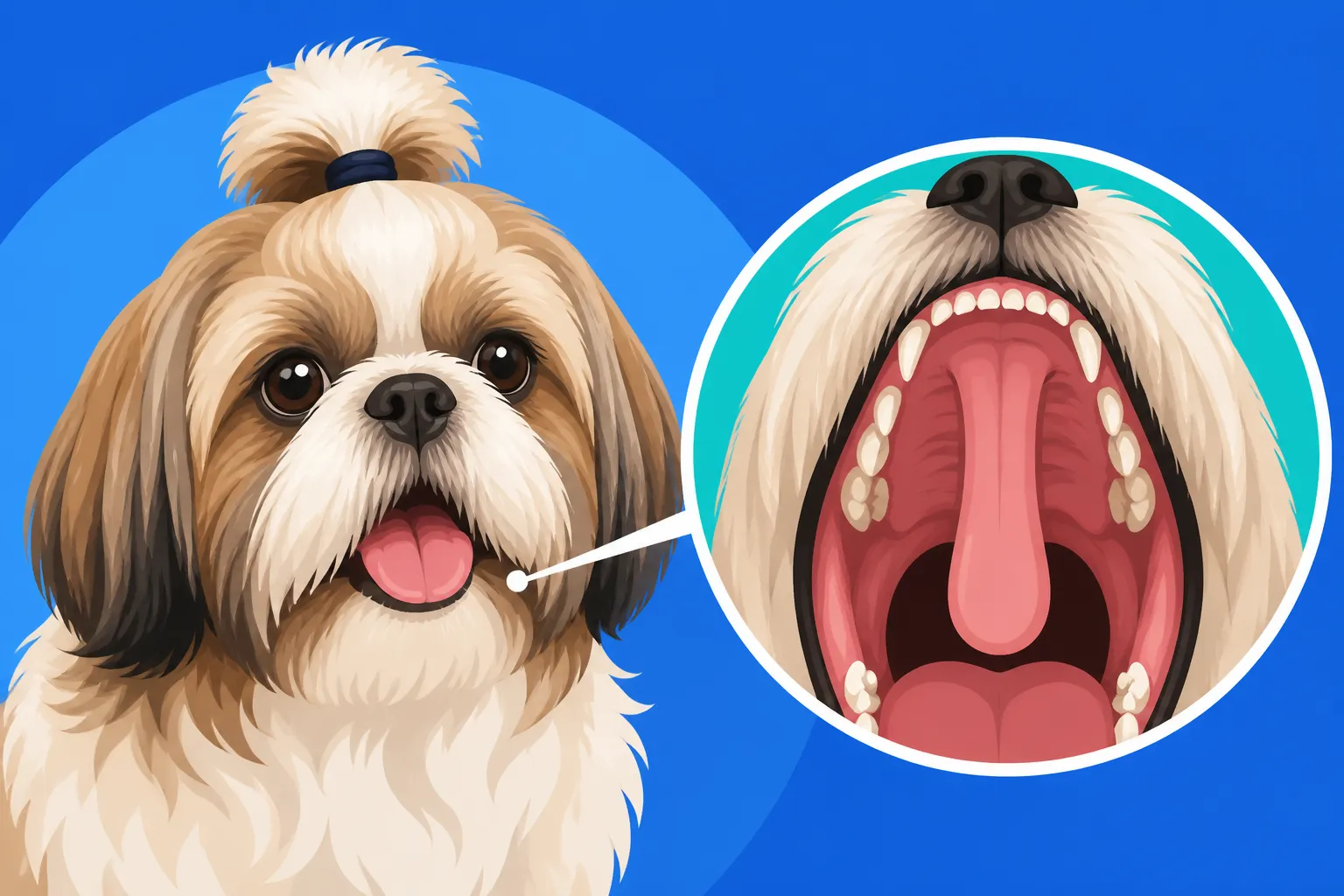
Imagine the roof of your mouth. The front part is hard bone (your hard palate), and the back part, which extends towards your throat, is soft tissue (your soft palate). In a normal dog, the soft palate is just long enough to meet the epiglottis, a flap of cartilage that covers the windpipe during swallowing, ensuring food goes down the right pipe. Now, visualize that soft palate being much too long for the dog’s mouth, extending far past where it should. In a Shih Tzu with an elongated soft palate, this excess tissue hangs down into the airway, specifically above the opening to the trachea (windpipe). Every breath your Shih Tzu takes then becomes an effort, as they have to force air past this flapping piece of tissue, creating turbulence and the tell-tale snorting and gasping sounds. Over time, this constant effort can lead to inflammation and swelling, further narrowing an already compromised airway, creating a vicious cycle that makes breathing even more difficult.
Why Shih Tzus Are Prone to This Condition
The Shih Tzu's endearing "smushed" face, with its short muzzle and pushed-in nose, is the direct result of selective breeding for a specific appearance. Unfortunately, while breeders focused on these charming facial features, the internal anatomy didn't always keep pace. The soft tissues within the mouth and throat didn't shrink proportionally with the bones of the skull. This anatomical mismatch is why Shih Tzus, along with other brachycephalic breeds like Pugs, Bulldogs, and Boston Terriers, are so predisposed to issues like an elongated soft palate. Their skull structure is simply too compressed for the amount of soft tissue it contains. This inherent anatomical challenge means that many Shih Tzus are born with some degree of airway obstruction, making it a critical health consideration for any owner of these wonderful dogs.
The Anatomy Behind Brachycephalic Airway Syndrome
An elongated soft palate rarely acts alone. It's usually one piece of a larger puzzle known as Brachycephalic Airway Syndrome (BAS). Think of BAS as a collection of challenges all working together to make breathing incredibly difficult for your Shih Tzu. Beyond the elongated soft palate, other common issues include stenotic nares (narrowed nostrils that restrict airflow right at the entrance), everted laryngeal saccules (small pouches of tissue near the voice box that get sucked into the airway due to pressure changes), and sometimes even a hypoplastic trachea (a windpipe that is narrower than normal).
Each of these components contributes to the overall airway obstruction. The stenotic nares make it hard to inhale, requiring more effort. This increased negative pressure then pulls the elongated soft palate further into the airway, and over time, can even cause the everted laryngeal saccules to pop out. All these factors combined mean that your Shih Tzu is constantly fighting for every breath, leading to chronic inflammation, swelling, and eventually, irreversible changes to the airway tissues. Understanding this full picture helps explain why managing Brachycephalic Breathing in a Shih Tzu often requires addressing multiple issues, not just the soft palate.
Recognizing the Signs and Symptoms at Home
As a Shih Tzu parent, you become acutely attuned to your dog's unique quirks and sounds. However, it's vital to differentiate between "normal" Shih Tzu sounds and those indicating genuine respiratory distress. Learning to recognize the early signs of an elongated soft palate can make all the difference in getting your pet the help they need before their condition becomes severe. The struggles of The Snoring That Means a Shih Tzu Airway Problem are more than just a minor annoyance; they're a red flag.
Common Breathing Noises and Their Meanings
The hallmark symptom of an elongated soft palate is often noisy breathing. This can manifest in several ways:
- Snorting: This is one of the most common sounds, especially when your Shih Tzu is excited, active, or sleeping deeply. It sounds like a pig snorting and indicates air struggling to pass over the excess tissue of the soft palate.
- Stertor: A low-pitched, snoring-like sound that occurs during inhalation. It's distinct from regular snoring because it happens while the dog is awake and actively breathing.
- Stridor: A high-pitched, wheezing sound that typically occurs with inhalation. This is a more serious sign, indicating significant obstruction in the upper airway, potentially involving the larynx.
- Gagging or Choking: The elongated soft palate can sometimes get sucked into the larynx during inhalation or block the entrance to the esophagus during swallowing. This can lead to gagging, retching, or appearing to choke, especially after eating or drinking quickly.
- Reverse Sneezing: While an occasional reverse sneeze can be normal for Shih Tzus, frequent or prolonged episodes might be exacerbated by an elongated soft palate irritating the back of the throat. This is when they rapidly and forcefully inhale through their nose, making a snorting or gagging sound.
If you notice any of these sounds becoming more frequent, louder, or occurring with less exertion, it's a strong indicator that a vet visit is in order.
Exercise Intolerance and Overheating Risks
One of the most concerning consequences of an elongated soft palate is its direct impact on a Shih Tzu's ability to regulate body temperature and tolerate physical activity. Dogs primarily cool themselves by panting. When their airway is obstructed by an elongated soft palate, they cannot efficiently move air across the moist surfaces of their mouth and throat, making their panting ineffective. This is why Why a Shih Tzu Cannot Cool Itself Well is such a critical topic.
You might notice your Shih Tzu:
- Becoming winded much faster than other dogs, even after a short walk or light play.
- Seeking shade or cool surfaces frequently.
- Panting excessively and noisily, even when temperatures aren't extremely high.
- Collapsing or appearing lethargic after minimal exertion.
These signs are particularly dangerous in warmer weather. A Shih Tzu with an elongated soft palate is at a significantly higher risk of heatstroke because their body struggles to release heat. What might be a comfortable temperature for another dog breed could be life-threatening for a Shih Tzu with compromised airways. Owners must be vigilant about Shih Tzu Exercise Intolerance in Summer and take precautions to prevent overheating, such as walking only in the coolest parts of the day and providing ample access to water and shade.
Gastrointestinal Issues Linked to the Palate
It might seem strange that a breathing problem could cause digestive upset, but there's a strong link between an elongated soft palate and gastrointestinal (GI) issues in Shih Tzus. The constant struggle to breathe creates increased negative pressure in the chest. This negative pressure can pull stomach contents back up into the esophagus, leading to reflux and irritation.
You might observe:
- Vomiting or Regurgitation: Often after eating or drinking, or sometimes even spontaneously. Regurgitation is when food comes back up easily without abdominal effort, while vomiting involves active heaving.
- Difficulty Swallowing: Due to the palate obstructing the throat, some Shih Tzus may struggle to swallow their food, leading to coughing or gagging during meals.
- Loss of Appetite: Chronic discomfort from reflux or difficulty eating can lead to a decrease in interest in food.
- Excessive Drooling: An irritated throat or nausea can increase saliva production.
These GI signs are often overlooked as part of the Brachycephalic Airway Syndrome, but they are incredibly common and can significantly impact your Shih Tzu's comfort and health. Addressing the elongated soft palate can often dramatically improve these secondary digestive problems, highlighting the systemic impact of this airway condition.
Diagnosis and Veterinary Intervention
If you suspect your Shih Tzu is suffering from an elongated soft palate or any other component of Brachycephalic Airway Syndrome, the next step is a thorough veterinary examination. Don't delay; early diagnosis and intervention can prevent the condition from worsening and leading to more severe, irreversible changes in the airway. Your vet will conduct a careful assessment to determine the extent of the problem and recommend the best course of action.
How a Vet Diagnoses an Elongated Soft Palate
Diagnosing an elongated soft palate typically involves a combination of physical examination and direct visualization of the airway. During a routine check-up, your veterinarian will listen to your Shih Tzu's breathing, paying close attention to any noisy sounds. They might also observe their breathing patterns during excitement or light exercise.
However, a definitive diagnosis requires a procedure called a sedated oral examination or laryngoscopy. Because your Shih Tzu's soft palate is located at the back of their throat, it's impossible to get a clear view while they are awake without them gagging or moving. Under light sedation, your vet can use a laryngoscope to directly visualize the soft palate, checking its length and how much it obstructs the laryngeal opening. At the same time, they'll check for other components of BAS, such as stenotic nares, everted laryngeal saccules, and the size of the trachea. This comprehensive evaluation is crucial because, as discussed earlier, these issues often occur together. This initial assessment helps the vet formulate a complete treatment plan.
Imaging and Pre-Anesthetic Workup
Before any surgical intervention, especially for a brachycephalic breed, a thorough pre-anesthetic workup is absolutely essential. Shih Tzus already face Shih Tzu Anesthesia Risk From a Flat Face due to their compromised airways, making careful planning even more critical.
This workup typically includes:
- Bloodwork: A complete blood count (CBC) and biochemistry panel assess overall organ function and ensure your dog is healthy enough for anesthesia and surgery.
- Chest X-rays: These are vital to check the health of the lungs, heart, and to assess the size of the trachea (windpipe) for any signs of hypoplasia. They can also reveal any aspiration pneumonia, a complication that can arise from chronic regurgitation or difficulty swallowing.
- ECG (Electrocardiogram): To check heart rhythm, especially important for brachycephalic dogs who can sometimes have heart issues or develop arrhythmias under anesthesia.
In some cases, your vet might recommend additional imaging, such as a fluoroscopy (a moving X-ray) to observe the dynamic motion of the soft palate during breathing and swallowing. This comprehensive diagnostic approach helps to identify all contributing factors to your Shih Tzu's breathing difficulties and allows the veterinary team to tailor the safest possible anesthetic and surgical plan.
Surgical Correction: What to Expect
The most effective treatment for an elongated soft palate is surgical correction, a procedure called a staphylectomy or palatoplasty. The goal of this surgery is to shorten the soft palate to an appropriate length, thereby removing the obstruction from the airway. This is often performed in conjunction with other procedures like widening the nostrils (nares wedge resection) or removing everted laryngeal saccules. What Soft Palate Surgery Does for a Shih Tzu is often a life-changing intervention.
Here's a general overview of what to expect:
- Anesthesia: Due to their brachycephalic nature, Shih Tzus require a specialized anesthetic protocol. The veterinary team will ensure rapid induction and recovery, and often keep an endotracheal tube in place for as long as safely possible post-surgery to maintain an open airway.
- Procedure: The surgeon will carefully measure and resect the excess soft palate tissue using a scalpel, laser, or specialized surgical stapler. The aim is to achieve a soft palate length that just barely touches the epiglottis, ensuring no obstruction while still allowing for proper swallowing function.
- Recovery: Your Shih Tzu will be closely monitored in the hospital for at least 24-48 hours after surgery. Swelling of the surgical site is common and is managed with anti-inflammatory medications. Feeding will often be withheld for several hours, and then soft food will be introduced. It’s crucial to keep your dog calm and quiet to prevent excessive panting or excitement, which could exacerbate swelling.
- Prognosis: Most Shih Tzus experience a significant improvement in breathing, exercise tolerance, and quality of life after successful surgery. The earlier the surgery is performed, the better the long-term prognosis, as it prevents secondary changes to the larynx and other airway structures.
While surgery sounds daunting, for many Shih Tzus with severe elongated soft palates, it's the best path to a healthier, more comfortable life. Modern techniques and anesthetic protocols have made these procedures much safer and more effective.
Life After Palate Surgery and Ongoing Care
Undergoing surgery for an elongated soft palate is a big step, and your Shih Tzu's journey doesn't end when they come home from the vet. Post-operative care is crucial for a smooth recovery and ensuring the long-term success of the procedure. It's also important to understand that while surgery significantly improves their quality of life, lifelong management and awareness of their brachycephalic nature remain essential.
Immediate Post-Operative Care
The first few days and weeks after palate surgery are critical for your Shih Tzu's recovery. You'll likely receive detailed instructions from your veterinary team, but here's what you can generally expect:
- Pain Management: Your dog will be sent home with pain medication and anti-inflammatories. Administer these exactly as prescribed to keep them comfortable and reduce swelling in the throat, which is a major concern.
- Soft Food Diet: For the first 1-2 weeks, your Shih Tzu will need to eat soft, palatable food. This prevents irritation to the surgical site and makes swallowing easier. Think canned food, rehydrated kibble, or a veterinary-prescribed soft diet. Avoid hard kibble, crunchy treats, or chew toys during this period.
- Rest and Restricted Activity: Keeping your Shih Tzu calm and quiet is paramount. Avoid strenuous exercise, excessive barking, or anything that might cause increased respiratory effort. Crate rest might be recommended to limit activity. A quiet household environment will also aid in their recovery.
- Monitoring for Complications: Watch closely for any signs of difficulty breathing, excessive coughing, gagging, refusal to eat or drink, or lethargy. While some mild coughing or gagging is normal initially, severe or worsening symptoms warrant immediate contact with your vet. Swelling can sometimes re-obstruct the airway in rare cases.
- Cool Environment: Keep your Shih Tzu in a cool, well-ventilated area to prevent panting, which can put strain on the surgical site. A cooler environment helps reduce inflammation and supports easier breathing.
Remember, the goal is to allow the surgical site to heal without undue stress or irritation. Follow your vet’s advice meticulously, and don't hesitate to call them with any questions or concerns.
Long-Term Management and Lifestyle Adjustments
Even after successful surgery, your Shih Tzu will always be a brachycephalic breed, meaning they will have certain predispositions. The surgery dramatically improves their breathing efficiency, but it doesn't eliminate all risks. Long-term management focuses on optimizing their comfort and health.
- Weight Management: Keeping your Shih Tzu at a healthy weight is one of the single most impactful things you can do. Excess weight puts additional strain on the respiratory system and contributes to breathing difficulties. Talk to your vet about an ideal weight and diet plan, as Shih Tzu Obesity on a Sixteen Pound Frame can severely impact their health.
- Heat Avoidance: Continue to be vigilant about overheating. While their ability to cool themselves will be improved, they are still more susceptible than long-nosed breeds. Avoid walks during the hottest parts of the day, provide cooling mats or vests, and ensure constant access to fresh water.
- Harness Over Collar: Always use a harness instead of a collar for walks. A collar can put pressure on the trachea and further restrict an already sensitive airway, even after palate surgery.
- Controlled Exercise: Encourage regular, moderate exercise, but be mindful of their limits. Short, frequent walks are better than one long, strenuous one. Indoor play can be a great way to keep them active without overexerting them.
- Stress Reduction: Excitement and stress can lead to increased panting and respiratory effort. Try to minimize stressful situations or manage them with positive reinforcement and calm environments.
These lifestyle adjustments are not just about preventing issues; they're about giving your Shih Tzu the happiest, healthiest life possible post-surgery.
Monitoring for Other Brachycephalic Issues
As part of Brachycephalic Airway Syndrome, an elongated soft palate is often accompanied by other issues. While surgery might have addressed the palate and possibly stenotic nares or everted saccules, it's important to continue monitoring for any other related concerns.
- Tracheal Hypoplasia: If your Shih Tzu has a hypoplastic (narrowed) trachea, this cannot be surgically corrected. While improving the upper airway makes a huge difference, they might still be prone to coughing or respiratory distress in certain situations.
- Laryngeal Collapse: In severe, chronic cases of BAS, the constant negative pressure can eventually lead to laryngeal collapse, where the cartilage of the voice box weakens and collapses inward. While palate surgery helps prevent this, it's a complication to be aware of, particularly in older dogs who suffered severe obstruction for many years.
- Gastrointestinal Symptoms: While GI issues often improve after palate surgery, keep an eye out for persistent regurgitation, vomiting, or signs of acid reflux. These might require further investigation or dietary adjustments.
Regular check-ups with your veterinarian are key. They can monitor your Shih Tzu's respiratory health, listen for new sounds, and address any emerging concerns. Proactive care is truly the best defense for a brachycephalic breed.
Addressing Owner Concerns and Quality of Life
The decision to pursue surgery for an elongated soft palate is a significant one, often fraught with worry for devoted Shih Tzu parents. It's natural to have questions about the timing, the long-term impact on your dog's daily life, and the financial implications. Understanding these aspects can help you make an informed choice that prioritizes your Shih Tzu's well-being.
When to Consider Surgery: Weighing the Risks and Benefits
Deciding whether to proceed with surgery is a conversation you'll have extensively with your veterinarian. Generally, surgery is recommended when the signs of airway obstruction significantly impact your Shih Tzu's quality of life.
Benefits of Surgery:
- Improved Breathing: The most immediate and noticeable benefit is easier, quieter breathing. This reduces the constant effort your dog expends and improves oxygen intake.
- Enhanced Exercise Tolerance: With better airflow, your Shih Tzu can enjoy walks and playtime more without becoming winded or overheating as quickly.
- Reduced Overheating Risk: More efficient panting allows for better temperature regulation, significantly lowering the risk of heatstroke.
- Alleviation of Gastrointestinal Issues: Many dogs experience a reduction or resolution of gagging, regurgitation, and vomiting associated with the increased respiratory effort.
- Prevention of Secondary Complications: Early intervention can prevent the progression of other components of BAS, such as everted laryngeal saccules becoming more severe, or the development of laryngeal collapse.
Risks of Surgery:
- Anesthesia Risk: All surgical procedures carry anesthetic risk, especially for brachycephalic breeds. However, modern anesthetic protocols and careful monitoring significantly minimize this.
- Post-Operative Swelling: Swelling in the throat area after surgery can temporarily worsen breathing and, in rare cases, require temporary intubation.
- Infection or Hemorrhage: As with any surgery, there's a small risk of infection or bleeding at the surgical site.
- Regrowth of Tissue: In some cases, scar tissue or residual soft palate tissue can regrow, leading to a recurrence of symptoms, though this is uncommon with skilled surgical technique.
Ultimately, if your Shih Tzu is constantly struggling to breathe, experiencing frequent gagging, or showing severe exercise intolerance, the benefits of surgery usually far outweigh the risks. Your vet will help you assess the severity of their condition and guide you through this decision.
The Impact on Daily Life and Activities
An elongated soft palate can profoundly affect a Shih Tzu's daily life. Before surgery, their existence might be one of constant struggle and limitation. Simple joys, like a walk in the park or a playful romp, become dangerous feats that leave them gasping for air. Their world shrinks to staying cool, quiet, and trying not to get too excited.
After successful surgery, the transformation can be remarkable. Many owners report:
- Increased Energy and Playfulness: Dogs who were previously lethargic or reluctant to play often become more energetic and engaged.
- Quieter Nights: The cacophony of snorting and snoring during sleep often subsides, leading to more restful nights for both dog and owner.
- Improved Appetite and Digestion: Less gagging and reflux means more comfortable eating and better nutrient absorption.
- Greater Confidence: A dog that can breathe easily is generally a happier, more confident dog, able to explore their world without the constant fear of breathlessness.
While surgery won't turn your Shih Tzu into an endurance athlete, it will allow them to live a much fuller, more comfortable life, enjoying typical dog activities within reasonable limits. They'll still require vigilance against overheating and careful management, but their fundamental ability to breathe will be significantly improved.
Financial Considerations and Insurance Support
The cost of diagnosing and treating an elongated soft palate, especially with surgery, can be substantial. This is a legitimate concern for many pet parents, and it’s important to be prepared.
Typical Costs Can Include:
- Veterinary Consultation and Examination: Initial assessment fees.
- Diagnostic Tests: Sedated oral exam, X-rays, bloodwork, ECG. These alone can range from a few hundred to over a thousand dollars, depending on your location and the clinic.
- Surgery (Staphylectomy): The surgical procedure itself, including anesthesia, surgeon's fees, operating room time, and hospitalization. This can range from $1,500 to $4,000 or more, especially if other procedures like nares correction or saccule removal are performed concurrently.
- Post-Operative Medications and Follow-up Care: Pain relief, anti-inflammatories, and recheck appointments.
When facing these potential costs, pet insurance can be an absolute lifesaver. Many owners find that having a comprehensive pet insurance plan, such as those offered by Healthy Paws, can significantly reduce the financial burden of unexpected surgeries and treatments. It's crucial to enroll your Shih Tzu in a policy before any signs of brachycephalic airway issues appear, as pre-existing conditions are typically not covered. If you already have a policy, review it carefully to understand what is covered for hereditary or congenital conditions. Even without insurance, discussing payment plans, veterinary credit lines, or care credit options with your vet's office can help make treatment more accessible. Investing in your Shih Tzu's respiratory health is investing in their lifelong comfort and happiness.
Preventing Complications and Promoting Respiratory Health
Even after surgery, or if your Shih Tzu has a mild form of an elongated soft palate that doesn't yet require surgical intervention, proactive measures are key to preventing complications and supporting their respiratory health. Many of these strategies focus on minimizing stress on their already compromised airways.
Weight Management and Its Importance
It cannot be stressed enough: maintaining a healthy weight is paramount for Shih Tzus, especially those with brachycephalic features. Every extra pound of weight adds stress to their respiratory and cardiovascular systems. Adipose (fat) tissue can accumulate around the throat and chest, further narrowing the airway and making breathing even more difficult. It can also reduce lung capacity, forcing them to work harder for every breath.
Regularly monitor your Shih Tzu's weight and body condition. You should be able to easily feel their ribs without pressing hard, and they should have a discernible waist when viewed from above. If you're unsure, ask your vet for an honest assessment and guidance on their ideal weight. Adjusting their diet by carefully measuring food portions and limiting treats is crucial. Choosing high-quality, appropriate calorie food is also important. Even a small amount of weight loss can lead to significant improvements in breathing and overall comfort for a Shih Tzu struggling with an elongated soft palate.
Environmental Control and Heatstroke Prevention
Given their inherent difficulty in cooling themselves, creating a comfortable and safe environment for your Shih Tzu is non-negotiable. This is even more critical for those with an elongated soft palate.
- Cool Indoors: During warm months, ensure your home is air-conditioned or well-ventilated. Fans can help, but aren't always enough to prevent overheating in extreme heat.
- Strategic Outdoor Time: Restrict outdoor time during the hottest parts of the day. Early morning or late evening walks are best. Remember, pavement can get incredibly hot and burn paw pads while radiating heat up to their bodies.
- Hydration: Always have fresh, cool water available. Consider adding ice cubes to their water bowl or offering them frequently throughout the day.
- Cooling Aids: Cooling mats, vests, or bandanas can provide significant relief on warm days. Avoid leaving your Shih Tzu in a car, even with the windows cracked, as temperatures can rise to dangerous levels very quickly.
- Avoid Over-Excitement: Even indoors, excessive play or excitement can lead to rapid panting and overheating. Keep play sessions short and monitor their breathing closely. Understanding Cooling Gear That Suits a Shih Tzu can be a game changer in summer.
Being hyper-vigilant about environmental control is a lifelong commitment for any Shih Tzu owner, but particularly for those managing an elongated soft palate.
Regular Veterinary Check-ups and Proactive Measures
Regular veterinary care is the cornerstone of managing your Shih Tzu's long-term health, especially with a condition like an elongated soft palate. These check-ups aren't just for vaccinations; they're opportunities for your vet to assess their breathing, monitor their weight, and catch any potential issues early.
- Annual Exams: Even seemingly healthy Shih Tzus benefit from yearly exams. Your vet can listen to their heart and lungs, check for any changes in breathing sounds, and discuss any concerns you might have noticed.
- Discuss Any Changes: Don't wait for a serious crisis. If you notice an increase in noisy breathing, more frequent gagging, a decline in exercise tolerance, or any other new symptoms, schedule an appointment promptly. Early intervention can prevent minor issues from becoming major emergencies.
- Dental Health: Good dental hygiene is also important. While not directly related to the palate, infections or inflammation in the mouth can exacerbate overall discomfort. Remember, Shih Tzu Dental Disease at 13 Percent of the Breed is a very common issue due to their crowded mouths.
- Proactive Discussions: Talk to your vet about seasonal challenges, like humidity or pollen, which can affect respiratory comfort. Discuss preventative measures, like ensuring your dog isn't exposed to secondhand smoke or harsh cleaning chemicals that could irritate their airways.
By staying proactive and working closely with your veterinarian, you can ensure your Shih Tzu with an elongated soft palate receives the best possible care, maximizing their comfort and lifespan.
Disclaimer
Please remember that the information provided in this guide is for educational purposes only and should not be considered a substitute for professional veterinary advice. Always consult with a qualified veterinarian regarding your Shih Tzu's specific health concerns, diagnosis, and treatment options.