Shih Tzu Hypothyroidism and Coat Loss
It’s incredibly frustrating when you notice changes in your beloved Shih Tzu’s beautiful coat, especially when it starts thinning, becoming dull, or even falling out in patches. You might brush it off as seasonal shedding or just part of getting older, but sometimes these subtle changes, coupled with a general lack of energy or unexplained weight gain, can signal something deeper. This guide is here to shed light on hypothyroidism in Shih Tzus, helping you understand this often-missed condition, recognize its varied signs, and navigate the journey of diagnosis and treatment to get your furry friend feeling like their vibrant self again.
Understanding Hypothyroidism in Shih Tzus
When your Shih Tzu isn't quite themselves, and their once luxurious coat starts looking sparse, it's natural to worry. Hypothyroidism, an underactive thyroid gland, is one of those conditions that can creep up slowly, often mimicking other issues or simply being attributed to old age. But understanding what it is and how it impacts your little lion dog is the first step towards getting them the help they need.
What Hypothyroidism Is and Why It Matters for Shih Tzus
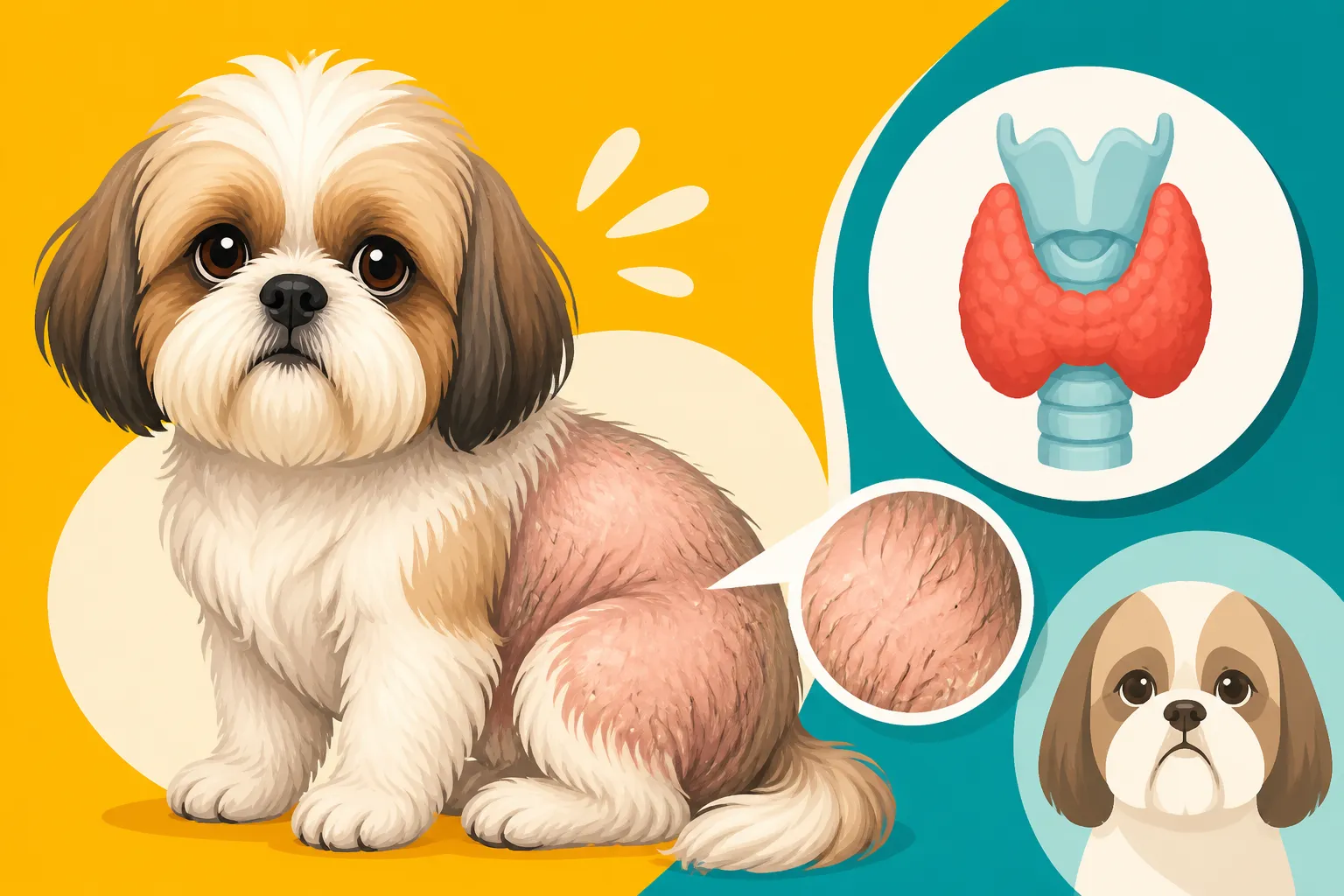
At its core, hypothyroidism means your dog's thyroid gland, a small but mighty gland located in their neck, isn't producing enough thyroid hormones. These hormones are like the conductors of an orchestra, regulating nearly every metabolic process in the body. They control everything from how quickly cells burn energy to the health of their skin and coat, and even their body temperature. When there's a deficiency, this crucial system slows down.
For Shih Tzus, this can be particularly concerning because their metabolism dictates their energy levels, their ability to maintain a healthy weight, and of course, the condition of their characteristic double coat. When the body isn't getting enough thyroid hormone, cells don't regenerate as quickly, fat isn't metabolized efficiently, and the hair follicles struggle to produce healthy hair. It’s not just about a pretty coat; it’s about their internal engine running smoothly. The impacts are widespread, affecting everything from organ function to their immune system, making early detection and treatment absolutely vital for their long-term health and comfort.
The Genetic Predisposition in Toy Breeds
It might surprise you to learn that hypothyroidism isn't just a random occurrence; there's often a genetic component at play, especially in certain breeds. Shih Tzus, along with other toy breeds and some larger breeds like Golden Retrievers and Dobermans, are known to have a higher predisposition to developing this condition. This isn't your fault as an owner; it's simply part of their genetic makeup.
Most commonly, Shih Tzus experience what's called primary hypothyroidism, which means the problem originates directly within the thyroid gland itself. Often, this is due to an autoimmune process where the body's own immune system mistakenly attacks and destroys the thyroid tissue over time. Less commonly, it can be due to idiopathic atrophy, where the gland simply shrinks for no apparent reason. If you're considering breeding your Shih Tzu or just want a comprehensive understanding of their genetic health risks, delving into The DNA Panel Worth Running on a Shih Tzu can offer valuable insights into breed-specific concerns that responsible breeders often test for. This proactive approach can sometimes give you a heads-up about potential health issues down the line.
Recognizing the Signs of Hypothyroidism Beyond Just Coat Loss
It’s easy to focus on the obvious changes, like the coat, but hypothyroidism is a systemic disease. It impacts the entire body, leading to a constellation of symptoms that can be easy to miss or misattribute to other causes. Becoming familiar with the full spectrum of signs can help you advocate for your Shih Tzu's health.
The Classic Coat and Skin Changes
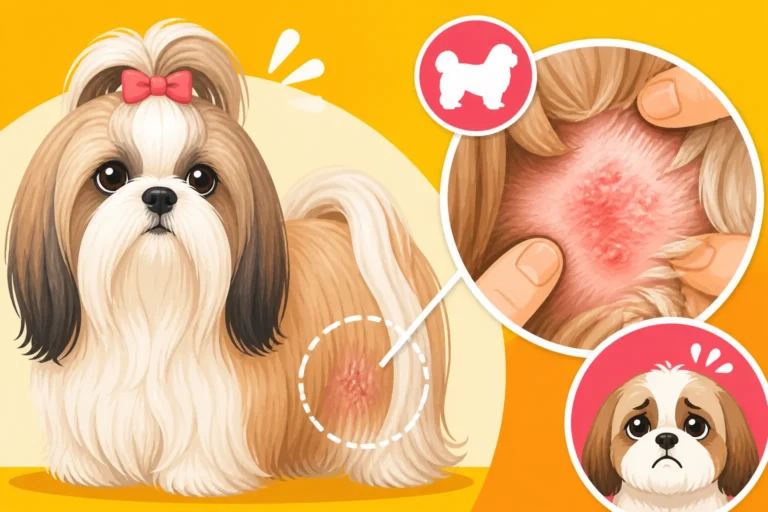
The most visible, and often the first, signs of hypothyroidism in a Shih Tzu typically manifest in their glorious coat and delicate skin. You might start noticing that their fur, once soft and lustrous, feels coarse, brittle, or just generally "off." The shedding might seem excessive, or conversely, new hair just doesn't seem to grow back. A tell-tale sign many owners report is a thinning coat, especially on the flanks, chest, and tail, sometimes giving the tail a bare, "rat tail" appearance. Patches of hair loss can occur symmetrically on both sides of the body, rather than random bald spots.
Beyond the hair, the skin itself can undergo significant changes. It might become dry, flaky, or even excessively oily in certain areas due to altered sebaceous gland function. Some Shih Tzus develop thickened skin, often described as "elephant skin," particularly in areas of friction or where the coat is thin. Pigmentation can also increase, leading to darkened patches of skin, known as hyperpigmentation. This can sometimes be confused with allergic reactions or other skin conditions, but unlike typical scratching from Shih Tzu Skin Allergies and Hot Spots, the itching might not be the primary complaint, even if secondary infections occur. It's truly disheartening to see your fluffy companion's coat diminish, and these changes are a clear signal that something metabolic is amiss.
Metabolic and Behavioral Indicators
While the coat changes are prominent, hypothyroidism quietly impacts nearly every system in your Shih Tzu’s body, leading to other, less obvious, but equally important signs. One of the most common complaints is unexplained weight gain, even if you haven't changed their diet or exercise routine. This can be particularly frustrating, as you might be diligently monitoring their food intake only to see the numbers on the scale creep up. If you're trying to manage your dog's weight, understanding the nuances of Shih Tzu Obesity on a Sixteen Pound Frame can be very helpful, but if they're gaining without overeating, a thyroid issue should be on the radar.
Beyond weight, many hypothyroid Shih Tzus exhibit a noticeable decrease in energy. They might become lethargic, less enthusiastic about walks, or spend more time sleeping than playing. They might seek out warm spots in the house more frequently, as an underactive thyroid can make them less tolerant of cold temperatures. Sometimes, owners even report subtle shifts in temperament, with their once cheerful and outgoing Shih Tzu becoming more subdued, withdrawn, or even a bit irritable due to general malaise. These metabolic and behavioral changes, when combined with coat issues, paint a more complete picture of what might be going on, urging you to seek veterinary attention.
Diagnosing and Treating Hypothyroidism in Your Shih Tzu
If you're noticing these symptoms, the good news is that hypothyroidism is a treatable condition. The key lies in accurate diagnosis and consistent, lifelong management. Don't hesitate to bring your concerns to your veterinarian.
The Veterinary Diagnostic Process
When you present your vet with a list of concerns—the thinning coat, the lethargy, perhaps the weight gain—they'll likely suspect hypothyroidism and recommend some diagnostic tests. The primary method for diagnosing hypothyroidism is through a blood test that measures your Shih Tzu's thyroid hormone levels. It's not just about a single number; a comprehensive thyroid panel is crucial. This panel usually includes total T4 (thyroxine), free T4 (fT4), and thyroid-stimulating hormone (TSH). Total T4 gives a general overview, but can be influenced by other illnesses or medications. Free T4 is considered a more accurate reflection of the biologically active hormone. TSH, produced by the pituitary gland, indicates whether the body is trying to stimulate an underperforming thyroid.
It’s important to understand that sometimes, other serious illnesses can cause thyroid hormone levels to appear low, a phenomenon known as "sick euthyroid syndrome." A skilled veterinarian will interpret these results carefully, often considering a repeat test or further investigation to rule out other conditions before jumping to a diagnosis. This thoroughness ensures your Shih Tzu receives the correct treatment and isn't put on unnecessary medication. Remember, an accurate diagnosis is the cornerstone of effective treatment, so be prepared for your vet to be meticulous in their approach.
Lifelong Medication and Monitoring
Once a definitive diagnosis of hypothyroidism is made, the treatment is relatively straightforward: lifelong thyroid hormone replacement therapy. This typically involves administering a synthetic form of thyroxine, commonly called levothyroxine, usually twice a day. This medication effectively replaces the hormones your Shih Tzu's body isn't producing enough of, helping to restore their metabolism to normal.
The initial few months of treatment involve regular blood tests to monitor their hormone levels and adjust the dosage as needed. Typically, your vet will recommend checking thyroid levels every 4-8 weeks until a stable dose is achieved. After that, monitoring usually shifts to an annual blood test, often as part of their routine check-up. This is a critical part of ensuring the medication is working effectively and that your dog is receiving the right amount. If your vet needs to perform a Testing a Shih Tzu Thyroid panel, they will guide you through the process, but expect it to be a recurring part of your Shih Tzu's healthcare routine. Consistency is paramount: missing doses or not administering the medication as prescribed can lead to a return of symptoms, so it’s important to make it a seamless part of their daily schedule.
Managing Your Shih Tzu's Health with Hypothyroidism
A diagnosis of hypothyroidism can feel overwhelming, but with proper management, your Shih Tzu can lead a full, happy, and healthy life. It’s all about supporting their overall well-being and being prepared for the journey.
Supporting Overall Well-being During Treatment
Once your Shih Tzu starts on their levothyroxine medication, you'll typically begin to see improvements within a few weeks to a couple of months. One of the first things many owners notice is an increase in energy and a brighter demeanor. The lethargy starts to lift, and they might show more enthusiasm for walks and playtime. Weight stabilization, or even a healthy weight loss if they gained weight, will follow. The coat, however, can take longer to show significant regrowth, sometimes 4-6 months, as hair follicles need time to rejuvenate and cycle through new growth. Be patient; their luxurious locks will return.
Beyond medication, maintaining a balanced diet appropriate for their age and activity level is crucial. If your Shih Tzu gained weight, your vet might recommend a specific diet plan. Understanding Daily Calories for a Twelve Pound Shih Tzu can help you manage their food intake effectively. Regular, appropriate exercise, like The Short Walks a Shih Tzu Is Built For, will also contribute to their overall health and help with weight management. Don't forget their grooming routine; consistent Brushing a Shih Tzu Double Coat Every Day not only prevents mats but also stimulates circulation to the skin, potentially aiding in coat regrowth.
Financial Considerations and Pet Insurance
A diagnosis of hypothyroidism, like any chronic health condition, comes with ongoing costs. These include the initial diagnostic blood tests, the monthly expense of medication, and the annual monitoring blood panels to ensure dosage efficacy. While individually these costs might not seem astronomical, they add up over your Shih Tzu's lifetime, easily reaching into the hundreds, if not thousands, of dollars.
This is where pet insurance can be a real lifeline. Companies like Healthy Paws offer policies that can help cover a significant portion of these expenses, providing peace of mind for unexpected illnesses and chronic conditions. However, it's critical to understand that pet insurance typically doesn't cover pre-existing conditions. This means if your Shih Tzu is diagnosed with hypothyroidism before you enroll in a policy, the costs associated with that condition generally won't be covered. Therefore, it's always best to consider enrolling in pet insurance, such as a plan from Healthy Paws, when your Shih Tzu is young and healthy, before any chronic conditions manifest. If you’re weighing your options, researching Shih Tzu Pet Insurance for a Flat-Faced Toy can provide a deeper dive into what to look for in a policy that suits your breed's specific health needs.
To give you a clearer picture of potential costs involved, here’s a general breakdown:
| Cost Item | Estimated Price Range (USD) | Frequency | Notes |
|---|---|---|---|
| Initial Thyroid Panel | $100 – $300 | Once | May vary based on specific tests included |
| Follow-up Blood Tests | $50 – $150 | 2-4 times/year | Less frequent once stable |
| Levothyroxine (monthly) | $20 – $60 | Monthly | Varies by dosage, dog size, and pharmacy |
| Vet Consultations | $50 – $100 | 1-2 times/year | Often combined with blood tests |
| Annual Maintenance Total | $300 – $1,000+ | Annually | Highly dependent on required monitoring and medication cost |
Please note: These are estimated costs and can vary significantly based on your location, veterinary clinic, and specific medication formulations.
Living with a Shih Tzu diagnosed with hypothyroidism doesn't have to be a burden. With diligent medication, regular vet visits, and a loving, supportive home environment, your dog can continue to bring you years of joy. Understanding the condition, being proactive about their health, and planning for the financial aspects are all crucial parts of being a responsible Shih Tzu parent. For broader insights into their later years, you might also find the article Senior Shih Tzu Care Past the Age of Ten helpful as hypothyroidism can sometimes manifest as they age.
Disclaimer
The information provided in this article is for educational purposes only and is not intended to be a substitute for professional veterinary advice, diagnosis, or treatment. Always seek the advice of your veterinarian or other qualified animal health provider with any questions you may have regarding a medical condition.