Shih Tzu Proptosis and How It Happens
It's one of the most horrifying things a Shih Tzu owner can witness: their beloved dog's eye literally "popping out" of its socket. The sheer shock and panic that courses through you in that moment is indescribable, a feeling no pet parent ever wants to experience. This guide is here to unravel the mystery and terror behind Shih Tzu eye proptosis, explaining why it happens, what you must do immediately, and how to safeguard your precious companion from this alarming emergency.
The Frightening Reality of Shih Tzu Eye Proptosis
The term "proptosis" might sound clinical, but for a Shih Tzu owner, it translates to a moment of sheer terror when your dog's eye dislodges from its normal position and bulges out beyond the eyelids. It's a visually shocking event, and understanding precisely what's happening can help you act quickly and effectively, even amidst the fear.
What Happens When an Eye "Pops Out"
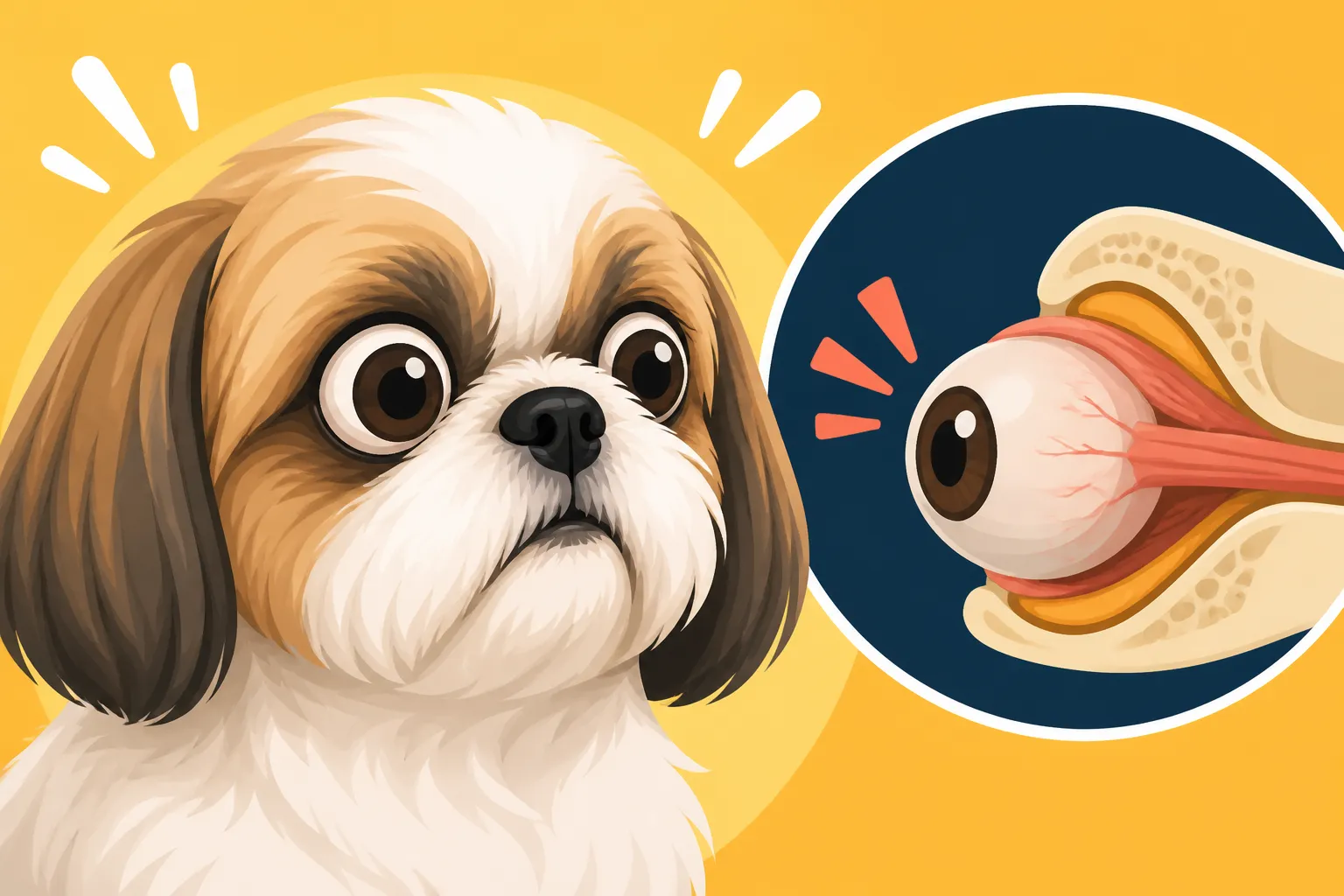
Imagine the eyeball, normally nestled securely within its protective bony socket, suddenly propelled forward. That's essentially what eye proptosis is. The eye globe extrudes, meaning it moves out of the orbital cavity and the eyelids become trapped behind it, unable to retract and cover the eye. The exposed eye can look incredibly swollen, red, and frankly, quite gruesome. The eyelids might appear inverted or stretched around the exposed globe, making the situation even more distressing. This isn't just a temporary displacement; it’s a severe emergency where the eye’s integrity and the dog's vision are immediately at risk. The pressure on the optic nerve and the blood vessels supplying the eye can rapidly cause irreversible damage if not addressed without delay.
The event itself can be incredibly sudden. One moment, your Shih Tzu is playing, shaking their head, or perhaps got a little too excited during a greeting, and the next, you’re staring at an exposed, terrifyingly displaced eye. The sheer unexpectedness adds to the trauma, leaving owners feeling helpless and terrified. The eye remains connected by muscles and the optic nerve, but it is now fully vulnerable to drying out, blunt trauma, or even further damage from the dog trying to paw at it in distress.
Why This Is an Emergency for Your Shih Tzu
This isn't merely a cosmetic issue; it's a profound medical emergency that demands immediate veterinary attention. The urgency stems from several critical factors. Firstly, when the eye proptoses, the optic nerve, which connects the eye to the brain, gets stretched. This stretching can severely damage the nerve, potentially leading to permanent blindness. The longer the nerve remains stretched, the higher the likelihood of irreversible damage.
Secondly, the blood supply to the eye can be compromised. The delicate blood vessels that nourish the eye can be torn or pinched off as the eye shifts forward. Without adequate blood flow, the eye tissue quickly begins to die. This can lead to severe pain, inflammation, and ultimately, the loss of the eye itself. Furthermore, the cornea, the clear outer surface of the eye, is suddenly exposed to the air. It rapidly dries out, leading to painful and vision-threatening corneal ulcers. The eyelids, now trapped behind the globe, can't protect the eye, leaving it vulnerable to further trauma, dirt, and bacteria. The Shih Tzu will be in immense pain and distress, often pawing at their face or rubbing it on surfaces, which can exacerbate the injury. Every minute counts in these situations, making a swift trip to the emergency vet absolutely non-negotiable.
Understanding the Unique Shih Tzu Anatomy That Makes This Possible
Shih Tzus, with their adorable flat faces and prominent eyes, are undeniably charming. However, these very features, a result of their brachycephalic (short-nosed) skull structure, also predispose them to eye proptosis. It's a cruel irony that what makes them so endearing also puts them at a higher risk for this alarming condition.
The Shallow Orbit and Prominent Eyeball
The fundamental reason Shih Tzus are so prone to eye proptosis lies in their unique skull structure. Unlike breeds with longer snouts and deeper-set eyes, Shih Tzus possess shallow eye orbits. Think of the eye socket as a protective bony cup; in a Shih Tzu, this cup is more like a shallow saucer. Their eyeballs sit very prominently, often appearing to bulge slightly even under normal circumstances. This lack of deep bony protection means there's less bone surrounding the eye to hold it firmly in place.
When any pressure, strain, or trauma occurs, there’s little resistance to prevent the eye from being pushed forward and out of its shallow socket. This anatomical predisposition is why even a relatively minor jolt or a sudden head shake can lead to proptosis. It's not that their eyes are inherently "weak," but rather that their entire orbital structure offers minimal containment compared to other breeds. This characteristic is a key component of what we refer to as Brachycephalic Ocular Syndrome in a Shih Tzu.
Loose Eyelids and Weak Supporting Ligaments
Adding to the shallow orbits, Shih Tzus also tend to have looser eyelids and weaker supporting ligaments around their eyes. These ligaments and muscles, which typically help hold the eye in place and provide tension, are less robust in brachycephalic breeds. The eyelids themselves, while they seem substantial with all that fur, don't offer much structural support against outward pressure.
Normally, the eyelids play a crucial role in keeping the eyeball recessed and protected. In Shih Tzus, however, their loose lower eyelids often sag slightly, a condition sometimes contributing to Shih Tzu Eyelash and Eyelid Problems. This looseness means they can more easily slip behind the proptosed globe, exacerbating the exposure and making it harder for the eye to retract naturally. The combination of shallow sockets, prominent eyeballs, and less supportive eyelid/ligament structure creates a perfect storm for proptosis, even from seemingly innocuous events. It's a delicate balance that can be easily disrupted.
Consequences of Brachycephalic Features Beyond Proptosis
While proptosis is a dramatic and terrifying consequence, the brachycephalic skull structure also leads to a host of other chronic eye issues in Shih Tzus. Their prominent eyes are constantly exposed, making them highly susceptible to conditions like chronic dry eye (keratoconjunctivitis sicca). With less eyelid coverage, tear film evaporates more quickly, and tear production can be inadequate, leading to persistent irritation, redness, and discomfort. This can also leave the cornea vulnerable to damage.
Another common problem is Shih Tzu Corneal Ulcers and Dry Eye. Because their eyes protrude, they are at a higher risk of accidental scrapes or bumps that can injure the cornea. Even dust or a rogue hair can cause a painful ulcer. The lack of complete eyelid closure means the eyes might not get enough lubrication or protection during sleep, further contributing to drying and susceptibility to injury. These ongoing issues often require lifelong management with lubricating eye drops or specialized medications, adding to the care routine for these adorable dogs. It's a stark reminder that their distinctive features come with significant health considerations.
Common Scenarios That Can Trigger Proptosis
Understanding why proptosis can happen is crucial, but knowing how it often happens can empower you to take preventative steps. Shih Tzus are not just prone due to anatomy; certain situations significantly increase their risk, turning everyday activities into potential hazards for their delicate eyes.
Physical Trauma and Accidental Impacts
One of the most straightforward ways a Shih Tzu’s eye can proptose is through direct physical trauma or accidental impact. This doesn't necessarily mean a severe injury; even seemingly minor incidents can be enough due to their unique anatomy. A fall from a sofa or bed, bumping into a table leg, or a playful collision with another pet or even a person can apply enough pressure to force the eye forward.
Consider a scenario where your lively Shih Tzu is playing tug-of-war with a toy, shakes their head vigorously, and accidentally clips the edge of a piece of furniture. Or perhaps, during a game of chase, they tumble down a step, landing awkwardly. Even if they seem to bounce back quickly, the sudden jolt to their head can be enough. This is especially critical to consider if you have other, larger pets or small children who might not understand the fragility of a Shih Tzu's eyes. Unsupervised roughhousing, even if well-intentioned, can easily lead to a serious incident. We often talk about Rough Play That Puts a Shih Tzu Eye at Risk as a major concern. It's vital for owners to be vigilant and manage environments to minimize these kinds of accidental impacts.
Improper Restraint and Neck Pressure
Another surprisingly common trigger for proptosis is improper restraint or any situation that puts sudden pressure on a Shih Tzu's neck or head. Because the jugular veins and other blood vessels in the neck drain blood from the head, constriction around the neck can temporarily increase pressure within the head, including behind the eyes. This elevated pressure, combined with their shallow eye sockets, can be enough to push an eye out.
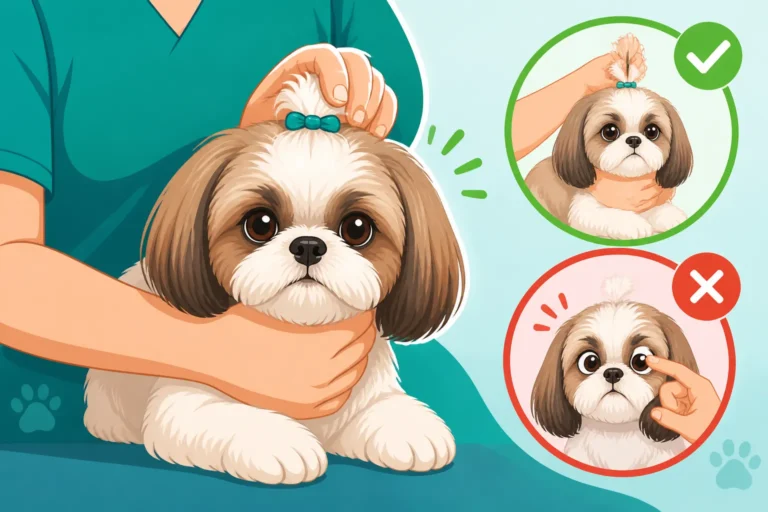
This is why harnesses are overwhelmingly recommended over collars for Shih Tzus. A collar can put direct pressure on the neck if the dog pulls on the leash or if you need to quickly grab them. A harness distributes pressure across the chest and shoulders, circumventing the delicate neck area. Even during grooming, if a groomer (or you) holds the dog too tightly by the scruff of the neck or applies excessive pressure to the neck with a grooming loop, it can be a risk. Owners need to understand How a Groomer Should Hold a Shih Tzu's Head to prevent such occurrences. Training your Shih Tzu to calmly accept handling and wearing a harness from a young age can significantly reduce this particular risk.
Extreme Excitement or Overexertion
While less common than direct trauma, situations involving extreme excitement, overexertion, or even intense bodily functions can also trigger proptosis. Imagine your Shih Tzu greeting you after a long day, leaping and shaking with uncontrolled joy. This sudden, intense movement, especially if combined with vigorous head shaking or straining, can temporarily elevate pressure within the head, potentially pushing an eye forward.
Similarly, severe coughing fits, persistent sneezing, prolonged vomiting, or intense straining during defecation can all transiently increase intracranial pressure. For a breed already predisposed, this internal pressure can be enough to cause the eye to prolapse. While these are usually symptoms of other underlying health issues (like respiratory problems or digestive upset), it's important to be aware that they can have this dramatic secondary effect. Managing any chronic conditions that lead to these symptoms, and providing a calm environment where your Shih Tzu can feel secure and avoid excessive excitement, are additional layers of protection against this alarming event.
What to Do in Those Terrifying First Moments
When your Shih Tzu's eye proptoses, time is of the essence. The shock can be paralyzing, but your immediate actions can significantly impact the outcome for your dog's vision and overall well-being. This is not a situation for "wait and see" – it's a full-blown emergency.
Prioritizing Calm and Protecting the Proptosed Eye
The very first and most critical step is to remain as calm as humanly possible, difficult as that may be. Your panic will only add to your Shih Tzu's distress. Your dog is likely in pain and extremely frightened, and they need you to be a steady presence. Once you've taken a deep breath, your immediate priority is to protect the exposed eye from drying out and from further trauma.
Do NOT attempt to push the eye back into the socket yourself. You could cause more damage to the delicate structures, including the optic nerve and surrounding tissues. Instead, gently cover the exposed eye with a clean, moist compress. This could be a piece of gauze, a clean cloth, or even a paper towel, soaked in saline solution (like contact lens solution) if available, or clean, cool water if not. The goal is to keep the cornea lubricated and moist until you can get to a vet. Make sure your Shih Tzu cannot paw at or rub the eye, perhaps by gently cupping their head or using a makeshift cone if you have one. Your focus should be on stabilizing the situation and preparing for transport. This is exactly what we discuss in more detail in our guide on What to Do in the First Minutes of a Proptosis.
Emergency Veterinary Care: Time is of the Essence
Once the eye is protected, you need to get your Shih Tzu to an emergency veterinary clinic immediately. This is not an appointment you can schedule for later in the day or even wait for your regular vet to open. Every minute that the eye is proptosed, the risk of permanent damage to the optic nerve and the eye's blood supply increases exponentially. Call ahead to the emergency clinic if possible, to let them know you're coming and the nature of the emergency. This allows them to prepare for your arrival and expedite treatment.
The journey to the vet should be as smooth and stress-free as possible. Keep your Shih Tzu in a carrier or cradled securely to prevent any sudden movements that could worsen the injury. Continue to keep the eye moist during transport. When you arrive, be prepared to describe exactly what happened and when. The vet team will understand the urgency and will likely take your dog back for immediate assessment. The costs associated with such an emergency can be significant, so having pet insurance, perhaps from a provider like Healthy Paws, can be an immense relief in these stressful moments, allowing you to focus on your dog's care rather than the financial burden.
The Vet's Initial Assessment and Treatment
Upon arrival at the emergency vet, the team will spring into action. Their first priority will be to assess the extent of the damage to the eye and determine the best course of action. This typically involves sedating your Shih Tzu to relieve pain and anxiety, and to allow for a thorough examination. They will meticulously clean the exposed eye and surrounding area, check for any other injuries, and assess the condition of the cornea and internal structures.
The vet will then attempt to manually replace the eye back into its socket. This delicate procedure involves gentle manipulation of the eyelids and careful pressure to guide the globe back into its natural position. Once replaced, the eyelids might be temporarily sewn together (a procedure called a temporary tarsorrhaphy) for several days to help keep the eye in place and allow it to heal. This also protects the eye from further drying and trauma. Medications, including antibiotics, anti-inflammatories, and pain relief, will be prescribed. The success of the procedure, and the prognosis for vision, depends heavily on how quickly treatment was initiated and the severity of the initial damage. Our guide on Whether a Proptosed Shih Tzu Eye Can Be Saved delves into the factors influencing these outcomes.
Proactive Steps to Minimize Risk
While terrifying, eye proptosis is often preventable with careful management and proactive care. As a Shih Tzu owner, understanding and implementing preventative measures is perhaps the most loving thing you can do for your dog, reducing the risk of them ever experiencing this traumatic event.
Safe Handling and Grooming Practices
How you handle and groom your Shih Tzu daily plays a massive role in preventing eye proptosis. Always support their body when picking them up, ensuring their head and neck are never left dangling or subject to sudden jerks. Avoid grabbing them by the scruff of the neck, as this can put undue pressure on the eyes. Teach children in the household how to interact gently with your Shih Tzu, emphasizing that rough play or pulling on their head is strictly off-limits.
During grooming, especially when brushing or trimming around the face, be exceptionally careful. Never pull on facial hair or hold their head too firmly. Use a soft, flexible harness for walks, rather than a collar, to eliminate any pressure on the neck if they pull or are suddenly restrained. This simple switch is one of the most effective preventative measures you can take. If you’re not comfortable trimming delicate areas like around the eyes, rely on a professional groomer who understands the specific needs of brachycephalic breeds and is adept at Trimming Face Hair Away From Shih Tzu Eyes without causing stress or injury.
Modifying the Home Environment for Eye Safety
Your home, while a safe haven, can also harbor hidden dangers for a Shih Tzu's prominent eyes. Simple modifications can go a long way in creating a safer environment. Consider installing baby gates to block access to stairs, preventing accidental falls. Provide ramps or pet stairs for your Shih Tzu to safely access furniture like sofas and beds, eliminating the need for risky jumps. Jumping off high surfaces puts stress on their entire body, including sudden impacts to the head.
Pad sharp corners of furniture, especially at your Shih Tzu’s eye level, to prevent accidental bumps. Keep floors free of clutter and anything they might trip over. If you have other pets, particularly larger, more boisterous dogs, always supervise their interactions. Ensure play is gentle and never too rough, as an accidental paw or headbutt can easily cause proptosis. Creating a quiet, secure space where your Shih Tzu can retreat when they need to also helps reduce overall stress and overexcitement.
Regular Veterinary Check-ups and Eye Health Monitoring
Consistent veterinary care is not just about reacting to emergencies, but actively preventing them. Regular check-ups allow your vet to monitor your Shih Tzu's overall health, including their eye health. During these visits, the vet can examine their eyes for any underlying conditions like dry eye, corneal ulcers, or eyelid abnormalities that might increase the risk of proptosis or complicate its outcome. Early detection and management of these issues can make a significant difference.
If your Shih Tzu has had a previous proptosis event, or if they have particularly prominent eyes, your vet might recommend specific lubricating eye drops to keep their corneas healthy and reduce irritation. They can also advise on the best harnesses, grooming tools, and home safety strategies tailored to your dog’s specific needs. For owners concerned about the potential costs of chronic eye issues or emergency care, having a comprehensive pet insurance plan, such as one from Healthy Paws, can provide peace of mind. It allows you to make care decisions based on your dog's needs, rather than financial constraints, ensuring that regular monitoring and necessary interventions are always accessible.
Recovery and Long-Term Care After an Eye Event
Even after the immediate crisis of proptosis is over, the journey to full recovery for your Shih Tzu is just beginning. The period following the emergency vet visit is critical for healing, and long-term care will likely involve vigilant monitoring and ongoing management to prevent recurrence and address any lasting effects.
Post-Operative Care and Medication Adherence
Once your Shih Tzu's eye has been replaced, or if, in unfortunately severe cases, enucleation (eye removal) was necessary, meticulous post-operative care at home is paramount. Your vet will provide detailed instructions, and it is vital to follow them precisely. This will invariably include administering multiple eye drops or ointments, often several times a day, for weeks or even months. These medications typically include antibiotics to prevent infection, anti-inflammatories to reduce swelling, and lubricants to keep the eye moist.
Your Shih Tzu will almost certainly need to wear an Elizabethan collar (the "cone of shame") to prevent them from rubbing or pawing at the healing eye. This is uncomfortable for them, but absolutely essential. Activity will be severely restricted: no jumping, no rough play, and quiet leash walks only. You’ll need to keep them calm and monitor for any signs of worsening, such as increased swelling, discharge, or if the eye begins to protrude again. Regular follow-up appointments with your vet will be necessary to ensure the eye is healing correctly and to adjust medication as needed. It's a demanding period, but crucial for the best possible outcome.
Addressing Potential Complications and Recurrence
Even with successful replacement, proptosis can lead to a range of complications, and vigilance is key to managing them. Vision loss is a common concern, as the stretching of the optic nerve can cause permanent damage. Your Shih Tzu might have reduced vision or even be completely blind in the affected eye. Other common issues include chronic dry eye, requiring lifelong lubricating drops, or recurrent corneal ulcers, which need prompt treatment to prevent further damage. In some cases, damage to the muscles or nerves around the eye can lead to strabismus (a squint) or a reduced blink reflex.
There's also a heightened risk of recurrence, either in the same eye or, more alarmingly, in the other eye. Owners often express anxiety about this, and rightly so. If proptosis occurs again, especially in the same eye, the prognosis for saving the eye and retaining vision decreases significantly. This potential for ongoing issues underscores the importance of continued preventative measures and careful monitoring. The financial aspect of managing these long-term complications can be substantial. For owners whose Shih Tzus develop chronic conditions or face repeat emergencies, having robust pet insurance coverage, like that offered by Healthy Paws, can be invaluable for covering the costs of continued medications, specialist visits, and potential future surgeries.
Psychological Impact on Your Shih Tzu and You
Beyond the physical healing, both your Shih Tzu and you might experience psychological impacts from such a traumatic event. Your dog will likely be sore, disoriented, and anxious from the pain, the vet visits, the cone, and restricted activity. They might be more withdrawn, clingy, or even grumpy. It's important to provide a calm, reassuring environment, offering comfort and gentle attention. Stick to a consistent routine to help them regain a sense of security.
For you, the owner, witnessing proptosis can be deeply distressing, leaving you with feelings of guilt, fear, and helplessness. It’s natural to feel traumatized, and it’s important to acknowledge those emotions. Focus on your dog's recovery, celebrate small victories in healing, and remind yourself that you acted quickly and did everything you could. Knowing that you have prepared financially, perhaps by budgeting for unexpected emergencies or having a plan with your pet insurance, can also alleviate some of the stress and allow you to fully commit to supporting your beloved Shih Tzu through their recovery.
| Risk Factor for Proptosis | Description | Preventative Measure |
|---|---|---|
| Shallow Eye Sockets | Inherited anatomical trait in Shih Tzus, offering minimal bony protection. | Careful handling; avoid rough play or sudden head impacts. |
| Loose Eyelids/Ligaments | Less supportive tissues around the eye, allowing for easier displacement. | Regular vet checks for eyelid issues; gentle face cleaning. |
| Neck/Head Pressure | Constriction or sudden force around the neck area. | Always use a harness instead of a collar; avoid tight grooming loops. |
| Rough Play / Falls | High-impact activities, jumping from furniture, or collisions. | Supervise play; use ramps for furniture; child-proof home; use baby gates. |
| Extreme Excitement | Vigorous head shaking, coughing, sneezing, or straining during bodily functions. | Manage excitement; address underlying health issues causing straining/coughing. |
| Unsupervised Grooming | Improper techniques or accidental tugging during brushing/trimming. | Learn proper grooming techniques; use professional groomers familiar with Shih Tzus. |
Disclaimer
This article is intended for informational purposes only and does not constitute veterinary advice. In the event of an emergency such as eye proptosis, immediately contact your veterinarian or your nearest emergency animal hospital. Always consult with a qualified veterinary professional for any health concerns or before making any decisions about your pet's care.